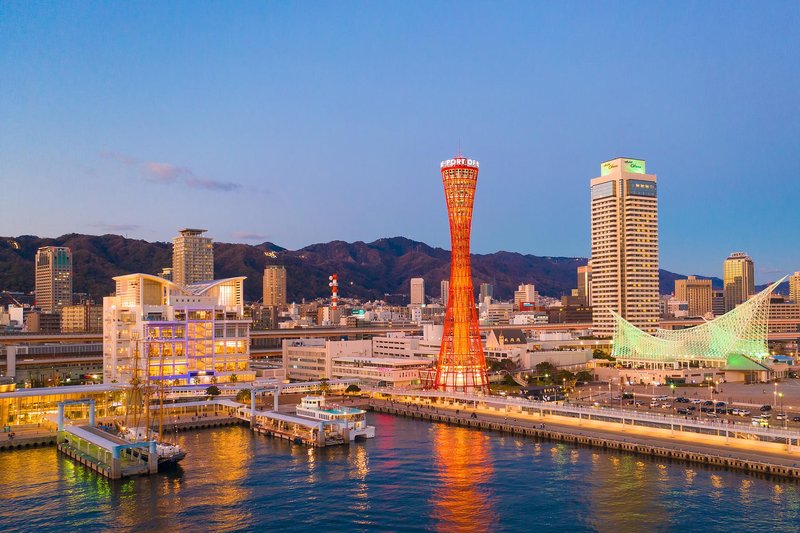
Hotels in Awa
Discover your perfect stay in Awa.
Awa(Japan) Travel 2026: Cheap Flights, Hotels & Top Attractions
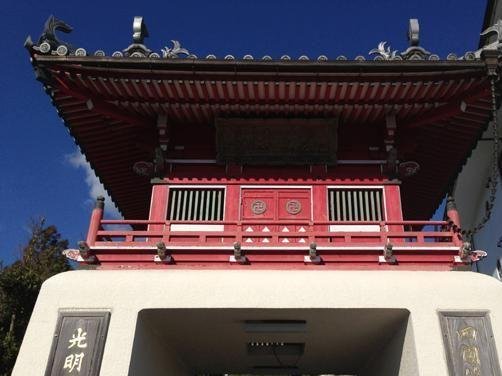
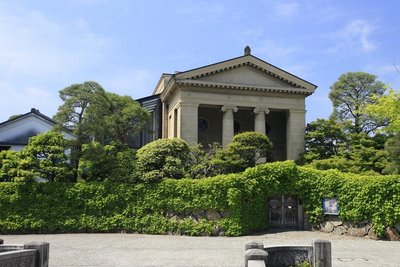
Popular Landmarks in Awa
Discover the most iconic attractions in Awa
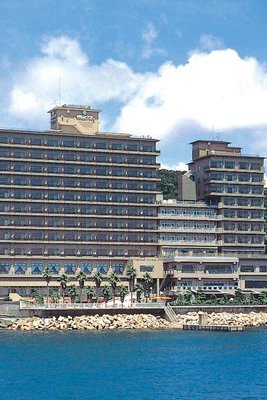
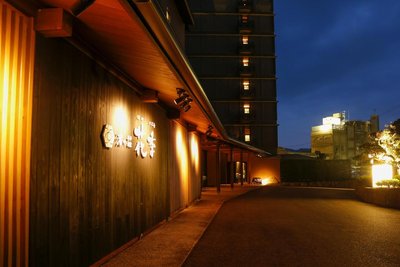
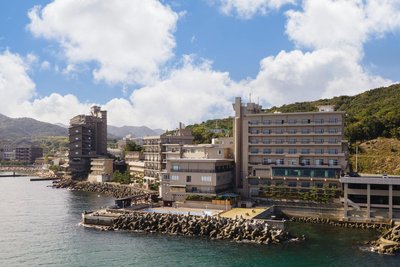
Recommended Hotels in Awa
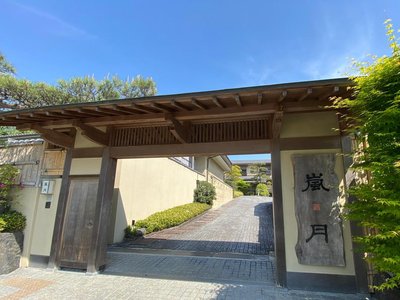
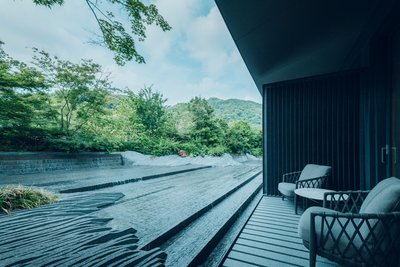
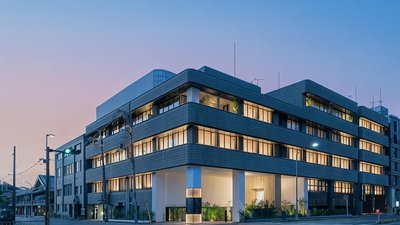
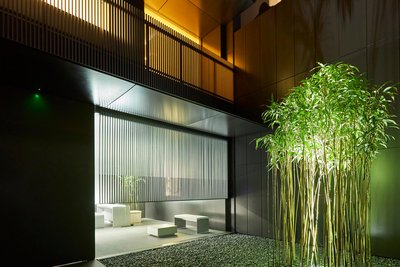
Find the perfect place to stay in Awa
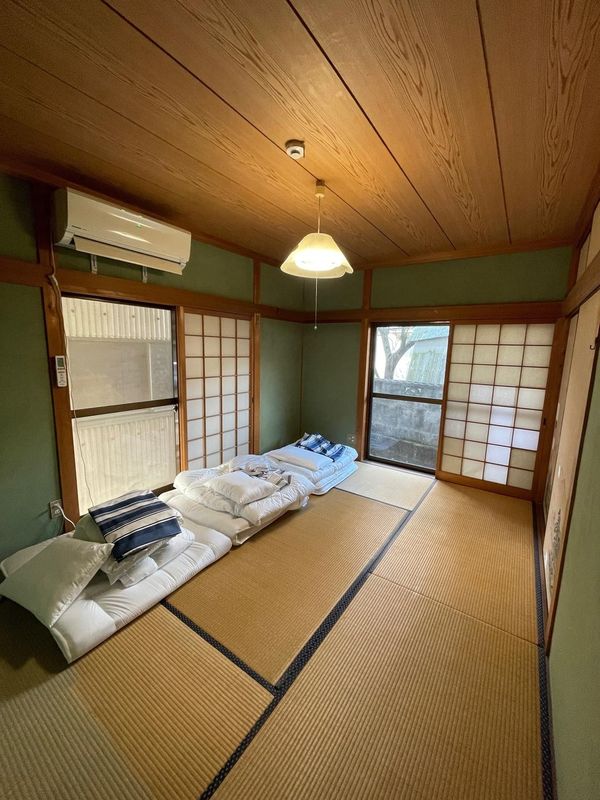
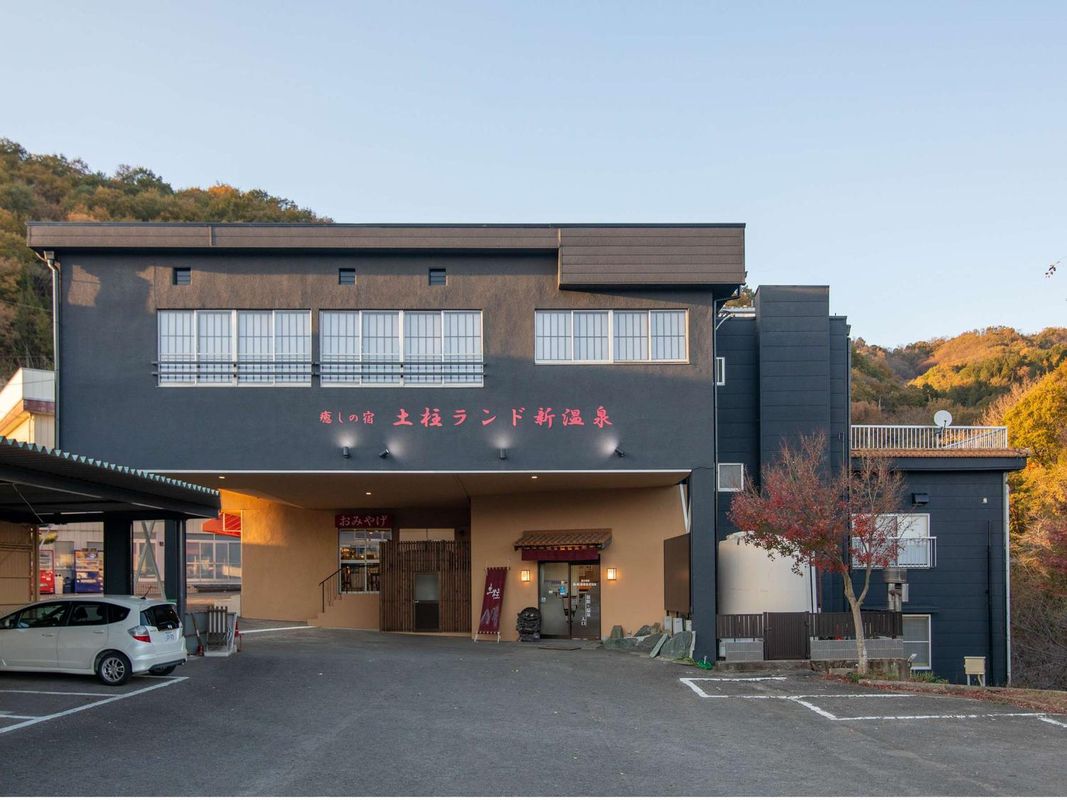
Best Hotels in Awa
Discover curated hotel collections in Awa





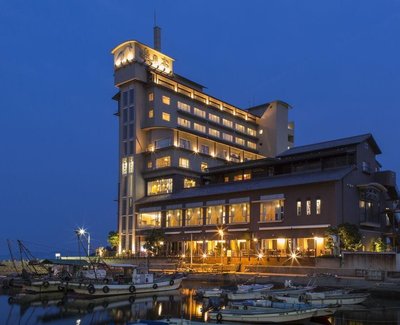
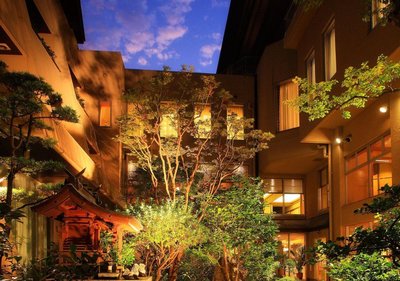
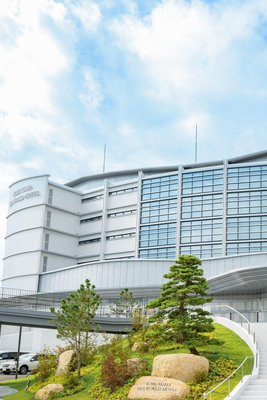
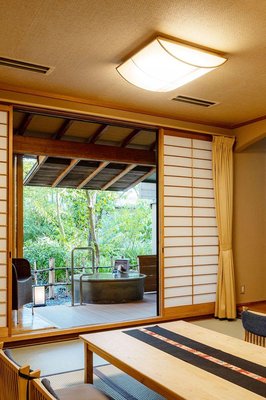


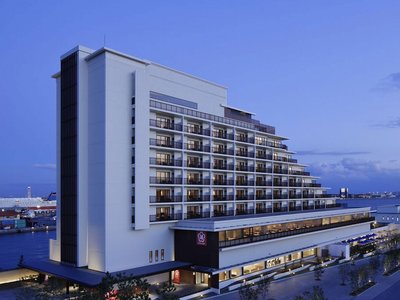
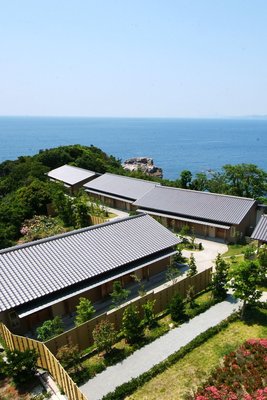
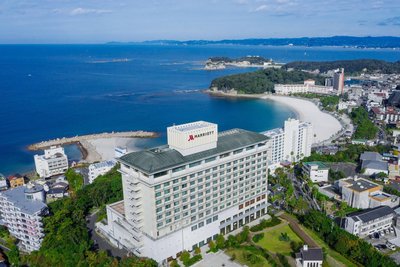
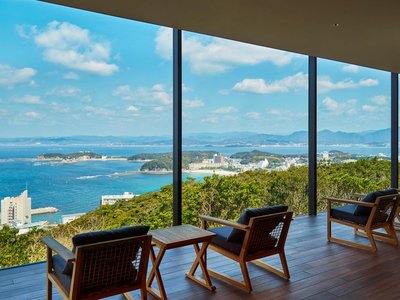



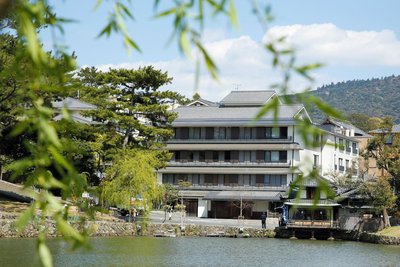
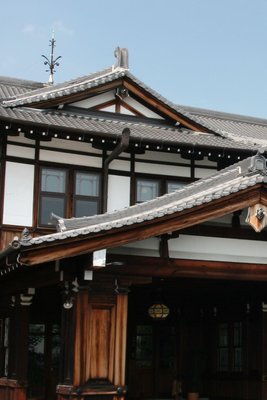

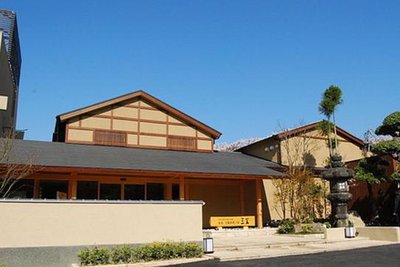
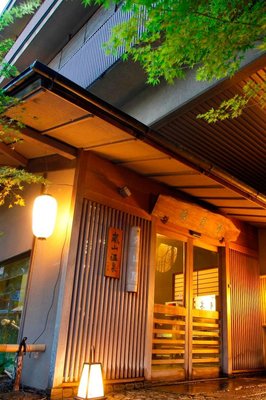







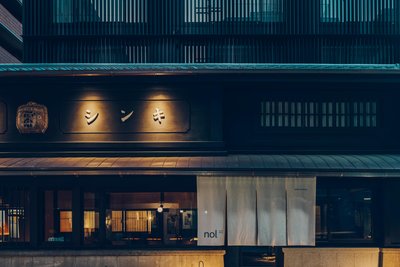
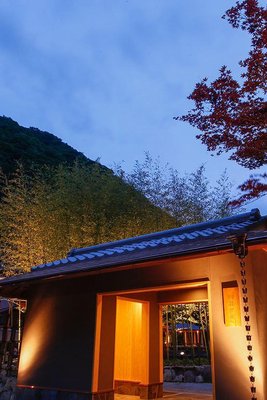
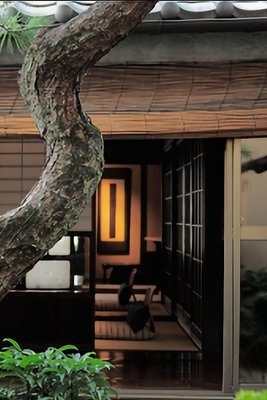
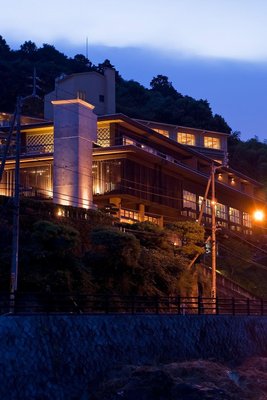
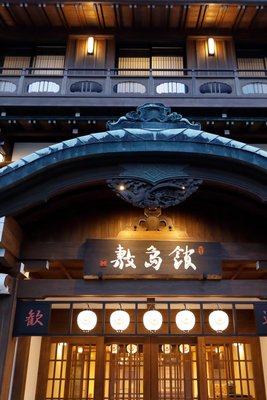
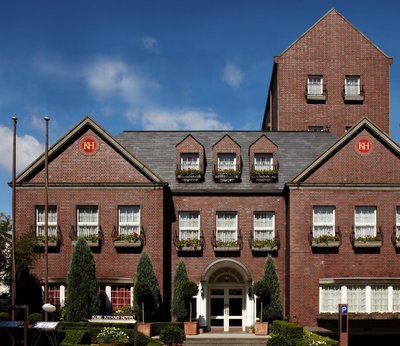
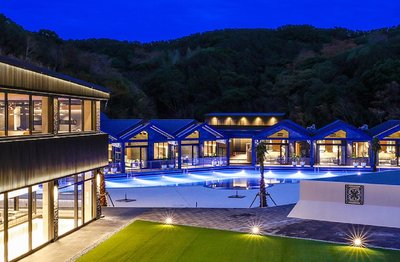

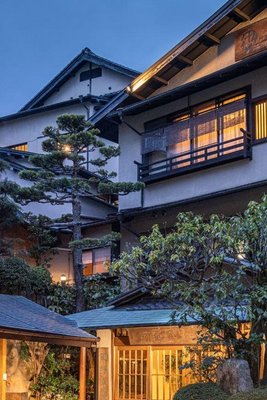

Frequently Asked Questions about Traveling to Awa
Questions You Might Need to Know About Traveling to Awa
Awa Overview
City Summary
Awaji City is located in the northern part of Tokushima Prefecture, Japan, known for its stunning natural scenery and rich cultural heritage. The city is set against the backdrop of the Yoshino River and the Shikoku Mountains, offering a variety of outdoor activities and historical sites. The Awa Odori dance is the most iconic cultural symbol of the region, attracting thousands of visitors every summer. Additionally, Awaji City is famous for its hot springs and fresh air, making it an ideal destination for escaping urban hustle.
Must-See Attractions
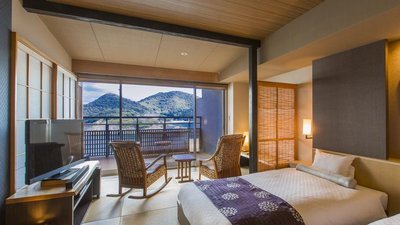
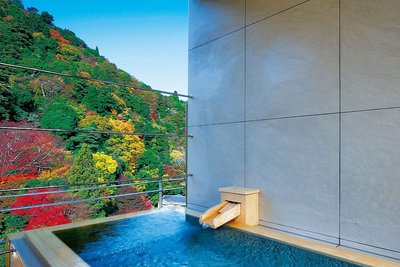
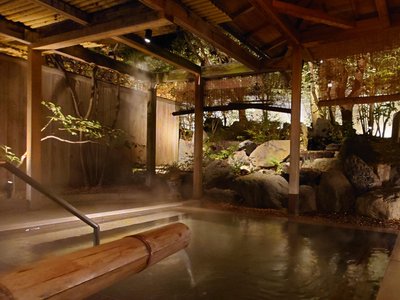
In Awaji City, must-see attractions include the Awa Odori Kaikan, where you can experience the traditional Awa Odori dance performances year-round. The breathtaking views of the Yoshino River are not to be missed—consider a riverside stroll or a rafting adventure. History enthusiasts should visit the Awaji City Historical and Folk Museum to learn about the local heritage. The city’s hot spring ryokans also provide a relaxing retreat, especially during the winter months.
Food Guide
Awaji City’s cuisine focuses on local ingredients, with Awa Odori chicken being the most famous dish—tender and juicy, often grilled or fried. Among street foods, millet mochi (a sweet treat made from millet) is highly popular. Don’t miss the local buckwheat noodles and fresh river fish dishes. Many restaurants offer traditional Japanese set meals, allowing you to sample a variety of local flavors in one sitting.
Transportation Guide
Public transportation in Awaji City primarily relies on buses, with several routes connecting major attractions and stations. Renting a car is another great option, especially if you plan to explore the surrounding natural areas. The city is accessible via the JR Shikoku Line from Tokushima City in about an hour. Taxis are readily available but can be expensive. It’s advisable to check bus schedules in advance, as some routes have limited service.
Best Time to Visit
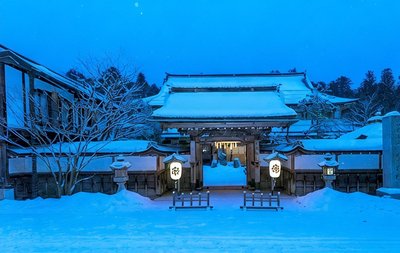
The best time to visit Awaji City is during the summer (July to August) to experience the renowned Awa Odori Festival. Spring (March to May) offers pleasant weather for cherry blossom viewing and outdoor activities. Autumn (September to November) is ideal for witnessing the vibrant fall foliage. Winter (December to February) is colder but perfect for enjoying the soothing hot springs.
Travel Tips
- During the Awa Odori Festival, book accommodations early due to high tourist demand.
- Respect local culture by staying quiet during Awa Odori performances.
- Some attractions may only accept cash, so carry sufficient yen.
- Public transport schedules can be infrequent, so plan ahead.
- Shoes are typically prohibited in hot spring areas—follow local customs.
- Wear comfortable shoes and bring sunscreen for outdoor activities.
Useful Information
The primary language in Awaji City is Japanese, though some tourist spots and hotels may offer basic English services. Credit cards are widely accepted, but smaller vendors or street stalls might only take cash. Free Wi-Fi is available in major tourist areas and hotels. In emergencies, dial 110 for police or 119 for an ambulance. Pharmacies are common, but carrying your own medications is recommended. The local voltage is 100V, with two-flat-pin outlets, matching those in Taiwan, so no adapter is needed.