Hotels in Awaji
Discover your perfect stay in Awaji.
Awaji(Japan) Travel 2026: Cheap Flights, Hotels & Top Attractions
Popular Landmarks in Awaji
Discover the most iconic attractions in Awaji
Recommended Hotels in Awaji
Find the perfect place to stay in Awaji
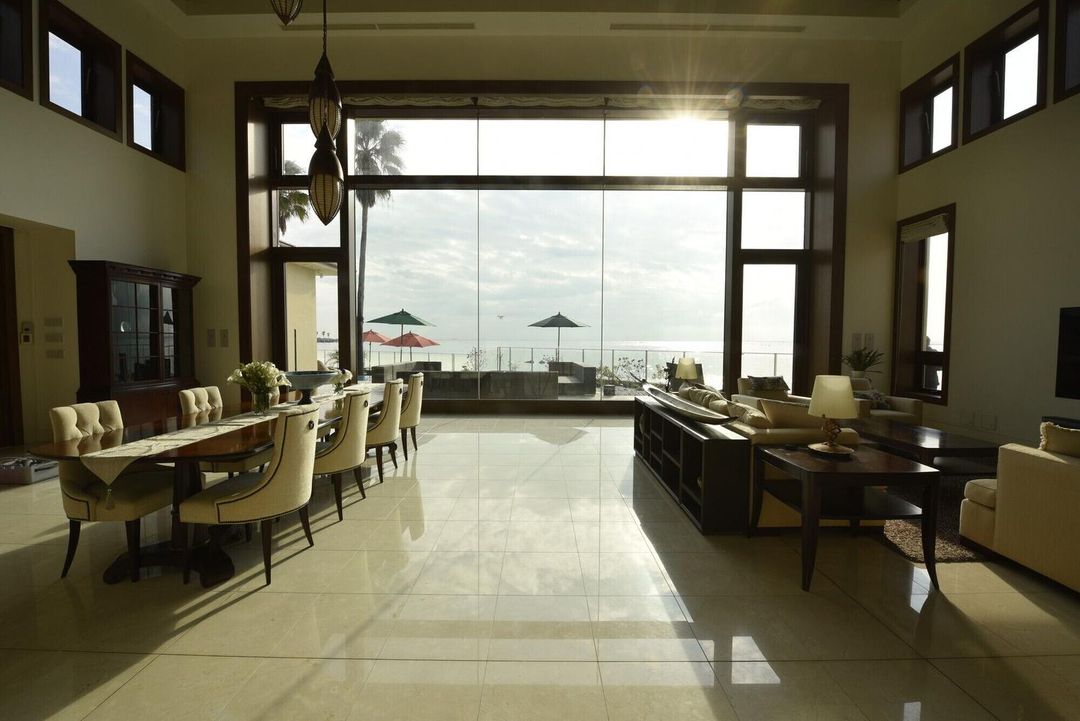
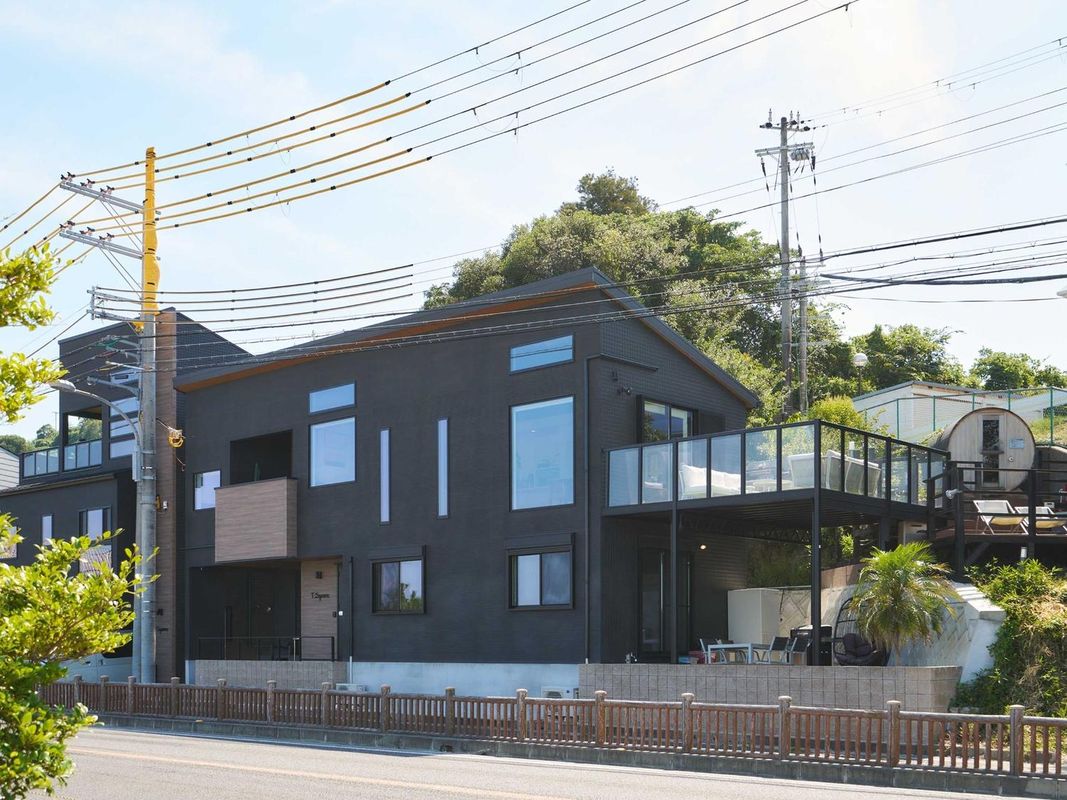
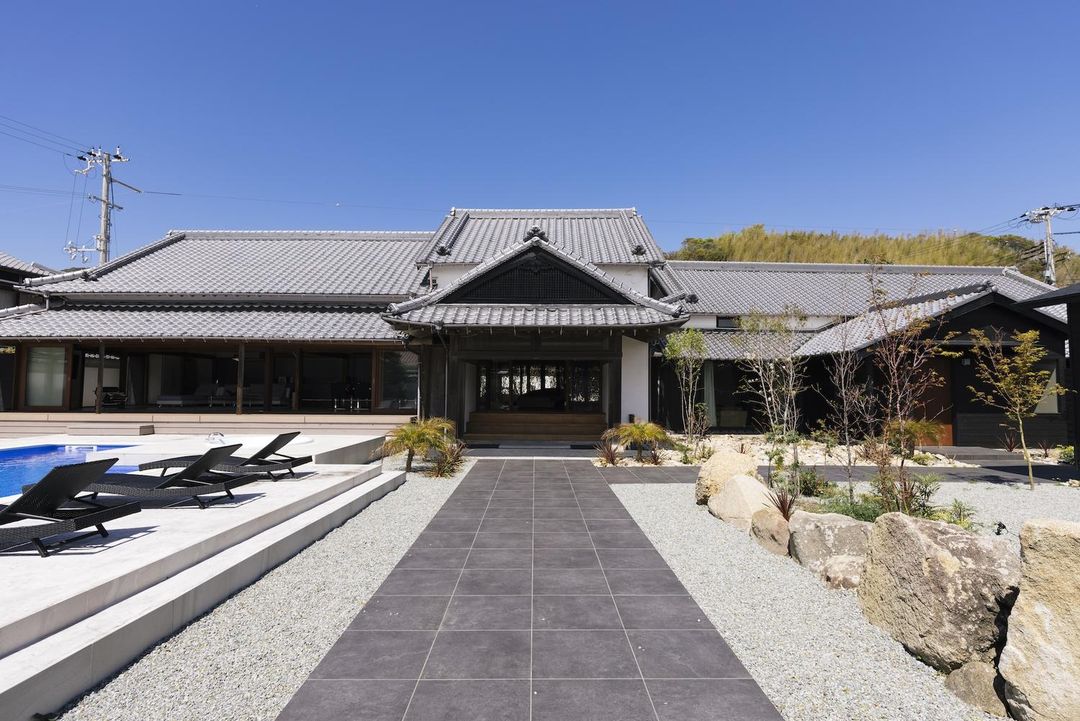
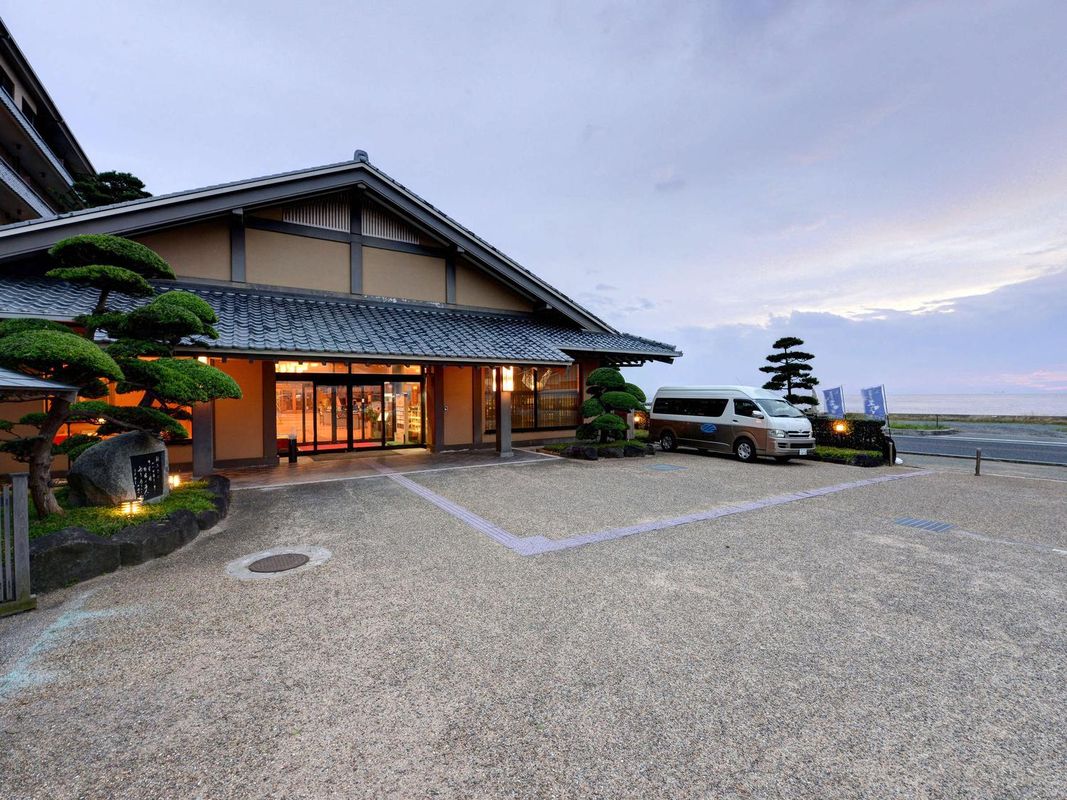
Best Hotels in Awaji
Discover curated hotel collections in Awaji









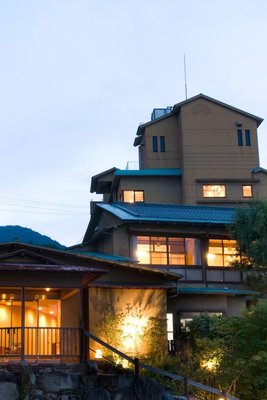
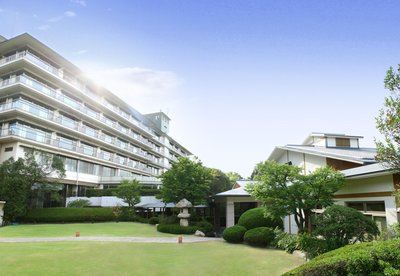
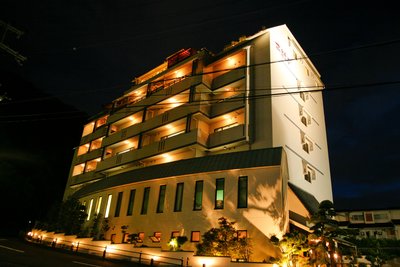
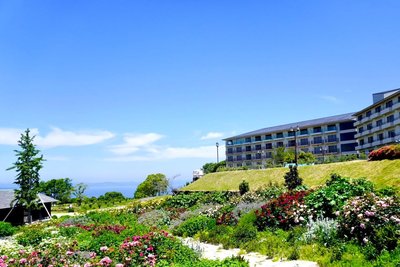







Frequently Asked Questions about Traveling to Awaji
Questions You Might Need to Know About Traveling to Awaji
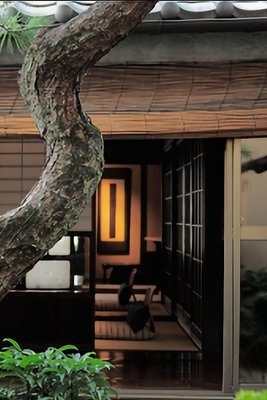
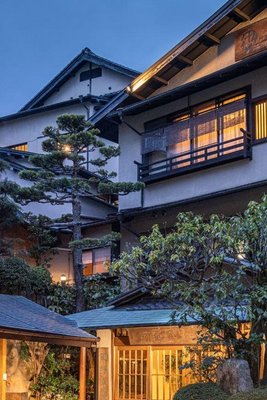
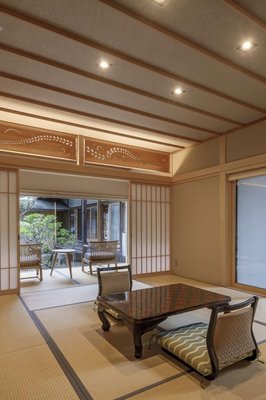
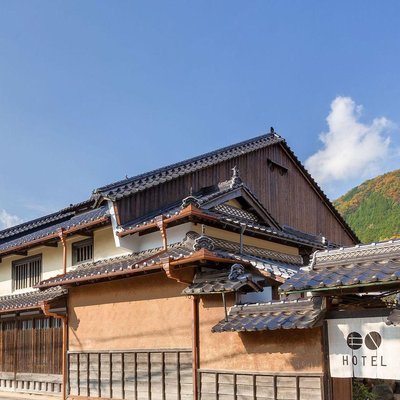
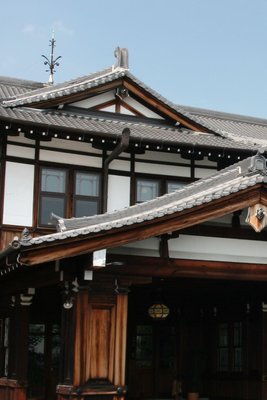
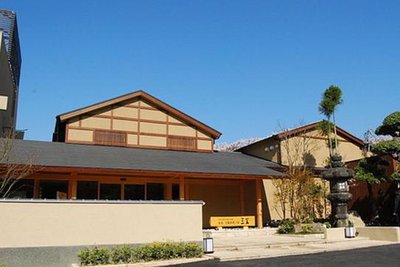
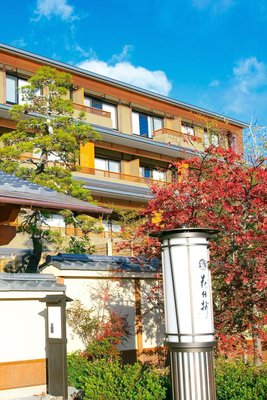
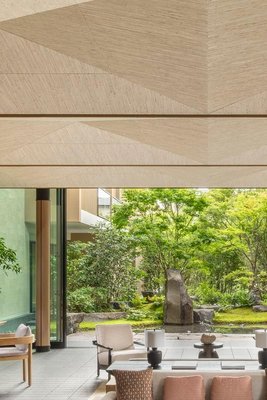
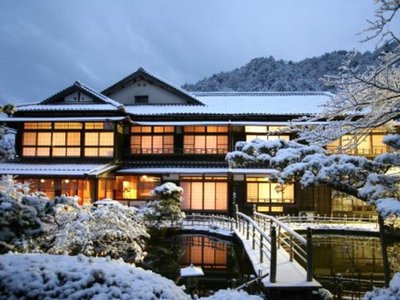
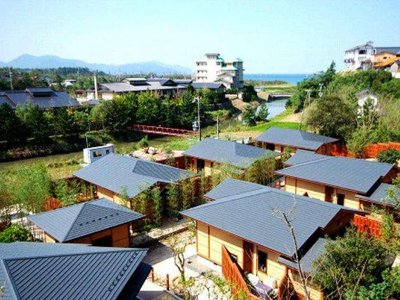
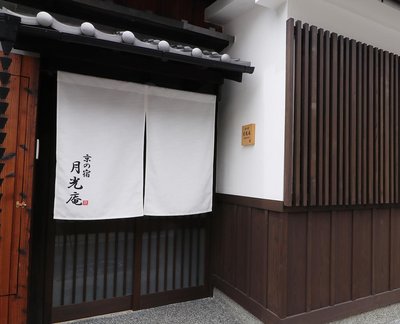
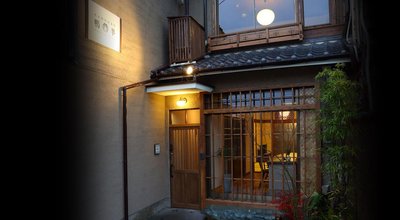
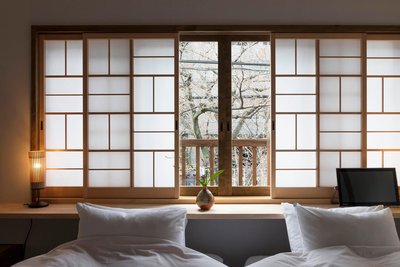
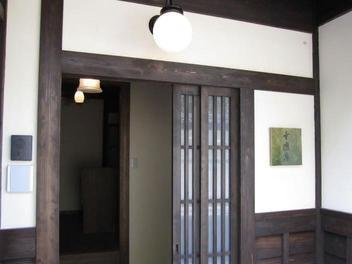
In Awaji City, Awaji Island Kichijoten Hotel stands out as a top boutique stay, nestled in the heart of Awaji’s rural countryside. This traditional Japanese-style inn features tatami rooms, wooden verandas, and an on-site kaiseki restaurant serving seasonal dishes made from locally grown vegetables and fresh seafood. Guests can participate in hands-on workshops like washi paper-making or sake brewing, hosted by local artisans.
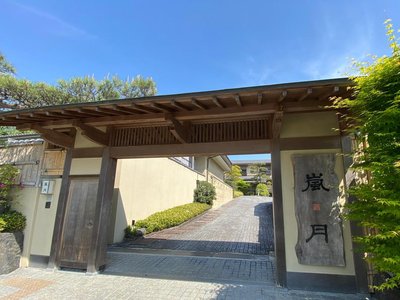
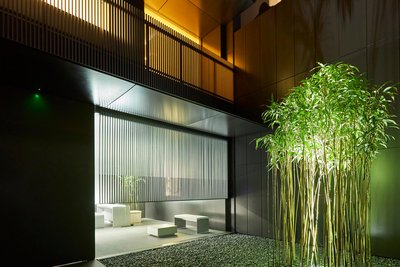
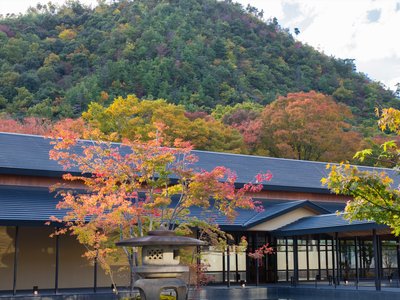
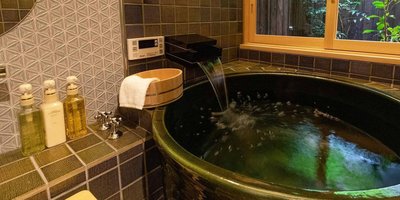
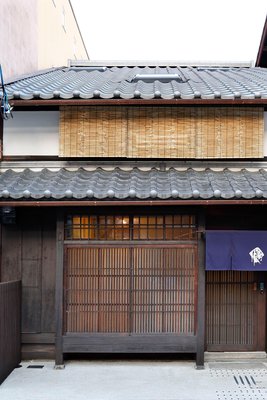
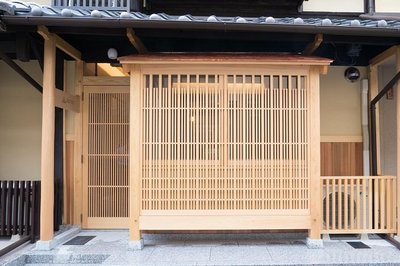
Another gem is Shimokita Ryokan, located near Awaji-no-Mori Nature Park, which blends modern comfort with authentic Edo-period architecture. Its private outdoor baths overlook a tranquil bamboo grove, perfect for quiet reflection. The hotel also offers guided tours to nearby organic farms, where visitors can harvest Awaji cabbage and learn about sustainable farming practices. These experiences provide a deeply immersive connection to Awaji’s heritage and natural beauty.
The South Awaji region, particularly around Awaji-no-Mori Nature Park and Omi Beach, is ideal for a peaceful, nature-focused retreat. This area is home to Japan’s largest natural forest reserve on the island, offering serene walking trails through ancient cypress and maple trees, birdwatching opportunities, and even rare sightings of Japanese serow.
Stay at Awaji Forest Retreat, a secluded eco-lodge surrounded by native flora, where guests enjoy open-air hot springs, yoga sessions by the forest stream, and stargazing under minimal light pollution. The nearby Awaji Marine Park provides access to kayaking, snorkeling, and observing vibrant coral reefs. With minimal crowds and rich biodiversity, this zone offers a true escape into nature’s embrace.
Tourists in Awaji City can engage in several unique cultural experiences rooted in tradition and sustainability. One standout is the Awaji Washi Paper Workshop, where visitors craft handmade washi paper using traditional methods passed down for over 200 years—using mulberry bark and wooden molds.
Another must-try is the Seasonal Farm-to-Table Dining Experience, hosted in a restored old farmhouse. Participants pick ingredients like Awaji radishes, onions, and tomatoes from organic fields before preparing a multi-course meal with local chefs. The event includes a tea ceremony and storytelling session about the island’s agricultural history.
Additionally, the annual Awaji Island Festival of Lanterns transforms the coastal village of Shimokita into a glowing wonderland, featuring handcrafted lantern displays, taiko drumming, and traditional dance performances—all celebrating the island’s deep spiritual and artistic roots.
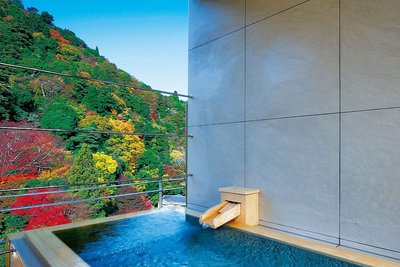
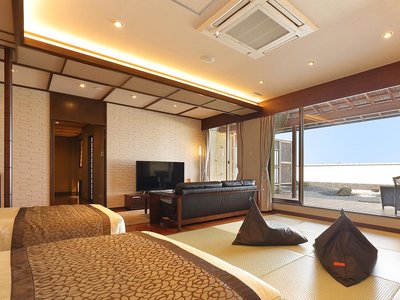
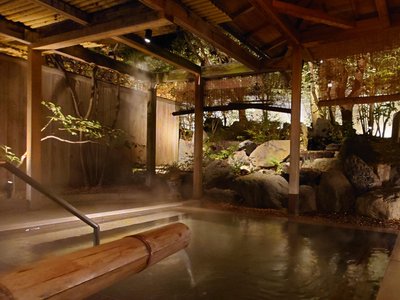
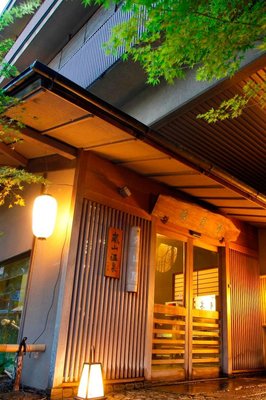
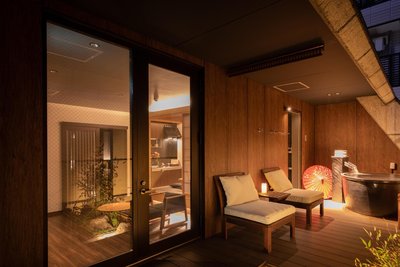
Yes, Awaji Island Onsen Grand Hotel is one of the finest luxury ryokans on the island, offering private open-air onsen baths with panoramic views of the Seto Inland Sea. Each suite features a traditional tatami floor, sliding shoji screens, and a private garden terrace.
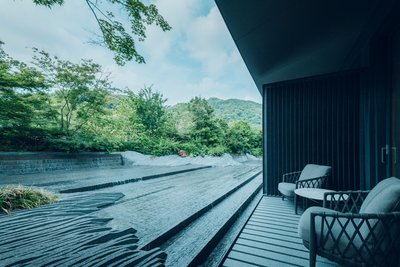
Another exceptional choice is Yukari-no-Yado, a secluded boutique ryokan tucked within Awaji-no-Mori. It specializes in personalized service, with staff attending to every need—from arranging private kaiseki dinners to organizing early-morning meditation sessions by the forest stream. All rooms include individual onsen tubs filled with natural mineral-rich water, known for its therapeutic benefits.
Both properties emphasize privacy, tranquility, and authenticity, making them perfect for travelers seeking a refined Japanese wellness experience.
Awaji City offers numerous family-friendly activities centered around nature and hands-on learning. The Awaji Island Kids’ Farm & Adventure Park is a highlight, featuring petting zoos with goats and rabbits, a miniature train ride, and interactive farm workshops where children can milk cows and plant seeds.
Families can also explore Awaji Marine Park, which hosts snorkeling tours for kids, interactive marine exhibits, and underwater viewing tanks showcasing local fish species. The park organizes family-friendly tide pool exploration during low tide, where kids can discover crabs, sea stars, and starfish.
For a cultural twist, the Awaji Island Children’s Craft Center offers sessions in origami, wood carving, and local pottery, all led by trained instructors. Many attractions provide multilingual guides and kid-sized gear, ensuring a comfortable and engaging experience for young travelers.
Awaji City is renowned for its fresh seafood and organic produce. Must-try dishes include Awaji Yellowtail (Ama-ji), prized for its buttery texture and often served as sashimi or grilled with citrus. Another local favorite is Awaji Oyster, harvested from the clean waters of Shimokita Bay, commonly enjoyed raw or roasted with garlic butter.
The island’s organic vegetables are legendary—especially Awaji Cabbage, Onions, and Tomatoes—used in everything from donburi bowls to seasonal tempura. Visitors should try the Awaji Farm-to-Table Set Meal, a curated dining experience that showcases these ingredients in a multi-course kaiseki menu.
Don’t miss the Awaji Island Seafood Market Festival, held each autumn, where locals sell freshly caught fish, handmade dried seaweed snacks, and local soy sauce. Food lovers can join cooking classes to master recipes like Awaji-style miso soup or grilled fish with yuzu glaze.
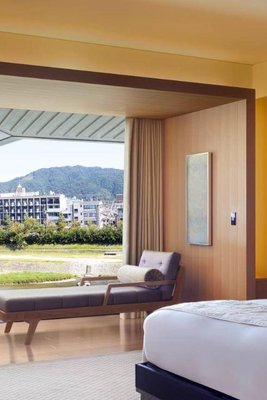
For couples seeking romance, Awaji Island Ocean View Romance Hotel is a dream destination, perched on a cliff overlooking the Seto Inland Sea. Each room features a private infinity pool, outdoor onsen, and a glass-walled bedroom for stargazing. The hotel arranges intimate candlelit dinners on the terrace, accompanied by live shamisen music.
Another unforgettable option is Tsukimi-tei, a secluded traditional Japanese villa hidden within Awaji-no-Mori. With its paper lanterns, moon-viewing deck, and private forest bath, it creates a poetic atmosphere reminiscent of old Edo-era love stories. Couples can take part in a romantic tea ceremony, write wishes on love omikuji slips, and enjoy a nighttime forest walk lit only by fireflies.
These experiences blend natural beauty with cultural intimacy, making them perfect for honeymoons or anniversary getaways.
Visitors to Awaji City can enjoy a wide range of outdoor adventures. The Awaji Forest Trail Network offers scenic hiking routes through ancient forests, including the challenging Mount Koyama Summit Trail, which rewards hikers with sweeping views of the Inland Sea and neighboring islands.
Water enthusiasts will love kayaking and paddleboarding in the calm bays of Shimokita, where clear waters reveal colorful fish and coral gardens. Guided snorkeling tours allow families and divers alike to explore underwater ecosystems teeming with life.
For thrill-seekers, rock climbing is available at Awaji Cliff Wall, a natural granite formation suitable for beginners and experts. Additionally, the Awaji Island Cycling Route winds through rice paddies, vineyards, and coastal paths, offering a relaxed way to explore the island’s diverse landscapes. Nighttime firefly watching in summer is another magical experience, especially along the Miyagawa River.
While having a car offers the most flexibility, traveling around Awaji City without a vehicle is manageable, thanks to reliable public transport. The Awaji Island Bus Line connects major towns like Shimokita, Higashiawaji, and Omi, with stops at key attractions such as Awaji-no-Mori Nature Park and Awaji Flower Park.
The Awaji Electric Railway links the island’s western and eastern ends, passing through Kumano Station and Takamatsu Station, both near shopping districts and restaurants. Buses run every 30–60 minutes during peak hours and are equipped with luggage space and multilingual signage.
For shorter distances, rental bicycles are widely available at stations and tourist centers, ideal for exploring coastal paths and small villages. However, remote areas like Awaji Forest Retreat or Omi Beach may require a taxi or pre-booked shuttle, so planning ahead is recommended for non-drivers.
Awaji City boasts several photogenic spots perfect for capturing stunning memories. The Seto Inland Sea Bridge Viewing Deck offers a dramatic perspective of the Akashi Kaikyō Bridge stretching across the horizon, especially breathtaking at sunrise when the sky turns gold and pink.
The Purple Lavender Fields at Awaji Flower Park bloom in summer, creating a vast sea of color framed by white windmills and wooden fences—ideal for candid and posed shots.
Near Shimokita Village, the Old Fishing Quay with weathered wooden docks, hanging nets, and sea gulls provides a classic Japanese coastal aesthetic. At night, the Lantern Festival lights up the entire harbor, casting warm reflections on the water.
For a surreal shot, visit the Forest Canopy Walkway in Awaji-no-Mori, where elevated wooden platforms hover above the treetops, offering a bird’s-eye view of emerald-green foliage. Capture the moment when sunlight filters through leaves—perfect for nature and lifestyle photography.
Awaji Overview
City Summary
Awaji City, located in the southern part of Hyogo Prefecture, Japan, is the gateway to Awaji Island, renowned for its natural landscapes and traditional culture. The city boasts stunning views of the Seto Inland Sea and the Akashi Strait, with the Akashi Kaikyo Bridge as its landmark. Awaji is known for its agriculture and fishing industries, offering fresh seafood and local produce, and is also one of the birthplaces of Japanese mythology.
Must-See Attractions
Must-see attractions in Awaji City include:
- Awaji Yumebutai: A complex designed by Tadao Ando, blending nature and art with spectacular sea views.
- Sumoto Castle Ruins: Historic castle site with panoramic city views from the top.
- Naruto Whirlpools: Witness one of the world's three major whirlpools by taking a sightseeing boat.
- Awaji Island Farm: Enjoy fresh dairy products and interactive experiences with nature.
Food Guide
Awaji City is famous for its seafood. Must-try dishes include:
- Awaji Beef: Tender and juicy, a local specialty for grilling.
- Naruto Sea Bream: Freshly caught, served raw or as a rice bowl.
- Awaji Onions: Sweet and juicy, used in various local dishes.
- Seafood Bowl: Featuring fresh local catches with unique flavors.
Transportation Guide
The primary mode of transportation in Awaji City is driving, with the Akashi Kaikyo Bridge connecting Honshu and Awaji Island for quick access.
- Bus: Covers major attractions but has limited schedules; plan ahead.
- Taxi: Suitable for short trips but can be expensive.
- Bicycle: Rent a bike to explore the city eco-friendly and flexibly.
Driving tourists should use navigation systems and note highway tolls.
Best Time to Visit
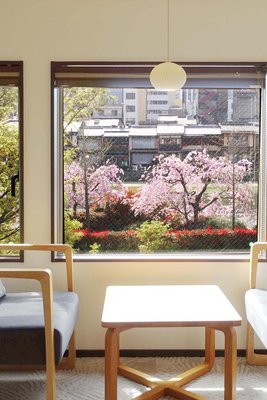
The best times to visit are spring (March-May) and autumn (September-November). Spring offers cherry blossoms and mild weather, while autumn features vibrant foliage ideal for outdoor activities. Summers can be hot, and winters are windy, requiring warm clothing.
Travel Tips
- Etiquette: Japan values courtesy; keep quiet in public and follow strict waste sorting.
- Cash: Rural areas prefer cash; carry enough yen.
- Driving: Drive on the left; obey traffic rules.
- Onsen Etiquette: Rinse before bathing; no swimwear allowed.
- Reservations: Book popular restaurants in advance.
- Internet: Weak signals in rural areas; download offline maps.
Useful Information
Language: Japanese is primary; English is limited—use translation apps. Internet: Rent a Wi-Fi egg at airports or buy a local SIM card. Payments: Credit cards accepted in cities; cash preferred in rural areas. Emergency: Awaji City Hospital provides urgent care; travel insurance is recommended. Voltage: 100V, two-flat-pin plugs. Emergency Numbers: Police 110, ambulance 119.