Hotels in Awara
Discover your perfect stay in Awara.
Awara(Japan) Travel 2026: Cheap Flights, Hotels & Top Attractions
Popular Landmarks in Awara
Discover the most iconic attractions in Awara
Recommended Hotels in Awara
Find the perfect place to stay in Awara
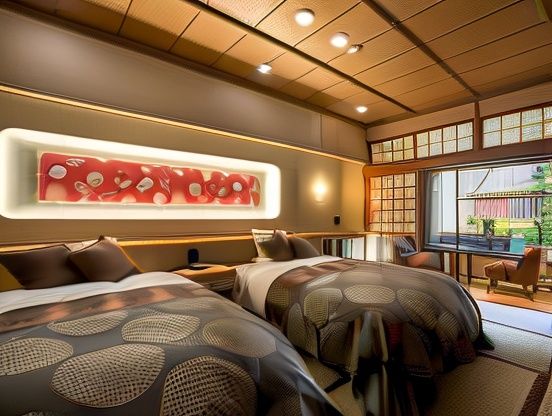
Grandia Housen
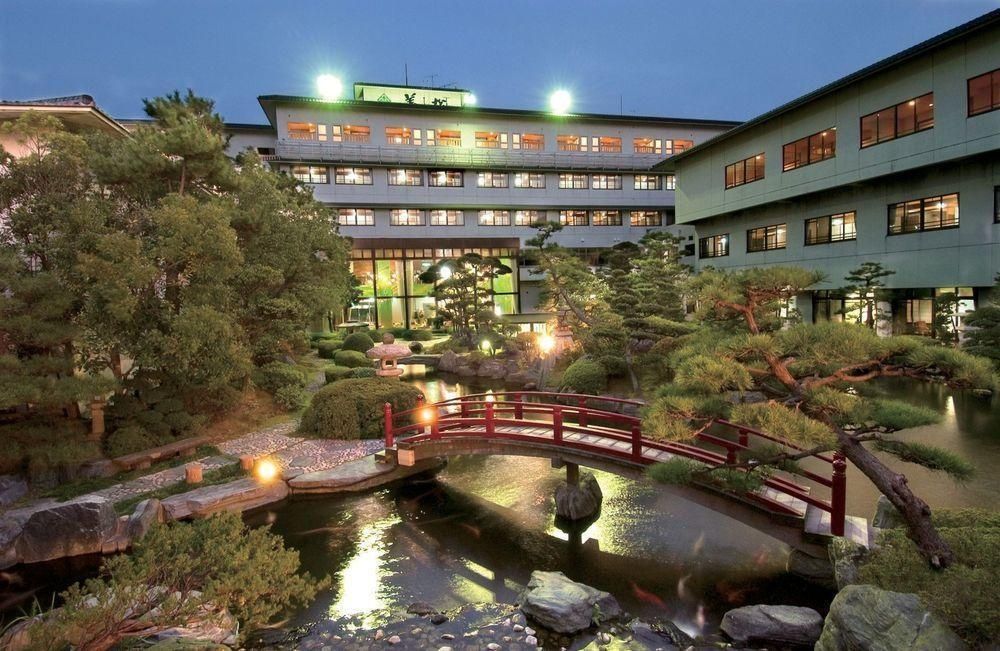
Hokuriku Fukui Awara Onsen Mimatsu
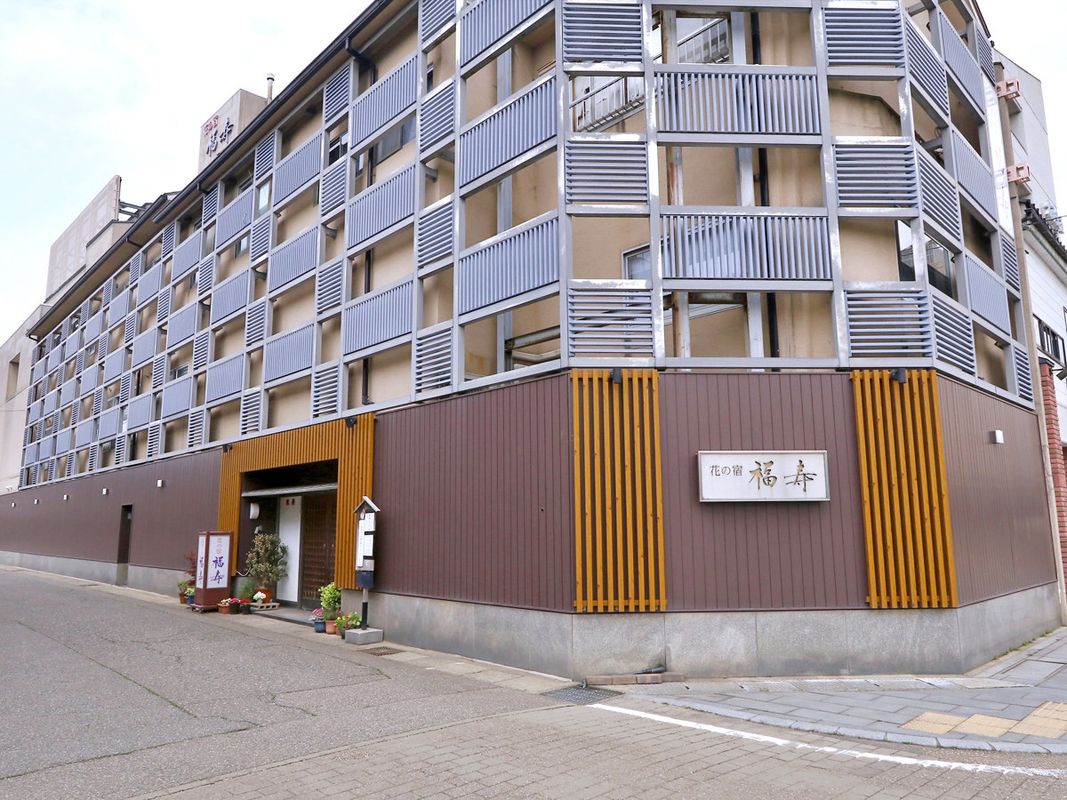
Fukuju
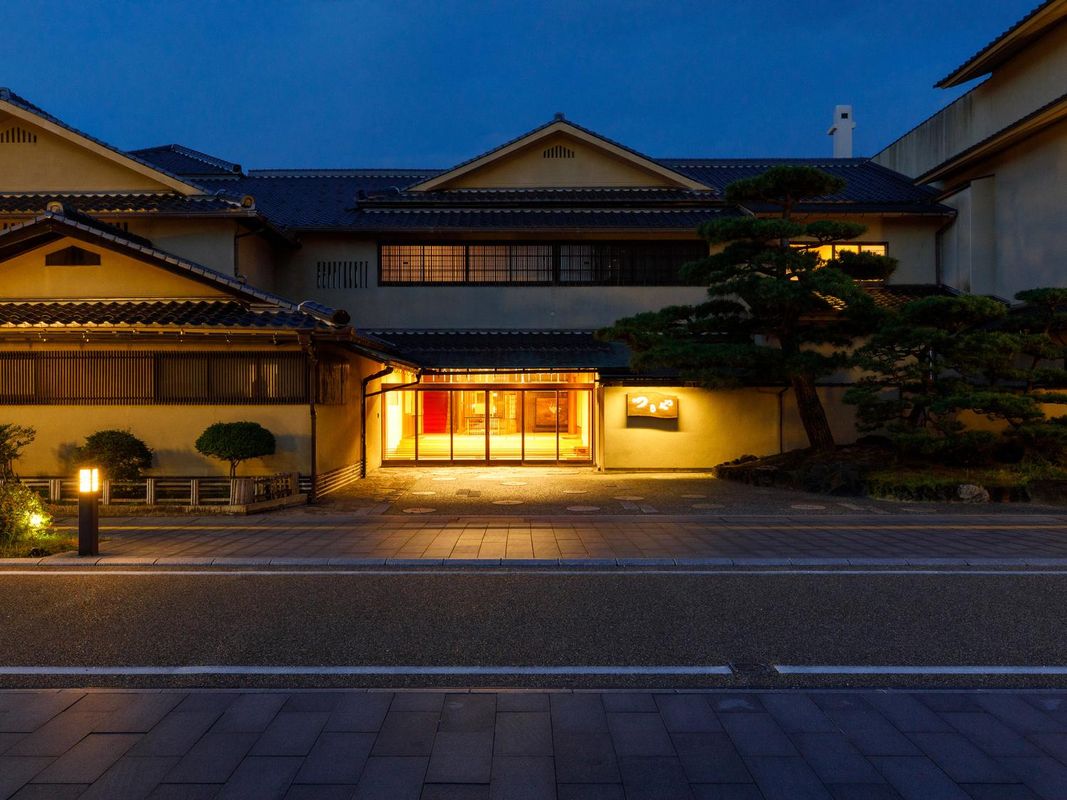
Awara Onsen Tsuruya
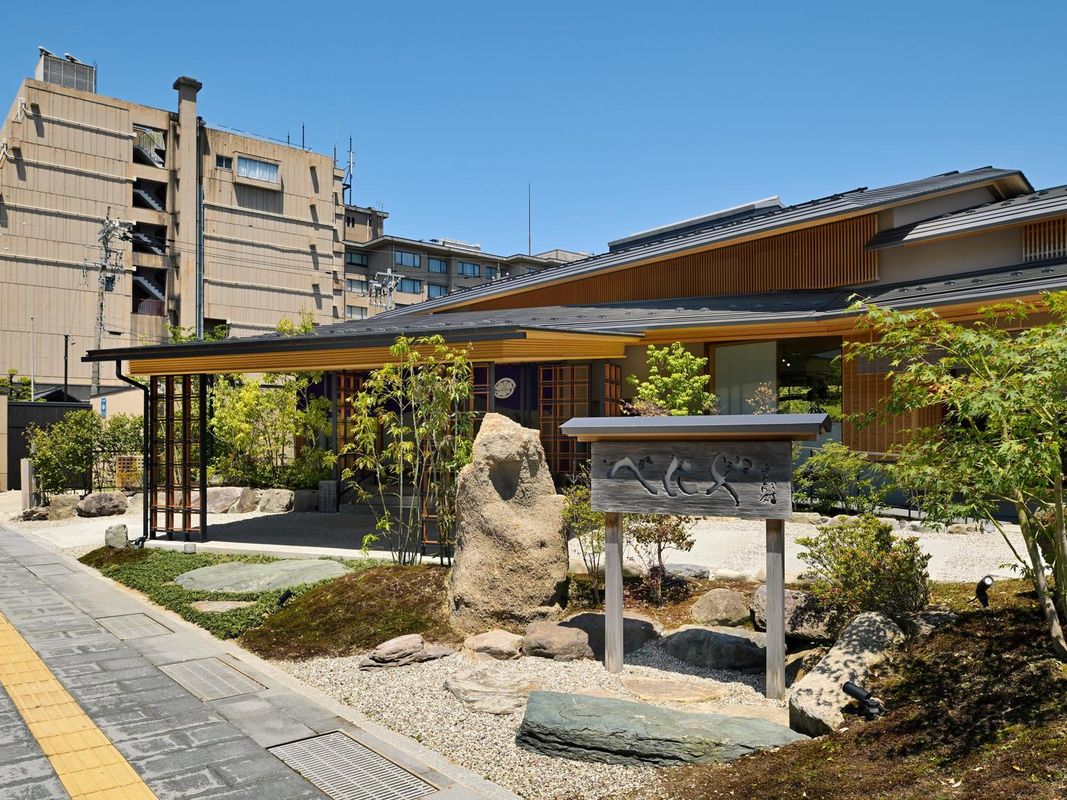
Beniya
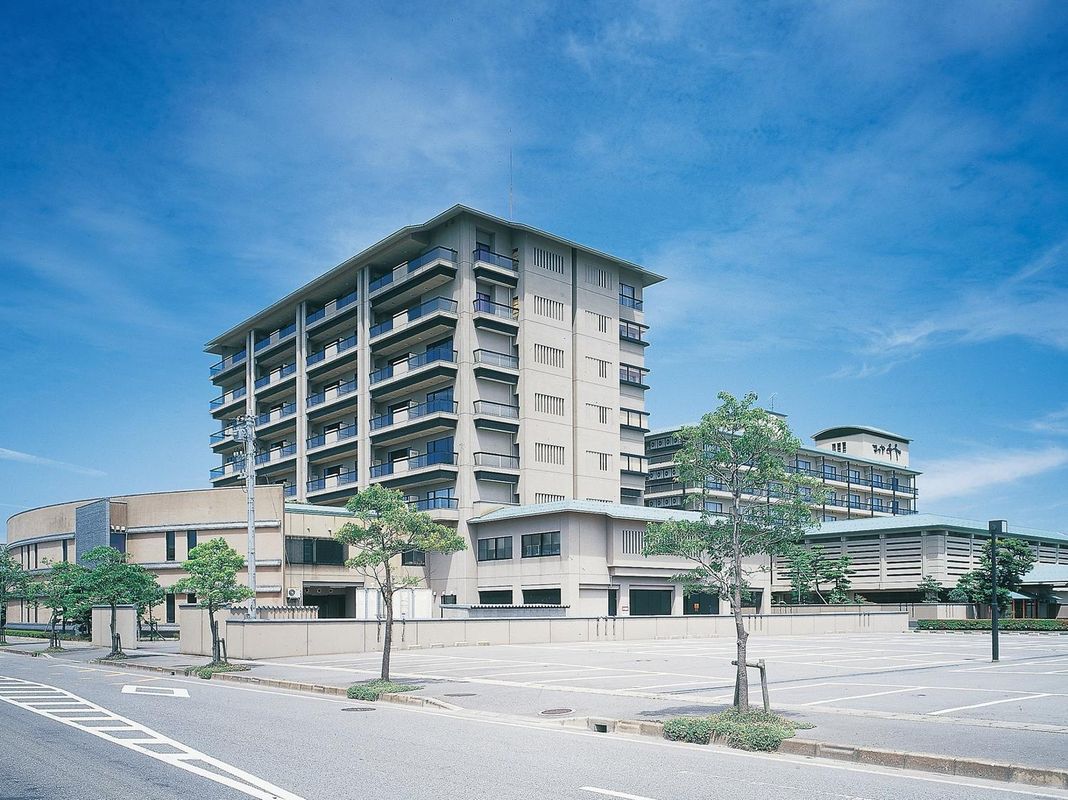
Matuya Sensen
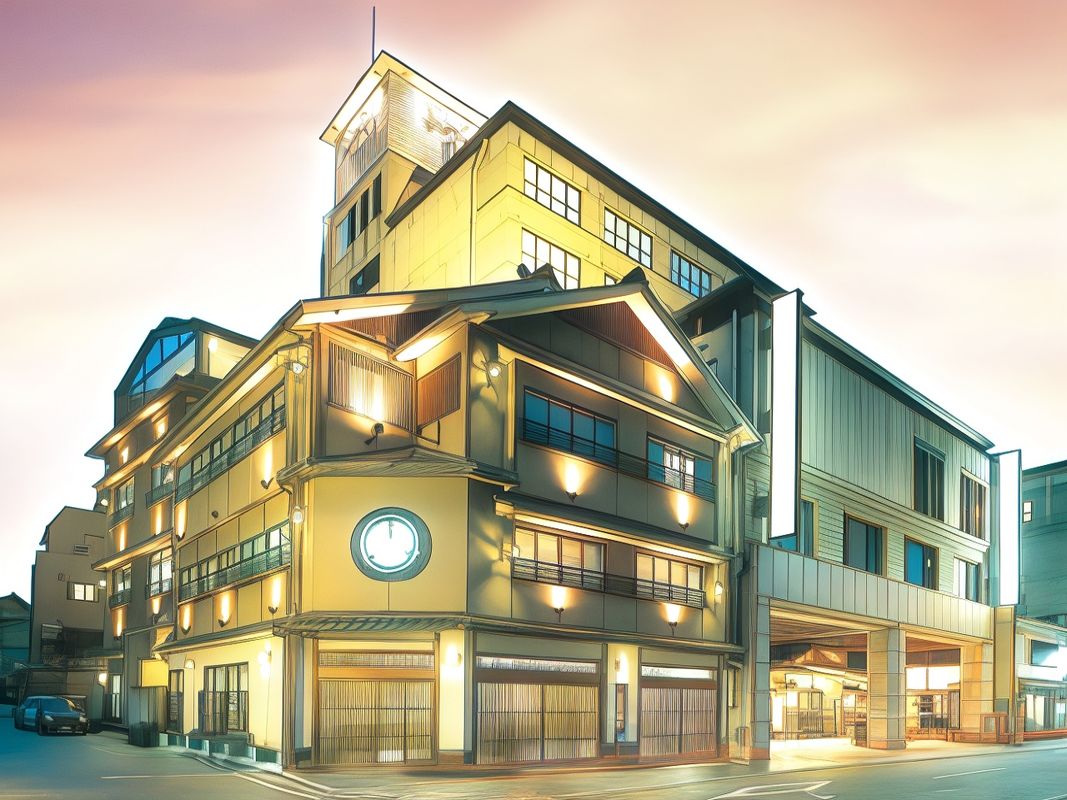
Awara Grand Hotel
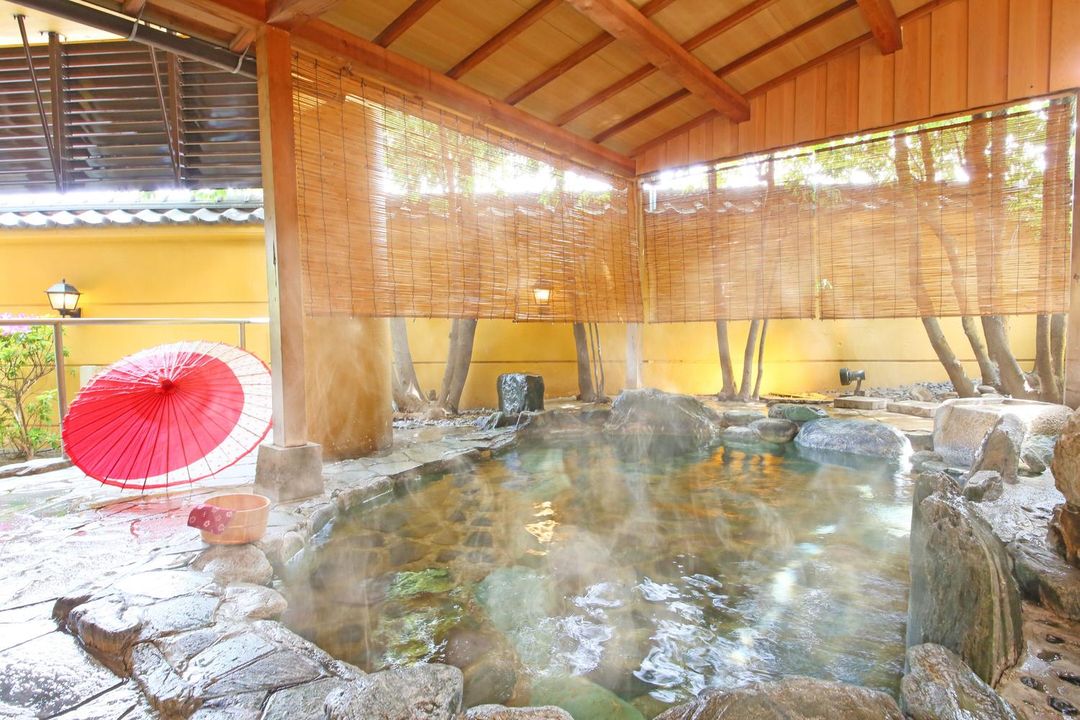
Ooedo Onsen Monogatari Awara
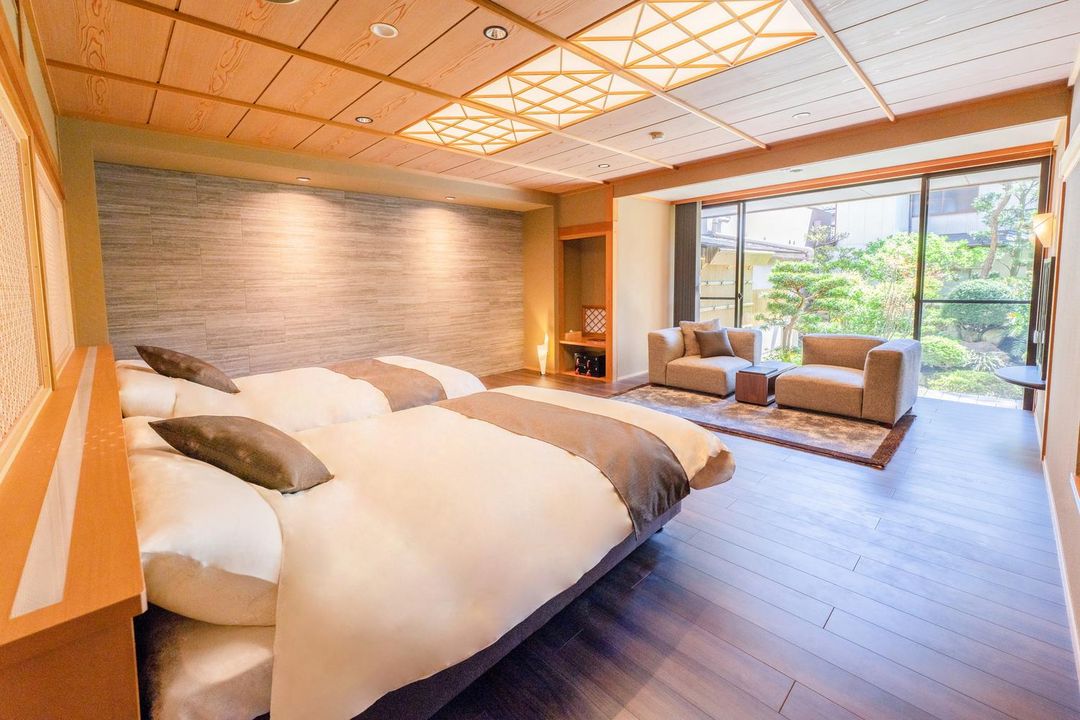
Haiya The traditions of warm and friendly hospitality
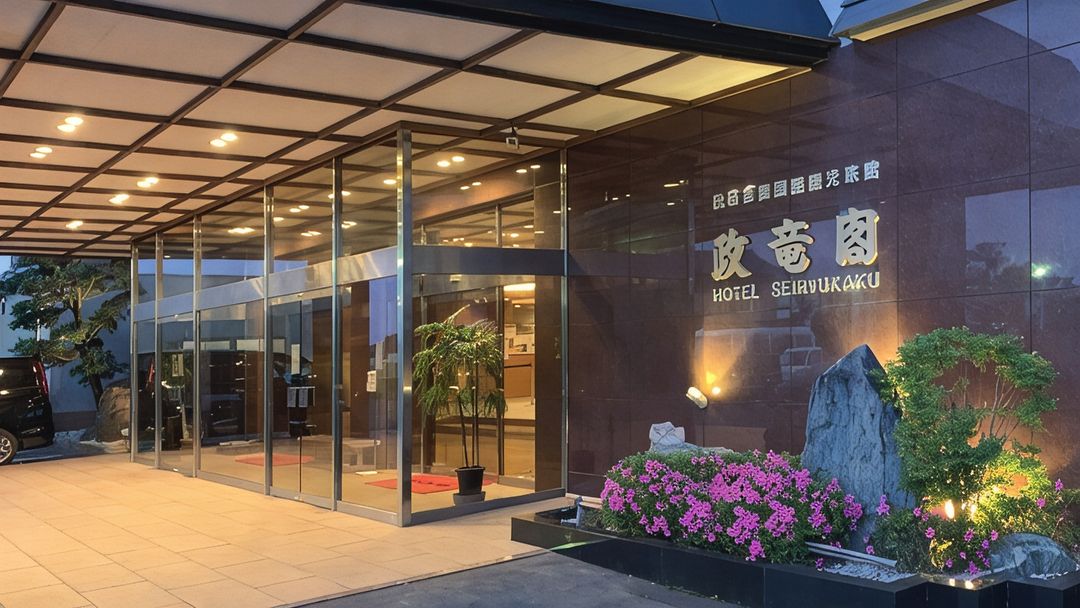
Seiryukaku
Best Hotels in Awara
Discover curated hotel collections in Awara
Yumotokan
Hoshino Resorts Kai Kaga

Taikyourou
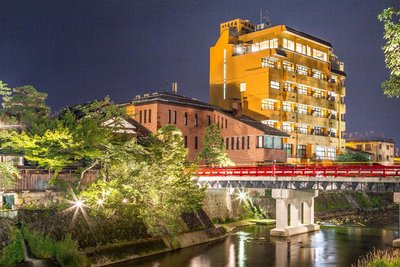
HONJIN HIRANOYA BEKKAN
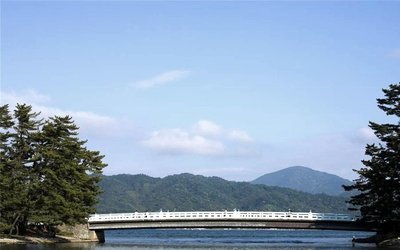
Monjusou Shourotei
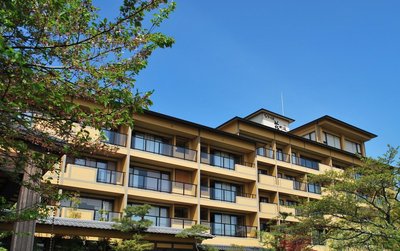
BIWAKO HANAKAIDO
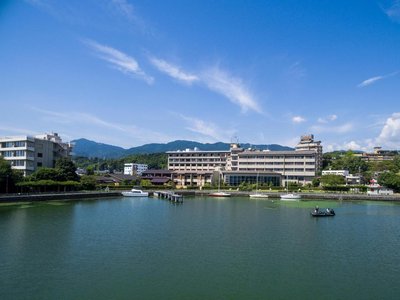
Biwako Ryokusuitei
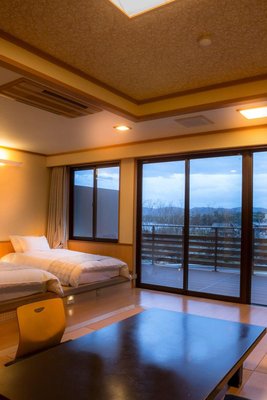
Hotel Kitanoya
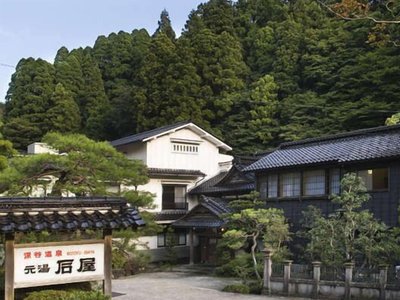
Motoyu Ishiya
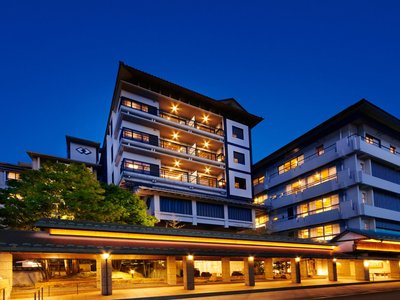
Yunokuni Tensyo
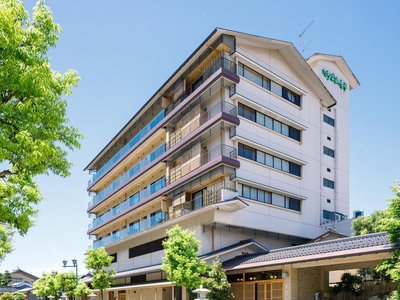
Tachibana Shikitei
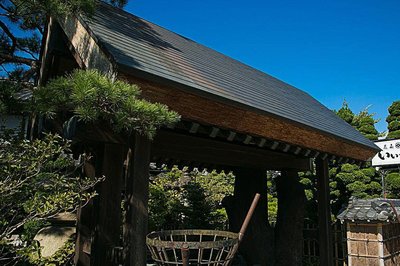
Hanaougi Bettei Iiyama
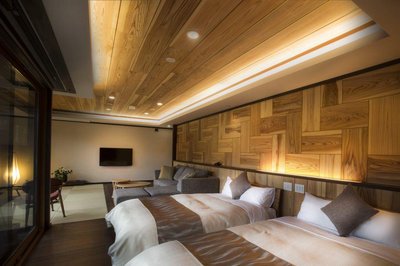
Hidatei Hanaougi
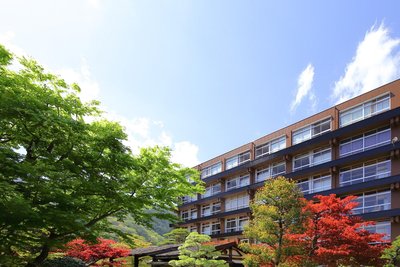
Bosenkan
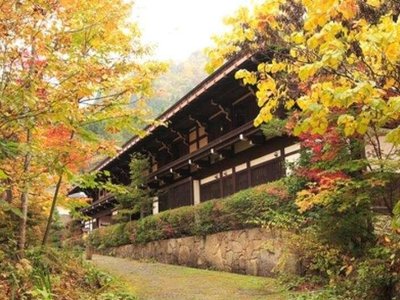
Yumoto Choza
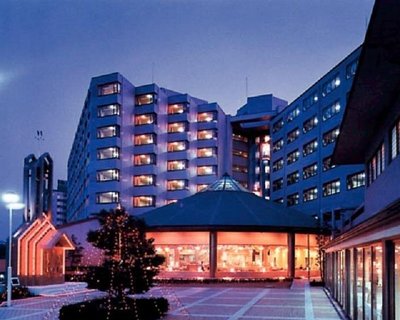
Aenokaze
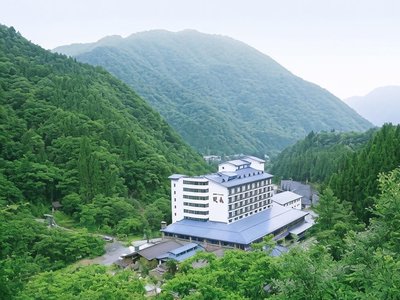
Okuhida Garden Hotel Yakedake
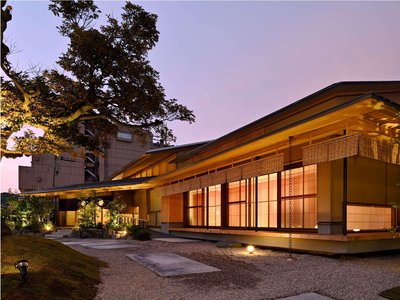
Beniya
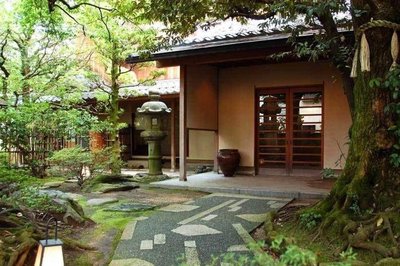
Kocho
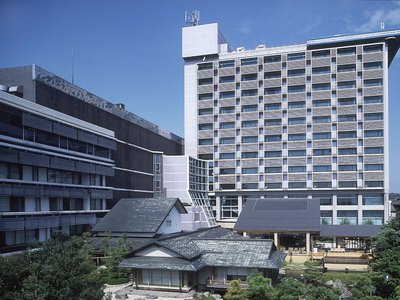
Grandia Housen
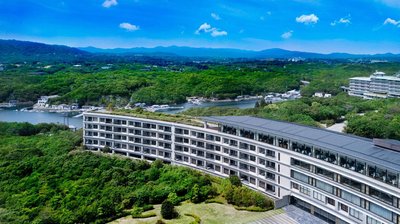
Shima Kanko Hotel the Bay Suites
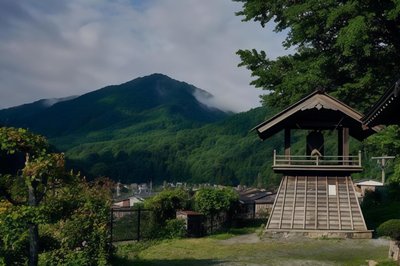
Byaku Narai
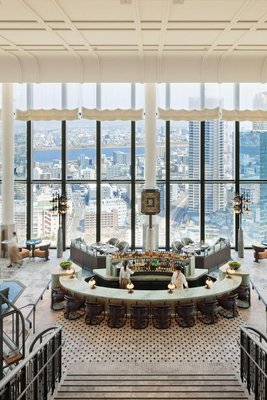
Waldorf Astoria Osaka
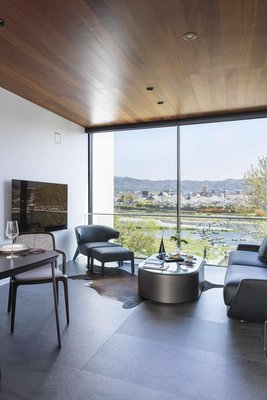
Kamo Residences by Reflections
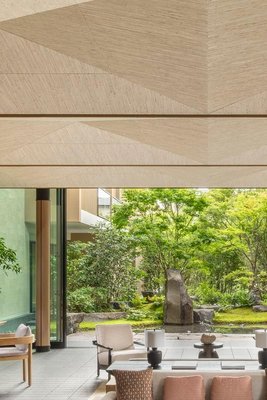
Six Senses Kyoto
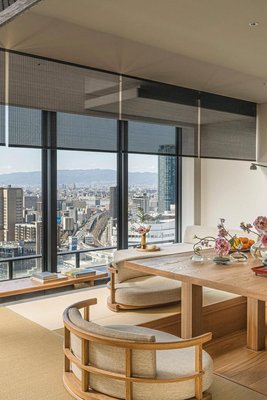
Four Seasons Hotel Osaka
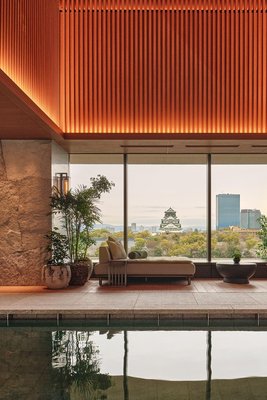
Patina Osaka

The Ritz-Carlton, Osaka
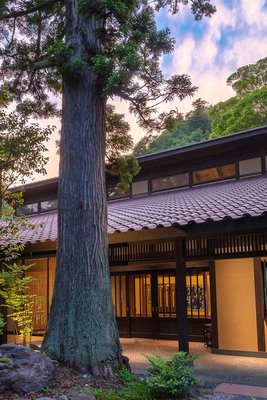
Arimasansoh Goshobessho
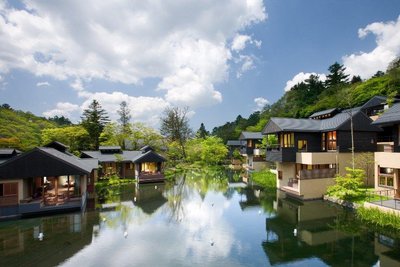
Hoshinoya Karuizawa
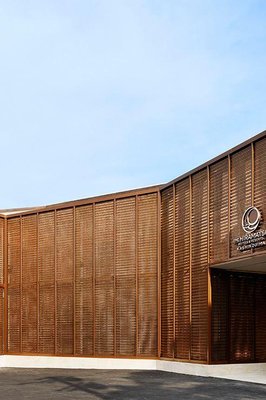
The Hiramatsu Hotels & Resorts Kashikojima
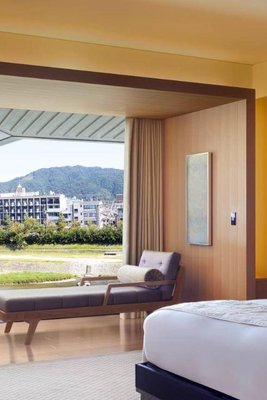
The Ritz-Carlton, Kyoto
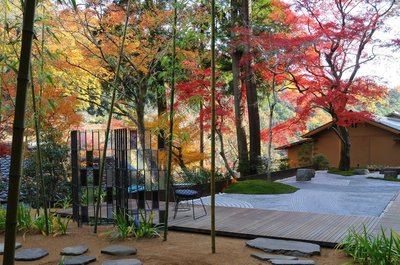
HOSHINOYA Kyoto
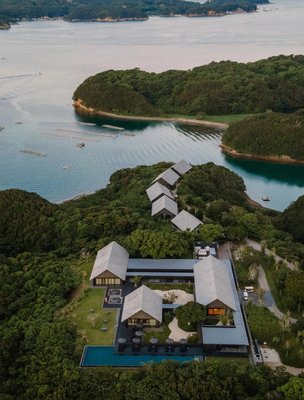
Amanemu
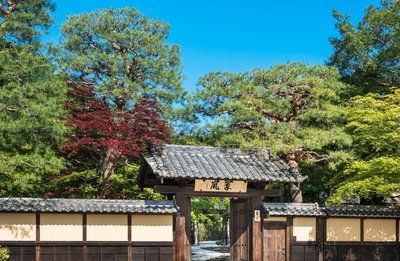
Suiran, a Luxury Collection Hotel, Kyoto
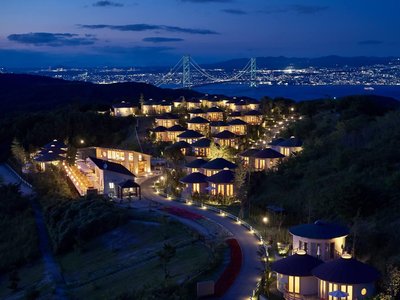
Grand Chariot Hokutoshichisei 135°
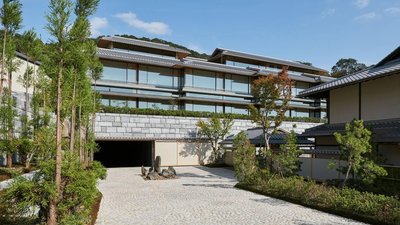
Park Hyatt Kyoto
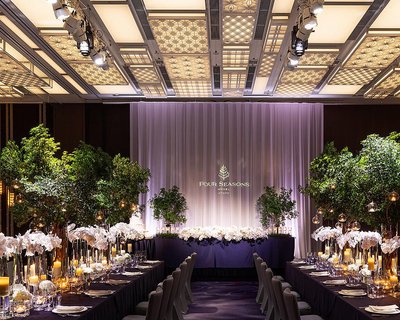
Four Seasons Hotel Kyoto
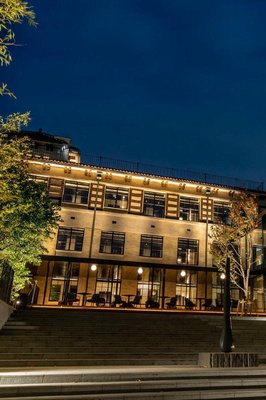
The Hotel Seiryu Kyoto Kiyomizu - a Member of the Leading Hotels of the World-
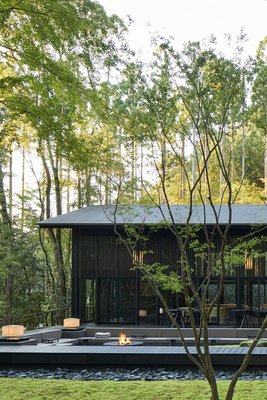
Aman Kyoto
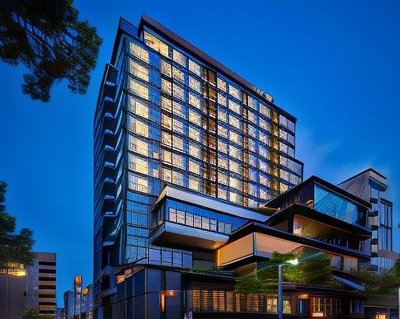
TIAD, AUTOGRAPH COLLECTION
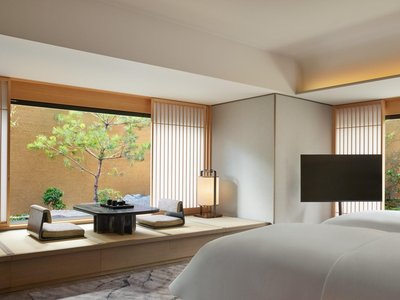
Dusit Thani Kyoto
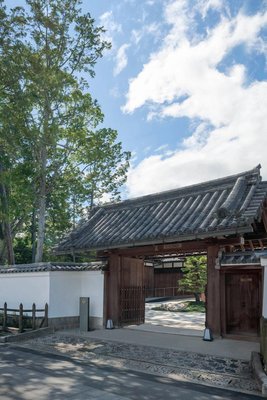
Shisui, a Luxury Collection Hotel, Nara

Hilton Kyoto
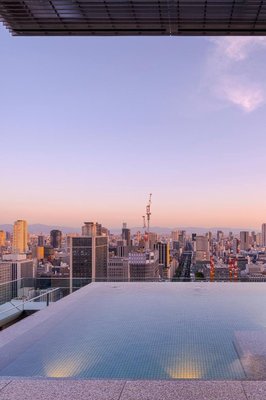
Candeo Hotels Osaka The Tower
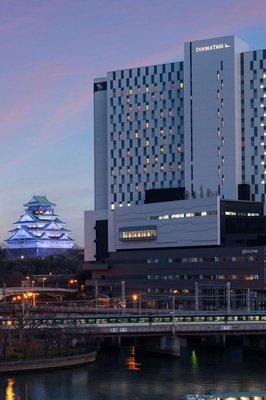
DoubleTree by Hilton Osaka Castle
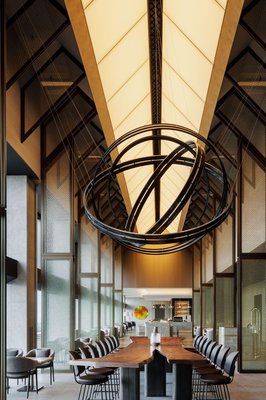
The Osaka Station Hotel, Autograph Collection
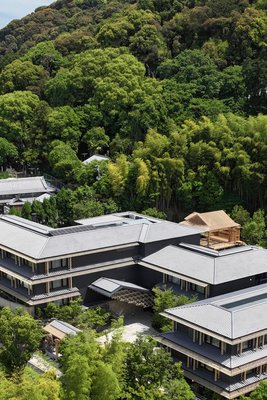
Banyan Tree Higashiyama Kyoto
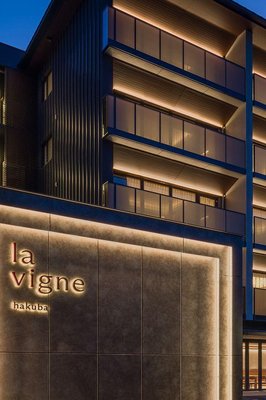
Hotel la Vigne Hakuba by Onko Chishin
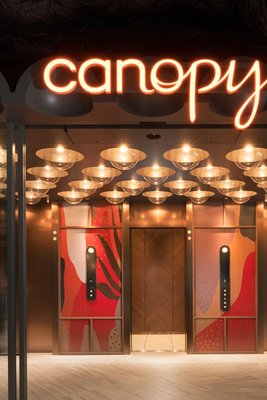
Canopy by Hilton Osaka Umeda
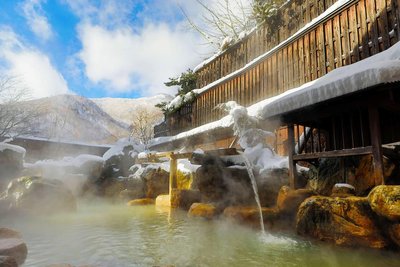
Miyamaouanbekkan yumegurinoyado hirayukan
HONJIN HIRANOYA BEKKAN

Hilton Osaka Hotel
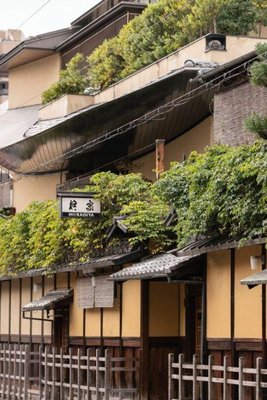
Hiiragiya Ryokan
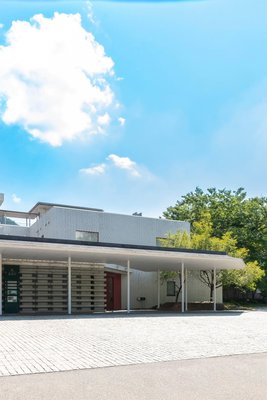
RIVER RETREAT GARAKU
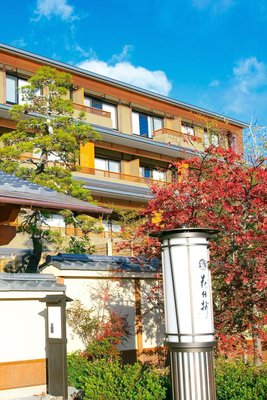
Kyoto Arashiyama Onsen Kadensho (Kyoritsu Resort)
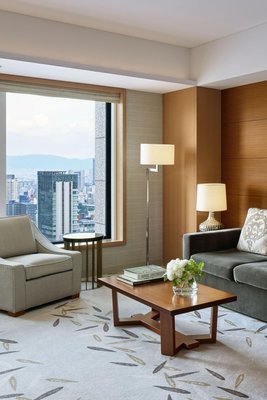
InterContinental Hotel Osaka

The Thousand Kyoto
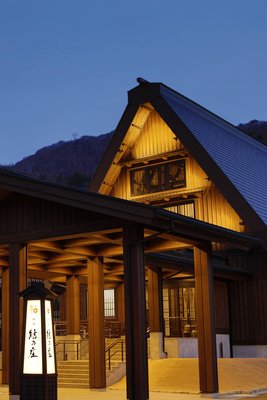
Onyado Yuinosho
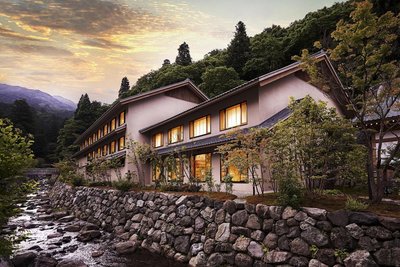
Hakujukan
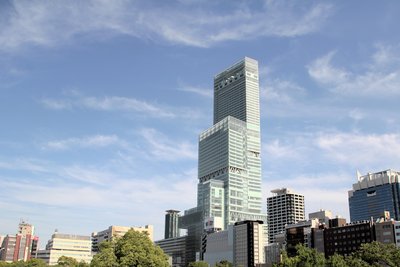
Osaka Marriott Miyako Hotel
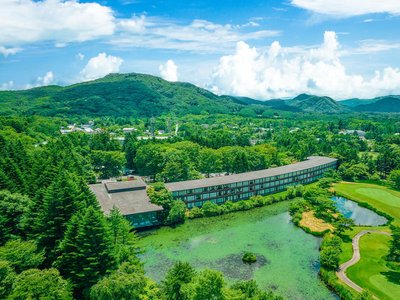
The Prince Karuizawa
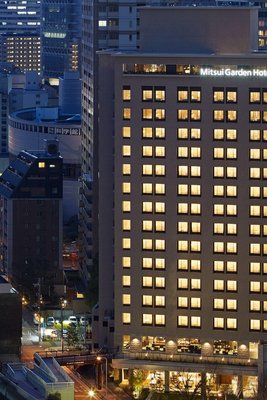
Mitsui Garden Hotel Osaka Premier
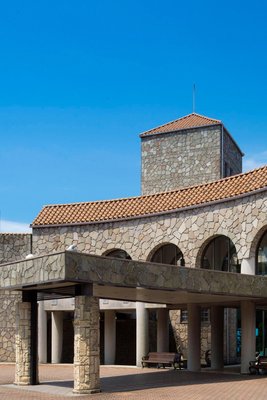
Izumigo Hotel Altia Toba
BIWAKO HANAKAIDO
Biwako Ryokusuitei
Hotel Kitanoya
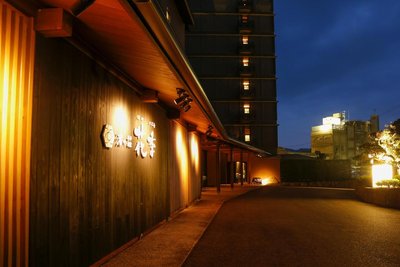
Hanagoyomi
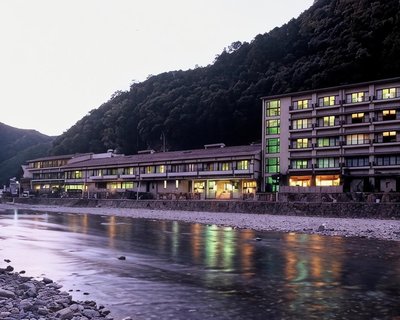
Kawayu Onsen Fujiya
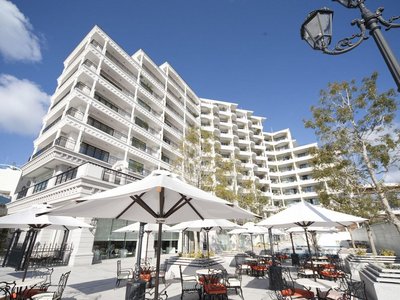
Hotel La Suite Kobe Harborland
Hoshinoya Karuizawa
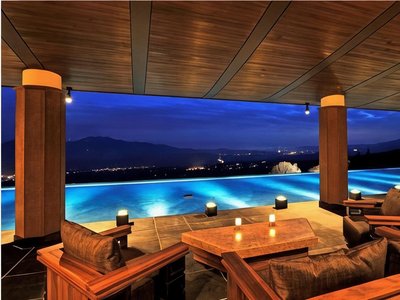
Akakura Kanko Hotel

AoAwo Naruto Resort
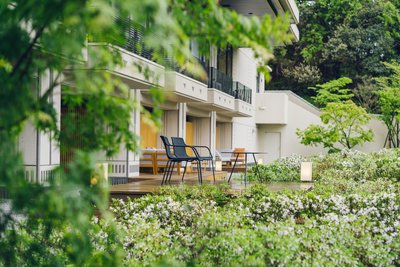
Hoshino Resorts Kai Enshu
Takimotokan Yuki No Sato
The Ritz-Carlton, Kyoto
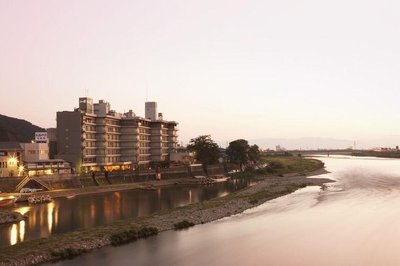
Juhachiro

Toba International Hotel
Suiran, a Luxury Collection Hotel, Kyoto
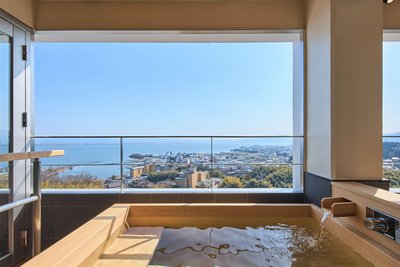
Yuzanso
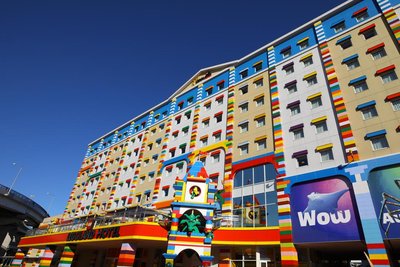
Legoland Japan Hotel

HOTEL UNIVERSAL PORT VITA

The Park Front Hotel at Universal Studios Japan

HOTEL UNIVERSAL PORT
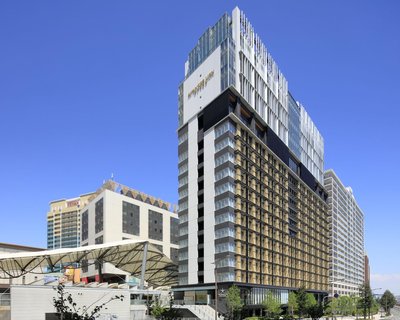
THE SINGULARI HOTEL & SKYSPA at UNIVERSAL STUDIOS JAPAN
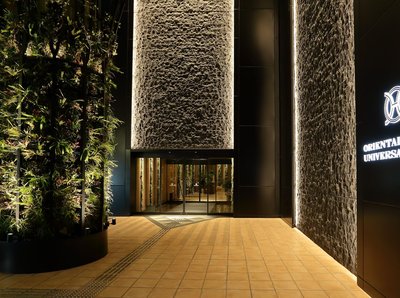
Oriental Hotel Universal City

Hotel Keihan Universal Tower
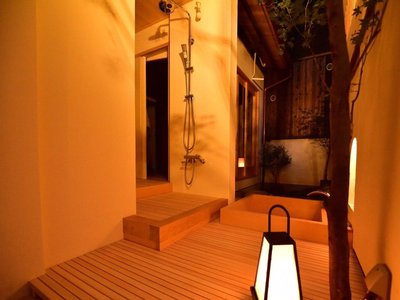
Yado Kiramachi
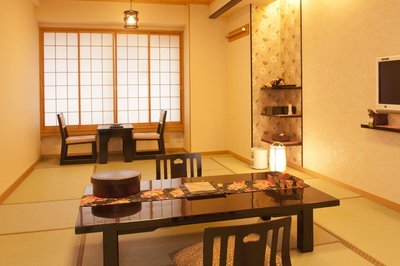
Matsui-Bekkan Hanakanzashi
Taikyourou
Monjusou Shourotei
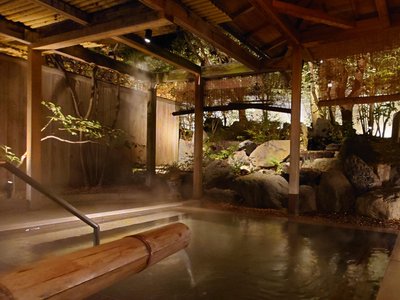
Kasuga Hotel
Kocho
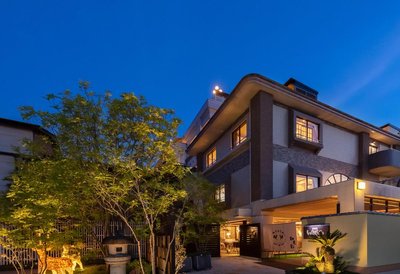
Hotel New Wakasa
Kyoto Arashiyama Onsen Kadensho (Kyoritsu Resort)
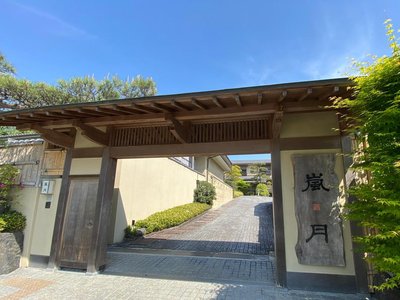
Rangetsu
The Ritz-Carlton, Kyoto
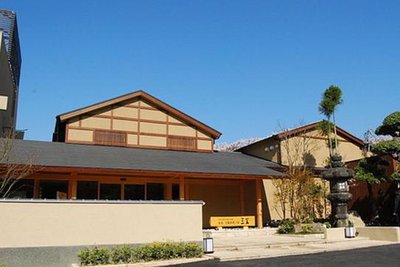
Mikasa
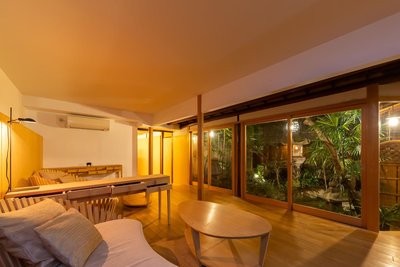
Izuyasu Traditional Kyoto Inn Serving Kyoto Cuisine
HOSHINOYA Kyoto
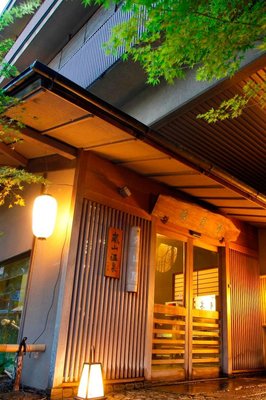
Togetsutei
Juhachiro
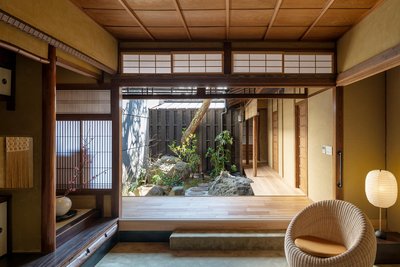
Nazuna Kyoto Gosho
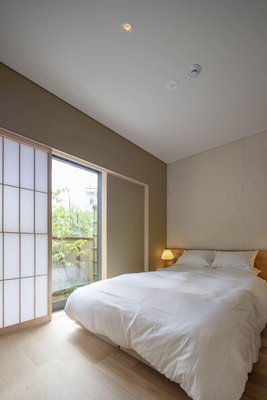
CAMPTON KIYOMIZU
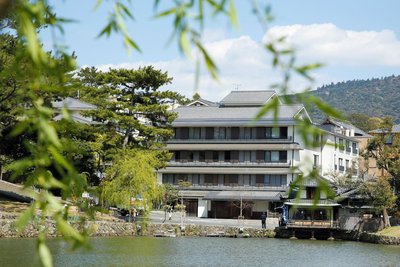
Sarusawaike Yoshidaya
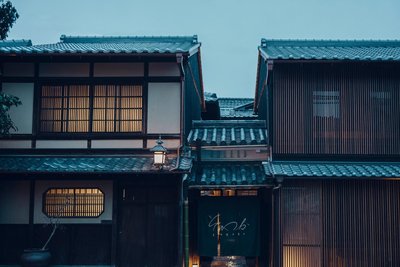
Sowaka
Suiran, a Luxury Collection Hotel, Kyoto
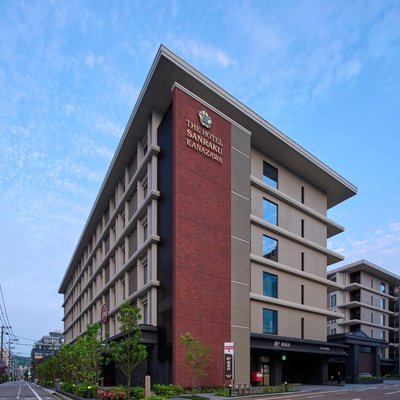
The Hotel Sanraku Kanazawa 21th December 2022 Open
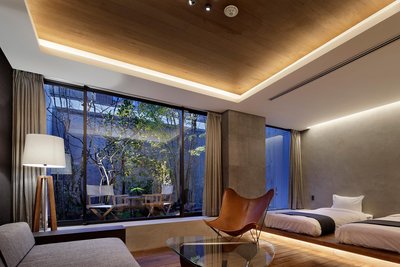
22 PIECES
The Ritz-Carlton, Osaka
The Thousand Kyoto
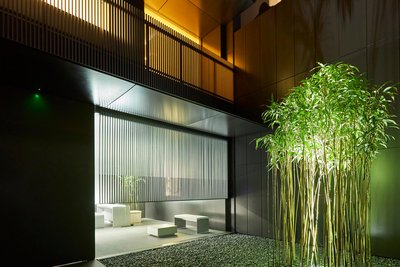
Mogana
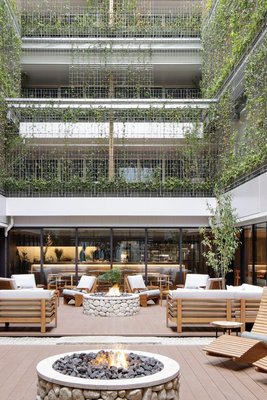
GOOD NATURE HOTEL KYOTO
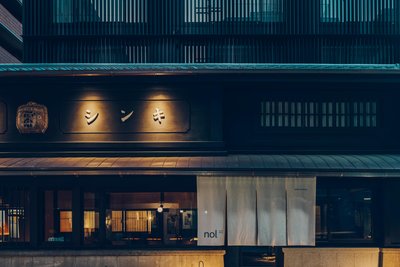
Nol Kyoto Sanjo
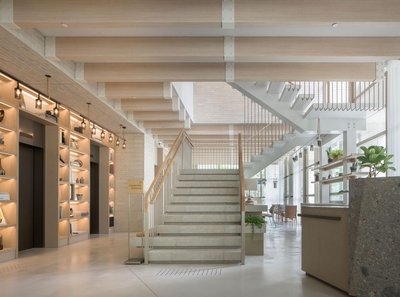
Zentis Osaka

Garrya Nijo Castle Kyoto
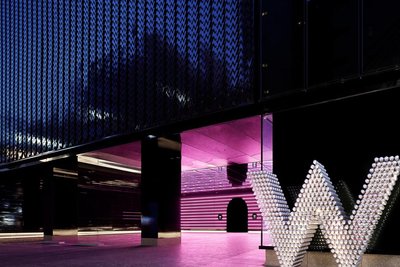
W Osaka
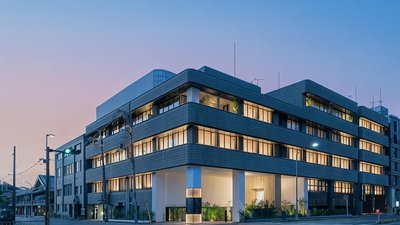
Hotel Kanra Kyoto
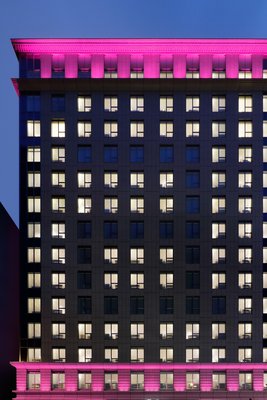
Aloft Osaka Dojima

The Address Akakura
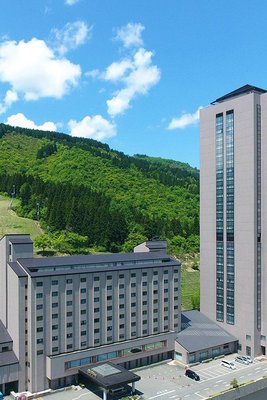
Naspa New Otani
The Prince Karuizawa
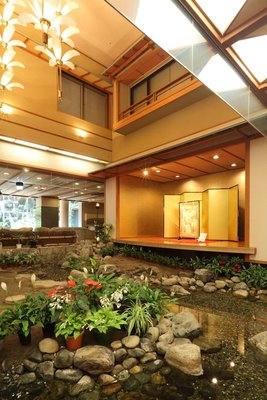
Hotel Futaba
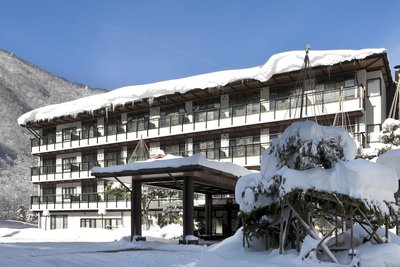
Okada Ryokan Warakutei
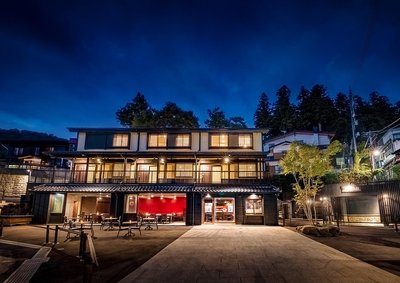
Ryokan Sakaya
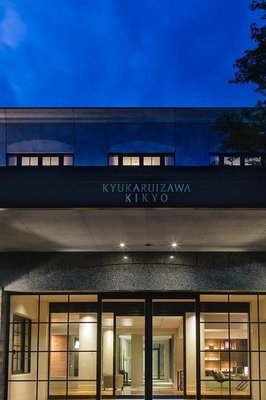
Kyukaruizawa Kikyo, Curio Collection by Hilton
Akakura Kanko Hotel
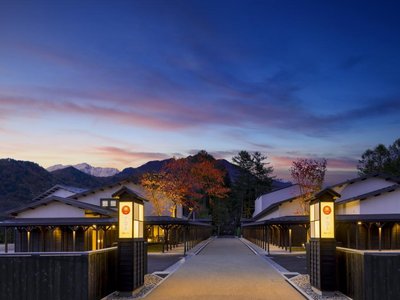
Hoshino Resorts KAI Alps
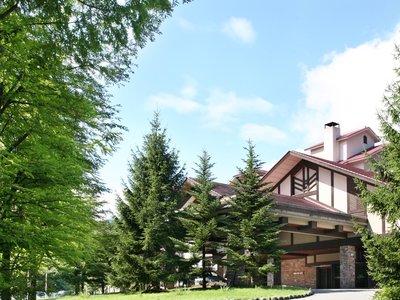
Hakuba Tokyu Hotel
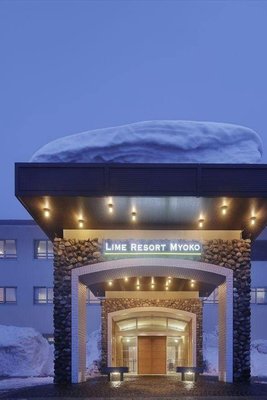
Lime Resort Myoko
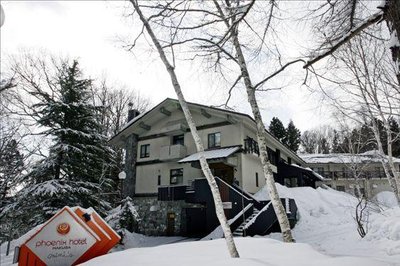
Phoenix Hotel by Hhg
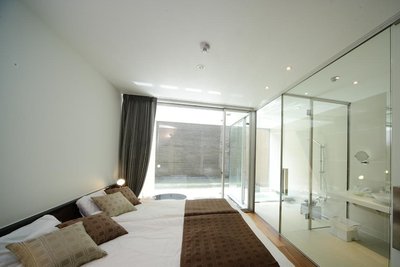
Four Seasons Yuzawa Quattro

Courtyard by Marriott Hakuba
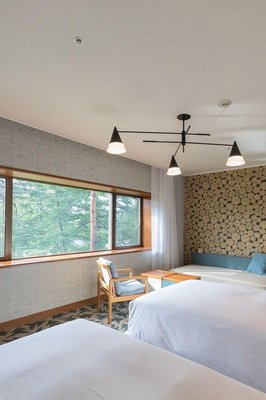
Karuizawa Prince Hotel East
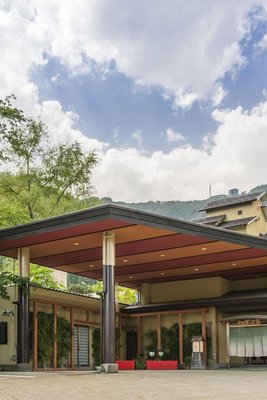
Shosenkaku Kagetsu
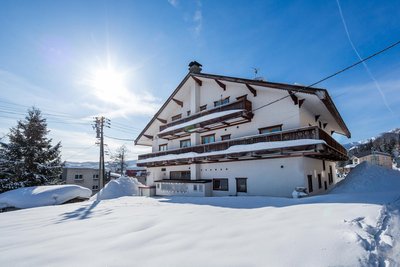
Marillen Hotel by Hhg
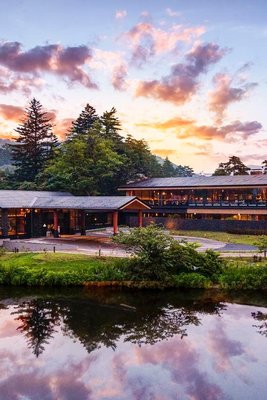
Karuizawa Prince Hotel West
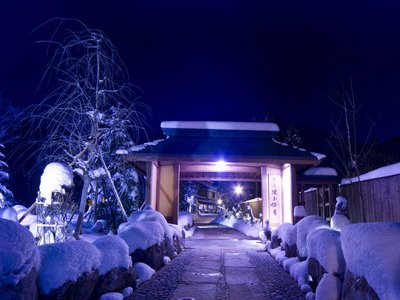
Miyama Ouan
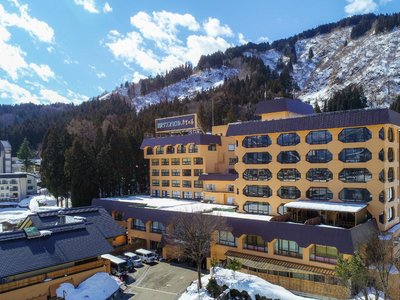
Yuzawa Grand Hotel
Osaka Marriott Miyako Hotel
The Ritz-Carlton, Osaka
InterContinental Hotel Osaka
The Ritz-Carlton, Kyoto
Suiran, a Luxury Collection Hotel, Kyoto
GOOD NATURE HOTEL KYOTO
Park Hyatt Kyoto

Hyatt Centric Kanazawa
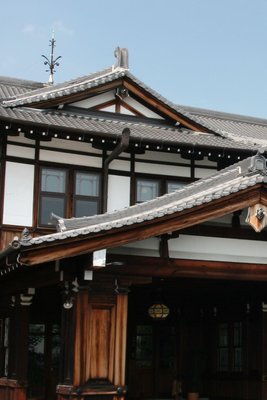
Nara Hotel
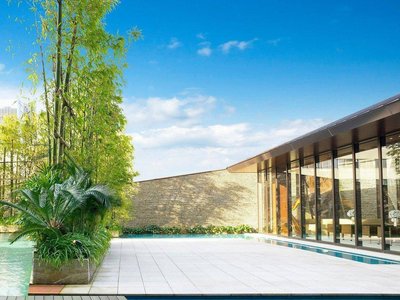
ORIENTAL HOTEL
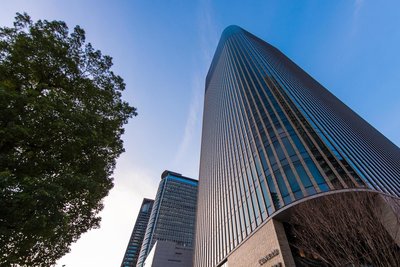
Conrad Osaka
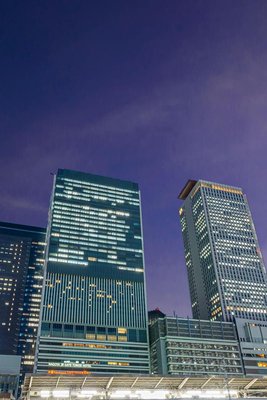
Nagoya JR Gate Tower Hotel (JR-Central Hotels)
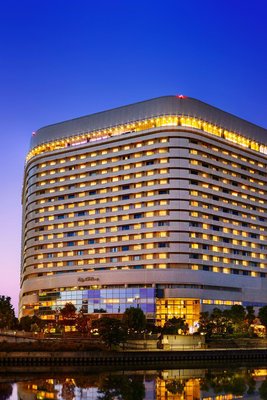
Hotel New Otani Osaka
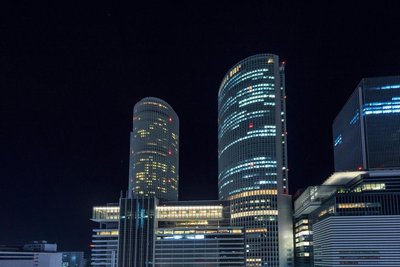
Nagoya Marriott Associa Hotel
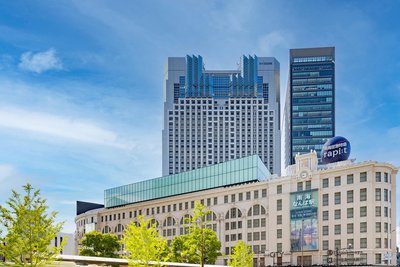
Swissotel Nankai Osaka
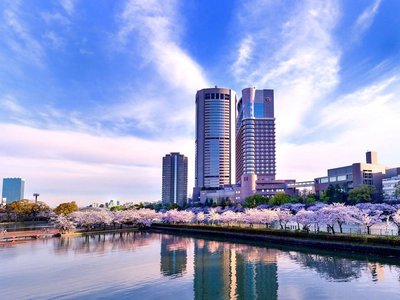
Imperial Hotel Osaka
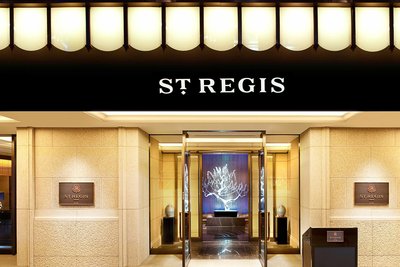
The St. Regis Osaka
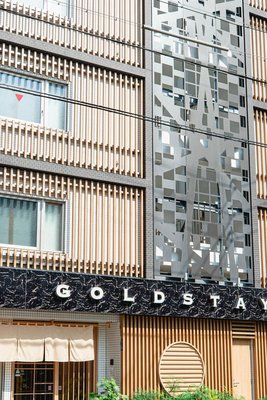
Gold Stay Nagoya OSU
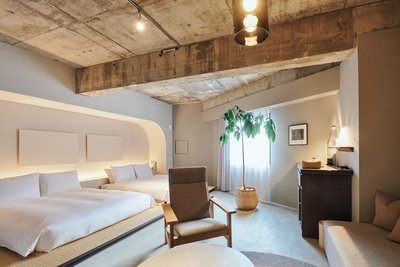
Korinkyo

GOLD STAY Nagoya Sakae
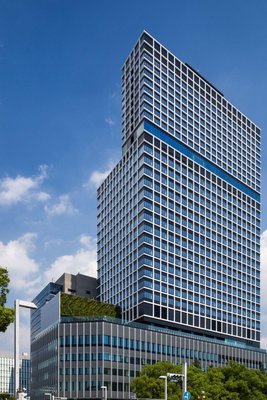
The Royal Park Hotel Iconic Nagoya
Yumotokan
Hoshino Resorts Kai Kaga
Taikyourou
Monjusou Shourotei
BIWAKO HANAKAIDO
Biwako Ryokusuitei
Hotel Kitanoya
Motoyu Ishiya
Yunokuni Tensyo
Tachibana Shikitei
Hidatei Hanaougi
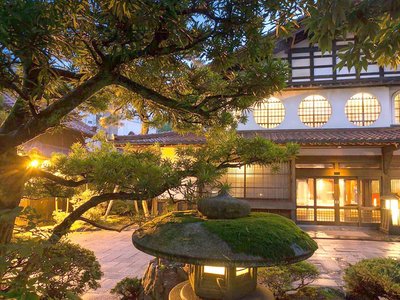
Hoshi
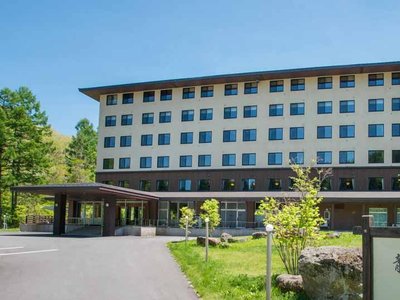
Hotel Ryu Resort and Spa
Grandia Housen
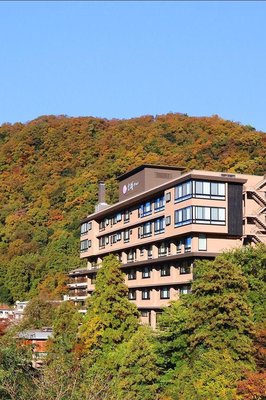
Yamanaka Onsen Kissho Yamanaka
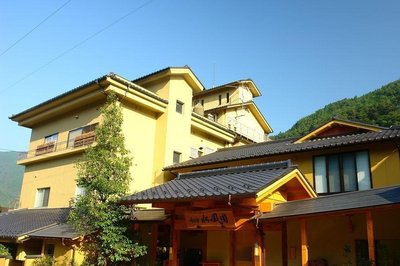
Suihoen
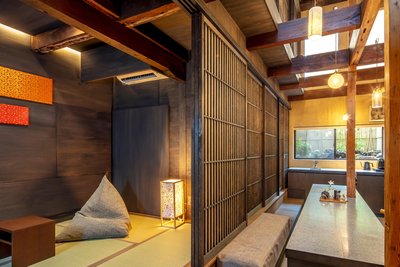
Kyo No Oozora Kihana
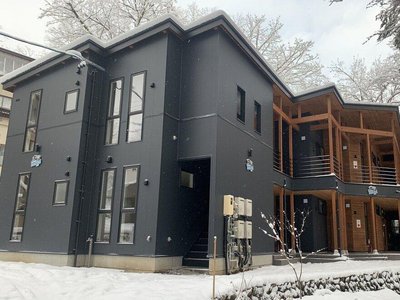
Hakuba Gondola Apartments
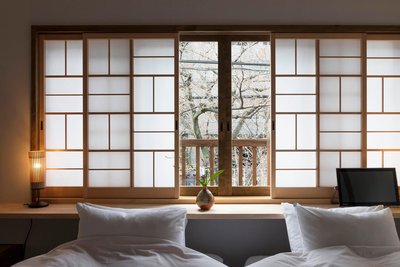
Hanagoromo Machiya House
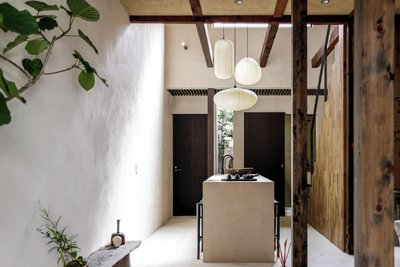
Maana Kiyomizu
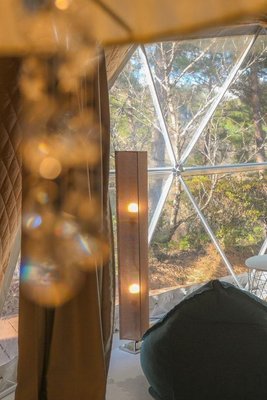
glampark Gekkabijin Nagano

Phoenix Chalets by Hhg
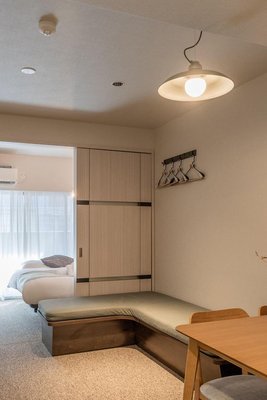
Apartment Hotel 11 Shinsaibashi
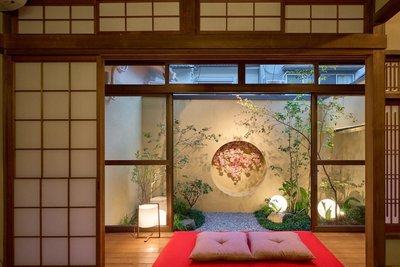
KONJAKUSO Osaka Tengachaya "NIHONCHA" Tea & Relax
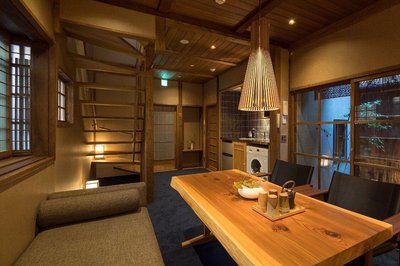
Bonbori an Machiya House
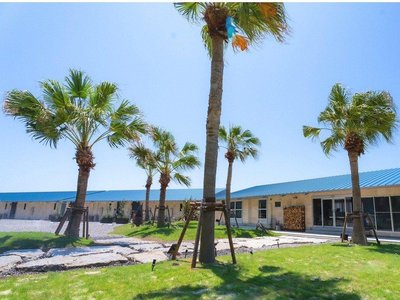
Glamping&Resort Wood Design Park Noma
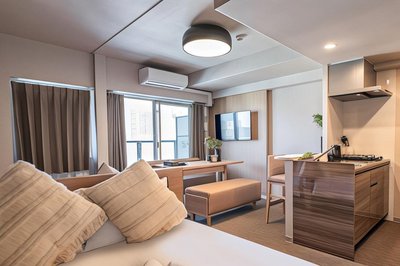
Apartment Hotel 11 Shinsaibashi III
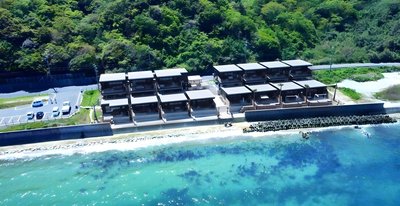
Solavilla Umi Terrace Minamiawaji
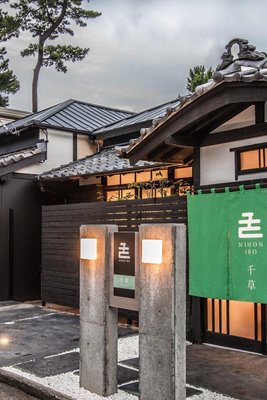
Nihon Iro
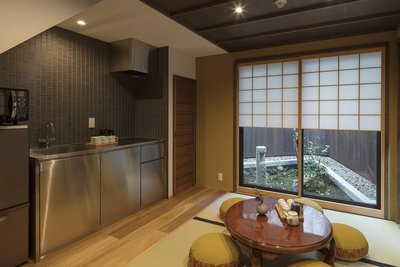
The Machiya Villa Sanjo Shirakawa Koji
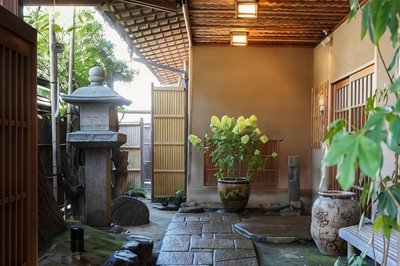
Ryokan Asadaya
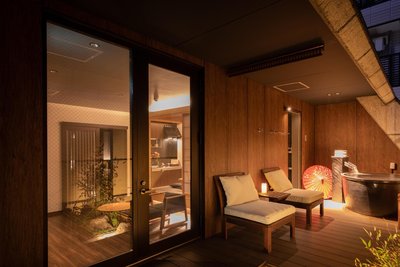
Konjaku-So Dotonbori
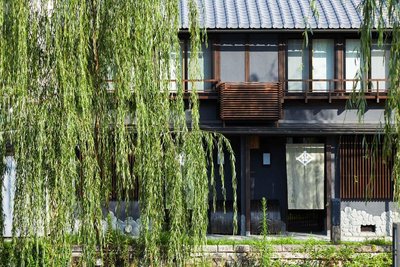
Gion Shirakawa No Yado

Kitashirakawa Natural Radium Onsen
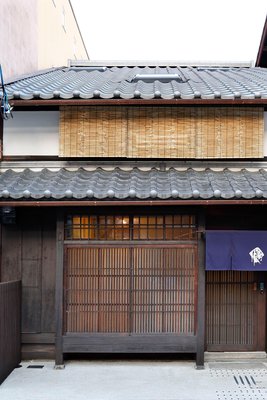
Kyo No Ondokoro Kamanza Nijo #2
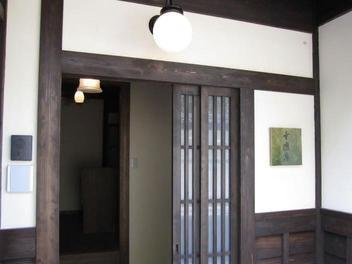
Gion Koyu an Machiya House
Frequently Asked Questions about Traveling to Awara
Questions You Might Need to Know About Traveling to Awara
In Ashikaga City, the most renowned ryokan is Kagami no Yu Ryokan, a centuries-old establishment famed for its natural hot spring waters rich in minerals. Each room features traditional tatami mats and private onsen baths overlooking serene gardens. Nearby, Yamabuki-no-Sato offers a tranquil retreat with outdoor foot baths and seasonal kaiseki meals using local ingredients like Ashikaga beef and wild mountain vegetables. Both properties are located near the Ashikaga Flower Park, making them ideal for travelers seeking both relaxation and cultural immersion in Tochigi's scenic countryside.
The Flower Park District around Ashikaga Flower Park is the most family-friendly area in Ashikaga City. Hotels here, such as Hotel Sunroute Plaza Ashikaga, offer spacious family rooms, kids' play areas, and free shuttle services to the park. Families can enjoy morning walks through blooming wisteria tunnels, participate in hands-on craft workshops at the park’s cultural center, or visit the nearby Ashikaga Zoo. The district also features easy access to restaurants serving kid-friendly Japanese dishes and safe, pedestrian-friendly pathways—perfect for stress-free family travel.
Ashikaga City stands out due to its deep-rooted connection to wisteria culture and Buddhist heritage. The city hosts the annual Ashikaga Wisteria Festival, where over 100,000 blooms cascade from ancient pergolas, creating one of Japan’s most iconic floral displays. Additionally, the city is home to Shōsō-in Temple, a historic Buddhist site housing rare artifacts from the Nara period. Local artisans still practice traditional lacquerware and pottery-making, often showcased during the Craft & Craftsmanship Fair. These elements combine to create a distinct blend of natural beauty and spiritual depth rarely found elsewhere in Japan.
Must-try local delicacies in Ashikaga City include Wisteria Tempura, made from edible wisteria blossoms dipped in crisp batter—a seasonal treat available only in spring. Another highlight is Ashikaga Beef Sushi, a fusion dish featuring tender local beef layered over vinegared rice, served with wasabi and soy sauce. For dessert, try Hana Gohan, a sweet rice cake filled with red bean paste and wrapped in a fresh wisteria leaf. These dishes are best enjoyed at Nakamura Sushiya or Tsubaki Restaurant, both located near the flower park and known for their authentic, locally-sourced ingredients.
Nighttime in Ashikaga City shines at Ashikaga Flower Park, where illuminated wisteria tunnels glow in vibrant hues of purple and blue, creating a magical atmosphere. The Luminous Garden Walk runs from 6 PM to 9 PM, complete with soundscapes and interactive light installations. For a quieter experience, visit Kagami no Yu Ryokan for a moon-viewing onsen bath, where guests soak under starlit skies. Local cafes along Kamiyama Street also offer cozy evening tea sessions with live folk music, blending tradition and modern charm in perfect harmony.
Ashikaga City is a year-round destination thanks to its diverse seasonal events: Spring brings the Wisteria Festival, drawing visitors from across Japan; Summer features the Firefly Night Walk, where thousands of fireflies dance above the Tone River; Autumn hosts the Maple Festival, showcasing fiery red foliage around Shōsō-in Temple; and Winter transforms the city into a snowy wonderland with the Snow Lantern Festival, where paper lanterns illuminate snow-covered paths. Each season offers unique photo ops and cultural experiences, ensuring a memorable visit regardless of travel time.
From Tokyo, the easiest way to reach Ashikaga City is by taking the JR Tohoku Shinkansen to Utsunomiya Station, then transferring to the JR Ryomo Line to Ashikaga Station, a journey of about 1 hour 45 minutes. Alternatively, direct buses operate from Tokyo’s Shinjuku Highway Bus Terminal to Ashikaga, taking approximately 2 hours. Upon arrival, many hotels offer free shuttle services to the city center and flower park. Consider purchasing the Tochigi Prefecture Pass, which grants unlimited rides on local trains and buses, saving time and money while enhancing your exploration flexibility.
Photographers love Ashikaga Flower Park’s Wisteria Tunnel, especially during sunrise when soft light filters through the lavender canopy. The Kamiyama Street Lantern Path, lined with traditional paper lanterns, offers stunning night shots. For architectural elegance, visit Shōsō-in Temple’s main hall, with its elegant wooden eaves and moss-covered stones. The Tone Riverbank at dusk, where fireflies flicker above the water, creates dreamlike compositions. Even the local train station’s vintage signboard adds a nostalgic touch—perfect for candid street photography capturing the soul of rural Japan.
For couples seeking romance, Kagami no Yu Ryokan offers private couple’s onsen baths with views of moonlit gardens and custom romantic dinner sets featuring Ashikaga beef and seasonal vegetables. Some suites include rooftop soaking tubs beneath open skies, ideal for stargazing. Couples can also book a morning tea ceremony or a private wisteria picnic in the park’s secluded garden. The hotel’s staff arranges surprise gifts like hand-written love letters and chilled sake—creating unforgettable moments in a peaceful, intimate setting away from urban crowds.
In Ashikaga City, you can participate in authentic lacquerware workshops at Kurokawa Lacquer Studio, where skilled artisans teach the intricate process of urushi lacquering using natural tree sap. Another highlight is the Pottery Making Class at Tone River Ceramics, where guests shape clay on a wheel and glaze their own souvenirs. Seasonal events like the Wisteria Art Market feature local artists selling handmade items inspired by nature. These hands-on experiences not only connect travelers to regional craftsmanship but also allow them to take home a meaningful, personalized keepsake.
Awara Overview
City Summary
Awara City, located in the northern part of Fukui Prefecture, Japan, is renowned for its hot springs, earning the nickname "the back parlor of Kansai." The Awara Onsen is one of the most representative hot spring resorts in the Hokuriku region, attracting visitors with its high-quality springs and rich cultural history. Beyond its hot springs, Awara City boasts stunning natural landscapes and traditional crafts like Echizen lacquerware and Wakasa-nuri, showcasing Japan's deep cultural heritage.
Must-See Attractions
The Awara Onsen is the heart of the city, featuring numerous historic ryokans (Japanese inns) and public bathhouses. Strolling through the Awara Onsen street offers a glimpse into traditional hot spring culture. Nearby, Tojinbo is a famous sea cliff known for its dramatic coastal views. For a hands-on experience, visit an Echizen lacquerware workshop to create your own artisan piece.
Food Guide
Awara's culinary scene highlights seafood and traditional Japanese cuisine. Don't miss the Echizen crab, a local delicacy known for its sweet, tender meat. Other must-tries include soy sauce dumplings and Wakasa beef. Many ryokans also offer kaiseki meals, a multi-course dining experience.
Transportation Guide
Buses and trains are the primary modes of transport in Awara. From Fukui City, take the JR Hokuriku Line to Awaraonsen Station (about 30 minutes). The city has an efficient bus network for accessing attractions. A one-day bus pass is recommended for cost savings. Taxis are available but pricey. If driving, ample parking is available.
Best Time to Visit
Spring and autumn are ideal for visiting, with mild weather perfect for exploring. Winter offers cozy onsen relaxation, while summer brings cool ocean breezes and escape from the heat.
Travel Tips
- Onsen Etiquette: Wash thoroughly before entering; swimsuits are prohibited.
- Language: English signage is limited—download a translation app or carry a phrasebook.
- Cash: Some small shops only accept yen; carry sufficient cash.
- Cultural Respect: Observe silence and rules at temples/shrines.
- Weather: Coastal areas can be windy; pack a light jacket.
- Recycling: Strict waste separation is enforced—follow local guidelines.
Useful Information
Japanese is the primary language, though some hotels/attractions offer English assistance. Public Wi-Fi is sparse; consider a local SIM or portable Wi-Fi device. Credit cards are accepted at major outlets, but cash is king. For emergencies, dial 110 (police) or 119 (ambulance). Medical facilities are well-equipped but may have limited English support—travel insurance is advisable.









