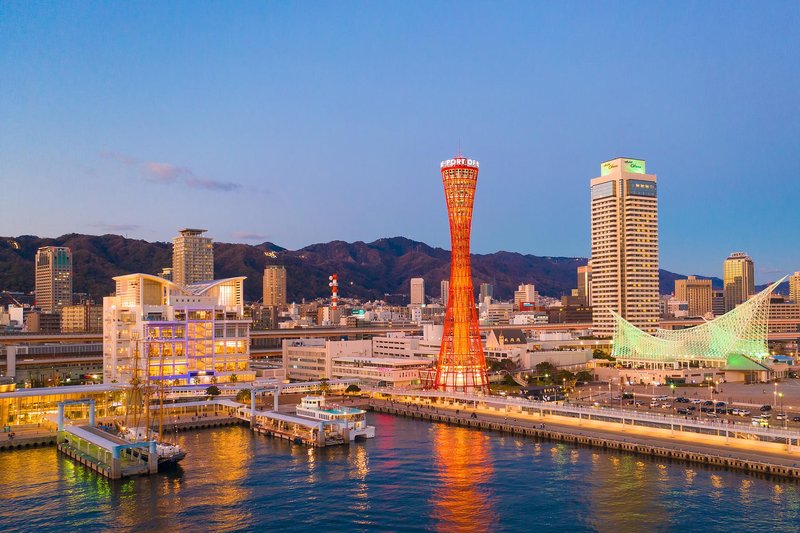
Hotels in Awara
Discover your perfect stay in Awara.
Awara(Japan) Travel 2026: Cheap Flights, Hotels & Top Attractions
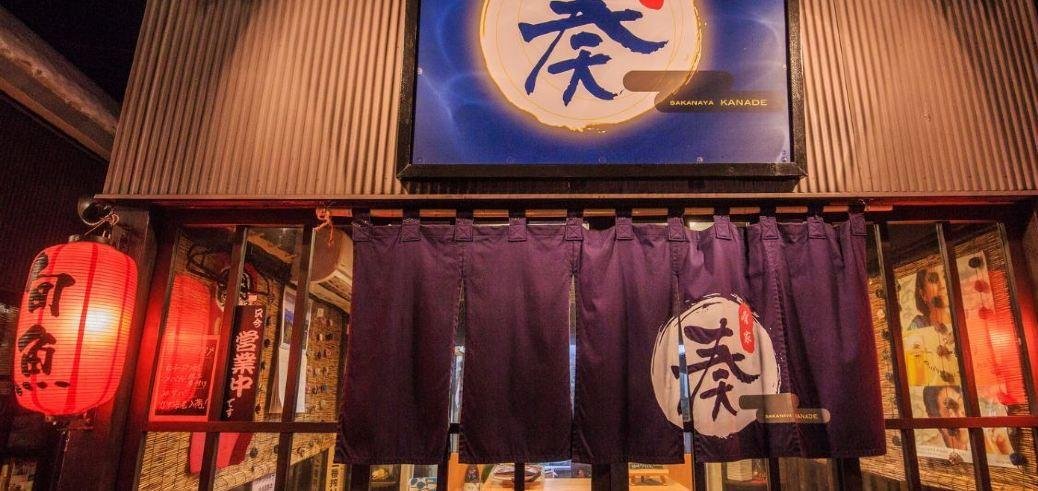
Popular Landmarks in Awara
Discover the most iconic attractions in Awara
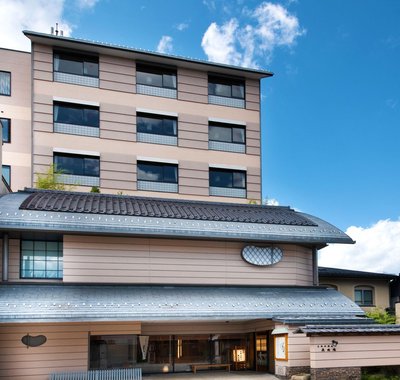
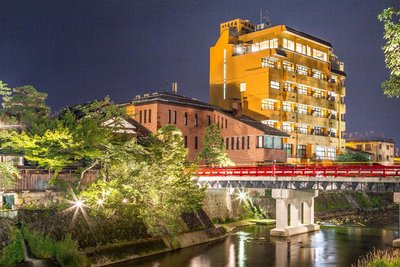
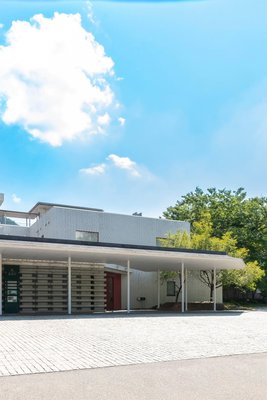
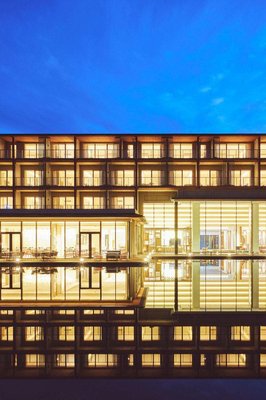
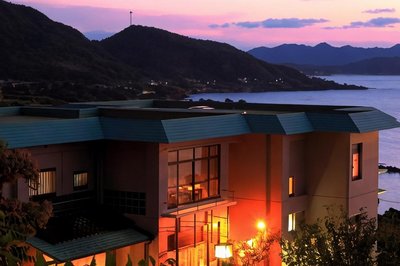
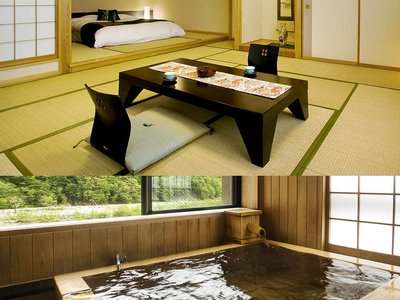
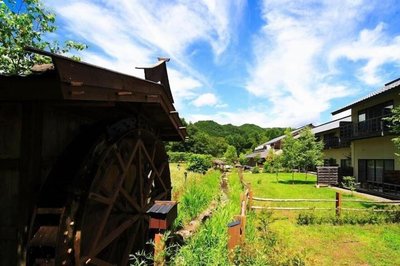
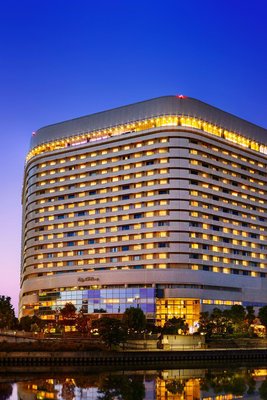
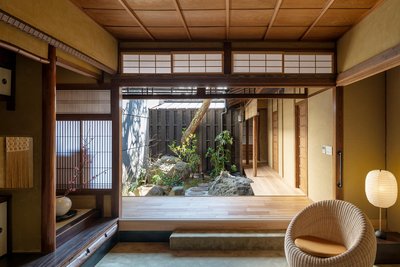
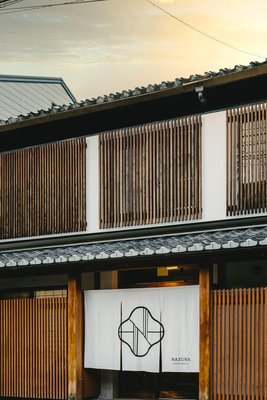
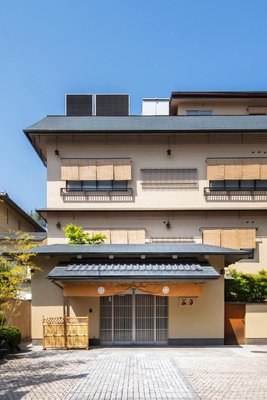
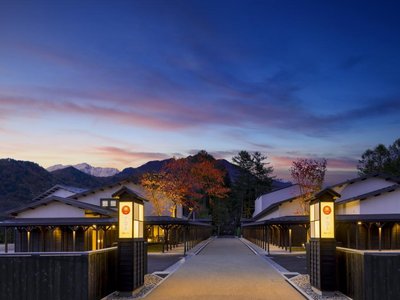
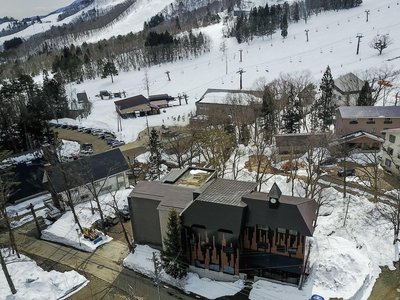
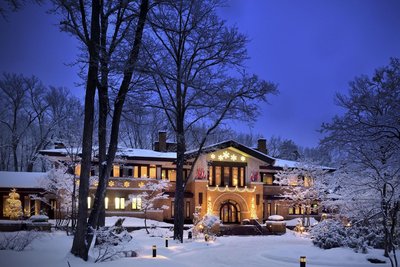
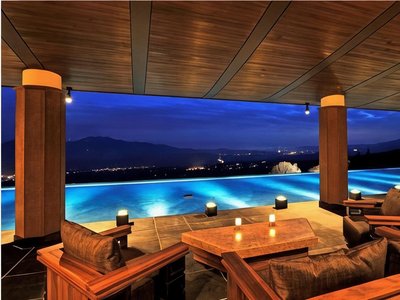
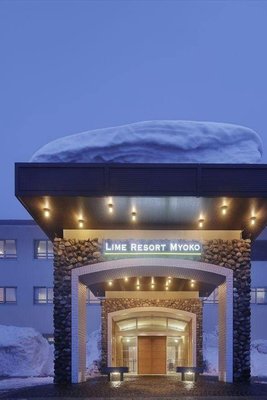
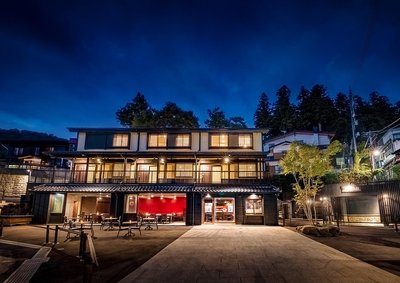
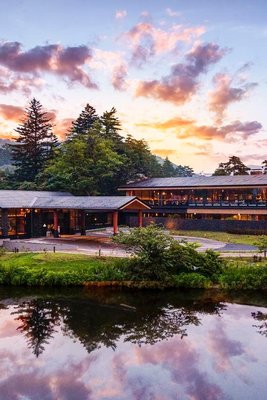
Recommended Hotels in Awara
Find the perfect place to stay in Awara
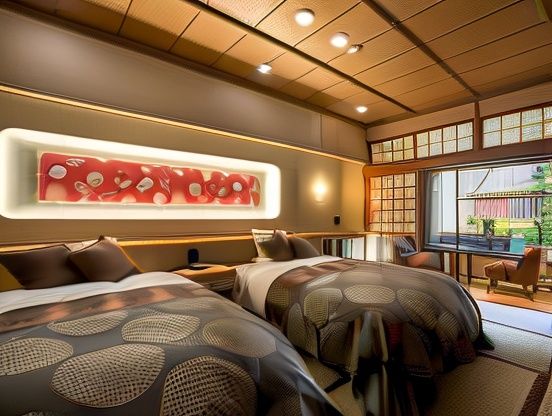
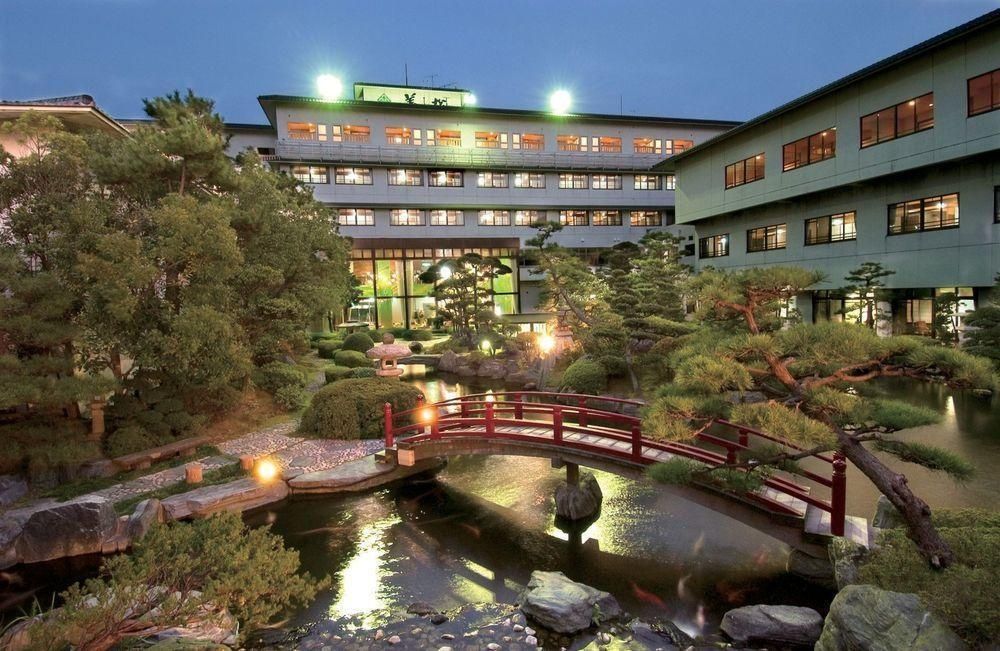
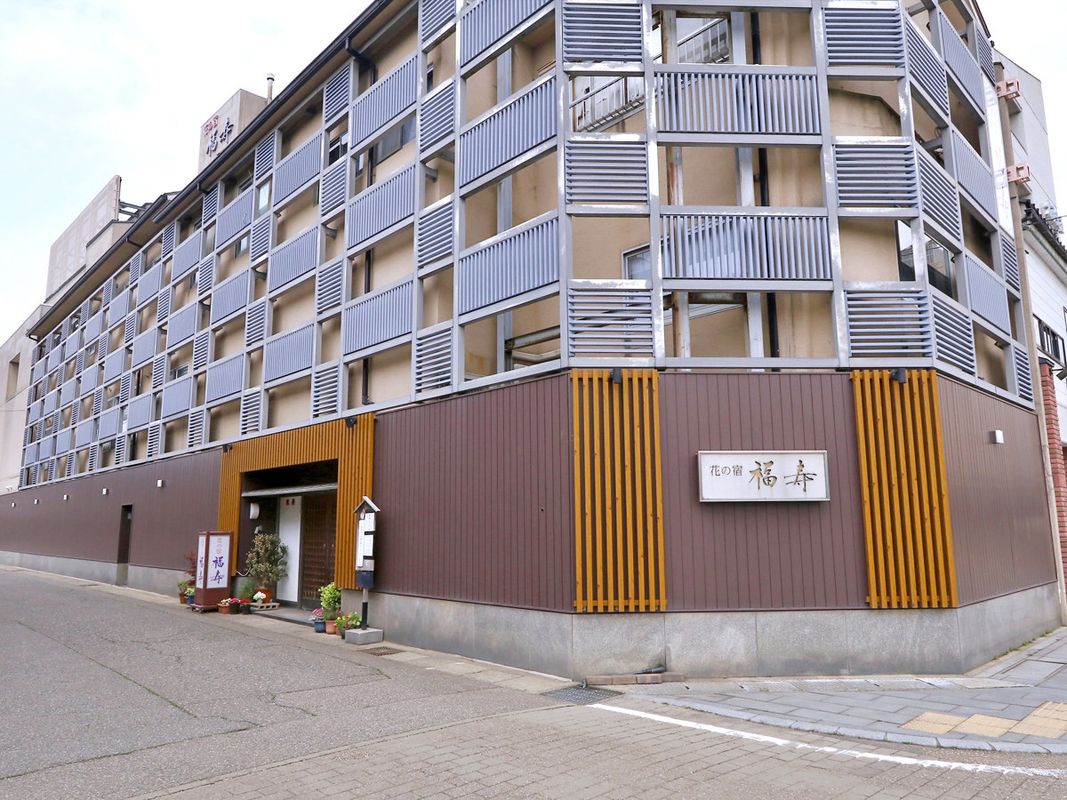
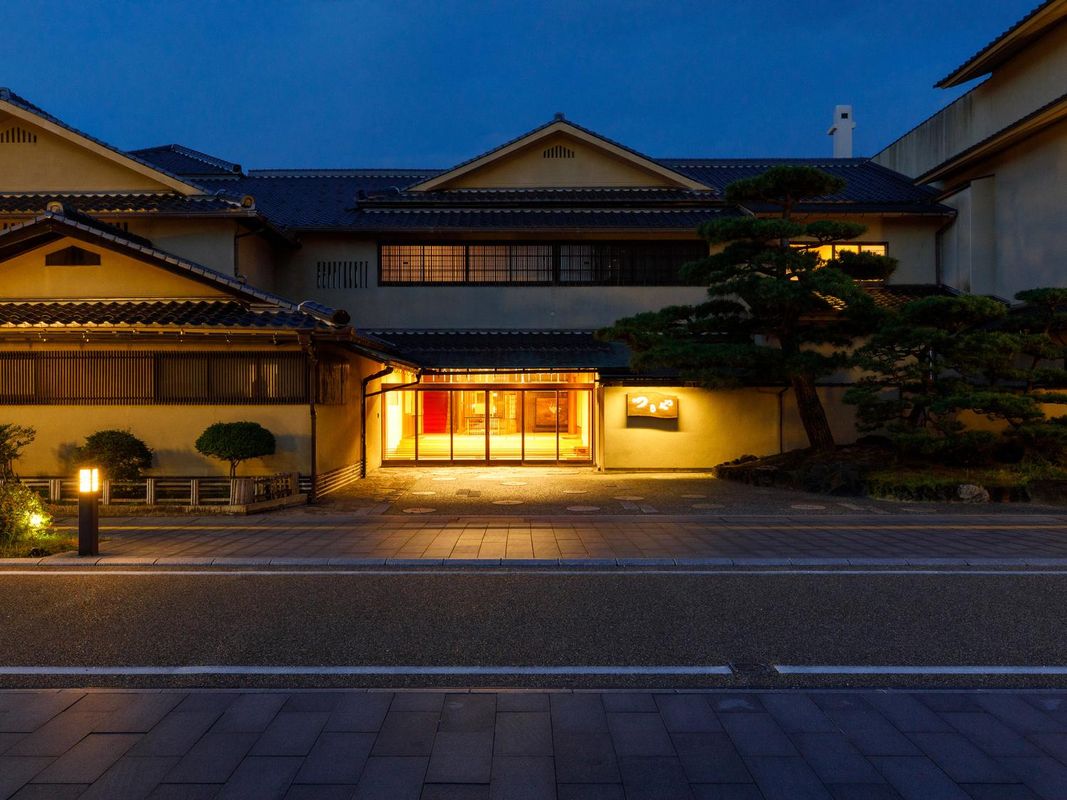
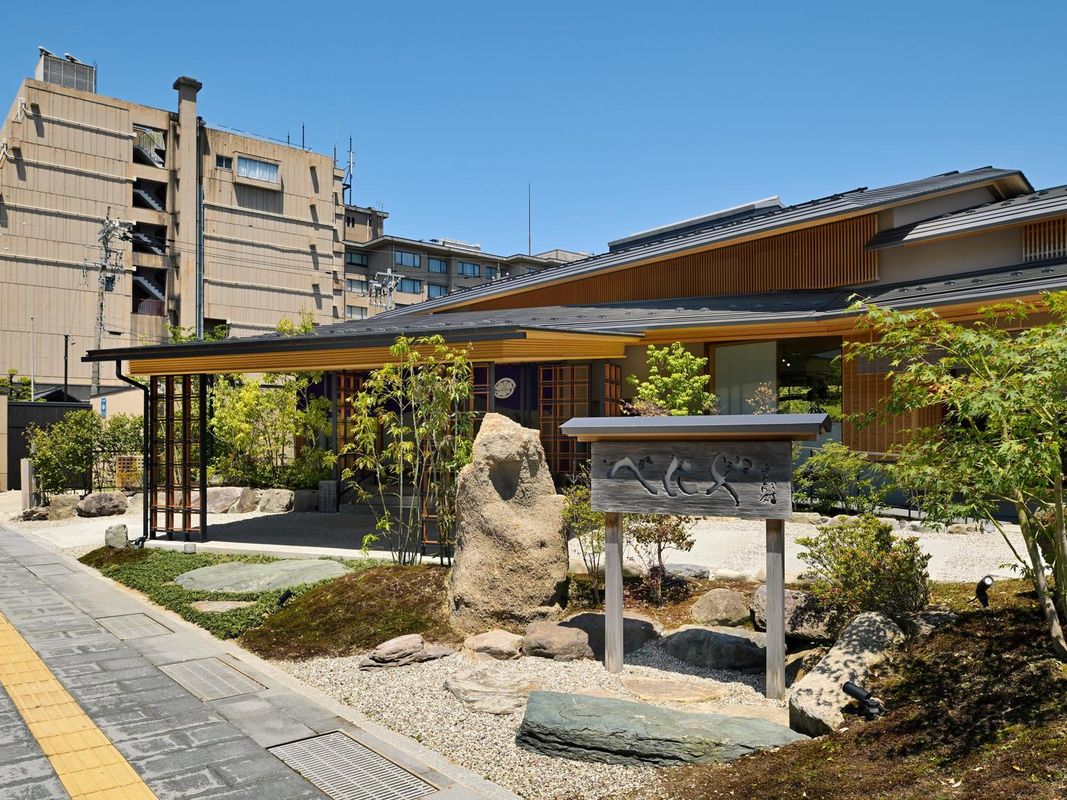
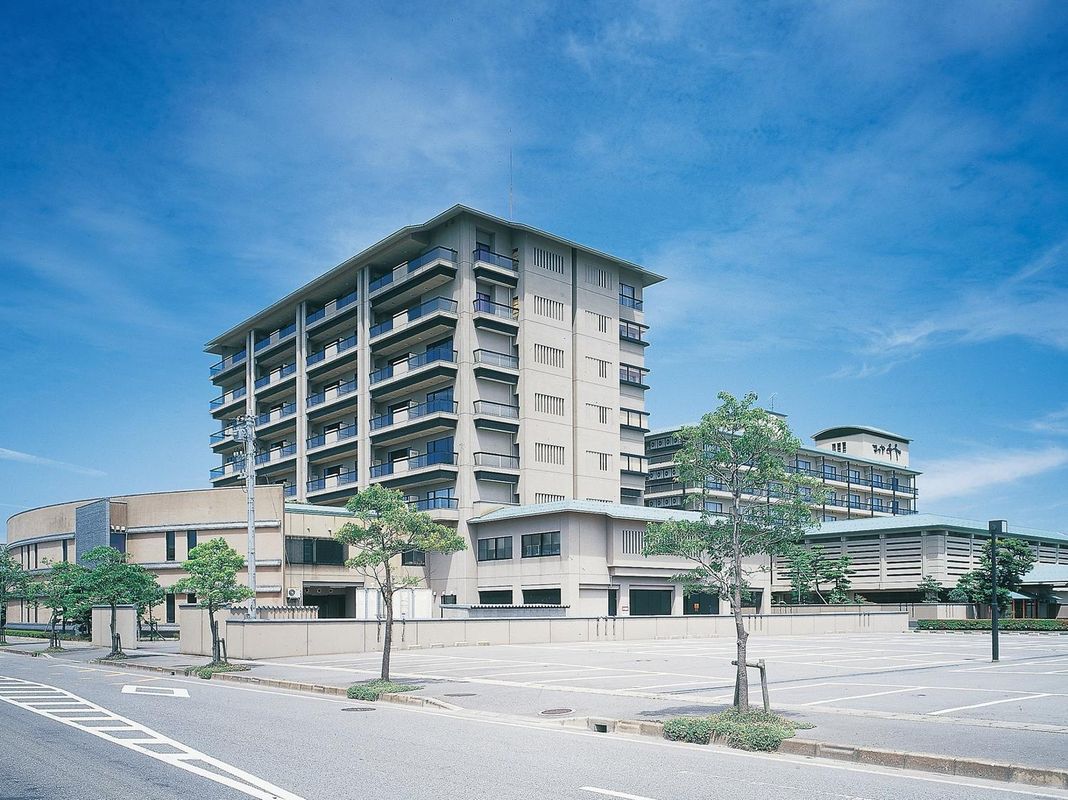
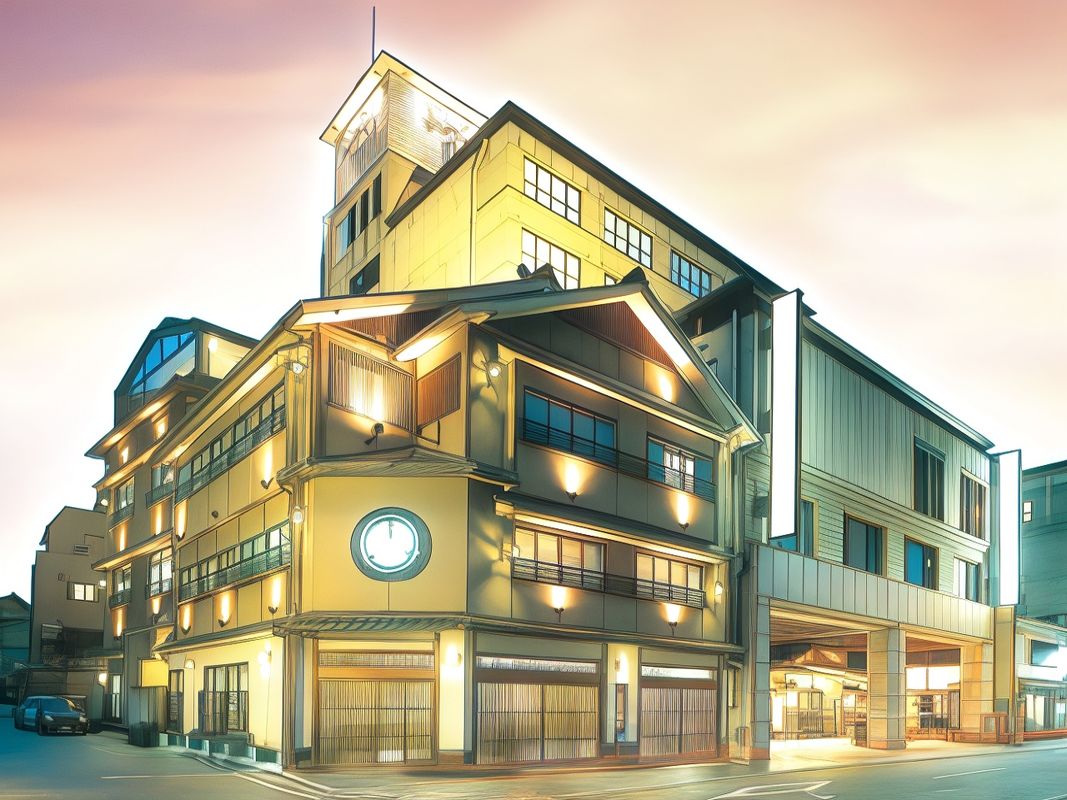
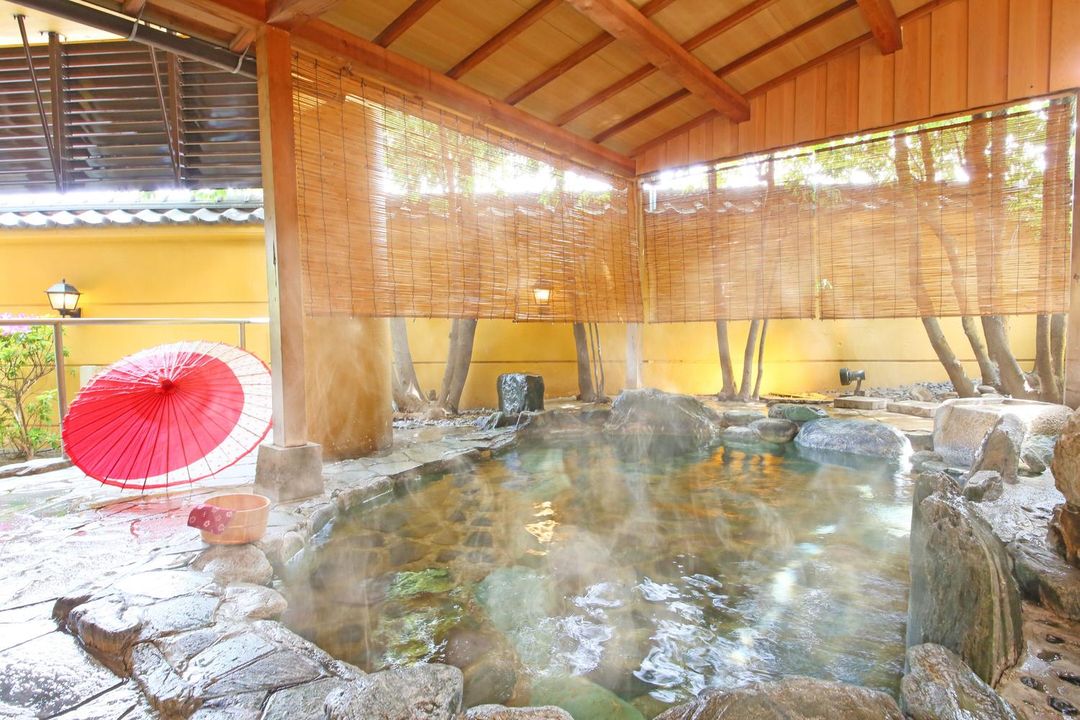
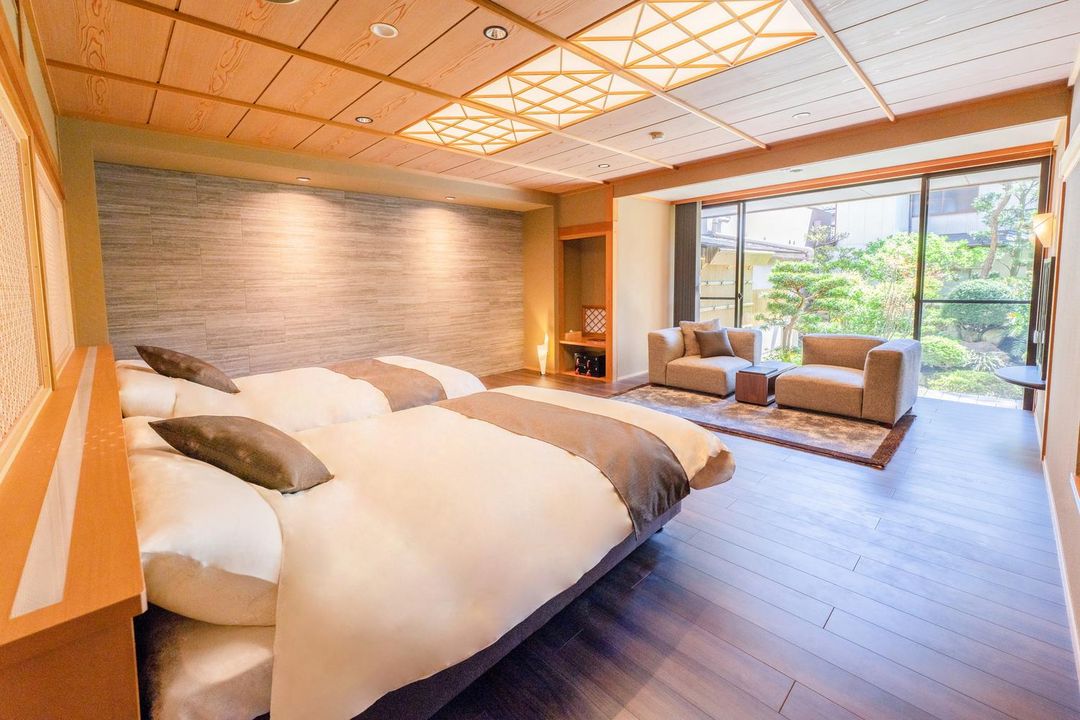
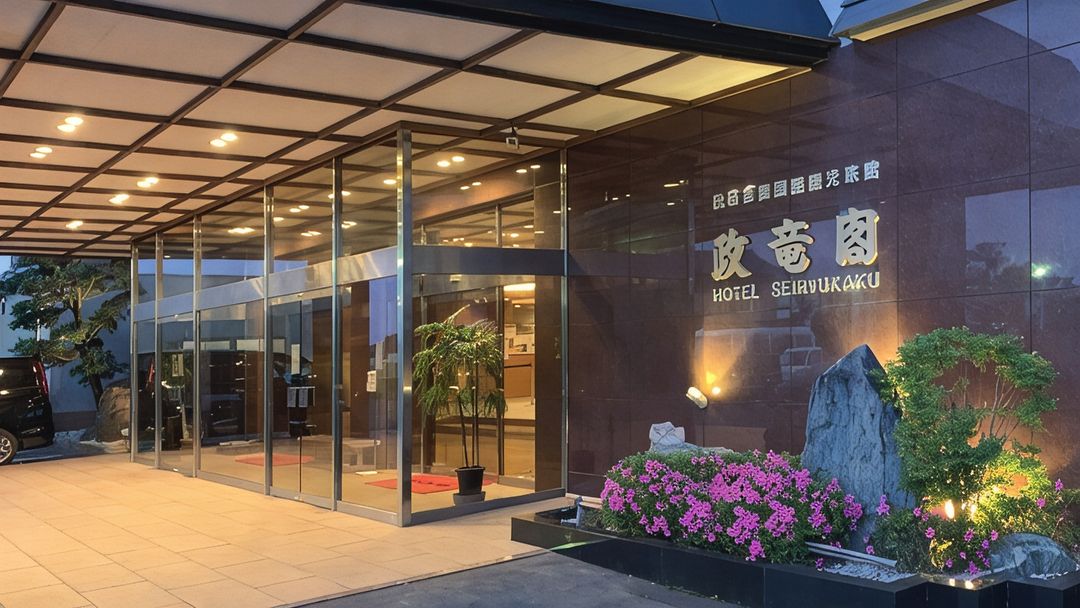
Best Hotels in Awara
Discover curated hotel collections in Awara
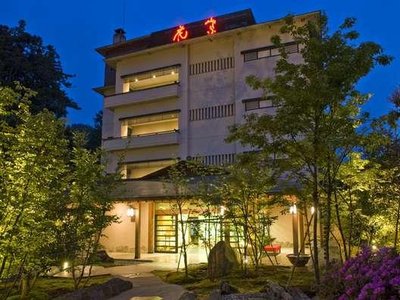
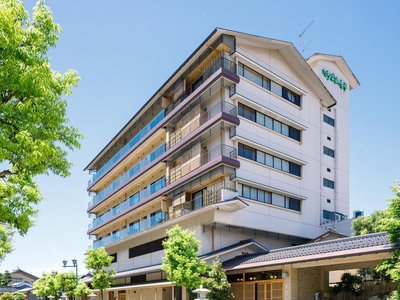
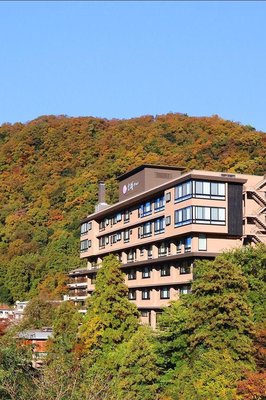
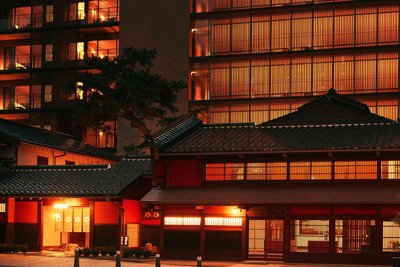
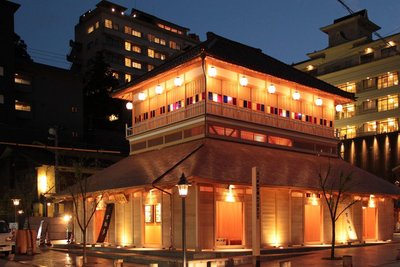
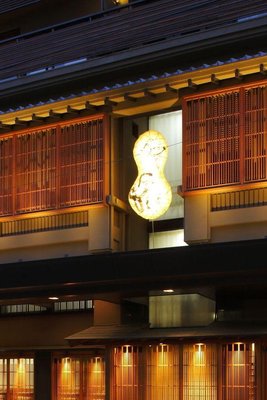
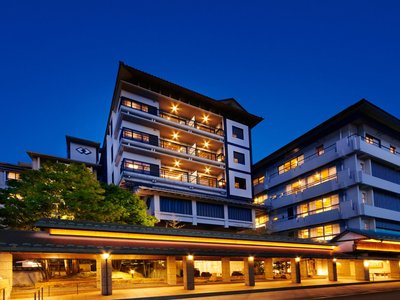
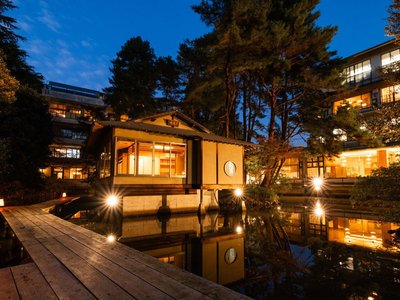
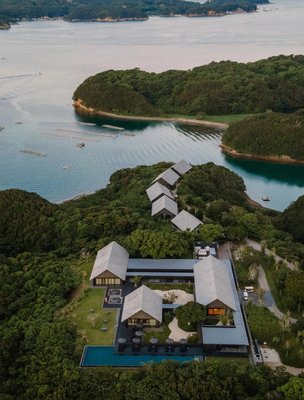
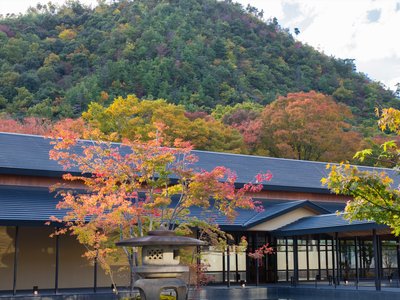
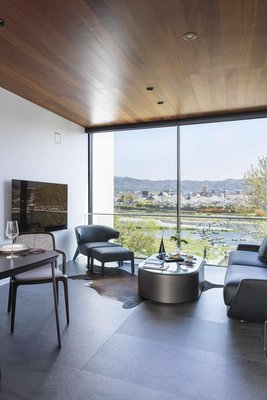
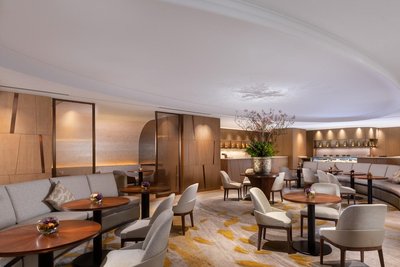


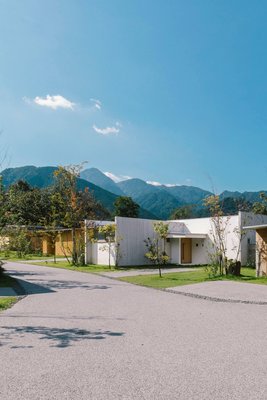
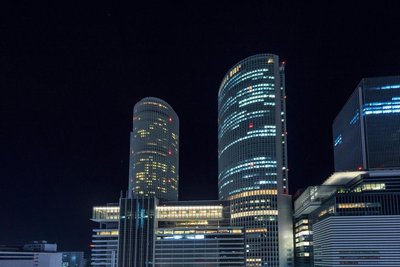
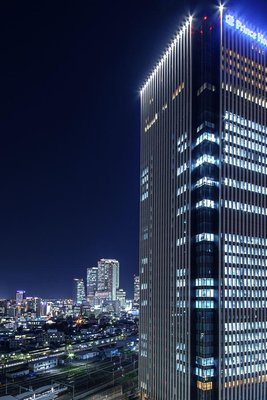
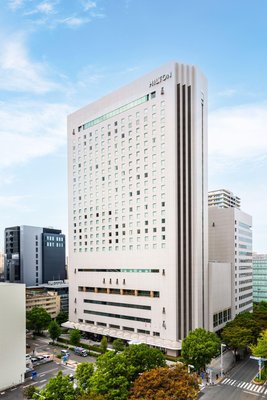


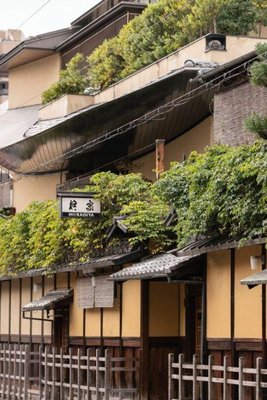

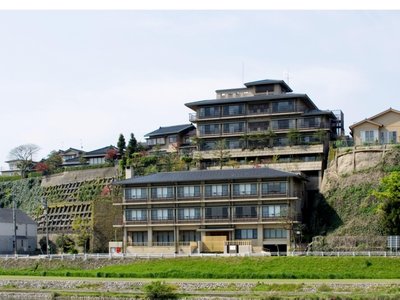
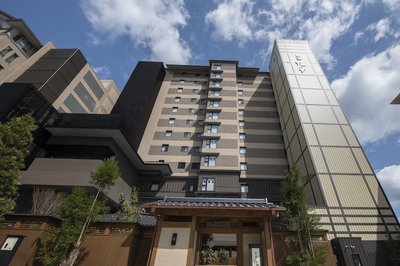
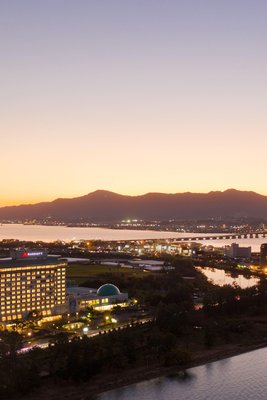





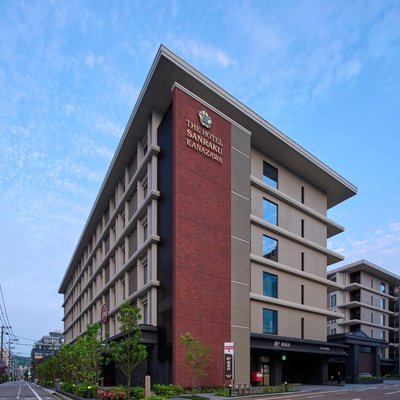
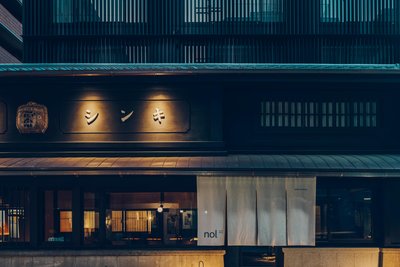
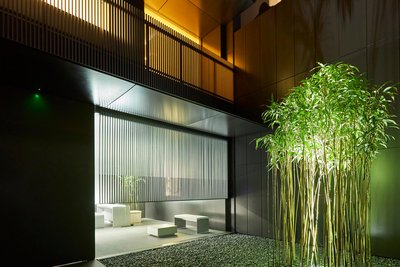

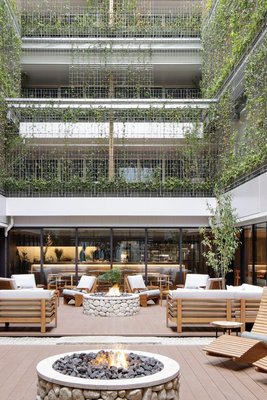





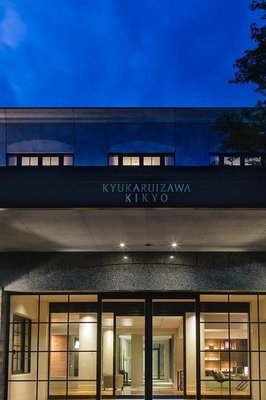
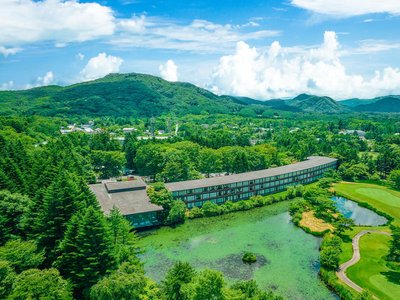
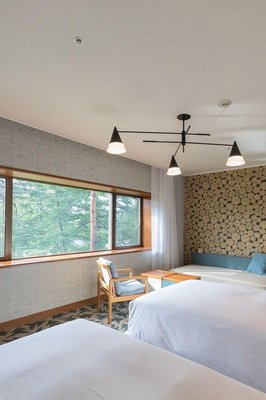
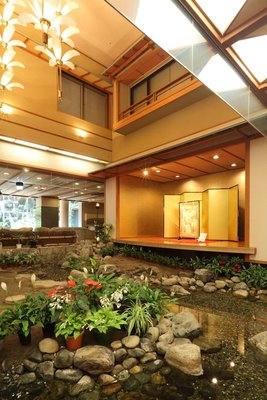



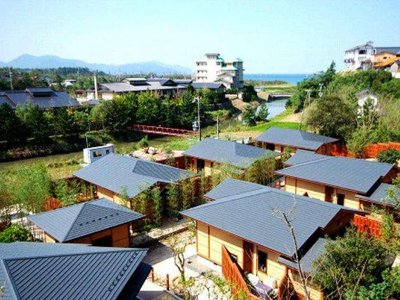

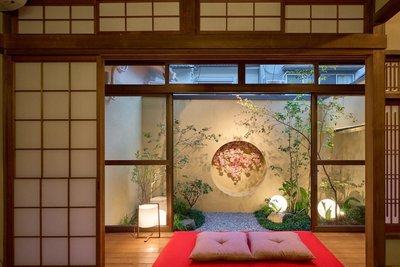
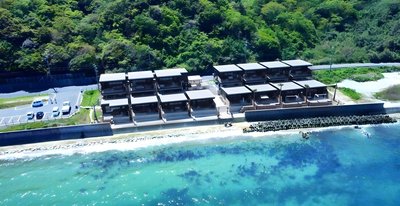
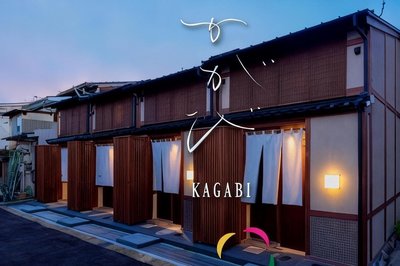
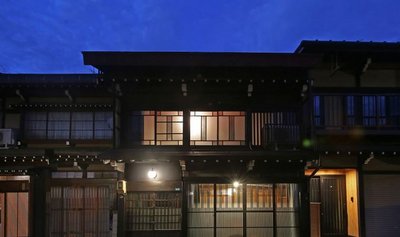

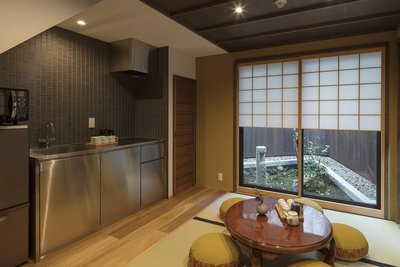
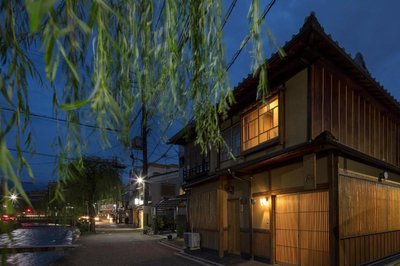
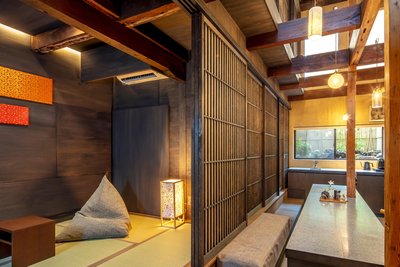
Frequently Asked Questions about Traveling to Awara
Questions You Might Need to Know About Traveling to Awara
Awara Overview
City Summary
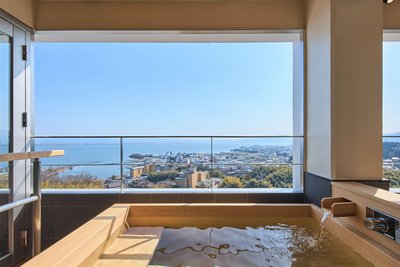
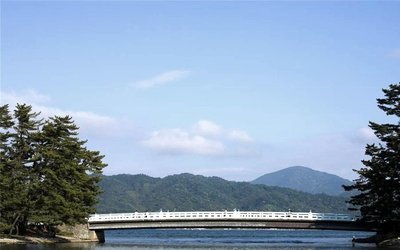
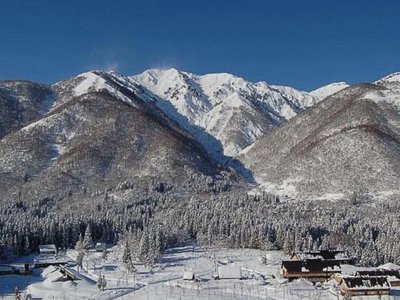
Awara City, located in the northern part of Fukui Prefecture, Japan, is renowned for its hot springs, earning the nickname "the back parlor of Kansai." The Awara Onsen is one of the most representative hot spring resorts in the Hokuriku region, attracting visitors with its high-quality springs and rich cultural history. Beyond its hot springs, Awara City boasts stunning natural landscapes and traditional crafts like Echizen lacquerware and Wakasa-nuri, showcasing Japan's deep cultural heritage.
Must-See Attractions
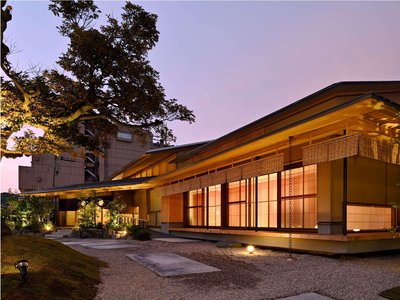
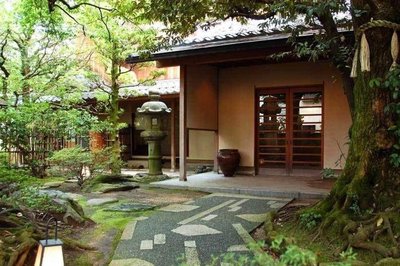
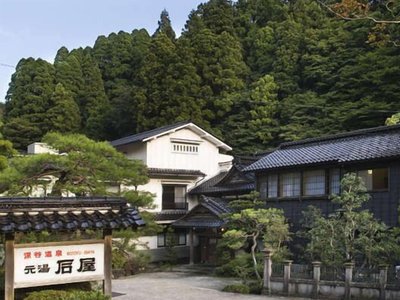
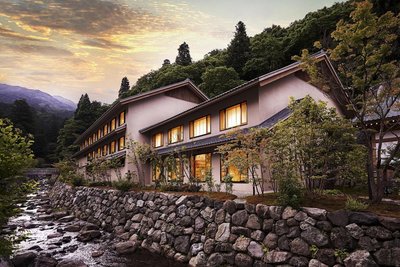
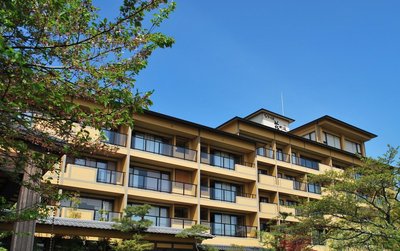
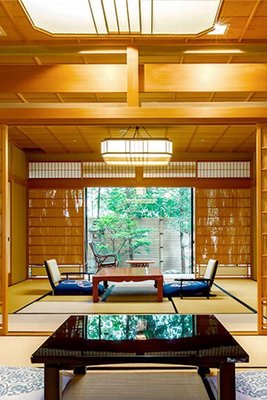
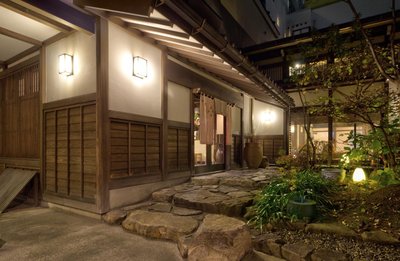
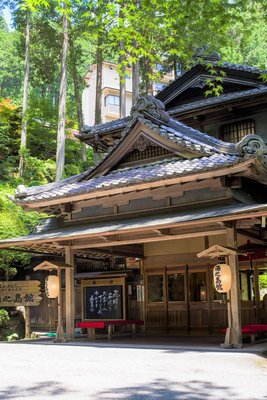
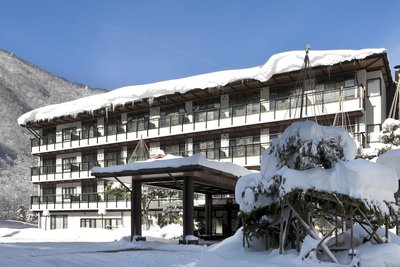
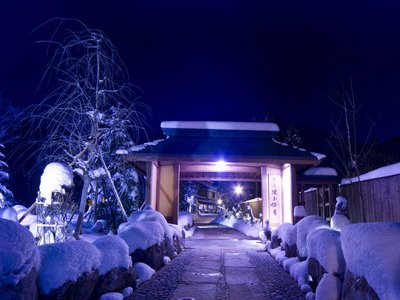
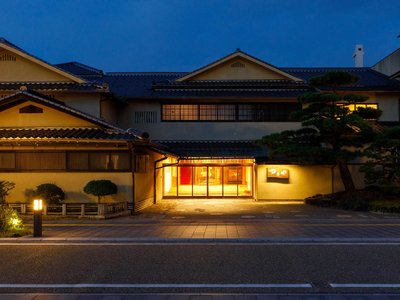
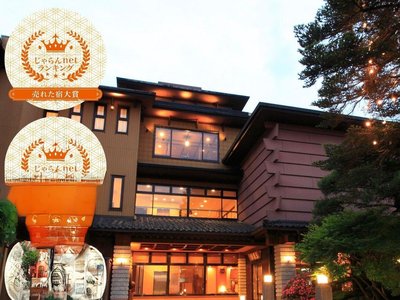
The Awara Onsen is the heart of the city, featuring numerous historic ryokans (Japanese inns) and public bathhouses. Strolling through the Awara Onsen street offers a glimpse into traditional hot spring culture. Nearby, Tojinbo is a famous sea cliff known for its dramatic coastal views. For a hands-on experience, visit an Echizen lacquerware workshop to create your own artisan piece.
Food Guide
Awara's culinary scene highlights seafood and traditional Japanese cuisine. Don't miss the Echizen crab, a local delicacy known for its sweet, tender meat. Other must-tries include soy sauce dumplings and Wakasa beef. Many ryokans also offer kaiseki meals, a multi-course dining experience.
Transportation Guide
Buses and trains are the primary modes of transport in Awara. From Fukui City, take the JR Hokuriku Line to Awaraonsen Station (about 30 minutes). The city has an efficient bus network for accessing attractions. A one-day bus pass is recommended for cost savings. Taxis are available but pricey. If driving, ample parking is available.
Best Time to Visit
Spring and autumn are ideal for visiting, with mild weather perfect for exploring. Winter offers cozy onsen relaxation, while summer brings cool ocean breezes and escape from the heat.
Travel Tips
- Onsen Etiquette: Wash thoroughly before entering; swimsuits are prohibited.
- Language: English signage is limited—download a translation app or carry a phrasebook.
- Cash: Some small shops only accept yen; carry sufficient cash.
- Cultural Respect: Observe silence and rules at temples/shrines.
- Weather: Coastal areas can be windy; pack a light jacket.
- Recycling: Strict waste separation is enforced—follow local guidelines.
Useful Information
Japanese is the primary language, though some hotels/attractions offer English assistance. Public Wi-Fi is sparse; consider a local SIM or portable Wi-Fi device. Credit cards are accepted at major outlets, but cash is king. For emergencies, dial 110 (police) or 119 (ambulance). Medical facilities are well-equipped but may have limited English support—travel insurance is advisable.