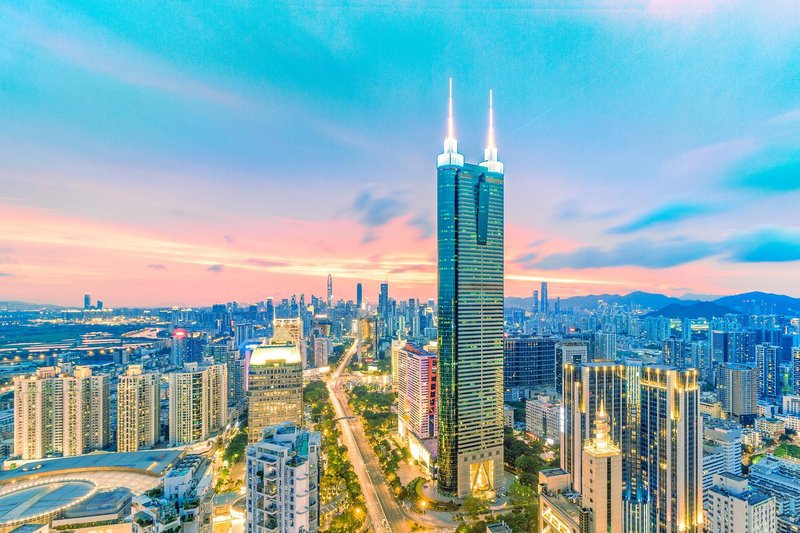
Hotels in Bacolor
Discover your perfect stay in Bacolor.
Bacolor(Philippines) Travel 2026: Cheap Flights, Hotels & Top Attractions
Popular Landmarks in Bacolor
Discover the most iconic attractions in Bacolor
Recommended Hotels in Bacolor
Find the perfect place to stay in Bacolor
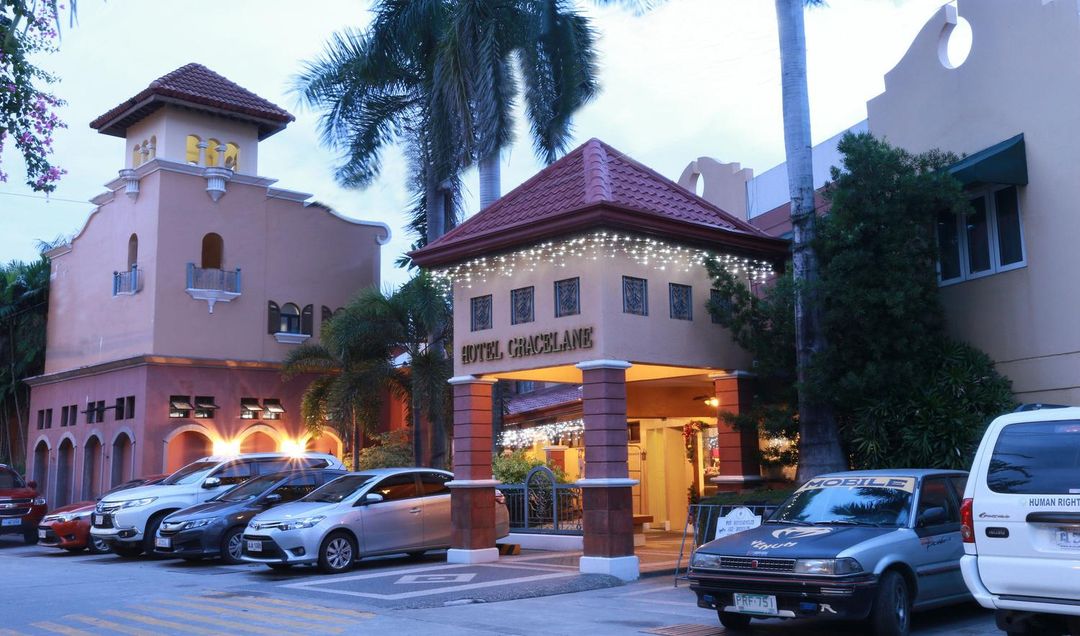
Hotel Gracelane
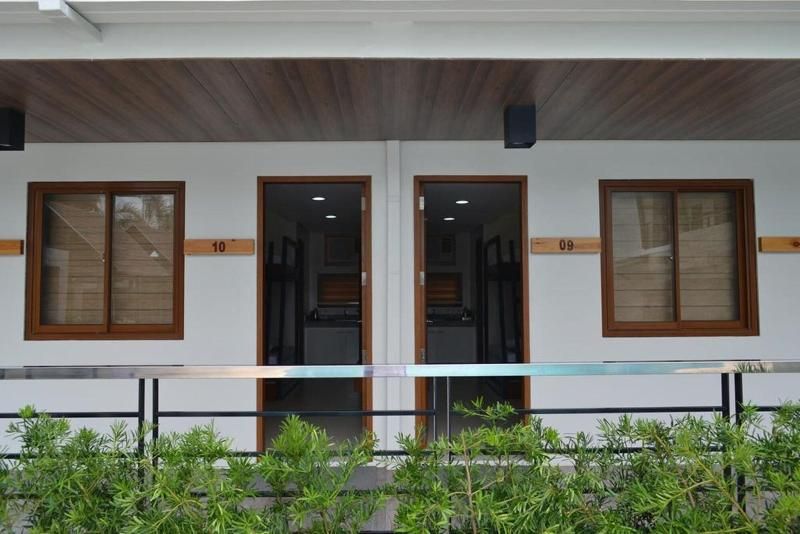
The Tavern Hotel

Hamanda Hotel
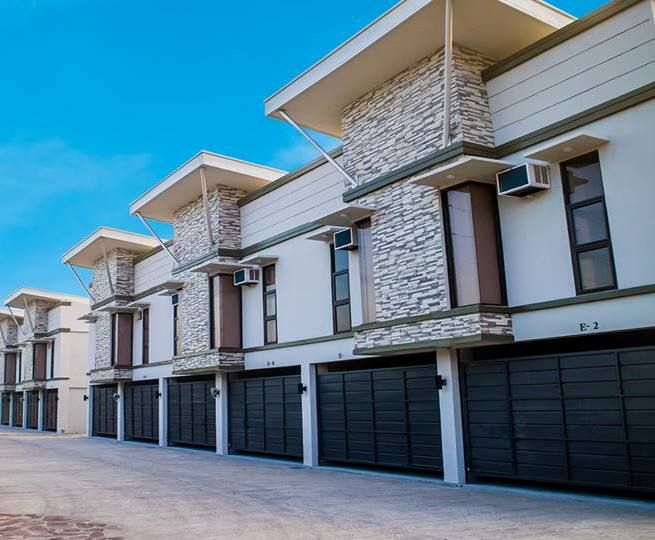
Sky Hotel Pampanga
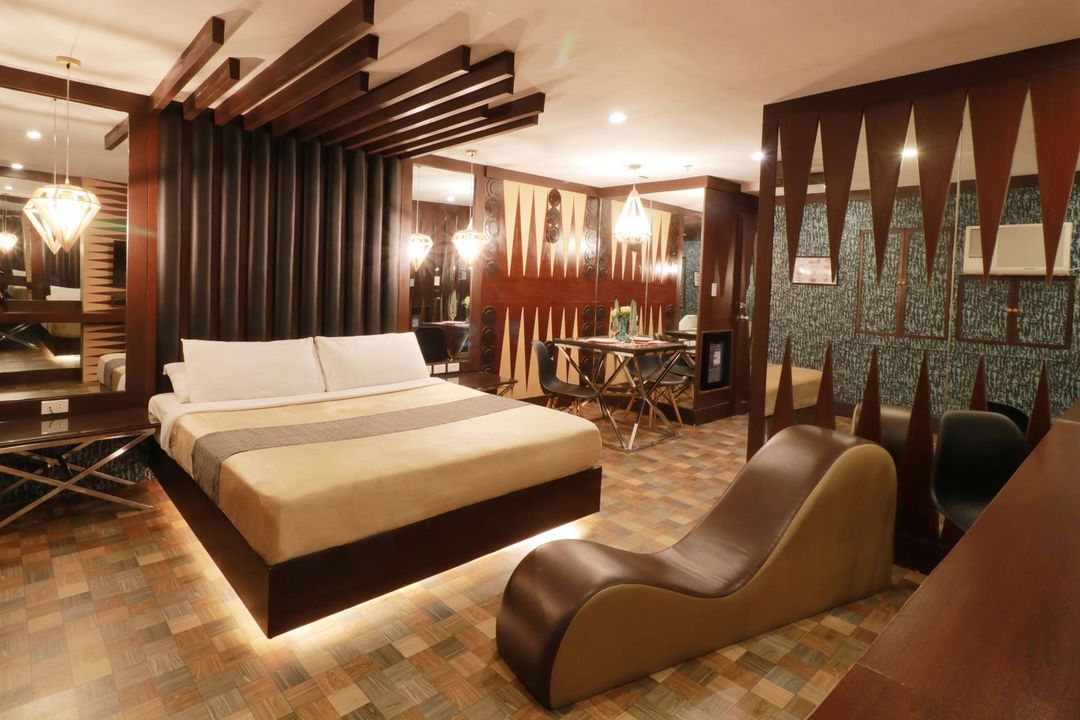
Victoria Court San Fernando - Pampanga
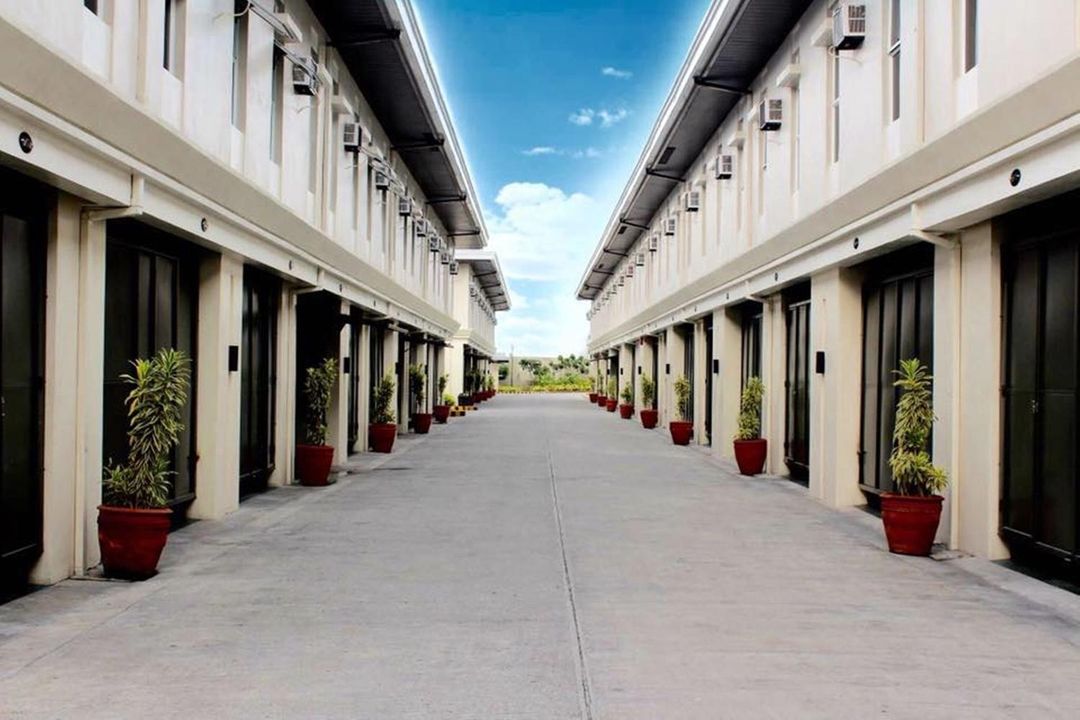
Executive Lofts by Mystique Lane
Mystique Lane Drive in Hotel
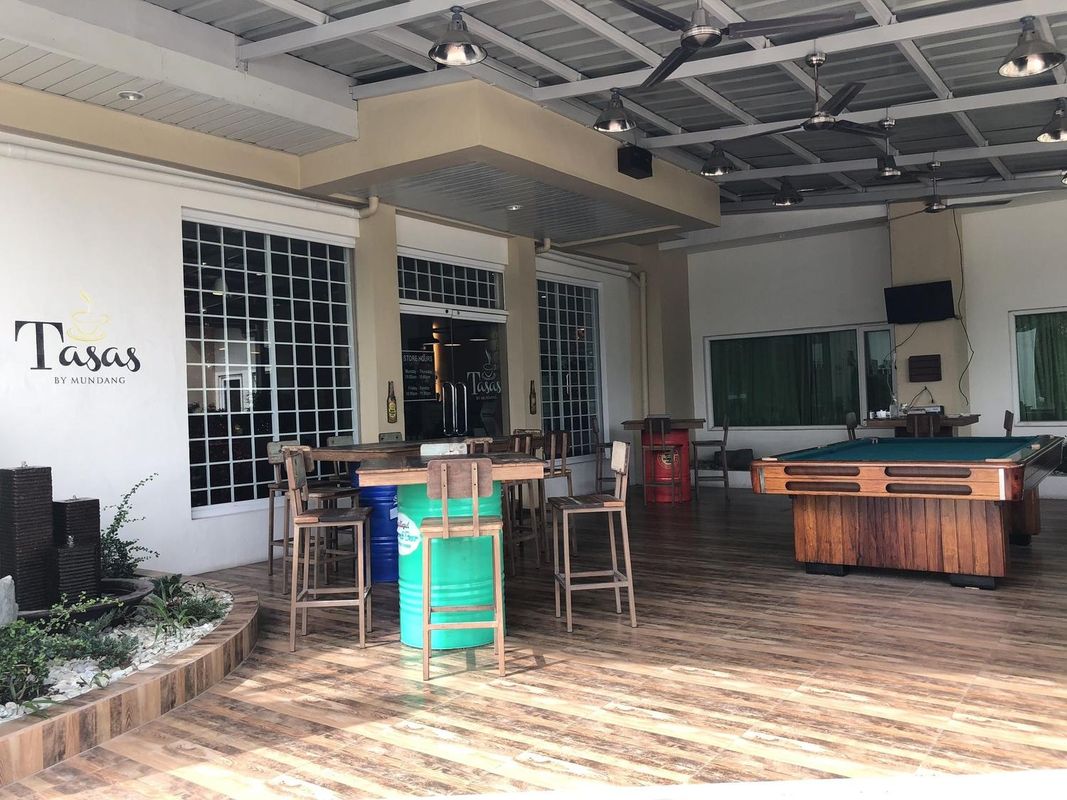
King's Royale Villas
Best Hotels in Bacolor
Discover curated hotel collections in Bacolor
Grand Hyatt Manila

The Farm at San Benito
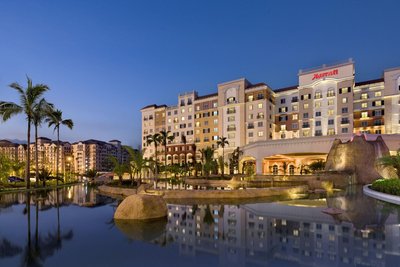
Manila Marriott Hotel at Newport World Resorts
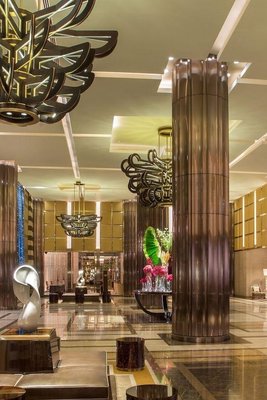
City of Dreams - Nüwa Manila
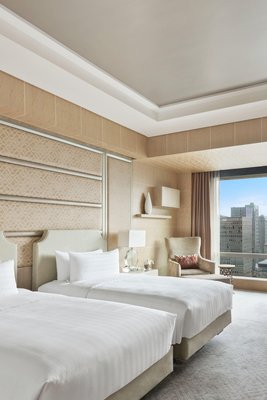
Shangri-La The Fort, Manila
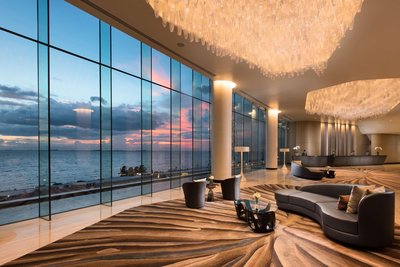
Conrad Manila
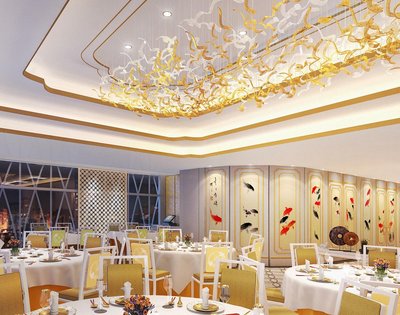
Okada Manila
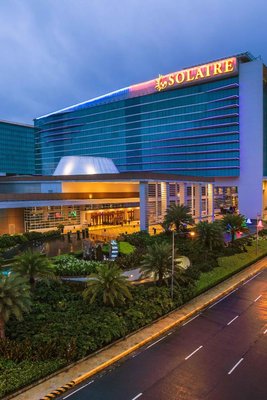
Solaire Resort Entertainment City
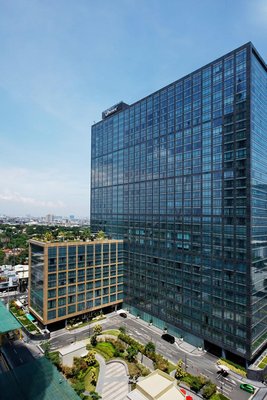
Raffles Makati
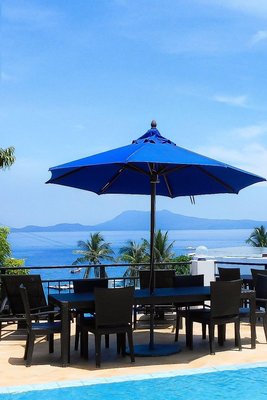
Out of the Blue Resort
Walking Street Condo Beautiful 1 King Bedroom
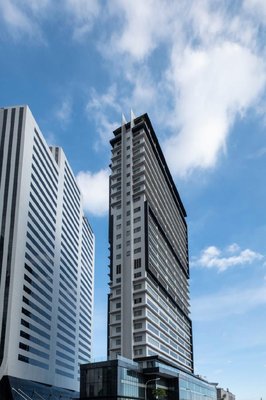
Brittany Hotel BGC
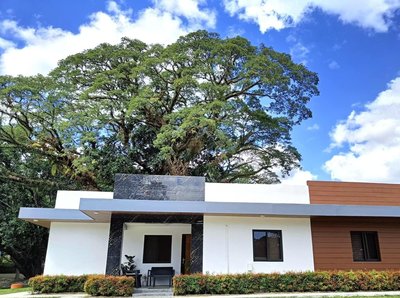
Aurora Villas and Cabin Resort
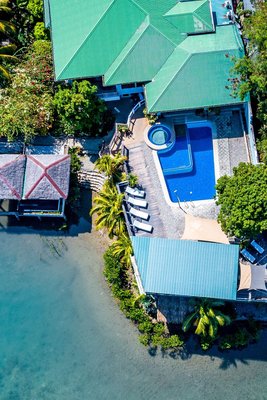
Edgewater Dive & Spa Resort
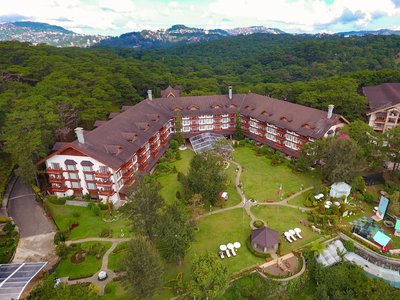
The Manor at Camp John Hay

The Maximilian Hotel
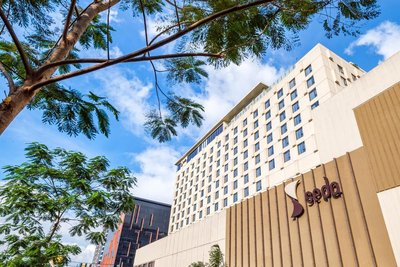
Seda Manila Bay
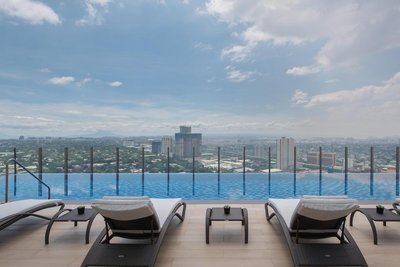
Citadines Benavidez Makati
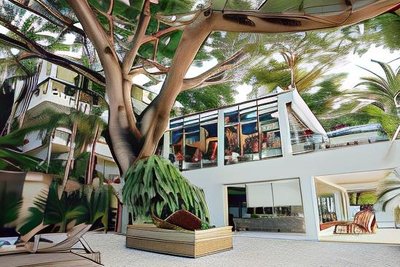
Solitude Acacia Resort
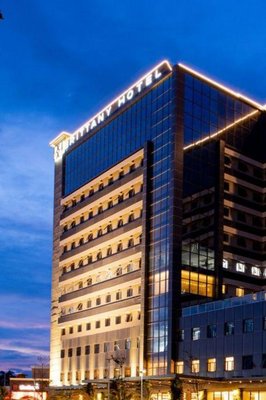
Brittany Hotel Villar City
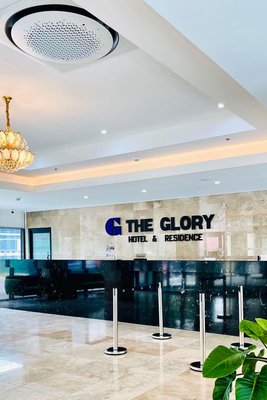
The Glory Hotel and Residence Clark Pampanga
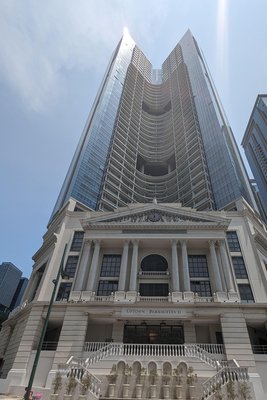
EG Private House - BGC UPTOWN
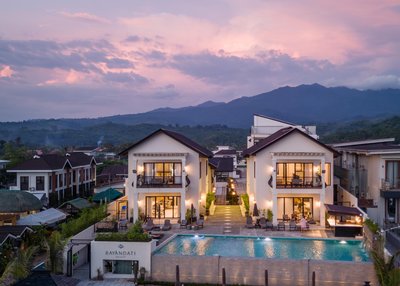
Bayandati Resort
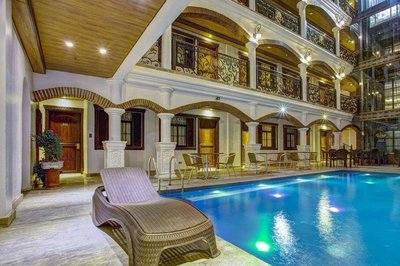
Hotel Luna
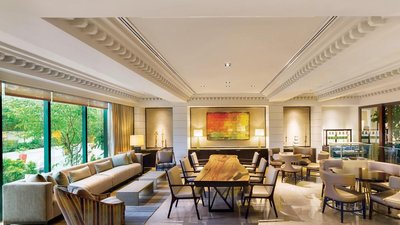
Aruga Apartments by Rockwell
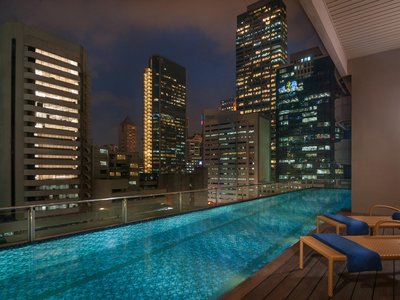
Citadines Salcedo Makati
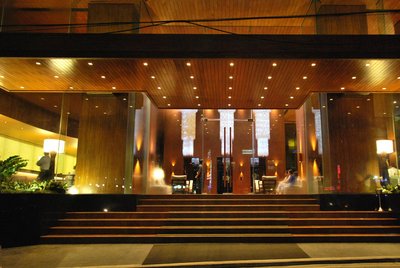
City Garden Grand Hotel
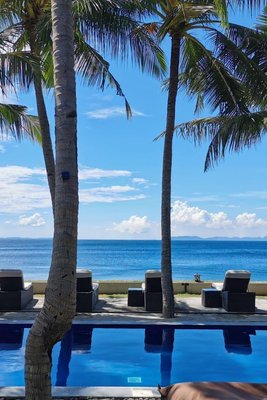
La Chevrerie Resort & Spa
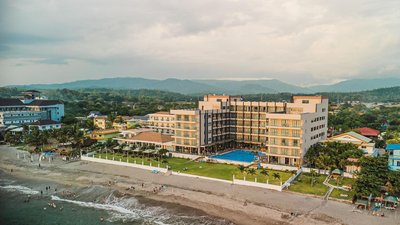
Awesome Hotel
La Chevrerie Resort & Spa
Conrad Manila
Solaire Resort Entertainment City
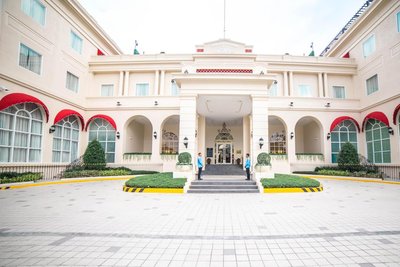
Rizal Park Hotel
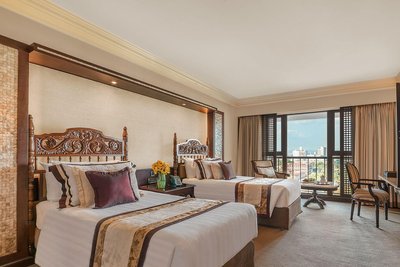
The Manila Hotel
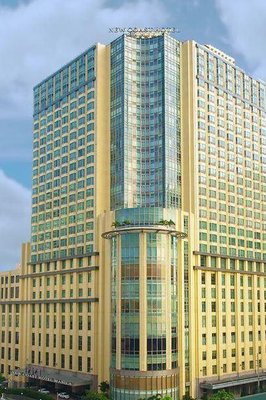
New Coast Hotel Manila
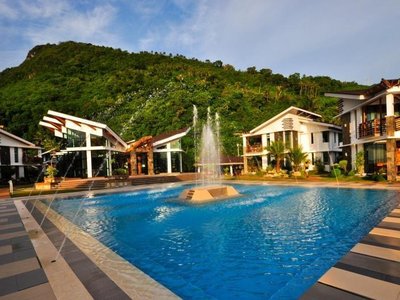
Infinity Resort
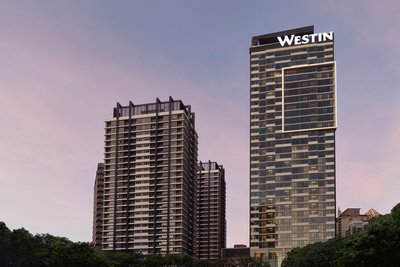
The Westin Manila
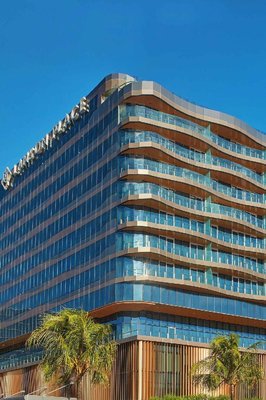
Lanson Place Mall of Asia Manila
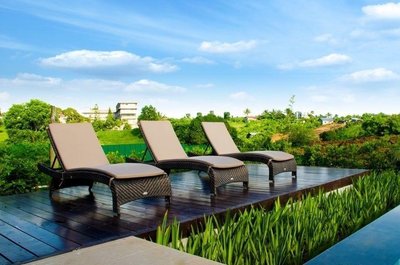
Anya Resort Tagaytay
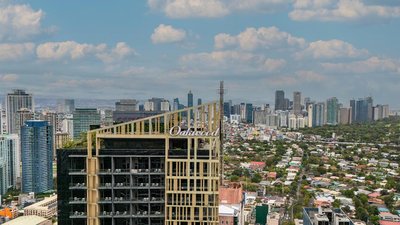
Oakwood Makati Avenue
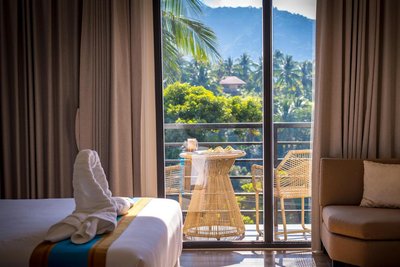
Magarra Hotel
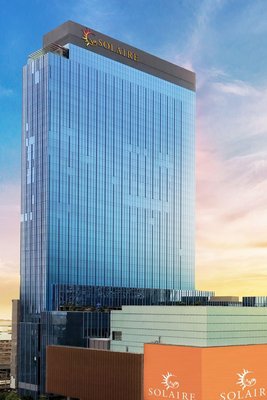
Solaire Resort North
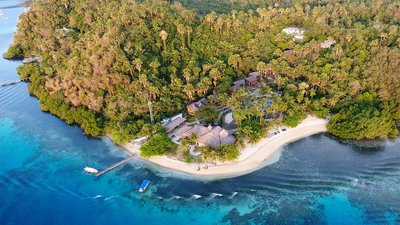
Fridays Puerto Galera
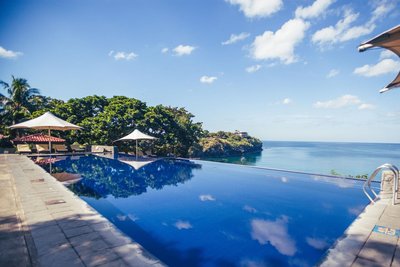
Club Punta Fuego
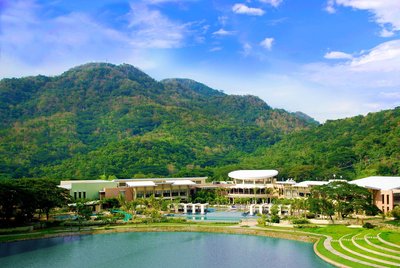
Pico Sands Hotel
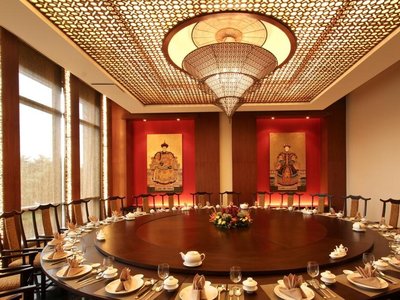
The Bellevue Hotel
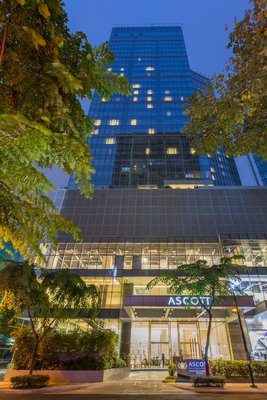
Ascott Bonifacio Global City Manila
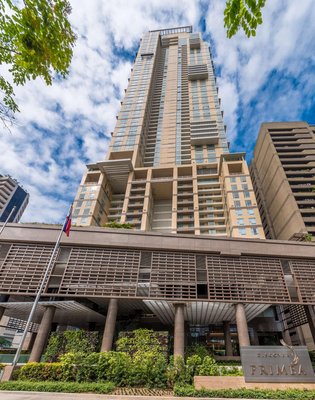
Discovery Primea, Manila
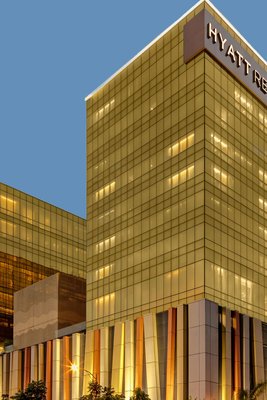
Hyatt Regency Manila City of Dreams
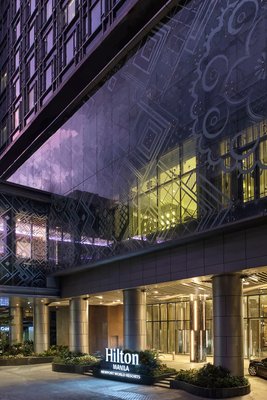
Hilton Manila Newport World Resorts
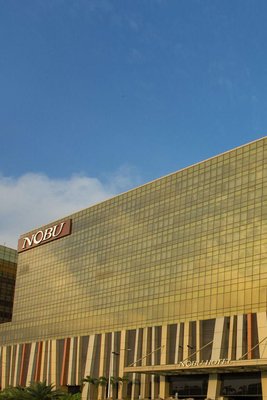
City of Dreams - Nobu Hotel Manila
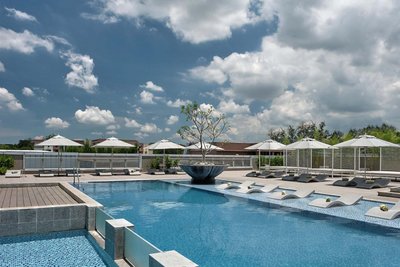
Clark Marriott Hotel
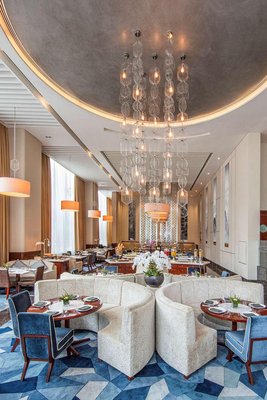
Makati Diamond Residences
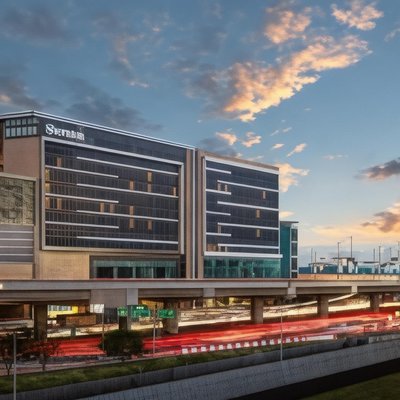
Sheraton Manila Hotel at Newport World Resorts
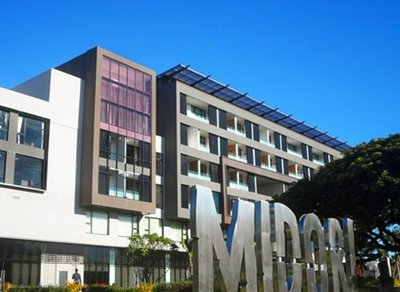
Midori Clark Hotel and Casino
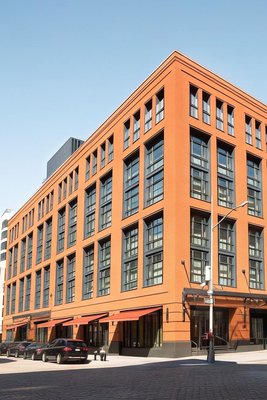
Hotel Barrière Fouquet's New York
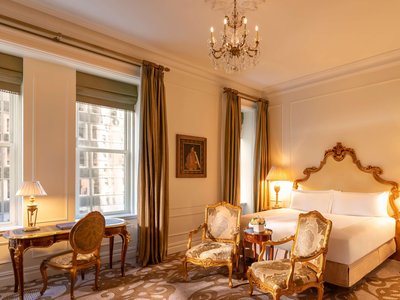
The Plaza - A Fairmont Managed Hotel
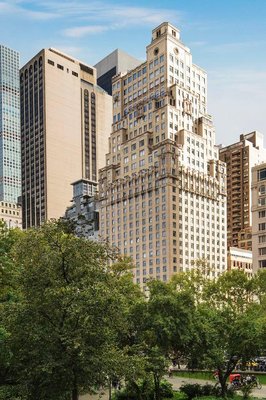
The Ritz-Carlton New York, Central Park
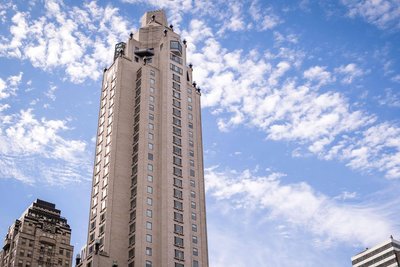
Four Seasons Hotel New York
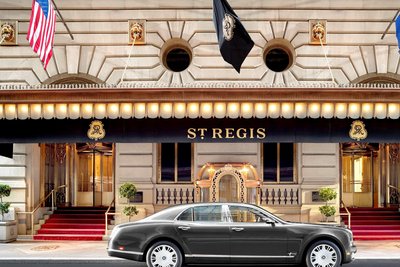
The St. Regis New York
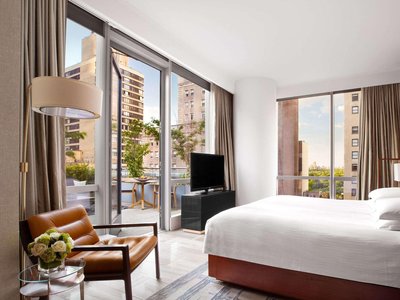
Park Hyatt New York
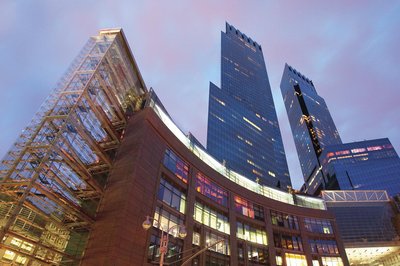
Mandarin Oriental New York

Times Square Edition New York
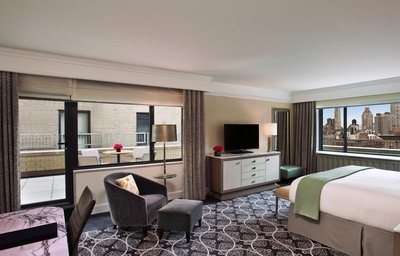
Loews Regency New York Hotel
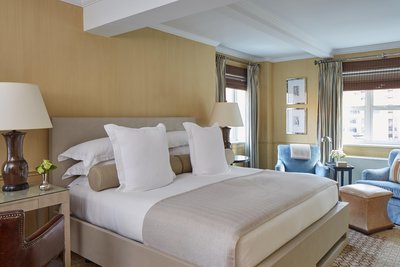
Lowell Hotel
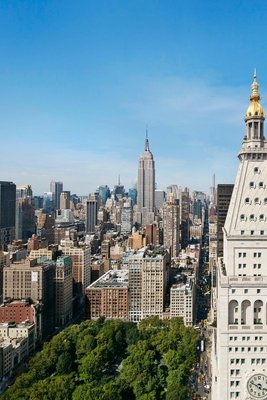
New York Edition
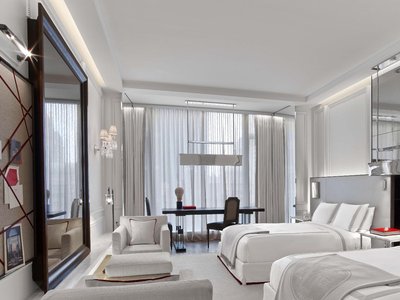
Baccarat Hotel New York

Equinox Hotel New York

Four Seasons Hotel New York Downtown
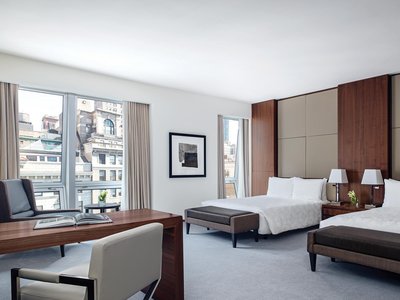
The Langham, New York, Fifth Avenue

The Carlyle, A Rosewood Hotel

The Chatwal, in the Unbound Collection by Hyatt
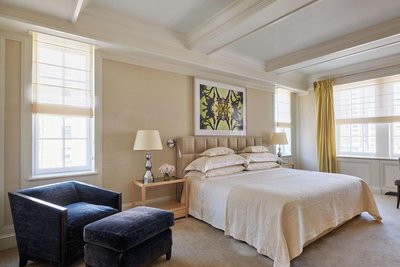
The Mark New York

Trump International Hotel & Tower® New York
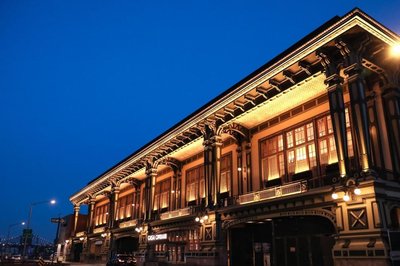
Casa Cipriani New York
Frequently Asked Questions about Traveling to Bacolor
Questions You Might Need to Know About Traveling to Bacolor
For authentic cultural immersion, stay at Casa de la Victoria, a heritage hotel housed in a restored 19th-century mansion near San Isidro Church. The property features traditional Filipino architecture, local art exhibitions, and guided tours of nearby Poblacion district markets. Guests can participate in cooking classes featuring Halo-Halo and Chicken Inasal, offering deep insight into Bacolod’s culinary traditions. The hotel also hosts monthly Visayan folk dance performances—a rare opportunity to experience regional culture firsthand.
The Poblacion District is ideal for food lovers, with direct access to Aklan Market and bustling night street stalls. Here, you’ll find authentic Bacolod specialties like Tocino (sweet cured pork), Kansi (fish stew), and Pinagong (grilled fish). Many guesthouses and budget hotels cluster around this area, such as Bacolod City Hostel, which provides easy walking access to food hubs and nightly live music sessions. It’s the heart of Bacolod’s culinary scene.
Yes, Lakeview Resorts Bacolod offers luxurious accommodations with panoramic views of Lake Bacolod. Each villa features a private deck, outdoor hot tub, and direct access to the waterfront. The resort includes an on-site spa, fine dining restaurant serving Filipino fusion cuisine, and complimentary kayaking. It’s perfect for couples seeking seclusion and natural beauty while still being just 15 minutes from downtown.
Absolutely. Nearly all mid-to-high-end hotels in Bacolod, including Westin Bacolod, Crown Hotel, and Bacolod Garden Hotel, provide free high-speed Wi-Fi throughout rooms and common areas. Some even offer dual-band networks for better performance. For travelers needing reliable internet, this ensures seamless communication, navigation, and social media use during their stay.
The peak season for festivals is October, when Bacolod City Fiesta takes place, featuring vibrant parades, street dancing, and the iconic Dance of the Leprosy reenactment. Another highlight is Sinulog-inspired celebrations in January, celebrating the city’s patron saint. During these times, hotels book up fast—reserve at least three months ahead. Local events often coincide with cultural showcases and food fairs, making it ideal for immersive travel.
Yes, Bacolod Crown Hotel and Grand Mercure Bacolod both feature family-friendly swimming pools, with shallow sections for kids and lifeguard supervision. They also offer spacious family suites, child-friendly menus, and playgrounds. Located near City Cultural Center, these hotels combine comfort with convenience for multi-generational stays. Many include breakfast and daily activities like craft workshops for children.
Yes, major hotels like Westin Bacolod and Crown Hotel provide complimentary airport transfer services from Bacolod-Silay International Airport (BSL). The ride takes about 20 minutes and operates on a scheduled basis. For added flexibility, guests can book private transfers via hotel concierge. This service ensures a stress-free arrival, especially for first-time visitors unfamiliar with local transport.
Stay at Casa de la Victoria to enjoy traditional Visayan storytelling nights, where local elders share folktales by candlelight. Some hotels also offer cooking classes using native ingredients like coconut vinegar and kamias. Others host artisan market days featuring handwoven textiles and pottery. These curated experiences deepen cultural connection and offer memorable interactions beyond standard tourism.
Yes, Greenleaf Eco Lodge Bacolod is a certified sustainable retreat nestled in a lush garden setting. The hotel uses solar power, rainwater harvesting, and organic farming for its on-site kitchen. Guest rooms are built with bamboo and reclaimed wood, and the property hosts eco-tours to nearby mangrove forests and butterfly sanctuaries. It’s ideal for environmentally conscious travelers seeking low-impact, nature-centered stays.
Bacolod stands out for its rich Visayan heritage, vibrant music and dance culture, and the nickname "The City of Smiles" due to its warm hospitality. Unlike Manila or Cebu, Bacolod blends colonial architecture with modern flair, hosts annual festivals rooted in local history, and specializes in sweet, savory dishes like Tocino and Sisig. Its slower pace and artistic energy make it a refreshing contrast to crowded urban centers.
Bacolor Overview
City Summary
Bacolor is a historic city in the Central Luzon region of the Philippines, renowned for its rich cultural heritage and unique natural landscapes. Once a significant Spanish colonial outpost, the city boasts well-preserved colonial-era architecture. Bacolor's core appeal lies in its deep historical roots and tranquil rural atmosphere, making it an ideal escape from urban hustle.
Must-See Attractions
Key attractions in Bacolor include the San Guillermo Parish Church, an ancient church from the Spanish colonial period showcasing exquisite Baroque architecture. The Bacolor Museum houses a wealth of historical artifacts, offering insights into local culture and history. For nature enthusiasts, nearby Mount Pinatubo provides hiking and adventure opportunities.
Food Guide
Bacolor's street food features traditional Filipino snacks like "sisig" (grilled pork) and "kakanin" (sticky rice desserts). Local restaurants also serve fresh seafood and farm-to-table dishes; try "sinigang na hipon" (sour shrimp soup) and "adobong manok" (chicken adobo). The culinary culture blends Spanish and Filipino flavors, creating a unique dining experience.
Transportation Guide
Local transportation in Bacolor relies on jeepneys and tricycles, the most common public vehicles. Jeepneys cover major attractions at low cost but can be crowded. Tricycles are ideal for short trips, with negotiable fares. Plan routes in advance and carry small change. Self-driving is an option, but familiarize yourself with local traffic rules.
Best Time to Visit
The best time to visit is from November to February, when the weather is cool and dry, perfect for outdoor activities. Avoid the rainy season (June-October) due to typhoon risks. During holidays (e.g., Christmas and Easter), expect crowds and book accommodations early.
Travel Tips
- Respect local customs; dress modestly in churches.
- Carry sunscreen and water to avoid heatstroke.
- Negotiate tricycle fares upfront to prevent disputes.
- Secure valuables and beware of pickpockets.
- Learn basic Filipino greetings for smoother communication.
- Check food hygiene when trying local delicacies.
Useful Information
Filipino (Tagalog) is the official language, but English is widely spoken. Network coverage is good, with free Wi-Fi in major hotels and restaurants. Cash is preferred, though credit cards are accepted in larger establishments. For emergencies, purchase travel insurance and carry basic medications. Voltage is 220V, with plug types A/B/C. Emergency numbers: Police (117), Ambulance (911).
Other Cities You Might Like
Explore more amazing destinations