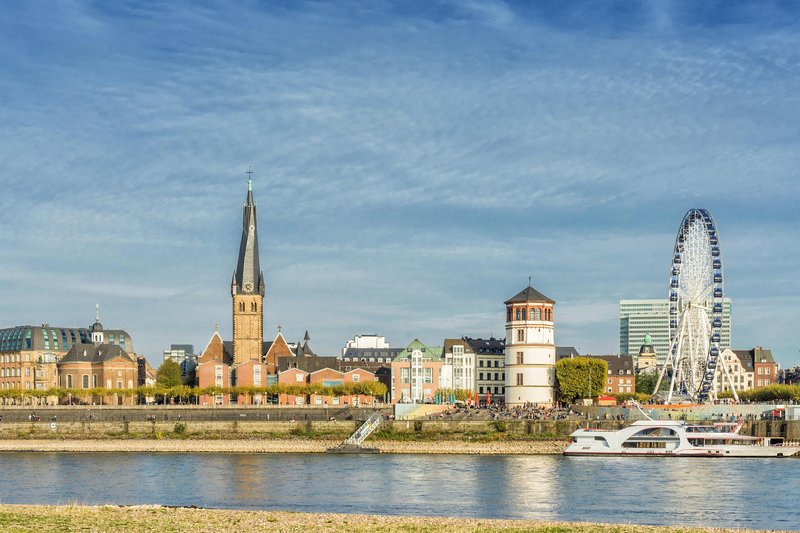
Hotels in Bad Bergzabern
Discover your perfect stay in Bad Bergzabern.
Bad Bergzabern(Germany) Travel 2026: Cheap Flights, Hotels & Top Attractions
Popular Landmarks in Bad Bergzabern
Discover the most iconic attractions in Bad Bergzabern
Recommended Hotels in Bad Bergzabern
Find the perfect place to stay in Bad Bergzabern
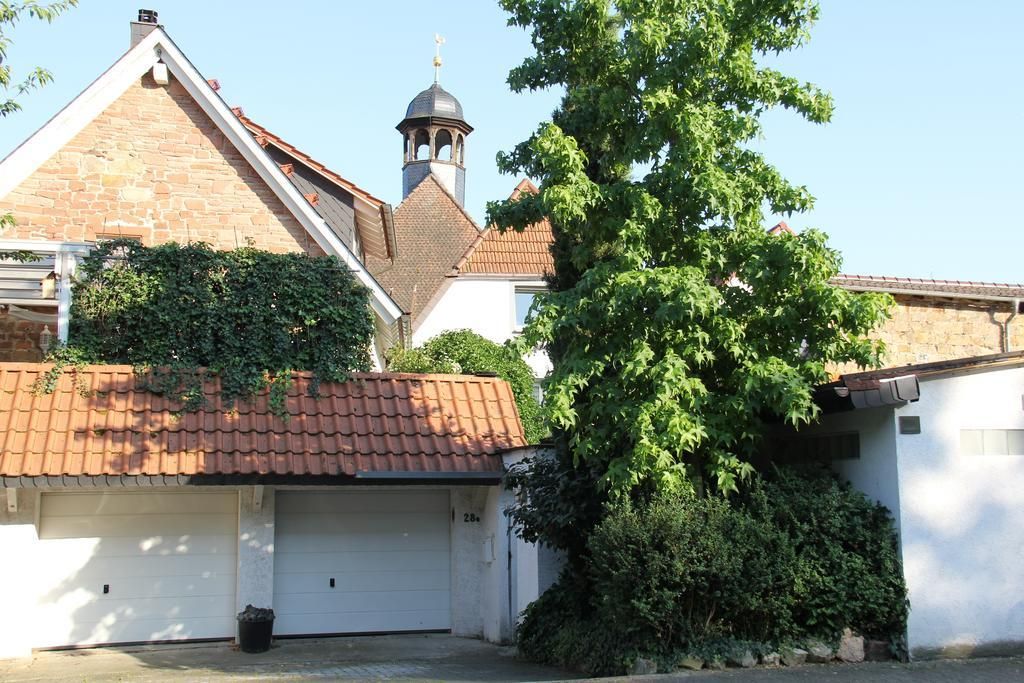
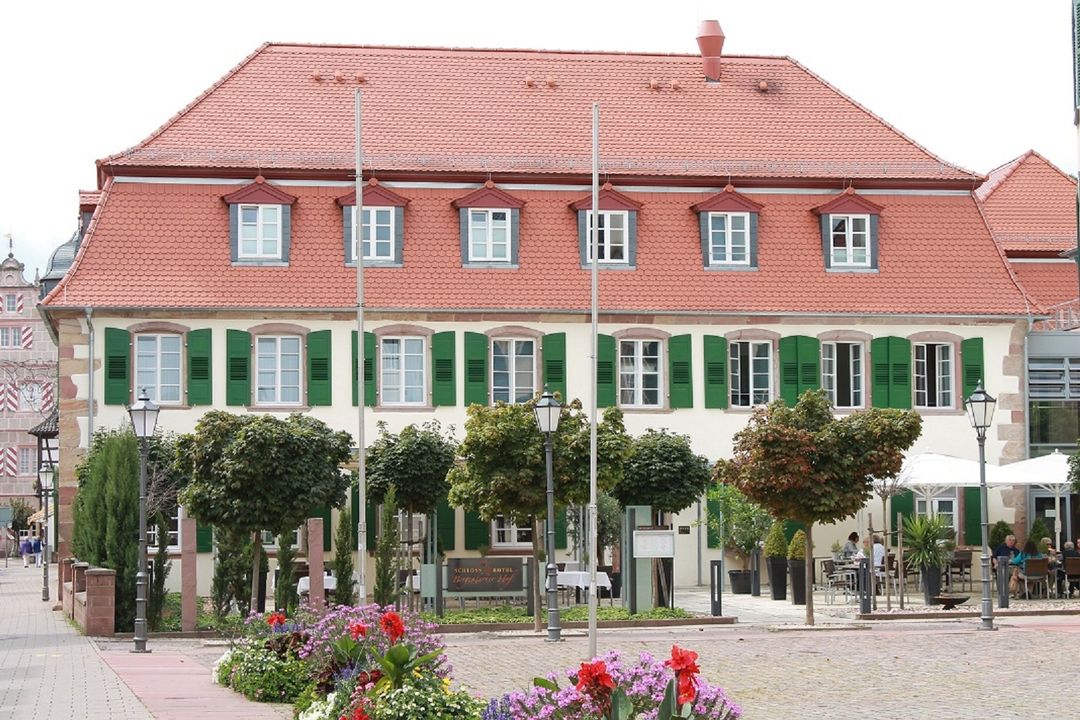
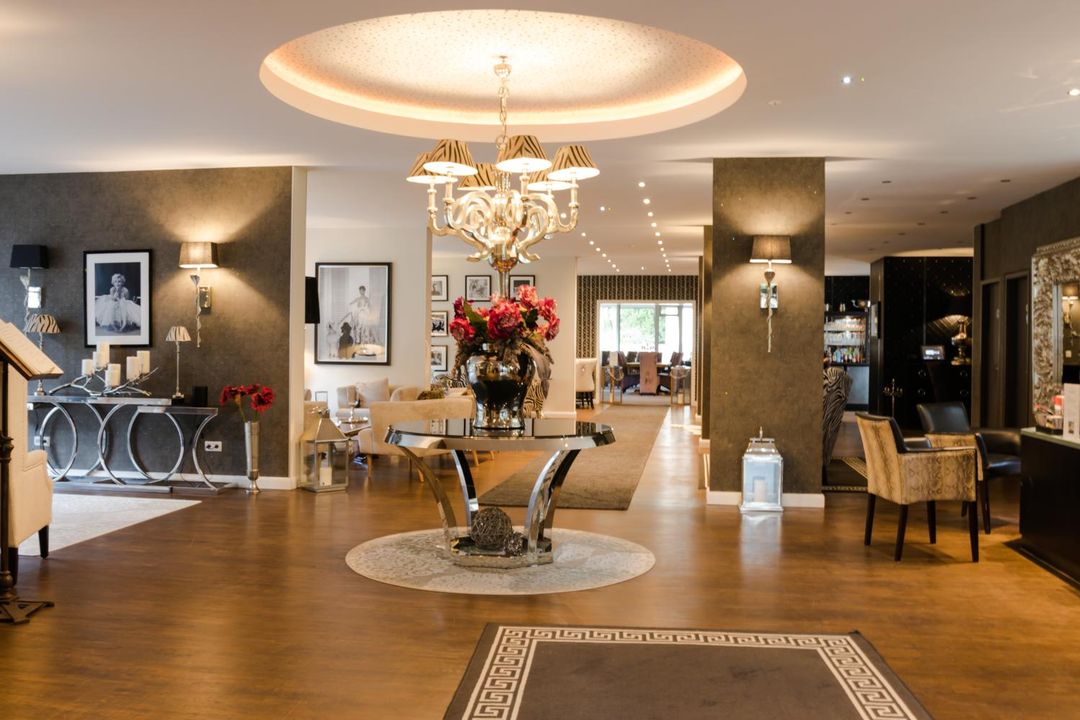
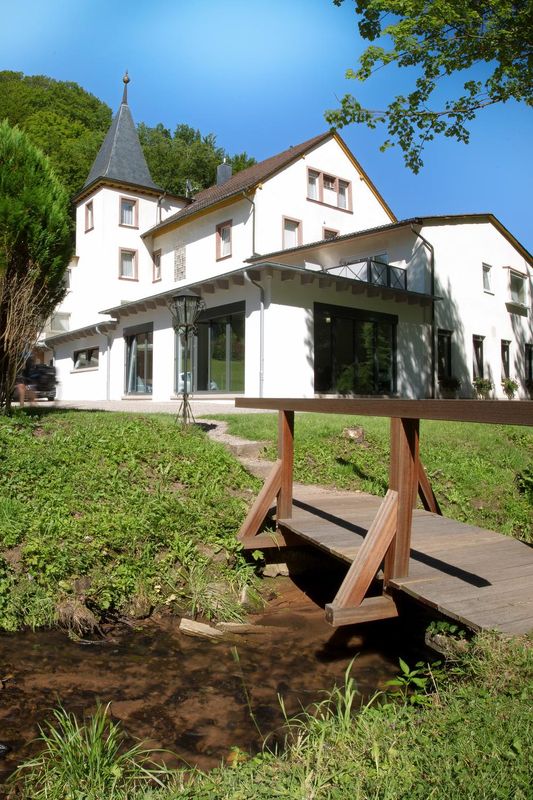
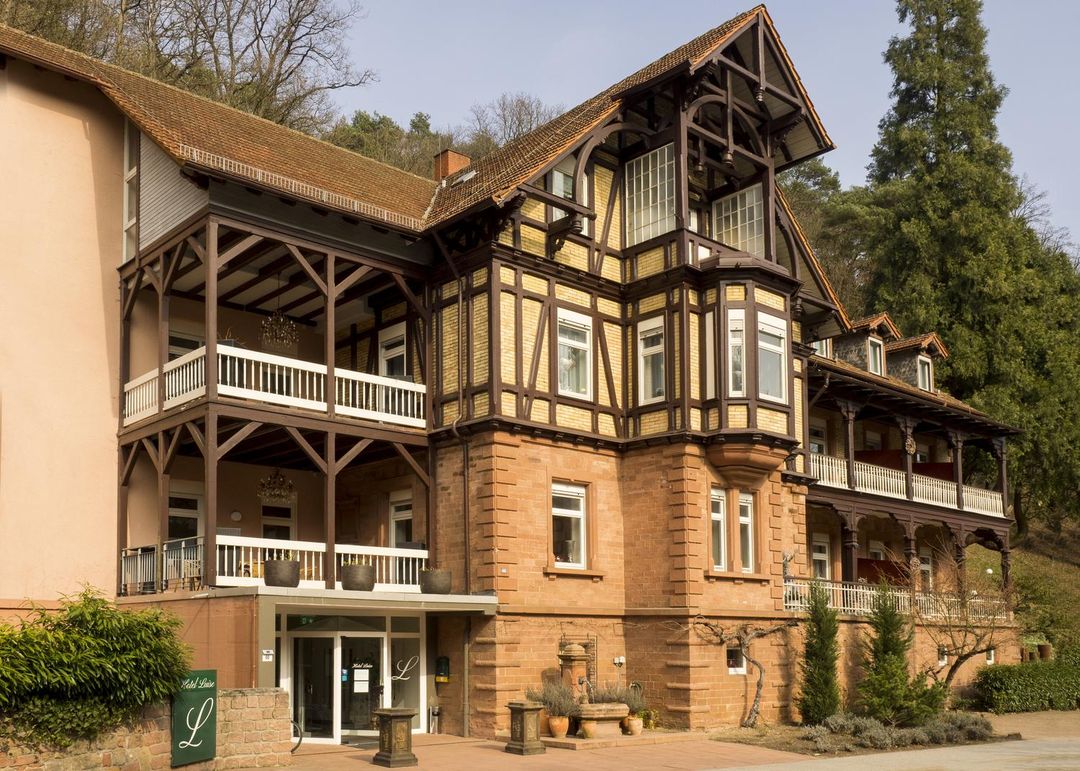
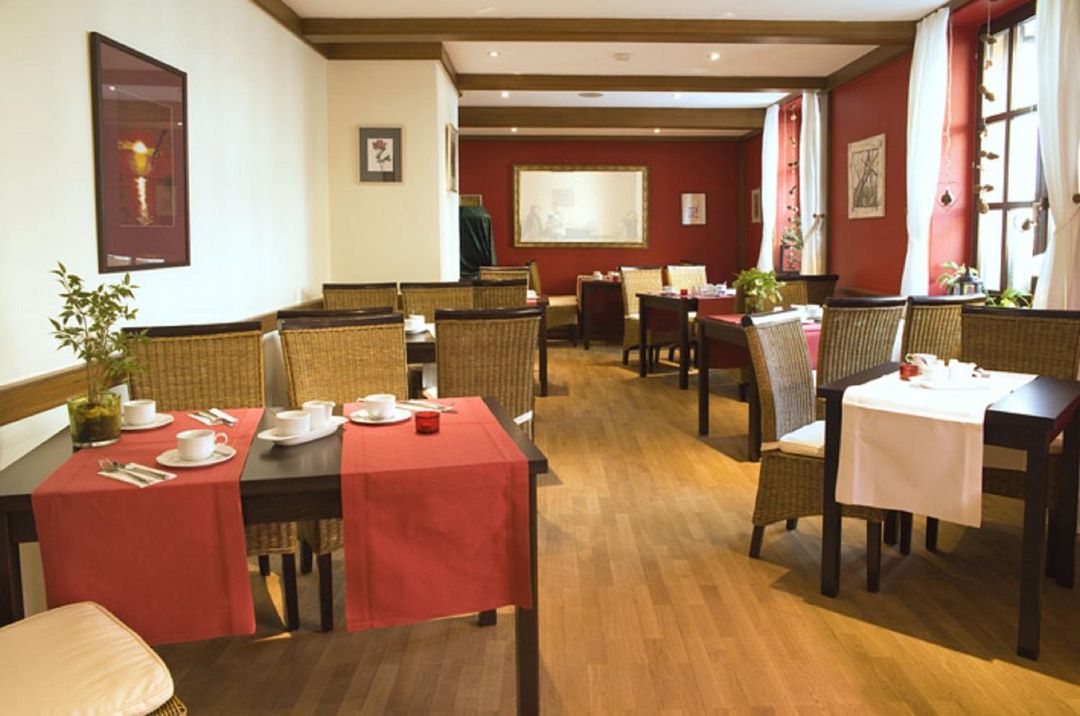
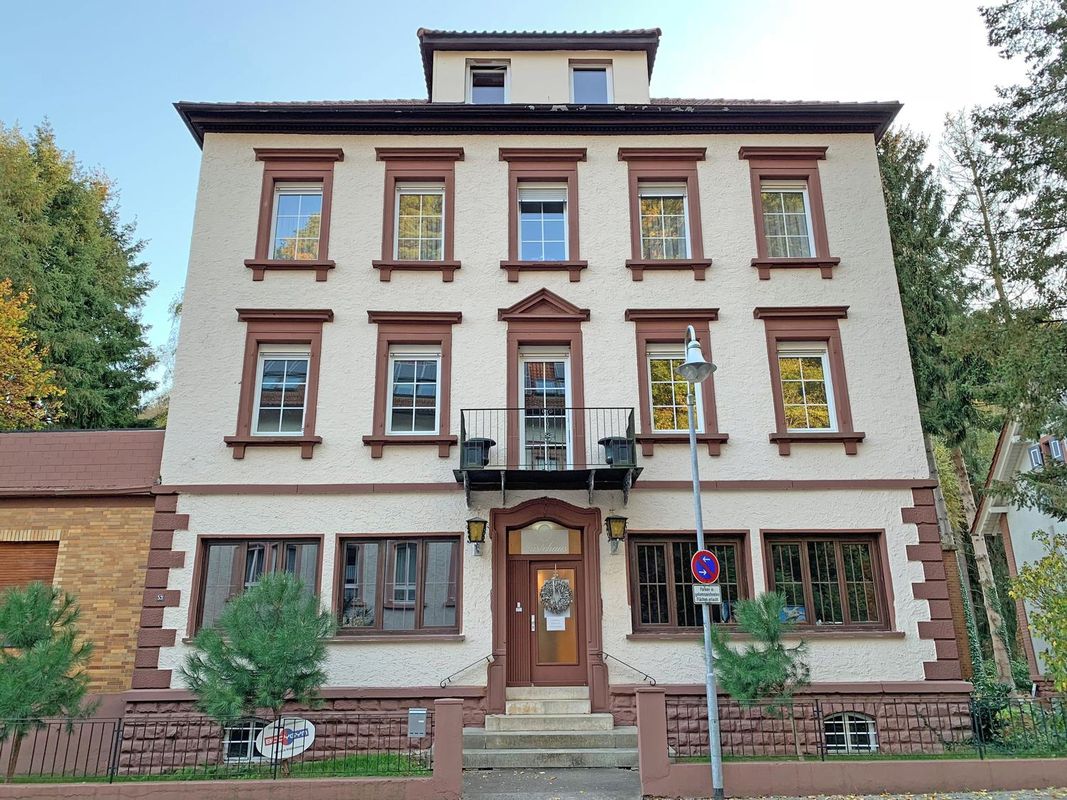
Frequently Asked Questions about Traveling to Bad Bergzabern
Questions You Might Need to Know About Traveling to Bad Bergzabern
In Bad Bergzabern, the premier thermal spa hotel is Hotel am Kurpark, renowned for its direct access to the Therme Bad Bergzabern and elegant Neoclassical architecture. Its rooms feature panoramic windows overlooking the lush Rhine Valley, while guests enjoy personalized wellness packages using the region's natural sulfur-rich springs. The hotel also hosts seasonal events like the Thermal Festival, blending relaxation with local culture. For luxury seekers, Hotel Alte Mühle offers a historic millhouse conversion with private saunas and gourmet dining—perfect for rejuvenation amid Germany’s most authentic spa town.
The Kurpark district is ideal for first-time visitors, offering a perfect blend of historical charm and modern convenience. Located steps from the main thermal baths, town hall, and St. Mary’s Church, this area features tree-lined promenades, cozy cafes, and boutique shops. Stay at Familienhotel Rheinland or Pension zum Römer for central access to attractions and a warm, family-run atmosphere. Evening strolls along the Römerstraße reveal charming streetlights and traditional German taverns—making it the heart of Bad Bergzabern’s cultural rhythm.
Bad Bergzabern stands out in Europe due to its 2,000-year-old Roman heritage and continuous use of natural sulfur springs for therapeutic purposes. Unlike many spas focused solely on luxury, Bad Bergzabern integrates wellness into daily life: locals visit the Historisches Thermalbad museum to learn about ancient bathing rituals, while tourists participate in guided herbal bath workshops and moonlight thermal evenings. The city’s annual Thermal Festival combines music, light installations, and open-air pools—creating a rare fusion of ancient tradition and contemporary experience that few European towns match.
For a memorable one-night stay, begin with a morning jog through Kurpark followed by a breakfast of local rye bread and honey. In the afternoon, unwind at Therme Bad Bergzabern with a sulfur bath and steam room session. As evening falls, stroll down Römerstraße to enjoy regional dishes like Sauerbraten and Spätzle with bacon at a centuries-old tavern. If visiting during festival season, don’t miss the Winter Light Festival, where glowing lanterns illuminate the thermal pools. These immersive activities offer a true taste of the town’s tranquil, healing rhythm.
Yes, Bad Bergzabern offers several family-friendly accommodations. Familienhotel Rheinland provides spacious family suites, a dedicated kids’ thermal zone, and free baby cots. Nearby, Pension zum Römer features a garden play area and a kitchenette for meal prep. Both hotels are within walking distance of the Children’s Nature Trail and Bergzaberner Waldpfad forest path. Many properties also host weekend storytelling sessions and craft workshops for kids. With safe streets, low noise levels, and child-oriented amenities, the town is ideal for families seeking a peaceful, enriching getaway.
Nighttime in Bad Bergzabern shines with unique experiences. Join the Moonlight Thermal Party at Kurhaus Park, where guests soak in heated pools under starlit skies while enjoying live jazz. Alternatively, take a guided historic lighting tour through the cobblestone alleys of Römerstraße, uncovering legends from the 18th century. During autumn festivals, explore illuminated markets and artisan pop-ups. Some hotels, like Hotel Alte Mühle, host intimate courtyard concerts. These low-impact, high-emotion events highlight the town’s quiet elegance and deep-rooted traditions.
Key landmarks include Schloss Bergzabern (built 1763), once the residence of the Palatinate dukes and now a cultural hub; St. Marienkirche, with its striking Gothic spire and 14th-century stained glass; and the Roman Bath Ruins along Römerstraße, revealing the town’s ancient origins. The Historisches Museum Bad Bergzabern houses medieval manuscripts and folk artifacts, illustrating over 2,000 years of history. Together, these sites form a living timeline—from Roman baths to modern spa culture—offering a profound glimpse into the town’s enduring legacy.
To find budget-friendly stays, consider non-central but well-connected guesthouses like Pension zum Römer or Wohnung am Kurpark, offering kitchens and laundry facilities at €60–85/night. Book via the official Bad Bergzabern Tourismus website for early-bird discounts and free perks like spa vouchers or city guidebooks. Avoid peak seasons—Easter and Christmas—for better rates. Some hotels also provide weekly rental discounts for stays of 3+ nights. With mild weather year-round, off-season visits yield excellent value without sacrificing comfort.
Local cuisine centers on Palatinate flavors: try Saumagen (a savory pork-filled stew wrapped in pigskin), Spätzle mit Speck (bacon-laced egg noodles), and Sauerbraten (marinated beef). At Gaststätte Zur Alten Schmiede, savor house-made dishes paired with local apple vinegar. Don’t miss rye bread and honey jam at breakfast. During the Bergzaberner Weinmarkt wine fair, sample regional Riesling and Müller-Thurgau wines. These dishes reflect deep-rooted traditions and communal values—each bite tells a story of family, harvest, and celebration.
With a temperate oceanic climate, Bad Bergzabern experiences mild winters and warm summers. Choose hotels with double-glazed windows and central heating for comfort during damp winters. Spring and autumn are peak seasons—book early near the thermal center to avoid shortages. Summer guests benefit from balcony or terrace rooms to enjoy breezes from the Rhine Valley. Winter visitors should opt for properties with underfloor heating and hot water access, such as Hotel am Kurpark. While visitable year-round, the best time is May to September, when weather supports outdoor exploration and spa enjoyment.
Bad Bergzabern Overview
City Summary
Bad Bergzabern is a charming town in Rhineland-Palatinate, Germany, renowned for its spa resorts and idyllic countryside. With medieval churches and traditional half-timbered houses, it sits at the edge of the Palatinate Forest, offering perfect hiking and relaxation opportunities.
Must-See Attractions
Must-see spots include the 18th-century Baroque-style spa complex and St. Martin's Church. Visit local wineries to experience the region's famous wine culture. Summer visitors can camp or cycle in the forest park.
Food Guide
Local specialties include Saumagen (stuffed pork belly) and Pfälzer Leberknödel (liver dumplings). For dessert, try Dampfnudeln (steamed buns with vanilla sauce). Weekend markets offer fresh produce and homemade fruit wines.
Transportation Guide
Transport options:
- Train: Regional bahn connects to Kaiserslautern (30min ride).
- Bus: Town routes cover major attractions (€2/ride).
- Car: A6/A63 highways accessible, but parking is limited—use P+R lots.
- Bike: Rent e-bikes for countryside trails (€15/day).
Best Time to Visit
Best season is May-September with mild weather (15-25°C) and festivals. Avoid late July wine festival crowds. Winter offers quieter spa visits but some attractions close.
Travel Tips
- Cash preferred: Small shops rarely accept cards—carry small bills.
- Quiet hours: Avoid noise during 1-3pm siesta.
- Spa etiquette: Book ahead and bring swim shoes.
- Hiking prep: Weak phone signal in forests—carry paper maps.
- Recycling: Strict sorting—bottles require deposit machine returns.
Useful Information
Essentials:
- Language: German dominant; English info at tourist sites.
- Internet: Free WiFi downtown (SMS verification).
- Payment: EC cards widely accepted; UnionPay only at large stores.
- Emergency: 24hr hospital at Nonnengasse 12, rotating Sunday pharmacies.
- Voltage: 230V, Type F plug adapter required.