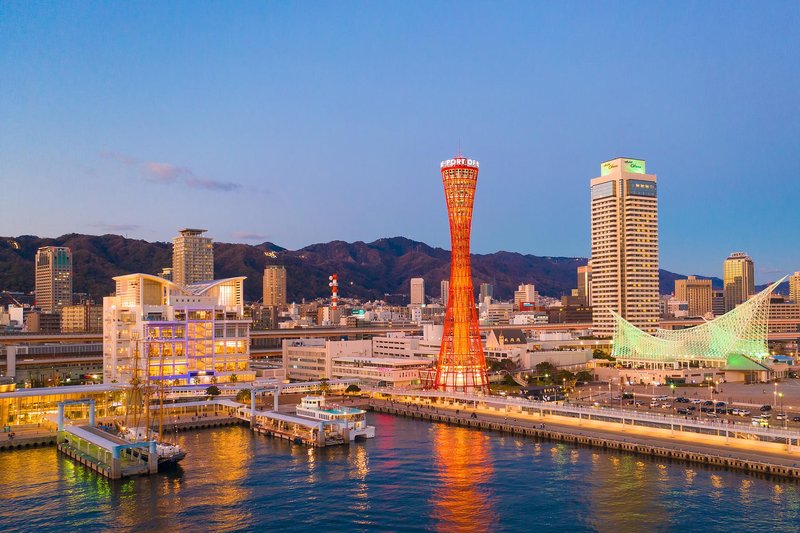
Hotels in Bandai
Discover your perfect stay in Bandai.
Bandai(Japan) Travel 2026: Cheap Flights, Hotels & Top Attractions
Popular Landmarks in Bandai
Discover the most iconic attractions in Bandai
Recommended Hotels in Bandai
Find the perfect place to stay in Bandai
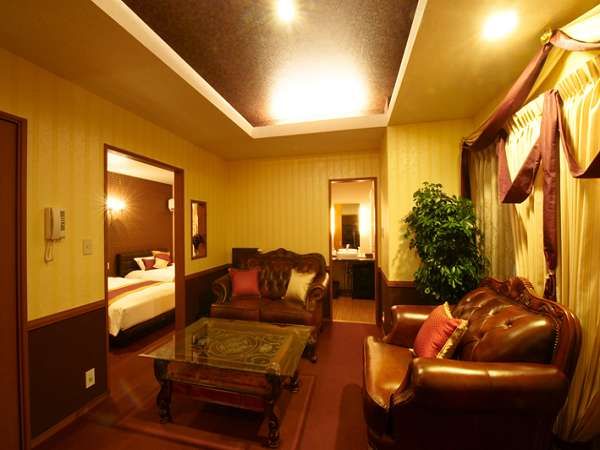
Yuragi No Yado Shubou
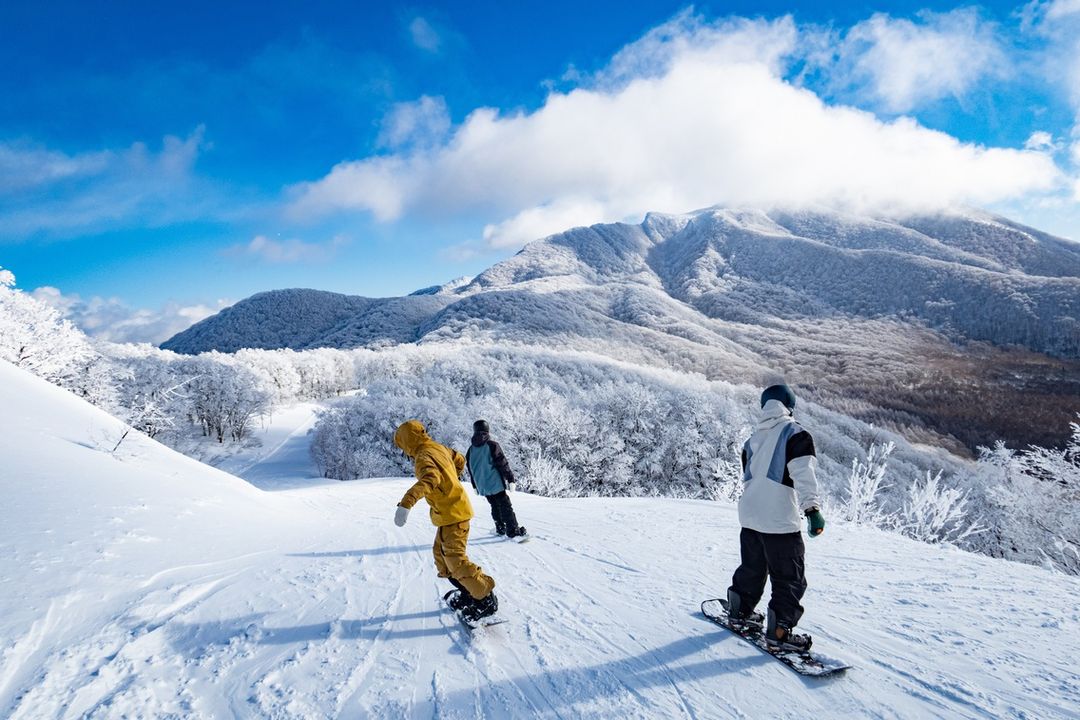
Hoshino Resorts Bandaisan Onsen Hotel
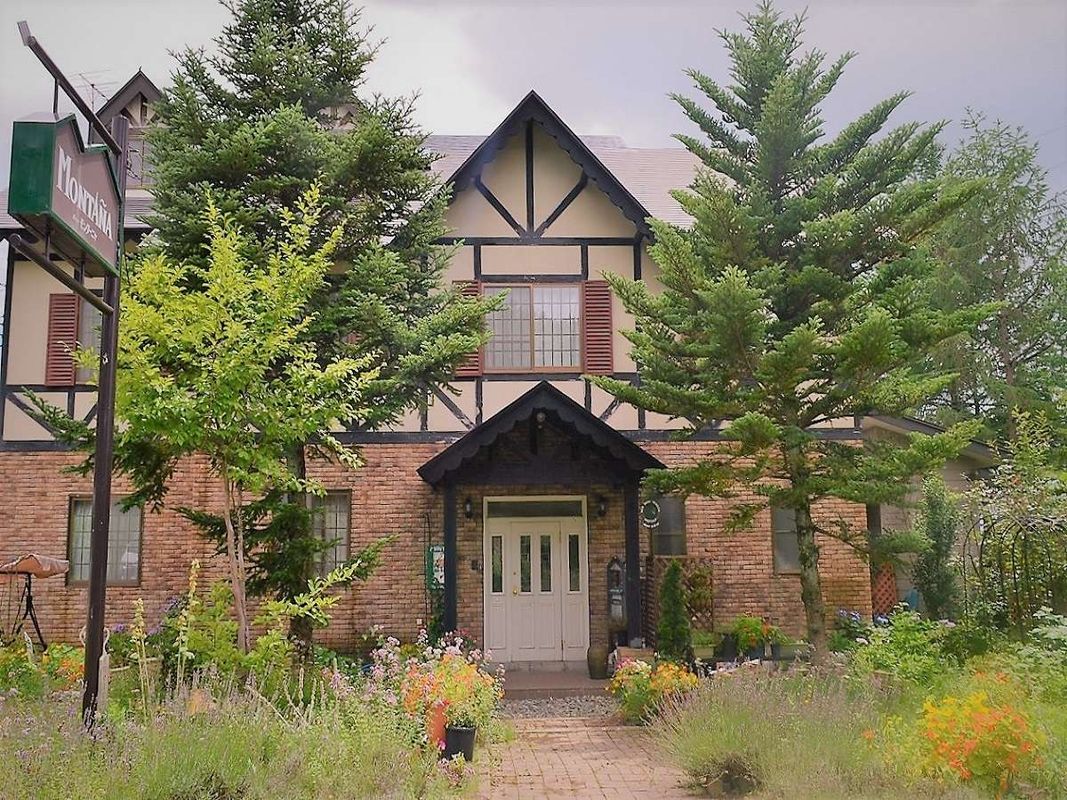
Gasthof Montana
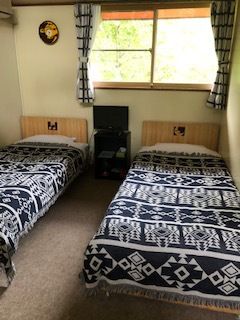
Pension Korisu
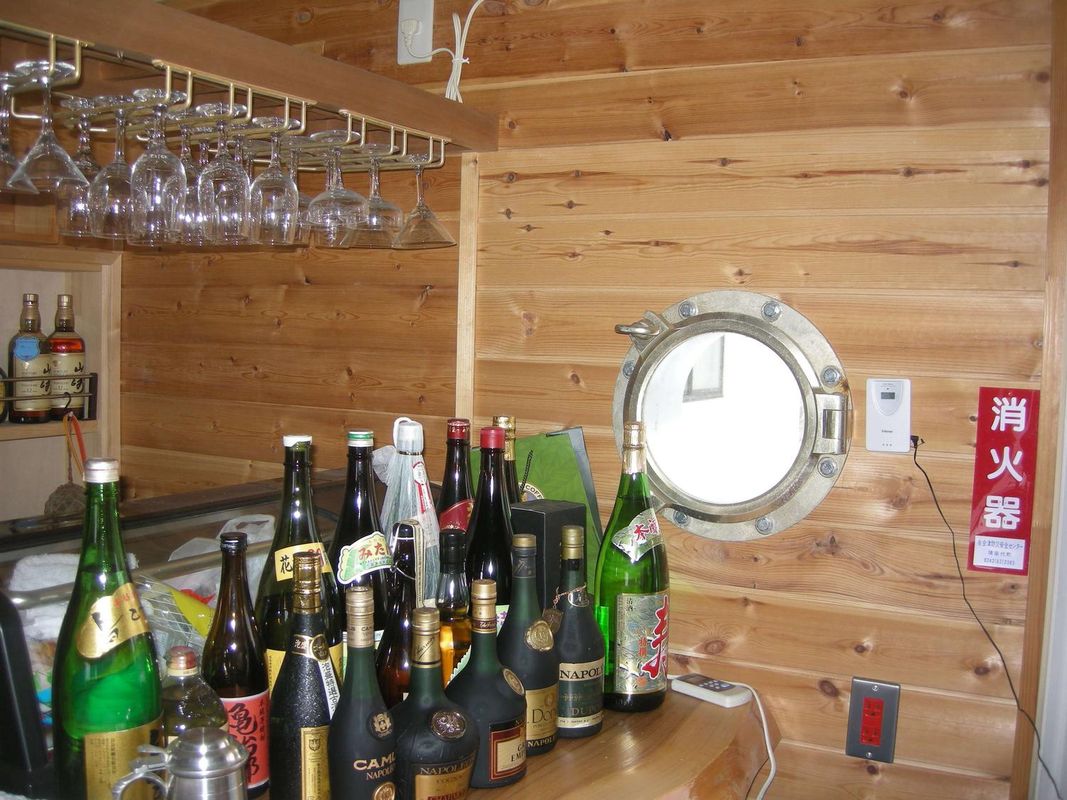
Utopian Ship
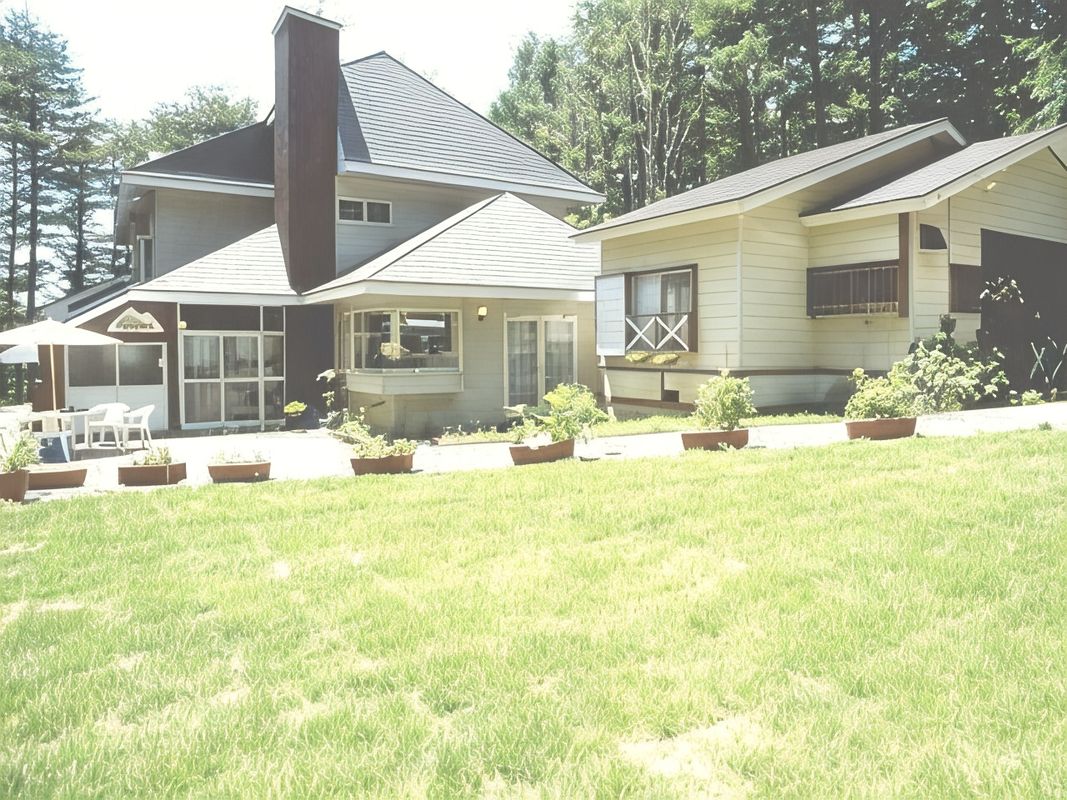
Pension Nanatsumori Family
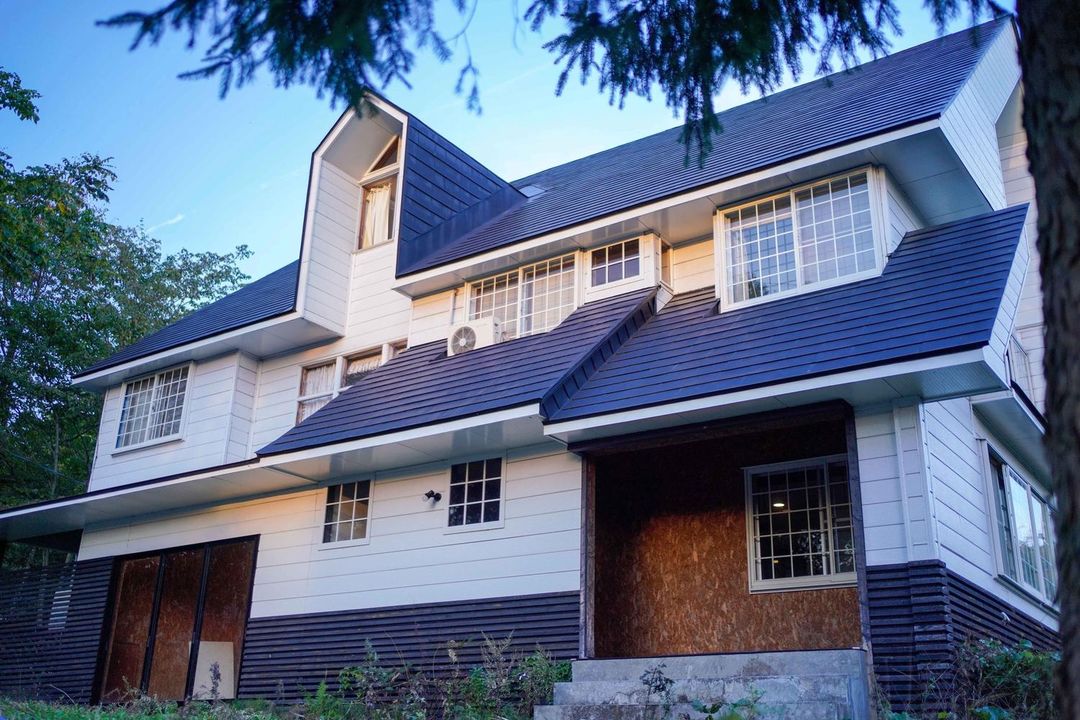
Retopia Aizu
Best Hotels in Bandai
Discover curated hotel collections in Bandai
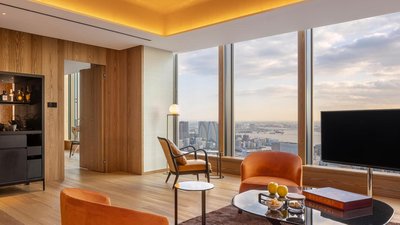
Bvlgari Hotel Tokyo
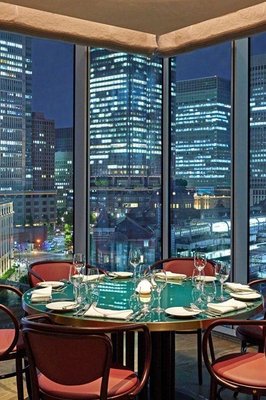
Four Seasons Hotel Tokyo at Marunouchi

Mandarin Oriental, Tokyo
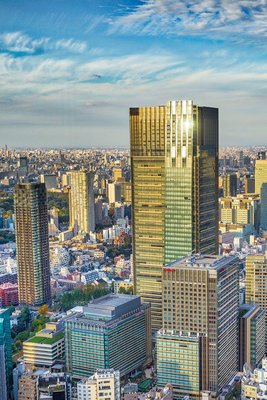
The Ritz-Carlton, Tokyo
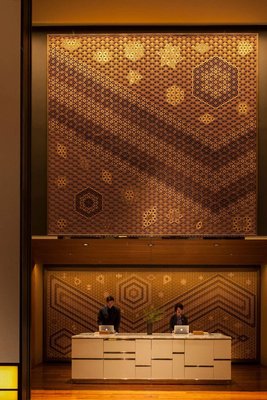
Andaz Tokyo Toranomon Hills- A Concept by Hyatt
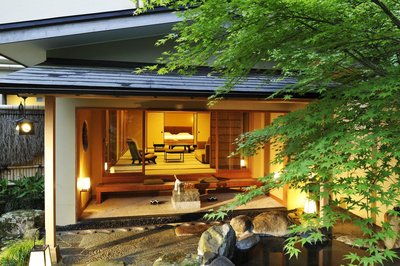
Gora Kadan
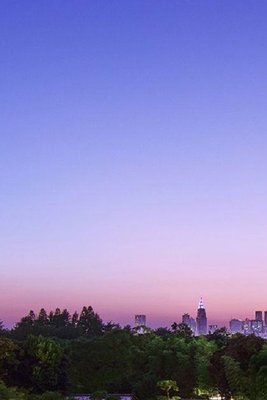
Hotel New Otani Tokyo the Main
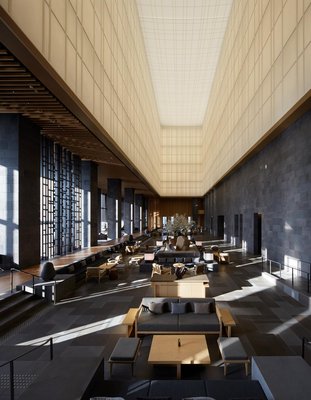
Aman Tokyo
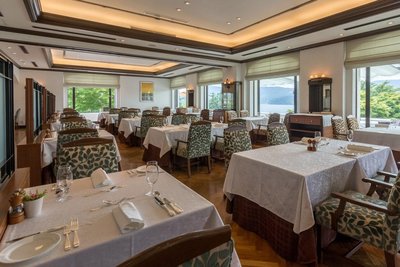
Odakyu Hotel de Yama
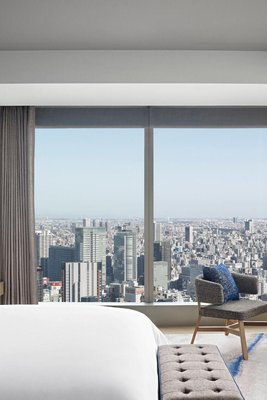
Four Seasons Hotel Tokyo at Otemachi
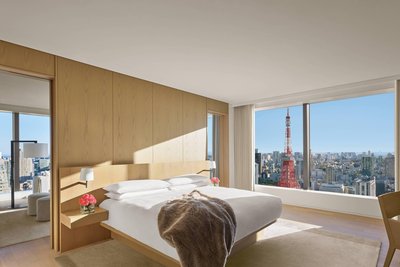
The Tokyo Edition, Toranomon
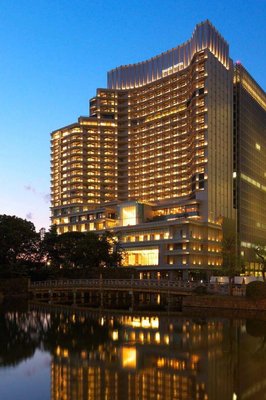
Palace Hotel Tokyo
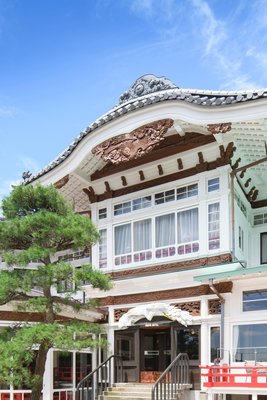
Fujiya Hotel
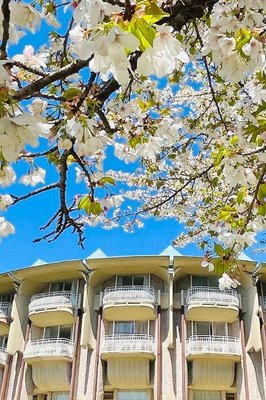
The Prince Hakone Lake Ashinoko
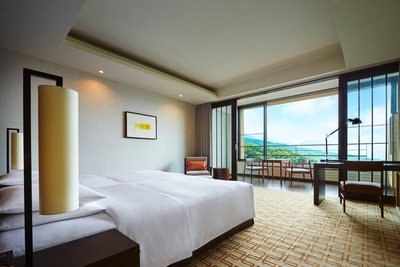
Hyatt Regency Hakone Resort and Spa
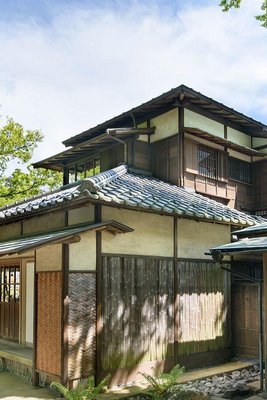
Hakone Suishoen
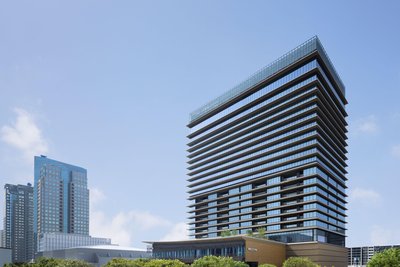
The Westin Yokohama
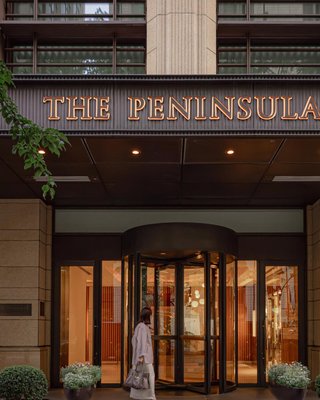
The Peninsula Tokyo

Imperial Hotel, Tokyo
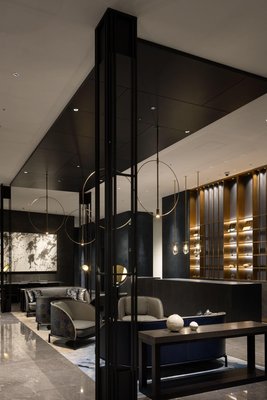
Bellustar Tokyo, A Pan Pacific Hotel
Bvlgari Hotel Tokyo
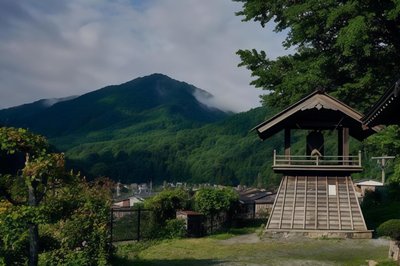
Byaku Narai
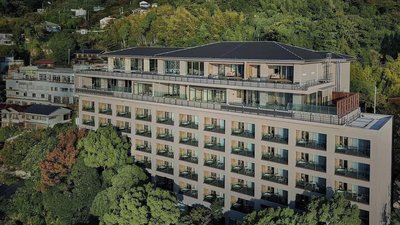
Atami Izusan Karaku
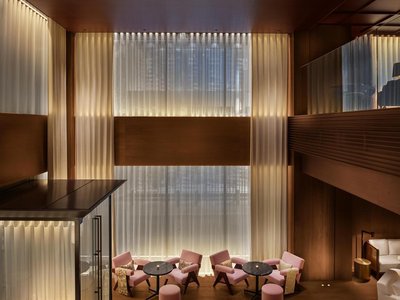
The Tokyo Edition, Ginza
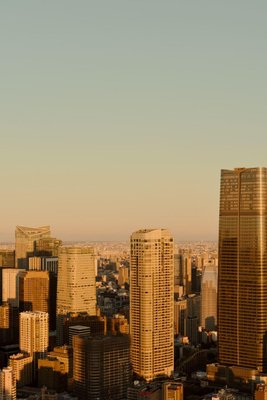
Janu Tokyo
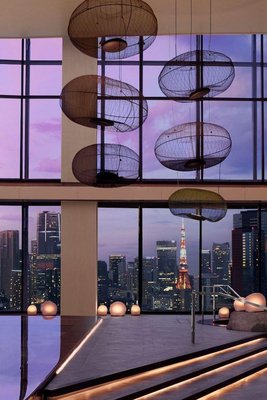
JW Marriott Hotel Tokyo
Four Seasons Hotel Tokyo at Marunouchi
Mandarin Oriental, Tokyo
The Ritz-Carlton, Tokyo
Andaz Tokyo Toranomon Hills- A Concept by Hyatt
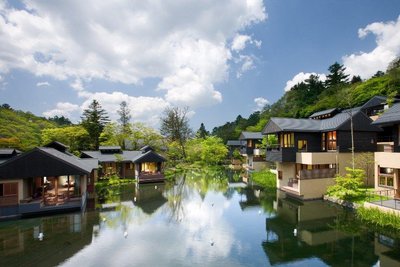
Hoshinoya Karuizawa
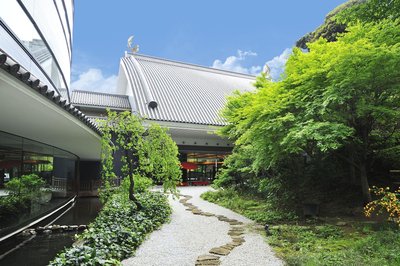
Hotel Gajoen Tokyo
Gora Kadan
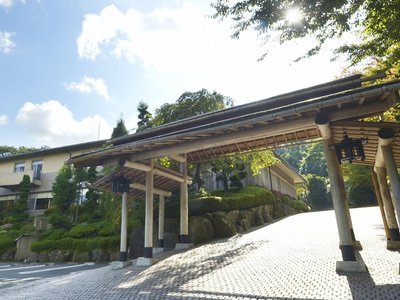
Gora Hanaougi
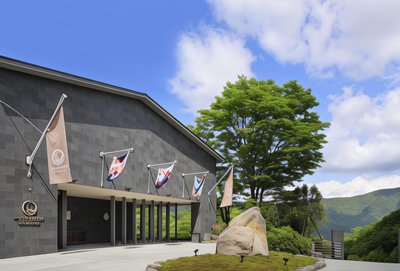
The Hiramatsu Hotels & Resorts Sengokuhara Hakone
Aman Tokyo
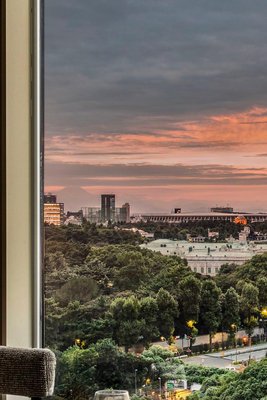
Hotel New Otani Tokyo, Executive House Zen
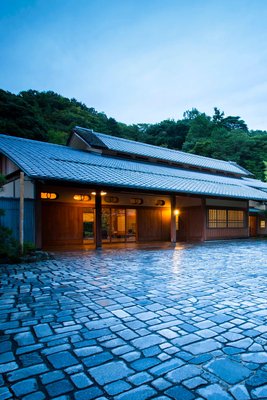
Sanyo-so
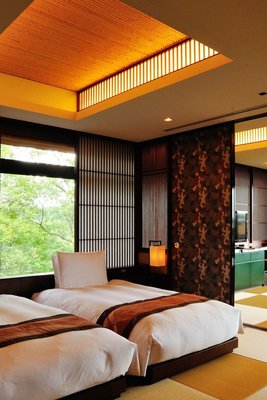
Chikusenso Onsen

The Address Akakura
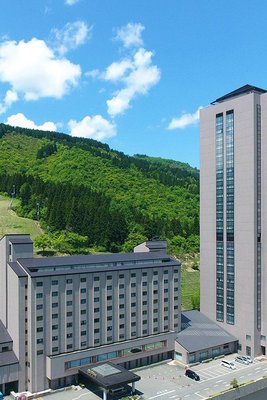
Naspa New Otani
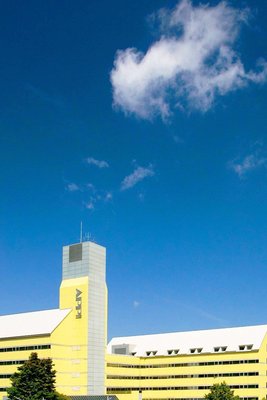
Crowne Plaza - ANA RESORT APPI KOGEN
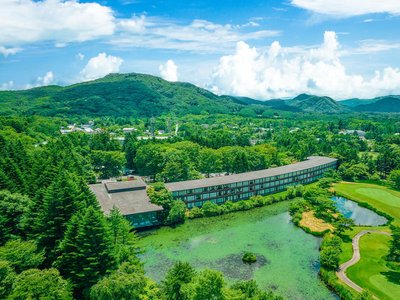
The Prince Karuizawa
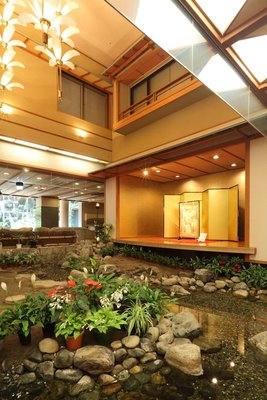
Hotel Futaba
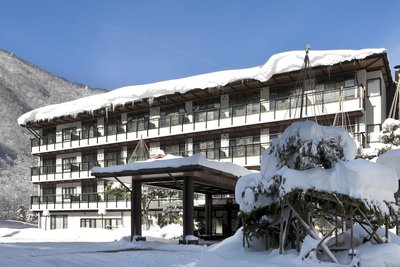
Okada Ryokan Warakutei
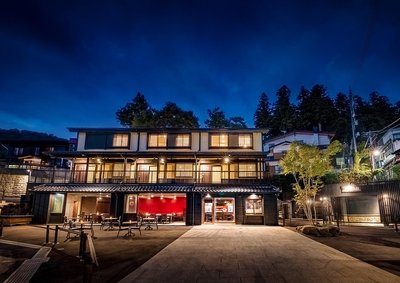
Ryokan Sakaya
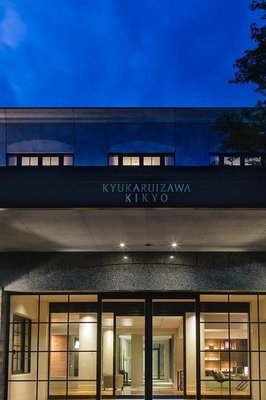
Kyukaruizawa Kikyo, Curio Collection by Hilton
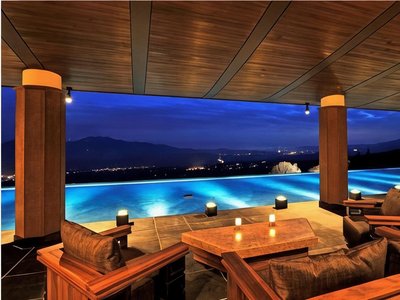
Akakura Kanko Hotel
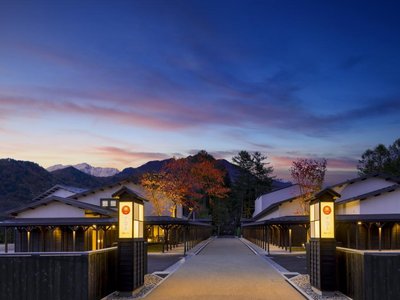
Hoshino Resorts KAI Alps
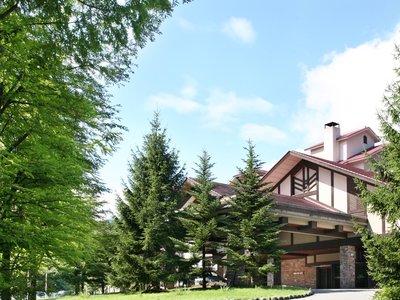
Hakuba Tokyu Hotel
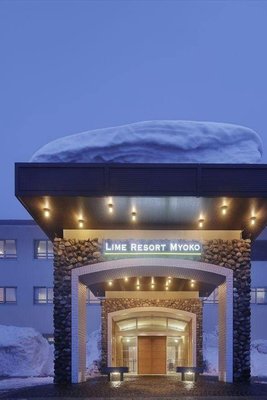
Lime Resort Myoko
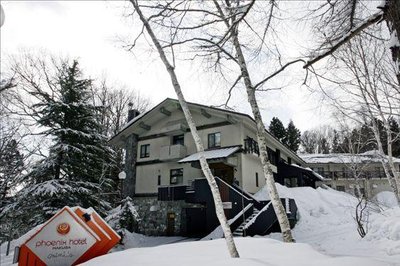
Phoenix Hotel by Hhg
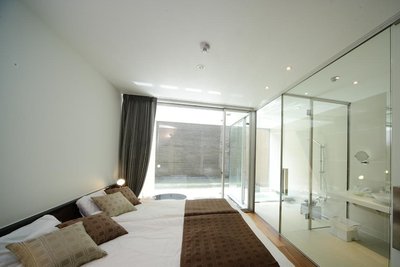
Four Seasons Yuzawa Quattro
Courtyard by Marriott Hakuba
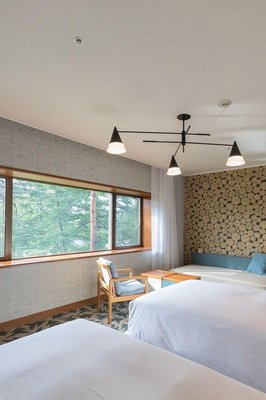
Karuizawa Prince Hotel East
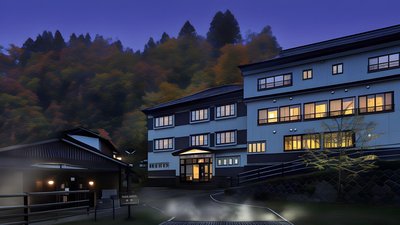
Zao Onsen Omiya Ryokan
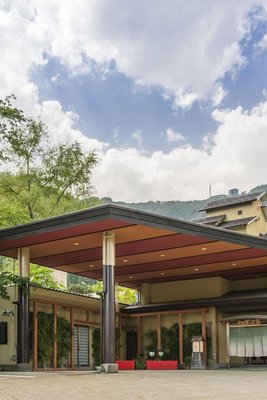
Shosenkaku Kagetsu
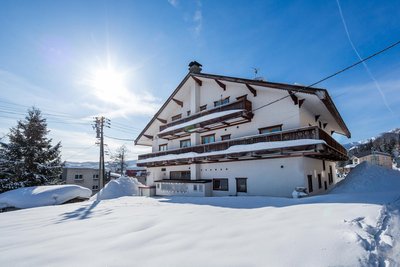
Marillen Hotel by Hhg
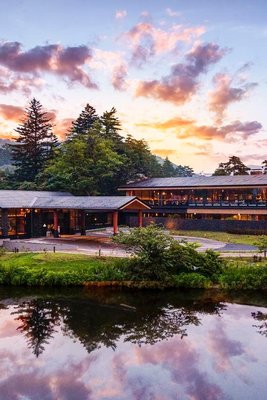
Karuizawa Prince Hotel West
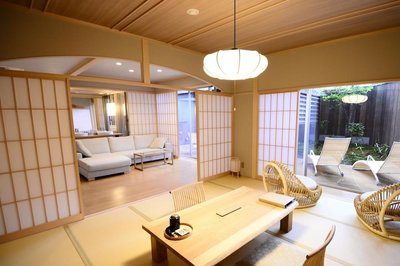
Hakone Gora Byakudan
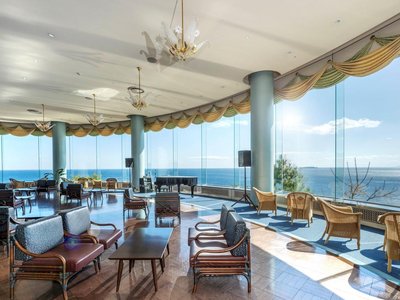
Hotel New Akao
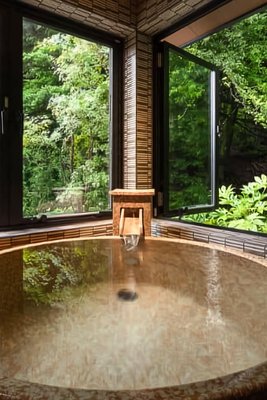
Hakkai Konohanakan
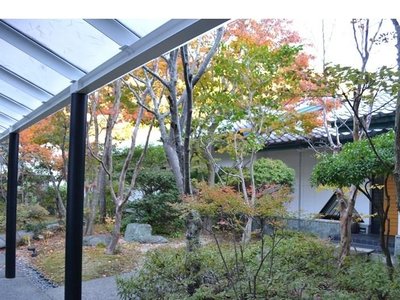
Auberge Suzukane

Onyado Nono Asakusa Bettei Hot Spring
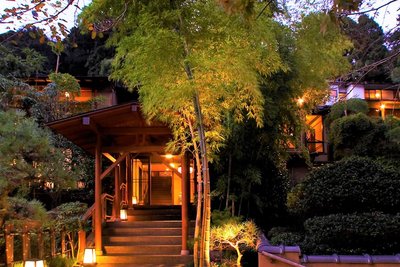
Shiki wo Ajiwau Yado Yamano Chaya
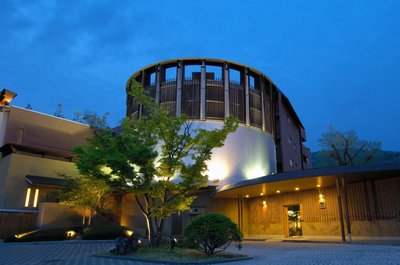
Hoshino Resorts Kai Matsumoto
The Address Akakura
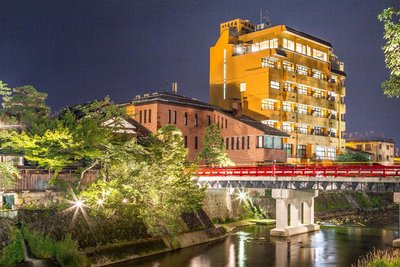
HONJIN HIRANOYA BEKKAN
Crowne Plaza - ANA RESORT APPI KOGEN
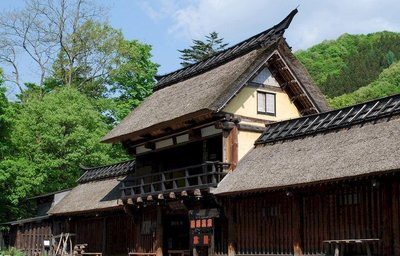
Kayabukinosato Yakushionsen Hatago
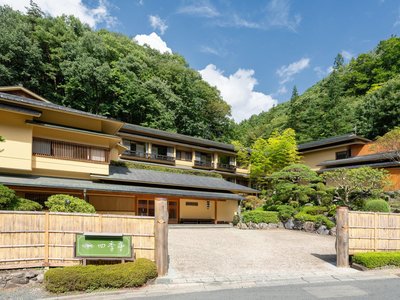
Shikitei Morioka TsunagiOnsen
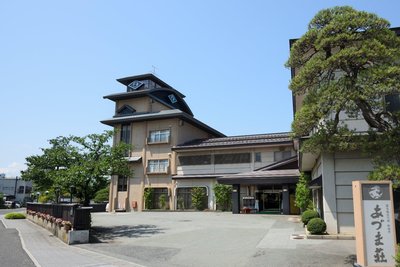
Shouhakutei Azumaso
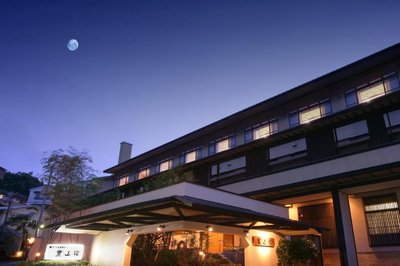
Hayamakan
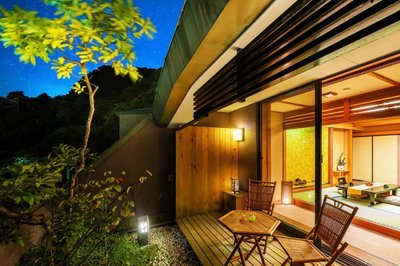
Konjakutei
Hotel Futaba
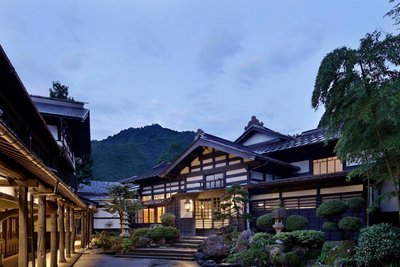
Ryugon

Tokinoniwa
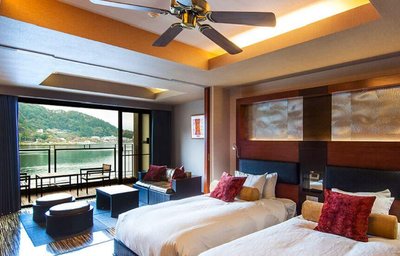
The Kukuna
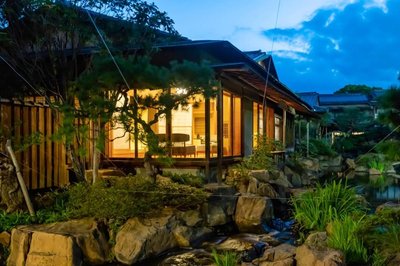
Tokiwa Hotel
Hakone Gora Byakudan
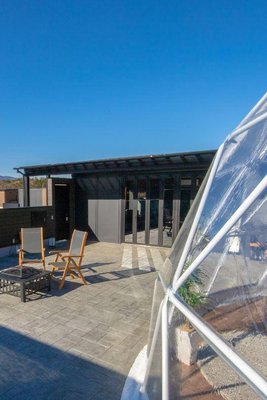
Panoramic Mt. Fuji Views from All Rooms – Vision Glamping Resort & Spa Yamanakako
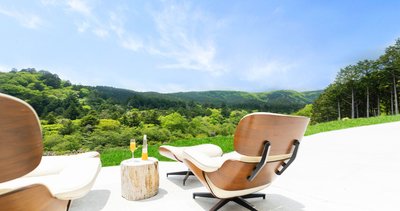
Shelter Garden Nikko
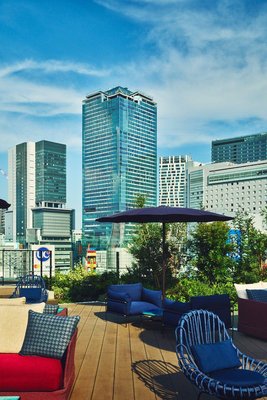
Hotel Indigo Tokyo Shibuya
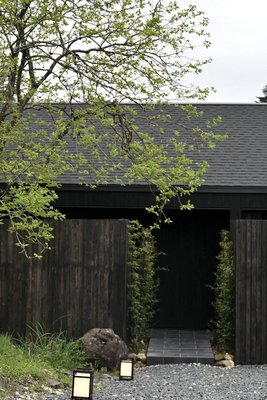
THE LAKOTAN
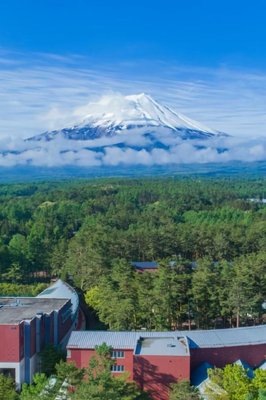
Forest Village (Fuji Premium Resort)
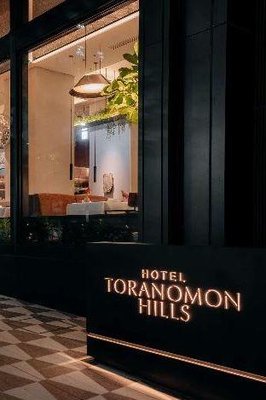
Hotel Toranomon Hills
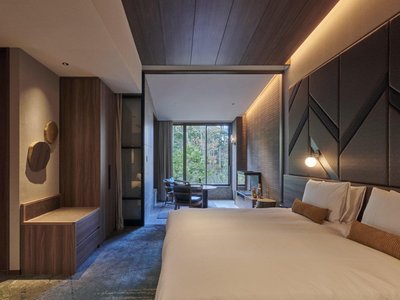
Fufu Kyu-Karuizawa Restful Forest
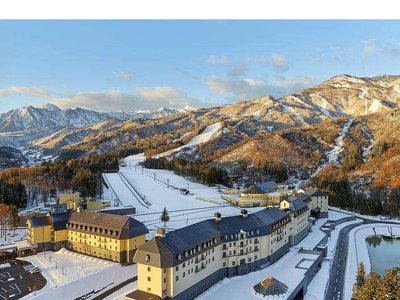
Lotte Arai Resort
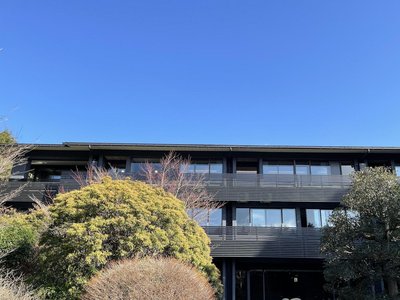
Sengokubara Cocon
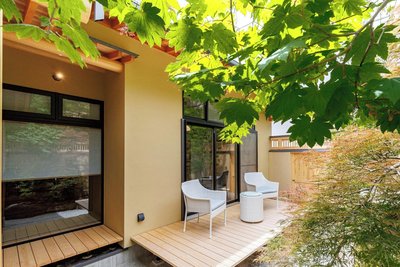
Shoraiso
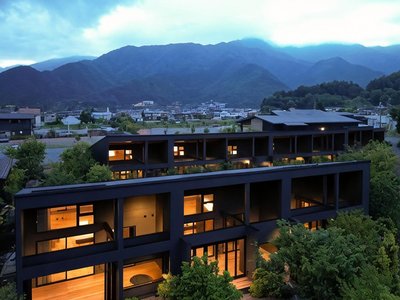
7C Villa and Winery
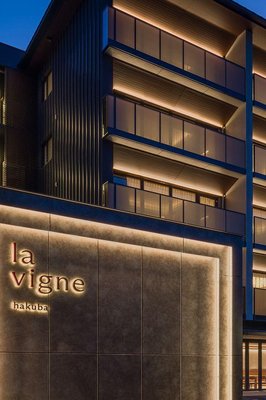
Hotel la Vigne Hakuba by Onko Chishin
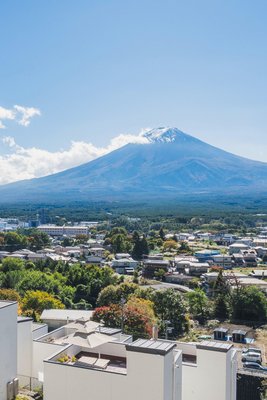
THE TOKI FujiKawaguchiko
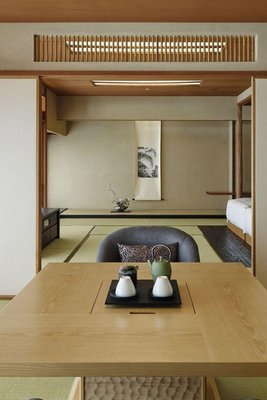
Takanawa Hanakohro (in Grand Prince Hotel Takanawa)
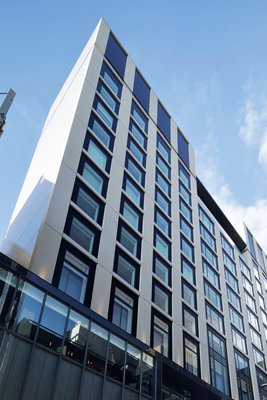
Hyatt Centric Ginza Tokyo
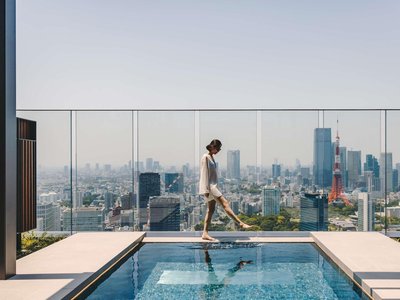
Fairmont Tokyo
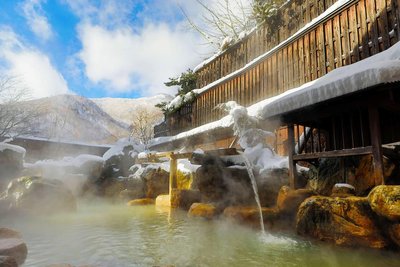
Miyamaouanbekkan yumegurinoyado hirayukan
HONJIN HIRANOYA BEKKAN
The Prince Karuizawa
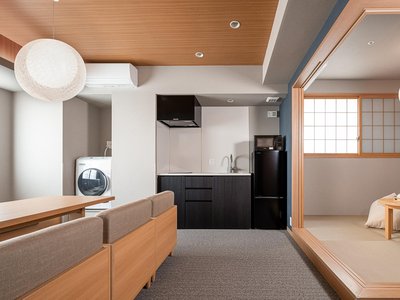
MIMARU SUITES Tokyo Asakusa
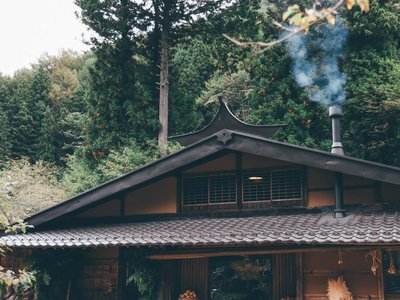
La Terra Resort
karaksa hotel colors Tokyo Yaesu
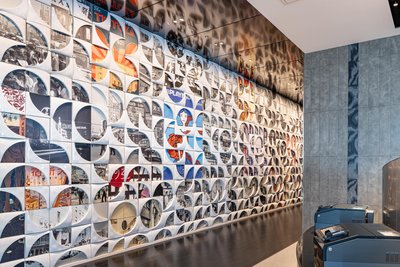
HOTEL GROOVE SHINJUKU, A PARKROYAL Hotel

EN Resort Grandeco Hotel
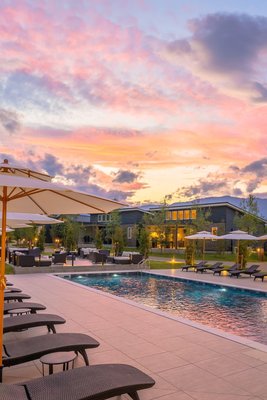
Awaumi Fujikawaguchiko Resort
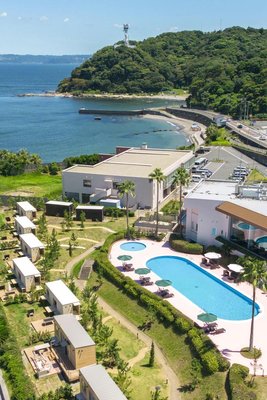
La vista Yokosuka Kannonzaki Terrace
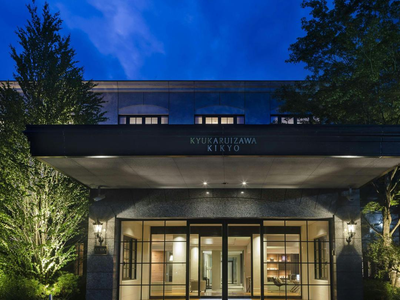
Fufu Karuizawa Wind of Sunshine
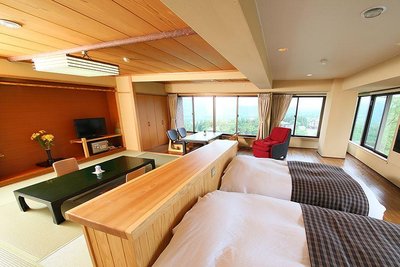
Hotel Taiko, Akakura Onsen
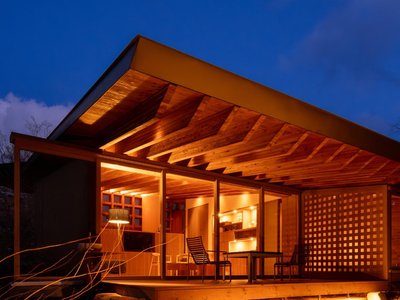
Nasu Mukunone
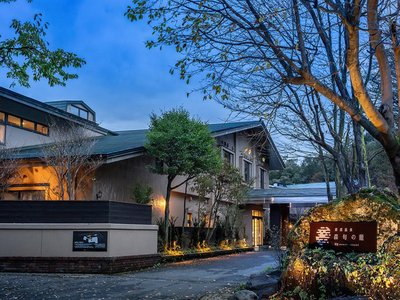
Nasu Onsen Shinshun no Kago Hewitt Resort

Scapes the Suite
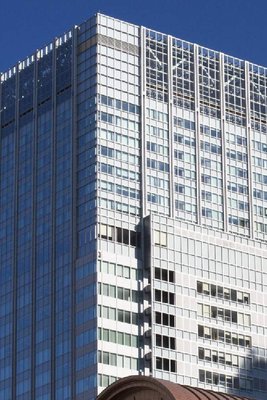
Hotel Metropolitan Tokyo Marunouchi
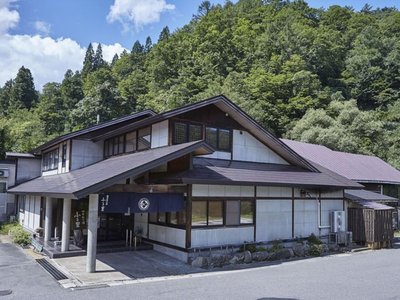
Fulsato
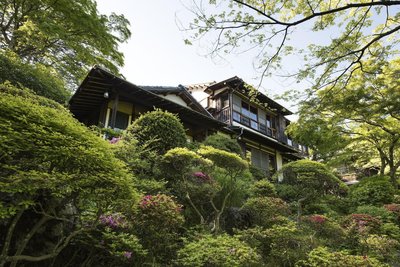
Gora Kansuiro
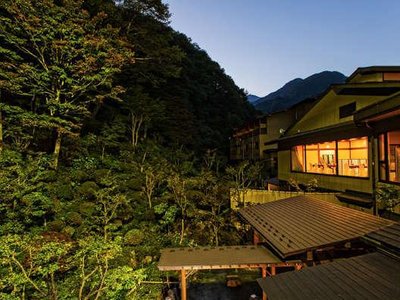
Futari Shizuka
Naspa New Otani
Crowne Plaza - ANA RESORT APPI KOGEN
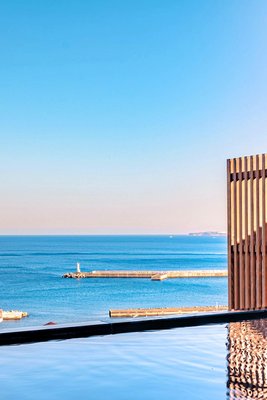
HOTEL KANICHI
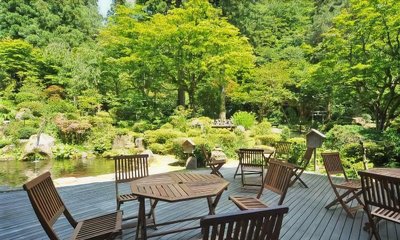
Choseikan
Hakone Gora Byakudan
Hotel New Akao
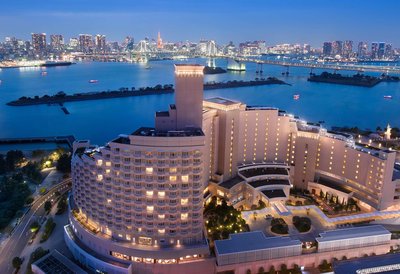
Hilton Tokyo Odaiba
JW Marriott Hotel Tokyo
The Prince Karuizawa
The Kukuna
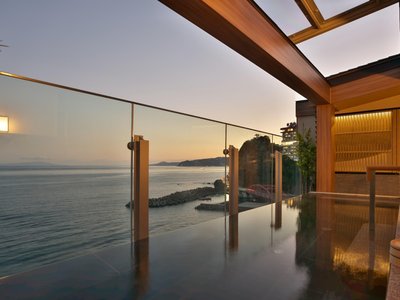
Hotel New Sagamiya
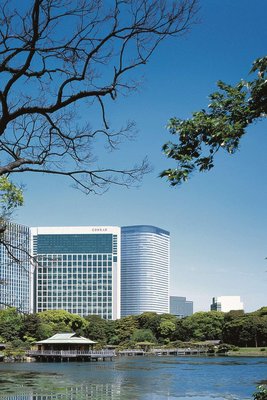
Conrad Tokyo
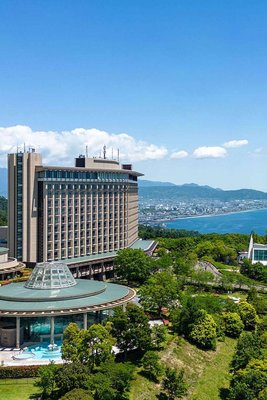
Hilton Odawara Resort & Spa
Hoshinoya Karuizawa
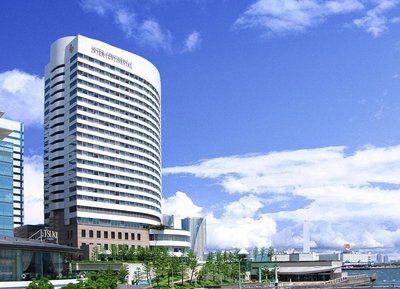
InterContinental Tokyo Bay
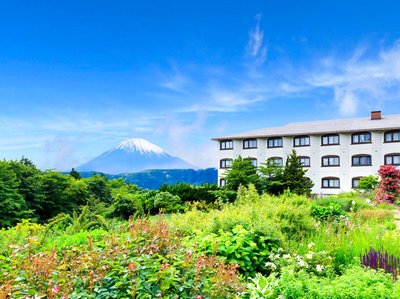
Hotel Green Plaza Hakone
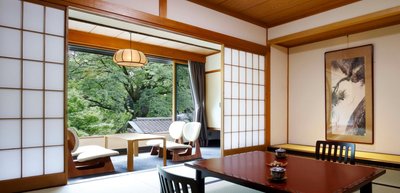
Yoshiike Ryokan
Akakura Kanko Hotel
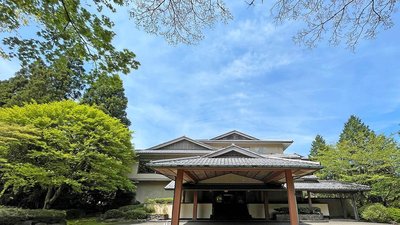
Ryuguden
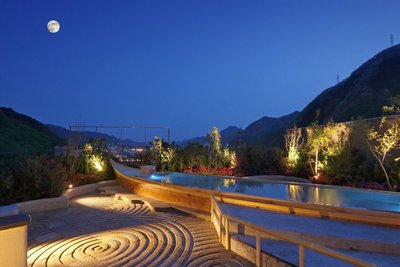
Asaya
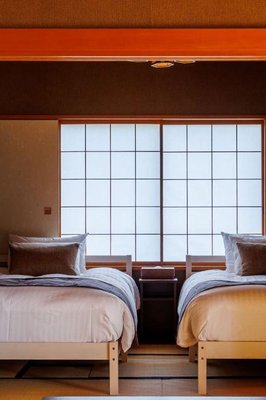
Sado Resort Hotel Azuma
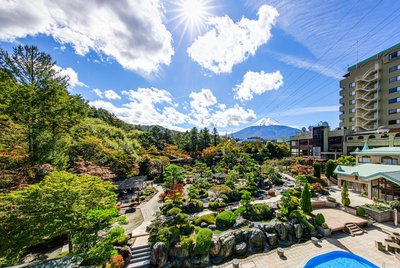
Kaneyamaen
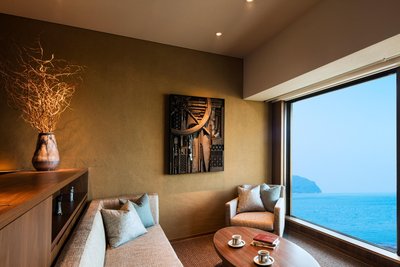
Hoshino Resorts Kai Anjin
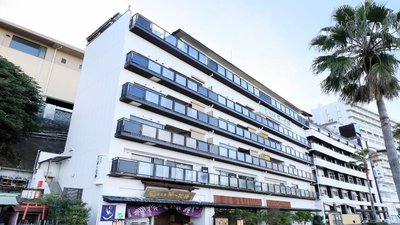
Syukaen Yunohanazen
Bellustar Tokyo, A Pan Pacific Hotel
JW Marriott Hotel Tokyo
Andaz Tokyo Toranomon Hills- A Concept by Hyatt
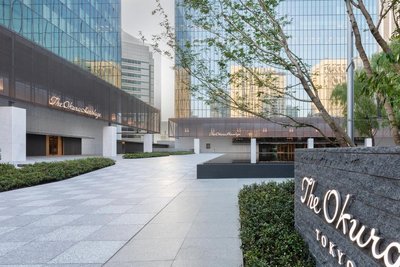
The Okura Tokyo
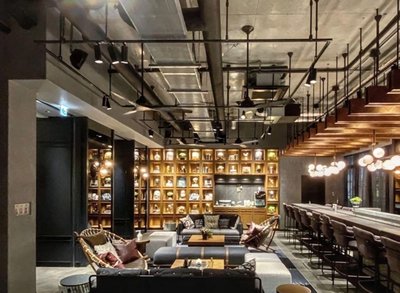
The Lively Azabujuban Tokyo
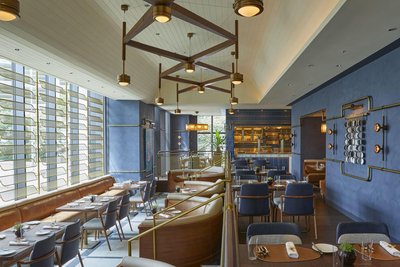
Kimpton Shinjuku Tokyo

HOTEL K5
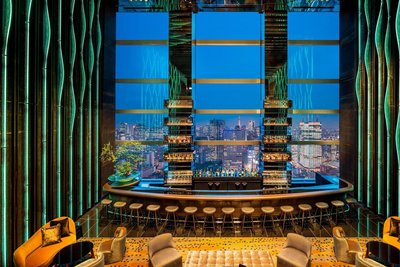
The Prince Gallery Tokyo Kioicho, a Luxury Collection Hotel
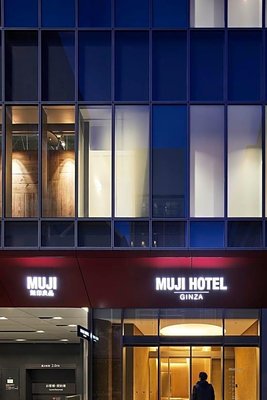
Muji Hotel Ginza
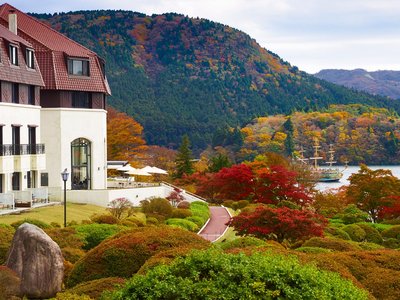
Hotakajyo
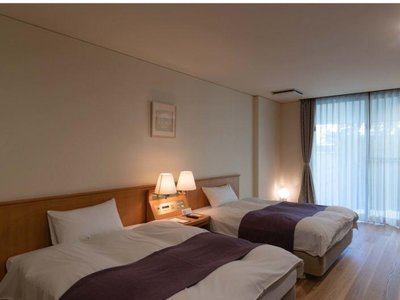
Auberge Suzukane
Onyado Nono Asakusa Bettei Hot Spring
Shiki wo Ajiwau Yado Yamano Chaya
Hoshino Resorts Kai Matsumoto
Konjakutei
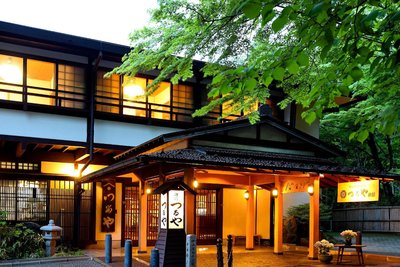
Tsuruya Ryokan
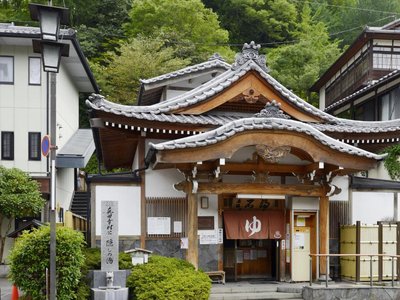
Nakamatsuya Ryokan
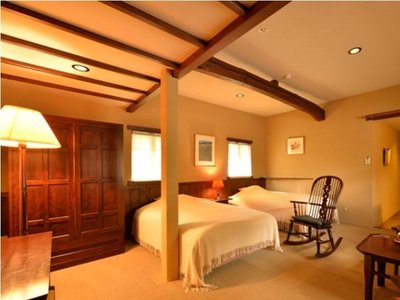
Ryokan Sugimoto
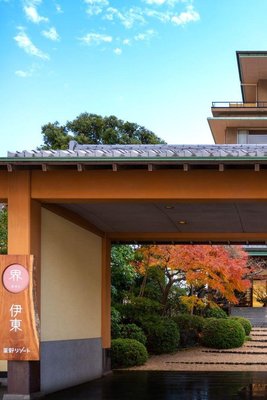
Hoshino Resorts Kai Ito
Yoshiike Ryokan
Hotel Gajoen Tokyo
Gora Hanaougi
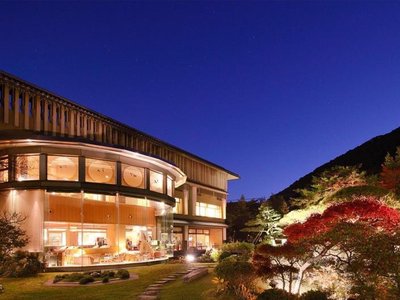
Shikisai Ichiriki
Sado Resort Hotel Azuma
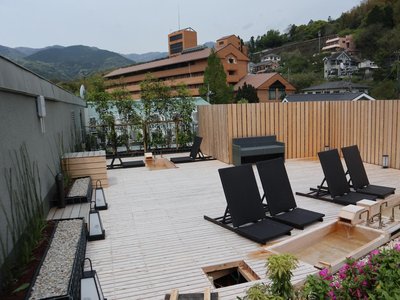
Fukiya Ryokan
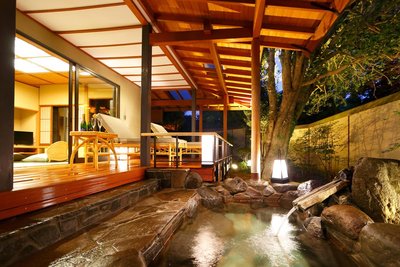
Yoshiharu Ryokan – Izu Nagaoka Onsen
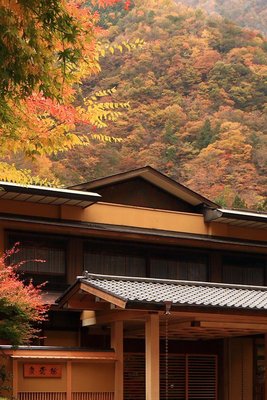
Nishiyama Onsen Keiunkan
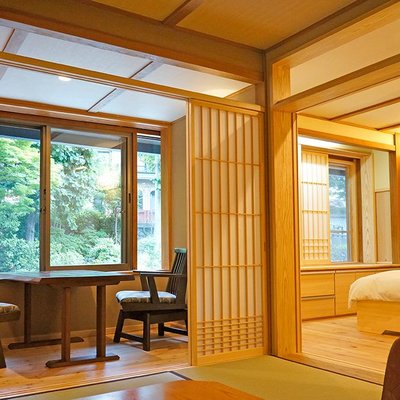
Sumiyosiya Ryokan
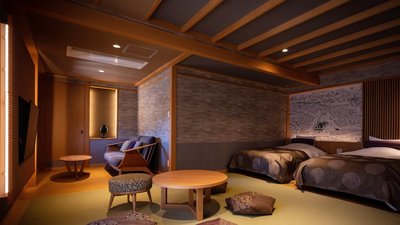
Naraya
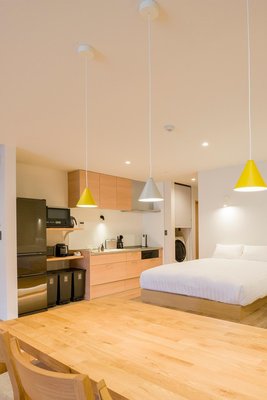
Rakuten STAY VILLA Nasu
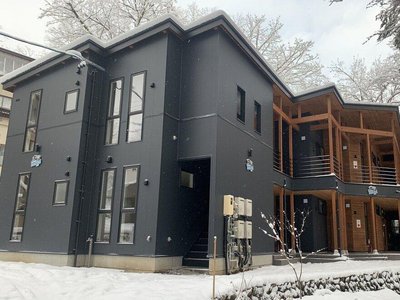
Hakuba Gondola Apartments
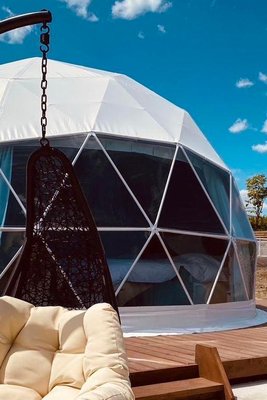
chillout glamping zao
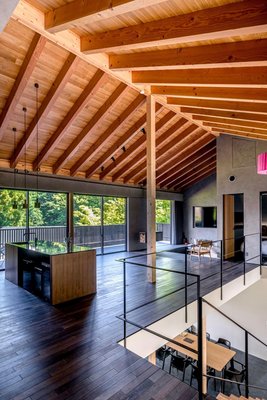
MONS GORA
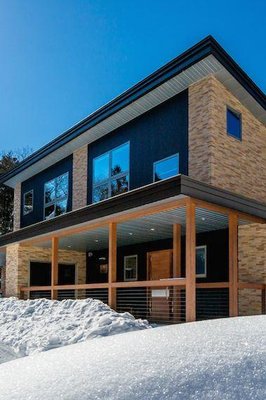
Phoenix Chalets by Hhg
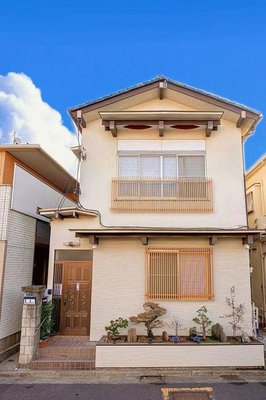
Tokyo Star House-Shinkoiwa
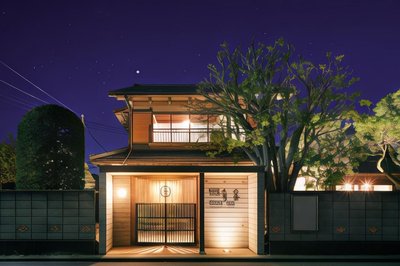
Machi-Jyu
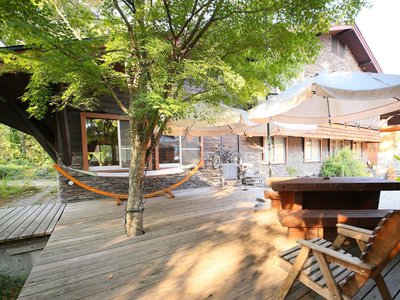
Kunugi Relaxation with 4 Modern Rooms
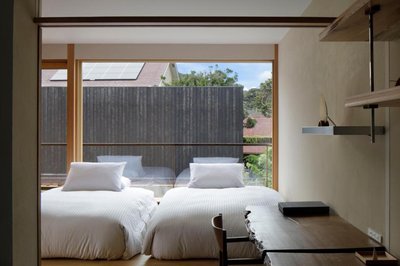
Modern Ryokan Kishi-ke
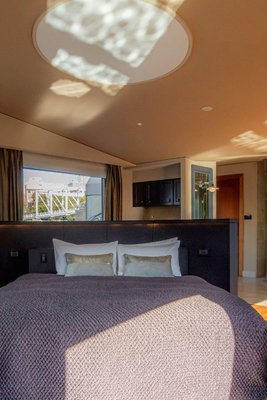
Petals Tokyo - Floating Hotel
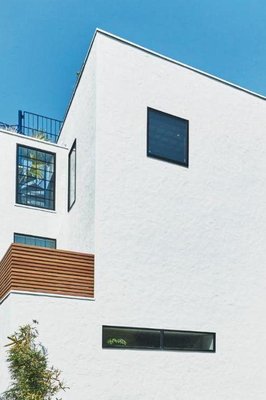
The Flow Kamakura
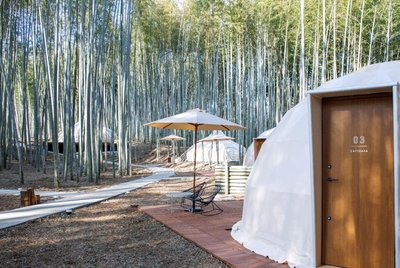
THE BAMBOO FOREST
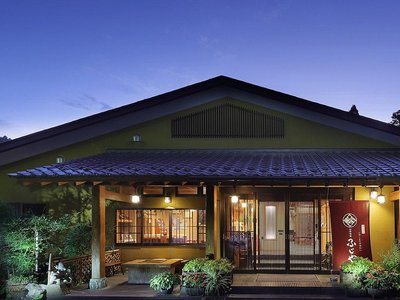
Shikimitei Fujiya
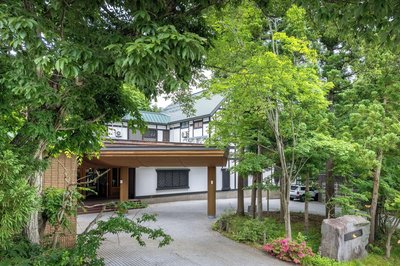
Forest Resort Yamanote Hotel
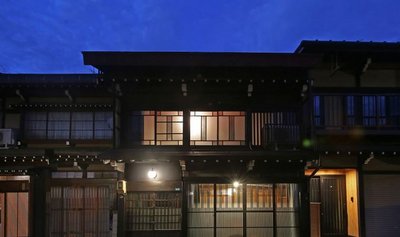
Iori Stay Hida
Frequently Asked Questions about Traveling to Bandai
Questions You Might Need to Know About Traveling to Bandai
For families visiting Banzai Town, recommend Banzai Family Stay, a spacious Japanese-style inn with a garden, children's play area, and free rental of ski gear and snowshoes (in winter). The inn hosts nightly family craft workshops, such as making Fukushima red bean mochi or bamboo weaving. Breakfast includes locally sourced rice cakes and mackerel porridge, all made from farm-fresh ingredients. Located just 10 minutes from Banzai Elementary School Square, it’s perfect for photo walks and cultural immersion. Facilities also include a heated outdoor bath with views of the forest, ideal for relaxing after a day of exploration.
The central Banzai Town district (Honmachi) offers the most tranquil and picturesque stay, located near Banzai Shrine and the Banzai Riverbank. This area features traditional wooden ryokans like Banzai Chōya Ryokan, which provide tatami rooms and kaiseki dining experiences. Guests can stroll along the riverside at night, enjoying illuminated bridges and mountain silhouettes under starry skies. Ideal for travelers seeking peace, local culture, and easy access to markets and cafes.
Banzai Town hosts the historic Banzai Mountain Opening Festival every spring, where locals wear traditional attire and perform purification rituals at the foot of Mount Banzai. Visitors can also explore the Banzai Folklore Museum, showcasing techniques of thatched roof construction and farming traditions. During winter, guests may participate in snow fishing (yukihōri)—angling through ice holes using bamboo poles—followed by a feast of freshly caught trout, offering an authentic rural experience.
Seiryu Onsen Kōkan stands out as Banzai’s premier onsen hotel, drawing mineral-rich water from 300 meters underground, high in sulfur and bicarbonate—ideal for skin health. The design blends modern minimalism with traditional Japanese aesthetics, featuring private outdoor baths overlooking dense forests. At night, soaking beneath the stars with panoramic views of pine trees and constellations creates an unforgettable atmosphere. Some rooms even include private gardens, perfect for couples or quiet retreats.
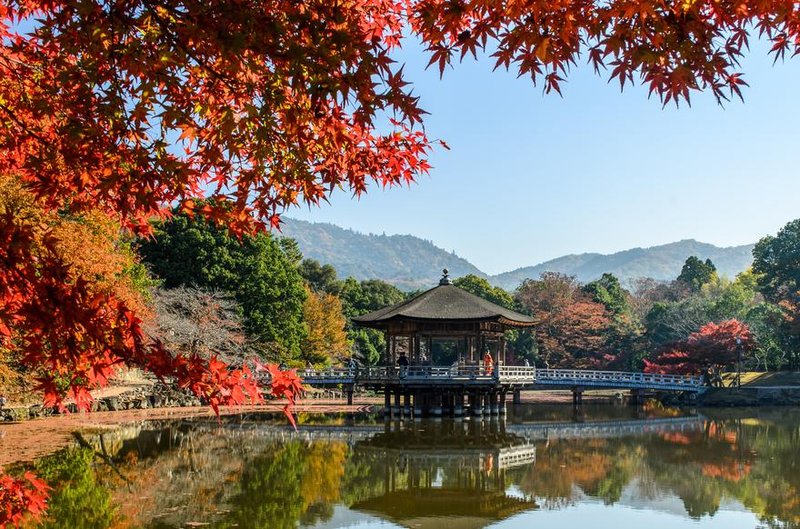
The Banzai River Red Leaf Trail is the top spot for fall colors in Banzai Town. Start at Banzai Shrine and walk downstream to Shirasagi Bridge, where maple, oak, and cedar trees create a vivid tapestry of reds and golds. Visit early morning to avoid crowds and enjoy a cup of maple leaf matcha dessert at Banzai Tea House. In the evening, the river reflects the fiery canopy, turning the path into a living painting—perfect for photographers.
Winter in Banzai Town centers around snow hunting, where visitors learn to use traditional bows and traps to track deer in the forest, followed by a hearty venison hot pot meal. The annual Banzai Ice Festival in January features massive ice sculptures of landmarks like Lake Iwaki and Iizaka Onsen, lit up with colorful lights. Evening events include bonfires, folk music performances, and storytelling, creating a warm, festive atmosphere amid the snowy landscape.
Must-try dishes include Banzai mountain vegetable tempura, made with wild ferns and dandelions harvested locally, crispy and fresh. Another highlight is Fukushima black pork sukiyaki, slow-cooked with house-made sauce using locally raised pigs. For breakfast, visit Banzai Old Street Diner for rice cake soup and salted mackerel congee, both crafted from farm-to-table ingredients. Many guesthouses offer "Local Table Dining"—a full three-meal experience with seasonal produce and homemade sauces.
Banzai Shrine, dating back to the Edo period, is the town’s most significant heritage site, dedicated to the Mountain God. Its well-preserved wooden torii gate and stone lanterns reflect traditional craftsmanship. Nearby, the former Banzai Village Office has been converted into the Local Culture Museum, displaying vintage farming tools, textiles, and photos of life before modernization. Regular lectures by elder residents offer deep insights into community history and demographic changes.
Banzai Town boasts rich biodiversity, especially in the Banzai River Wetland Conservation Area, a key stopover for migratory birds. Guided boat tours and binocular viewing allow visitors to observe species like egrets and ducks between November and February. Summer programs include stream ecology surveys, teaching guests how to identify aquatic insects and fish. Some lodges provide nature journals and magnifiers, encouraging visitors to document wildlife—an engaging way to connect with nature while learning.
The best time to visit Banzai Town is during autumn (October–November) for vibrant foliage along the Banzai River Trail, or early spring (March–April) when cherry blossoms bloom near Banzai Shrine. Winter offers serene snowscapes and unique snow fishing experiences, while summer brings lush greenery and cool temperatures ideal for hiking in Mount Banzai Forest. Each season presents distinct natural beauty, making Banzai a year-round destination for nature lovers.
Bandai Overview
City Summary
Bandai Town in Fukushima Prefecture is a nature-embraced onsen destination famed for Mount Bandai and Goshiki-numa Ponds. As one of Japan's 100 Famous Mountains, Mount Bandai offers diverse hiking trails while the iridescent Goshiki-numa (Five-Colored Ponds) attract photographers. The area's abundant hot springs make it perfect for relaxation, with stunning autumn foliage and winter snowscapes.
Must-See Attractions
Top attraction is the Goshiki-numa Nature Trail showcasing emerald and cobalt ponds. Mount Bandai suits intermediate hikers with panoramic views of Lake Inawashiro from its summit. Urabandai Highlands transforms from summer camping/boating spot to ski resort in winter. Don't miss Bandai-Atami Onsen Street for traditional ryokans and seasonal festivals.
Food Guide
Local cuisine features mountain delicacies - soba noodles made with spring water have exceptional texture. Sweet soy-glazed mochi comes with red bean or grilled variations. Winter specialty is wild boar hot pot with mountain vegetables. Recommended restaurant "Bandaisanroku Shokudo" serves local cuisine set meals using seasonal ingredients.
Transportation Guide
From Tokyo: Take Shinkansen to Koriyama Station (1.5hrs), transfer to Banetsu West Line to Inawashiro Station (30min), then bus to Bandai Town (20min). Loop buses are main local transport - the "Urabandai Free Pass" offers best value. Taxis to remote onsens require advance HopeGoo. Winter driving demands snow tires on winding mountain roads.
Best Time to Visit
Best seasons are May-November for spring greens and autumn foliage. July-August averages 25°C but has afternoon thunderstorms. Winter (Dec-Mar) offers magical snowscapes though some attractions close. Avoid peak crowds during Golden Week (late Apr-early May) and Obon (mid-August).
Travel Tips
- Onsen etiquette: Wash thoroughly before bathing, no swimsuits allowed
- Mountain weather changes rapidly - carry windproof gear and water
- Cash is king as rural shops rarely accept cards
- Check sparse bus schedules in advance
- Follow nature reserve rules - no plant/rock collecting
- Confirm snow chain availability if winter driving
- High-end ryokans may enforce strict check-in times
Useful Information
Language: Japanese main, basic English at tourist centers. Internet: Prepaid SIMs at convenience stores, most lodgings offer WiFi. Payment: Post office ATMs accept int'l cards, major venues take VISA/JCB. Emergencies: Town Hospital (0728-32-3111) has 24hr ER - travel insurance recommended. Voltage: 100V, Type A plugs (same as US flat pins). Souvenirs: Goshiki-numa postcards, hinoki woodcraft, onsen powder. Contacts: Tourism Assoc. 0728-32-2345, Police 0728-32-0110.