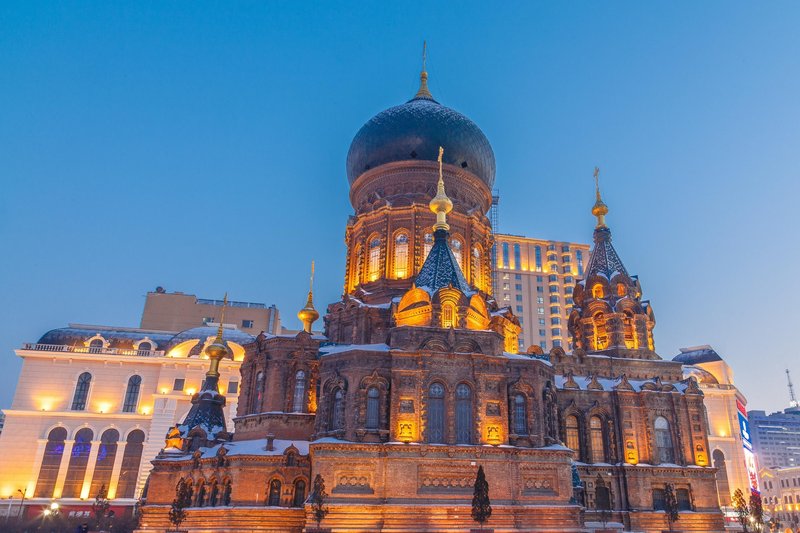
Hotels in Bantul
Discover your perfect stay in Bantul.
Bantul(Indonesia) Travel 2026: Cheap Flights, Hotels & Top Attractions
Popular Landmarks in Bantul
Discover the most iconic attractions in Bantul
Recommended Hotels in Bantul
Find the perfect place to stay in Bantul
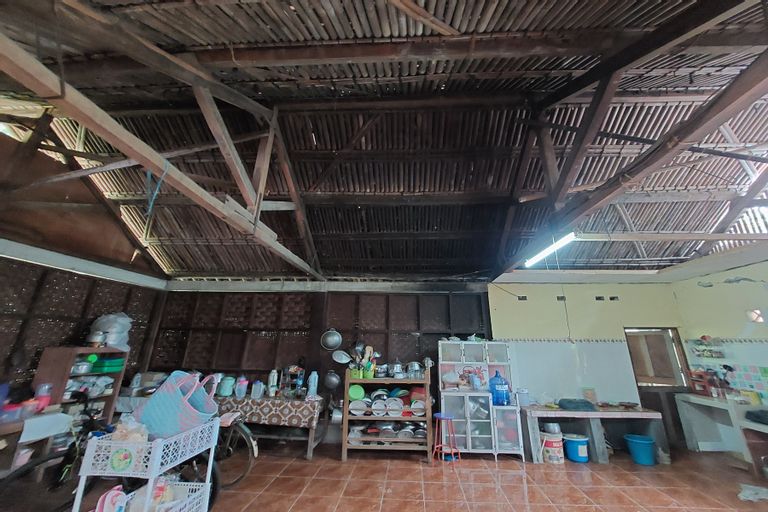
Bu Soem Homestay Syariah
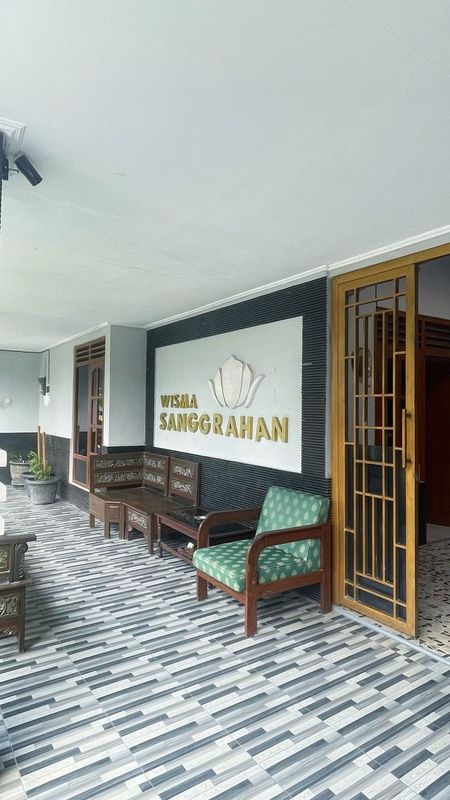
Wisma Sanggrahan
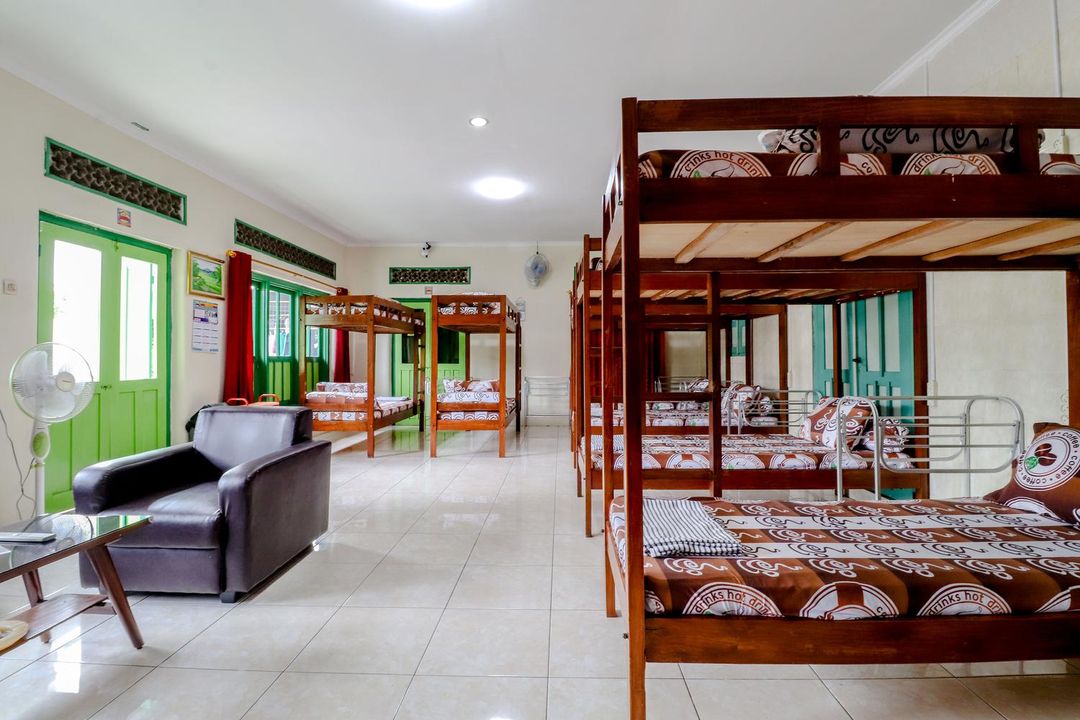
Bahagia Sederhana Homestay
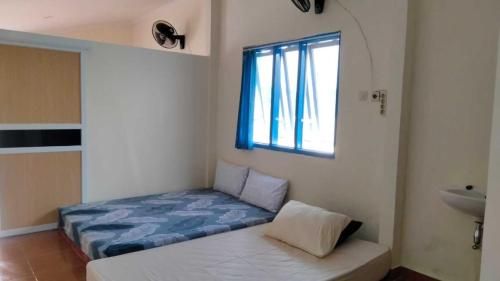
Homestay Syariah Bantul
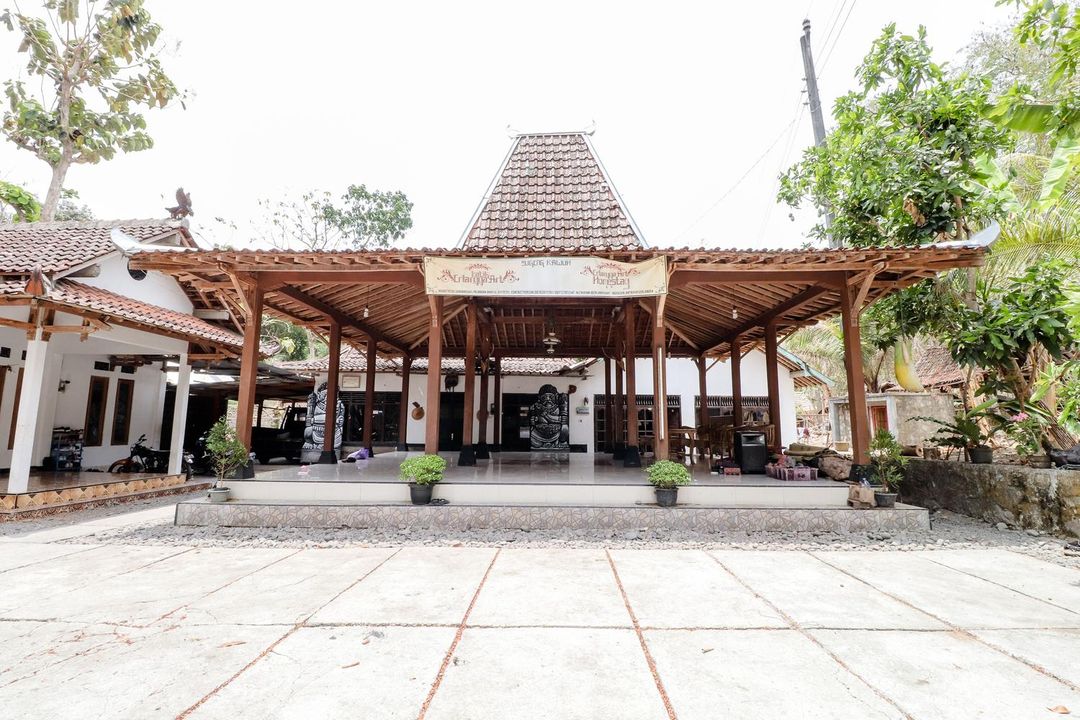
Griya Erlangga Homestay
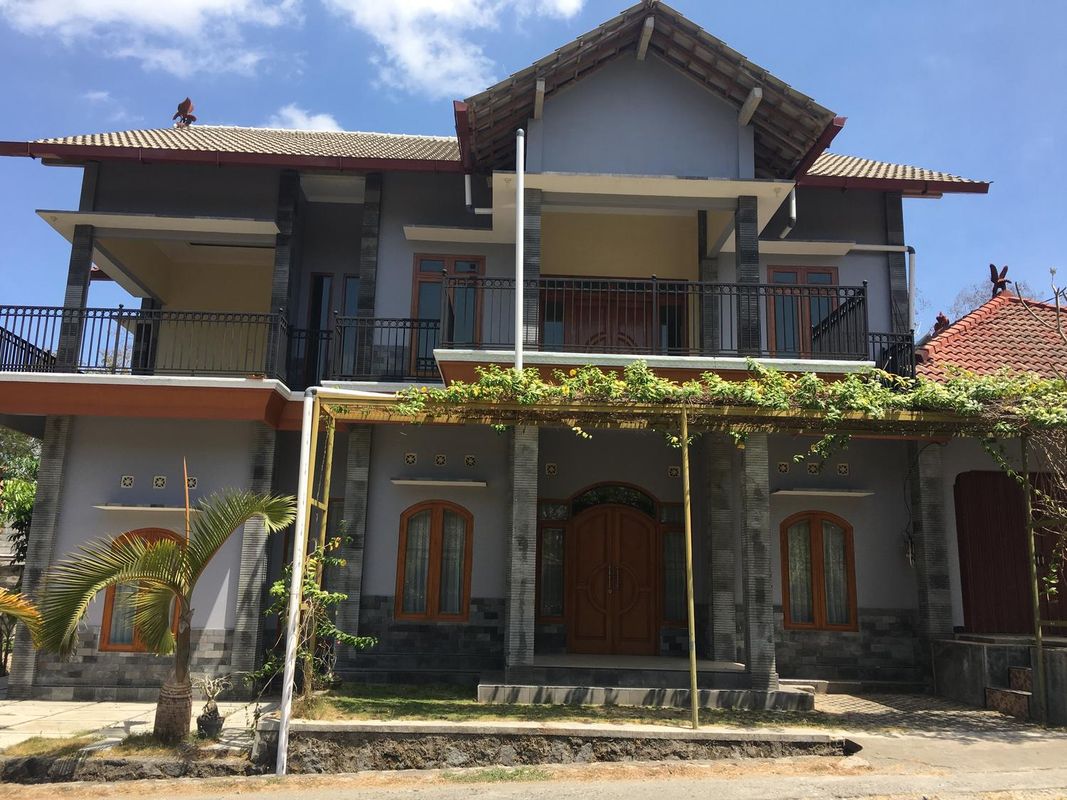
Dewisri Homestay
Best Hotels in Bantul
Discover curated hotel collections in Bantul

MAHALAYA The Legacy Hotel
Gulala Azana Hotel & Resort Guci Tegal
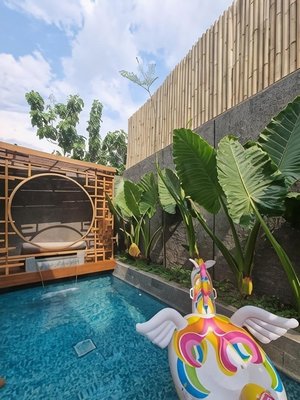
Akaya Villas Solo

Somerset Queen City Semarang
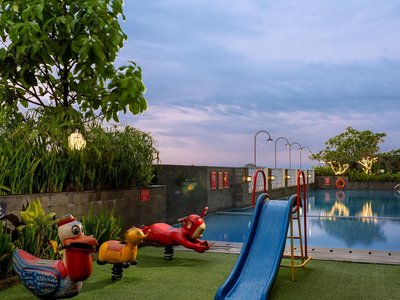
Aston Solo Hotel

Surya Hotel & Cottages Prigen

Aston Inn Pandanaran
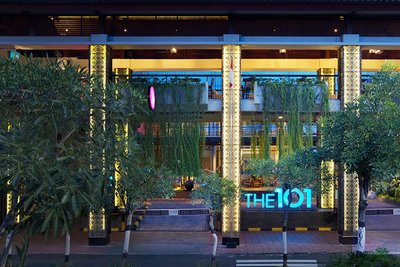
THE 1O1 Yogyakarta Tugu
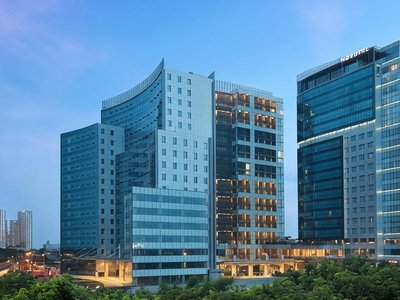
Novotel Samator Surabaya Timur
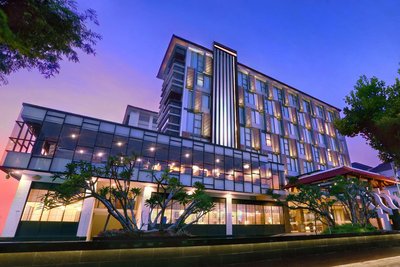
Harper Malioboro Yogyakarta by ASTON
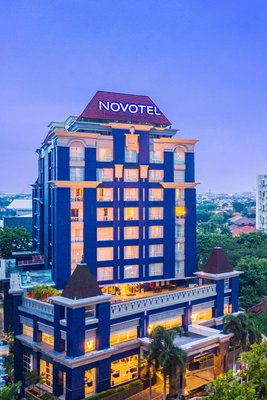
Novotel Semarang
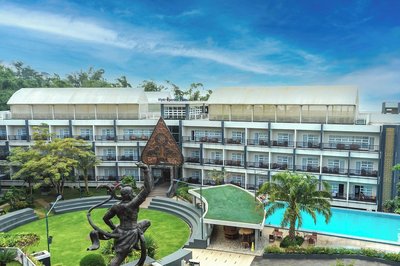
Griya Persada Convention Hotel & Resort
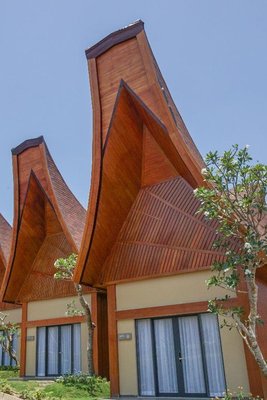
Shanaya Resort Malang
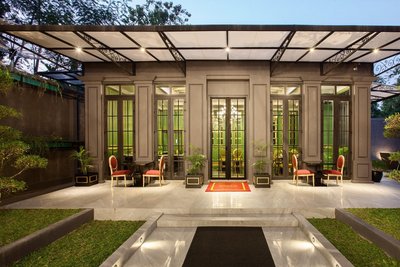
Sofia Boutique Residence
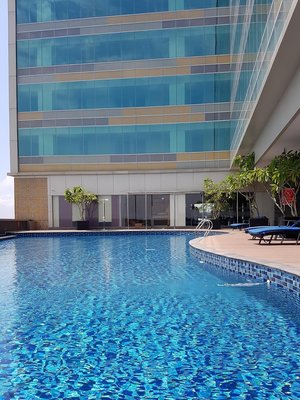
The Alana Hotel & Convention Center Solo by Aston
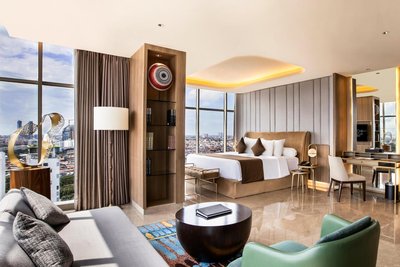
Morazen Surabaya
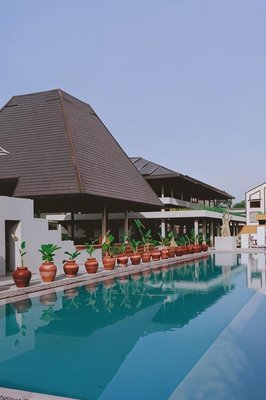
Ayom Java Village Solo
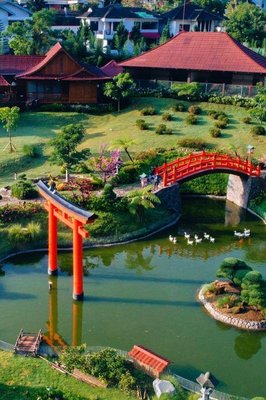
The Onsen Hot Spring Resort
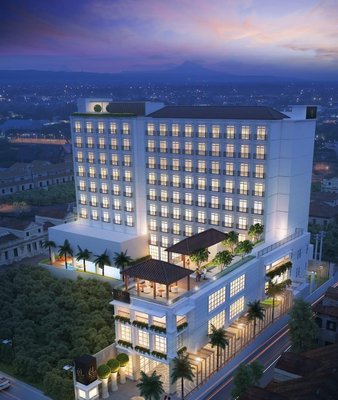
El Hotel Yogyakarta Malioboro

Susan Spa and Resort
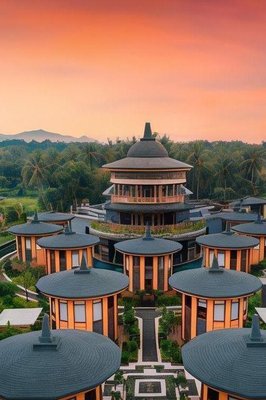
Hotel Le Temple Borobudur
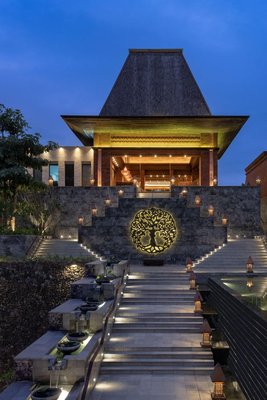
Garrya Bianti Yogyakarta
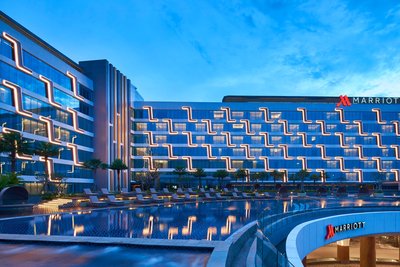
Yogyakarta Marriott Hotel
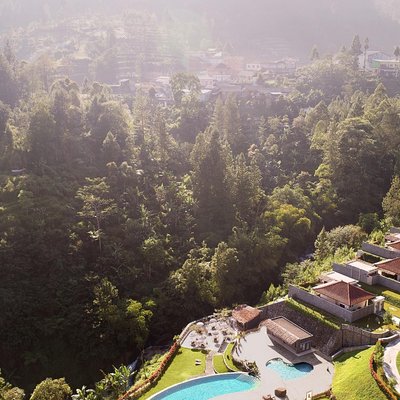
Joglo Ageng Guci Tegal
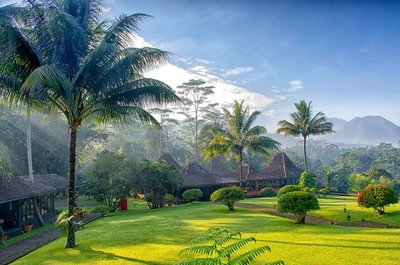
MesaStila Resort and Spa
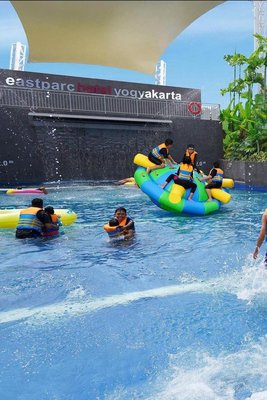
Eastparc Hotel Yogyakarta

Hotel Ciputra World Surabaya managed by Swiss-Belhotel International

The Phoenix Hotel Yogyakarta - Handwritten Collection
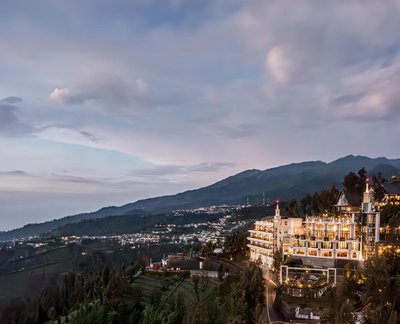
Plataran Bromo
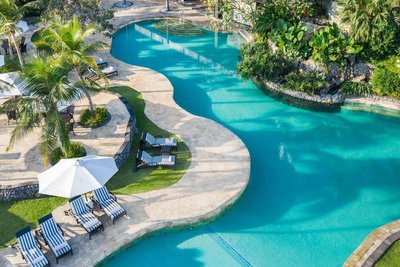
JW Marriott Hotel Surabaya
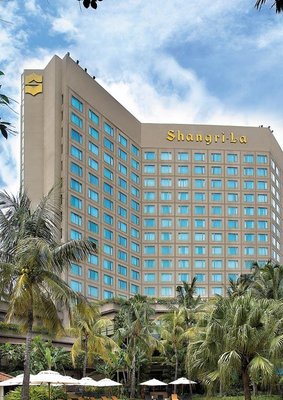
Shangri-La Surabaya
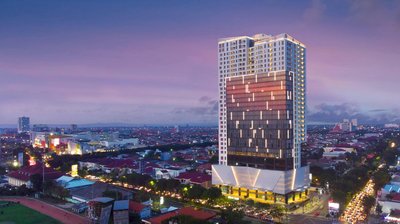
Oakwood Hotel & Residence Surabaya
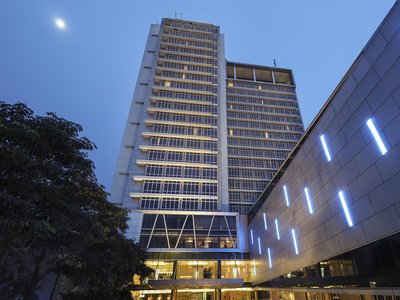
Grand Mercure Solo Baru
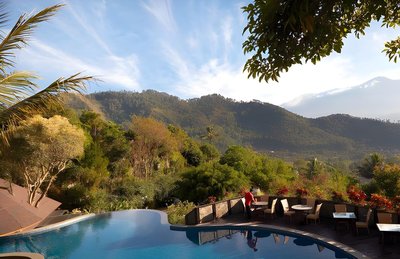
Jambuluwuk Convention Hall & Resort Batu
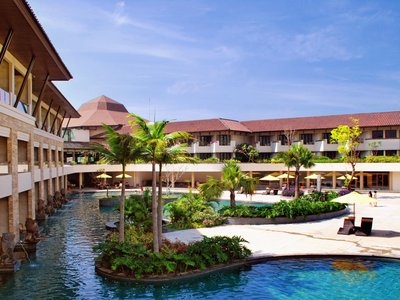
The Singhasari Resort Batu
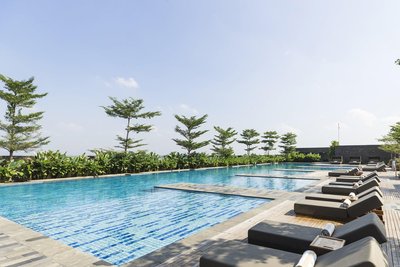
Alila Solo

Ascott Waterplace Surabaya
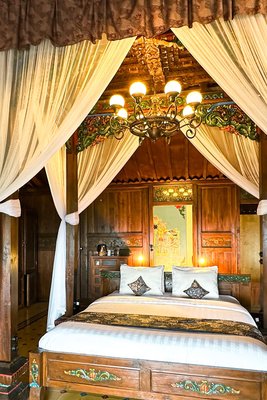
Villa Borobudur Resort
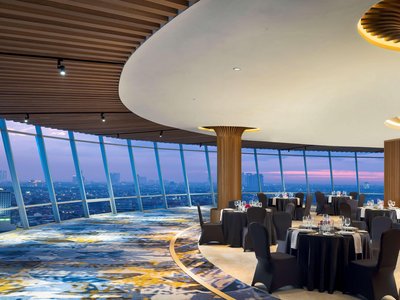
DoubleTree by Hilton Surabaya
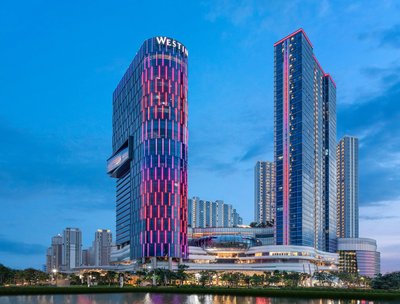
The Westin Surabaya

Hotel Barrière Fouquet's New York

The Plaza - A Fairmont Managed Hotel

The Ritz-Carlton New York, Central Park

Four Seasons Hotel New York

The St. Regis New York

Park Hyatt New York

Mandarin Oriental New York

Times Square Edition New York

Loews Regency New York Hotel

Lowell Hotel

New York Edition

Baccarat Hotel New York

Equinox Hotel New York

Four Seasons Hotel New York Downtown

The Langham, New York, Fifth Avenue

The Carlyle, A Rosewood Hotel

The Chatwal, in the Unbound Collection by Hyatt

The Mark New York

Trump International Hotel & Tower® New York
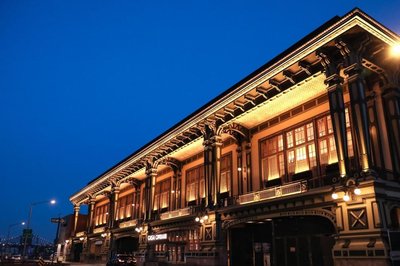
Casa Cipriani New York
Frequently Asked Questions about Traveling to Bantul
Questions You Might Need to Know About Traveling to Bantul
In Bantul, the top choice for cultural immersion is Bantul Village Resort, a bamboo-and-stone retreat nestled among rice fields and overlooking Mount Merapi. Each room reflects traditional Javanese architecture, featuring hand-carved wooden details and private terraces perfect for stargazing. The resort offers authentic experiences like handmade batik workshops, sugar-cane processing demonstrations, and guided visits to ancient temples such as Candi Kaliandan. Guests also participate in local ceremonies during the annual Sembahyang Agung festival, fostering deep connections with the community. With minimal tourism impact and rich heritage programming, this eco-conscious lodge provides an immersive journey into rural Yogyakarta life.
The eastern region of Bantul, particularly near Kaliandan Village and Gedé Village, is ideal for tranquil, nature-centered stays. Surrounded by lush rice terraces, volcanic landscapes, and dense forests, this area offers serene escapes from urban noise. Accommodations here often feature open-air designs using local materials like bamboo and volcanic stone, blending seamlessly with the environment. It's also a prime gateway to Borobudur Temple and Prambanan Complex, making it convenient for day trips. Stay in a private villa with a rooftop garden or star-viewing deck to enjoy breathtaking views of Mount Merapi at dusk and crystal-clear night skies.
In Bantul, immerse yourself in authentic Javanese traditions through hands-on activities: learn traditional sugar-making using clay pots and firewood; take a batik painting class led by local women artisans; and explore the 14th-century Candi Kaliandan temple ruins. During the Sembahyang Agung ceremony, held annually around March–April, witness a vibrant spiritual gathering where villagers perform prayers and offerings, reflecting deep-rooted faith and communal harmony. These experiences are often hosted by family-run homestays, ensuring genuine interaction and lasting memories.
Yes, Bantul is highly suitable for families with children. Many lodges offer spacious, safe villas with private gardens and play areas. Children can enjoy farm-based activities like bamboo weaving, rice field cycling, and mini-farm tours. Parents can join guided ecological walks around Mount Merapi’s foothills, learning about biodiversity and volcanic geology. Local hosts are warm and welcoming, with many speaking basic English. The slow-paced rhythm and absence of city chaos make it perfect for unplugging kids from screens and reconnecting with nature and culture.
Most boutique hotels and eco-resorts in Bantul offer scheduled shuttle services to Yogyakarta International Airport (YIA) and Yogyakarta Train Station. For instance, Bantul Village Resort provides two daily free shuttles, each taking about 40 minutes. Some luxury accommodations also arrange electric SUV rentals or motorcycle guides for exploring nearby villages and temples. HopeGoo in advance is recommended—especially during peak season. All properties assist guests with transport coordination, providing maps and simple English instructions for smooth travel.
Must-try dishes in Bantul include Ayam Bakar Bantul—grilled chicken marinated in coconut milk, lemongrass, and peanut sauce, served with fresh sambal. Don’t miss Es Tebu Segar, a refreshing drink made from freshly pressed local sugarcane, blended with ice and lime. Another hidden gem is Lumpia Sunda, crispy spring rolls filled with prawns, bean sprouts, and savory sauce, available only at weekend markets. For a true taste of the land, book a farm-to-table dinner at a local homestay, where meals are prepared with ingredients harvested that morning—like organic vegetables and free-range duck eggs.
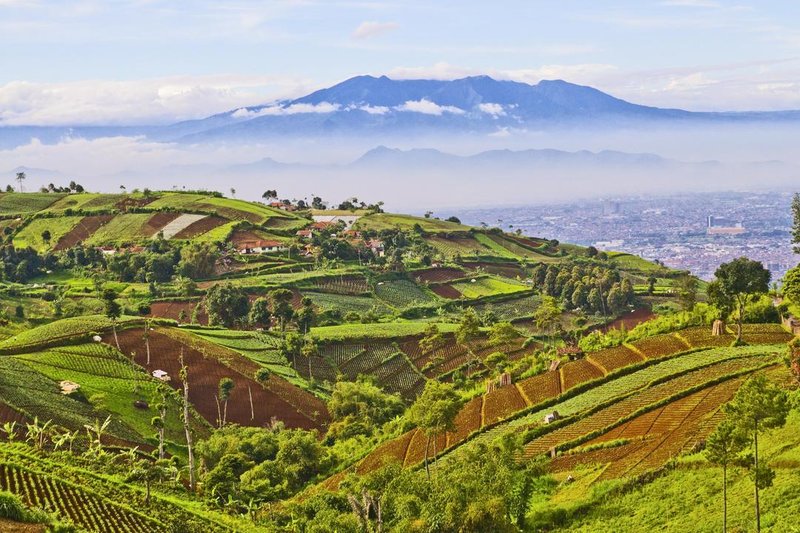
Near Bantul, nature lovers will enjoy Mount Merapi’s southern slopes, with dramatic lava rock formations and dense tropical forests. Follow the Kaliandan River trail for a scenic hike past clear streams and fern-covered cliffs. The Gedé Rice Terraces transform into a living mosaic during planting season (May–July), offering stunning photo opportunities. Additionally, Bantul Eco Park hosts night-time firefly watching and stargazing sessions under pristine dark skies. These sites are easily accessible via bike rental or guided tour, allowing visitors to connect deeply with the region’s ecological beauty.
The best time to visit Bantul is from May to September, during the dry season when temperatures range between 22–28°C and rainfall is minimal—ideal for outdoor adventures. June and July are especially magical, coinciding with rice planting season, when the terraces turn lush green, creating a painterly landscape. From October to April, the rainy season brings lush vegetation and cooler air, perfect for those seeking tranquility and ecological exploration. If attending the Sembahyang Agung ritual, plan your trip between March and April for the most vibrant cultural experience.
Bantul homestays proudly preserve local heritage through architecture and daily life. Built with bamboo, volcanic stone, and thatched roofs, they mirror ancestral building techniques. Host families share stories, customs, and farming knowledge, often including spiritual beliefs tied to Mount Merapi. Each room features a small booklet detailing local myths, festivals, and etiquette. Many homes double as family dining rooms (Rumah Makan Keluarga), where guests eat alongside residents. Evening storytelling sessions, led by elders, recount legends of the volcano, fostering emotional connection and cultural understanding.
In Bantul, the primary modes of transport are motorcycles, bajaj (three-wheeled taxis), and rental bicycles. From Yogyakarta City, take Trans Jogja Bus Line 10 or use ride-hailing apps like Grab/Gojek. Once in the village, renting an electric scooter or bicycle allows flexible exploration of rice paddies and narrow lanes. For remote sites like Candi Kaliandan or Gedé Terraces, pre-book a local guide-driven vehicle for safety and navigation. Most guesthouses provide rental assistance, maps, and simple English signage to ensure smooth travel throughout the region.
Bantul Overview
City Summary
Bantul, located in the Yogyakarta Special Region of Indonesia, is a city that blends traditional and modern cultures. Known for its rich historical heritage and stunning natural landscapes, particularly its proximity to the Prambanan Temple complex and the Yogyakarta Palace, Bantul offers unique cultural experiences. It also serves as a gateway to the natural wonders of Central Java, featuring volcanoes, caves, and waterfalls.
Must-See Attractions
Bantul's most famous attractions include the Prambanan Temple, a magnificent Hindu temple complex designated as a UNESCO World Heritage Site. Visitors can also explore the Yogyakarta Palace to experience Javanese traditions. Nature enthusiasts should not miss Mount Merapi and various cave exploration activities nearby.
Food Guide
Bantul's cuisine is characterized by traditional Javanese dishes, with "Gudeg," a sweet stew made from young jackfruit, highly recommended. Street food such as "Bakpia" (sweet bean pastries) and "Soto" (Indonesian soup) is also popular. Local markets are great places to try authentic flavors.
Transportation Guide
Public transport in Bantul mainly includes buses and taxis (Ojeks). Rideshare apps like Grab or Gojek are convenient and transparently priced. For longer trips, renting a motorcycle is popular, but be aware of local traffic rules. The TransJogja bus system connects to Yogyakarta city.
Best Time to Visit
The best time to visit Bantul is during the dry season from May to September, when the weather is cooler with less rain, ideal for outdoor activities. July and August are peak tourist months, so book accommodations in advance.
Travel Tips
- Dress respectfully, covering shoulders and knees when entering temples.
- Carry sufficient cash, as small vendors may not accept cards.
- Learning basic Indonesian phrases aids communication.
- Be cautious on roads, especially when riding motorcycles.
- Drink bottled water to avoid health issues.
- Protect the environment by avoiding single-use plastics.
Useful Information
In Bantul, Bahasa Indonesia is the main language, with English widely spoken in tourist areas. Network coverage is good, and SIM cards can be purchased at the airport. The Indonesian Rupiah (IDR) is the currency; carrying cash is advisable. For emergencies, dial 110 (police) or 118 (ambulance). Local hospitals have basic facilities, but serious medical issues should be addressed in Yogyakarta city.