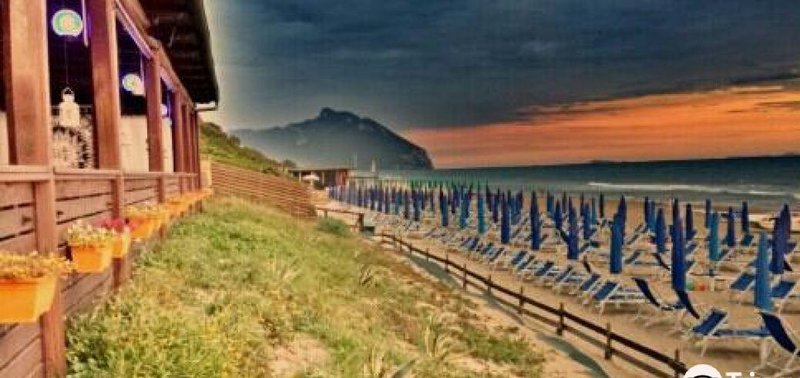
Hotels in Baone
Discover your perfect stay in Baone.
Baone(Italy) Travel 2026: Cheap Flights, Hotels & Top Attractions
Popular Landmarks in Baone
Discover the most iconic attractions in Baone
Recommended Hotels in Baone
Find the perfect place to stay in Baone
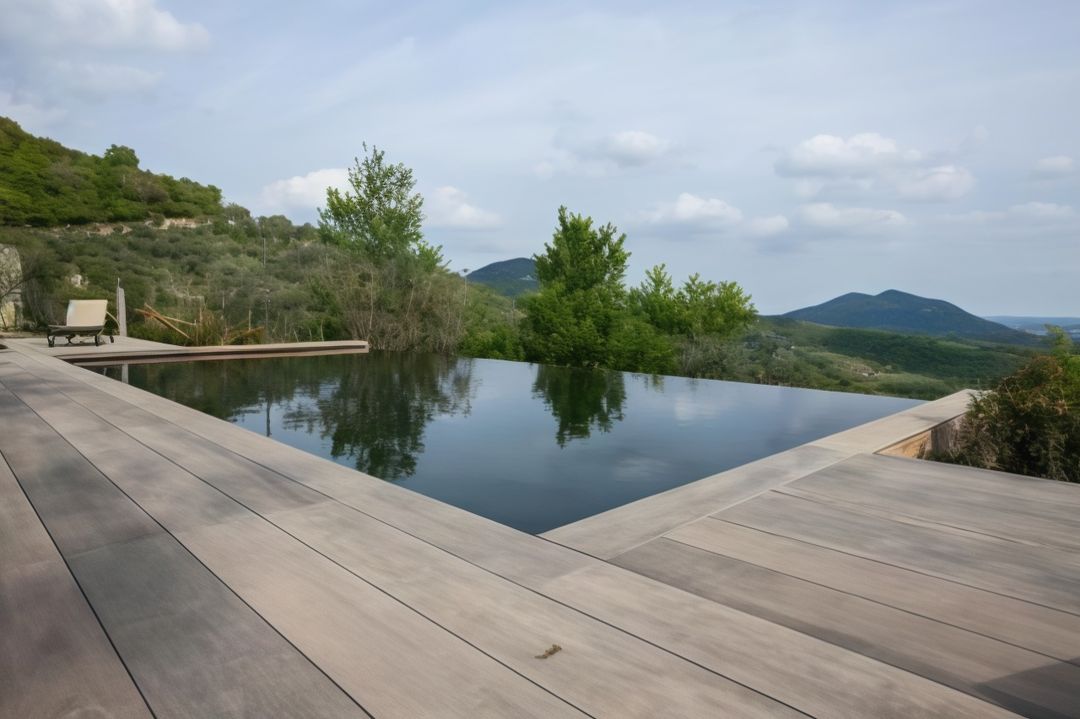
Agriturismo le Volpi
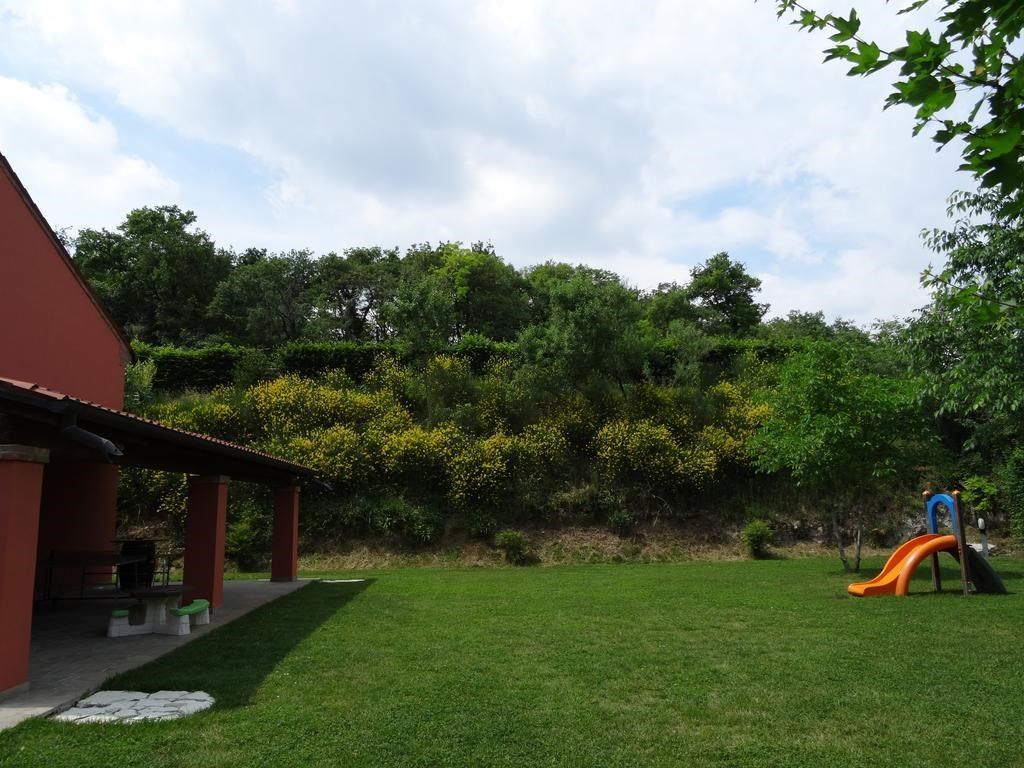
Agriturismo Alba
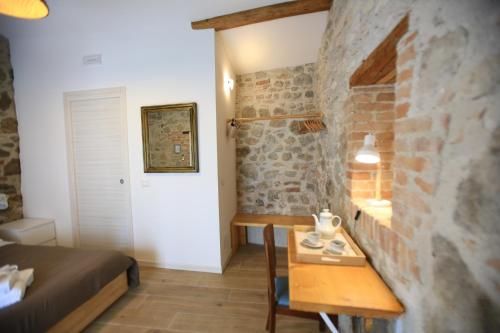
I Grilli b&b
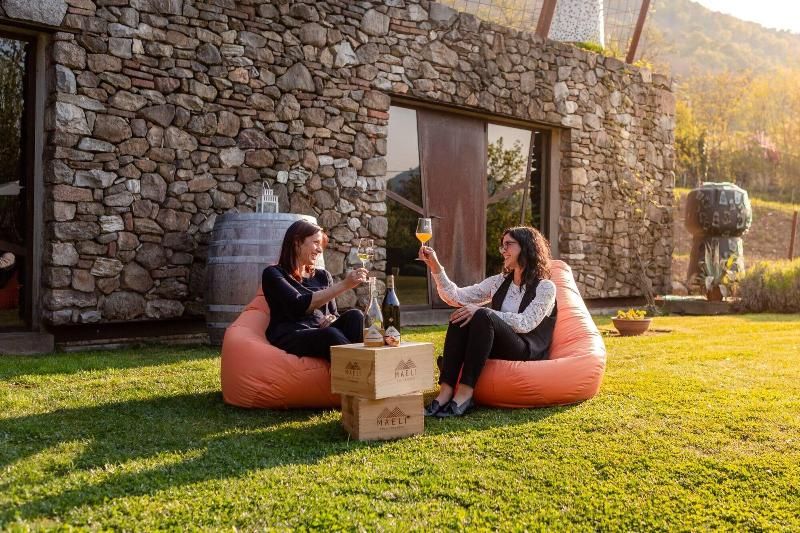
Maeli Winery House
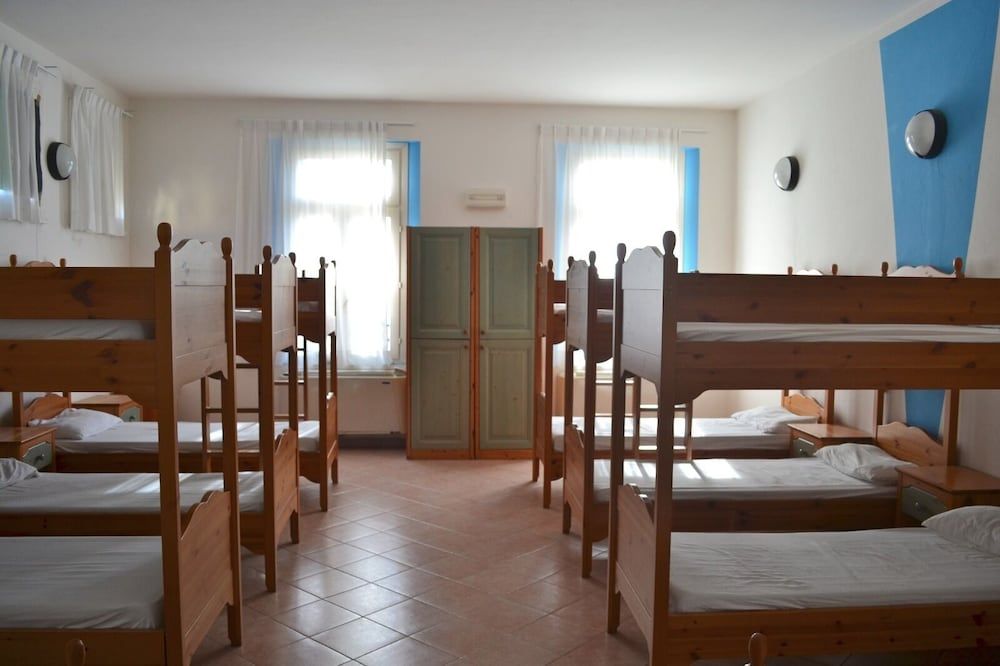
Ostello Colli Euganei
Frequently Asked Questions about Traveling to Baone
Questions You Might Need to Know About Traveling to Baone
The top area for tourists is Centro Storico, located near Chiesa della Madonna della Salute and Piazza Venezia, offering easy access to major attractions. Stay at Hotel Albergo del Sole, a historic hotel blending Renaissance architecture with modern comforts, featuring bright rooms and attentive service. For tranquility, consider Zona Fiume, along the Adige River, where evening strolls offer romantic views. This area also provides quiet, scenic walks with local charm and excellent dining options.
Immerse yourself in Bologna’s rich Veneto heritage by visiting the Museo Civico, which showcases medieval art and history. Don’t miss the annual Festa di San Marco in autumn, a vibrant festival with traditional costumes, craft markets, and local food stalls. Participate in a hands-on handmade pasta class led by local housewives—learn to make fresh tagliatelle using locally milled flour and enjoy your creations with homemade tomato sauce. These authentic experiences offer deep insight into regional traditions.
Yes, Family Hotel La Torre in San Michele district is ideal for families, featuring a children’s playroom, indoor heated pool, and themed family rooms. Located just a 5-minute walk from Parco dei Bambini, it offers free shuttle service to downtown. All rooms include safety gates and baby cots, plus fully equipped kitchens for self-catering. Weekends feature "Junior Guide" workshops, where kids explore city history through fun, interactive activities designed for young minds.
Hotel Miramare, situated atop Colle del Castello, delivers breathtaking views of the Adige Valley and distant northeastern mountains. Its rooftop terrace features glass railings perfect for sunrise or sunset photography. The hotel blends Neoclassical elegance with modern minimalism, and each room includes floor-to-ceiling windows. Book a "Mountain View Deluxe Room" for an exclusive, private vantage point overlooking the city skyline and surrounding hills.
Explore the narrow alleys of Via dei Canti in the old town, home to independent craft beer bars and jazz lounges. Visit Cantina del Tempo, a centuries-old cellar transformed into a bar famed for its locally brewed absinthe and walls adorned with local artwork. Another hotspot is Riviera Bar, a riverside venue with ambient lighting reflecting on the water, creating a dreamy atmosphere. On weekends, join outdoor parties following the market, featuring live music and spontaneous dancing.
Photographers should visit the Old Mill Ruins (Vecchia Macina) along the left bank of the Adige River, a 18th-century stone structure now overgrown with ivy, perfect for ruin aesthetics and dramatic light play. Early mornings bring soft sunlight filtering through trees, enhancing texture. Also, the interior of Chiesa della Madonna della Salute’s bell tower offers rare architectural shots—spiral staircases and ancient bronze bells create compelling compositions. Bring a tripod and wide-angle lens for optimal results.
Bologna is highly walkable, with electric bike-sharing (BikeShare Bologna) stations throughout the city center. For longer distances, take ATB Line 10 bus, connecting key sites and the train station. Bologna Centrale Train Station is a major hub in northern Italy, with frequent high-speed trains to Milan, Florence, and Venice, making day trips effortless. Public transit is reliable, affordable, and well-integrated with tourist routes.
Must-try specialties include Cotoletta alla Bolognese, a crispy breaded veal or duck cutlet served with capers and lemon. Another classic is Lasagna Bolognese, layered with slow-cooked beef ragù and handmade pasta sheets—rich, hearty, and deeply flavorful. Try seasonal treats like Tortellini di Zucca, pumpkin-filled ravioli made with almond paste, enjoyed during winter. Dine at Trattoria dal Nino in Mercato di Mezzo, known for using fresh, seasonal ingredients and authentic regional recipes.
Peak seasons are spring (March–May) and autumn (September–November), when temperatures are pleasant and flowers bloom. Highlights include the Bologna Art Festival in April and the Wine Festival in October, drawing international visitors. Summer (June–August) is hot but still active with events like outdoor film screenings and open historic site days. Winter is quieter, ideal for experiencing Christmas markets and spa retreats—perfect for avoiding crowds.
Via San Paolo is Bologna’s premier shopping street, housing local brands and independent designers like L'Artigiano del Cuore, specializing in handmade leather and ceramics. For vintage lovers, visit Mercato delle Antichità every Saturday morning, featuring antique furniture, silverware, and rare books. Mercato di Mezzo is also a top choice—more than a food market, it sells handwoven textiles and embroidered fabrics, ideal for souvenirs that reflect authentic craftsmanship.
Baone Overview
City Summary
Bagni di Bagno is a charming town in the Veneto region of Italy, renowned for its thermal spas and medieval architecture. With rich historical heritage such as ancient churches and castles, it is also an ideal place for relaxation. The town's natural beauty and cultural depth attract visitors seeking tranquility and history.
Must-See Attractions
Key attractions in Bagni di Bagno include the Church of San Giovanni, a medieval church famous for its exquisite frescoes and architectural style. The Bagni di Bagno Castle is another must-see, offering a glimpse into the town's historical significance. Additionally, the thermal spa centers provide various wellness treatments, perfect for unwinding.
Food Guide
The local cuisine is heavily influenced by the Veneto region. Must-try dishes include Polenta and Coniglio in Umido (stewed rabbit). Local restaurants also serve fresh truffle dishes, paired with regional wines for a unique flavor. Street food like Frittelle (fried dough) is also a delightful treat.
Transportation Guide
Public transport in Bagni di Bagno primarily relies on buses, connecting nearby towns. Walking is the best way to explore the town, as attractions are concentrated and streets are narrow. For longer trips, trains or car rentals are options, but note that some roads can be rough. Check bus schedules in advance to avoid delays.
Best Time to Visit
The best times to visit are spring (April to June) and autumn (September to October), when the weather is mild and crowds are smaller. Summer is warm but can be busy, while winter is ideal for spa enthusiasts.
Travel Tips
- Respect local customs: Dress modestly when entering churches.
- Carry cash: Some small shops may not accept credit cards.
- Book in advance: Spa centers require prior reservations.
- Stay safe: Avoid walking alone in secluded areas at night.
- Learn basic Italian: Phrases like "Grazie" (thank you) can help.
- Eco-friendly travel: Bring reusable bags to reduce plastic use.
Useful Information
The official language is Italian, but English is understood in tourist areas. Network coverage is good, with free Wi-Fi in most hotels and restaurants. Cash is the primary payment method, though some places accept credit cards. The emergency number is 112, and travel insurance is recommended. Tap water is safe to drink.