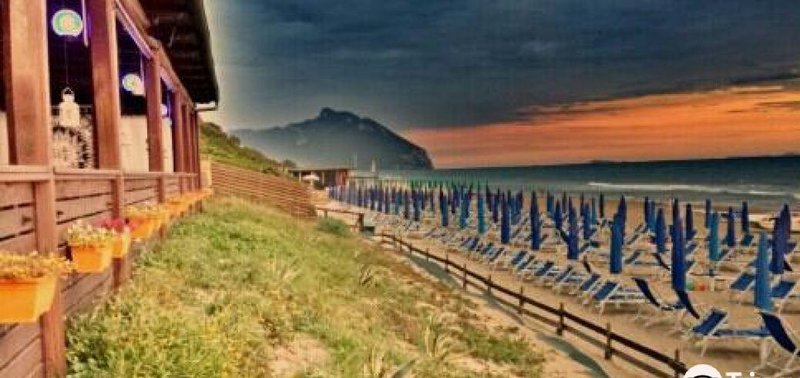
Hotels in Barolo
Discover your perfect stay in Barolo.
Barolo(Italy) Travel 2026: Cheap Flights, Hotels & Top Attractions
Popular Landmarks in Barolo
Discover the most iconic attractions in Barolo
Recommended Hotels in Barolo
Find the perfect place to stay in Barolo
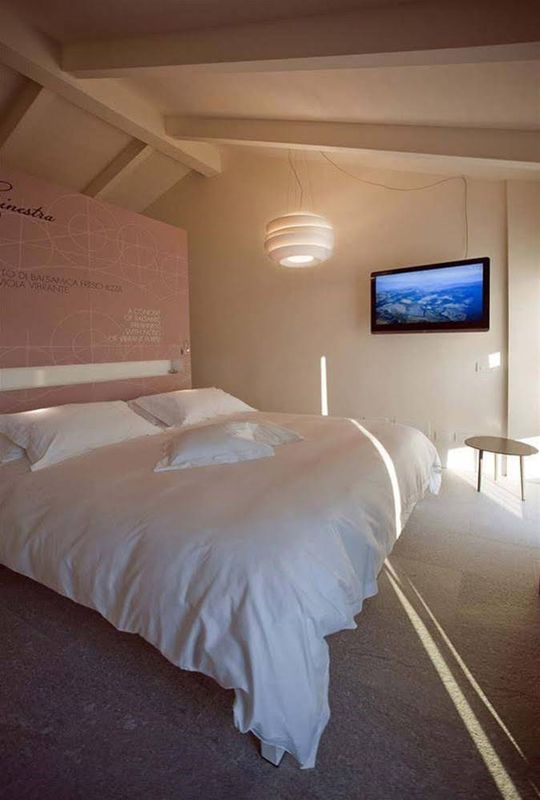
Palas Cerequio

La Rosa Gialla Bio Apartments & Rooms
Casa Svizzera Agriturismo
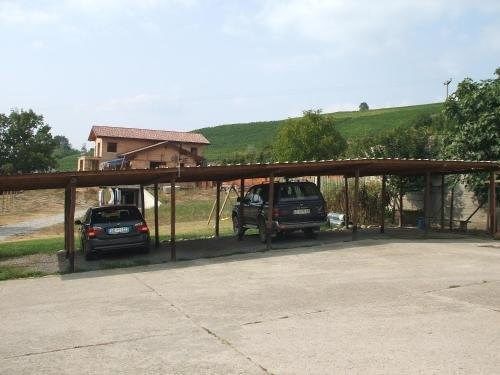
Agriturismo le Viole
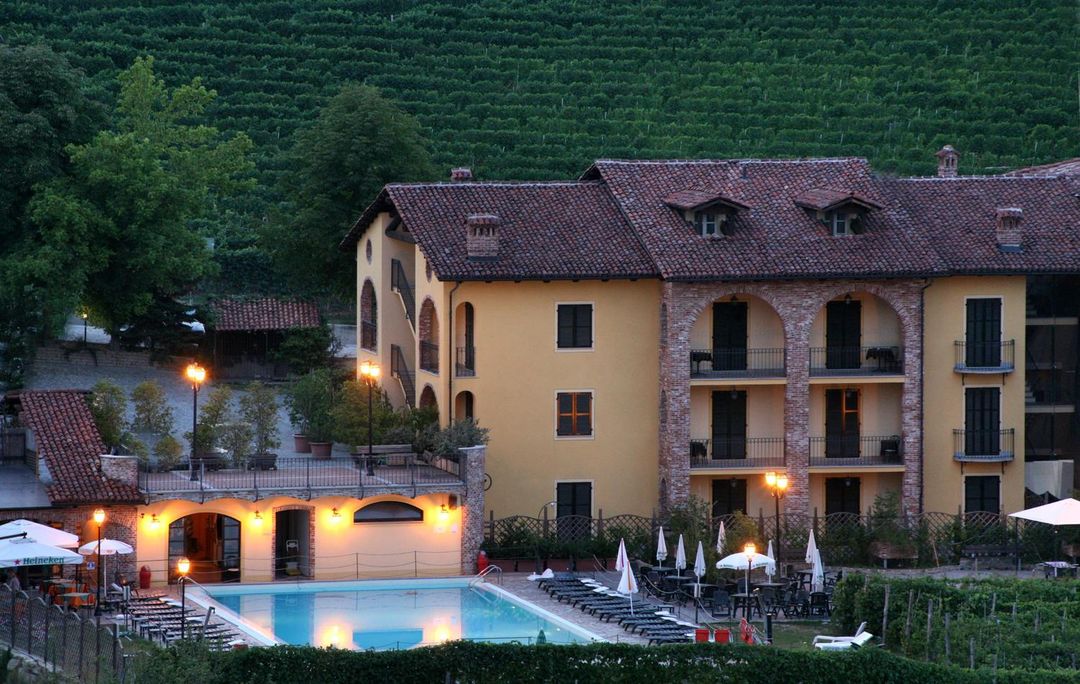
Hotel Barolo
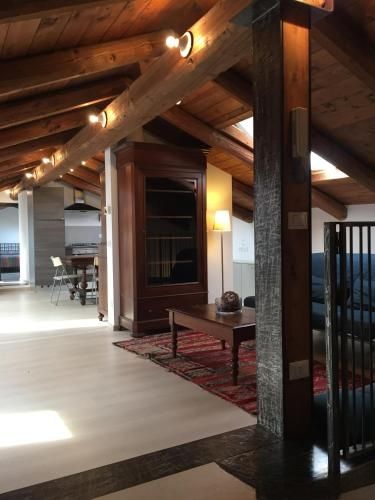
Barolo Apartments
Best Hotels in Barolo
Discover curated hotel collections in Barolo
Hôtel Christiania
Hotel Pashmina le Refuge
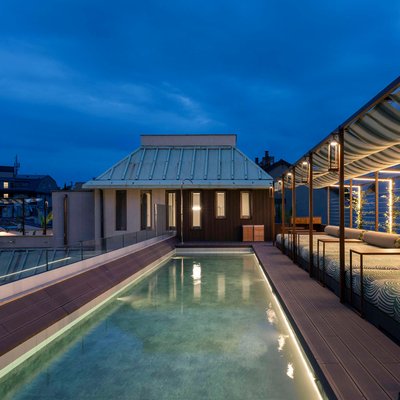
Radisson Collection Hotel Santa Sofia Milan
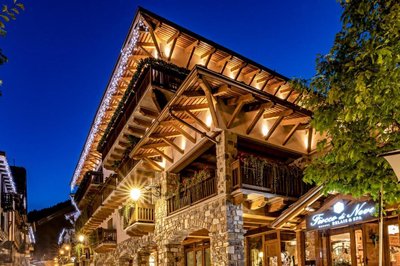
Fiocco di Neve Relais & Spa
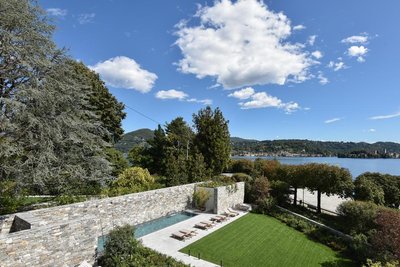
Casa Fantini - Lake Time
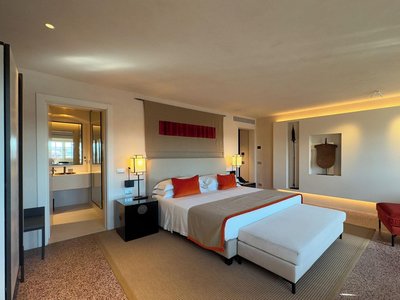
Hotel Palazzo Durazzo Suites
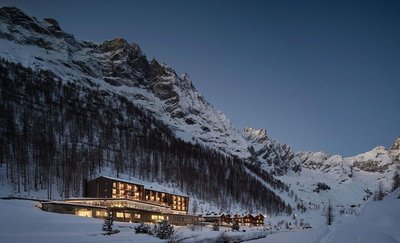
Cervino - VRetreats
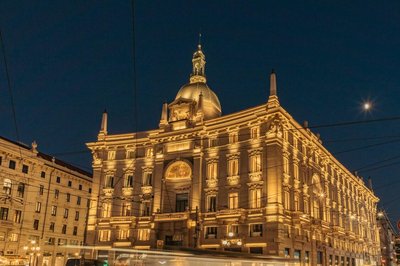
Palazzo Cordusio Gran Meliá – The Leading Hotels of the World
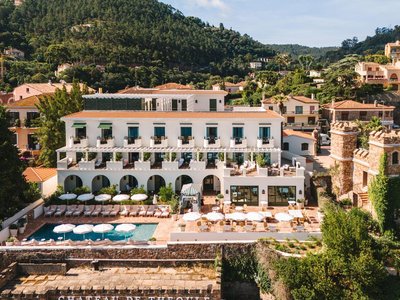
Château de Théoule
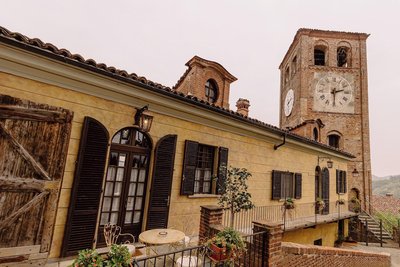
Castello di Casalborgone - Luxury Castle
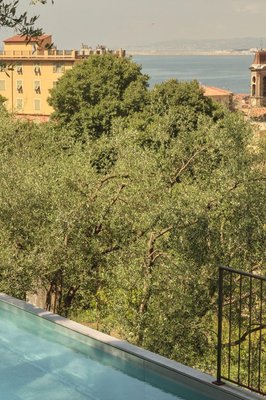
Hôtel du Couvent, a Luxury Collection Hotel, Nice, France
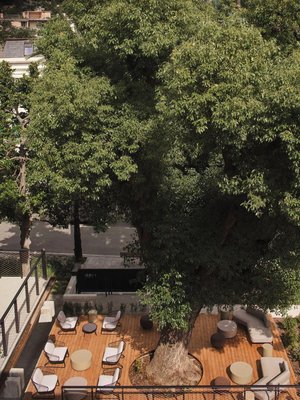
Capitolo Riviera
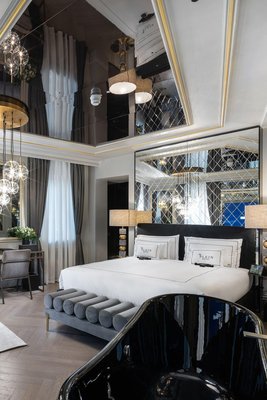
The Plein Hotel - Small Luxury Hotels of the World
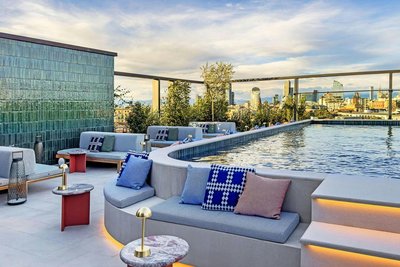
Casa Brera, a Luxury Collection Hotel, Milan
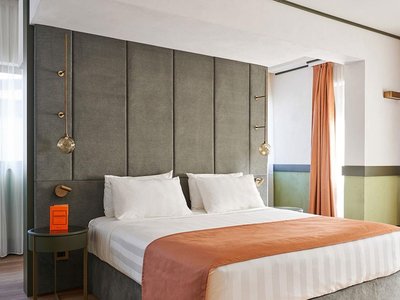
NEMI Hotel
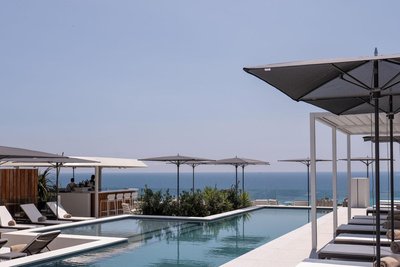
Maison Albar - Le Victoria

Hôtel Koh-I Nor by les Etincelles
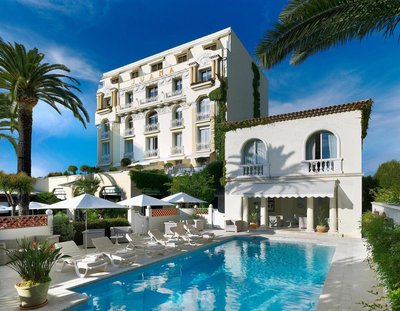
Hôtel Juana
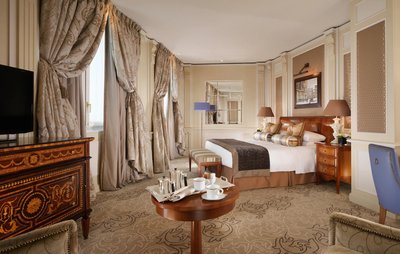
Hotel Principe di Savoia - Dorchester Collection
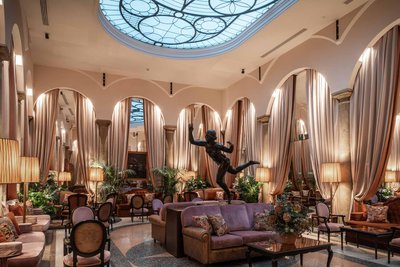
Grand Hotel et de Milan - the Leading Hotels of the World
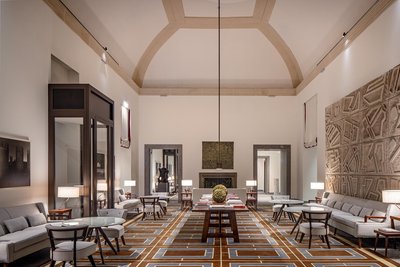
Portrait Milano - Lungarno Collection
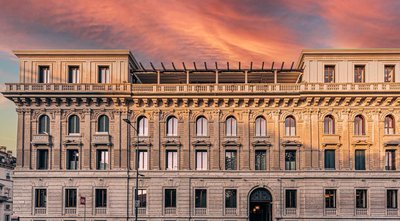
Casa Cipriani Milano
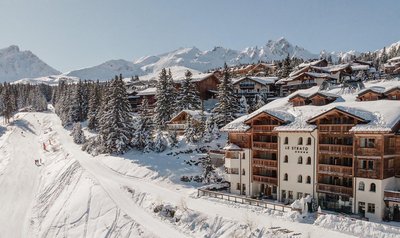
Le Strato
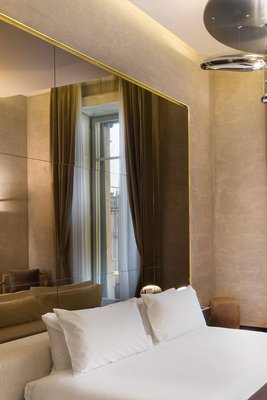
The Glamore Milano Duomo
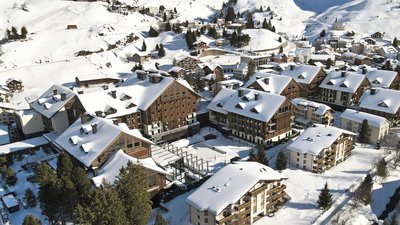
The Chedi Andermatt, Switzerland
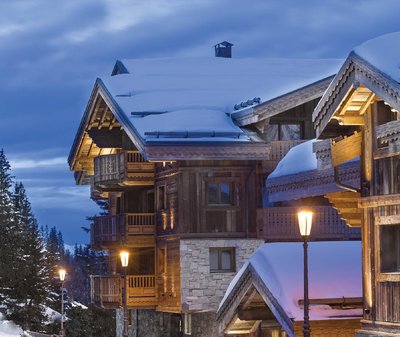
Six Senses Residences Courchevel
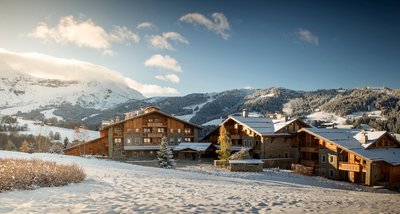
Four Seasons Hotel Megeve
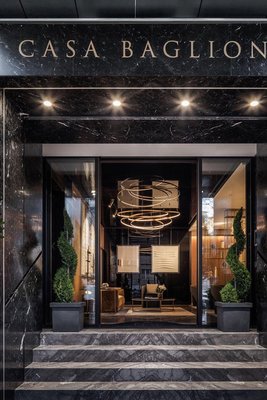
Casa Baglioni Milan - the Leading Hotels of the World
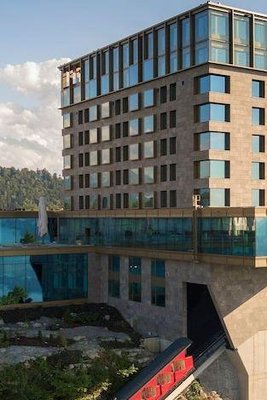
Burgenstock Hotel & Alpine Spa
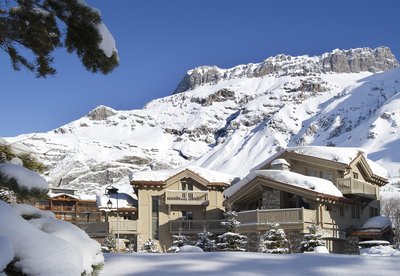
Hotel le K2 Altitude
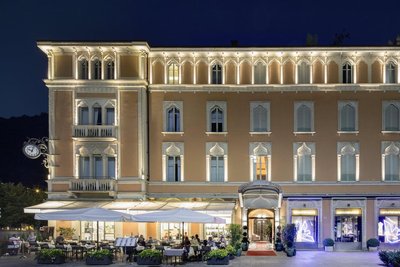
Vista Lago di Como
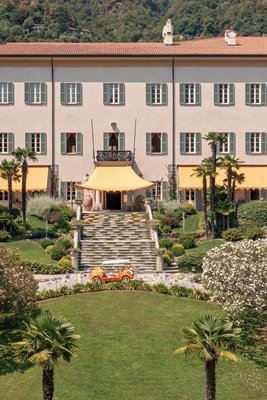
Passalacqua
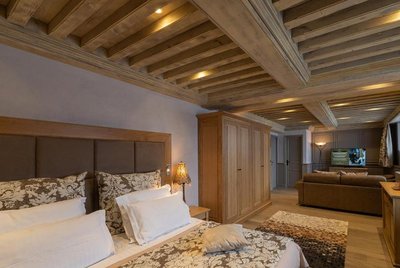
Le Lana
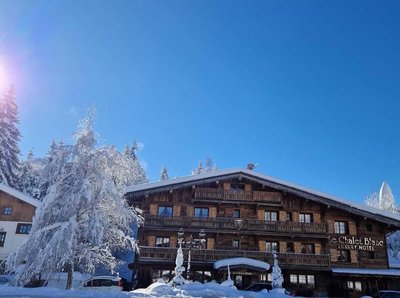
Le Chalet Blanc
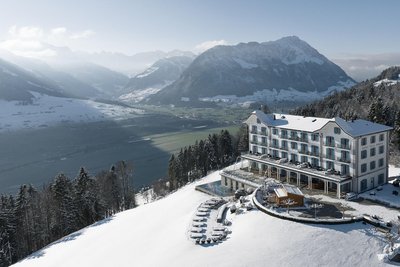
Hotel Villa Honegg
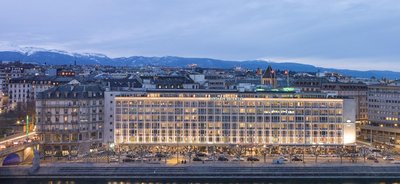
Mandarin Oriental, Geneva
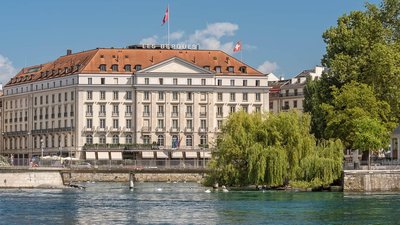
Four Seasons Hotel des Bergues Geneva
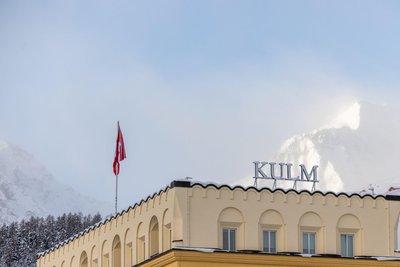
Kulm Hotel St. Moritz
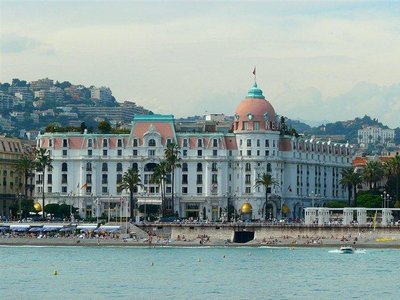
Hotel le Negresco
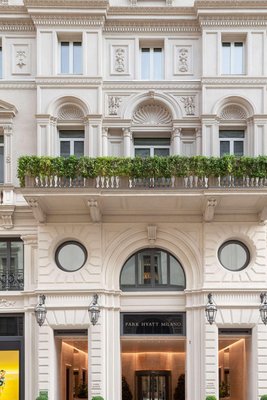
Park Hyatt Milan
Frequently Asked Questions about Traveling to Barolo
Questions You Might Need to Know About Traveling to Barolo
In Barolo, the standout choice is Castello di Barolo, a historic castle hotel offering panoramic views of vineyards and access to private wine tastings. Another excellent option is Hotel La Roccia, known for its elegant rooms and curated wine pairings with local cuisine. Both properties provide immersive Nebbiolo wine experiences, including cellar tours and meetings with master winemakers, allowing guests to explore the heart of Piedmont's wine culture in a luxurious, authentic setting.
The historic center of Barolo is ideal for visitors seeking convenience and charm. It’s within walking distance of Castello di Barolo, the church, and numerous boutique wineries. Staying here offers easy access to daily guided walks through terraced vineyards and evening dining at family-run trattorias. For a more secluded experience, consider hillside agriturismi with private vineyard views—perfect for romantic getaways or quiet retreats amid the Langhe hills.
Barolo’s wine culture centers on Nebbiolo grapes, grown in steep, sun-drenched slopes of the Langhe region. Unlike mass-produced wines, Barolo follows strict DOCG regulations, requiring long aging and meticulous craftsmanship. Visitors can tour legendary estates like Giacomo Conterno or Bruno Giacosa, where centuries-old traditions meet modern innovation. These experiences include barrel sampling, vintage blending workshops, and intimate dinners featuring aged Barolo, offering an authentic glimpse into Italy’s most prestigious wine heritage.
Yes, Barolo welcomes families with child-friendly accommodations like B&B La Cantina, which offers kid meals and nature trails. The surrounding hills feature scenic paths perfect for family hikes, and the annual Barolo Wine Festival includes interactive zones for children, such as grape-picking games and artisan workshops. With its peaceful streets and low traffic, Barolo provides a safe, enriching environment for intergenerational travel, combining education with countryside adventure.
Key landmarks include Castello di Barolo, a 19th-century Gothic fortress now housing a museum and cultural events. Nearby, the Chiesa della Madonna Assunta features a striking bell tower offering sweeping valley views. Don’t miss the ancient Roman ruins and the vineyard walking trails, where you’ll pass traditional farmhouses and windmills. Together, these sites reflect the deep historical and agricultural roots of Piedmont’s wine heartland.
Beyond standard restaurants, try Casa delle Vigne, a home-turned-restaurant serving hyper-local dishes like wild boar risotto and Barolo-braised beef. Book a private cooking class in a local home to learn how to make Pizzoccheri pasta and Gianduiotto chocolates. These off-the-beaten-path experiences offer genuine connections to Piedmontese food traditions, emphasizing seasonal ingredients and ancestral techniques passed down through generations.
Take a Regional Train from Turin Porta Nuova Station to Barolo Station, a 45-minute journey with frequent departures. For scenic routes, drive via SS20 Highway, winding through the Langhe Hills past endless vineyards and medieval villages. Park near the town center and explore on foot. This route combines efficiency with breathtaking views, making it one of the most rewarding ways to reach Italy’s wine capital.
Barolo has a continental climate: cold, snowy winters and warm, dry summers. The best time to visit is late spring to early autumn (May–September), when temperatures are pleasant and vineyards are lush. Autumn brings harvest season, with open-cellar events and vibrant festivals. Winter offers snow-covered landscapes ideal for quiet, romantic escapes. Always pack layers—especially for mornings and evenings—and check forecasts before hiking or visiting hilltop wineries.
Evening highlights include candlelit dinners at Castello di Barolo’s restaurant, paired with aged Barolo wines. Join a stargazing tour in the dark, unpolluted hills for breathtaking night skies. Some guesthouses host wine-tasting evenings with live music and storytelling about family winemaking legacies. The village square also occasionally hosts acoustic concerts featuring traditional Piedmont folk music—perfect for unwinding under the stars in a serene alpine atmosphere.
Visit local winery shops like Azienda Agricola Gaja, offering limited-edition Barolo bottles and handcrafted labels. The weekly artisan market sells handmade ceramics, leather goods, and embroidered textiles by local craftspeople. Also explore antique bookshops and dried-flower studios for unique gifts. All items reflect the cultural authenticity of Piedmont, making them meaningful keepsakes from your journey into Italy’s wine soul.
Barolo Overview
City Summary
Barolo is Italy's epicenter of premium wine in Piedmont, famed for its namesake Barolo red wine. This medieval hilltop town surrounded by vineyards boasts centuries-old winemaking heritage and Tuscan-style architecture. Key draws include winery tours, gastronomy (like white truffles), and UNESCO-listed vineyard landscapes.
Must-See Attractions
Must-sees are the Castello Falletti di Barolo (now a wine museum), cobblestone old town, and premier wineries (e.g., Gaja, Giacomo Conterno). Join vineyard hikes or hot air balloon rides, especially lively during autumn's Alba White Truffle Fair.
Food Guide
Savor Piedmont specialties: beef tartare paired with Barolo, handmade agnolotti pasta, and white truffle dishes. Local enotecas (wine cellars) offer curated pairings—try Barolo Chinato as a digestif.
Transportation Guide
Driving is most flexible (near A6 highway), but mind narrow hillside roads. Take buses from Alba (~30 mins) or book winery shuttles. The town is walkable; some wineries require advance bookings. Watch for icy roads in winter.
Best Time to Visit
Sep-Oct is ideal for harvest season and truffle fairs; Apr-May offers lush vineyards. Summers are crowded, while some wineries close in winter.
Travel Tips
- Winery etiquette: Book tours in advance, avoid perfumes during tastings.
- Attire: Smart casual for wineries, sturdy shoes for hills.
- Cash backup: Smaller wineries may only accept cash.
- Language: Basic Italian phrases (e.g., "Grazie") help.
- Driving: Zero tolerance for drunk driving—use designated drivers.
- Book ahead: Reserve restaurants/accommodations weeks early in peak seasons.
Useful Information
Language: Italian; English works in tourist areas. Currency: Euros, cards widely accepted but carry small cash. Network: 4G in town, spotty in vineyards. Emergency: Dial 112. Healthcare: Nearest hospital in Alba (Ospedale di Alba); travel insurance advised. Voltage: 230V, Type L plugs. Use wine shipping kits for flights—check airline weight limits.