Hotels in Batang Kali
Discover your perfect stay in Batang Kali.
Batang Kali(Malaysia) Travel 2026: Cheap Flights, Hotels & Top Attractions
Popular Landmarks in Batang Kali
Discover the most iconic attractions in Batang Kali
Recommended Hotels in Batang Kali
Find the perfect place to stay in Batang Kali
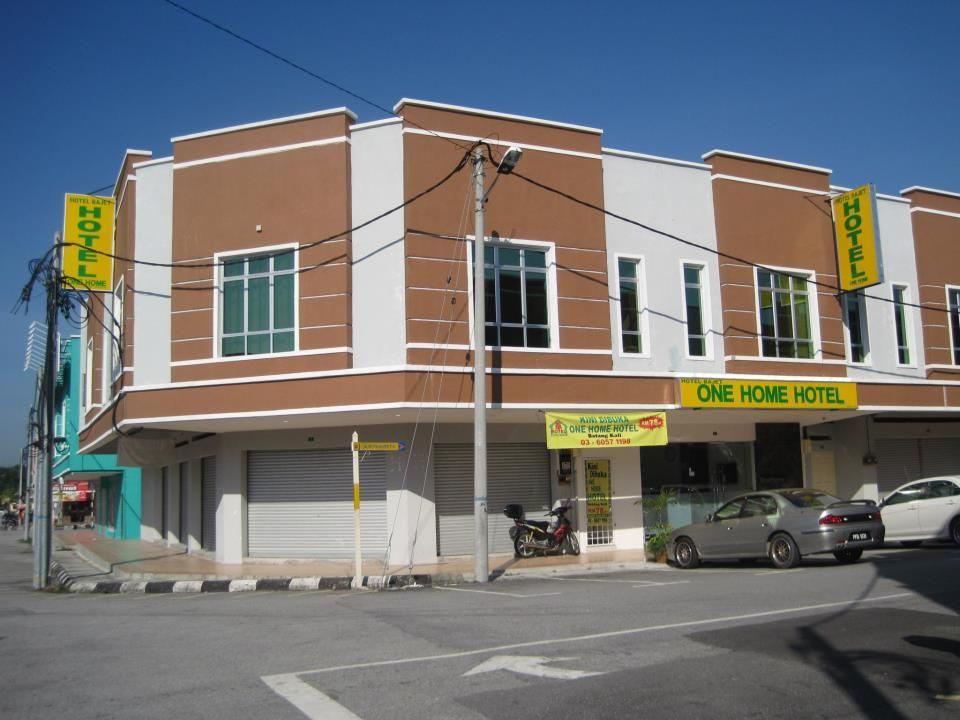
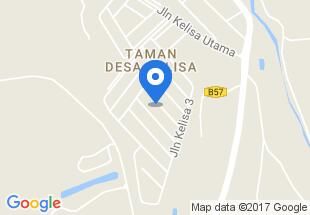
Best Hotels in Batang Kali
Discover curated hotel collections in Batang Kali


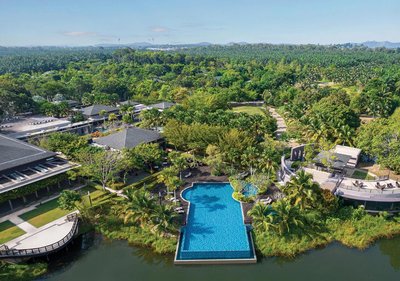
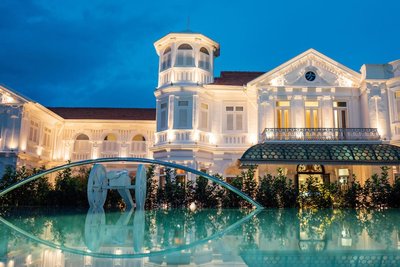
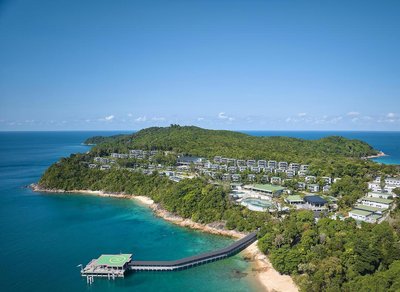
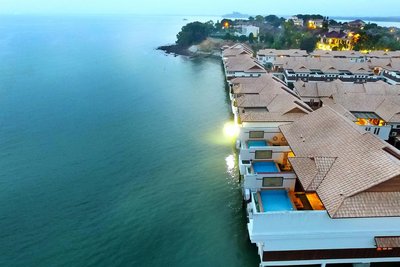
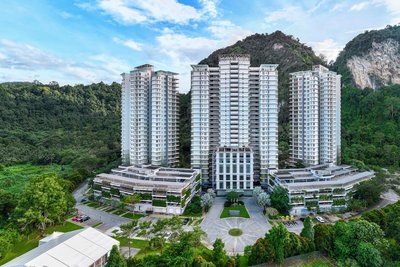
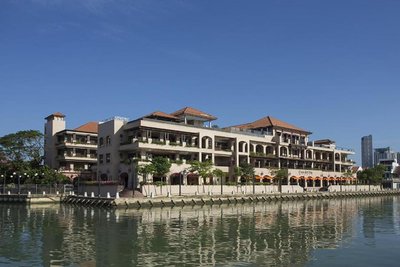
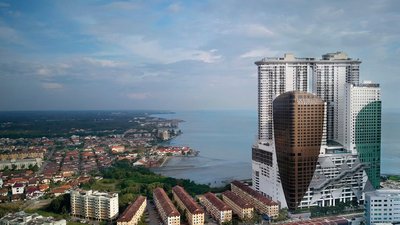
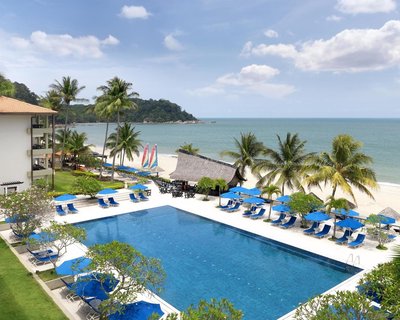
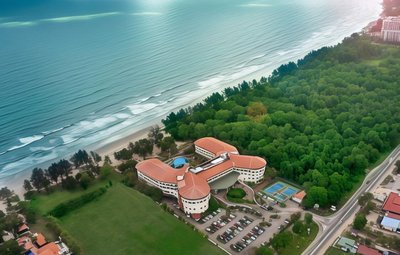
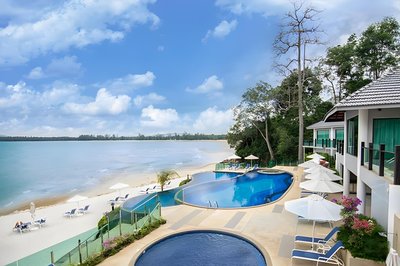
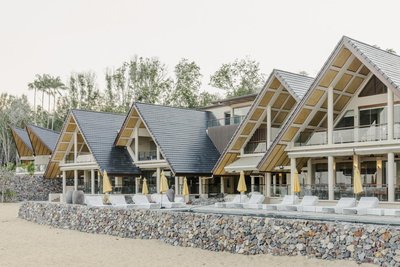
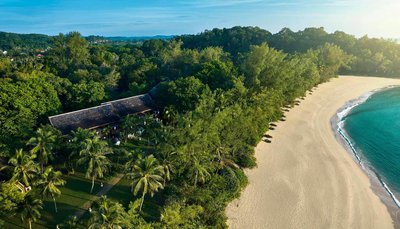
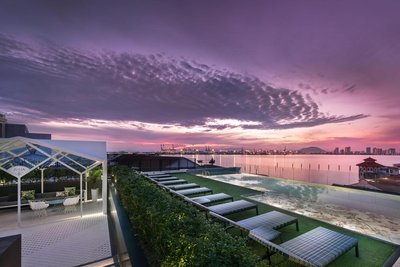
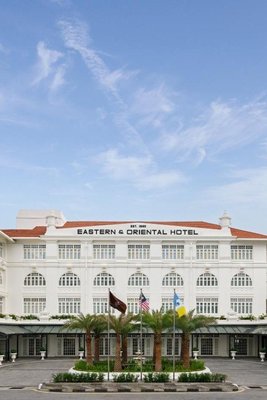
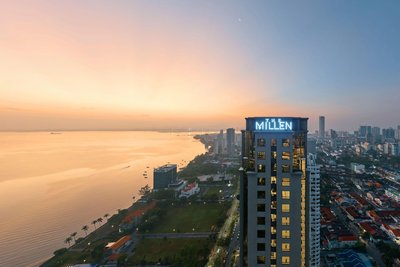
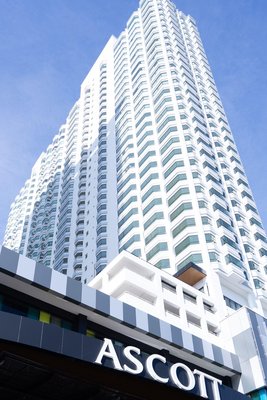
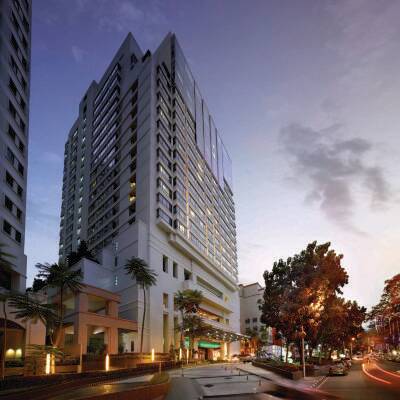
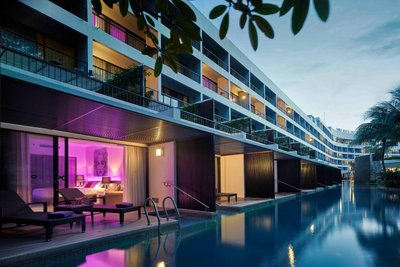
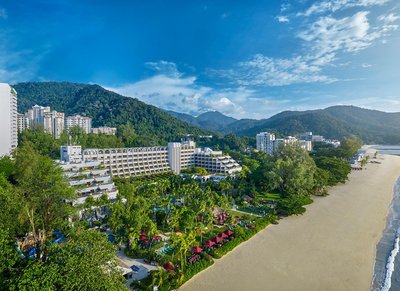
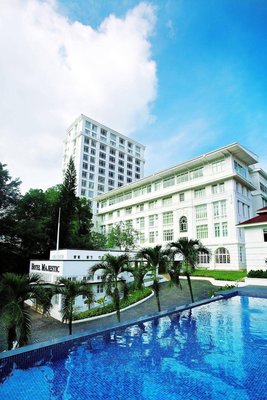
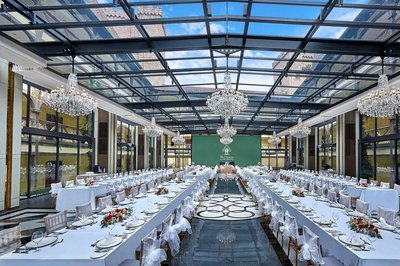
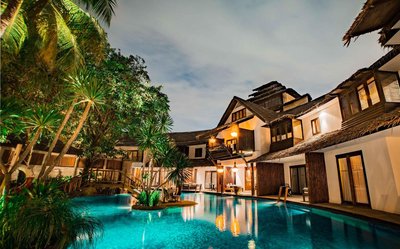
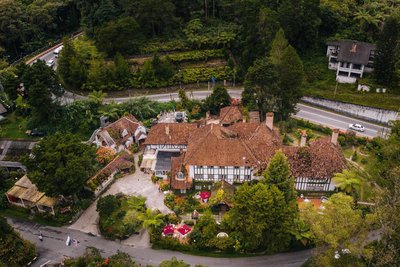
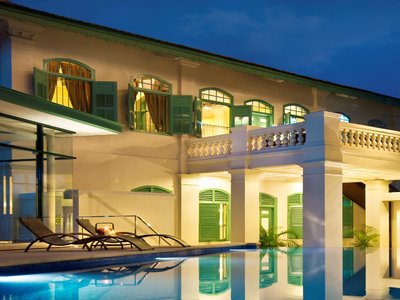

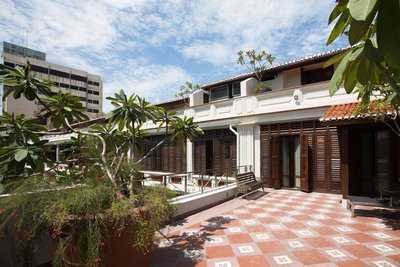
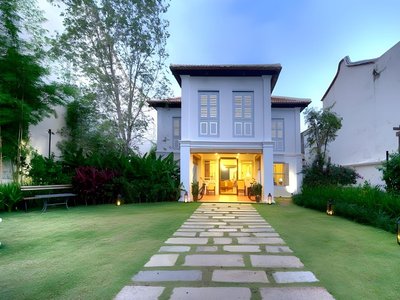

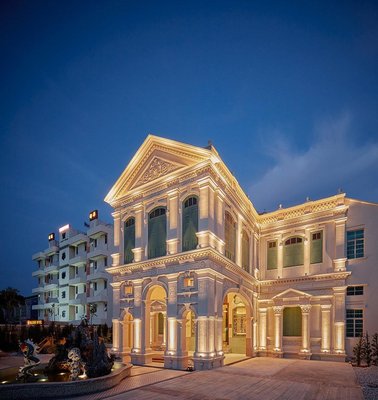
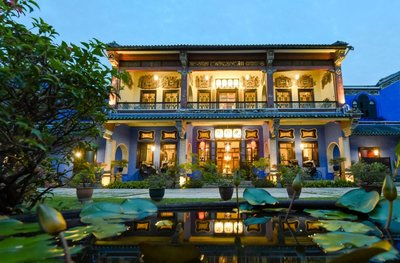

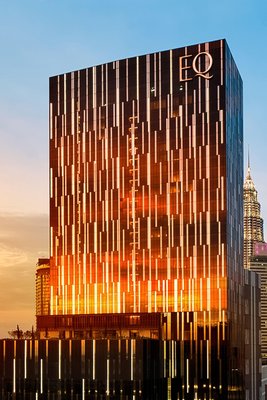
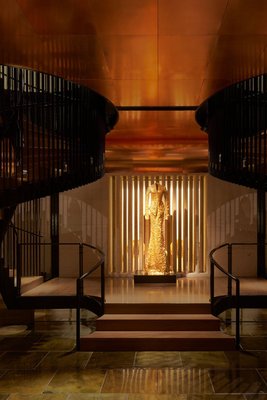
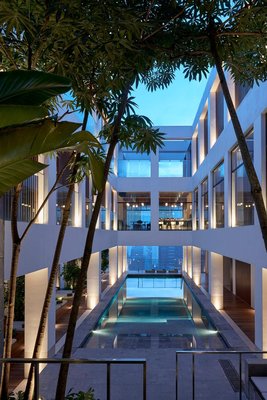
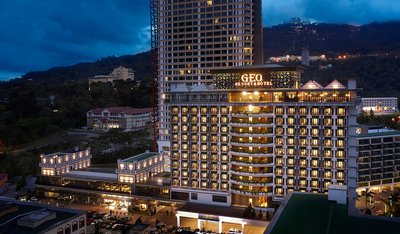


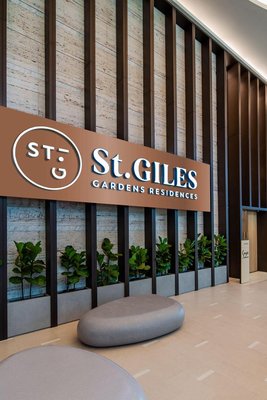
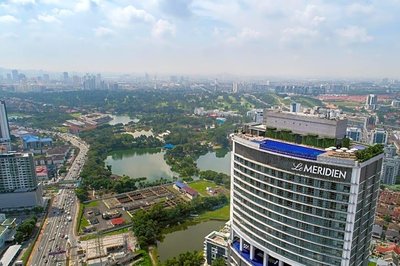
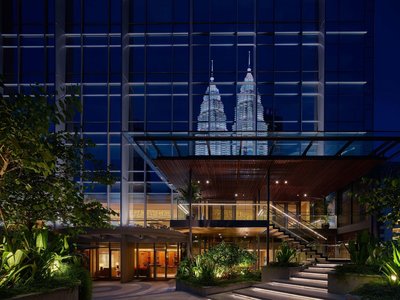
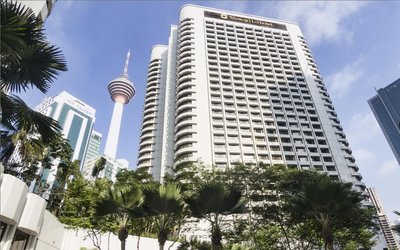
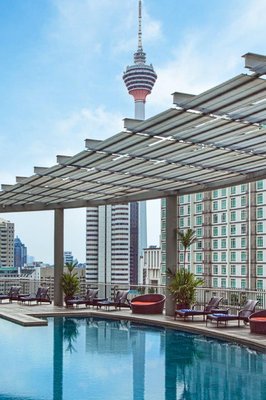
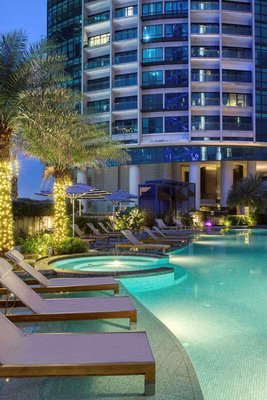
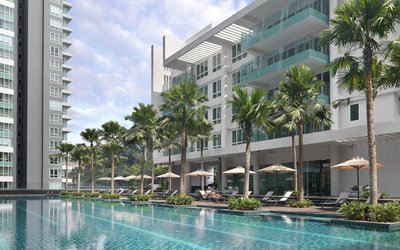













Frequently Asked Questions about Traveling to Batang Kali
Questions You Might Need to Know About Traveling to Batang Kali
In Batu Caves, top eco-friendly accommodations include Batu Caves Nature Lodge and Green Valley Eco-Cabin. These lodges use sustainable materials like bamboo and reclaimed wood in construction, minimize electricity usage through solar panels, and rely on rainwater harvesting systems. Located near the Batu Caves waterfall, they offer panoramic forest views with minimal environmental impact. Guests can participate in tree planting programs, guided nature walks, and organic farming workshops. The lodges also support local communities by sourcing food from nearby farms and hiring indigenous staff. Perfect for travelers seeking low-impact, immersive experiences in Malaysia’s lush highlands.
The best area to stay in Batu Caves for nature access is along the main road near the waterfall entrance. This zone offers direct walking distance to key trails such as the Rainforest Path and Cave Stream Trail, which wind through tropical jungle and lead to hidden waterfalls. Most guesthouses here are small eco-lodges or homestays built with natural materials, blending into the landscape. Many provide free shuttles to nearby attractions and have open-air lounges ideal for birdwatching. Staying here ensures morning hikes before crowds arrive, maximizing your time in the serene, biodiverse environment.
During your stay in Batu Caves, experience authentic Semai indigenous culture tours led by local elders. These include traditional storytelling sessions under the canopy, hands-on lessons in making rattan baskets and natural dyes from jungle plants, and visits to ancestral burial grounds with respectful rituals. You’ll also sample wild game dishes like roasted wild boar and fermented tubers prepared using age-old methods. Some lodges even host evening firelight gatherings where elders share myths about spirits of the forest. These immersive activities not only deepen cultural understanding but also support community-led conservation efforts in the region.
Yes, Batu Caves Youth Hostel and Jungle Hut Backpacker Inn are excellent budget options for backpackers. Both are located just a 10-minute walk from the Batu Caves waterfall, offering dormitory-style beds starting at RM40 per night. Amenities include shared kitchens, lockers, free Wi-Fi, and organized group hikes. The hostel runs weekly events like stargazing nights and cooking classes using local ingredients. With its central location and friendly atmosphere, it’s ideal for solo travelers and small groups looking to explore the area affordably while connecting with fellow adventurers.
Whispering Canopy Treehouse provides the most breathtaking forest views in Batu Caves. Perched atop a hill overlooking the Batu Caves waterfall, each glass-walled cabin offers 360-degree vistas of emerald-green treetops and misty valleys below. The private balconies are perfect for sunrise watching, while floor-to-ceiling windows let in natural light and sounds of wildlife. At night, the absence of city lights allows for stunning star gazing. The treehouse uses eco-friendly design principles—solar power, compost toilets, and non-invasive construction—making it a truly harmonious blend of luxury and nature.
Try the Indigenous Forest Feast at Batu Caves Eco-Lodge, where meals are prepared by Semai tribespeople using wild-foraged ingredients. Dishes include roasted mountain pork, banana leaf-wrapped rice cooked over fire, and wild honey-glazed vegetables. The feast is served outdoors in a clearing, accompanied by traditional drumming and stories about the forest. You can also join a foraging workshop to learn how to identify edible plants safely. This experience connects you deeply with the land and supports sustainable food practices, making it a must-try for adventurous eaters.
Absolutely. Whispering Canopy Treehouse is ideal for couples wanting a romantic escape. Nestled above the Batu Caves waterfall, each private treehouse features a rooftop hot tub, ambient lighting, and a glass wall facing the forest. Couples can enjoy private breakfasts in bed, candlelit dinners on the balcony, and sunrise yoga sessions together. The secluded setting ensures privacy, while nightly guided forest walks enhance intimacy. With no cell service and minimal noise, it’s a perfect retreat for reconnection and relaxation amidst nature’s beauty.
Photography enthusiasts should visit the Dawn Light Platform at Batu Caves Nature Lodge, which offers an unobstructed view of the morning sun rising behind the waterfall. The platform is designed specifically for long-exposure shots of flowing water and mist. Other prime spots include the Canopy Bridge, where you can capture silhouettes of trees against a vibrant sky, and the Fern Gully, filled with intricate textures and natural patterns perfect for macro photography. Many lodges also offer photography workshops led by local artists focusing on light, composition, and ethical wildlife imaging in the rainforest.
Yes, Batu Caves is highly accessible for self-drive travelers. From Kuala Lumpur, it’s just a 1-hour drive via Klang Road, with clear signage leading to the main village. Most accommodations offer free parking, and rental cars can easily navigate the well-maintained rural roads. You can customize your itinerary—hike early morning trails, stop at roadside fruit stalls, or explore hidden caves. Bring insect repellent and check weather conditions before driving, especially during monsoon season when some forest paths may be slippery. A car gives you freedom to explore at your own pace.
Batu Caves Group Retreat Camp offers tailored group experiences including team-building challenges like forest navigation, ropes courses, and eco-trivia games based on local biodiversity. The camp has a large open-air pavilion for presentations, a fire pit for evening gatherings, and spacious grassy areas for outdoor games. They also organize community cooking sessions where groups prepare traditional dishes together using local produce. All activities are led by trained facilitators who prioritize safety and inclusivity. Ideal for schools, corporate teams, or friend groups aiming to bond through meaningful, nature-based experiences.
Batang Kali Overview
City Summary
Batang Kali, located in Selangor, Malaysia, is renowned for its natural beauty and eco-tourism. This small town is surrounded by lush tropical rainforests, clear rivers, and abundant wildlife, making it an ideal escape from urban life. The Hutan Lipur Ulu Selangor (Ulu Selangor Recreational Forest) is a paradise for hikers and nature lovers, offering numerous trails and camping sites. Additionally, the waterfalls and hot springs here are must-visit attractions.
Must-See Attractions
The Hutan Lipur Ulu Selangor is a must-visit destination, featuring stunning waterfalls and rich biodiversity. The Batang Kali Waterfall is one of the most popular spots, perfect for swimming and picnics. The Batang Kali Hot Springs are famous for their natural thermal waters, believed to benefit skin and health. Adventure seekers can enjoy jungle trekking or camping to immerse themselves in nature.
Food Guide
Batang Kali's cuisine is centered around traditional Malaysian dishes, especially street food. Don't miss Satay, Nasi Lemak, and Laksa. The local night market (Pasar Malam) is a great place to sample authentic delicacies and fresh tropical fruits. The town's coffee shops are also worth a visit, particularly for their white coffee (Kopi Putih).
Transportation Guide
Transportation in Batang Kali primarily relies on private cars and taxis, with limited public transport options. From Kuala Lumpur, visitors can take a bus or train to nearby towns and then a taxi to Batang Kali. Self-driving or hiring a car is recommended for greater flexibility in exploring the area. Roads are well-maintained, but some attractions may require hiking or off-road vehicles.
Best Time to Visit
The best time to visit is during the dry season (March to October), when the weather is sunny and ideal for outdoor activities. The rainy season (November to February) may disrupt hiking and camping plans, but waterfalls and rivers will be more spectacular.
Travel Tips
- Dress lightly: Batang Kali is hot and humid, so wear breathable clothing and comfortable shoes.
- Mosquito protection: Tropical forests have many insects; bring repellent.
- Respect local culture: Batang Kali is predominantly Malay; observe Islamic customs.
- Eco-consciousness: Avoid littering to protect the environment.
- Safety first: Follow guides or signs when hiking; avoid unmarked areas.
- Carry cash: Some spots and stalls may not accept cards.
Useful Information
Language: Malay is the main language, but English and Chinese are also widely spoken. Internet: 4G coverage is available in town but may be weak in natural areas. Payment: Cash is preferred; some businesses accept cards or e-payments. Emergency care: Small clinics are available; serious cases require hospitals in Kuala Lumpur. Voltage: 220V, with UK-style three-pin plugs. Time zone: UTC+8, same as the rest of Malaysia.
Other Cities You Might Like
Explore more amazing destinations