Hotels in Batu Caves
Discover your perfect stay in Batu Caves.
Batu Caves(Malaysia) Travel 2026: Cheap Flights, Hotels & Top Attractions
Popular Landmarks in Batu Caves
Discover the most iconic attractions in Batu Caves
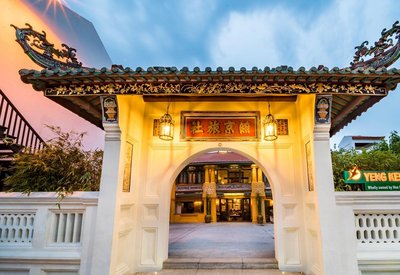
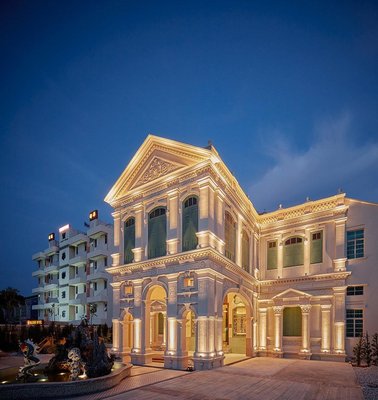
Recommended Hotels in Batu Caves
Find the perfect place to stay in Batu Caves
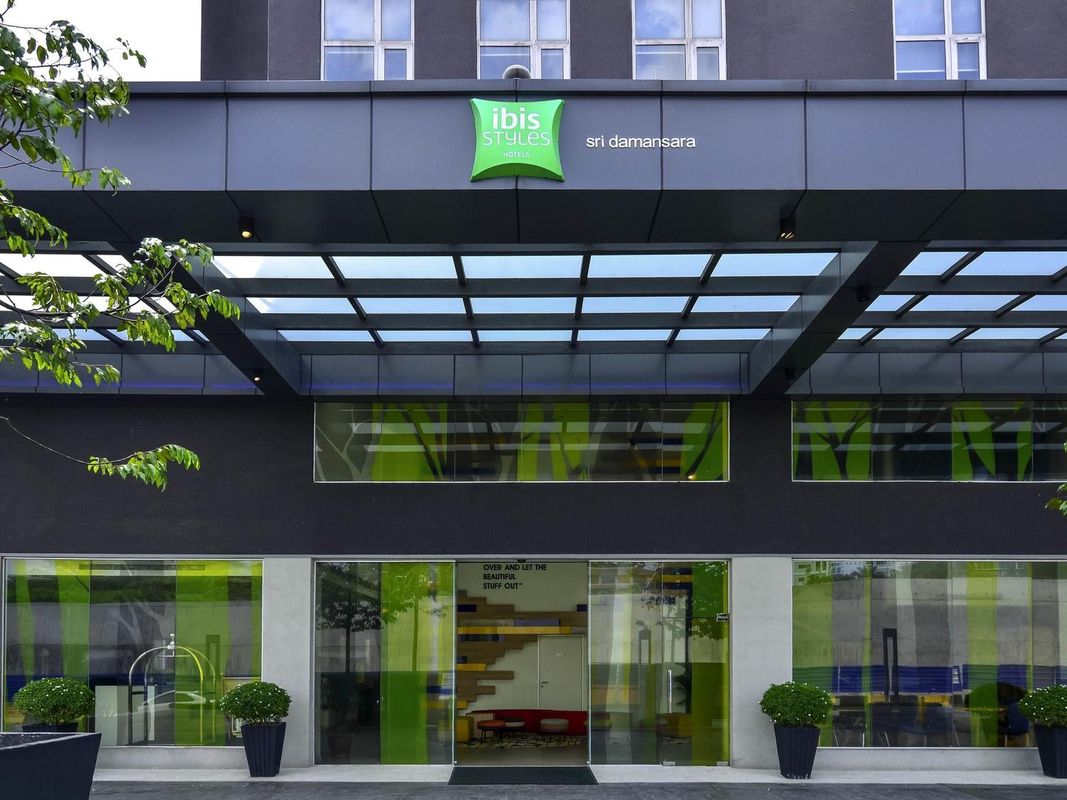
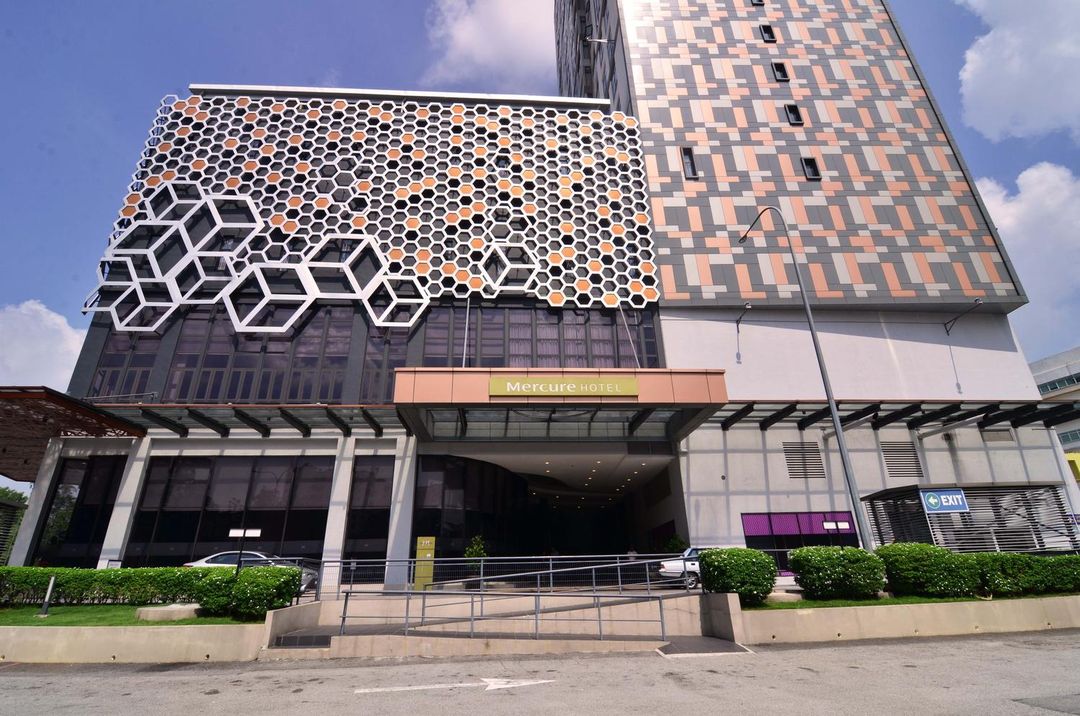
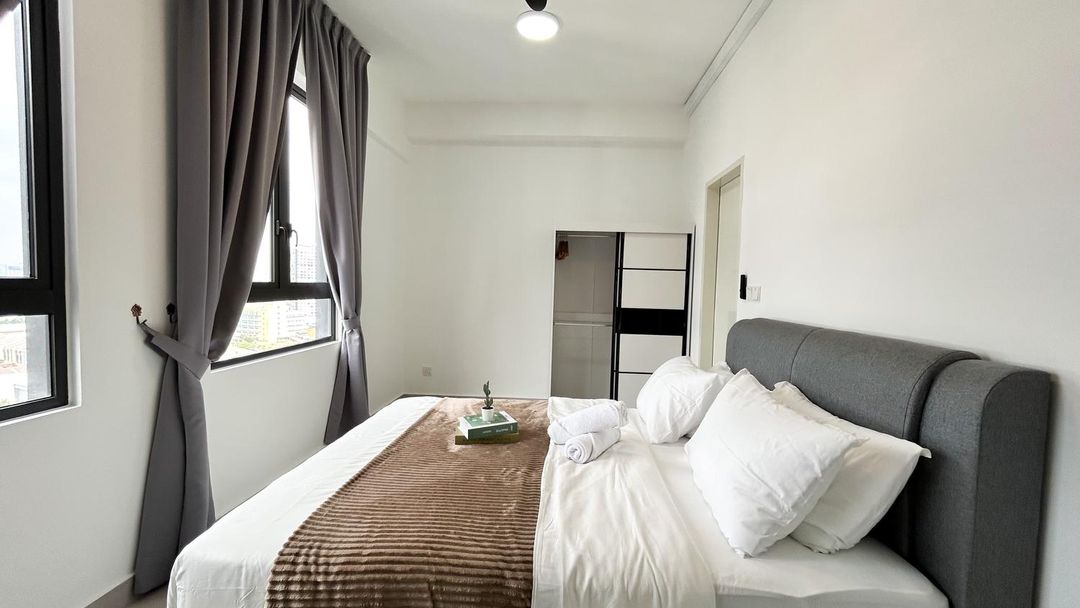
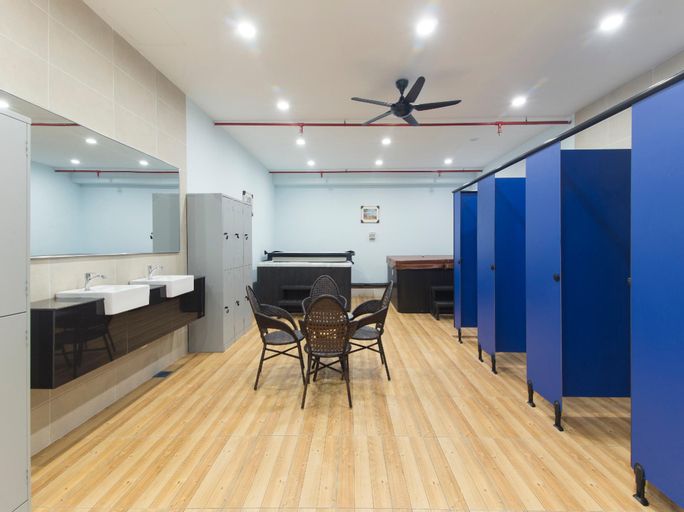
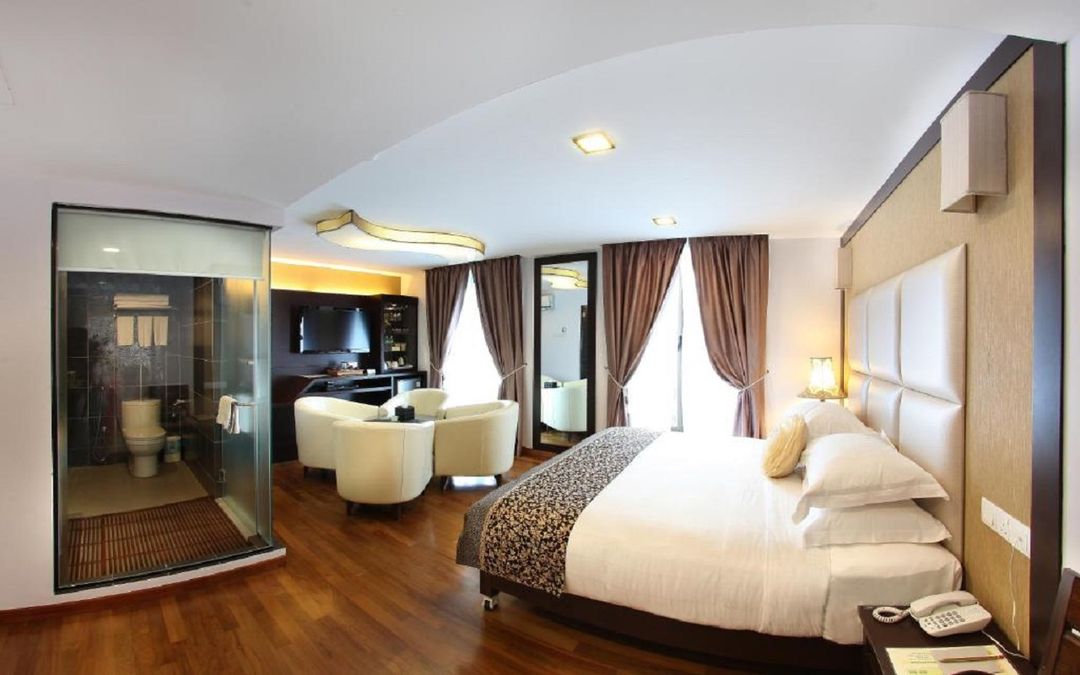
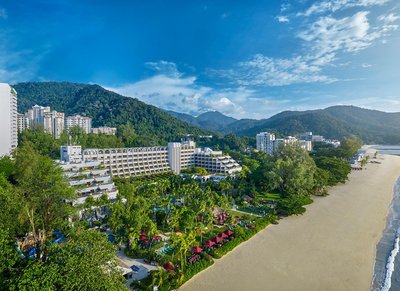
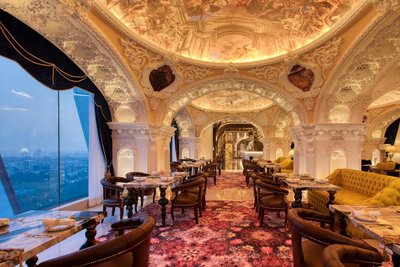
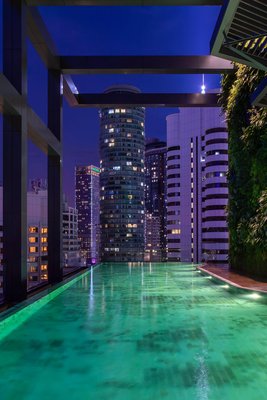
Best Hotels in Batu Caves
Discover curated hotel collections in Batu Caves
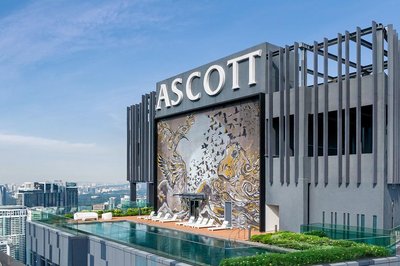
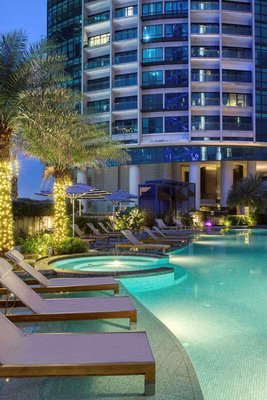
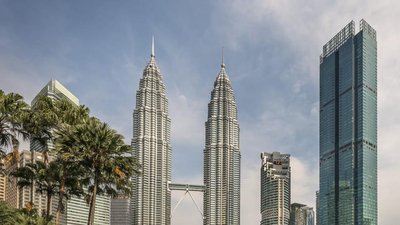
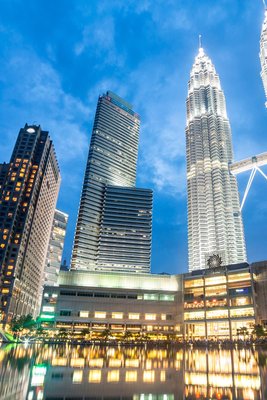
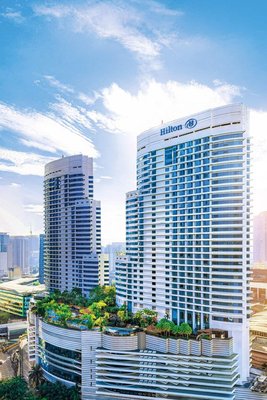
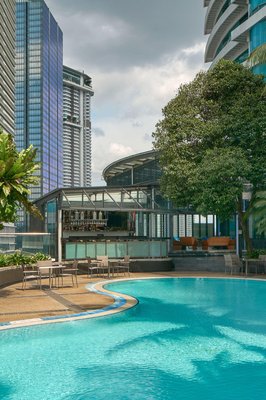
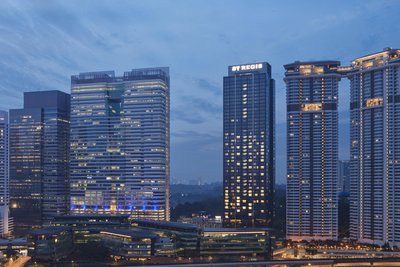
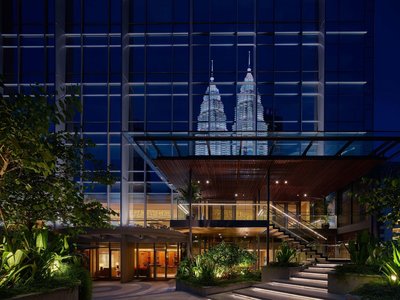
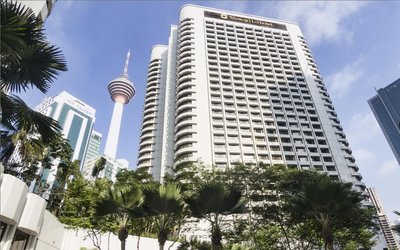
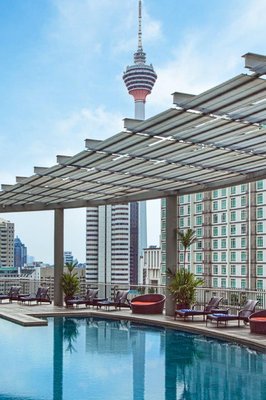
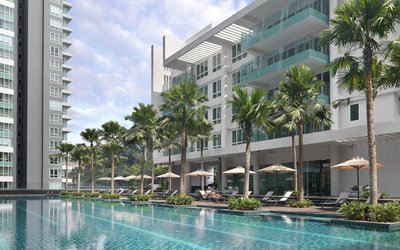

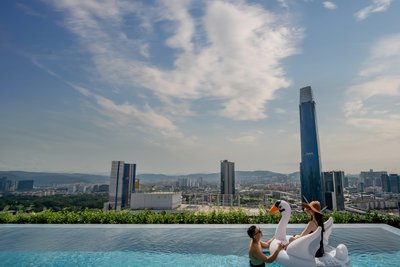
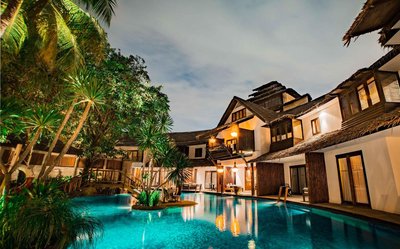
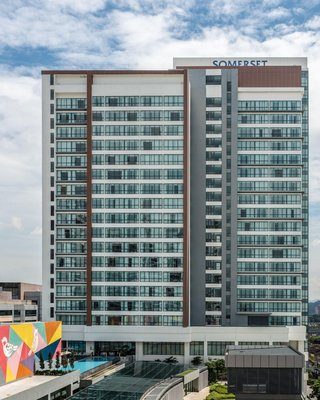
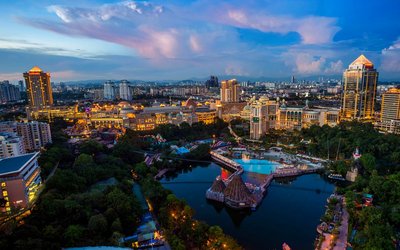
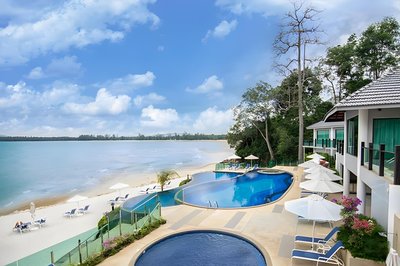
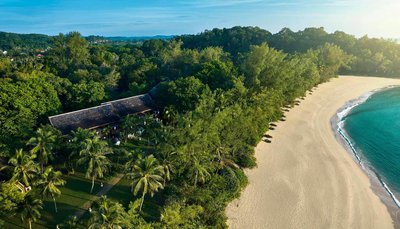
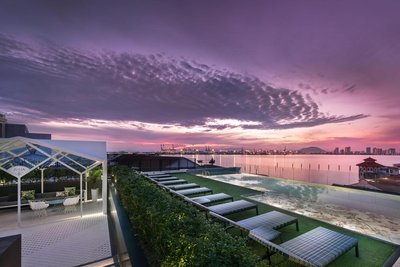
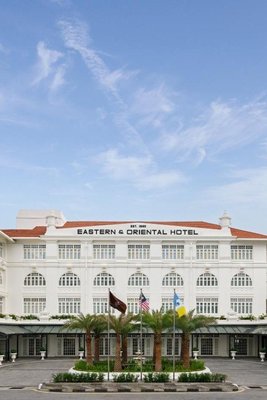

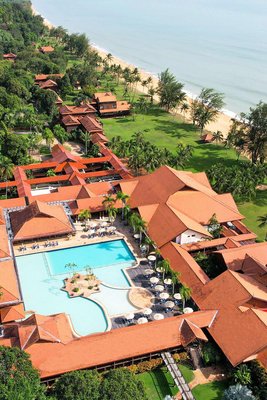
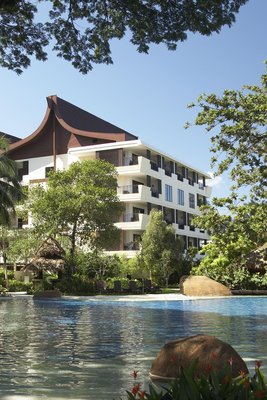
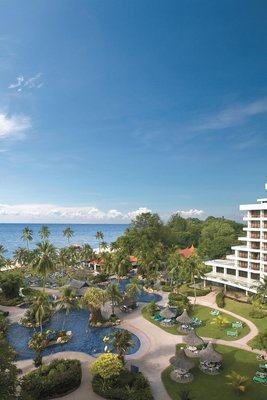
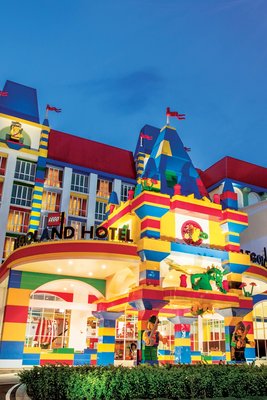
Frequently Asked Questions about Traveling to Batu Caves
Questions You Might Need to Know About Traveling to Batu Caves
For an authentic cultural experience, stay at Batu Caves Resort Hotel, located just steps from the Hindu temple complex. This hotel offers traditional Malay-Indian architecture, daily spiritual talks, and guided tours to the cave shrines and light show. Guests can participate in Thaipusam festival preparations, including offering rituals and community meals. The property also features a temple garden with sacred plants and statues. For deeper immersion, book a homestay like Sri Maha Mariamman Temple Guesthouse, where hosts share personal stories and offer vegetarian meals prepared according to Hindu traditions. Ideal for travelers seeking spiritual connection and local insight.
The foot of the hill near the main entrance is the best area to stay in Batu Caves. It’s within walking distance of the temple complex, cave entrances, and food stalls, offering convenience and safety. Hotels here, such as Hotel Batu Caves and Cave View Inn, provide free shuttle services to the site and have family-friendly amenities. The area buzzes with activity but remains calm at night. Avoid the summit accommodations—steep paths make access difficult, especially for elderly or children. Staying lower allows you to enjoy morning prayers, afternoon sightseeing, and evening light shows without fatigue. Plus, it’s ideal for early risers who want to witness sunrise over the golden dome.
Don’t miss the Thaipusam pilgrimage, held annually in December or January. Thousands of devotees trek barefoot up the 168 steps, carrying heavy kavadis as acts of devotion to Lord Murugan. Witnessing this powerful ritual offers deep insight into Hindu faith and endurance. Inside the caves, visit the main shrine housing the towering Shiva statue and explore the ancient murals depicting scenes from the Ramayana. Attend a spiritual talk or traditional dance performance offered by temple guides. If visiting during festival season, join a prayer ceremony or try offering flower garlands. These immersive experiences connect you directly to Malaysia’s vibrant Indian heritage.
Absolutely—the night view at Batu Caves is spectacular. Every evening at 7 PM, the cave interiors light up with colorful LED projections, transforming the rock walls into a glowing canvas. The golden dome, illuminated against the dark sky, creates a breathtaking silhouette. The staircase lighting and festival stage add drama, especially during Thaipusam when crowds gather for ceremonies. Many visitors come specifically for the light show, which lasts about 30 minutes. Bring a jacket—the cave stays cool even in summer. Capture long-exposure photos of the light trails and starry skies. It’s one of the most photogenic moments in Southeast Asia.
Start at 6:30 AM to avoid crowds and heat. Climb the 168 steps to the main temple, enjoying the serene morning light. Visit the Shiva shrine, mural gallery, and offerings hall before 9 AM. Have breakfast at Batu Caves Food Court—try sambhar roti and idli. Afterward, explore the cave museum or join a guided tour to hidden chambers. Return around 4 PM to watch the light show and sunset. Spend your final hour shopping at souvenir stalls or relaxing at a rooftop café. Total time: 6–7 hours. Wear sturdy shoes, carry water, and use sunscreen. Avoid midday visits due to intense heat and humidity.
Yes! The golden dome at the top of the 168 steps is a must-photograph spot—its reflection glows under sunlight. The red archway at the cave entrance makes a striking backdrop for travel photos. Inside, the illuminated cave walls during the light show create a surreal, artistic setting perfect for creative shots. Use a tripod and slow shutter speed for light trails. The statue courtyard with its intricate carvings and greenery offers depth and texture. Don’t miss the bridge over the waterfall near the temple garden—ideal for wide-angle landscape photos. Many local photographers offer photo sessions near the temple; book ahead for professional results. Early morning or late afternoon gives the best natural lighting.
Must-try dishes include sambhar roti—a crispy flatbread stuffed with spiced potatoes, served with tangy chutney. Try idli with coconut chutney and sambar, a soft steamed rice cake. For something sweet, sample banana leaf-wrapped pulao or pandan jelly. At Sri Maha Mariamman Temple Food Court, enjoy fresh, hygienic meals prepared by temple volunteers. The Indian street food stalls near the entrance serve grilled satay and masala chai. For a unique experience, join a cooking class to learn how to make traditional Hindu festival dishes like kheer or ladoo. These culinary adventures deepen your cultural understanding while satisfying your taste buds.
Yes, Batu Caves is easily accessible without a car. Take the LRT Line from KL Sentral to Batu Caves Station—just 25 minutes and about RM3 one-way. The station connects directly to the temple entrance via a covered walkway. Alternatively, use ride-hailing apps like Grab or DiDi, which operate throughout the area. Buses run from KL City Bus Terminal and Ampang Park. However, during Thaipusam, traffic congestion increases significantly, so arrive early. For groups or families, renting a car offers flexibility, especially if combining visits to nearby attractions like Genting Highlands or Shah Alam. Public transport is reliable and affordable.
Yes, Batu Caves is safe for solo travelers. The area has strong security presence, well-lit pathways, and clear signage. Most tourists are friendly and open-minded—perfect for meeting fellow explorers. Stay at Batu Caves Backpackers Hostel or Cave View Inn, which offer shared spaces, lockers, and organized activities like guided hikes and cultural workshops. Solo visitors can join group tours or spiritual retreats hosted by temple volunteers. Morning climbs are quieter and safer. Just avoid isolated areas after dark and keep valuables secure. With proper awareness, solo travel here offers freedom, self-discovery, and rich cultural encounters.
Batu Caves has a tropical climate—hot and humid year-round, with temperatures between 25–32°C. The best time to visit is October to March, when rainfall is minimal and skies are clearer. Avoid May to September, the rainy season, when sudden downpours can make paths slippery and disrupt outdoor plans. Always carry a lightweight raincoat, sunscreen, and breathable clothing. The cave interior stays cool (~20°C), so bring a light jacket. During Thaipusam, expect high humidity and large crowds—prepare with moisture-wicking gear and hydration packs. Midday heat can be intense; schedule activities for early morning or late afternoon for comfort and better photos.
Batu Caves Overview
City Summary
Batu Caves is a renowned Hindu shrine in Selangor, Malaysia, famous for its towering limestone caves and vibrant staircase. This sacred site combines spiritual significance with natural wonders, housing the deity Lord Murugan in its main cavern. The annual Thaipusam festival draws massive pilgrimages, while the surrounding karst landscape offers rich biodiversity for nature enthusiasts.
Must-See Attractions
The iconic 272 rainbow-colored steps lead to the Temple Cave, where stalactites blend with Hindu altars. Don't miss the 42.7m golden Lord Murugan statue - among the world's tallest. Visit early morning to avoid crowds; during monsoon, the "heavenly light" piercing through cave openings is magical. Nearby Dark Cave requires guided tours to explore unique subterranean ecosystems.
Food Guide
Food stalls serve South Indian vegetarian fare like banana leaf rice and crispy thosai. Must-try Malaysian rojak salad mixes fruits with savory shrimp paste. Weekend roti canai food carts pair perfectly with frothy teh tarik (pulled tea). Bring small change as most vendors are cash-only.
Transportation Guide
Take KTM Komuter from KL Sentral to Batu Caves station (30mins, RM2.4). Grab rides cost RM15-25. Site is walkable but wear grippy shoes for steep steps. Arrive before 9am on weekends for parking. Avoid surrounding roads during rush hours (7-9AM/5-7PM).
Best Time to Visit
Ideal during dry seasons (Jun-Jul & Dec-Jan), excluding Thaipusam (Jan-Feb) crowds. Monsoon (Nov-Mar) brings slippery steps but fewer visitors. Weekday mornings offer cooler temps and soft lighting for photography.
Travel Tips
- Remove footwear before temples; thick socks prevent burnt soles
- Cover shoulders/knees - sarongs available for rent
- Never touch or point at deities; ask before photographing
- Beware of staircase monkeys - no food or flash photography
- No alcohol/smoking/loud noises inside caves
- Carry small change for donations or offerings
- Download offline maps due to spotty signals
Useful Information
Language: English/Malay/Tamil spoken; trilingual signage. Internet: Free WiFi in tourist zones; prepaid SIMs (Digi/Celcom) recommended. Cash: Most stalls cash-only; ATMs at entrance. Medical: Nearest clinic in Batu Caves town (3km); emergency dial 999. Restrooms: Paid toilets (RM0.5) at base with basic hygiene. Taboos: Menstruating women prohibited in main shrine; pregnant visitors cautioned on steep steps.
Other Cities You Might Like
Explore more amazing destinations