Hotels in Belmonte
Discover your perfect stay in Belmonte.
Belmonte(Portugal) Travel 2026: Cheap Flights, Hotels & Top Attractions
Popular Landmarks in Belmonte
Discover the most iconic attractions in Belmonte
Recommended Hotels in Belmonte
Find the perfect place to stay in Belmonte
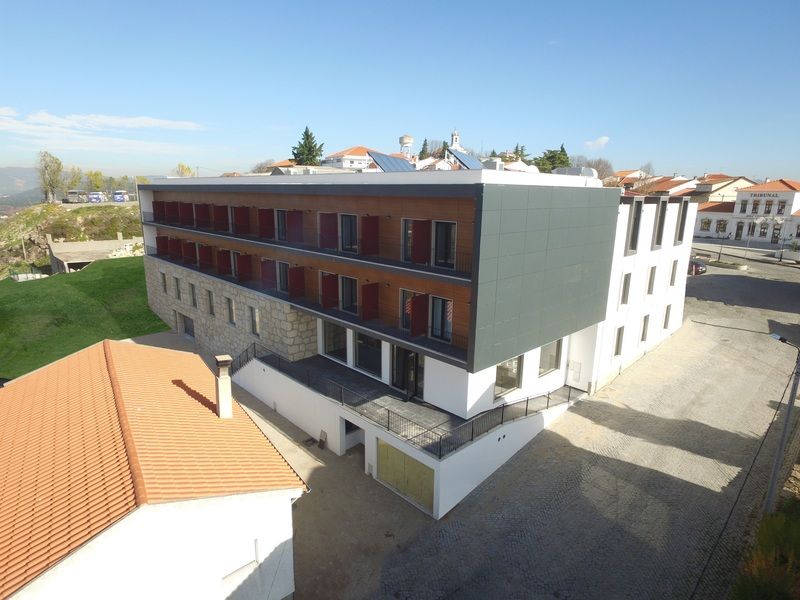
Belmonte Sinai Hotel
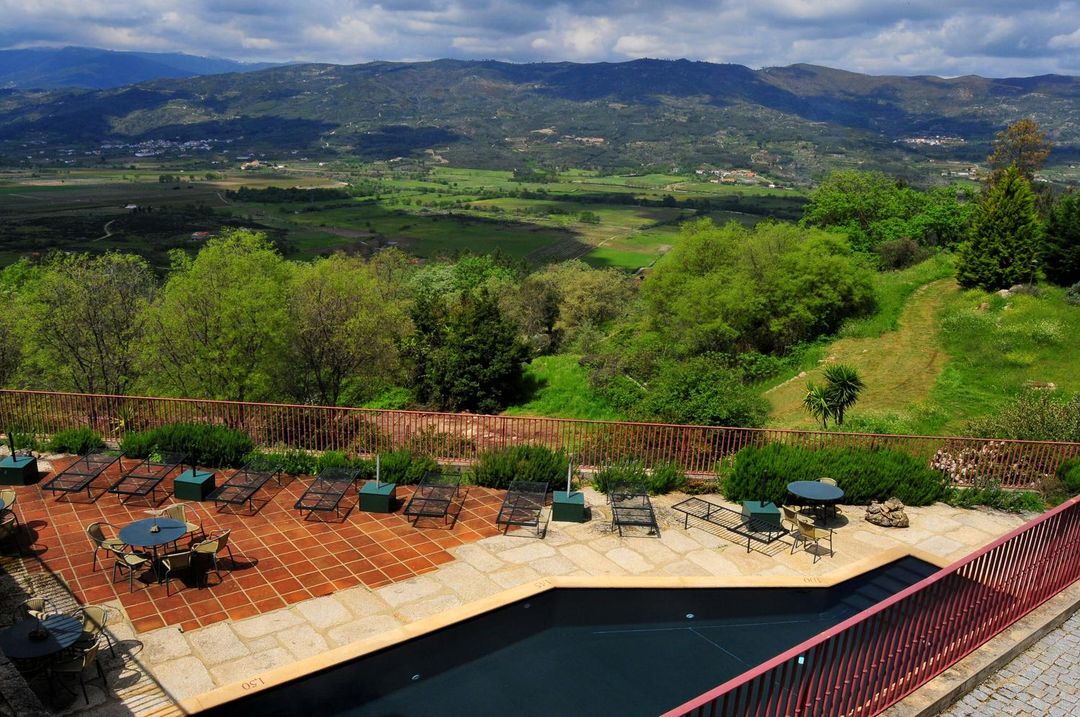
Pousada Convento de Belmonte
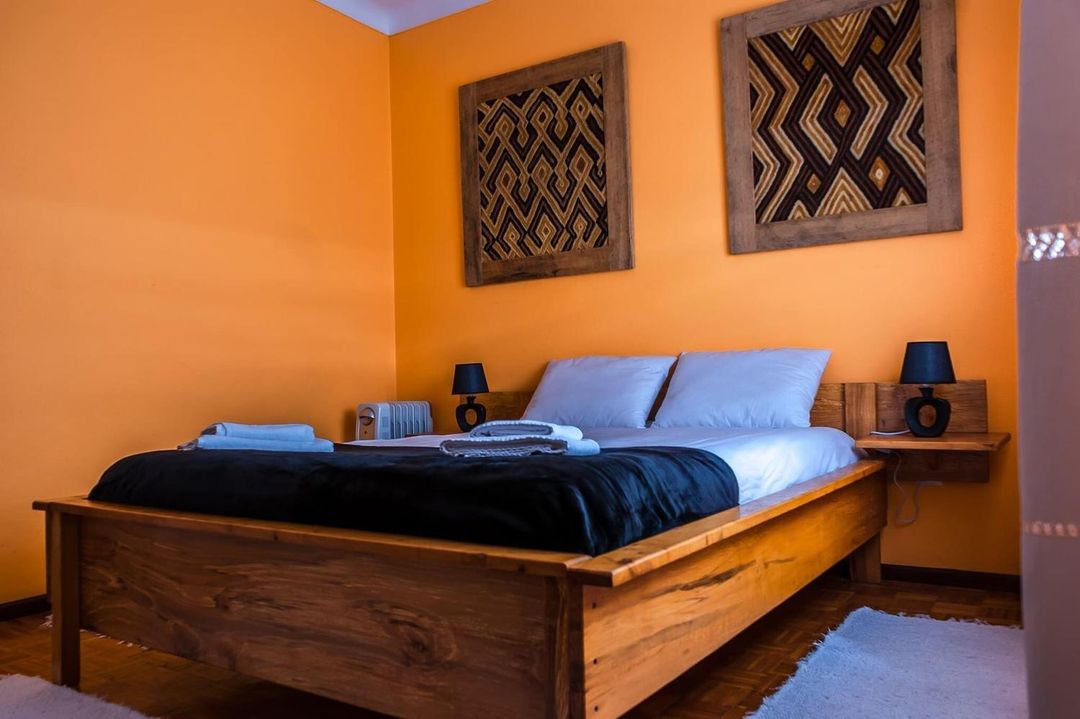
Fonte D Rosa - Belmonte
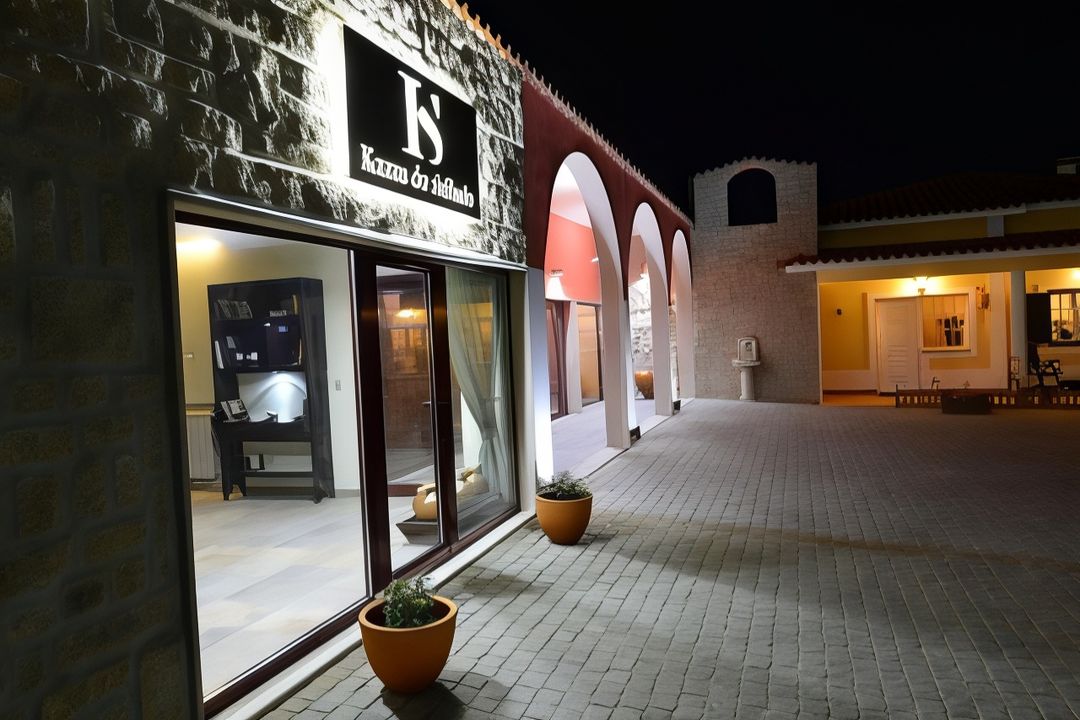
Kazas do SeRado
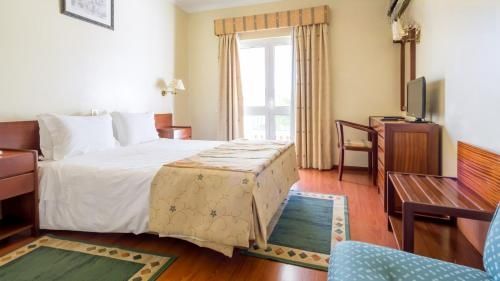
Hotel Belsol
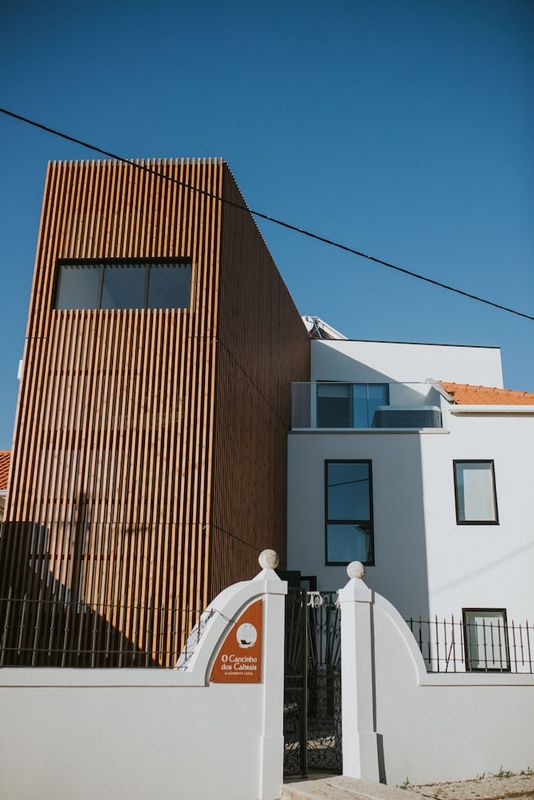
O Cantinho Dos Cabrais B&B
Best Hotels in Belmonte
Discover curated hotel collections in Belmonte
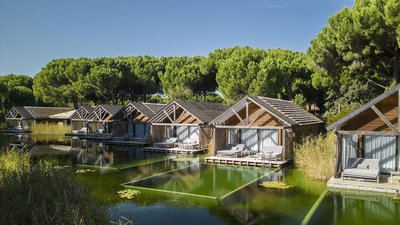
Sublime Comporta Country Retreat & Spa
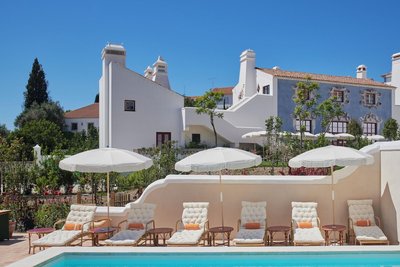
Vermelho Melides - Relais & Châteaux
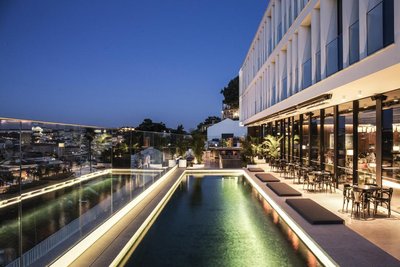
Memmo Príncipe Real - Design Hotels
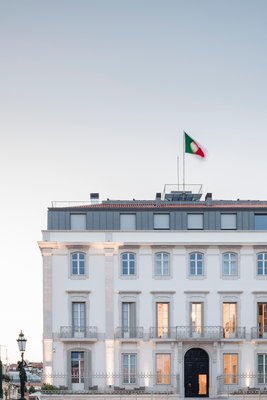
Verride Palácio Santa Catarina
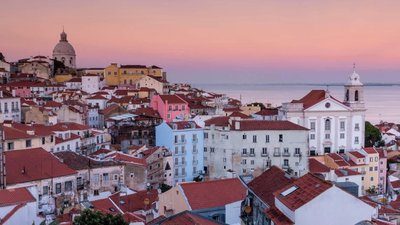
Four Seasons Hotel Ritz Lisbon
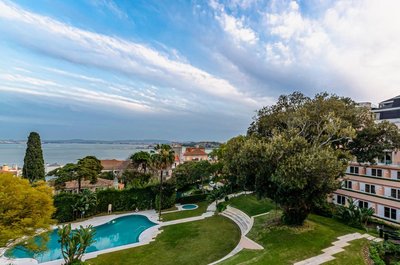
Olissippo Lapa Palace – The Leading Hotels of the World
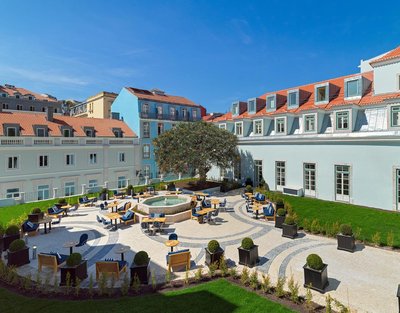
The One Palácio da Anunciada
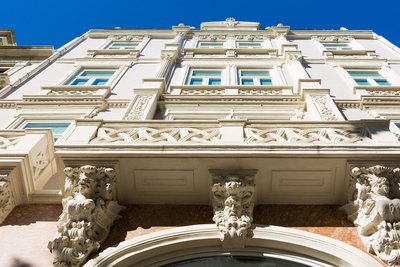
Hotel Valverde Lisboa - Relais & Chateaux
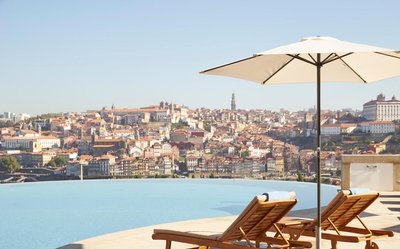
The Yeatman
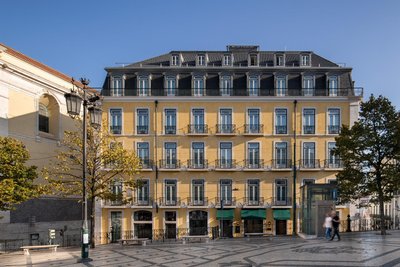
Bairro Alto Hotel
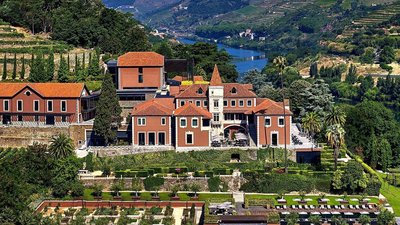
Six Senses Douro Valley
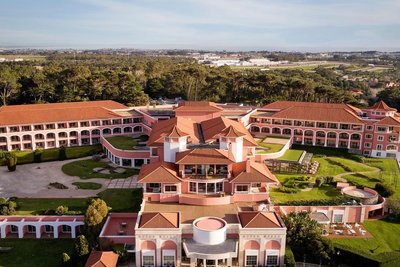
Penha Longa Resort
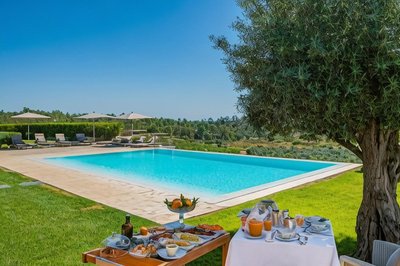
Herdade da Malhadinha Nova - Relais & Châteaux
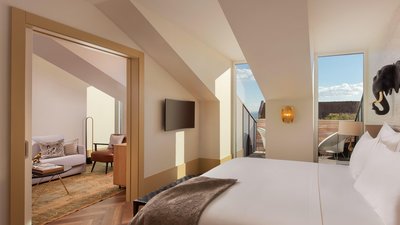
The Ivens, Autograph Collection
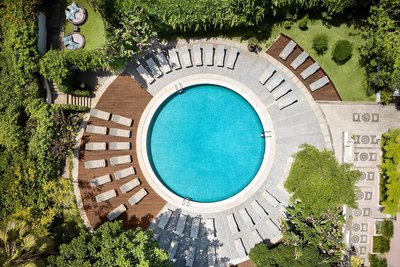
Tivoli Avenida Liberdade
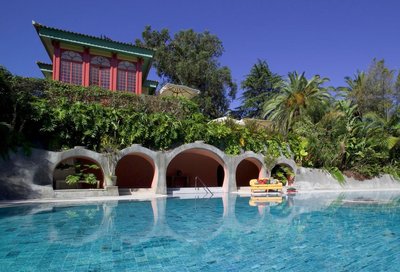
Pestana Palace Lisboa Hotel & National Monument - the Leading Hotels of the World
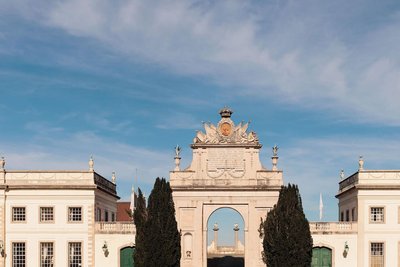
Valverde Sintra Palácio de Seteais - the Leading Hotels of the World
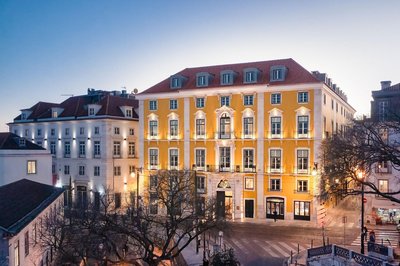
Palácio Ludovice Wine Experience Hotel
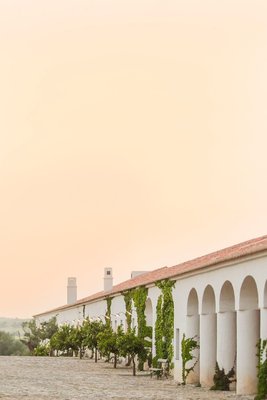
São Lourenço do Barrocal
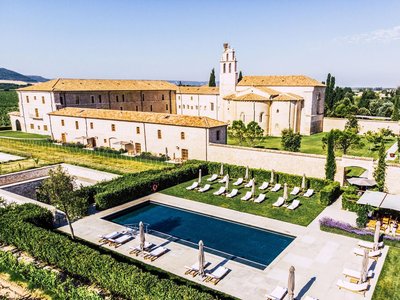
Abadia Retuerta LeDomaine
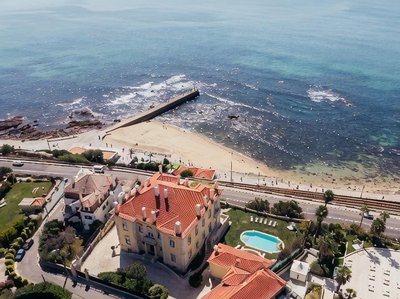
Estoril Vintage Hotel
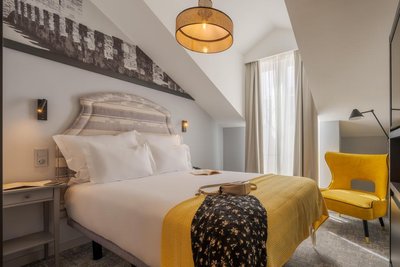
Pousada Alfama

AC Hotel Palacio Universal
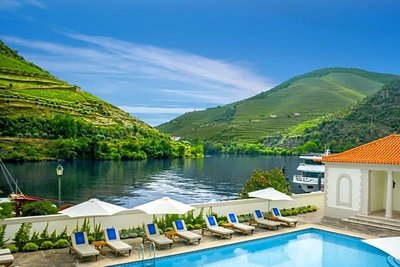
The Vintage House - Douro
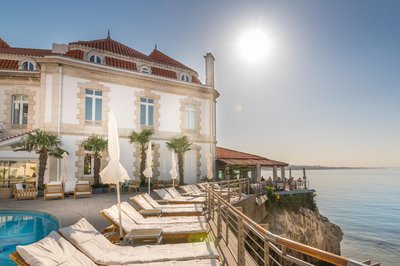
The Albatroz Hotel
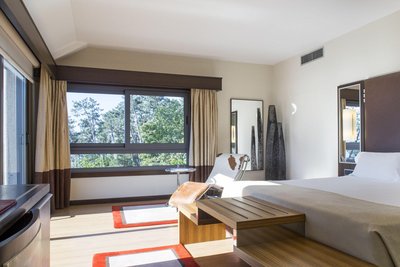
Gran Talaso Hotel Sanxenxo
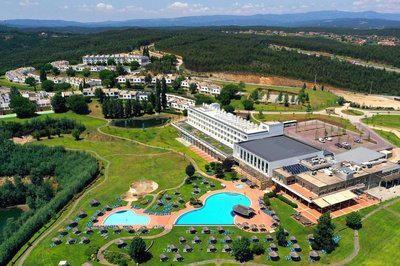
Montebelo Aguieira Lake Resort & Spa
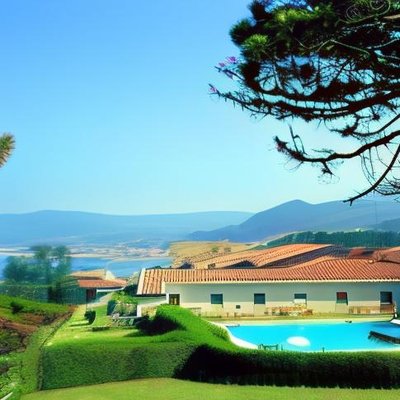
Parador de Baiona
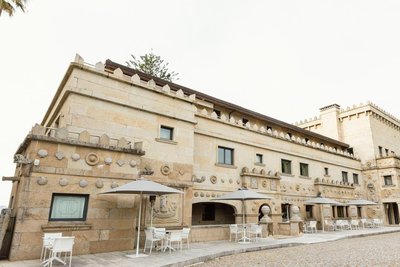
Pazo Los Escudos Hotel Spa & Resort
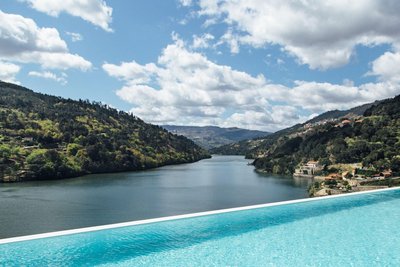
Douro Royal Valley Hotel & Spa
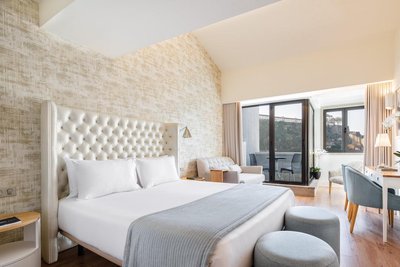
Eurostars Porto Douro
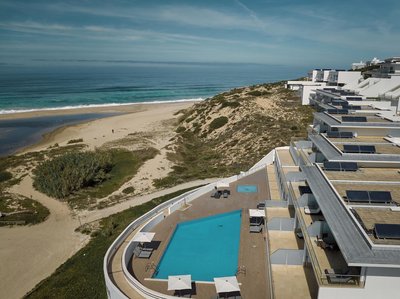
The Beachfront - Praia d'El Rey Golf & Beach Resort
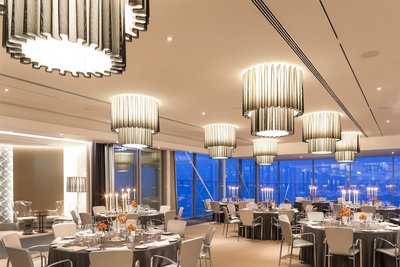
MYRIAD by SANA Hotels
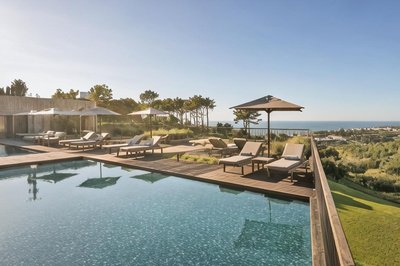
Immerso Hotel, a Member of Design Hotels
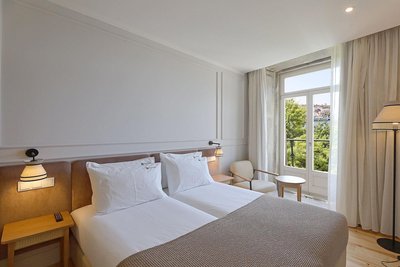
Memoria Porto FLH Hotels
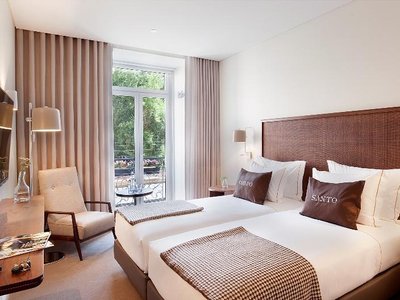
Corpo Santo Lisbon Historical Hotel
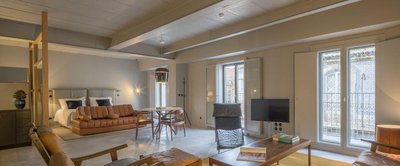
Raw Culture Art & Lofts Bairro Alto
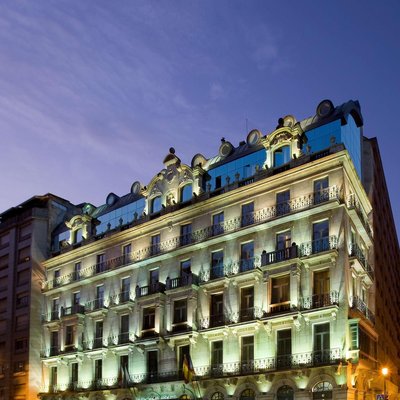
NH Collection Vigo
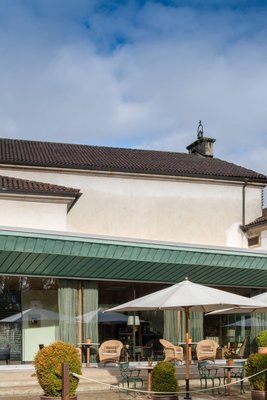
Hotel Palacio del Carmen, Autograph Collection
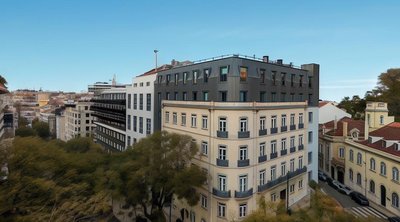
The Vintage Hotel & Spa – Lisbon

Dom Pedro Lisboa Hotel, a member of Radisson Individuals
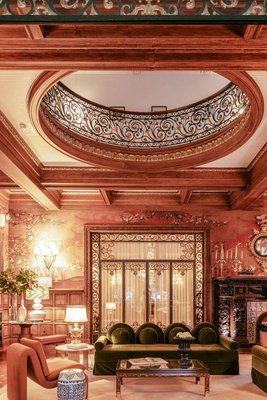
Small Luxury Hotels of the World - Hospes Infante Sagres Porto

Altis Belem Hotel & Spa, a Member of Design Hotels

EPIC SANA Lisboa Hotel
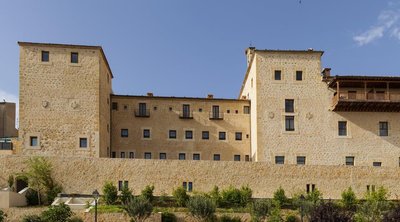
Áurea Convento Capuchinos by Eurostars Hotel Company
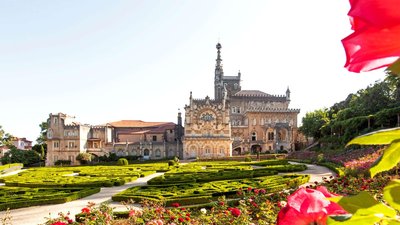
Palace Hotel do Bussaco
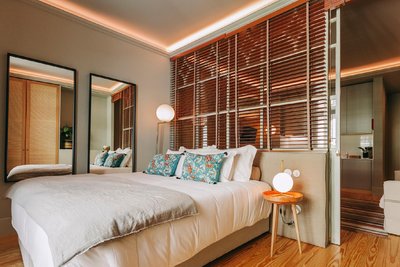
Torel 1884 Suites & Apartments
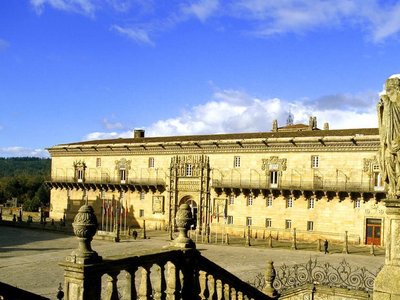
Parador de Santiago - Hostal Dos Reis Catolicos
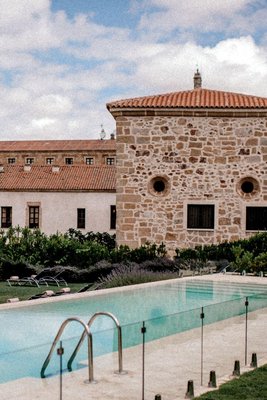
Hospes Palacio de San Esteban
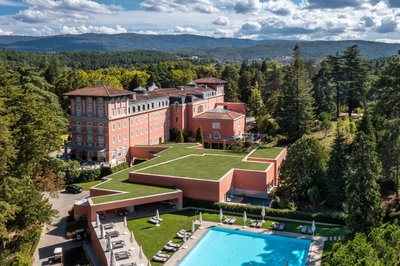
Vidago Palace
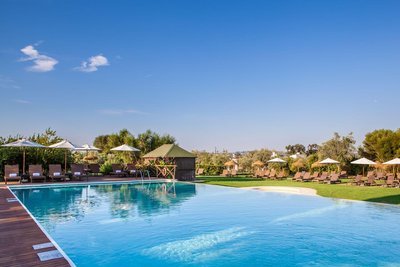
Convento do Espinheiro, Historic Hotel & Spa
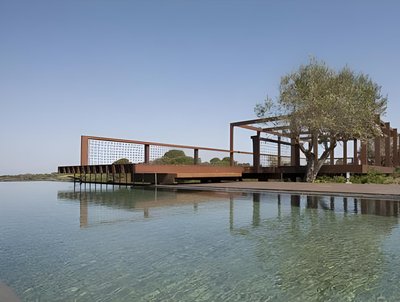
Wecamp Reserva Alecrim
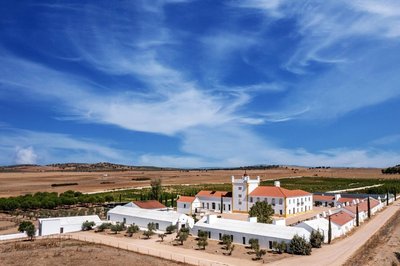
Torre de Palma Wine Hotel, Monforte, a Member of Design Hotels
The Ivens, Autograph Collection
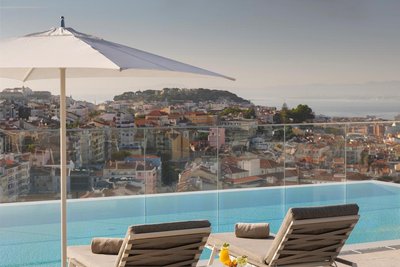
EPIC SANA Marquês Hotel
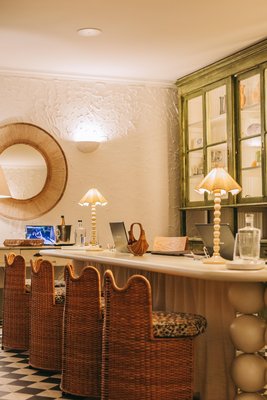
Torel Saboaria

AlmaLusa Comporta

Torel Avantgarde
Memmo Príncipe Real - Design Hotels
Corpo Santo Lisbon Historical Hotel

Hotel da Baixa
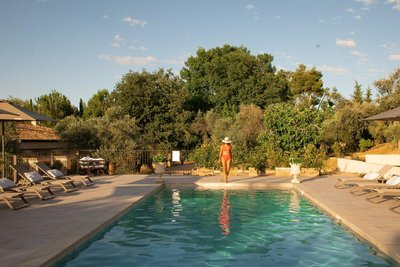
Hotel Boutique Cigarral de las Mercedes
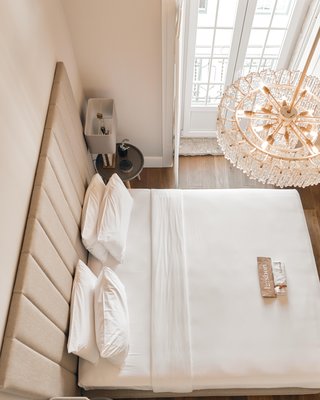
Dare Lisbon House
The One Palácio da Anunciada
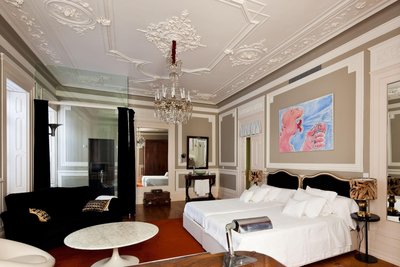
Palacete Chafariz Del Rei - by Unlock Hotels

Memmo Alfama - Design Hotels
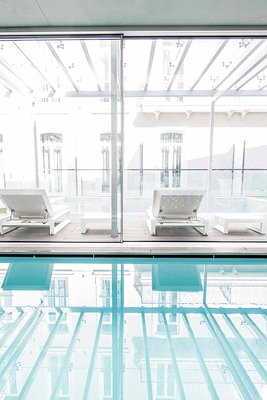
BessaHotel Liberdade
Hotel Valverde Lisboa - Relais & Chateaux
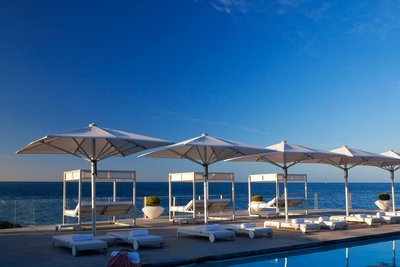
Farol Hotel
The Albatroz Hotel
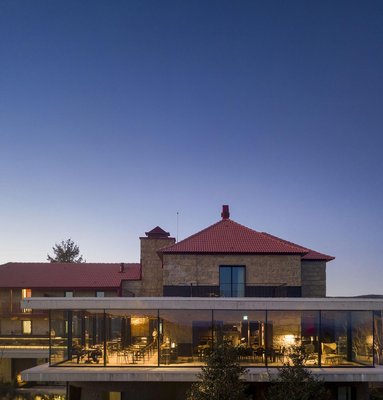
Casa de São Lourenço - Burel Panorama Hotel - Member of Design Hotels
Torel 1884 Suites & Apartments
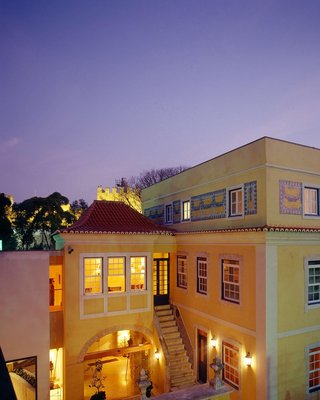
Solar do Castelo - Lisbon Heritage Collection - Alfama
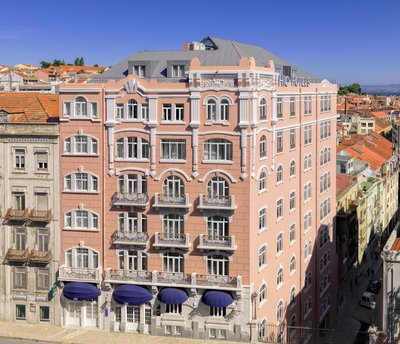
H10 Duque de Loule

Octant Douro
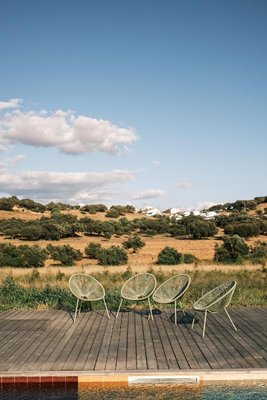
Viva! Farmhouse
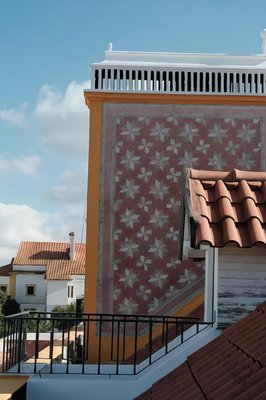
Lilases Boutique House & Garden
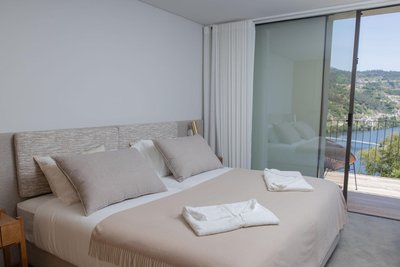
Quinta Alto Do Rio
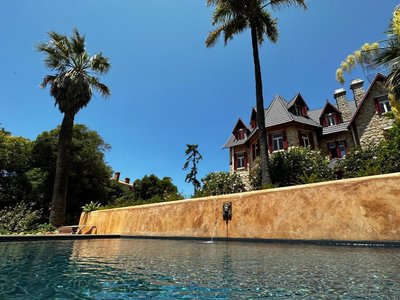
Chalet Ficalho
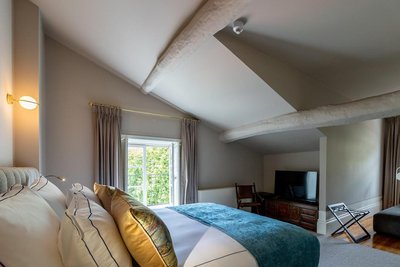
Maison Bleue by Vila Foz
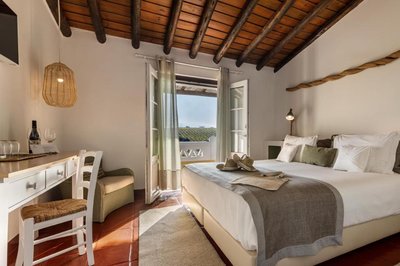
Herdade Do Sobroso Wine & Luxury Boutique Hotel
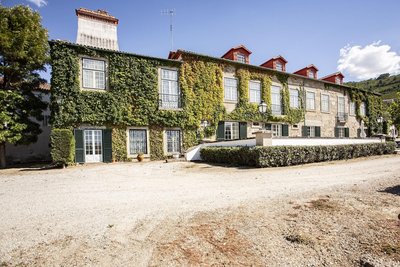
Casa Do Cimo
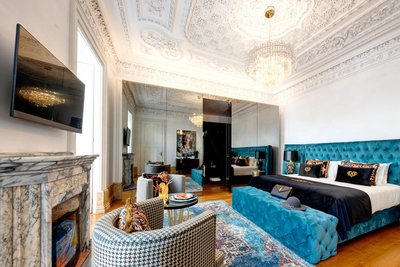
1877 Estrela Palace
Frequently Asked Questions about Traveling to Belmonte
Questions You Might Need to Know About Traveling to Belmonte
In Belmonte, the standout boutique stay is Convento de Beja, a former 16th-century convent transformed into a luxury heritage hotel. Its architecture blends Gothic and Baroque elements, with original stone walls, stained-glass windows, and a centuries-old olive courtyard. Guests enjoy authentic Portuguese cuisine like grilled cod with red wine sauce, and can book guided tours to the nearby Belmonte Castle ruins, immersing in medieval military history. The hotel’s intimate ambiance and cultural depth make it ideal for heritage travelers seeking authenticity.
The historic center (Centro Histórico) is the prime area for lodging in Belmonte. It offers walkable access to key sites such as Santa Maria Church, the Town Hall Square, and the Roman ruins. Stay along Rua Almeida, where many 18th-century aristocratic homes have been converted into boutique guesthouses. These properties often feature private terraces overlooking the Guadiana River, creating romantic evening views especially during the summer months when the city lights reflect on the water.
Belmonte is a hub of religious art and tradition. Each summer, the town hosts the Feast of the Assumption, featuring processions in 17th-century costumes and solemn masses. Visitors can join craft workshops to learn traditional wood carving of saints or hand-painted ceramics. Additionally, the Belmonte Library houses over 3,000 15th-century manuscripts, offering guided tours that reveal insights into Iberian intellectual life during the Middle Ages.
The Belmonte Castle is the city’s crown jewel—a 12th-century fortress built to resist Moorish invasions, with surviving ramparts and towers. Another highlight is Igreja de São João, home to Portugal’s oldest Gothic bell tower and intricate murals depicting biblical scenes, including a rare silver altar. The Old Market Square retains its medieval layout, hosting weekend farmers' markets with local specialties like cured ham, olive oil, and honey from the region’s ancient orchards.
Casa Castelo is an excellent choice for families, located just outside the historic core with a private garden and children’s play area. Rooms include cribs and safety gates, and the hotel offers a family explorer kit with maps, scavenger hunt cards, and illustrated storybooks. Nighttime activities include stargazing sessions—due to minimal light pollution, guests can clearly see the Milky Way. Kids can create their own constellation charts under the guidance of local astronomers.
Belmonte’s culinary identity lies in Mediterranean flavors. Must-try dishes include slow-cooked beef tail with mashed potatoes (Bife à Portuguesa), richly flavored with herbs and served with pickled capers and fresh thyme. Street food highlights Torradas com Queijo—dark rye bread rolls stuffed with aged cheese and honey, offering a sweet-savory contrast. Don’t miss a wine tasting at local vineyards, especially the Azeitão region’s dry reds, renowned for their notes of wild thyme and black cherry.
Despite its small size, Belmonte is well-connected. The central bus station (Estação Rodoviária) operates frequent services to Lisbon (2 hours), Porto (3.5 hours), and Évora. High-speed rail links reach Évora Station, from which a short shuttle bus takes 15 minutes to the city center. For exploration, renting a bicycle is highly recommended—networks follow scenic routes through vineyards and farmland, perfect for cycling enthusiasts.
Belmonte has a Mediterranean climate: hot, dry summers (avg. 32°C in July/August) and mild, rainy winters (avg. 10°C in Dec–Feb). For summer stays, opt for rooms with air conditioning and shaded balconies to avoid midday heat. In winter, choose fireplace-equipped rooms like those at Moinho Antigo, a former mill turned inn—the thick stone walls provide natural insulation. The best visiting months are spring (April–June) and autumn (September–October), when temperatures are pleasant and crowds are thinner.
Evenings in Belmonte shine with cultural events. Every Friday, the Old Town Square hosts live Fado music performed by students from the local conservatory—haunting melodies fill the air. The Santa Maria Church also holds candlelit vigils, where visitors walk the cloister with flickering candles, creating a mystical atmosphere. For a more intimate experience, book a rooftop dinner at Convento de Beja, featuring a curated menu paired with live guitar, all while gazing over the illuminated historic district.
Belmonte is on UNESCO’s World Heritage Tentative List, and all restoration follows strict authenticity standards. The castle ruins use only traditional stone materials, avoiding concrete. The church frescoes are meticulously maintained every five years using period-accurate pigments. The town also runs a Heritage Education Center, where visitors can participate in “one-day restorer” programs, learning how to repair wall paintings with natural minerals—offering deep insight into Portugal’s commitment to preserving its past.
Belmonte Overview
City Summary
Belmonte is a charming small town in eastern Portugal, famous for its medieval castle and Jewish heritage. Perched on a hilltop, the town offers stunning views and a rich history. Belmonte was a key refuge for Portuguese Jews and still preserves significant Jewish cultural relics.
Must-See Attractions
Belmonte Castle is a must-see, offering panoramic views of the surrounding countryside. The Jewish Museum showcases the area's Jewish history. Also, the Church of Nossa Senhora da Assunção and the old Jewish quarter are worth visiting.
Food Guide
Belmonte is known for its traditional Portuguese cuisine, especially roast lamb and stews. Local restaurants serve fresh rustic bread and olive oil, paired with regional wines for a unique flavor.
Transportation Guide
Driving is the main way to reach Belmonte, and the town itself is walkable. From Lisbon or Porto, take a train or bus to nearby cities and then a taxi. Plan routes in advance as public transport is limited.
Best Time to Visit
Spring (April-June) and autumn (September-October) are the best times to visit, with mild weather and fewer crowds. Summers are hot, and winters are cold but festive.
Travel Tips
- Respect local culture: Belmonte has a rich Jewish history; be respectful when visiting.
- Wear comfortable shoes: The town has cobbled streets; walk carefully.
- Carry cash: Some small shops may not accept cards.
- Book accommodation early: Options are limited, especially in peak seasons.
- Learn basic Portuguese: English proficiency is limited among locals.
Useful Information
Language: Portuguese is the main language; English is understood in tourist areas. Internet: Wi-Fi is available but may be unstable. Payment: Carry cash, especially for small transactions. Emergency: The nearest hospital is in a nearby city; travel insurance is recommended.