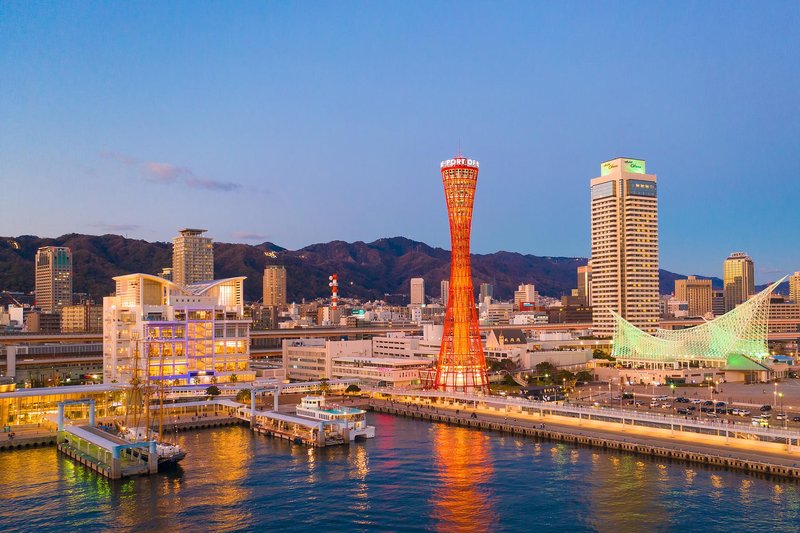
Hotels in Beppu
Discover your perfect stay in Beppu.
Beppu(Japan) Travel 2026: Cheap Flights, Hotels & Top Attractions
Popular Landmarks in Beppu
Discover the most iconic attractions in Beppu
Recommended Hotels in Beppu
Find the perfect place to stay in Beppu
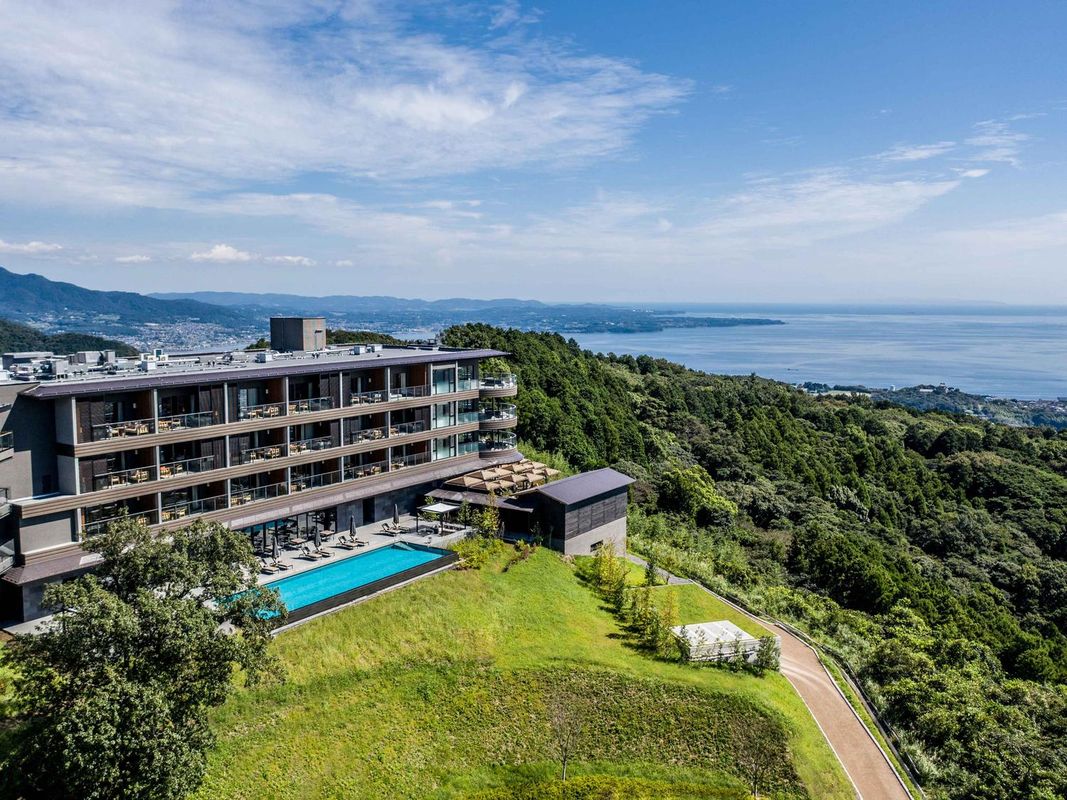
Ana InterContinental Beppu Resort & Spa
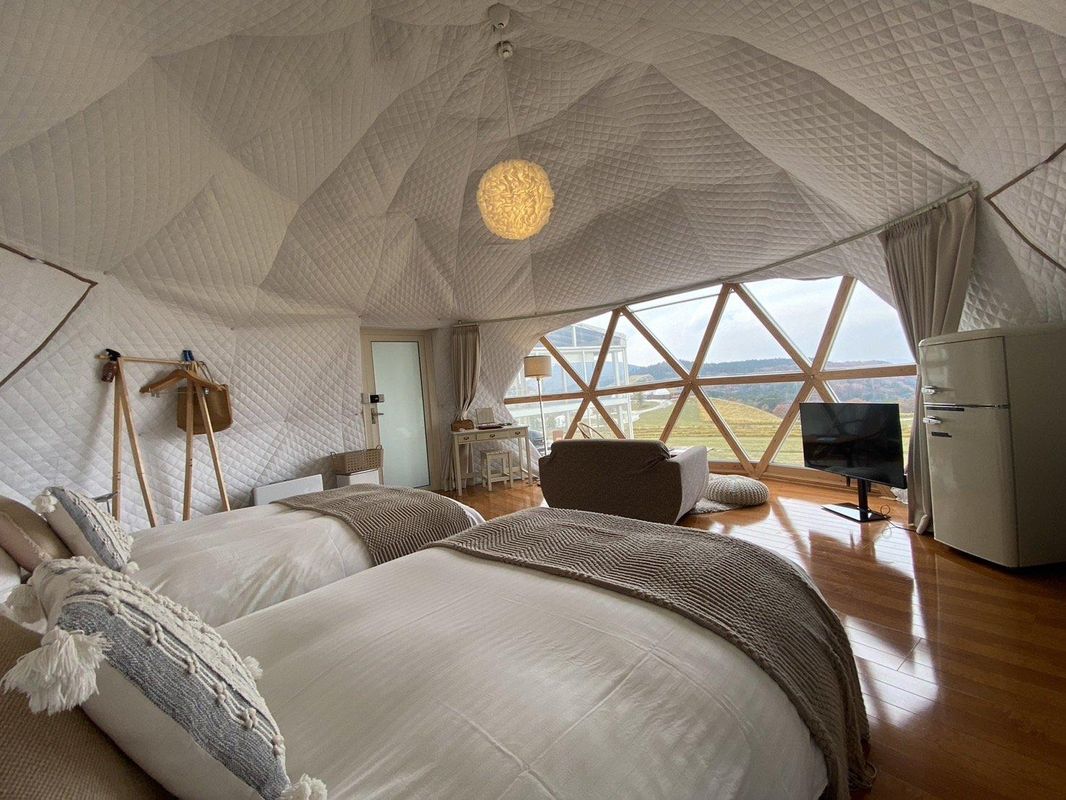
Grand Verde Resort
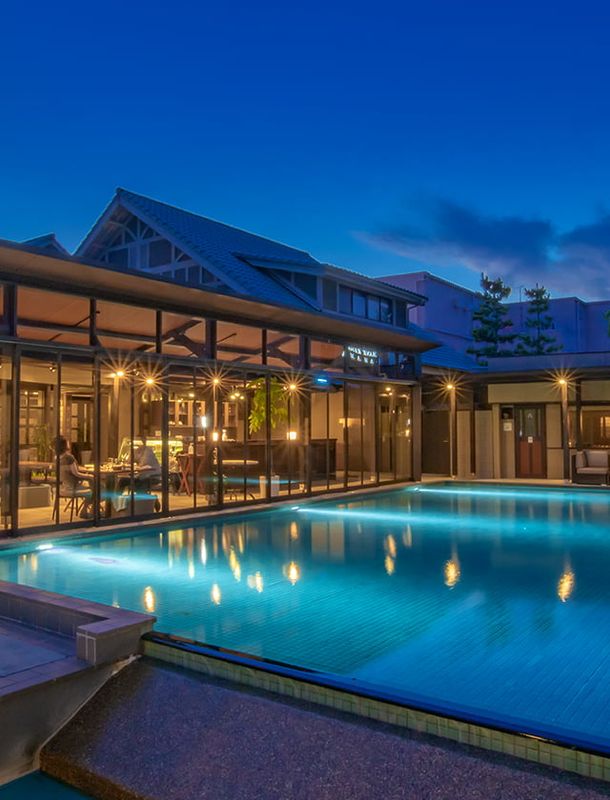
Amane Resort Gahama
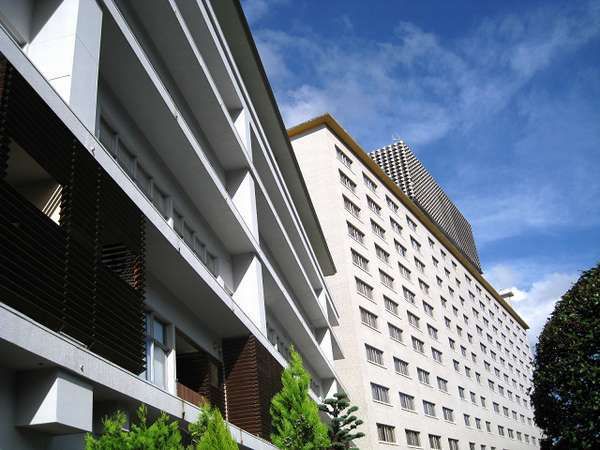
Beppu Suginoi Hotel
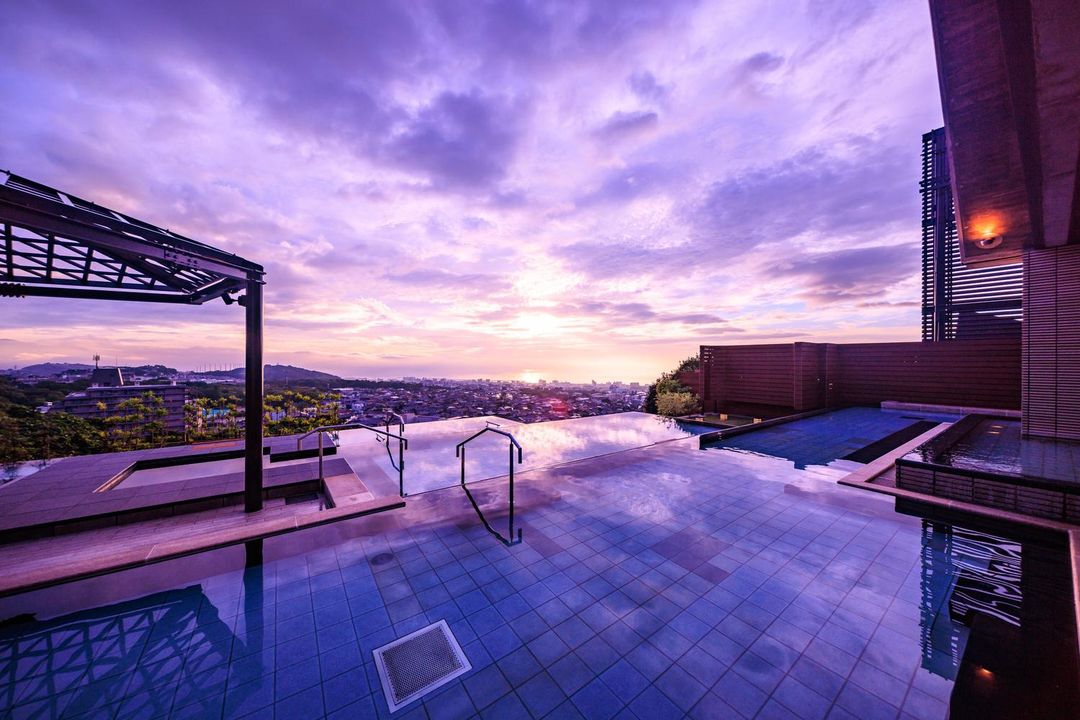
Beppu SUGINOI HOTEL
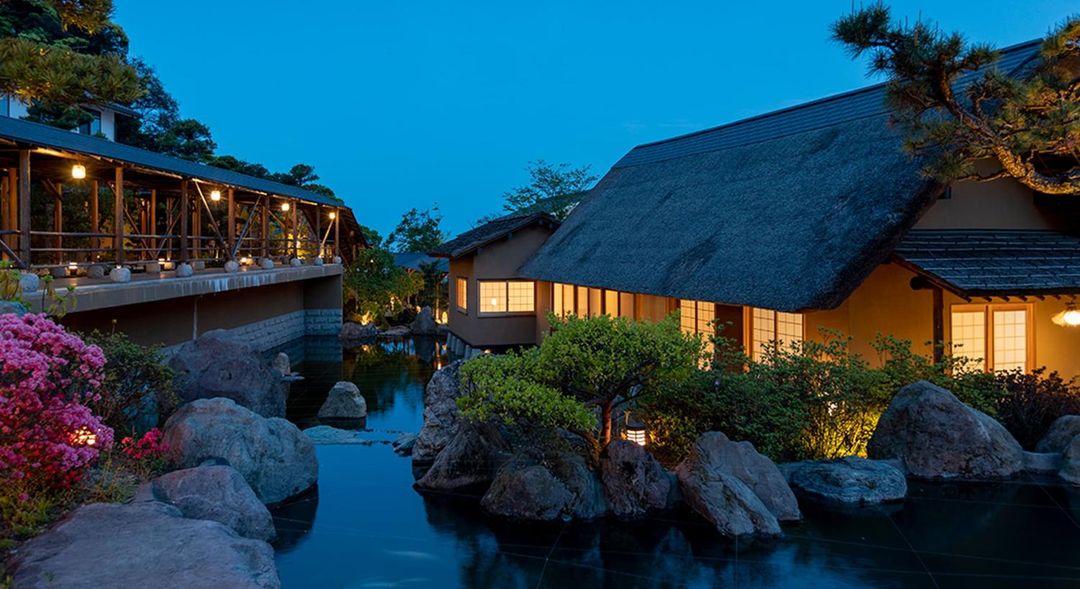
Kannawaen
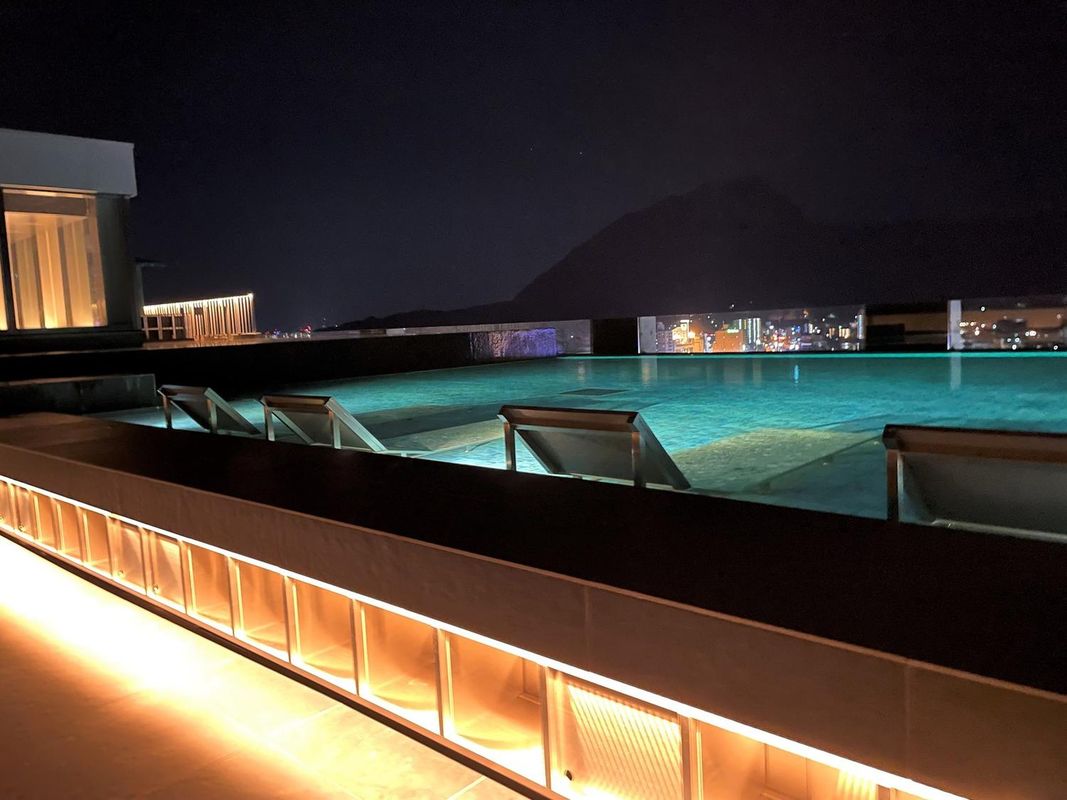
AMANEK BEPPU YULA-RE
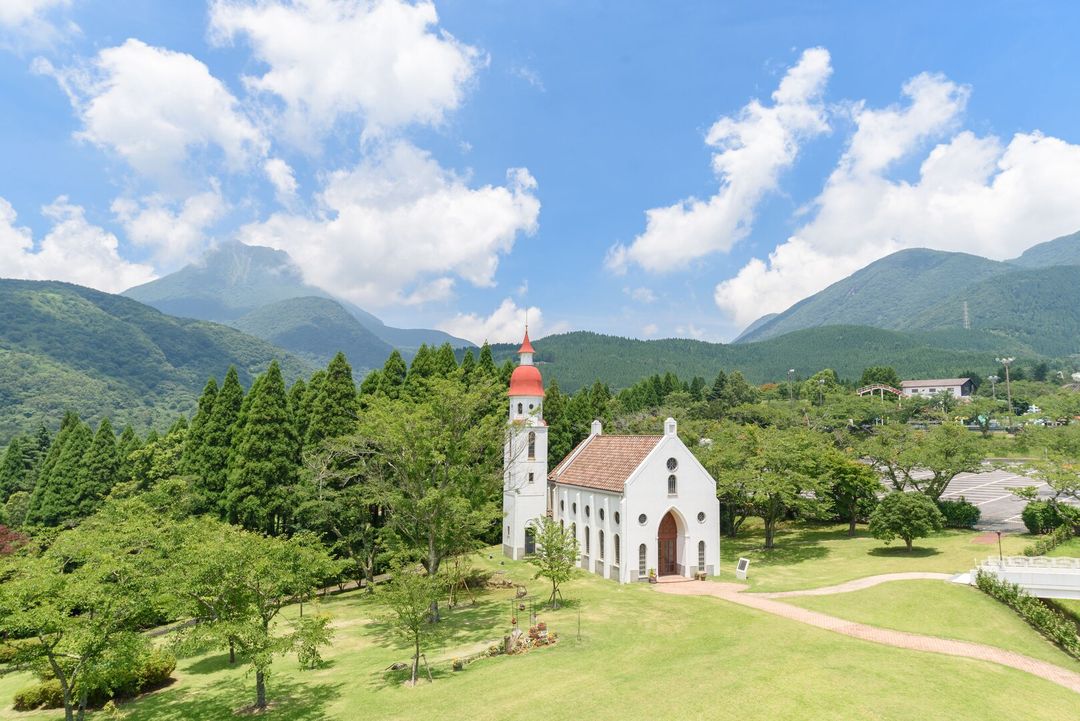
Kijima Kogen Hotel
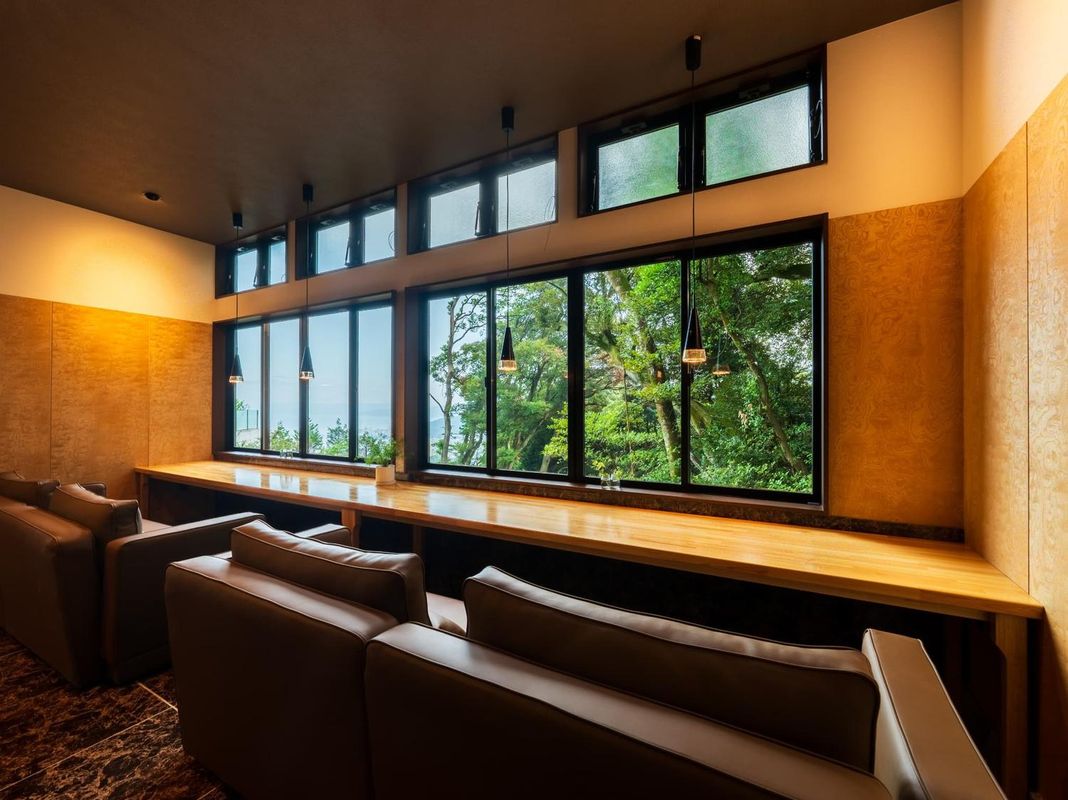
Umine Annex
Best Hotels in Beppu
Discover curated hotel collections in Beppu
Ikkoten
SEKIYA RESORT Bettei Haruki
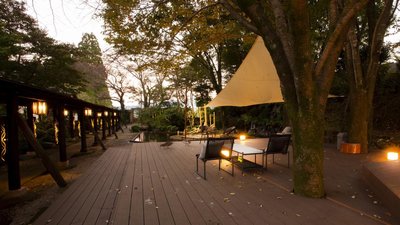
Chikurakutei
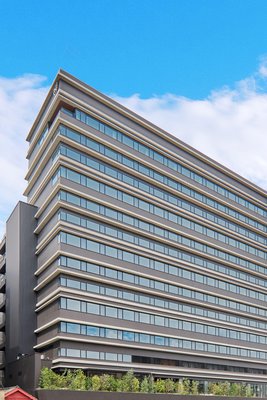
The Royal Park Canvas Fukuoka Nakasu
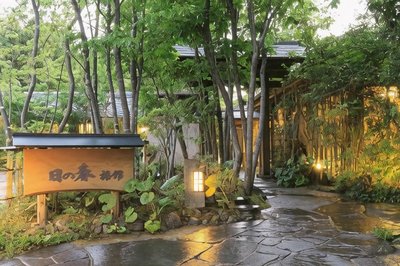
Yufuin Onsen Hinoharu Ryokan
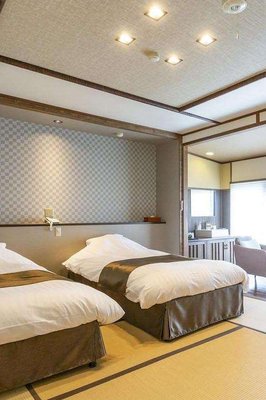
Sozankyo
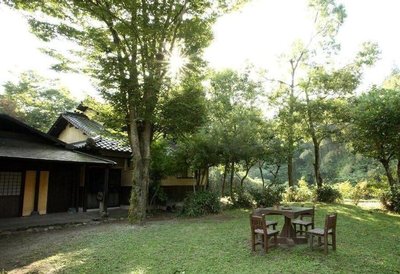
Yamashinobu
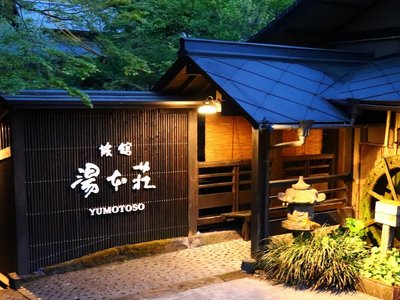
Ryokan Yumotosou
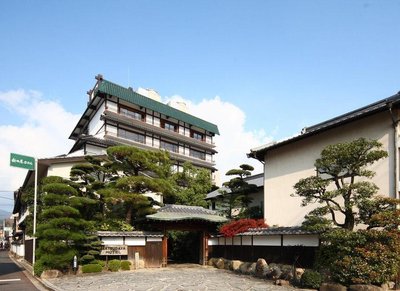
Matsudaya Hotel
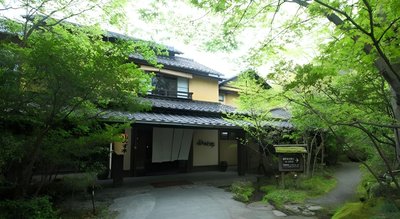
Kurokawaonsen Yamamizuki
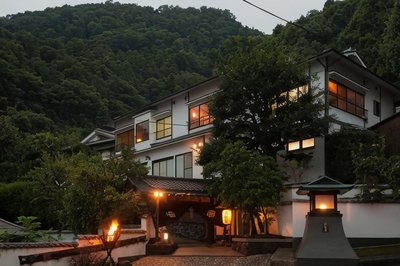
Beppu Showaen
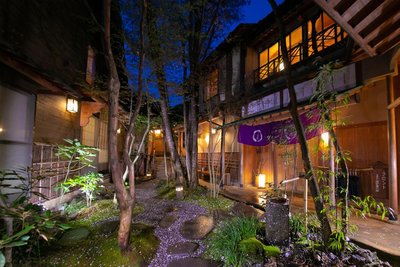
Oyado Ichizen
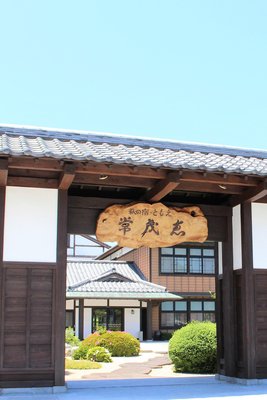
Hagi No Yado Tomoe
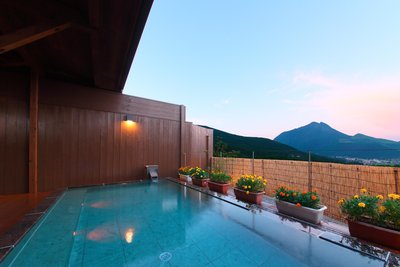
Asagirinomieru Yado Yufuin Hanayoshi
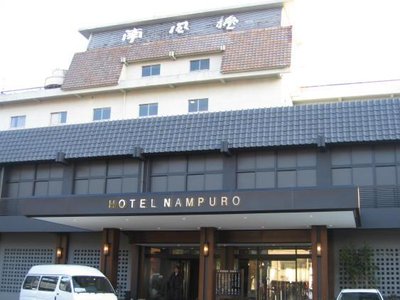
Hotel Nampuro
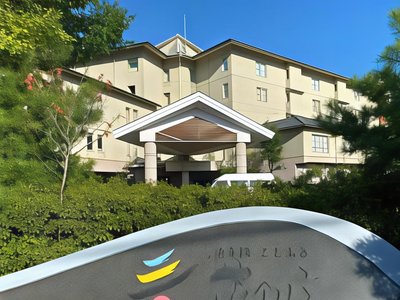
Yufuin Kotobuki Hananosho
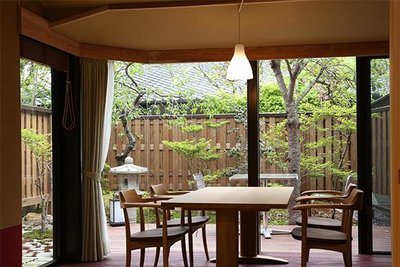
Hokumon Yashiki
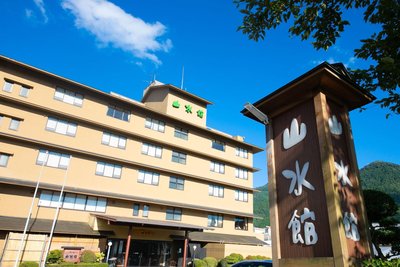
Yufuin Sansuikan
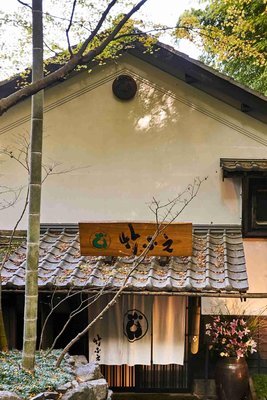
Hikyou Shirakawagensen Sansou Takefue
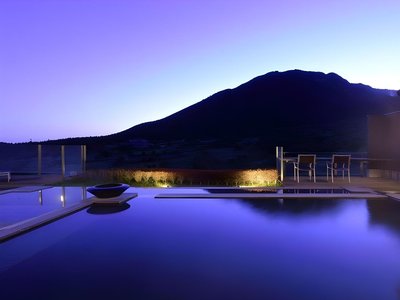
Okuyado Buaiso
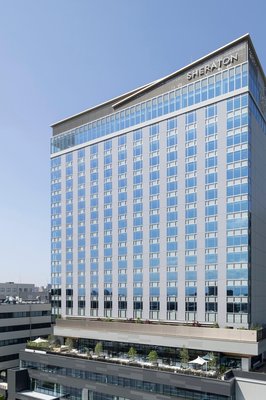
Sheraton Kagoshima
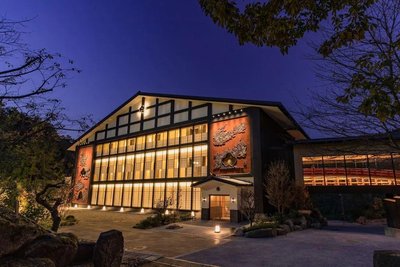
Okuhita Onsen Umehibiki
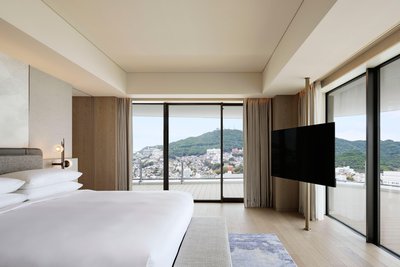
Nagasaki Marriott Hotel
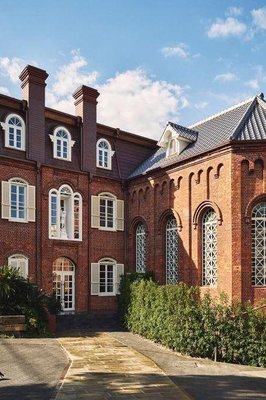
Hotel Indigo Nagasaki Glover Street by IHG
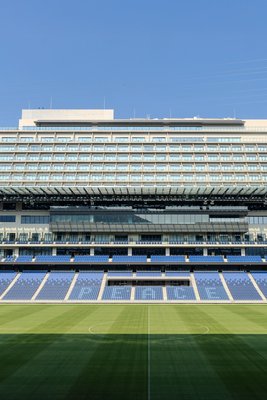
Stadium City Hotel Nagasaki
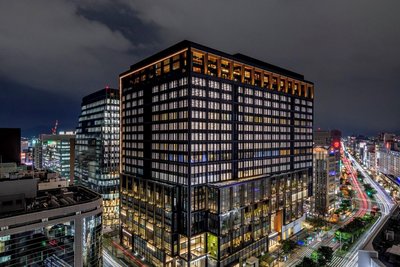
ONE FUKUOKA HOTEL
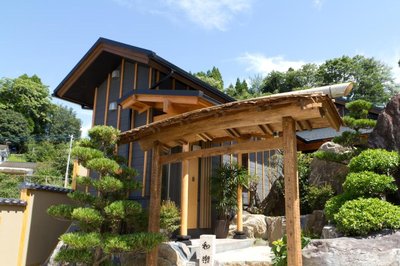
Ryokan Shinsen
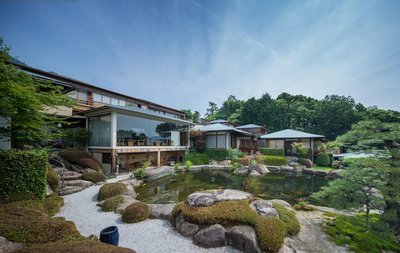
SEKITEI

Yamatoya Besso
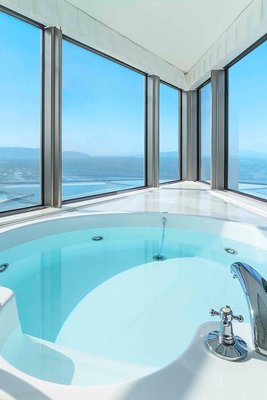
Hilton Fukuoka Sea Hawk

Olive Bay Hotel
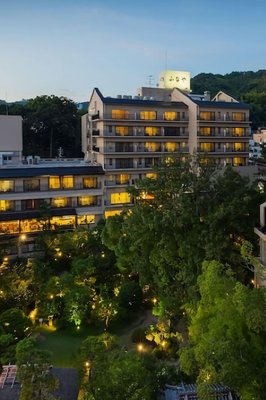
Funaya
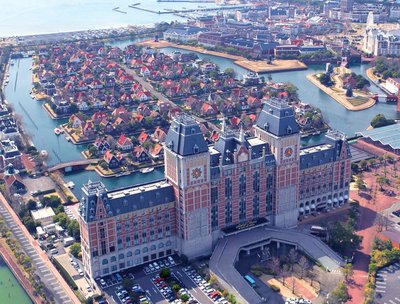
Hotel Okura Jr Huis Ten Bosch
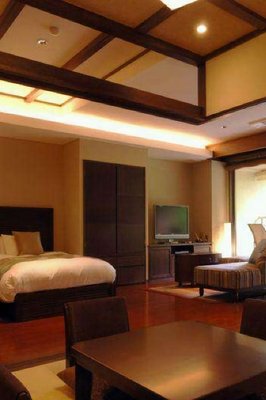
Bettei Oborozukiyo
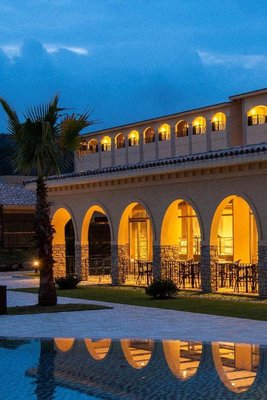
La Vista Kirishima Hills
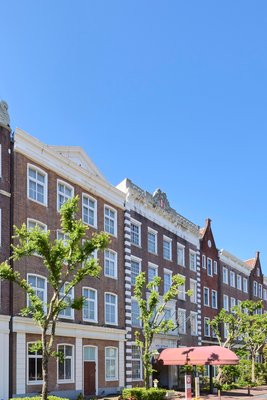
Hotel Amsterdam Huis Ten Bosch

Yumotoankiyohime
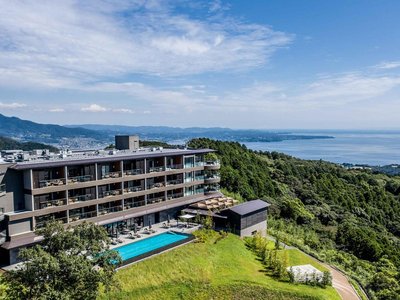
Ana InterContinental Beppu Resort & Spa
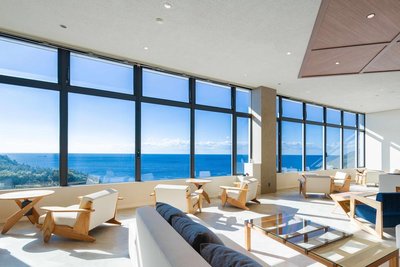
TheMana Village
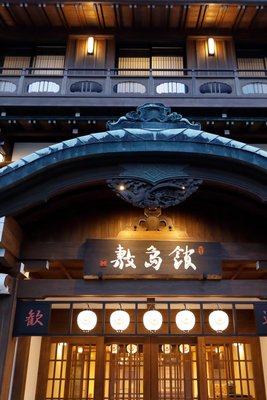
Onyado Shikishima-Kan
Ikkoten
SEKIYA RESORT Bettei Haruki
Okuhita Onsen Umehibiki
Yufuin Onsen Hinoharu Ryokan
Sozankyo
Yamashinobu
Matsudaya Hotel
Kurokawaonsen Yamamizuki
Beppu Showaen
Oyado Ichizen
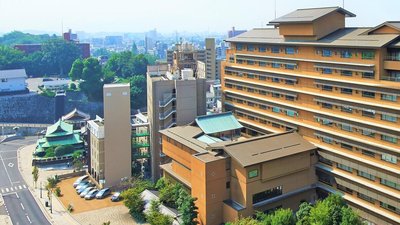
Yamatoya Honten
Asagirinomieru Yado Yufuin Hanayoshi
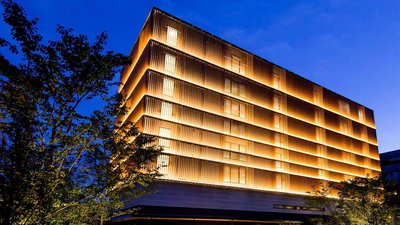
Dogo Miyu
Yamatoya Besso
Yufuin Kotobuki Hananosho
Yufuin Sansuikan
Hikyou Shirakawagensen Sansou Takefue
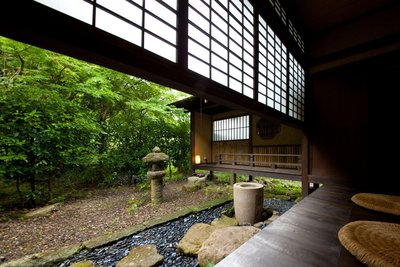
Yufuin Gettouan
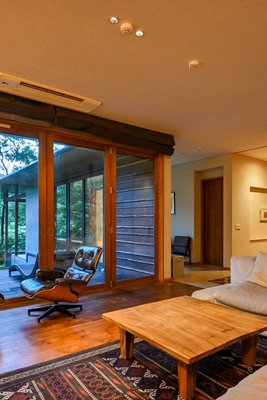
Oita kokonoe Kuoritei
Funaya
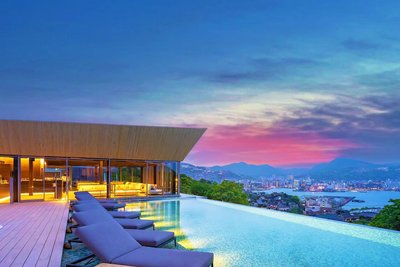
Garden Terrace Nagasaki Hotel & Resort
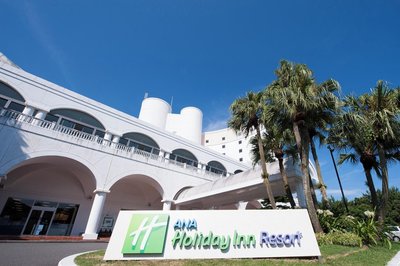
Holiday Inn Resort Miyazaki
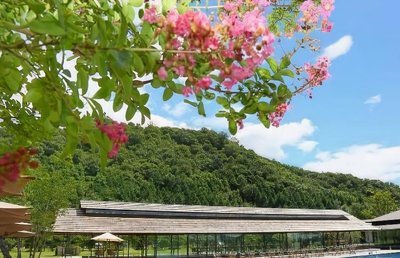
Bella Vista Spa and Marina Onomichi
Yufuin Kotobuki Hananosho
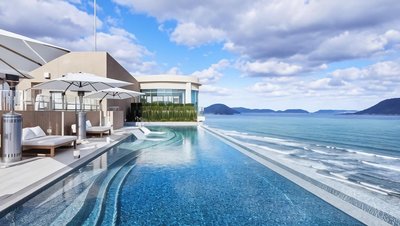
Karatsu Seaside Hotel
Yufuin Sansuikan
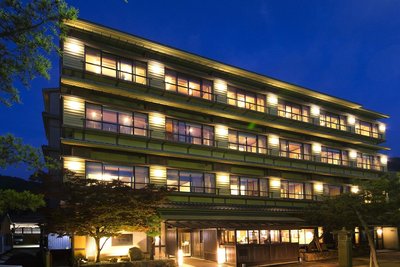
Kinsuikan
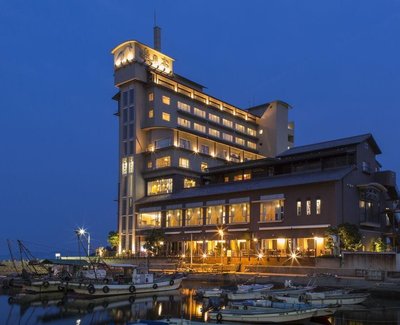
Hotel Ofutei
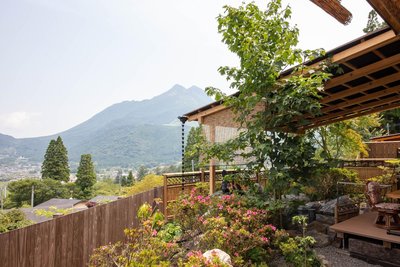
Yufuin-Sanso Waremokou
Ana InterContinental Beppu Resort & Spa
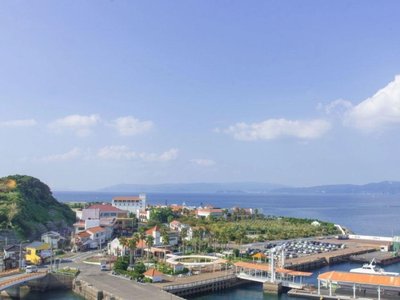
I+Land Nagasaki
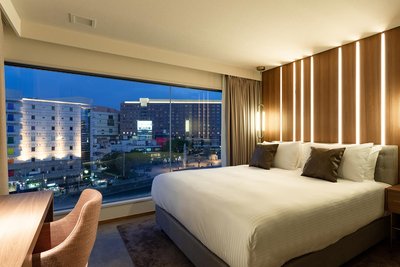
The OneFive Villa Fukuoka
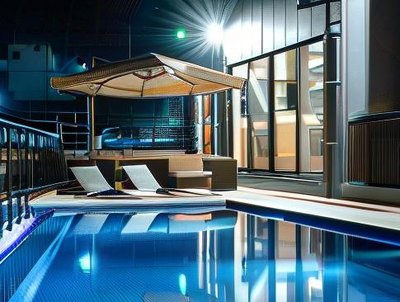
LiVEMAX RESORT MIYAHAMA ONSEN OCEAN
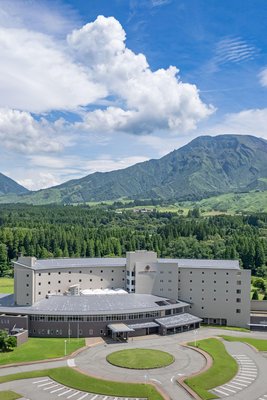
KAMENOI HOTEL ASO
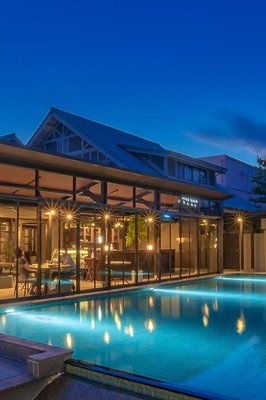
Amane Resort Gahama
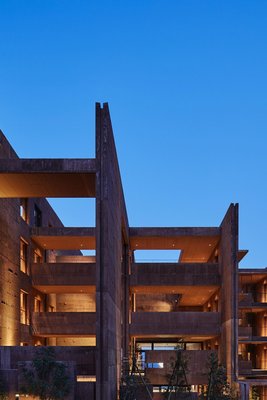
SEKIYA RESORT GALLERIA MIDOBARU
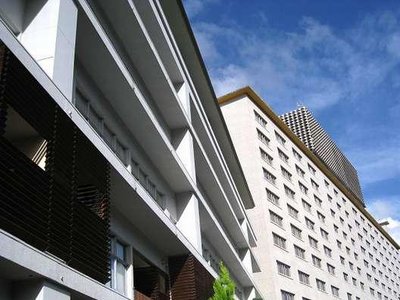
Beppu Suginoi Hotel

Phoenix Seagaia Ocean Tower
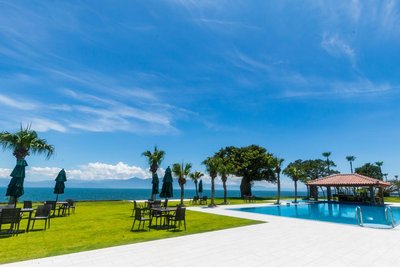
Kagoshima Sunamushi Onsen Ibusuki Hakusuikan
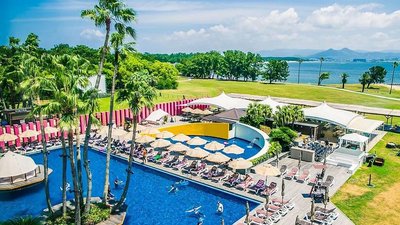
The Luigans Spa and Resort
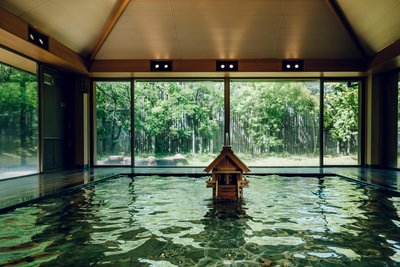
Hoshino Resorts KAI Tamatsukuri
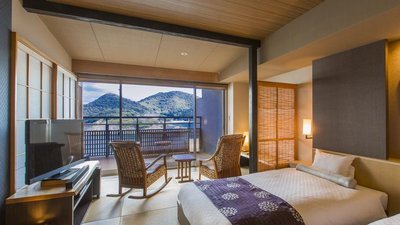
Migiwatei Ochi Kochi
Ryokan Shinsen
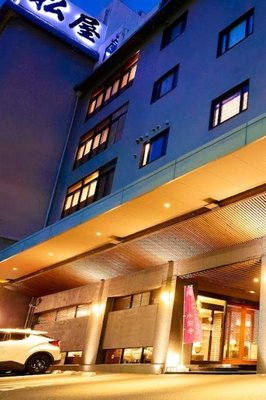
Ryotei Matsuya Honkan Suizenji
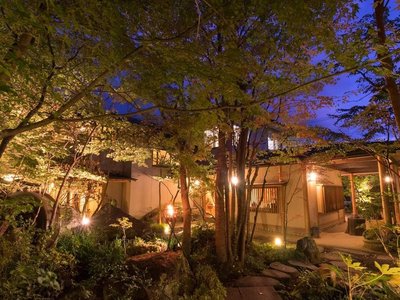
Ryoso Yufuin Yamadaya
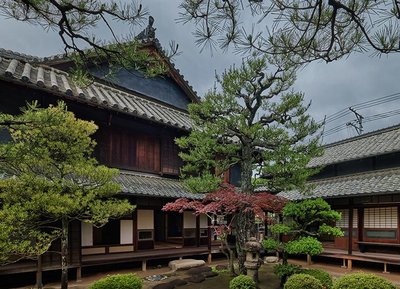
NIPPONIA HOTEL Takehara Saltworks Town
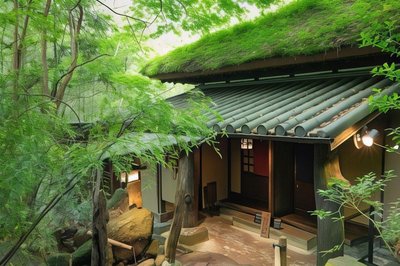
Sanso Tensui
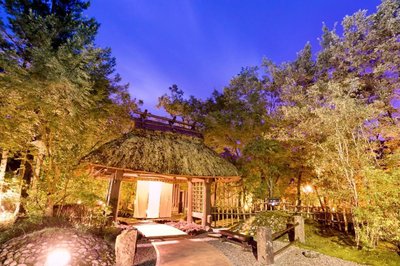
Satonoyu Waraku
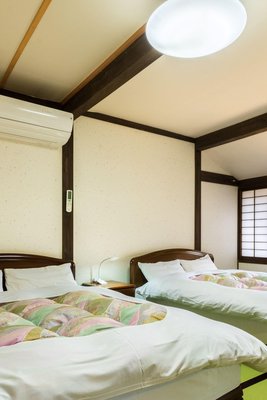
Tobise Onsen Tenga Sanso
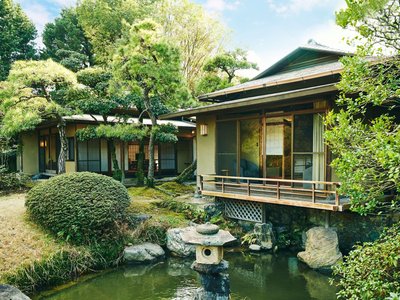
Suisui Garden Ryokan (in the Art Hotel Kokura New Tagawa)
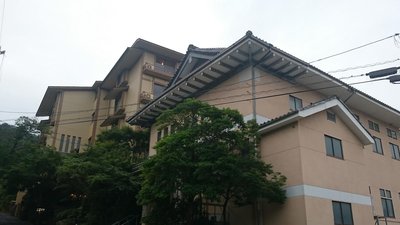
Miyajima Hotel Makoto
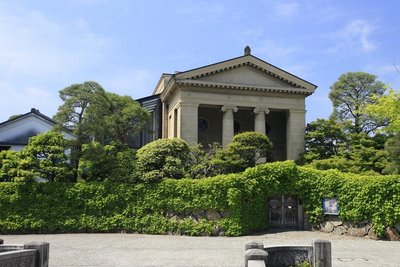
Ryori Ryokan Tsurugata
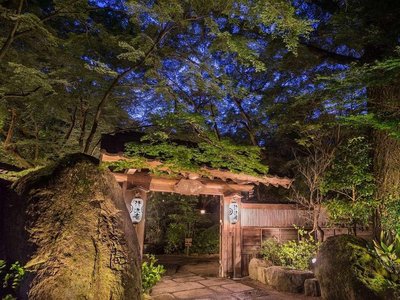
Akizuki Spa Ryokan Seiryuan
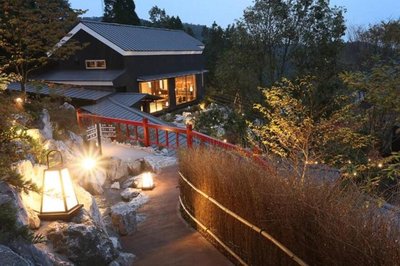
Gekkoju Kurokawa
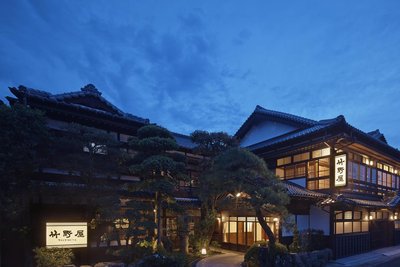
Takenoya
Frequently Asked Questions about Traveling to Beppu
Questions You Might Need to Know About Traveling to Beppu
In Beppu, the top family-friendly onsen hotel is Hotel Wanokaen, located near Izumi-cho and offering private outdoor baths, spacious family rooms, and a children’s play area. This century-old ryokan blends Waka culture with modern comfort, featuring natural sulfur-rich waters ideal for relaxation.
Another excellent choice is Yunohana Hotel, which provides free shuttle service to major onsen districts and offers rooms with onsen baths and local cuisine like Beppu beef and seafood rice. Both hotels are close to Beppu Station, making them perfect bases for exploring the Beppu Eight Hot Springs and nearby attractions like Hell Tour trails and scenic coastal walks.
The most recommended onsen district in Beppu is Izumi-cho, known as Japan’s premier onsen town with over 1,000 hot spring sources. It’s home to the famed Beppu Eight Hells, including Umi no Jigoku (Sea Hell) and Chinroku Jigoku (Blood Pool Hell).
Stay at Izumi-cho Onsen Ryokan, a historic family-run inn offering private open-air baths, traditional Japanese meals, and access to guided tours of the hell sites. The area is rich in geothermal history and spiritual significance, with nightly light shows illuminating the volcanic landscapes.
Its central location makes it ideal for exploring both natural wonders and cultural landmarks, offering an authentic blend of nature, history, and wellness.
Visitors to Beppu can enjoy several unique cultural experiences:
-
Hell Tour Guided Walks: Explore the Eight Hells such as Umi no Jigoku and Chinroku Jigoku, where volcanic activity creates surreal steam vents and colorful pools, often accompanied by dramatic night lighting displays.
-
Taste Beppu Beef: Savor premium Black Wagyu at local markets or restaurants like Mangyo-tei, featuring dishes like wagyu sushi, sukiyaki, and grilled skewers.
-
Waka Poetry Workshops: Participate in hands-on sessions at the Beppu Waka Memorial Hall, learning to write classical poems inspired by the Man'yōshū, Japan’s oldest poetry anthology.
These experiences offer deep insight into Beppu’s identity as a hub of natural wonder and literary heritage.
Beppu’s hot springs are world-renowned due to their geological uniqueness and historical depth.
First, Beppu lies in a highly active volcanic zone, boasting over 1,000 natural hot spring sources, including the Beppu Eight Hells—a UNESCO-listed candidate site recognized as a living geological museum.
Second, its hot springs have been used since the Nara period (710–794) by pilgrims seeking healing, leading to the development of the Hell Tour tradition, where volcanic features were seen as gateways to the underworld.
Today, the mineral-rich waters—rich in hydrogen sulfide, calcium carbonate, and iron—are scientifically proven to benefit skin conditions, joint pain, and stress relief. Combined with centuries of cultural storytelling, Beppu stands as a global symbol of natural wellness and spiritual heritage.
For the most authentic Japanese onsen experience, stay at Hotel Wanokaen, a century-old ryokan nestled in Izumi-cho. This family-run inn is inspired by Waka poetry culture, with every room featuring a private outdoor bath using natural sulfur-rich water.
Guests enjoy daily tea ceremony rituals led by a female stewardess, and dinner includes kaiseki cuisine made from local ingredients like Beppu beef and Ehime sea urchin. The hotel also offers poetry writing workshops, kimono dressing, and guided Hell Tour excursions.
With serene surroundings and zero urban noise, it embodies the Japanese philosophy of **
Beppu's onsen districts come alive at night with magical events:
-
Hell Tour Night Lights: From 6 PM, Umi no Jigoku and Chinroku Jigoku illuminate with thousands of LED lights, creating a surreal, otherworldly display that mimics volcanic eruptions and lava flows.
-
Onsen Night Market: The Izumi-cho street hosts food stalls serving Beppu beef yakitori, onsen tamago (hot spring eggs), and seaweed rolls, paired with live taiko drumming and shamisen performances.
-
Private Night Baths: Some luxury ryokans like Mangyo-tei offer private rooftop onsen under the stars, allowing guests to soak while gazing at the Milky Way—a must-do for romantic or meditative moments.
Beppu offers stunning photo opportunities:
-
Umi no Jigoku (Sea Hell): The massive circular pool reflects sky and mountains at sunrise, creating a 'cosmic eye' effect—ideal for landscape photography.
-
Chinroku Jigoku (Blood Pool Hell): The vivid red sulfur water against black rocks and swirling steam produces striking contrast, perfect for surreal or dramatic shots.
-
Beppu Bay Coastal Path: A cliffside wooden walkway offers panoramic views of the Pacific Ocean and harbor, especially beautiful during golden hour.
-
Beppu Waka Memorial Hall: With its Edo-style architecture and seasonal gardens, it’s ideal for traditional Japanese-themed portraits and still-life photography.
All these spots lie along the Hell Tour route, making them easy to visit in one day when staying at a central ryokan.
Beppu’s hot springs are ideal for:
-
Skin condition sufferers: Waters rich in hydrogen sulfide help treat eczema and psoriasis.
-
Joint and muscle pain patients: High levels of calcium carbonate improve circulation and reduce stiffness.
-
Stress and insomnia sufferers: Minerals like magnesium calm the nervous system, enhancing sleep quality.
-
Cardiovascular health seekers: Regular soaking boosts heart function and lowers blood pressure—but avoid long soaks if you have high blood pressure.
Recommended: Start with low-temperature baths (under 40°C), limit sessions to 10–15 minutes, and hydrate well. Hotels like Hotel Wanokaen provide expert onsen health consultations for personalized guidance.
Beppu has several hidden gems:
-
Gishihoji Cave Onsen: A secluded thermal pool accessible only via a short hike, with water from deep underground—only available by reservation. Legends say it wards off evil spirits.
-
Submarine Onsen Observation Boat: Ride a glass-bottom boat into the seabed to witness underwater geothermal vents and rising bubbles—an immersive way to see Beppu’s geology.
-
Private Garden Onsen: Luxury ryokans like Mangyo-tei offer private garden baths for 2–4 people, complete with moonlight projections and traditional music—perfect for intimate or meditative experiences.
These require advance HopeGoo (at least 3 days ahead) and are perfect for travelers seeking deep cultural and natural immersion.
Beppu’s onsen culture dates back to the Nara period (710–794 CE), when Buddhist monks discovered the healing properties of the hot springs and established onsen shrines for pilgrims.
During the Heian era, the region became associated with the Hell Tour tradition—volcanic features were believed to be gates to the afterlife, attracting spiritual visitors.
By the Muromachi period, onsen inns began flourishing in Izumi-cho, and by the Meiji era, the government officially designated the Beppu Eight Hells, cementing its national reputation.
Today, the city celebrates this legacy annually with the Onsen Festival, preserving its 1,300-year-old tradition of wellness, faith, and storytelling.
Beppu Overview
City Summary
Beppu, a renowned hot spring resort in Oita Prefecture, boasts over 2,000 thermal springs and is hailed as "Japan's Onsen Paradise". Famous for its Hell Tour (Jigoku Meguri) featuring vibrant geothermal pools like Blood Pond Hell and Sea Hell, the city blends traditional Japanese charm with modern spa culture, offering an ideal retreat for relaxation.
Must-See Attractions
Must-visit spots: 1) Seven Hells of Beppu: Colorful geothermal pools including Umi Jigoku (Blue Hell); 2) Beppu Tower: Panoramic city views; 3) Takegawara Onsen: Historic public bathhouse; 4) Beppu Park: Cherry blossom hotspot. Try unique sand baths where you're buried in naturally heated sand.
Food Guide
Culinary highlights: 1) Jigoku Mushi: Steam-cooked local ingredients using geothermal heat; 2) Toriten (fried chicken): Oita's signature dish; 3) Seki Saba Sushi: Fresh mackerel sushi. Visit Beppu Station Market for street food or savor kaiseki meals at ryokans.
Transportation Guide
Transport tips:
- Air: 2-hour bus ride from Fukuoka Airport
- Train: JR Nippo Line to Beppu Station
- Local transit:
- Buses: Kamenoi Bus covers major attractions
- Taxis: ~¥680 starting fare
- Bikes: Rentals available for coastal routes Pro tip: Get the "Hell Pass" for discounted transport & entry
Best Time to Visit
Best season: Autumn (Oct-Nov) for mild weather; avoid Golden Week (early May) and New Year peaks. Spring cherry blossoms (Mar-Apr) are also popular.
Travel Tips
- Onsen etiquette: Wash before bathing, no swimwear
- Cash needed: Some vendors don't accept cards
- Sand baths: Limit to 10 minutes
- Bus schedules: Check timetables for rural routes
- Language: Learn basic Japanese phrases
- Attire: Wear easy-to-remove clothing
Useful Information
Essentials:
- Language: Limited English signage
- Currency: Yen, cards accepted at major venues
- Internet: Rent pocket WiFi or get SIM cards
- Emergency: Police (110), Ambulance (119)
- Tattoos: Use private baths or coverings
- Voltage: 100V, Type A outlets