Hotels in Bernissart
Discover your perfect stay in Bernissart.
Bernissart(Belgium) Travel 2026: Cheap Flights, Hotels & Top Attractions
Popular Landmarks in Bernissart
Discover the most iconic attractions in Bernissart
Best Hotels in Bernissart
Discover curated hotel collections in Bernissart
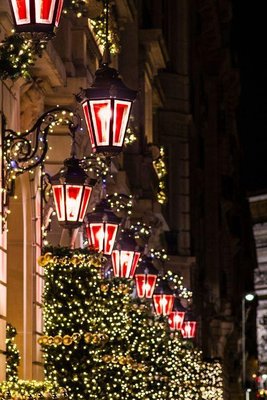
Le Royal Monceau - Raffles Paris
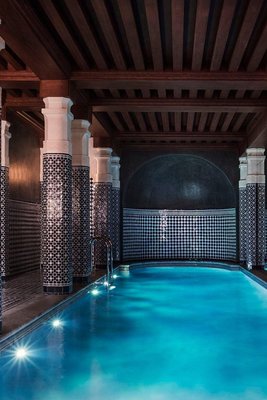
Maison Proust, Hotel & Spa la Mer
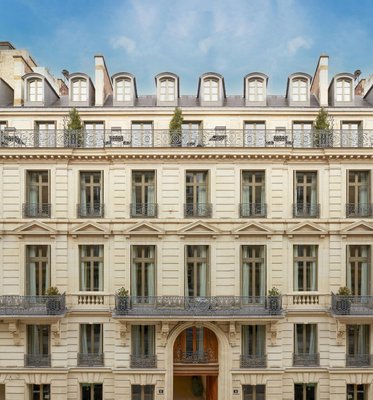
Maison Delano Paris
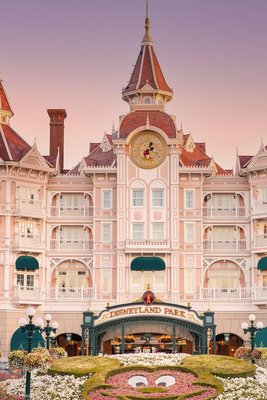
Disneyland Hotel
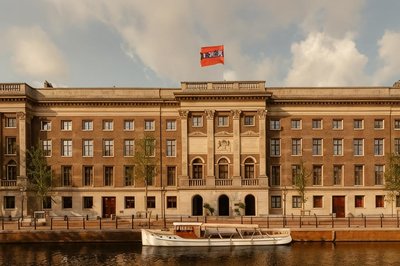
Rosewood Amsterdam
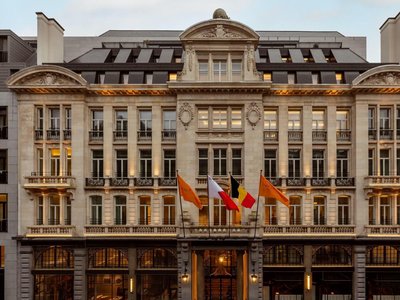
Corinthia Grand Hotel Astoria Brussels
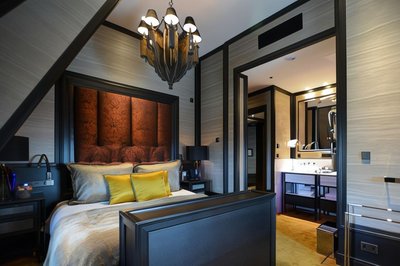
Hotel TwentySeven - Small Luxury Hotels of the World
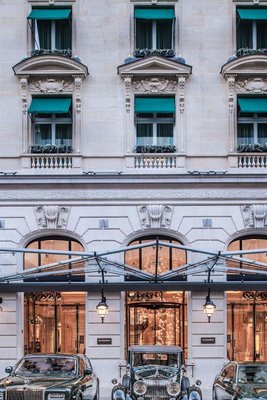
The Peninsula Paris
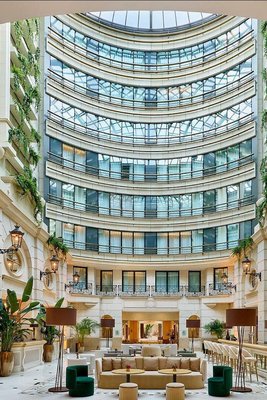
Paris Marriott Champs Elysees Hotel
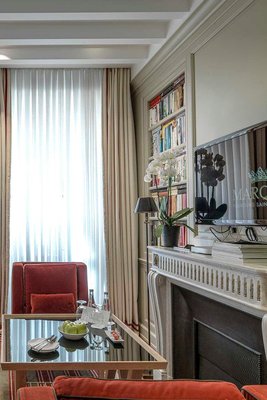
Hôtel Marquis Faubourg Saint-Honoré
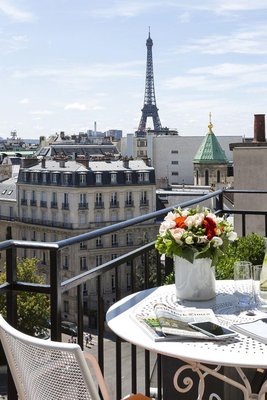
Hôtel San Régis
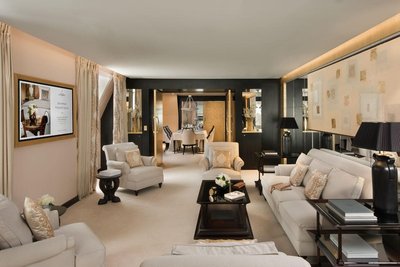
Hotel Barrière Fouquet's Paris
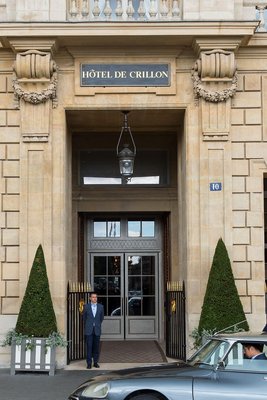
Hotel de Crillon A Rosewood Hotel
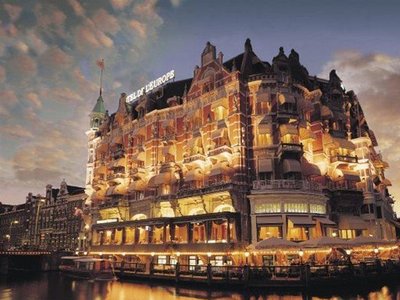
De L’Europe Amsterdam – the Leading Hotels of the World
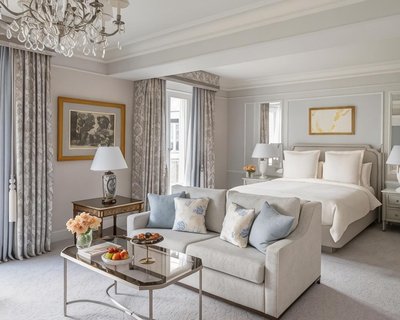
Four Seasons Hotel George V Paris
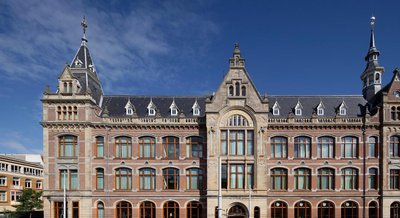
Conservatorium Hotel (Operated by Mandarin Oriental)
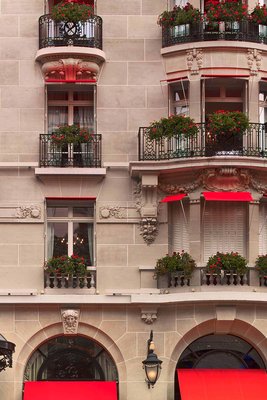
Plaza Athénée Paris & Dior Spa
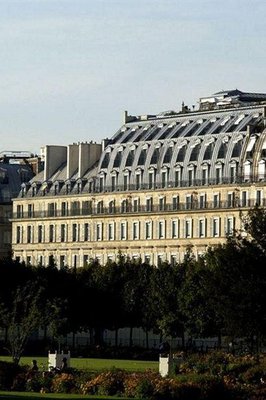
Le Meurice
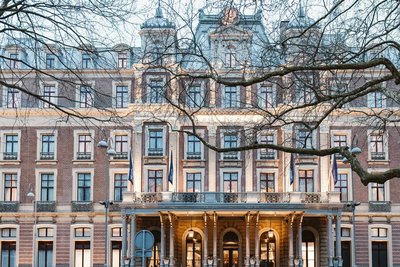
InterContinental Amstel Amsterdam
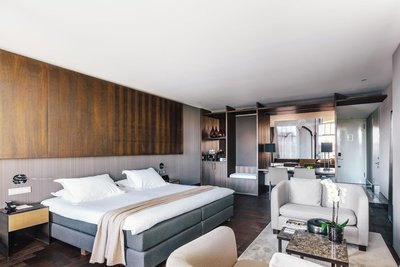
The Dylan Amsterdam

Mercure Dunkerque Centre Gare
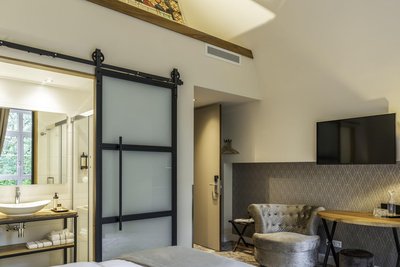
KerkHotel Biervliet
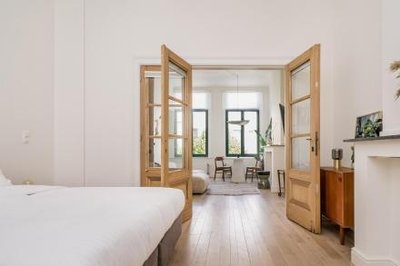
Quartier le Sud
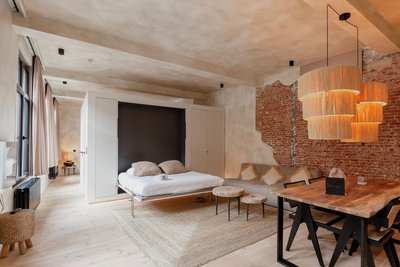
Btfl Living Antwerp
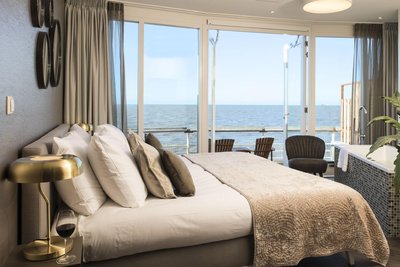
De Pier Suites

Les Jardins du Mess
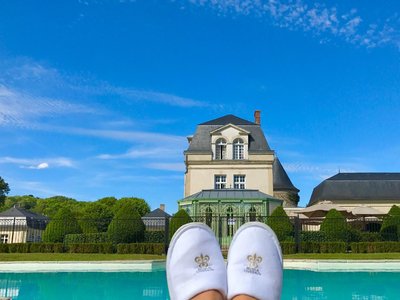
Château de Courcelles - Relais & Châteaux
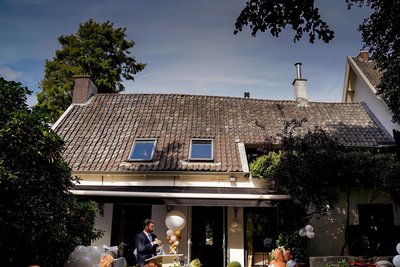
Villa Beukenhof
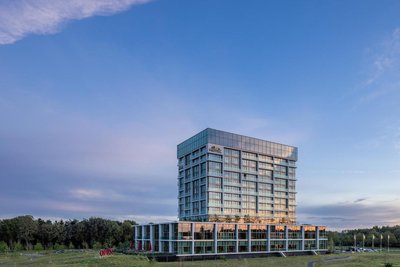
Van der Valk Hotel Eindhoven-Best
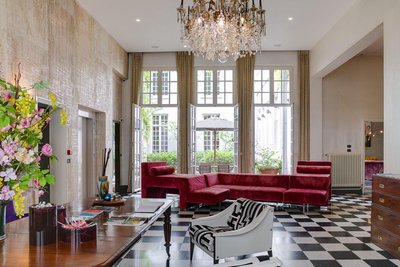
De Witte Lelie
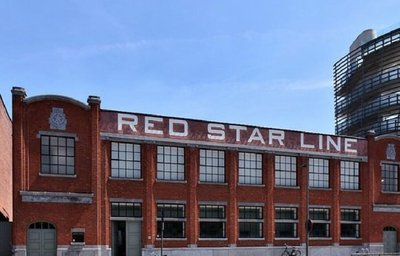
U Eat & Sleep Antwerp
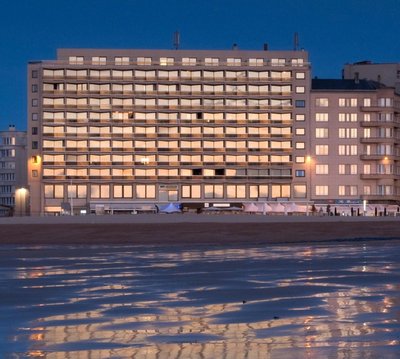
C-Hotels Andromeda
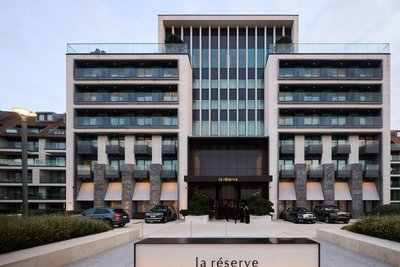
La Réserve Resort
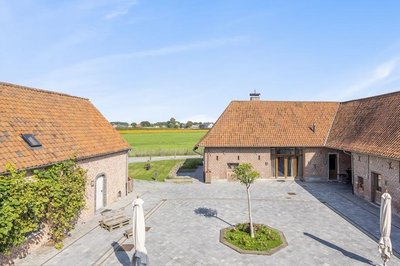
Burgemeestershof
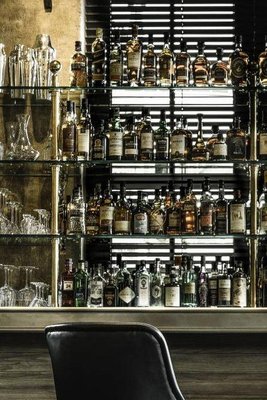
1898 the Post
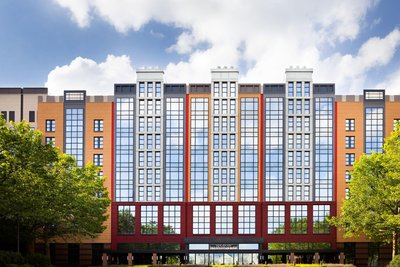
Disney Hotel New York - the Art of Marvel
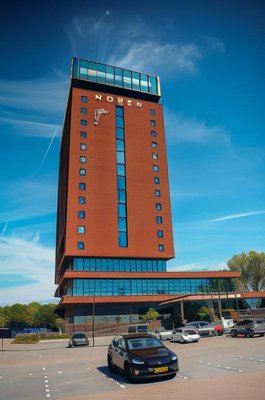
Van der Valk Hotel Schiedam
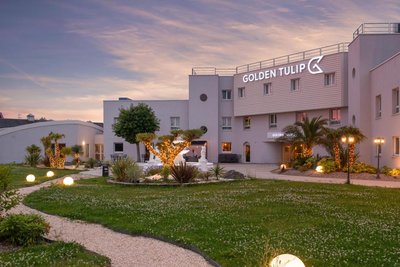
Golden Tulip Dieppe

La Jonquette
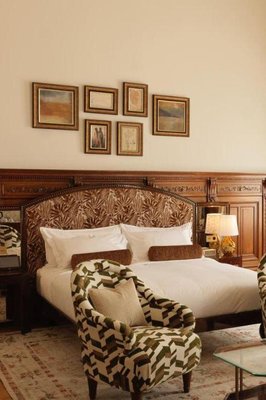
Hotel Fleur de Ville
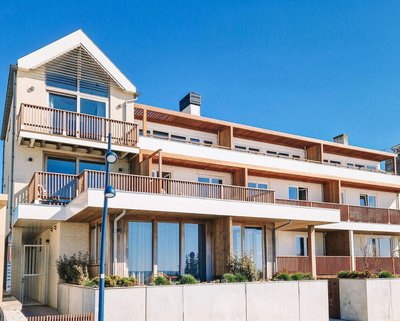
Boulevard 5
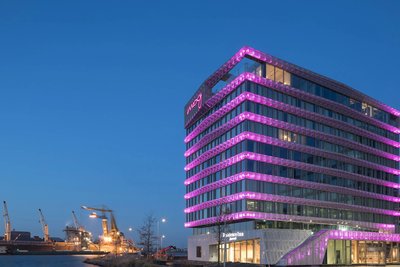
Residence Inn by Marriott Amsterdam Houthavens
De L’Europe Amsterdam – the Leading Hotels of the World
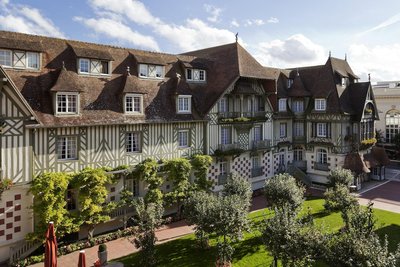
Hôtel Barrière le Normandy
Four Seasons Hotel George V Paris
InterContinental Amstel Amsterdam
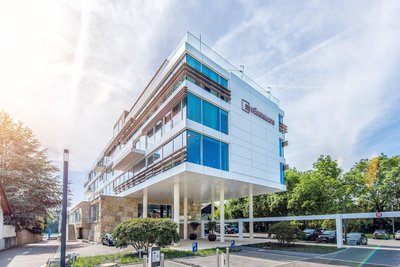
Fährhaus
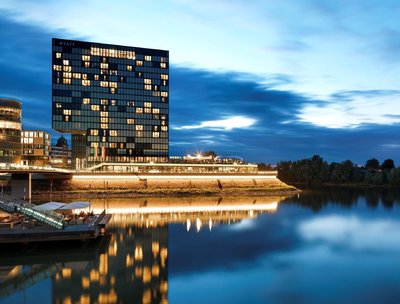
Hyatt Regency Dusseldorf
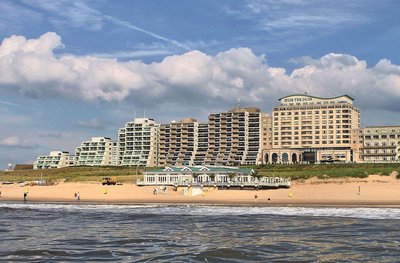
The Historic Huis Ter Duin
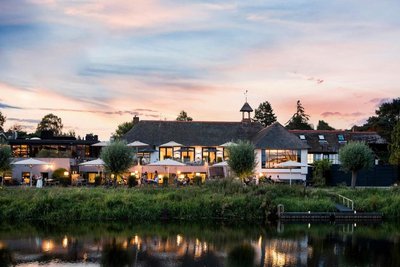
Mooirivier
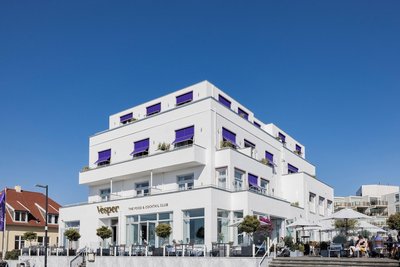
Vesper Hotel
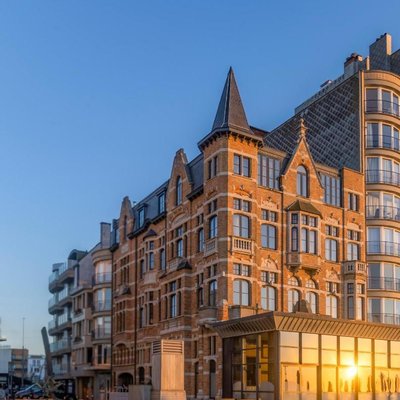
Hotel Villa Select
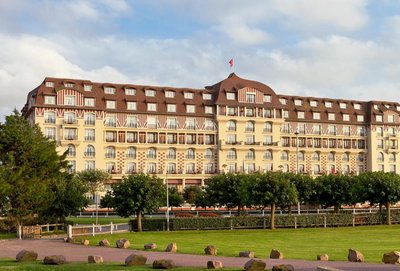
Hôtel Barrière Le Royal Deauville

Inntel Hotels Den Haag Marina Beach
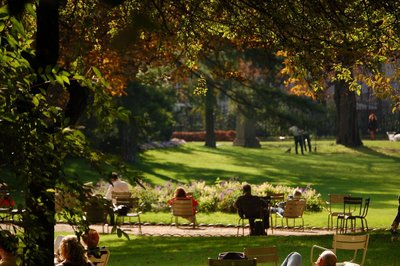
Hotel Les Rives de Notre-Dame
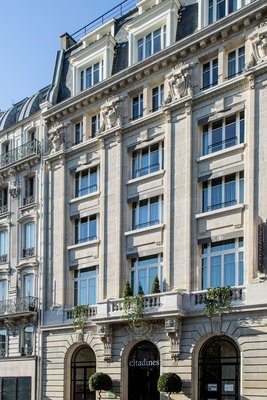
Citadines Saint-Germain-Des-Prés Paris
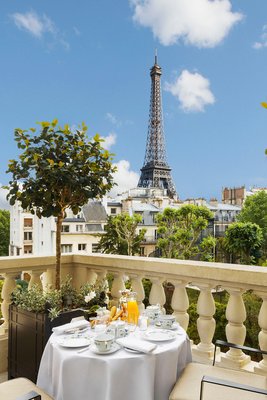
Shangri-La Paris

Cheval Blanc Paris & Dior Spa Cheval Blanc Paris
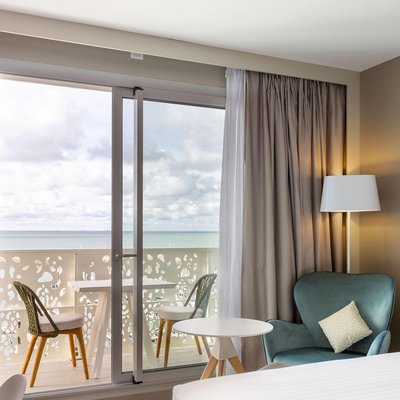
Hilton Garden Inn le Havre Centre
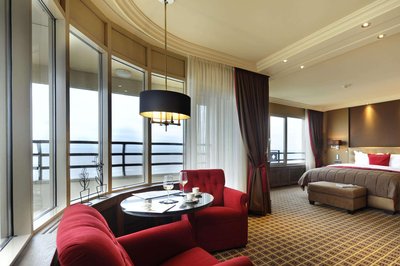
Grand Hotel Huis Ter Duin
Maison Proust, Hotel & Spa la Mer
Maison Delano Paris
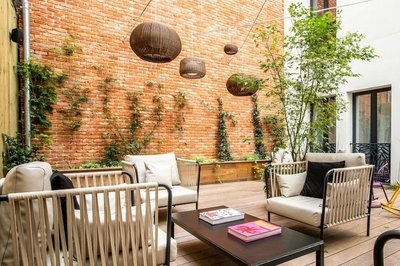
Laz' Hotel Spa Urbain Paris
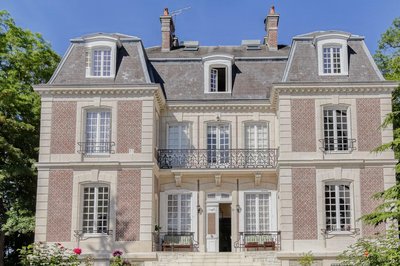
Château d'Avesnes - le Castelet
The Peninsula Paris
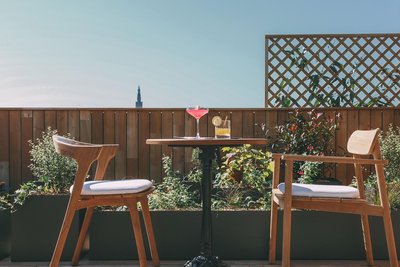
Grand Hotel Bellevue - Grand Place
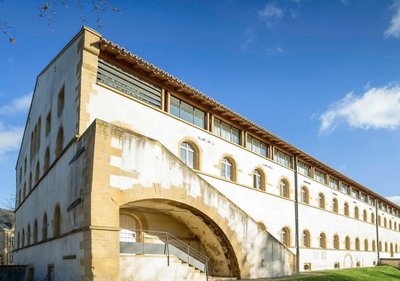
Hôtel la Citadelle Metz - MGallery Collection
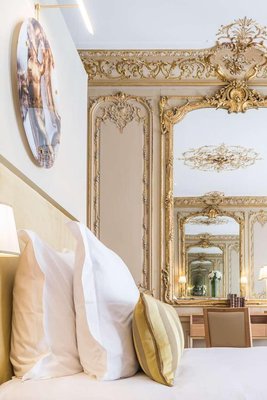
Hôtel Alfred Sommier
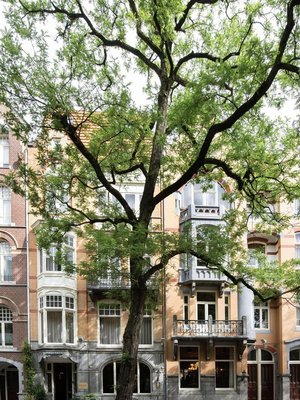
Jan Luyken Amsterdam
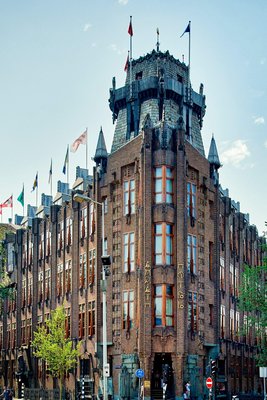
Grand Hotel Amrâth Amsterdam
Hotel de Crillon A Rosewood Hotel
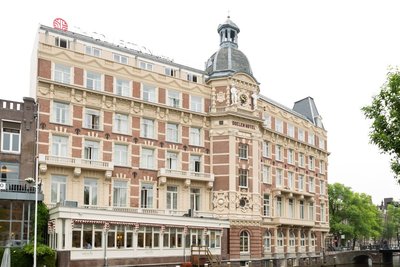
Tivoli Doelen Amsterdam Hotel
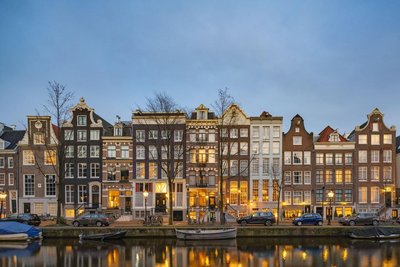
Ambassade Hotel
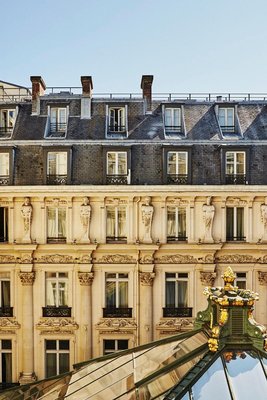
InterContinental Paris le Grand
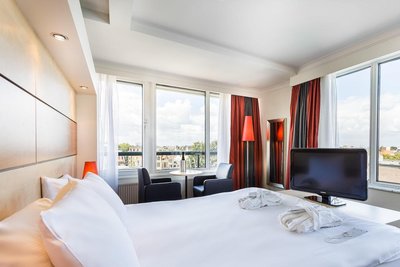
Hotel Die Port Van Cleve
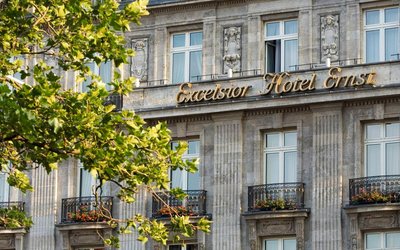
Excelsior Hotel Ernst am Dom
Four Seasons Hotel George V Paris
Plaza Athénée Paris & Dior Spa
Le Meurice
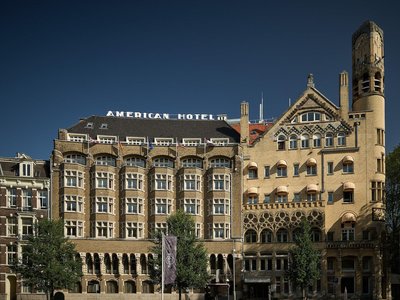
Clayton Hotel Amsterdam American
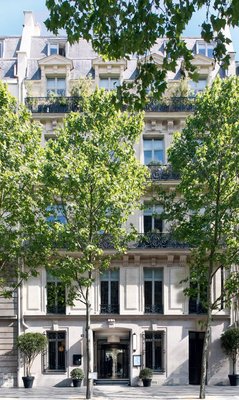
Le Narcisse Blanc Hôtel & Spa
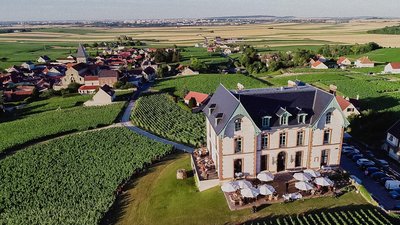
Chateau de Sacy
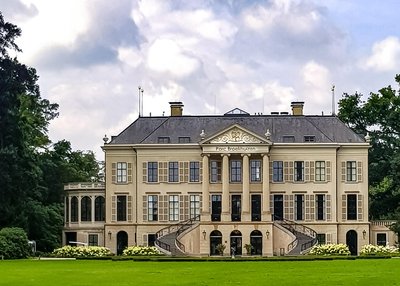
Parc Broekhuizen l Culinair Landgoed
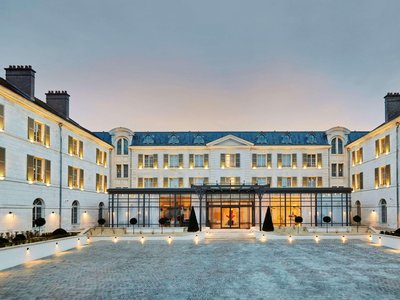
Licorne Hotel & Spa Troyes MGallery
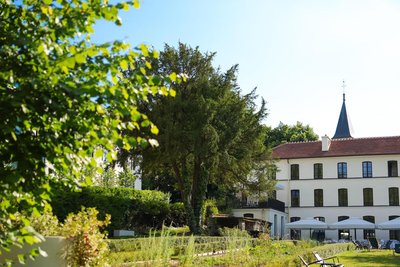
Domaine Reine Margot Paris Issy MGallery Collection
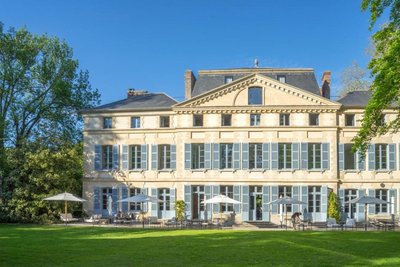
Le Domaine de Primard
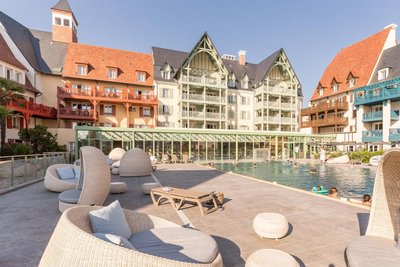
Résidence Pierre & Vacances Premium Presqu'Ile de la Touques
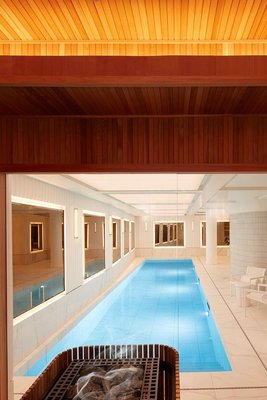
Villa-des-Prés
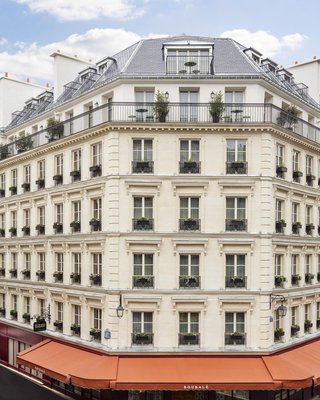
Le Grand Mazarin
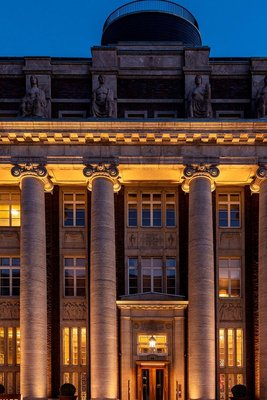
The Wellem Dusseldorf, Part of Hyatt
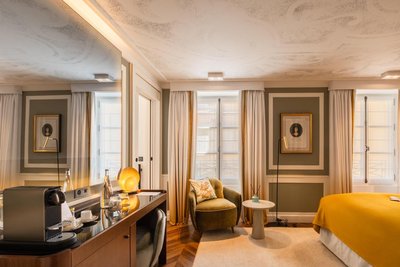
Hôtel les Lumières - Relais & Châteaux
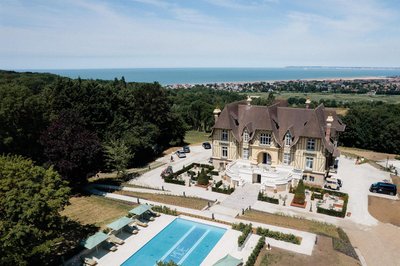
Maison Douce Époque
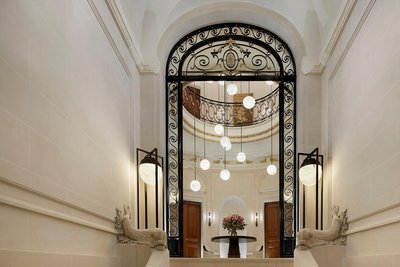
Maison Villeroy
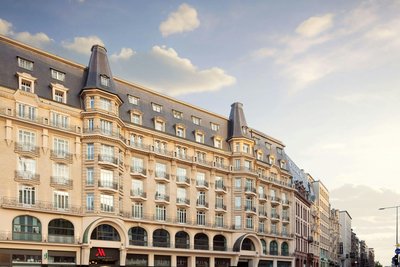
Luxembourg Marriott Hotel Alfa
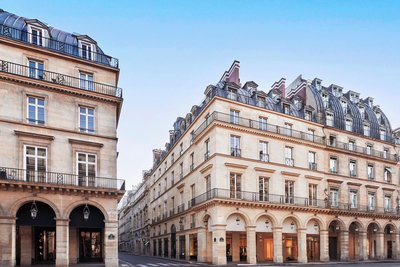
Maison Barrière Vendôme
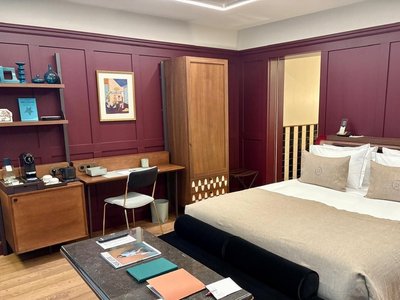
Faubourg 21
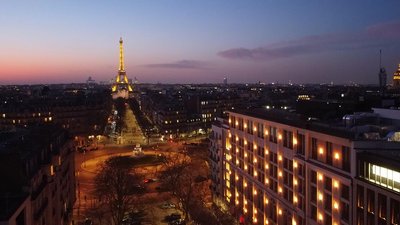
SAX Paris, LXR Hotels & Resorts
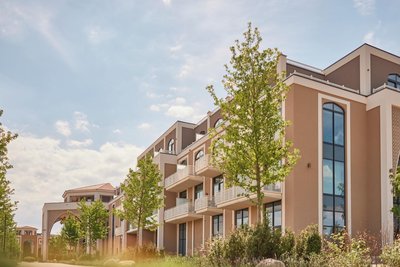
Hotel Thermen Berendonck
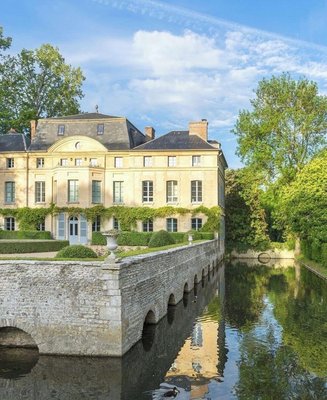
Domaine de Primard - Fontenille Collection
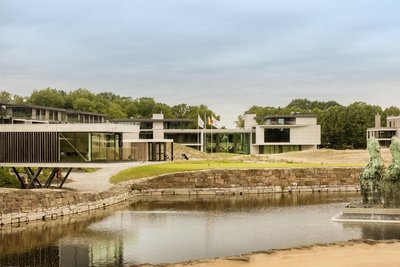
Radisson Collection Hotel, The National Brussels
Hotel TwentySeven - Small Luxury Hotels of the World
The Peninsula Paris
Hotel de Crillon A Rosewood Hotel
De L’Europe Amsterdam – the Leading Hotels of the World
Four Seasons Hotel George V Paris
Le Meurice
The Dylan Amsterdam
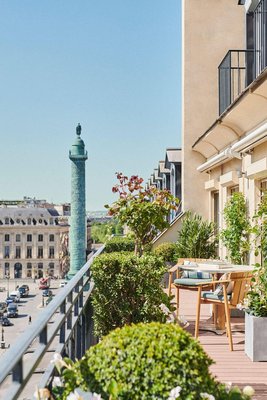
Park Hyatt Paris Vendome
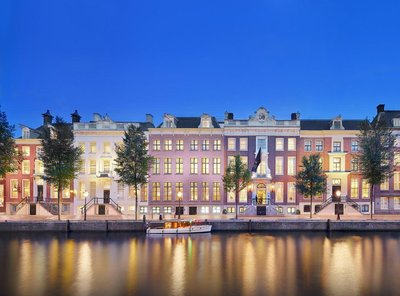
Waldorf Astoria Amsterdam
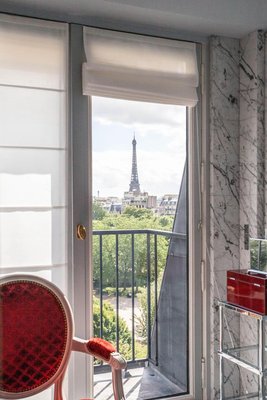
La Reserve Paris Hotel and Spa
Hyatt Regency Dusseldorf
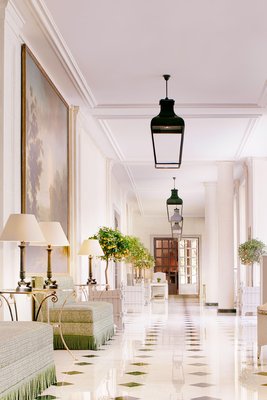
Le Bristol Paris - an Oetker Collection Hotel
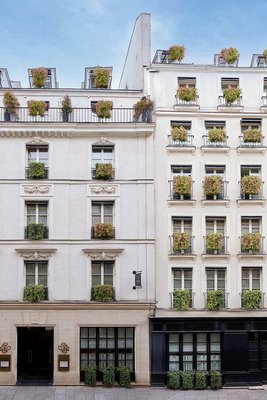
Le Burgundy Paris
Shangri-La Paris
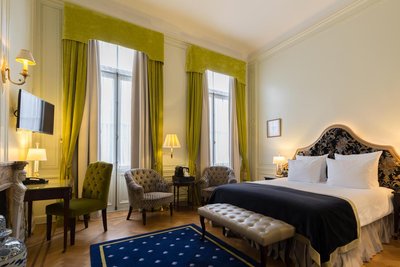
Stanhope Hotel Brussels by Thon Hotels
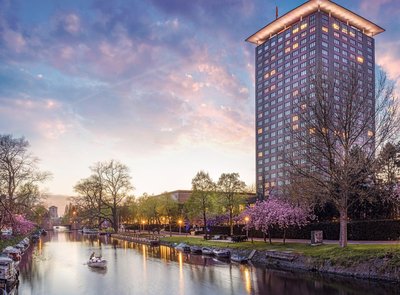
Hotel Okura Amsterdam – the Leading Hotels of the World
Cheval Blanc Paris & Dior Spa Cheval Blanc Paris
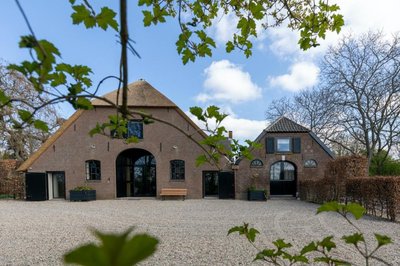
Het Rentmeestershuis
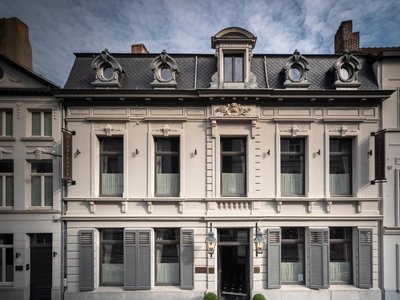
CH Longstay 2
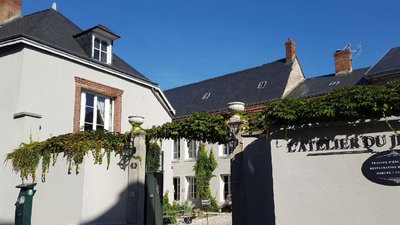
Au Jeu de Paume
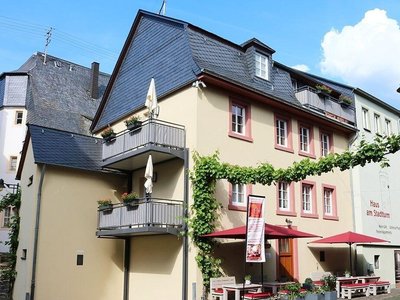
Haus am Stadtturm
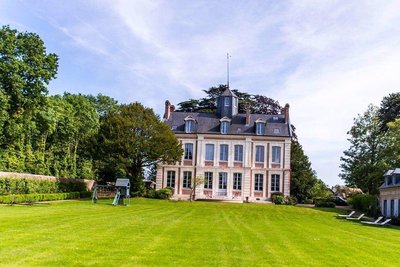
Le Clos de Grâce
Little Grand
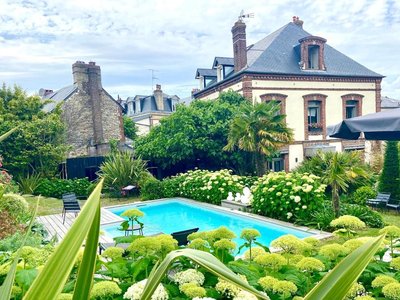
Villa du Cedre Honfleur
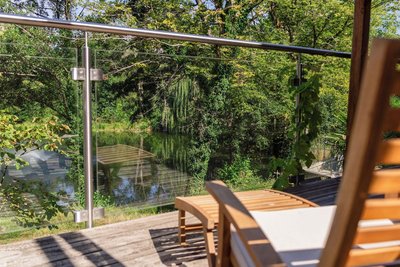
Domaine de la Résidence Hotel Spa & Restaurant
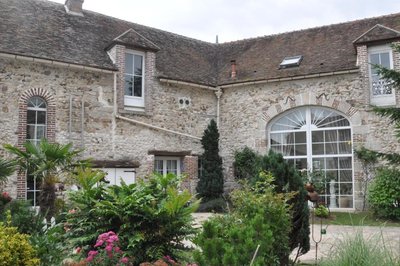
La Bergerie des Anges
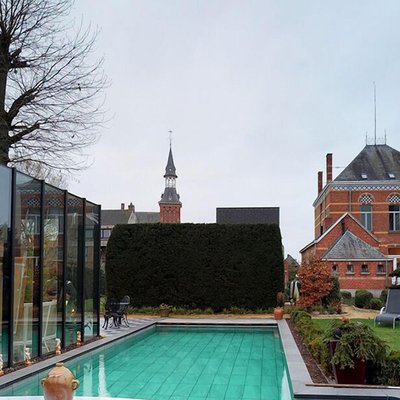
Art of Dreams Deluxe 4 Stars
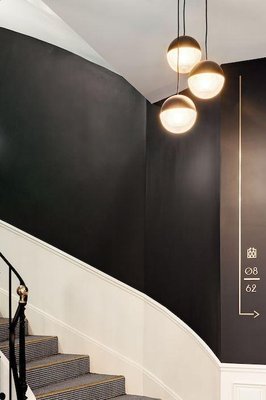
My Maison in Paris Invalides
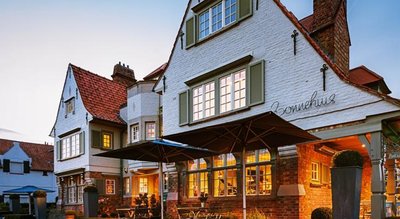
Romantik B&B Zonnehuis

Hotel Barrière Fouquet's New York

The Plaza - A Fairmont Managed Hotel

The Ritz-Carlton New York, Central Park

Four Seasons Hotel New York

The St. Regis New York

Park Hyatt New York

Mandarin Oriental New York
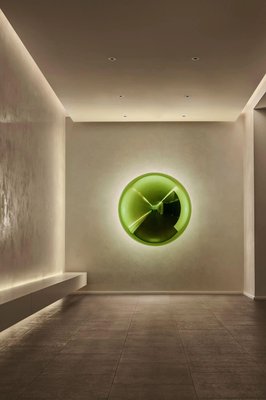
Times Square Edition New York
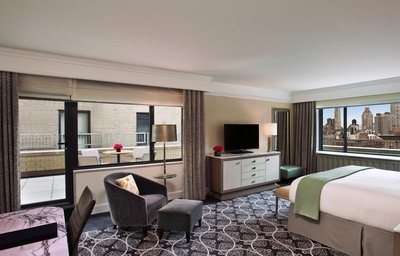
Loews Regency New York Hotel
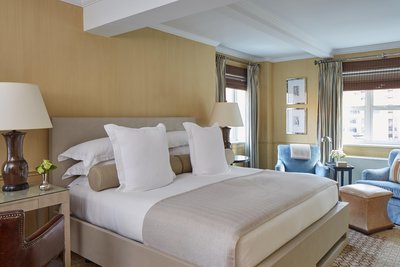
Lowell Hotel
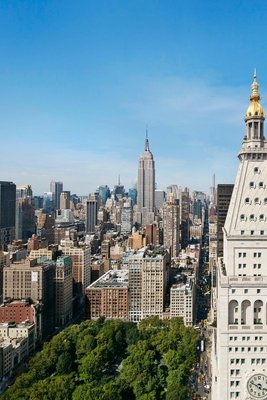
New York Edition
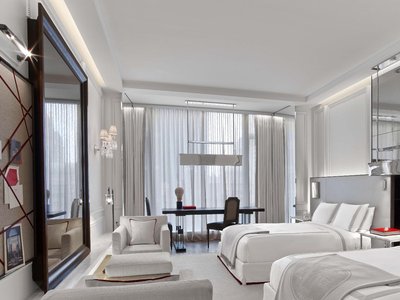
Baccarat Hotel New York
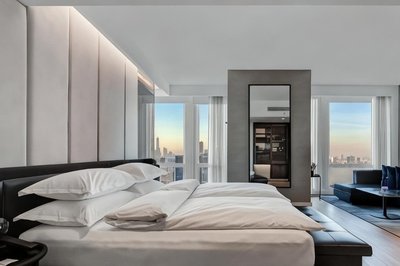
Equinox Hotel New York
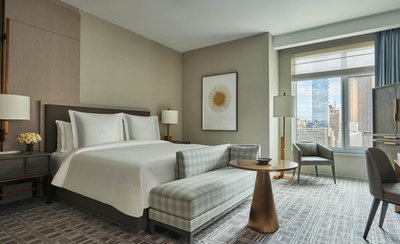
Four Seasons Hotel New York Downtown
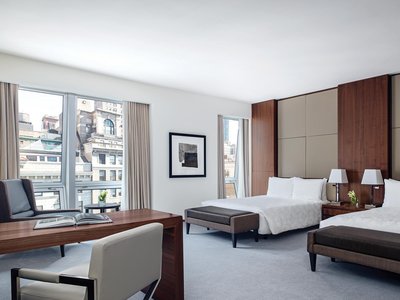
The Langham, New York, Fifth Avenue
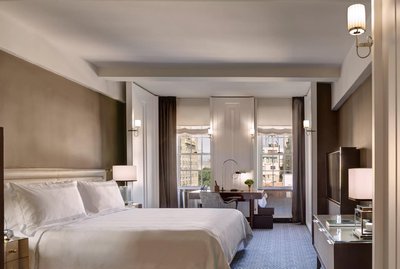
The Carlyle, A Rosewood Hotel

The Chatwal, in the Unbound Collection by Hyatt
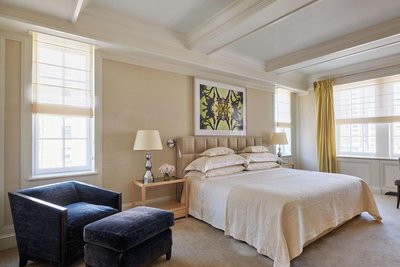
The Mark New York
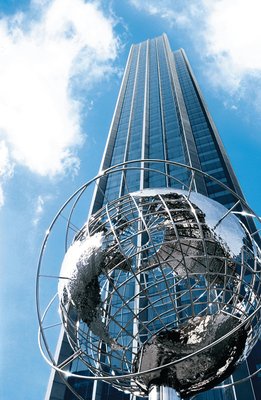
Trump International Hotel & Tower® New York
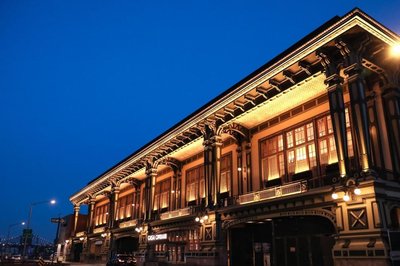
Casa Cipriani New York
Frequently Asked Questions about Traveling to Bernissart
Questions You Might Need to Know About Traveling to Bernissart
In Binche, the standout boutique hotel is Hôtel des Arts, a former 17th-century townhouse transformed into a stylish yet authentic retreat. Located just steps from the Grand Place and Notre-Dame Church, it blends original brickwork with modern art installations, offering guests a unique fusion of history and creativity. Each room features handcrafted furniture, vintage maps, and curated local artwork, while the rooftop terrace provides panoramic views of the town’s colorful rooftops.
Another gem is Les Jardins de l'Abbaye, nestled within the ruins of a medieval abbey, where guests stay in restored stone cottages surrounded by tranquil gardens. The hotel hosts weekly artisan workshops—like pottery and candle-making—offering immersive cultural experiences. Both properties emphasize sustainability, using locally sourced ingredients in their breakfast spreads and supporting regional craftspeople. For travelers seeking an intimate, story-rich stay, these hotels deliver charm beyond standard accommodations.
Note: Reservations are recommended, especially during the Binche Carnival season (February), when demand spikes.
Also, many rooms offer free Wi-Fi and bike rentals for exploring nearby trails.
The area is pedestrian-friendly, making it easy to walk to cafes, markets, and historic sites.
The Old Town (Vieille Ville) district of Binche delivers the most authentic atmosphere, centered around the Grand Place and Saint-Pierre Church. This historic core preserves its 18th-century cobblestone streets, pastel-colored façades, and traditional Flemish architecture, creating a picturesque setting straight out of a postcard. Local cafés like Le Petit Jardin serve homemade waffles and hot chocolate, often enjoyed on shaded terraces overlooking the square.
Walking through this district feels like stepping into a living museum: street musicians play at dusk, antique shops display heirloom clocks and lace, and the scent of freshly baked pain d’épices drifts from bakeries. The Town Hall, with its ornate clock tower, doubles as a cultural hub hosting exhibitions and seasonal events.
For maximum authenticity, visit during the Binche Carnival, when locals don costumes and parade through the streets in elaborate, feathered outfits—a tradition dating back centuries. The area is also well-lit and safe at night, ideal for evening strolls. Avoid weekends during major festivals if you prefer quieter exploration.
Many small boutiques and artisan studios line Rue de la Gare and Rue du Marché, offering handmade soaps, ceramics, and regional textiles—perfect for souvenir shopping with a personal touch.
In Binche, one of the most unique cultural experiences is attending the Binche Carnival, a UNESCO-recognized event held annually in February. Locals dress in extravagant, handcrafted costumes featuring feathers, masks, and oversized hats, parading through the streets in a lively procession known as the "Gilles". Visitors can join the festivities or simply watch from the sidelines, soaking in the vibrant energy and rich folklore.
Another must-try is the Artisanal Workshop Tour, where you can learn traditional Flemish crafts such as lace-making, wood carving, and bell-forging. These hands-on sessions take place in family-run ateliers near the Abbey Ruins and are led by master artisans who share stories passed down through generations.
For music lovers, the Church of Saint-Pierre hosts monthly organ recitals featuring Baroque compositions, with acoustics that echo beautifully through the vaulted ceilings. You’ll also find seasonal exhibitions at the Hainaut Regional Museum, which showcases archaeological finds and historical artifacts from the region.
These experiences highlight Binche’s deep-rooted Flemish heritage and its role as a cultural crossroads between France and Belgium. Don’t miss the chance to try local cider and spiced bread at a neighborhood café after your tour—each bite tells a story of the land and people.
Reservations are advised for workshops and concerts due to limited capacity.
In Binche, must-try local dishes include: Belgian Waffles (Waffles Bruxelloises) served warm at La Maison du Fromage, topped with fresh strawberries, whipped cream, and a drizzle of dark chocolate—perfect for breakfast or dessert.
Stoofvlees (Beef Stew) is a regional specialty, slow-cooked for hours with red wine, onions, and herbs at Le Coq en Paille, then served over creamy mashed potatoes. It’s hearty, rich, and deeply flavorful—an essential taste of Hainaut cuisine.
Don’t miss Lapin à la Génoise (Ghent Rabbit), a savory dish made with wild rabbit from nearby forests, braised in almond sauce and served with buttery leeks. Available only in autumn, it’s a seasonal delicacy often paired with a glass of local Cidre de Hainaut.
For a lighter option, try Bouillon Flamand, a warming onion-and-beer soup served in clay pots, perfect for chilly days. Many restaurants source ingredients directly from nearby farms, ensuring freshness and authenticity.
Pair your meal with a flight of craft Belgian beers or traditional apple cider, both available at cozy taverns along Rue du Marché. These dishes reflect Binche’s agricultural roots and culinary pride, offering a true taste of the region.
Visit during the Farmers’ Market (Saturdays) to sample fresh produce and meet the producers behind your plate.
Binche offers several photogenic spots that capture its timeless charm: the Grand Place, framed by colorful 18th-century facades and bustling with flower stalls, is ideal for wide-angle shots during golden hour.
The Clock Tower of the Town Hall, with its intricate carvings and animated figures, creates striking silhouettes against the sky—especially dramatic at sunrise.
Saint-Pierre Church stands out with its Gothic spire and stained-glass windows; photograph the interplay of light and color filtering through the glass, particularly on clear afternoons.
A favorite hidden gem is the Old Bridge (Pont Vieux) spanning the Scheldt River tributary, where reflections of ancient stones shimmer in the water—perfect for low-angle shots or long-exposure photography.
For a surreal moment, visit the "Time Gate" sculpture at the edge of the Ardennes Forest—a large abstract iron clock crafted from recycled materials, symbolizing the town’s connection to nature and time.
Lastly, the Abbey Gardens offer lush greenery and quiet pathways, ideal for candid portraits or still-life shots among blooming roses and ivy-covered walls.
Bring a tripod for twilight photography, and use the free digital guide app available at the tourist office for optimal lighting and vantage points. Early mornings and late afternoons provide the softest natural light for professional-quality images.
Yes, Binche is an excellent base for hiking, nestled in the heart of the Ardennes Forest and Scheldt River Valley. The "Forest Path Loop" (Trail 23) is a 10-kilometer route starting from the old town center, winding through oak groves, wildflower meadows, and past the ruins of a 17th-century mill. Highlights include the Deer Whispering Point, a secluded observation deck where wildlife is frequently spotted, and the Willow Creek Viewpoint, offering sweeping vistas of the valley below.
Another popular trail is the "River Poet Path", a gentle 6-kilometer loop along the Scheldt River tributary, passing through reed beds, birdwatching hides, and the White Egret Wetlands. Ideal for families and beginners, it features wooden benches and interpretive signs about local flora and fauna.
All trails are clearly marked with wooden posts and feature rest stops with drinking fountains. Trail maps and downloadable GPS tracks are available at the Tourist Office. Bring waterproof gear—some paths become muddy after rain.
For advanced hikers, the Ardennes Ridge Trail connects Binche to nearby Tihange, offering more challenging terrain and panoramic views. Note: Some sections have no mobile signal, so carry a physical map.
Best visited in spring and early autumn when temperatures are mild and foliage is vibrant. Wear sturdy boots and pack snacks—the forest offers a peaceful escape from urban life.
The best time to visit Binche is from April to October, with peak seasons in May–June and September–early October. During these months, temperatures range from 12–22°C, skies are mostly clear, and the countryside bursts into bloom—ideal for outdoor activities and photography.
Spring brings cherry blossoms and wildflowers along the riverbanks, while autumn paints the forests in fiery reds and golds, making it perfect for scenic walks and photo tours.
The Binche Carnival in February is a major draw, attracting international visitors with its flamboyant processions and historic traditions—but it’s colder and less suitable for general sightseeing.
This destination suits travelers seeking authentic charm, cultural depth, and natural beauty. Ideal for: slow travelers, history enthusiasts, photography lovers, families, and couples looking for romantic, off-the-beaten-path experiences.
Avoid public holidays and festival weekends if you prefer a quieter stay. HopeGoo ahead is recommended, especially in summer and during carnival season.
The town’s compact layout and pedestrian-friendly design make it easy to explore on foot, enhancing the sense of discovery and immersion.
Binche offers several romantic experiences perfect for couples: begin with a sunset stroll atop the Clock Tower Rooftop, where you can admire the glowing rooftops and distant hills while sipping champagne from a private balcony at Hôtel des Arts.
Book a private dinner at Le Coq en Paille, renowned for its “Love Menu”—a seven-course tasting experience with each dish paired with a love poem and a bottle of vintage cider. The candlelit dining room overlooks the garden, adding intimacy.
For a magical moment, rent a vintage two-wheeler and cycle along the Scheldt River Valley to a secluded bridge covered in ivy. Stop there for a shared picnic of local cheese, bread, and fruit, with a view of the flowing water beneath.
Another unforgettable option is the Abbey Garden Night Walk, a guided tour through the moonlit ruins of the medieval abbey, where storytellers recount tales of forbidden love and lost legends. Only two couples per session are allowed, ensuring privacy and exclusivity.
Many hotels offer romantic packages including rose petals, spa vouchers, and breakfast in bed. These experiences blend Flemish elegance, natural serenity, and emotional depth, making Binche a dream destination for couples wanting a meaningful, memorable getaway.
Public transport in Binche is reliable but limited for full exploration. The De Lijn bus network connects Binche to Mons, Liège, and Charleroi, with frequent services from the Binche Train Station (15 minutes to Liège). However, buses do not cover all scenic areas—especially forest trails and village outskirts—and schedules are sparse outside peak hours.
Therefore, driving is highly recommended. The town center has multiple paid parking zones (€2/hour), and rental cars are available at Liège Airport (30-minute drive). A car allows flexibility to reach remote spots like the Ardennes Forest trails, hidden waterfalls, and historic castles without relying on transfers.
Roads are well-maintained, and Belgium’s highway system is efficient. Use Google Maps for real-time navigation, as some rural roads lack signage. Note: Some narrow alleys in the Old Town are one-way or restricted to pedestrians.
Driving also enables spontaneous stops at roadside farms, markets, and vineyards. For eco-conscious travelers, electric vehicle charging stations are available in the city center.
Overall, while public transit suffices for day trips to nearby cities, a car maximizes freedom and access to Binche’s full charm, especially for those planning multi-day explorations.
Parking permits are required for overnight stays near the Grand Place.
The Binche Tourist Office, located on the Grand Place, provides essential services year-round: free printed maps and brochures detailing hiking trails, museums, and cultural events; multilingual staff (English, French, Dutch) ready to assist with reservations, ticket purchases, and itinerary planning.
They offer luggage storage (€2/day), bike rental (€10/day), and digital guide device rentals (€5/day), complete with offline audio tours and interactive maps. These devices enhance self-guided exploration, especially at historic sites like the Abbey Ruins and Saint-Pierre Church.
The office hosts monthly "Story Nights", where local elders share family histories and town legends—great for cultural immersion. They also operate a local craft kiosk, selling handmade items like lace, pottery, and regional cider.
Additionally, they provide accessibility support, including wheelchairs and audio guides for visually impaired visitors. All services are available in person or via their official website.
Tip: Check the online calendar for seasonal events like the Carnival Preview or Farmers’ Market. The office closes early on Sundays and holidays—plan accordingly.
Bernissart Overview
City Summary
Binche is a historically rich town in the Hainaut province of Belgium, renowned for its cultural heritage and unique Carnival celebrations. Designated as a UNESCO World Heritage site, Binche preserves numerous medieval buildings and traditions. The Carnival of Binche, with its iconic "Gilles" characters and orange-throwing ritual, attracts thousands of visitors annually. The town's historic center exudes a quaint and tranquil charm, making it an ideal destination for exploring Belgian traditions.
Must-See Attractions
Key attractions include the Binche Town Hall (Hôtel de Ville) and the Collegiate Church of Saint-Ursmer, showcasing late medieval and Renaissance architecture. The International Carnival and Mask Museum (Musée International du Carnaval et du Masque) offers in-depth insights into the carnival's history. Visitors can also stroll along the medieval ramparts and through the old town to soak in the historic atmosphere. The carnival in February is the highlight, but the town remains charming year-round.
Food Guide
In Binche, visitors can savor authentic Walloon cuisine. Waffles (Gaufres) and fries (Frites) are popular street foods, best enjoyed with local beer. Traditional dishes like meatballs in Liège sauce (Boulets à la Liégeoise) and rabbit stew (Lapin à la Gueuze) are restaurant staples. For dessert, syrup waffles (Gaufre au Sirop) and almond cakes (Couque) are must-tries.
Transportation Guide
Binche is accessible by train or bus from Brussels or Mons. The train station is a 10-minute walk from the town center, and most attractions are within walking distance. Driving is also convenient, with ample parking available. During the carnival, book transport and accommodation early, as roads may be closed.
Best Time to Visit
The best time to visit is February during the carnival, though it's crowded. Spring and summer (May-September) offer pleasant weather for exploring.
Travel Tips
- During the carnival, the dressed Gilles should not be touched—respect this tradition.
- Expect crowds during festivals; keep valuables secure.
- French is the main language; basic greetings help.
- Carry cash, as some small shops don't accept cards.
- Respect historic sites; avoid touching or climbing.
- Orange-throwing is a symbolic ritual, not an act of aggression.
Useful Information
Language: French is primary; English is understood in tourist areas. Internet: 4G is widely available, with free Wi-Fi in cafes/hotels. Payment: Cards are accepted, but cash is handy for small vendors. Emergency: For medical help, visit hospitals in Mons (~20 km away). Tourist services: The info center near Town Hall provides maps and event details.