Hotels in Bernkastel-Kues
Discover your perfect stay in Bernkastel-Kues.
Bernkastel-Kues(Germany) Travel 2026: Cheap Flights, Hotels & Top Attractions
Popular Landmarks in Bernkastel-Kues
Discover the most iconic attractions in Bernkastel-Kues
Recommended Hotels in Bernkastel-Kues
Find the perfect place to stay in Bernkastel-Kues
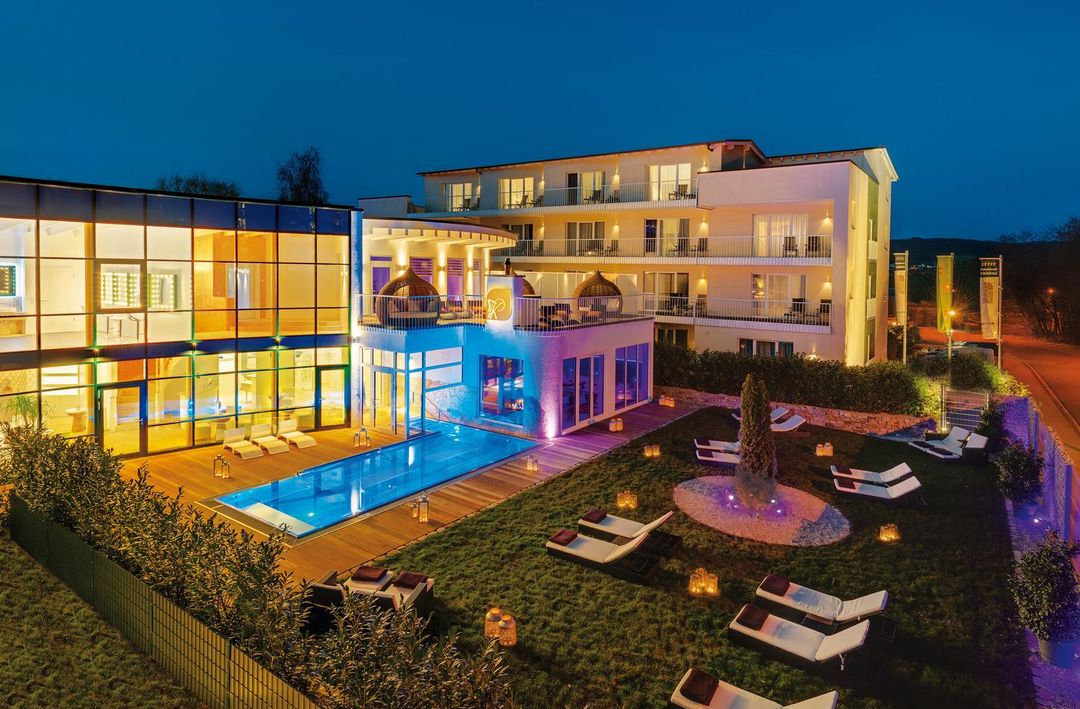
Lifestyle Resort Zum Kurfürsten
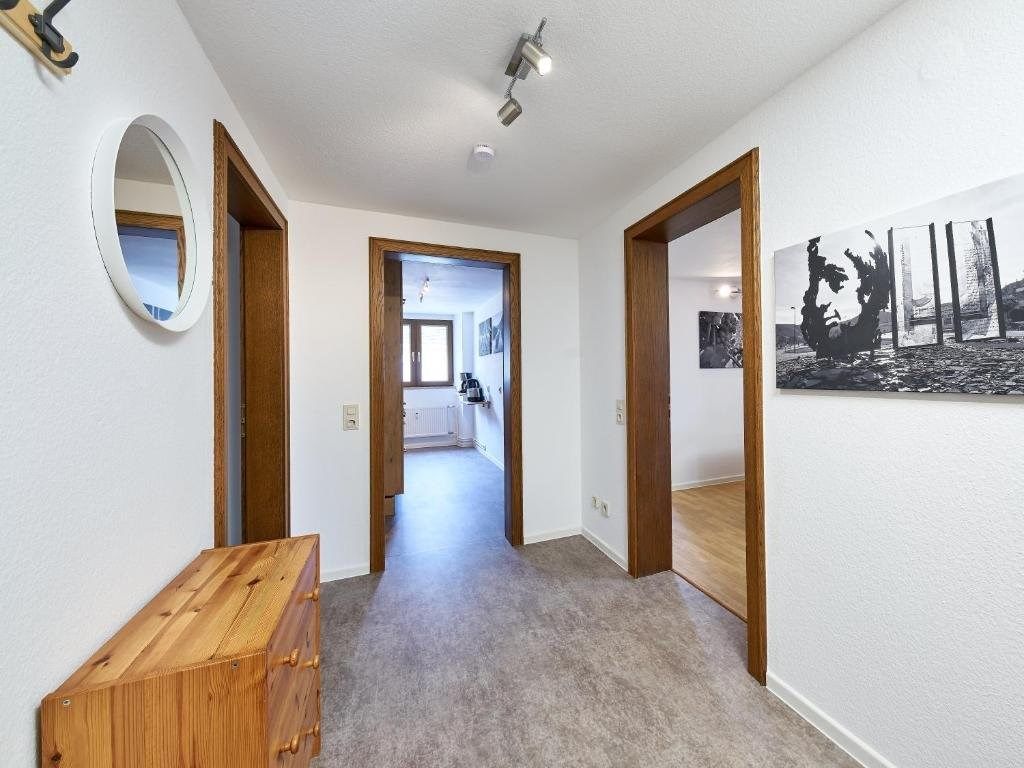
Ferienwohnungen Villa Mosella
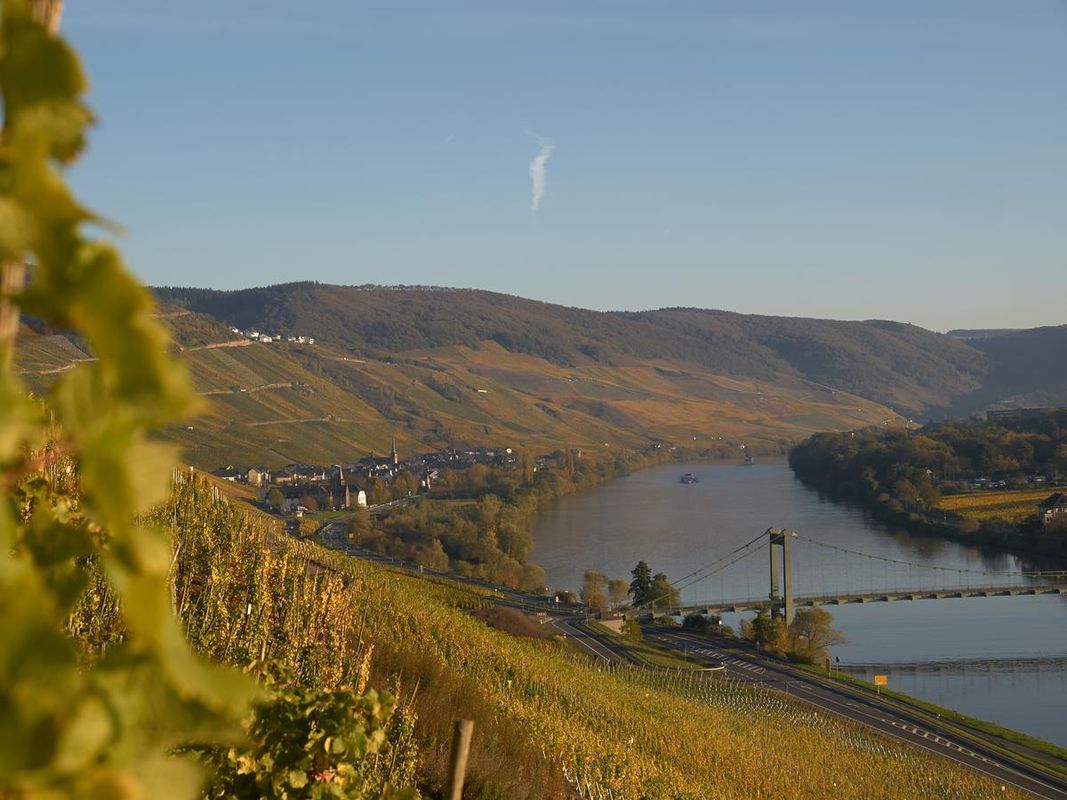
Wein- Und Landhaus S A Prüm
Best Hotels in Bernkastel-Kues
Discover curated hotel collections in Bernkastel-Kues
Märchenhotel
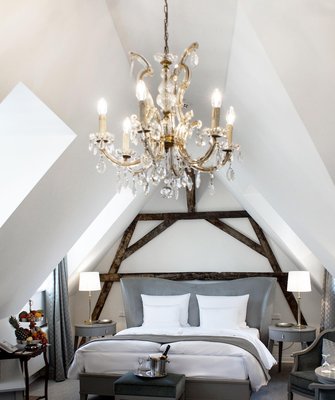
Romantik Hotel Zur Glocke
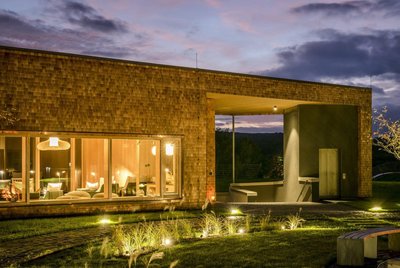
Seezeitlodge Hotel & Spa
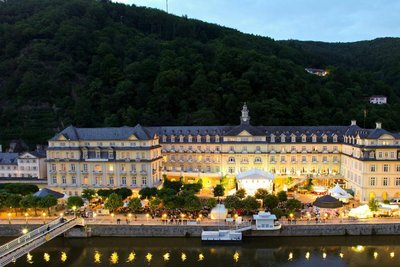
Häcker's Hotel
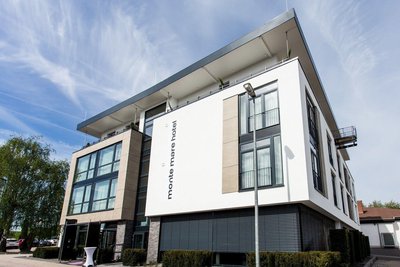
Monte Mare Sauna-Spa-Sports-Hotel
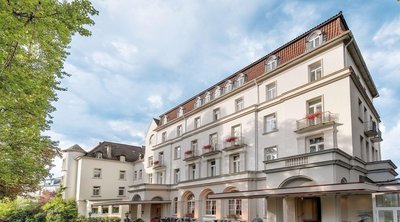
Rheinhotel Dreesen
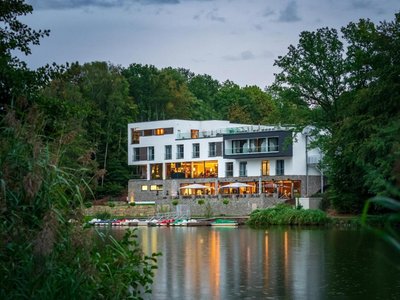
Peters Hotel & Spa
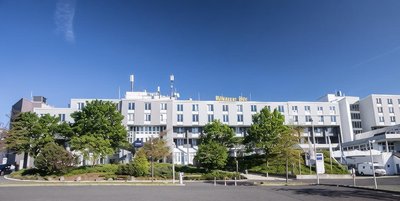
Dorint am Nürburgring Hocheifel
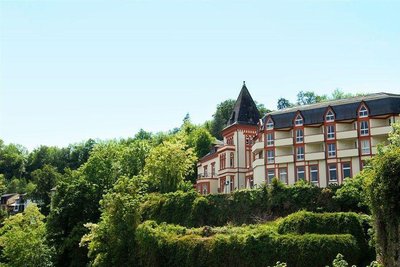
Hotel Schloss Rheinfels
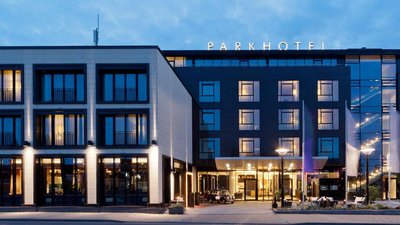
Welcome Parkhotel Euskirchen
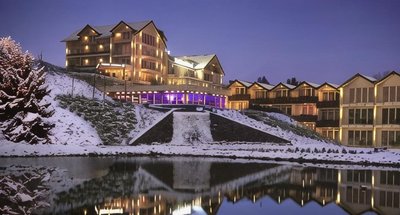
Moselstern Parkhotel Krähennest
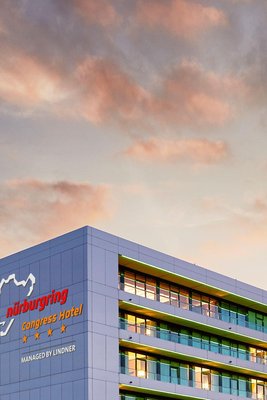
Nuerburgring Congress Hotel
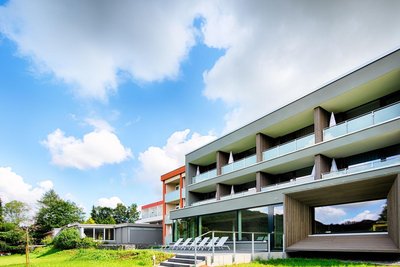
Seehotel am Stausee
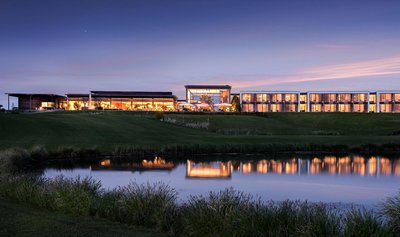
Angel's - Das Hotel am Golfpark
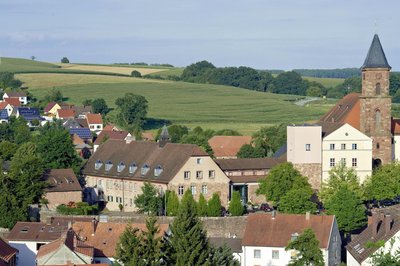
Kloster Hornbach
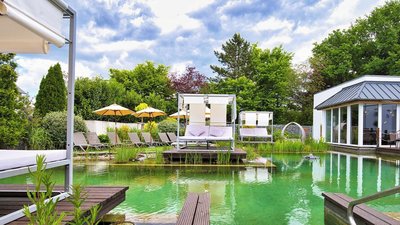
Lifestyle Resort Zum Kurfürsten
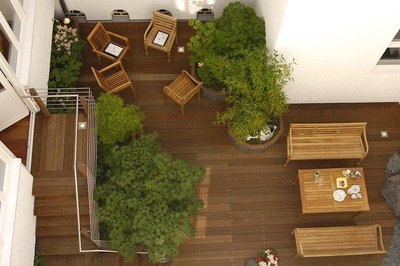
Romantik Jugendstilhotel Bellevue
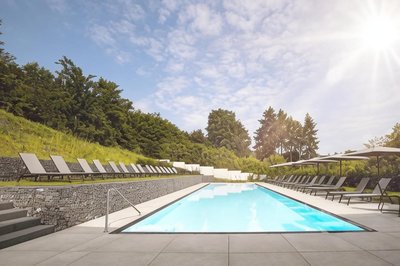
Hotel Halfenstube & Villa Spa 1894
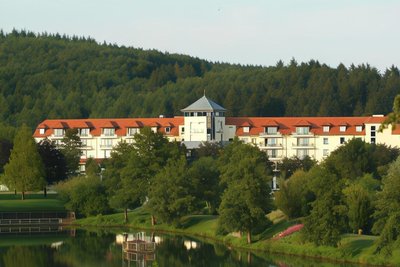
Parkhotel Weiskirchen
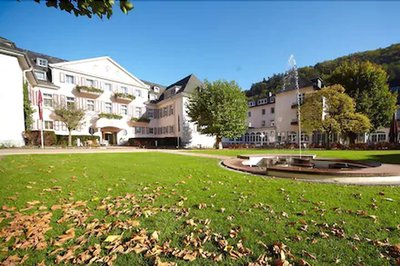
Hotel Fürstenhof Bad Bertrich
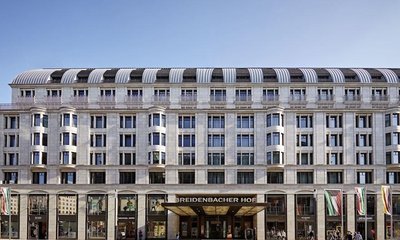
Small Luxury Hotels of the World - Breidenbacher Hof
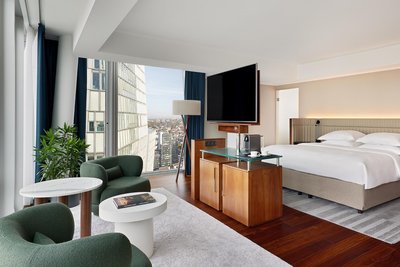
JW Marriott Hotel Frankfurt
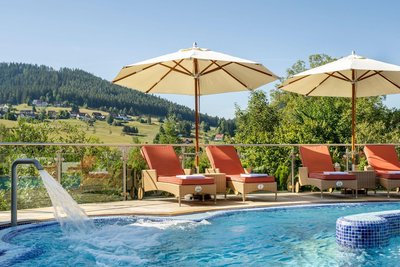
Hotel Bareiss
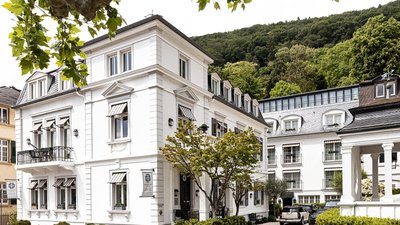
House of Hütter - Heidelberg Suites & Spa
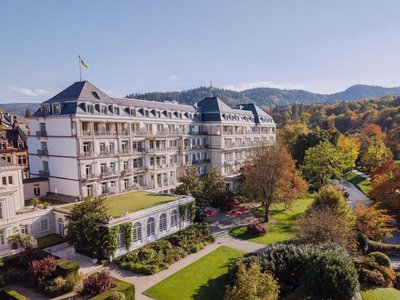
Brenners Park-Hotel & Spa - an Oetker Collection Hotel
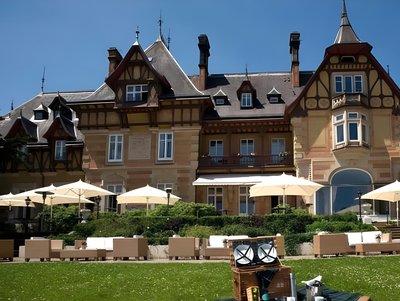
Villa Rothschild, Autograph Collection

Der Öschberghof - Die 101 Besten Hotels
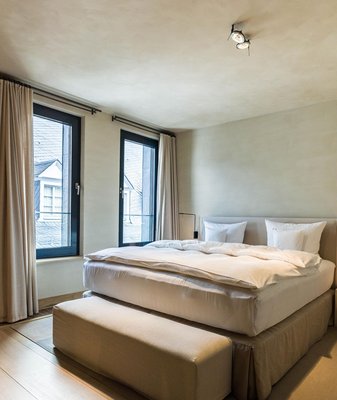
Hotel Purs
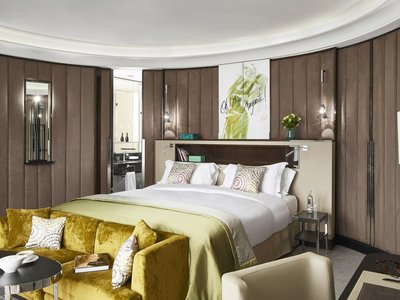
Sofitel Frankfurt Opera
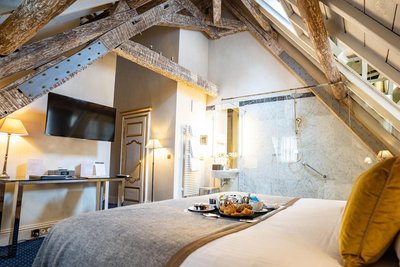
Hotel le Place d'Armes - Relais & Châteaux
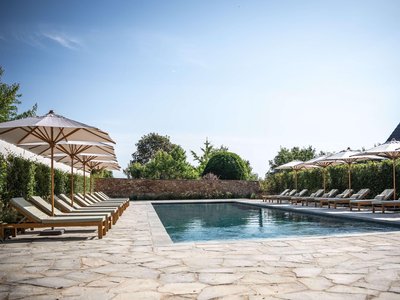
5 Terres Hôtel & Spa - MGallery
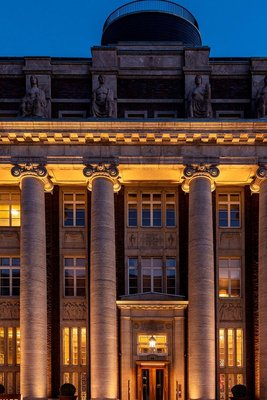
The Wellem Dusseldorf, Part of Hyatt
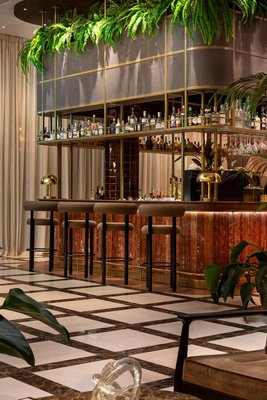
Brunfels Hotel, in the Unbound Collection by Hyatt
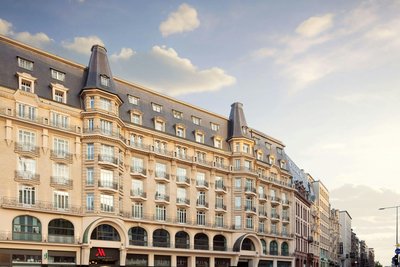
Luxembourg Marriott Hotel Alfa
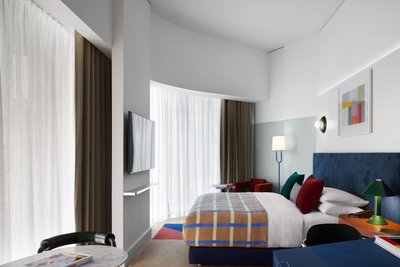
Kimpton Main Frankfurt
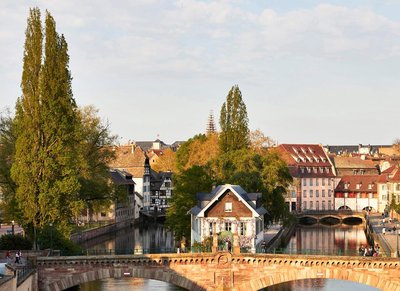
Hôtel & Spa RÉGENT Petite France
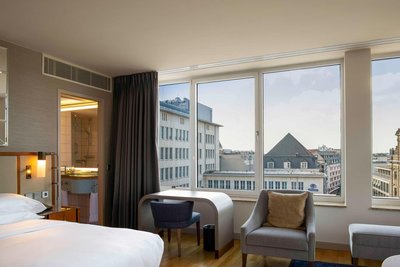
Hilton Cologne
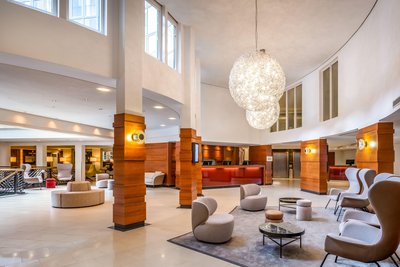
Cologne Marriott Hotel
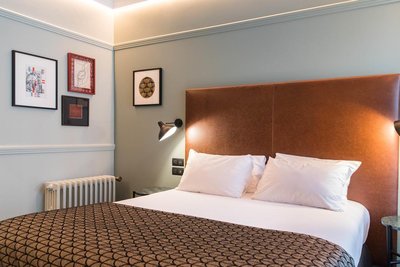
Maison Rouge Strasbourg Hotel & Spa, Autograph Collection
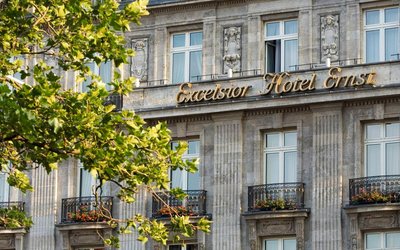
Excelsior Hotel Ernst am Dom
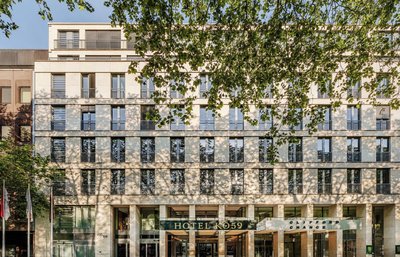
Hotel Ko59 Dusseldorf - Member of Hommage Luxury Hotels Collection
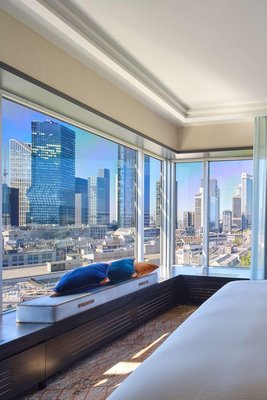
Hilton Frankfurt City Centre
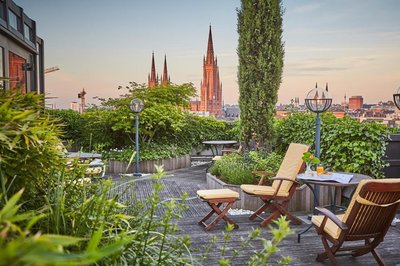
Hotel Nassauer Hof
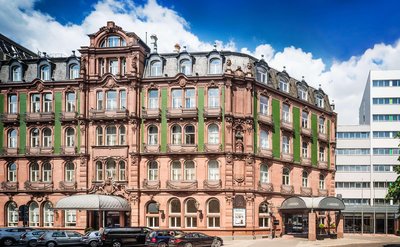
Le Méridien Frankfurt
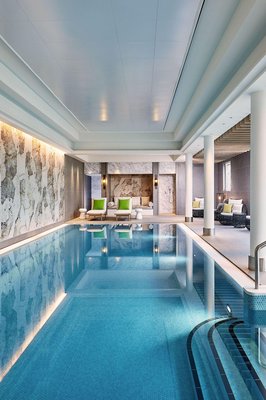
The Westin Grand Frankfurt
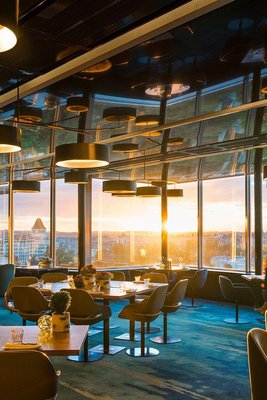
Sofitel Luxembourg le Grand Ducal
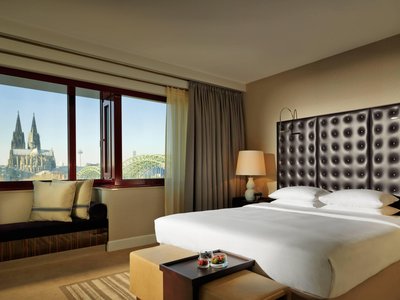
Hyatt Regency Cologne
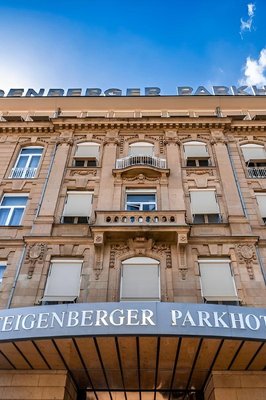
Steigenberger Icon Parkhotel Düsseldorf
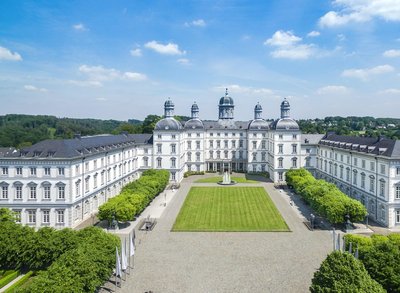
Althoff Grandhotel Schloss Bensberg
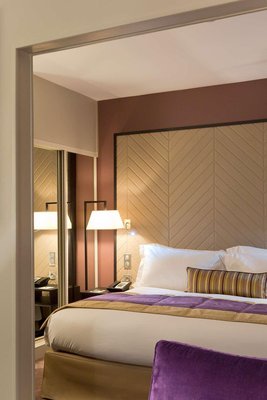
Sofitel Strasbourg Grande Île
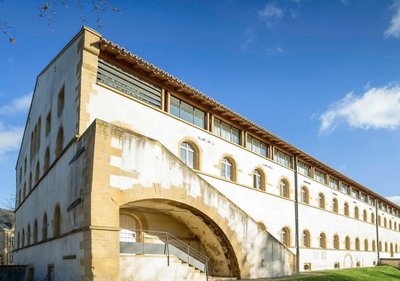
Hôtel la Citadelle Metz - MGallery Collection
Excelsior Hotel Ernst am Dom
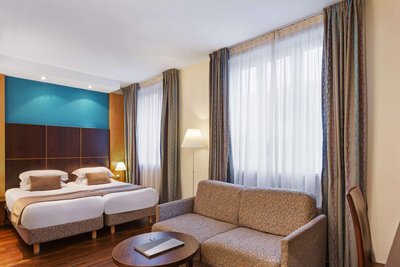
Best Western Plus Monopole Metropole
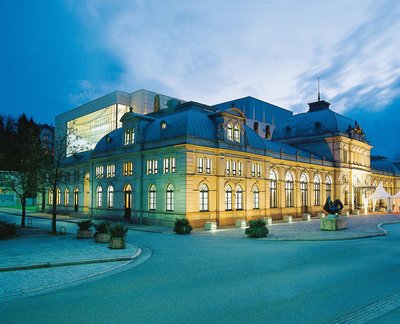
Hotel der Kleine Prinz
Hotel Nassauer Hof
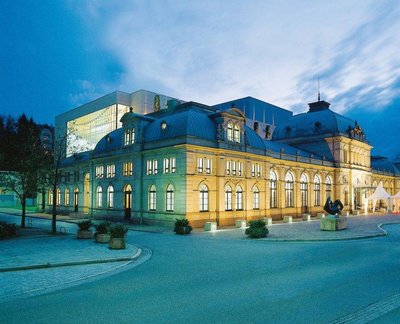
Hotel Belle Epoque
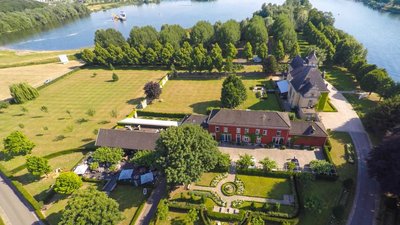
Landgoed Kasteel de Hoogenweerth
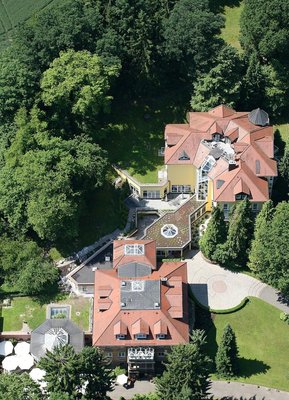
Hotel-Restaurant Villa Hammerschmiede
Rheinhotel Dreesen
Althoff Grandhotel Schloss Bensberg
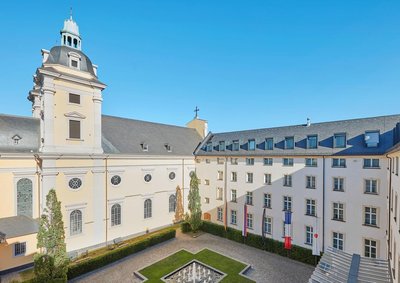
Living Hotel de Medici
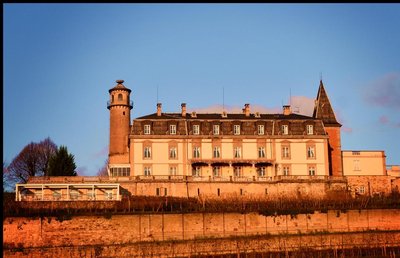
Château d'Isenbourg & Spa
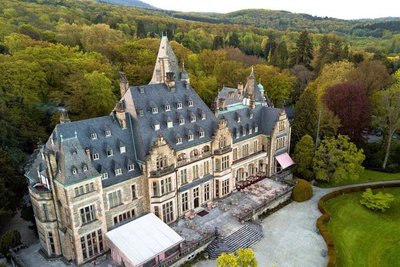
Schlosshotel Kronberg - Hotel Frankfurt
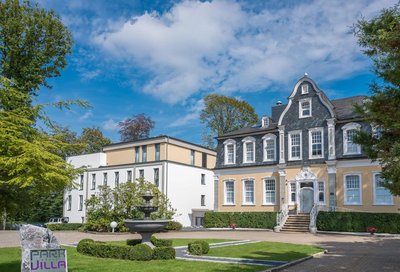
Park Villa
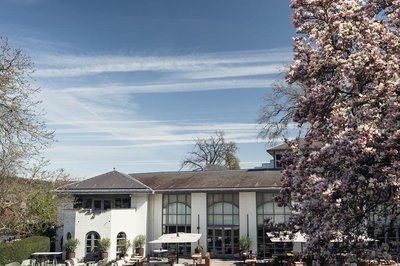
Hotel Bloemendal
Hotel Schloss Rheinfels
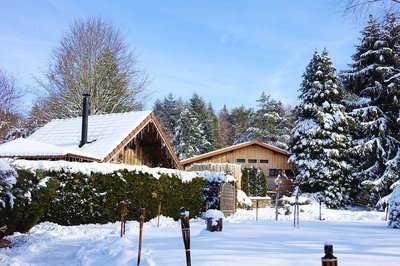
Domaine du Haut Jardin Hôtel & Chalets Spa Privé
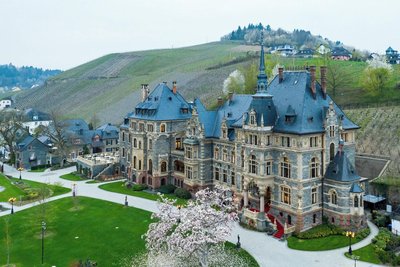
Schloss Lieser, Autograph Collection
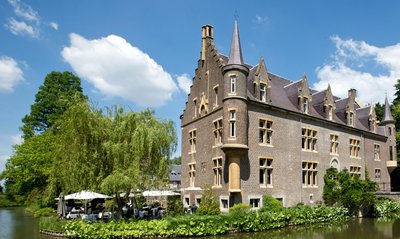
Van der Valk Hotel Kasteel Terworm
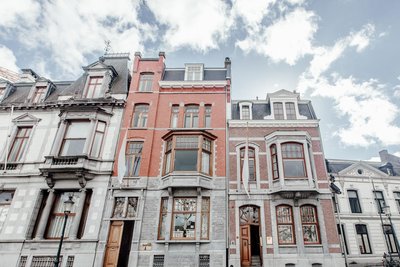
Maison Haas Hustinx & Spa
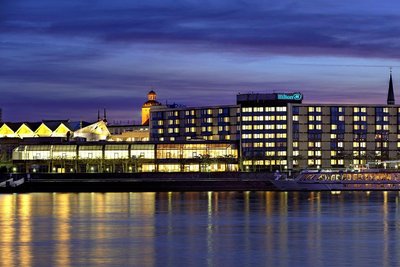
Hilton Mainz
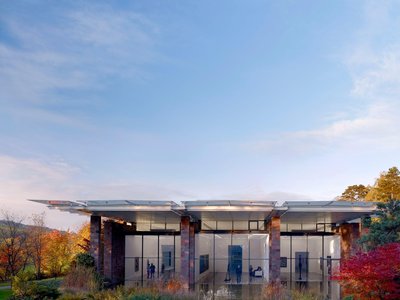
Grand Hotel les Trois Rois
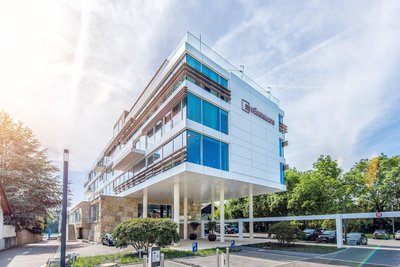
Fährhaus
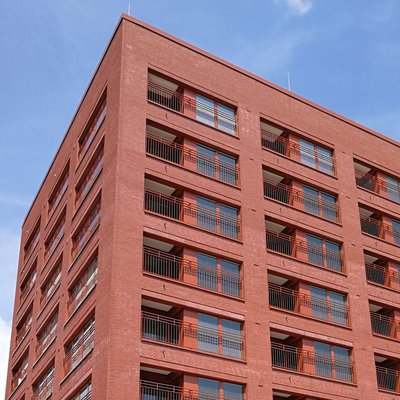
The Flag Oskar M.
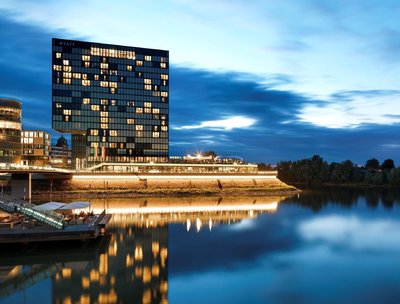
Hyatt Regency Dusseldorf
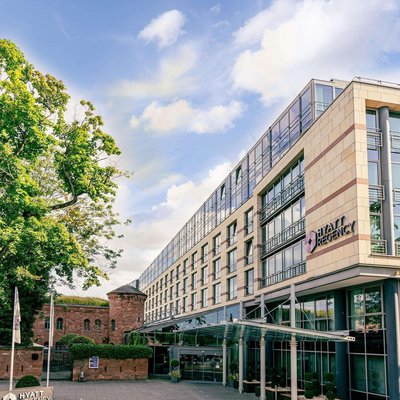
Hyatt Regency Mainz
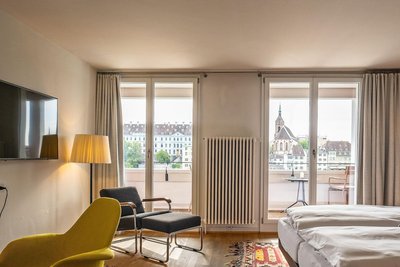
Krafft Basel
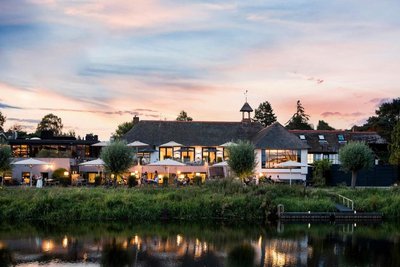
Mooirivier
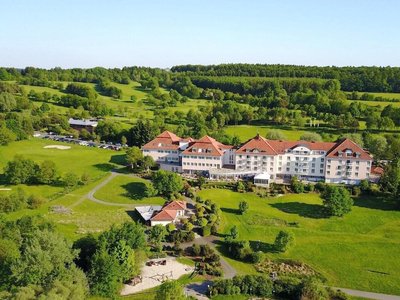
Golf- Und Sporthotel Wiesensee
Grand Hotel les Trois Rois
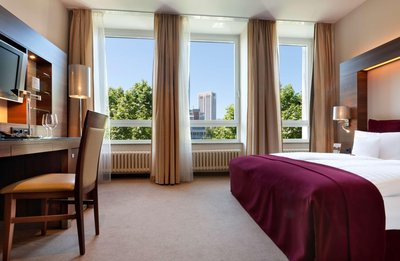
Flemings Selection Hotel Frankfurt-City
Hyatt Regency Dusseldorf
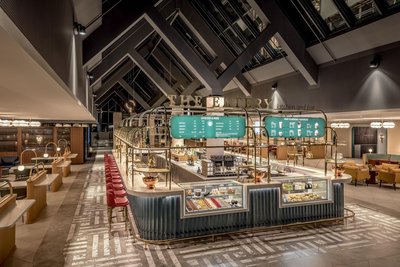
Frankfurt Airport Marriott Hotel
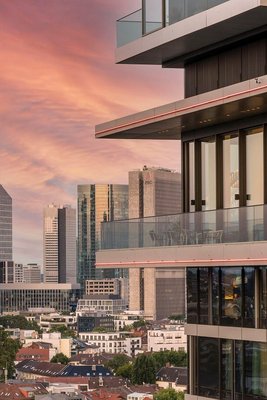
Melia Frankfurt City
Sofitel Frankfurt Opera
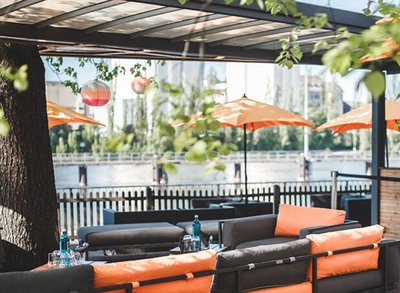
Hotel Gerbermühle
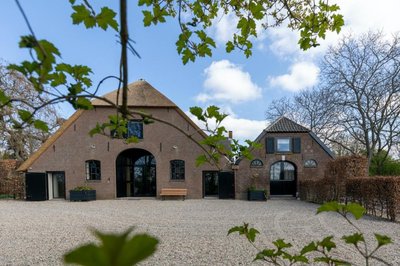
Het Rentmeestershuis
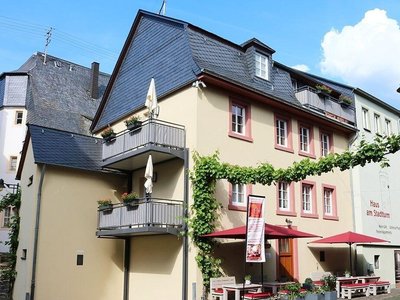
Haus am Stadtturm
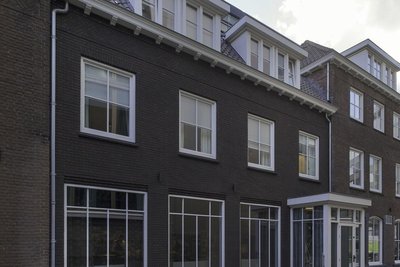
Little Grand
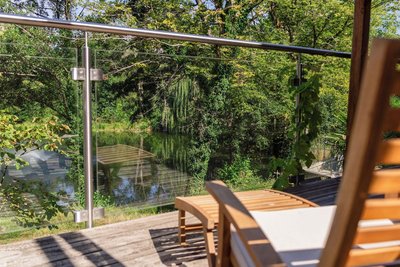
Domaine de la Résidence Hotel Spa & Restaurant
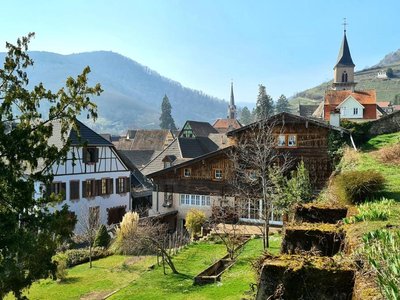
La Grange du Couvent B&B
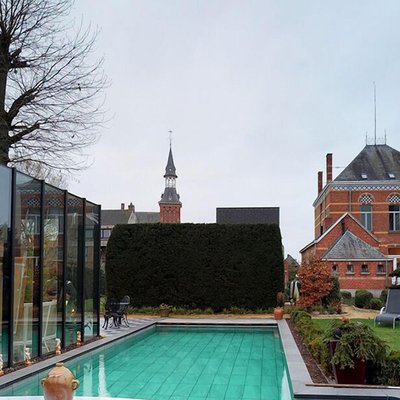
Art of Dreams Deluxe 4 Stars
Frequently Asked Questions about Traveling to Bernkastel-Kues
Questions You Might Need to Know About Traveling to Bernkastel-Kues
In Bernkastel-Kues, the standout boutique option is Hotel Weinstube am Rathaus, where each room is inspired by a different Moselle Valley wine estate. Guests can stay in the "Dr. Loosen Suite," featuring vintage wine labels and a private tasting corner. The hotel’s cellar hosts monthly Riesling pairing events with local vintners. Another gem is Gasthof Zür Linde, a centuries-old inn with timber-framed walls, offering themed rooms like "The Grape Harvest" and "The Barrel Room," complete with wine barrels as furniture. Both properties offer free access to nearby winery tours and are perfect for oenophiles seeking immersive German wine culture.
The Old Town (Altstadt) of Bernkastel-Kues delivers the most authentic village charm, with its cobbled streets, half-timbered houses, and views of the Moselle River. Stroll along Römerstraße to reach the historic St. Peter's Church and the Old Town Hall, both dating back to the 12th century. This compact district is ideal for exploring on foot, with family-run wine taverns serving regional specialties like Moselle trout and Hefeklöße. Evening lightings highlight the architecture, making it especially magical at dusk. It’s also the heart of the Moselle Wine Festival, held annually in August, drawing visitors from across Germany.
To truly experience German wine culture in Bernkastel-Kues, join a guided Riesling vineyard tour at Weingut Schloss Johannisberg or Weingut Löffler, where you’ll learn about terroir, pruning techniques, and the unique slate soil that defines Moselle wines. Participate in a wine blending workshop at Weingut Kellerei Bernkastel, where you craft your own bottle under expert guidance. Don’t miss the Weinfest Bernkastel, a summer festival featuring over 50 wineries, live folk music, and traditional dishes like Sauerbraten served with a glass of Spätlese. These experiences offer deep insight into the region’s viticultural heritage.
The top cultural landmarks in Bernkastel-Kues include St. Peter's Church, a Romanesque masterpiece with twin towers and intricate stone carvings, and the Old Town Hall (Altes Rathaus), now housing the Bernkastel Museum. The museum displays medieval manuscripts, wine trade records, and artifacts from the town’s 13th-century guilds. Nearby, the Steinbrücke (Stone Bridge) spans the Moselle River, connecting old quarters and offering panoramic views of the terraced vineyards. Together, these sites reflect the town’s long-standing role as a center of Moselle wine trade and regional governance.
Yes, Bernkastel-Kues is highly suitable for families. The Römerweg hiking trail runs through scenic vineyards and includes child-friendly rest stops with nature guides. Many hotels, such as Hotel Weinstube am Rathaus, offer family suites and activities like “Junior Winemaker” workshops where kids create their own wine labels. The Kinderfreizeitpark near the town center features playgrounds, a mini-train, and picnic areas. With minimal traffic and abundant green spaces, families can enjoy safe, enriching days exploring the riverbanks, visiting small museums, or attending seasonal festivals like the Children’s Carnival during summer.
Bernkastel-Kues has a temperate maritime climate: mild summers (avg. 20°C), cool, foggy winters, and high humidity due to proximity to the Moselle River. Spring and early autumn (April–June) are ideal for travel—flowers bloom, vineyards turn lush green, and sunlight enhances photo opportunities. Summer brings more rain and occasional mist, but also vibrant outdoor events. Winter is quiet and atmospheric, perfect for cozy stays in historic inns. Pack a waterproof jacket and layers; humidity can make temperatures feel cooler. Always check forecasts before hiking or touring vineyards.
From Cologne, take a Deutsche Bahn Regionalbahn train to Trier, then transfer to a local train to Bernkastel-Kues Station—total journey time ~2.5 hours. From Trier, direct trains run every hour via the RB 71 line, taking just 30 minutes. The station is centrally located, a 5-minute walk from the Old Town. For flexibility, consider renting a car via Europcar or Sixt at Trier station; drive along the B9 road for a scenic route through the Moselle Valley. Use the DB Navigator app to plan schedules, especially during peak season when extra services may be added.
The best photography spots in Bernkastel-Kues include the square in front of St. Peter’s Church, where morning light reflects off the river and church spires. The Steinbrücke (Stone Bridge) offers dramatic compositions with grapevines draped over arches and mist rising from the Moselle. For panoramic views, hike up to Klosterstraße for a sweeping vista of terraced vineyards and rooftops. Sunset at the riverbank promenade casts golden hues across the water, while the illuminated Old Town Hall at night creates a fairy-tale atmosphere. Bring a wide-angle lens and shoot early morning or late afternoon for soft shadows and vibrant colors.
In Bernkastel-Kues, must-try dishes include Moselle Trout (Moselforelle), grilled with herbs and served with lemon butter sauce. Try it at Gasthaus Zum Roten Bären, known for its fresh catch. Another local favorite is Hefeklöße—soft yeast dumplings served with sweet cherry compote or savory meat sauce. Don’t miss Gräfinbrot, a honey-rye bread often enjoyed with cheese or jam. Pair any meal with a glass of Spätlese Riesling or Auslese from nearby estates like Weingut Dr. Loosen. Many restaurants offer a Wine & Dine Package including three courses and two glasses of premium wine, perfect for experiencing the region’s culinary soul.
Evening highlights in Bernkastel-Kues include the illuminated Old Town, where historic buildings glow warmly under string lights. Join a guided night walk at the St. Peter’s Church, where stories of medieval secrets and wine smuggling come alive. At Weinstube an der Mosel, enjoy live jazz nights with local musicians in a candlelit cellar setting. During festivals like Martinsfest, children parade with lanterns through cobblestone streets, while street vendors sell warm Glühwein and apple strudel. Sitting by the river with a glass of Riesling, listening to the gentle ripple of the Moselle, is the ultimate way to end a day in this timeless village.
Bernkastel-Kues Overview
City Summary
Bernkastel-Kues, a fairy-tale town on the Moselle River in Germany's Rhineland-Palatinate, is famed for its medieval half-timbered houses and wine culture. Its core allure lies in the perfectly preserved 15th-century marketplace, steep vineyard terraces, and the UNESCO-listed Moselle Valley landscape. Summer wine festivals and winter Christmas markets vividly showcase regional traditions.
Must-See Attractions
Must-see spots begin with the iconic Marktplatz square, surrounded by colorful half-timbered buildings. St. Michael's Church offers panoramic views of the Moselle bend. Don't miss the "Bremmer Calmont" - the world's steepest vineyard during river cruises. Burg Landshut castle's wine cellars store premium Rieslings for tastings.
Food Guide
Culinary culture revolves around viticulture. Try "Zwiebelkuchen" (onion tart) with new wine at riverfront taverns. Michelin-listed "Pichelsteiner" innovates with river fish and game. Street food highlight is "Dampfnudel" (steamed bun) with vanilla sauce, paired with "Bernkasteler Doctor" premium wine - named after curing a Holy Roman Emperor's illness.
Transportation Guide
Transport relies on roads and riverboats. Frankfurt Airport is 1.5 hours away. Explore the old town on foot (cobblestone streets restrict vehicles). Vineyard trains "Moselbahn" or e-bikes along river paths are ideal. Some mountain roads close in winter snow. Long-distance buses connect Trier and Koblenz.
Best Time to Visit
Best visiting period is May-October for lush vineyards and open wineries. September harvest features grape-pressing rituals (book accommodations early). Avoid December-March when attractions reduce hours.
Travel Tips
- Wine etiquette: Hold glasses by stems to avoid warming the wine
- Cash culture: Small wineries/markets often reject cards - carry sub-€50 bills
- Wear anti-slip shoes for vineyard gravel paths
- Quiet hours: Noise restrictions in residential areas after 10pm
- Punctuality: Restaurant reservations may be canceled after 15-min delay
- Recycling: Strict German laws require separating bio/package/other waste
Useful Information
Practical info:
- Language: German dominant, English works in tourist areas
- Internet: Free WiFi downtown; prepaid SIM advised for rural coverage gaps
- Payments: EC cards more accepted than Visa/MasterCard
- Emergency: Police 110/Ambulance 112
- Medical: Municipal hospital at Cusanusstraße 3, weekend pharmacy rotations posted locally
- Voltage: 230V with Type F plugs required
- Festivity note: Most shops close for 4 days during Easter - plan supplies