Hotels in Besalu
Discover your perfect stay in Besalu.
Besalu(Spain) Travel 2026: Cheap Flights, Hotels & Top Attractions
Popular Landmarks in Besalu
Discover the most iconic attractions in Besalu
Recommended Hotels in Besalu
Find the perfect place to stay in Besalu

Els Jardins de La Martana
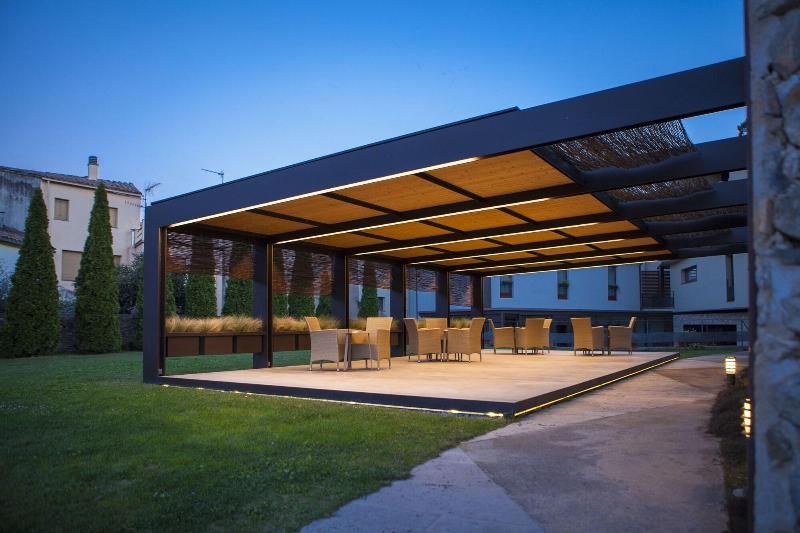
Casa Marcial (Adults Only)

Apartamentos Saltarel·lo
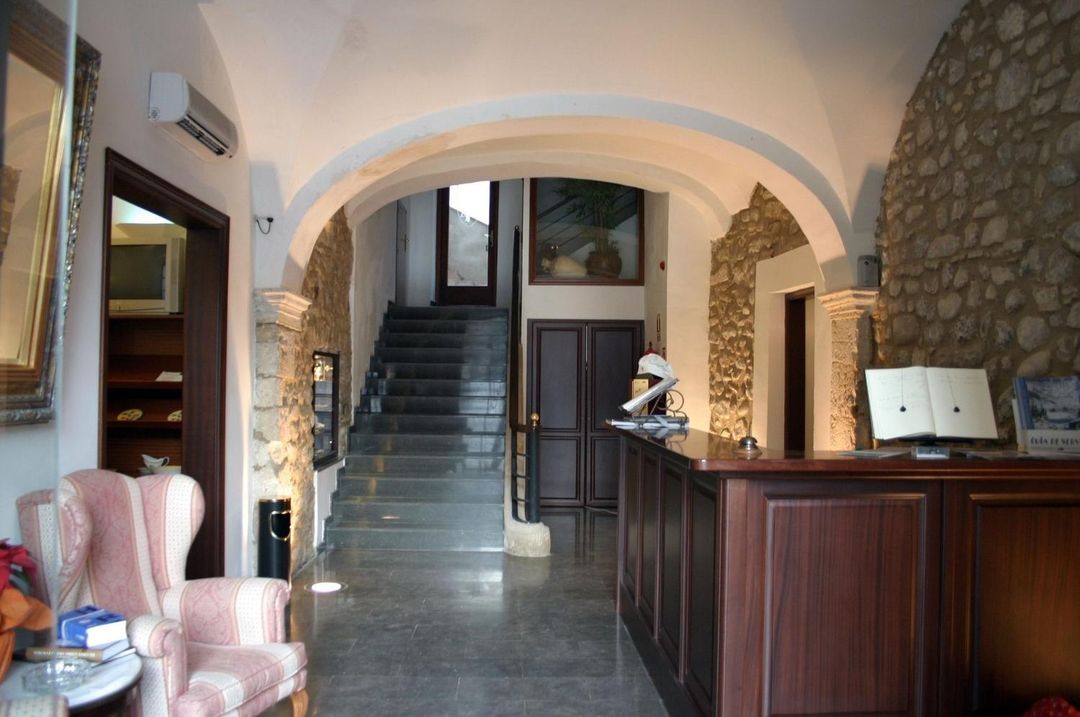
Comte Tallaferro
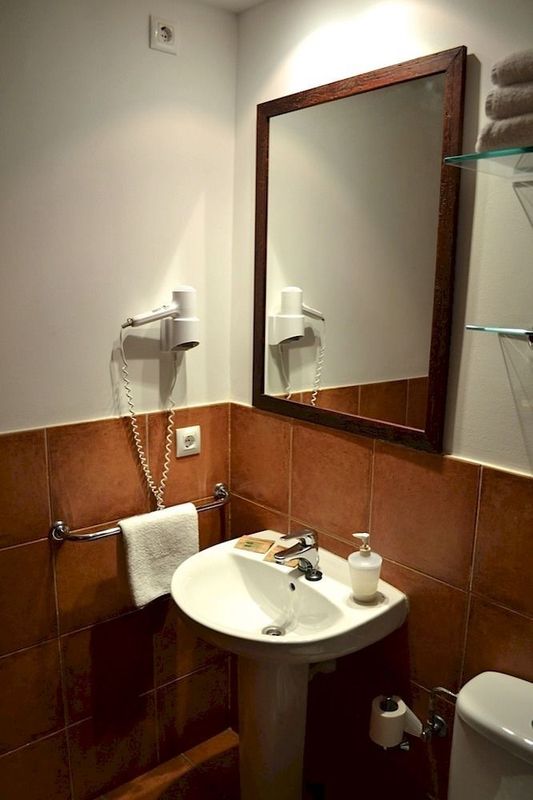
Hotel 3 Arcs
Best Hotels in Besalu
Discover curated hotel collections in Besalu

The Lodge Mallorca, Small Luxury Hotels
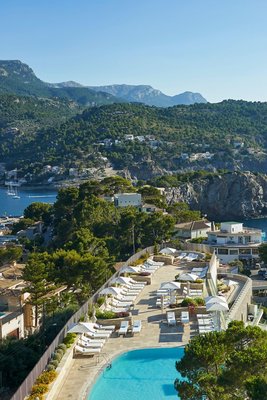
Jumeirah Mallorca
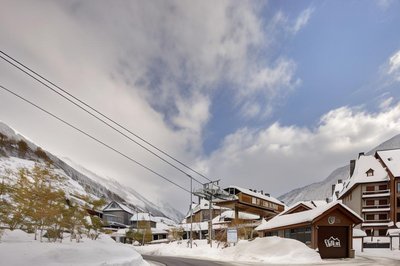
Hotel Val de Neu G.L.
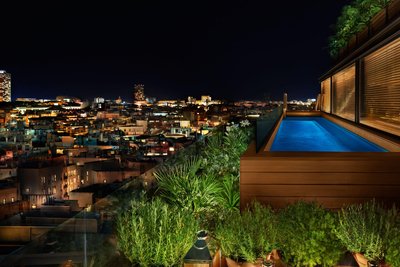
The Barcelona Edition
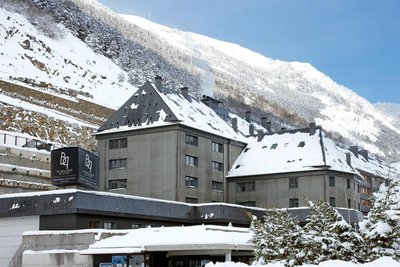
Hotel AC Baqueira Ski Resort, Autograph Collection
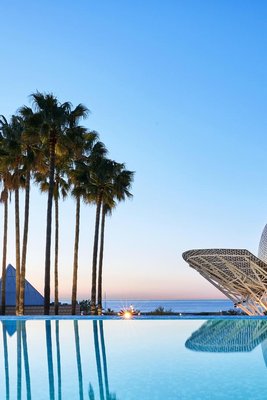
Hotel Arts Barcelona
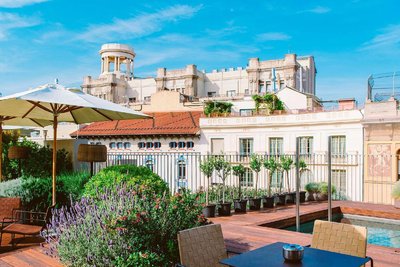
Mercer Hotel Barcelona
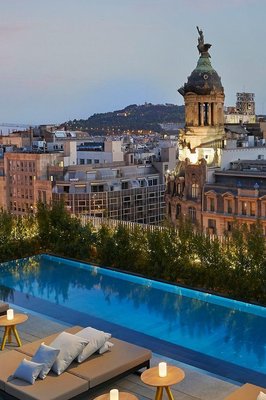
Mandarin Oriental, Barcelona
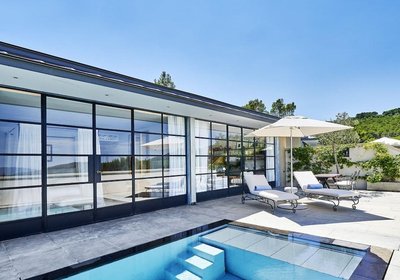
Villa la Coste
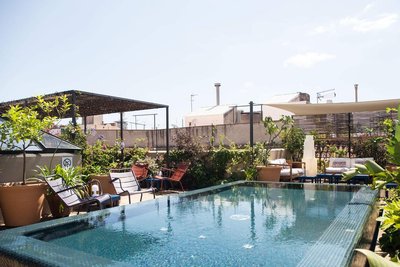
Hotel Neri – Relais & Chateaux
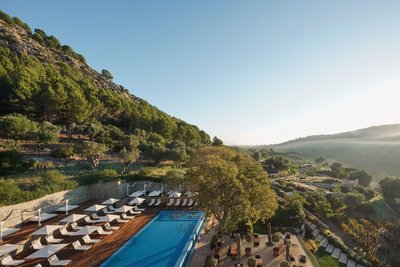
Son Brull Hotel & Spa
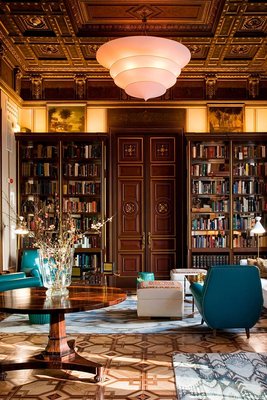
Cotton House Hotel, Autograph Collection
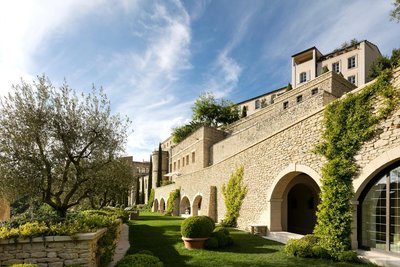
Airelles Gordes, la Bastide
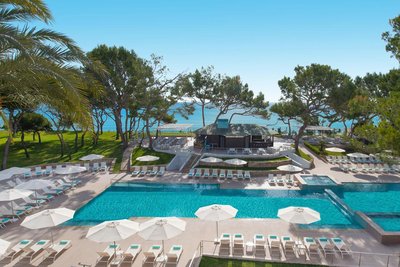
Iberostar Selection Playa de Muro Village
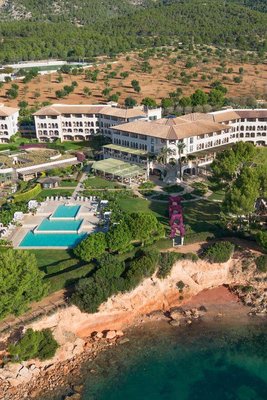
The St. Regis Mardavall Mallorca Resort
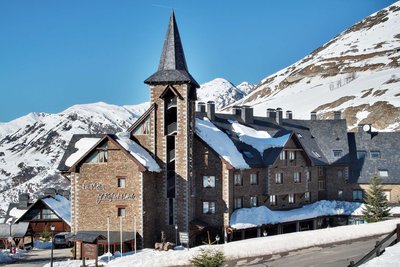
Eurostars la Pleta
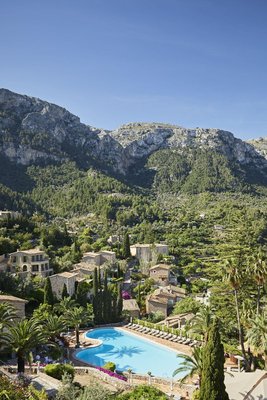
La Residencia, A Belmond Hotel, Mallorca
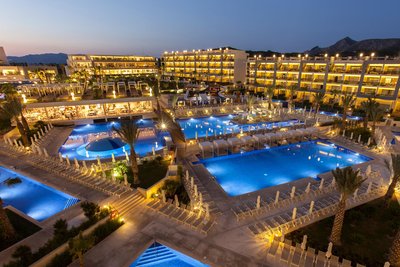
Zafiro Palace Alcudia

Zafiro Palace Andratx
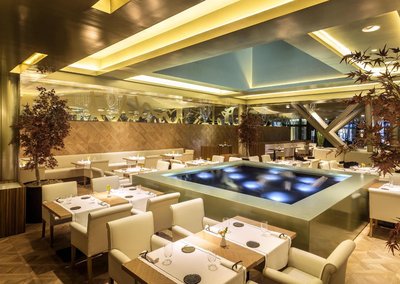
Monument Hotel
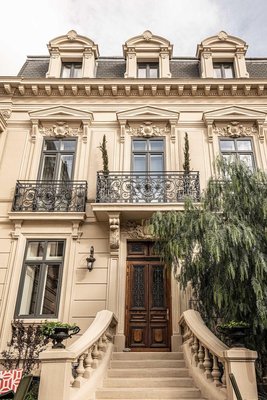
Hôtel le Mosaïque
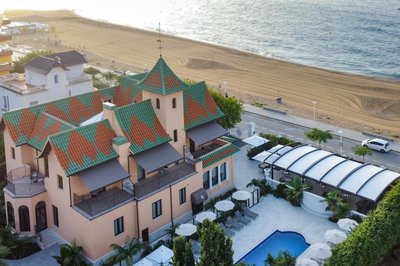
AB Boutique Hotel - Adults Only
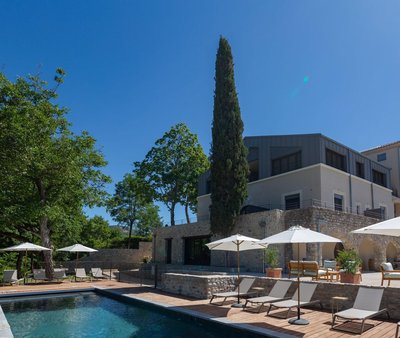
Hôtel Villa Walbaum
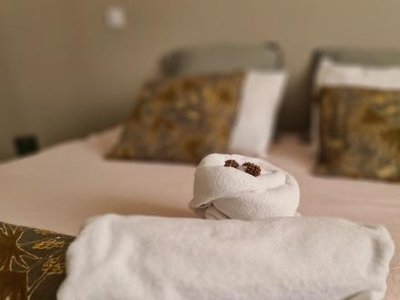
La Maison de Lyna - Suites de Charme Intra-Muros Avec Parking & Autonomie
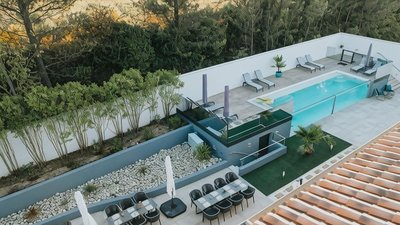
Le Meez
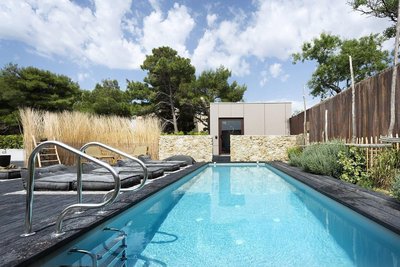
Le 19-21 - Un Amour d'Hotel

La Voie Lactée

Château de Fiac Hôtel & Spa
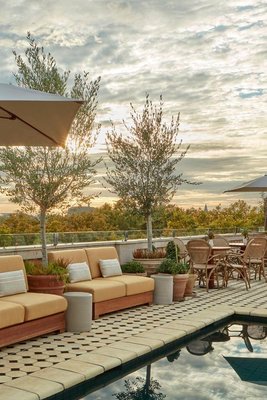
MIIRO Borneta
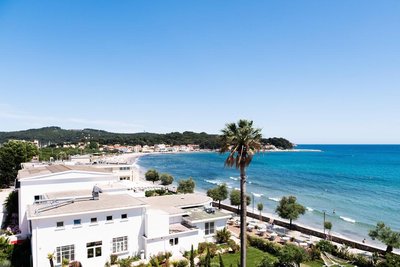
Grand Hotel Des Sablettes Plage, Curio Collection By Hilton
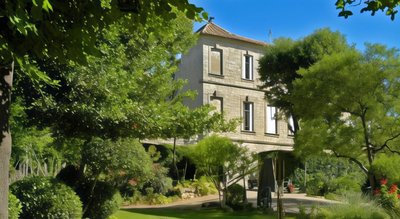
Chateau D Arpaillargues
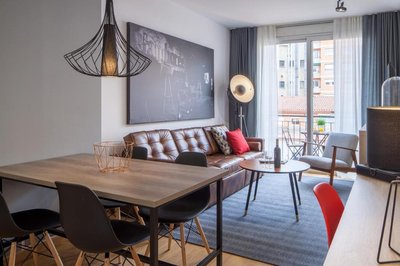
Habitat Apartments Hot Jazz
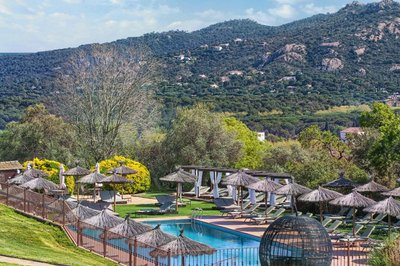
Suites Natura Mas Tapiolas
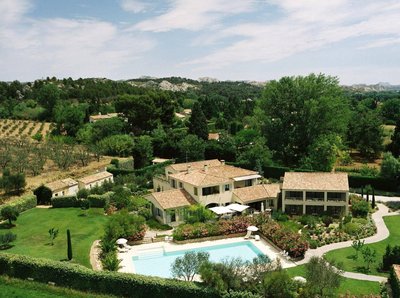
Du Côté des Olivades
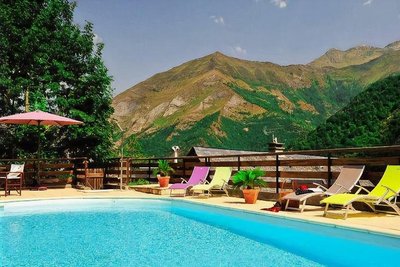
Hôtel la Grange Aux Marmottes
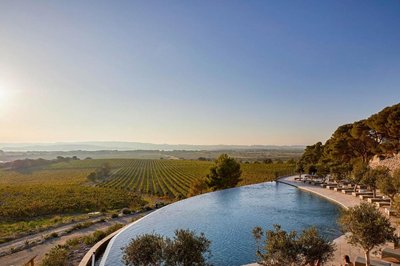
Château Capitoul
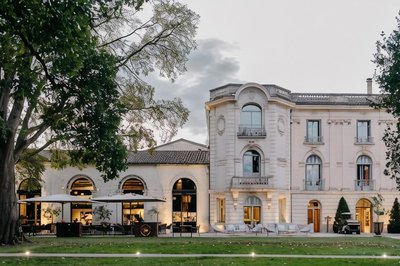
Hôtel Domaine de Biar
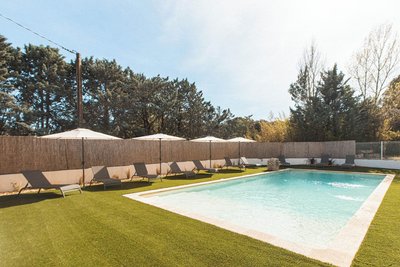
Soko Hotels-Pont du Gard

Hotel Palau Fugit
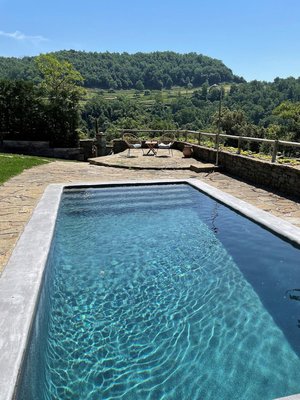
Hotel Santa Llucia Rupit
Jumeirah Mallorca
Hotel AC Baqueira Ski Resort, Autograph Collection
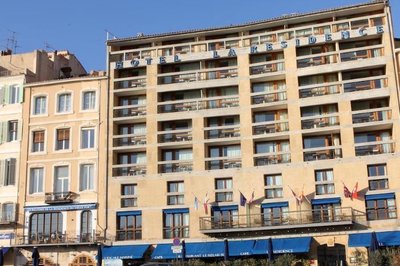
La Residence du Vieux Port
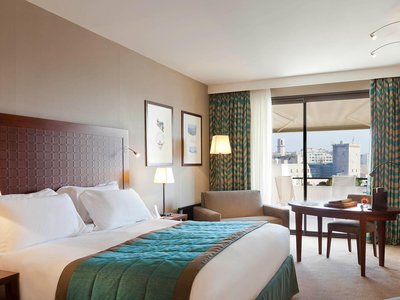
Sofitel Marseille Vieux-Port
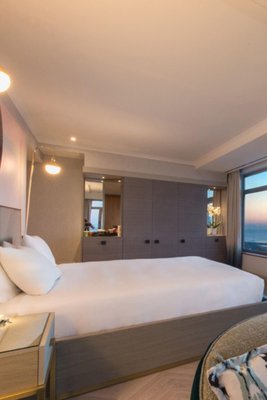
Hilton Diagonal Mar Barcelona
Hotel Arts Barcelona
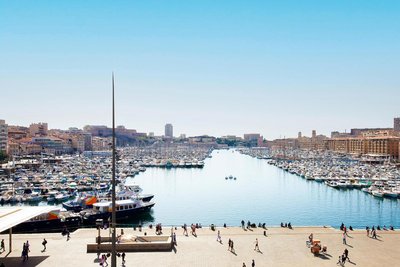
Grand Hôtel Beauvau Marseille Vieux-Port - MGallery
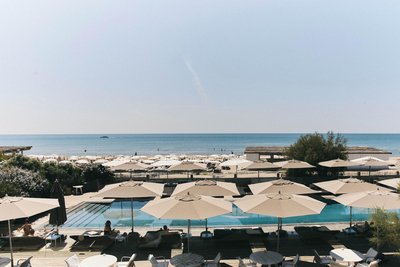
Hôtel Plage Palace & Spa
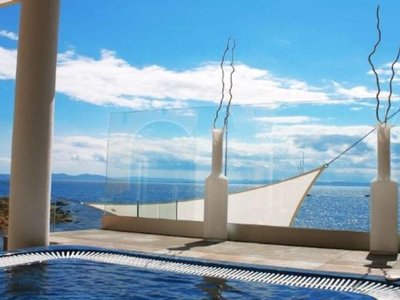
Vistabella
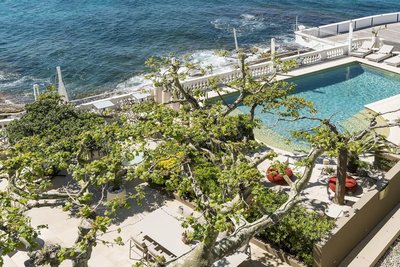
Le Petit Nice - Passedat
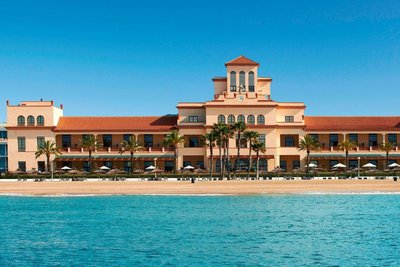
Le Méridien Ra Beach Hotel & Spa
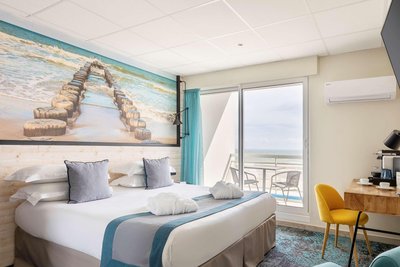
Best Western Hotel Canet-Plage
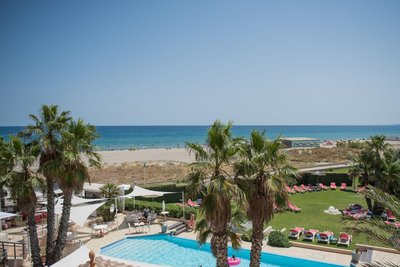
Grand Hôtel les Flamants Roses Thalasso & Spa
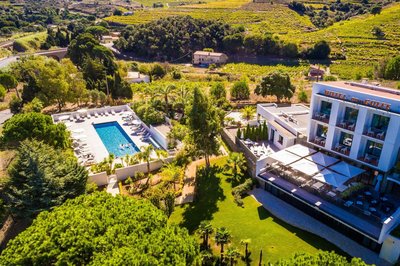
Grand Hotel du Golfe - Spa & Restaurant

Thalazur Bandol Ile Rousse - Hôtel & Spa
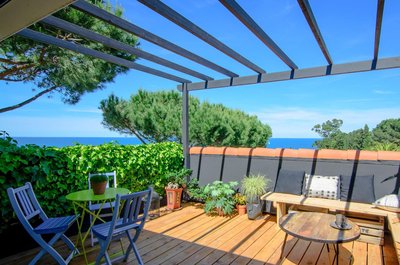
Hôtel & Spa les Mouettes

Splendid Hôtel & Spa
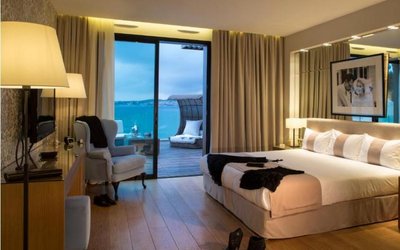
Hostellerie la Farandole
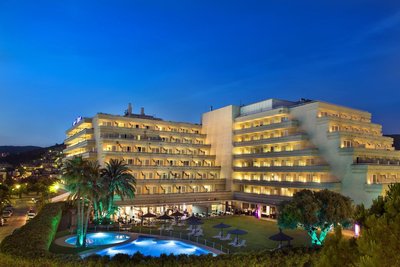
Meliá Sitges
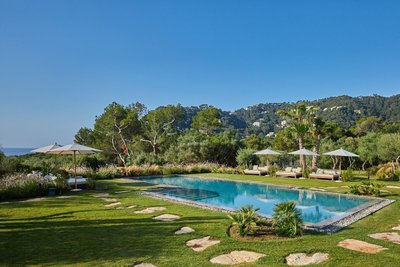
Pleta de Mar, Grand Luxury Hotel by Nature - Adults Only
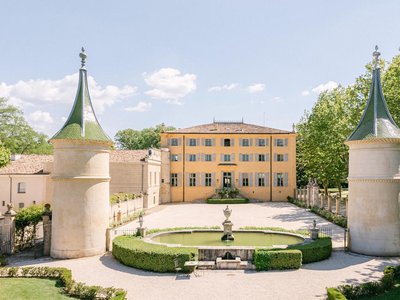
Château de Fonscolombe

Demeures et Château de La Caze
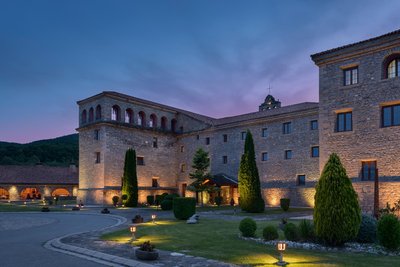
Hotel & SPA Monasterio de Boltana Monumento
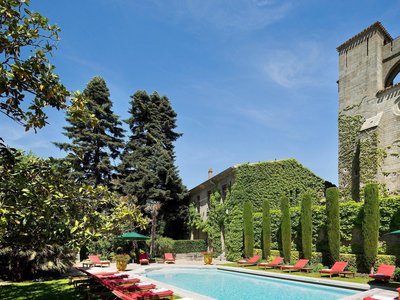
Hôtel de la Cité Carcassonne - MGallery Collection
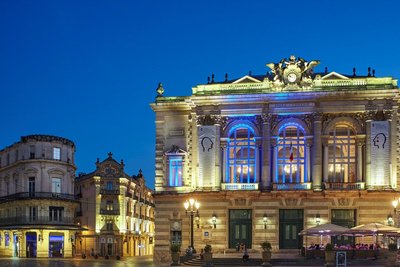
Grand Hôtel du Midi Montpellier - Opéra Comédie
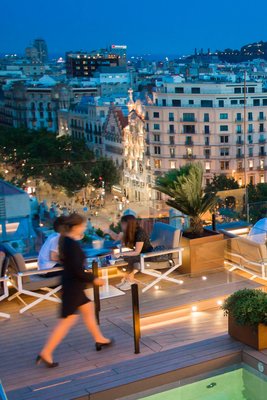
Majestic Hotel & Spa Barcelona GL
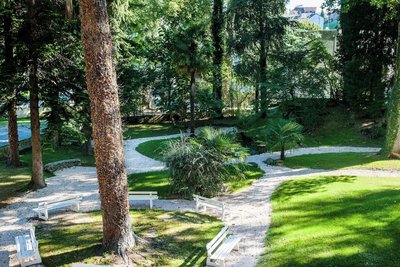
Grand Hotel Gallia & Londres
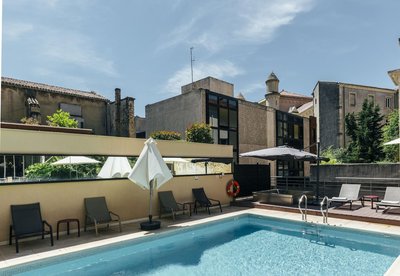
Hôtel Oceania le Métropole
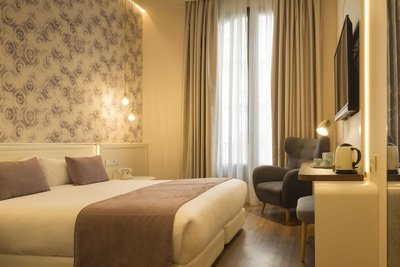
Icon BCN
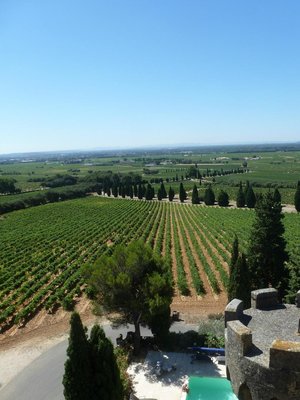
Hostellerie du Château des Fines Roches
La Residencia, A Belmond Hotel, Mallorca
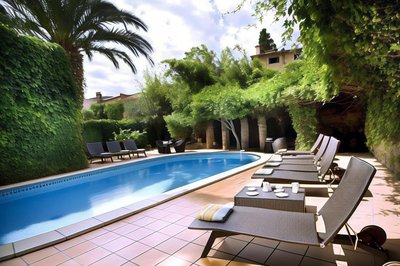
Hôtel la Casa Pairal
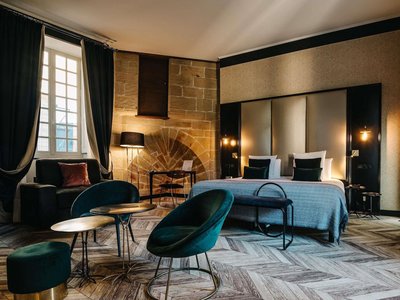
Hôtel Mercure Figeac Viguier du Roy
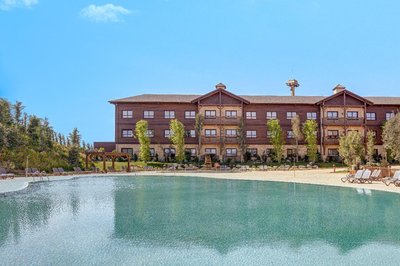
PortAventura Hotel Colorado Creek - Includes unlimited access PortAventura Park & 1 Ferrari Land
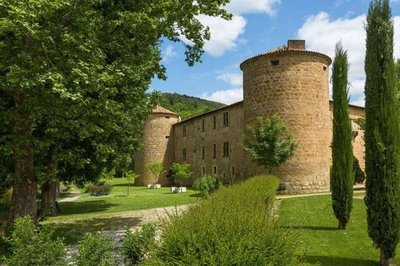
Chateau des Ducs de Joyeuse, BW Signature Collection
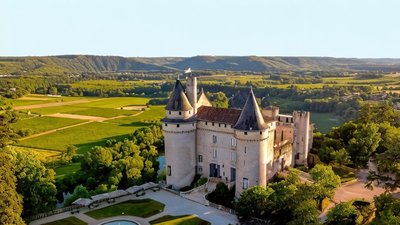
Château de Mercuès
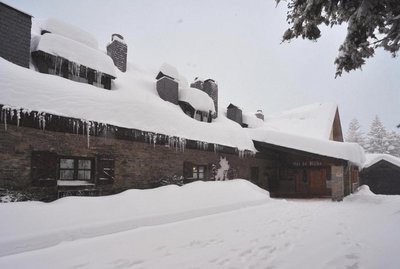
Hotel Val de Ruda
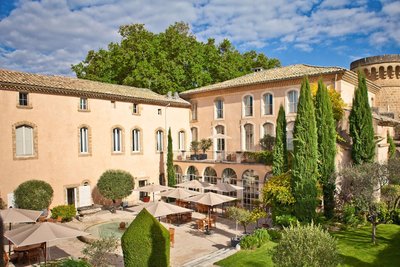
Château de Massillan
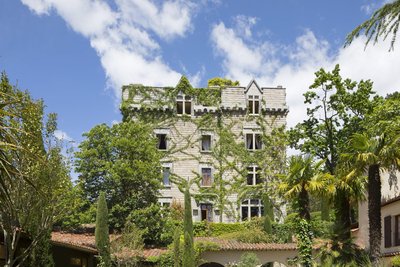
Château de Riell
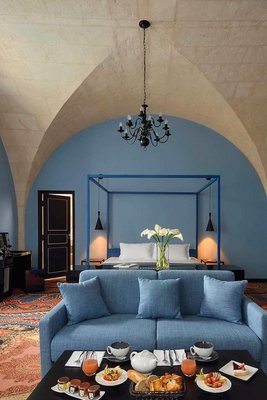
Hôtel & Spa Jules César Arles - MGallery
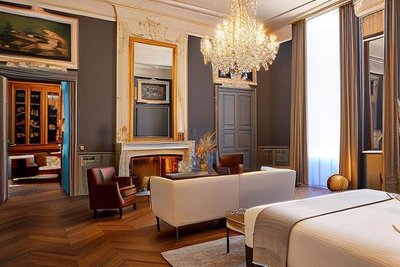
Margaret - Hôtel Chouleur
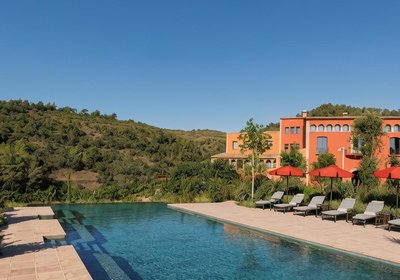
Gran Hotel Mas d'en Bruno
Château de Fonscolombe
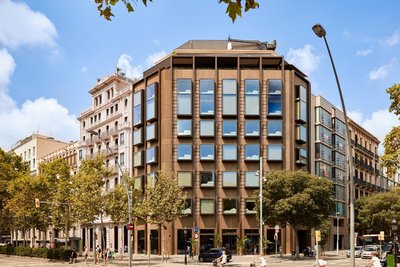
Almanac Barcelona
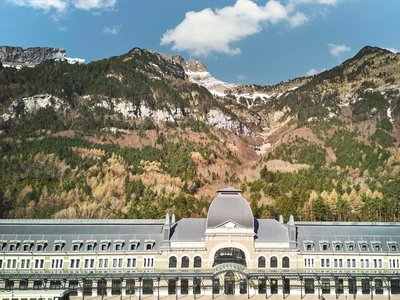
Canfranc Estación, a Royal Hideaway Hotel
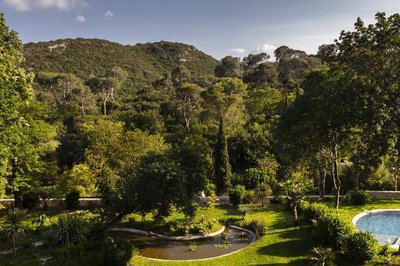
Château de Collias
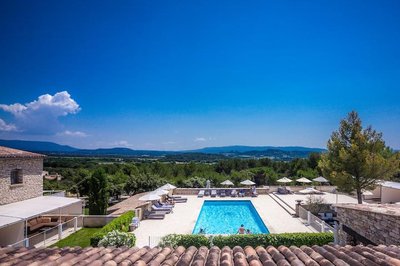
Le Phébus & Spa – Relais & Châteaux
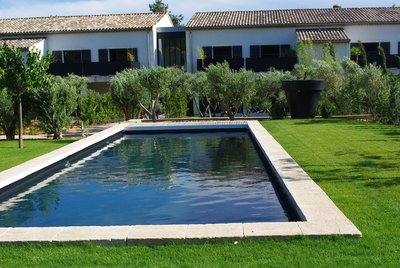
Bdesign & Spa
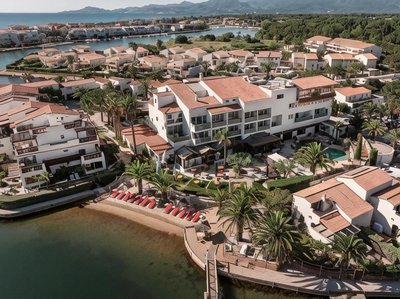
Relais et Châteaux Thalasso & Spa Ile de la Lagune
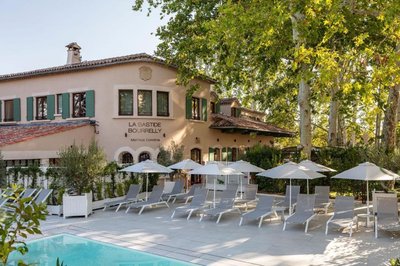
Hôtel et Restaurant la Bastide Bourrelly - Mathias Dandine
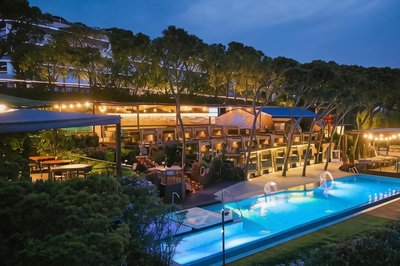
Alàbriga Hotel & Spa GL
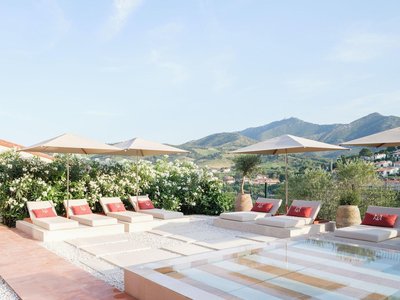
Maison Nova - Boutique Hôtel & Spa
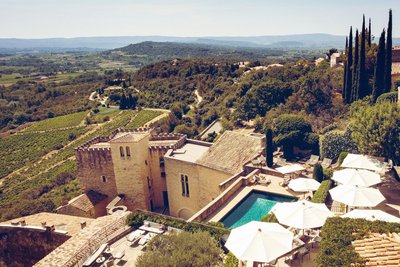
Hotel Crillon le Brave
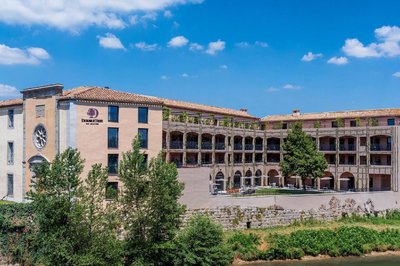
Hotel du Roi & Spa by Sowell Collection
Hotel & SPA Monasterio de Boltana Monumento
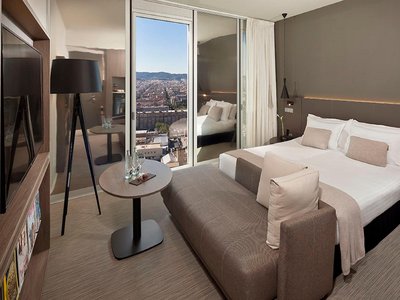
The Level at Meliá Barcelona Sky
Hôtel de la Cité Carcassonne - MGallery Collection
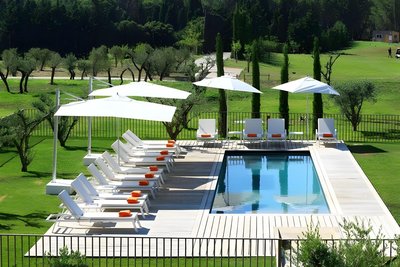
Domaine de Manville
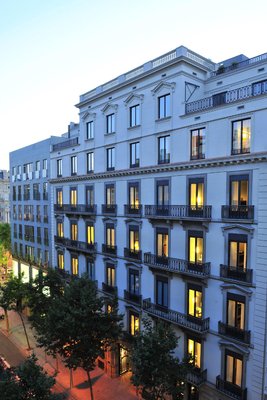
Alma Barcelona GL
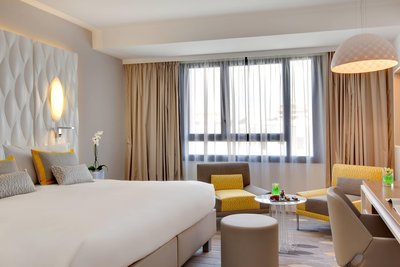
Renaissance Aix-en-Provence Hotel
Hilton Diagonal Mar Barcelona
Hotel Arts Barcelona
Mandarin Oriental, Barcelona
Monument Hotel
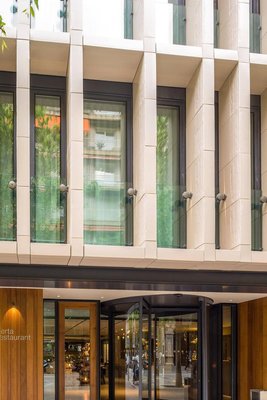
Ohla Eixample
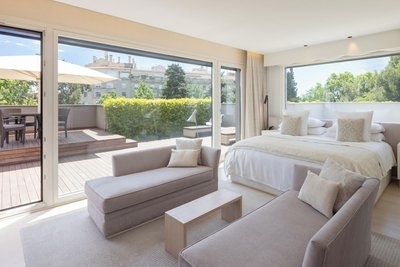
Abac Restaurant Hotel Barcelona GL Monumento
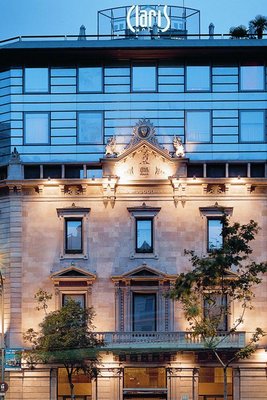
Claris Hotel & Spa GL, a Small Luxury Hotel of The World
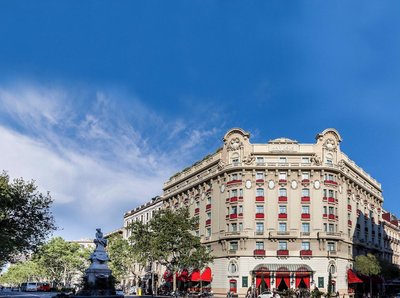
Hotel El Palace Barcelona
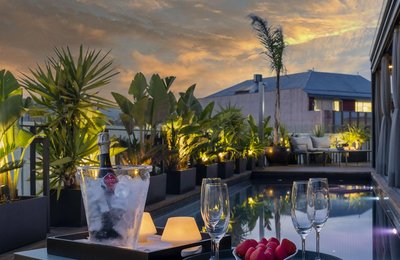
Hotel Cram
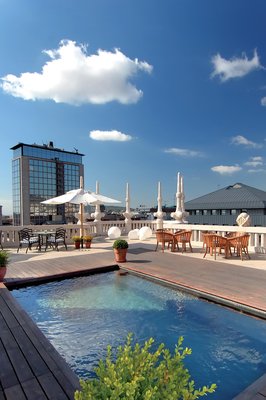
Hotel Casa Fuster G.L Monumento
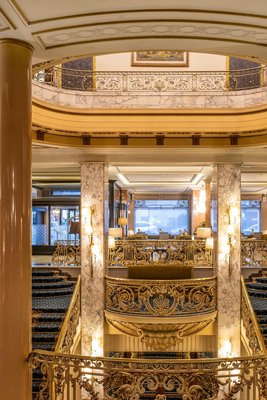
El Avenida Palace
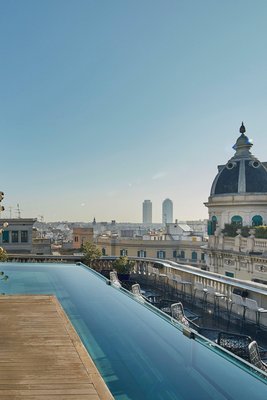
Ohla Barcelona
Frequently Asked Questions about Traveling to Besalu
Questions You Might Need to Know About Traveling to Besalu
In Besalú, the top boutique stay is Hotel Can Culleretes, housed in a restored 17th-century farmhouse near the Church of Santa Maria de la Seu. Its original stone walls and timber beams reflect medieval charm. Another standout is Casa de la Llibreta, located steps from the Call de les Ferreres (Old Jewish Quarter), offering authentic Catalan breakfasts and easy access to historic sites. Both blend heritage architecture with modern comfort, ideal for cultural travelers seeking an immersive experience.
The old town center—especially around Call de les Ferreres and Santa Maria de la Seu Church—is the prime area for staying in Besalú. This compact zone offers walkable access to all major attractions, including the Jewish Quarter ruins, Romanesque churches, and cobbled alleys. The atmosphere is deeply historic, with narrow streets and ancient stone facades. Opt for a guesthouse with a courtyard or terrace to enjoy morning tranquility and evening ambiance amid timeless architecture.
Besalú offers a rare glimpse into medieval Jewish life through its well-preserved Jewish Quarter (Call de les Ferreres), one of Europe’s most intact pre-1391 communities. Guided tours reveal Hebrew inscriptions, ancient ritual baths (mikveh), and scholarly traditions. Additionally, the annual Besalú Music Festival in summer features concerts at the Church of Santa Maria, blending classical, jazz, and world music in a historic setting. These events highlight the town’s enduring artistic spirit.
Must-try dishes in Besalú include brioj—a sweet almond-filled pastry often served with honey or cheese—and sobrassada, a smoked pork sausage perfect for tapas. At street-side cafés along Call de les Ferreres, try tumbet (a baked vegetable dish) and pa amb tomàquet (tomato bread). For a family-style meal, visit Casa Vicens, where recipes passed down through generations showcase seasonal Mediterranean ingredients and regional flavors.
The peak season in Besalú runs from May to September, when the weather is warm and sunny, ideal for exploring the old town and outdoor sights. June and July see the highest visitation, coinciding with festivals like the Besalú Arts Festival and Medieval Market, featuring artisans, performers, and historical reenactments. Despite crowds, the town’s small size maintains a peaceful vibe. Avoid visiting on September 11th (Catalonia Day) if you prefer fewer people.
Take the Renfe R2 Nord train from Barcelona Sants Station to Besalú Station (Bescanó), a scenic 30-minute ride with frequent departures. Tickets cost around €4.5. From the station, it’s a 10-minute walk to the old town. Alternatively, buses operated by FGC run via Cervera, but take longer. Use the T-Casual travel card for seamless transfers. Check Renfe’s official website for updated schedules before departure.
Besalú has a quiet, intimate nightlife compared to larger cities. Enjoy an evening at a sidewalk café along Call de les Ferreres, sipping Cava under soft lantern light. Some restaurants, like El Xampanyet, host acoustic evenings or poetry readings. For more energy, head to nearby Cervera, where bars and live music venues are more active. Overall, Besalú suits travelers who value serenity, history, and cultural immersion over bustling nightlife.
Top landmarks in Besalú include the Church of Santa Maria de la Seu, a striking Romanesque structure with a majestic bell tower; the Jewish Quarter (Call de les Ferreres), home to underground ritual baths and ancient inscriptions; and the ancient street itself, considered one of Catalonia’s oldest. Don’t miss Montclar Castle Ruins, offering panoramic views of the town and surrounding valley. Visit early morning for golden light and fewer crowds.
Yes, Besalú is highly suitable for families. The town is small, safe, and stroller-friendly. The Call de les Ferreres offers child-friendly guided tours that bring medieval history to life. Hotels like Hotel Can Culleretes provide family rooms and kid-sized toiletries. Green spaces like Parc de la Ciutat offer room for play. Interactive workshops—such as traditional bread-making and pottery—are available, making it both fun and educational for kids.
Shop for authentic souvenirs at independent boutiques along Call de les Ferreres, where you’ll find handmade ceramics, embroidered textiles, and natural beeswax candles crafted locally. The monthly Mercat de la Llibreta (first weekend of each month) features artisan stalls selling organic food, art, and eco-friendly goods. Consider taking home Catalan wood carvings or leather wallets—each piece reflects sustainable craftsmanship and regional heritage, making them meaningful keepsakes.
Besalu Overview
City Summary
Besalú is a medieval town in Catalonia, Spain, renowned for its well-preserved Romanesque architecture and historical ambiance. Situated on the Fluvià River, this town features a thousand-year-old bridge and cobblestone streets, offering a journey back in time. Its main appeal lies in its unique medieval charm and cultural heritage, making it a paradise for history lovers and photographers.
Must-See Attractions
Besalú's highlights include the Monastery of Sant Pere, a 12th-century Romanesque church, and the iconic Besalú Bridge, which spans the Fluvià River and serves as the main entrance to the town. The Jewish Quarter is also worth exploring, with its traces of medieval Jewish life. Additionally, the annual Medieval Fair in September immerses visitors in traditional culture and crafts.
Food Guide
In Besalú, you can savor traditional Catalan cuisine. Try escudella (a hearty meat stew) and crema catalana (Catalan crème brûlée). Local taverns and restaurants serve fresh produce and wines, particularly from the Empordà region. Street vendors offer panellets (almond sweets), a must-try snack.
Transportation Guide
Besalú is located in northeastern Catalonia, about 30 km from Girona. Driving from Barcelona takes around 1.5 hours with scenic views. Cars are not allowed in the town center; visitors must park in peripheral lots and explore on foot. Public buses from Girona are available but infrequent, so check schedules in advance. Renting a car or joining a guided tour offers more flexibility.
Best Time to Visit
The best time to visit is spring (April–June) and autumn (September–October), with mild weather and fewer crowds. Summer (July–August) is hot but lively during the Medieval Fair—book accommodations early.
Travel Tips
- Wear comfortable shoes: Besalú's cobbled streets are uneven and best explored on foot.
- Respect local culture: Some areas hold religious significance; observe etiquette.
- Book accommodations early: Lodging fills quickly, especially during the Medieval Fair.
- Carry cash: Some small shops and vendors don't accept cards.
- Learn basic Catalan phrases: Locals appreciate visitors using greetings.
- Check opening hours: Some attractions close for midday breaks; plan accordingly.
Useful Information
Language: Catalan is official, but Spanish is widely spoken, and some tourism workers know English. Internet: Free Wi-Fi is available in the town center, but signals may be weak; consider mobile data. Payments: Most restaurants and shops accept cards, but small vendors or rural lodgings may only take cash. Emergency: The nearest hospital is in Girona; pharmacies in town provide basic medical aid. Voltage: 220V, with standard European two-pin plugs.