Hotels in Besalu
Discover your perfect stay in Besalu.
Besalu(Spain) Travel 2026: Cheap Flights, Hotels & Top Attractions
Popular Landmarks in Besalu
Discover the most iconic attractions in Besalu
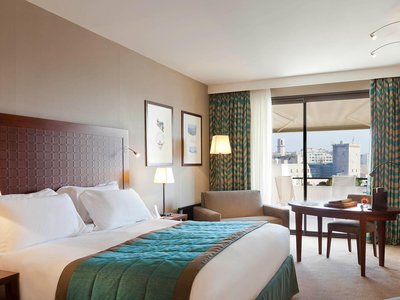
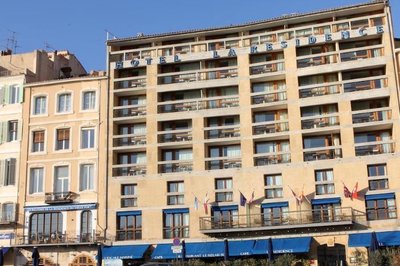
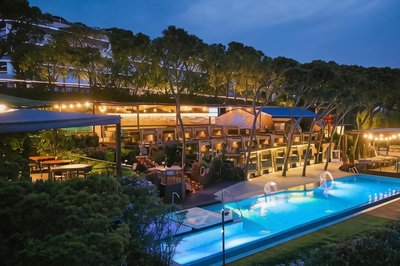
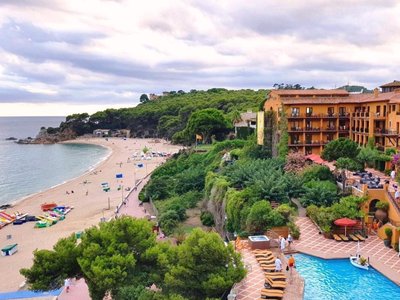
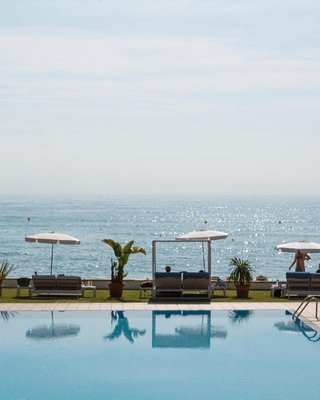
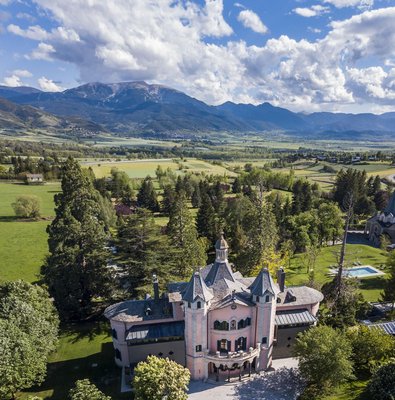
Recommended Hotels in Besalu
Find the perfect place to stay in Besalu


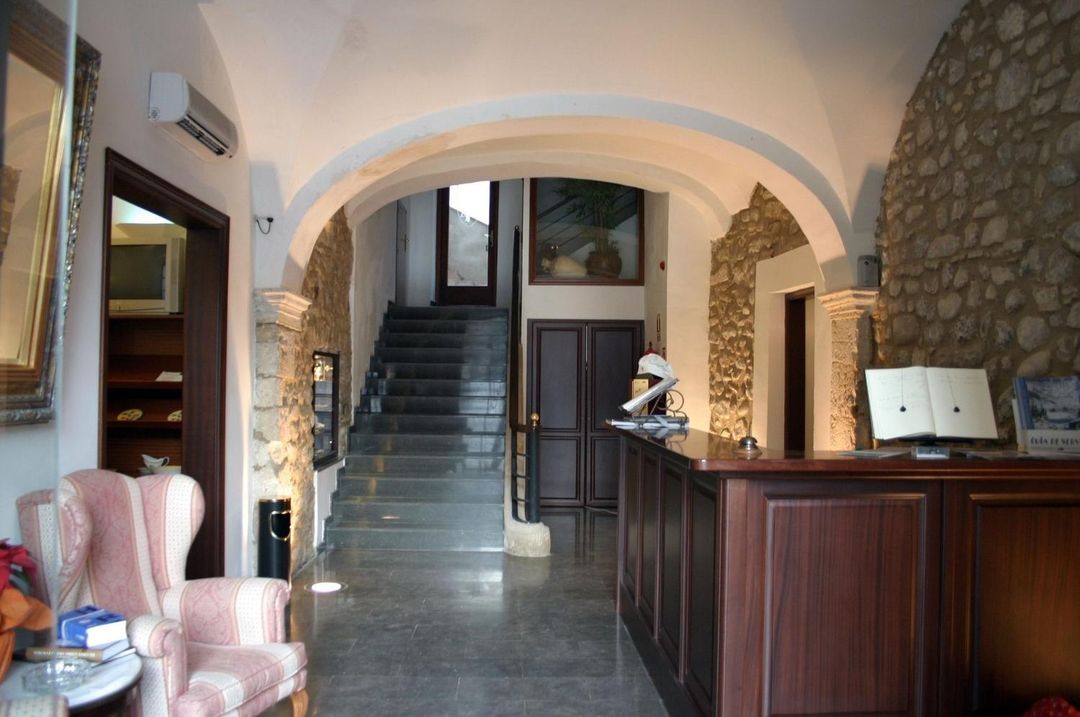
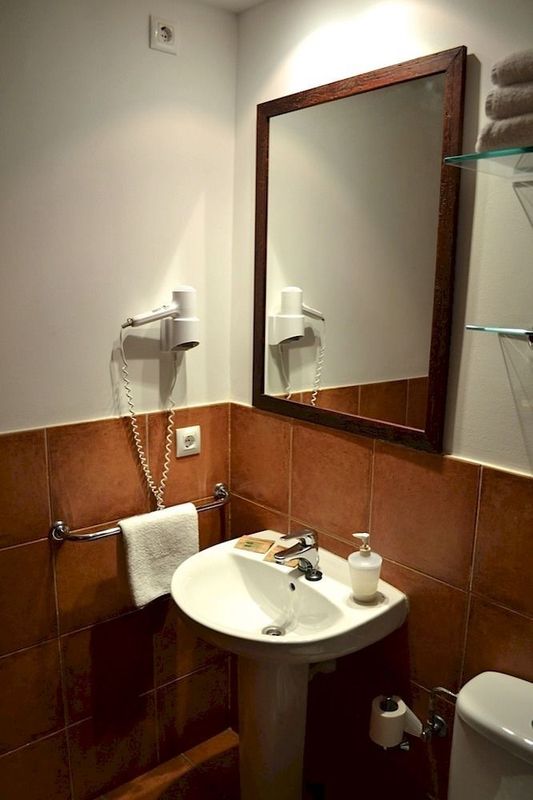
Best Hotels in Besalu
Discover curated hotel collections in Besalu

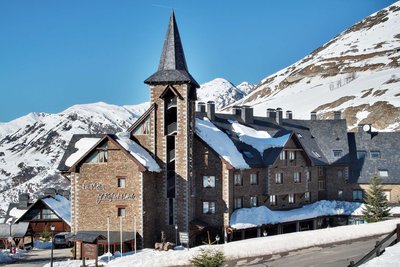
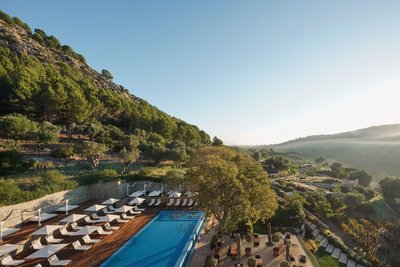
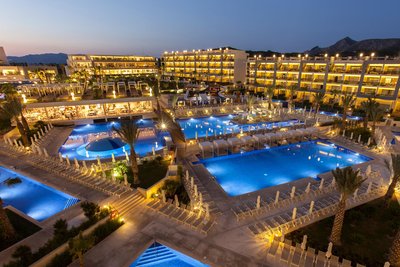
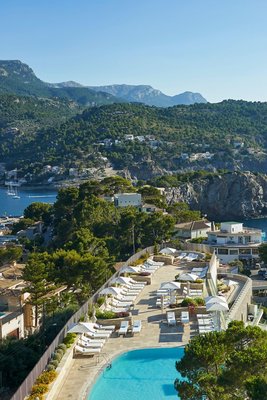




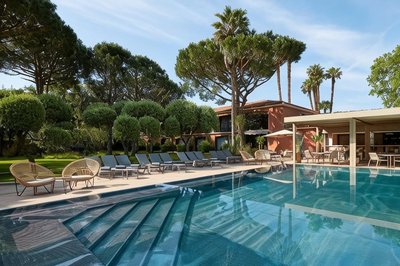
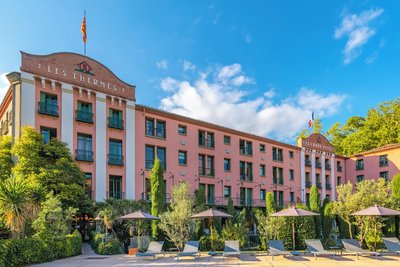
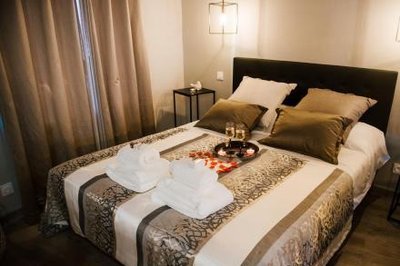
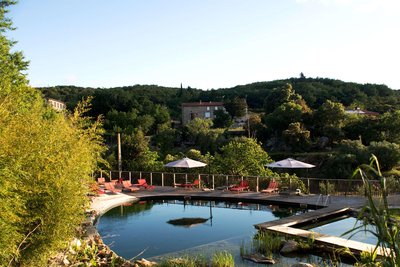
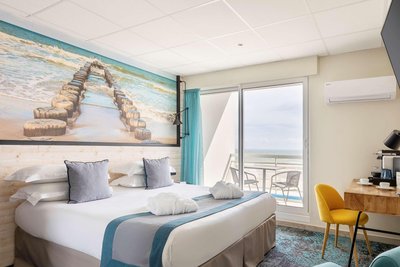
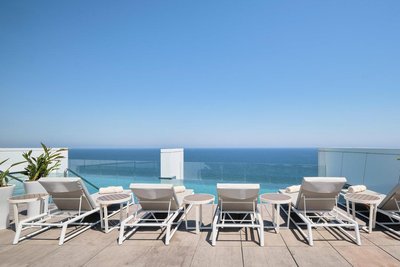
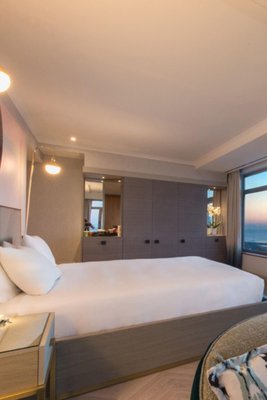
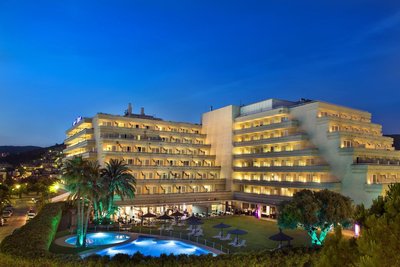

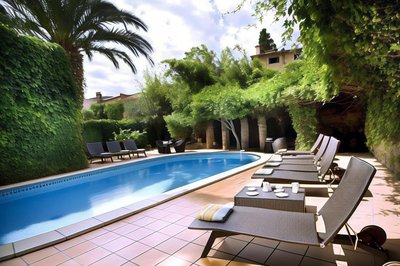
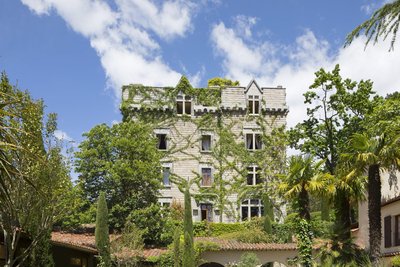

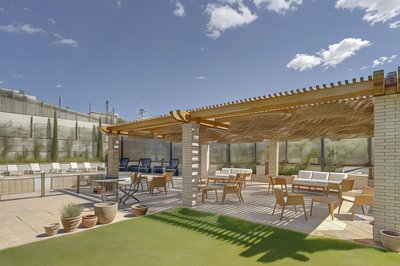

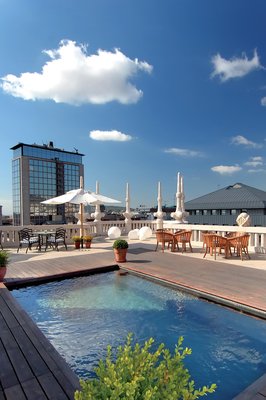
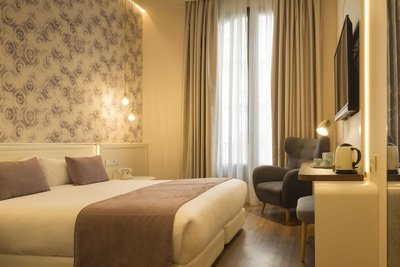
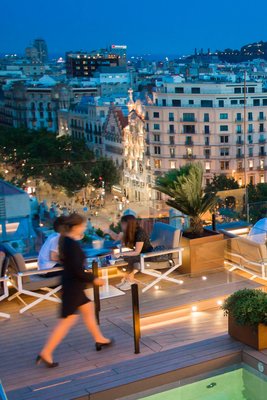
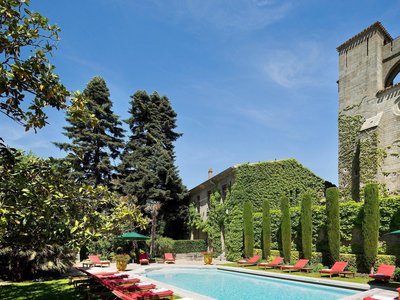
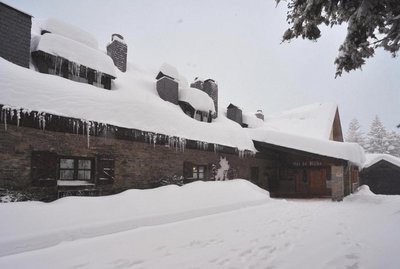
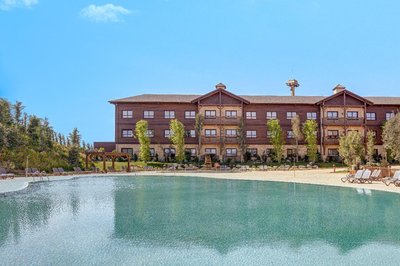
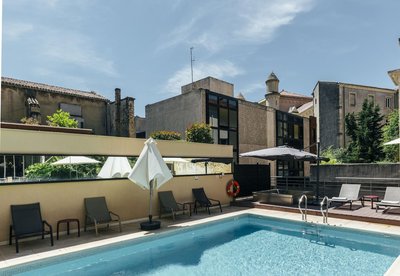
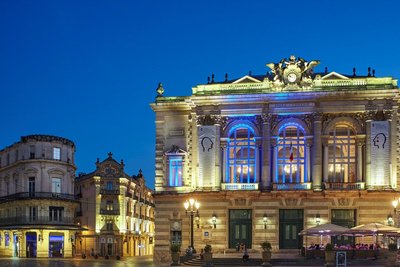
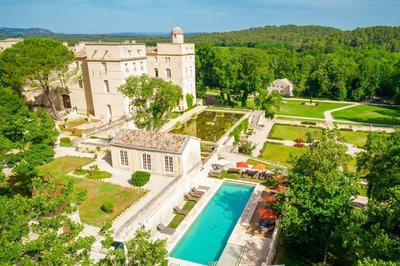
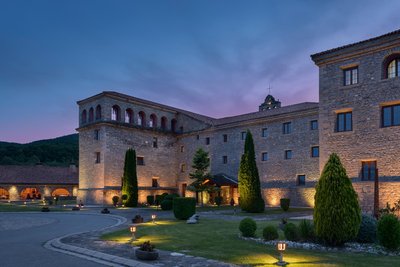
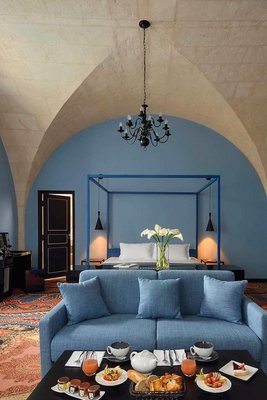

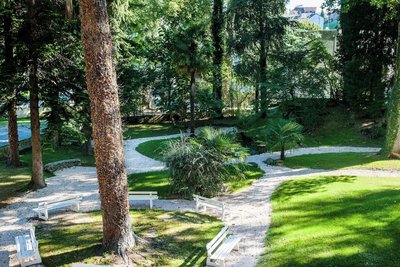
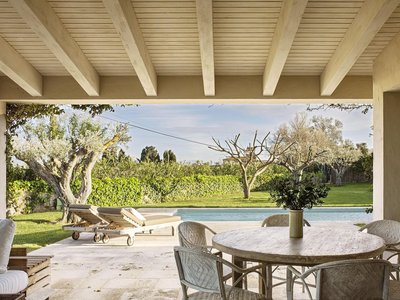




Frequently Asked Questions about Traveling to Besalu
Questions You Might Need to Know About Traveling to Besalu
Besalu Overview
City Summary
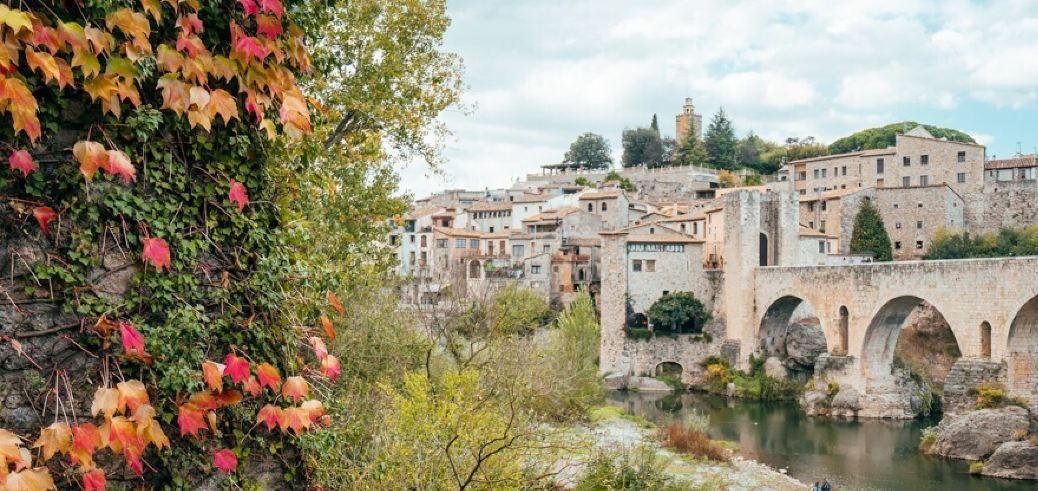
Besalú is a medieval town in Catalonia, Spain, renowned for its well-preserved Romanesque architecture and historical ambiance. Situated on the Fluvià River, this town features a thousand-year-old bridge and cobblestone streets, offering a journey back in time. Its main appeal lies in its unique medieval charm and cultural heritage, making it a paradise for history lovers and photographers.
Must-See Attractions
Besalú's highlights include the Monastery of Sant Pere, a 12th-century Romanesque church, and the iconic Besalú Bridge, which spans the Fluvià River and serves as the main entrance to the town. The Jewish Quarter is also worth exploring, with its traces of medieval Jewish life. Additionally, the annual Medieval Fair in September immerses visitors in traditional culture and crafts.
Food Guide
In Besalú, you can savor traditional Catalan cuisine. Try escudella (a hearty meat stew) and crema catalana (Catalan crème brûlée). Local taverns and restaurants serve fresh produce and wines, particularly from the Empordà region. Street vendors offer panellets (almond sweets), a must-try snack.
Transportation Guide
Besalú is located in northeastern Catalonia, about 30 km from Girona. Driving from Barcelona takes around 1.5 hours with scenic views. Cars are not allowed in the town center; visitors must park in peripheral lots and explore on foot. Public buses from Girona are available but infrequent, so check schedules in advance. Renting a car or joining a guided tour offers more flexibility.
Best Time to Visit
The best time to visit is spring (April–June) and autumn (September–October), with mild weather and fewer crowds. Summer (July–August) is hot but lively during the Medieval Fair—book accommodations early.
Travel Tips
- Wear comfortable shoes: Besalú's cobbled streets are uneven and best explored on foot.
- Respect local culture: Some areas hold religious significance; observe etiquette.
- Book accommodations early: Lodging fills quickly, especially during the Medieval Fair.
- Carry cash: Some small shops and vendors don't accept cards.
- Learn basic Catalan phrases: Locals appreciate visitors using greetings.
- Check opening hours: Some attractions close for midday breaks; plan accordingly.
Useful Information
Language: Catalan is official, but Spanish is widely spoken, and some tourism workers know English. Internet: Free Wi-Fi is available in the town center, but signals may be weak; consider mobile data. Payments: Most restaurants and shops accept cards, but small vendors or rural lodgings may only take cash. Emergency: The nearest hospital is in Girona; pharmacies in town provide basic medical aid. Voltage: 220V, with standard European two-pin plugs.