Hotels in Borobudur
Discover your perfect stay in Borobudur.
Borobudur(Indonesia) Travel 2026: Cheap Flights, Hotels & Top Attractions
Popular Landmarks in Borobudur
Discover the most iconic attractions in Borobudur
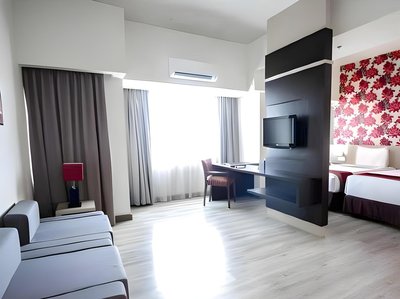
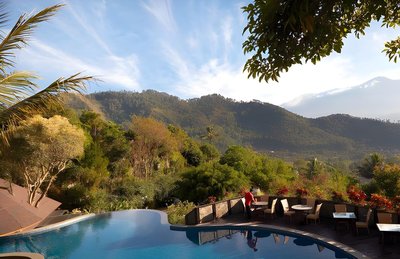
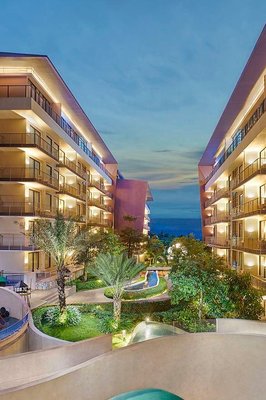
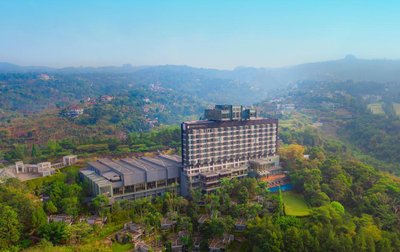
Recommended Hotels in Borobudur
Find the perfect place to stay in Borobudur
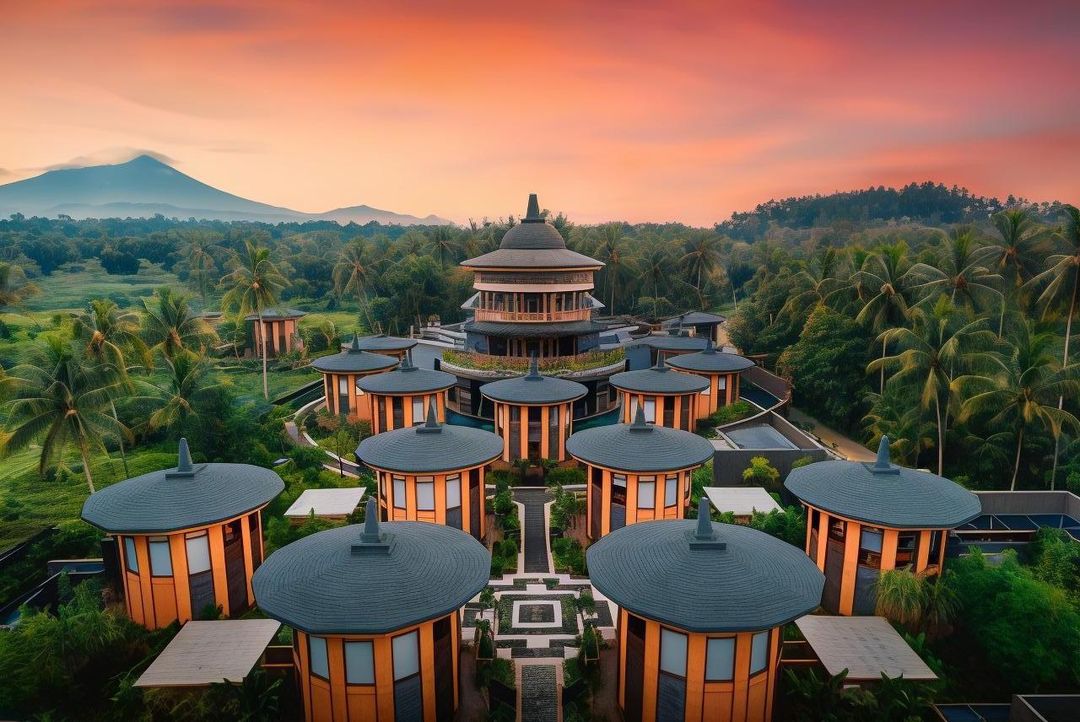
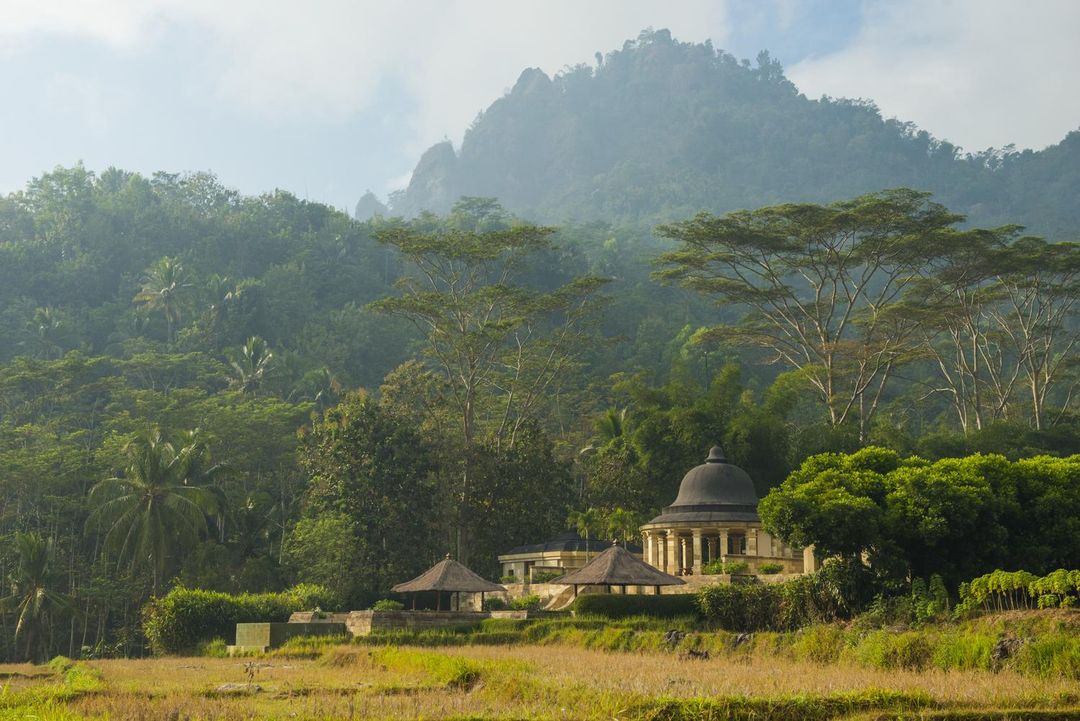
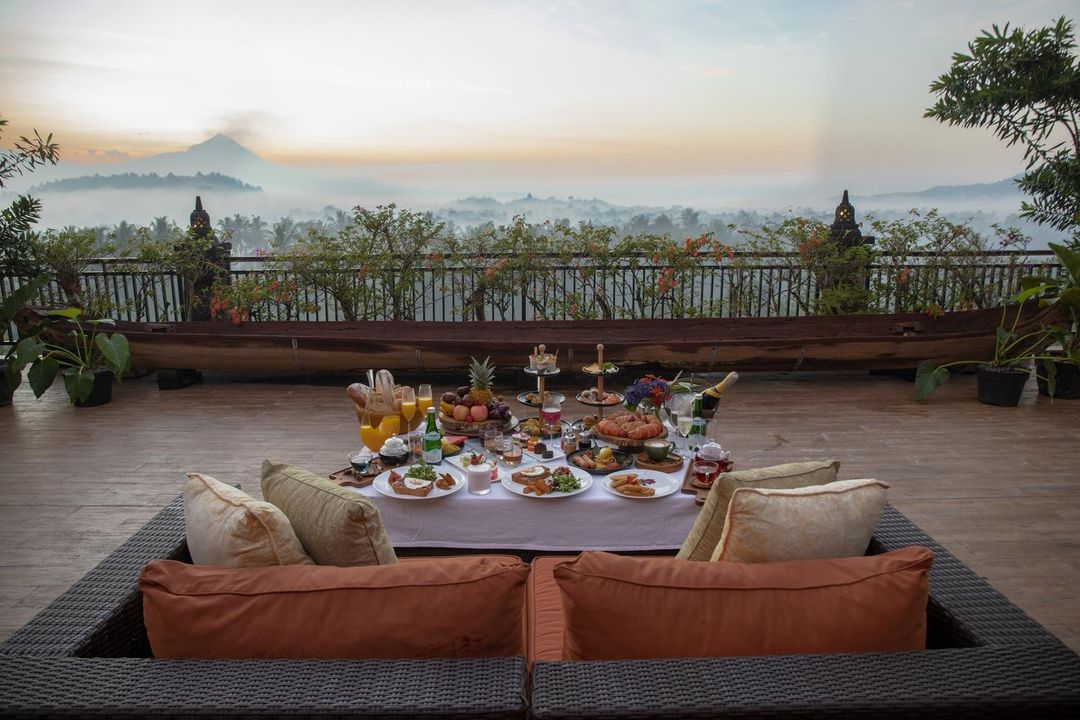
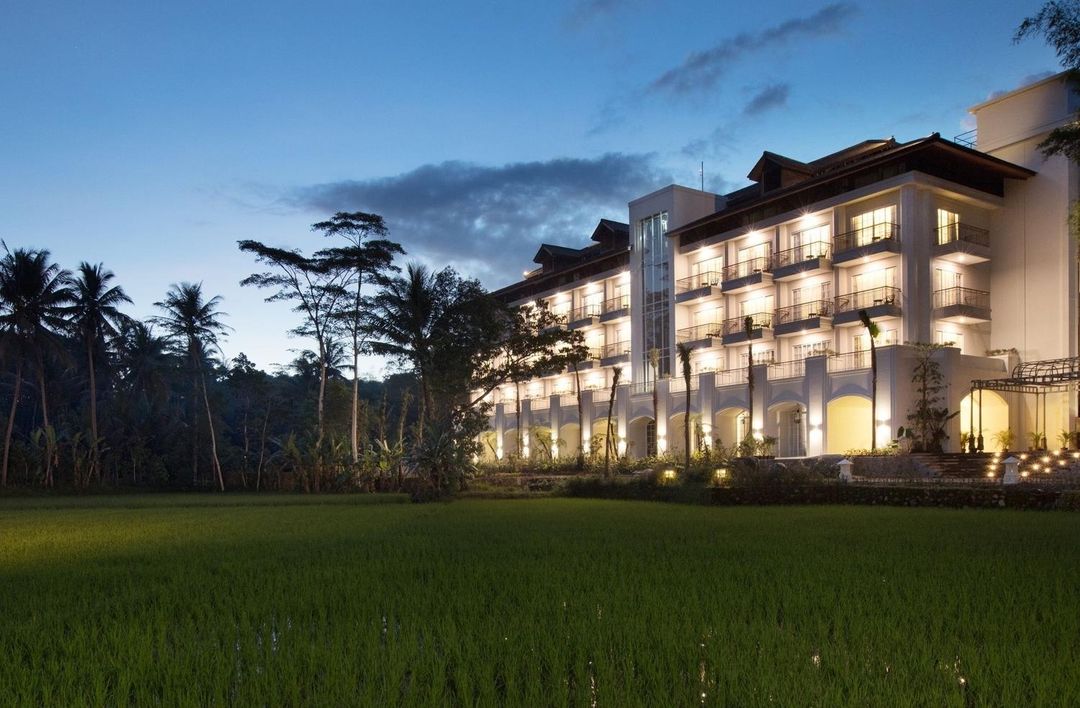
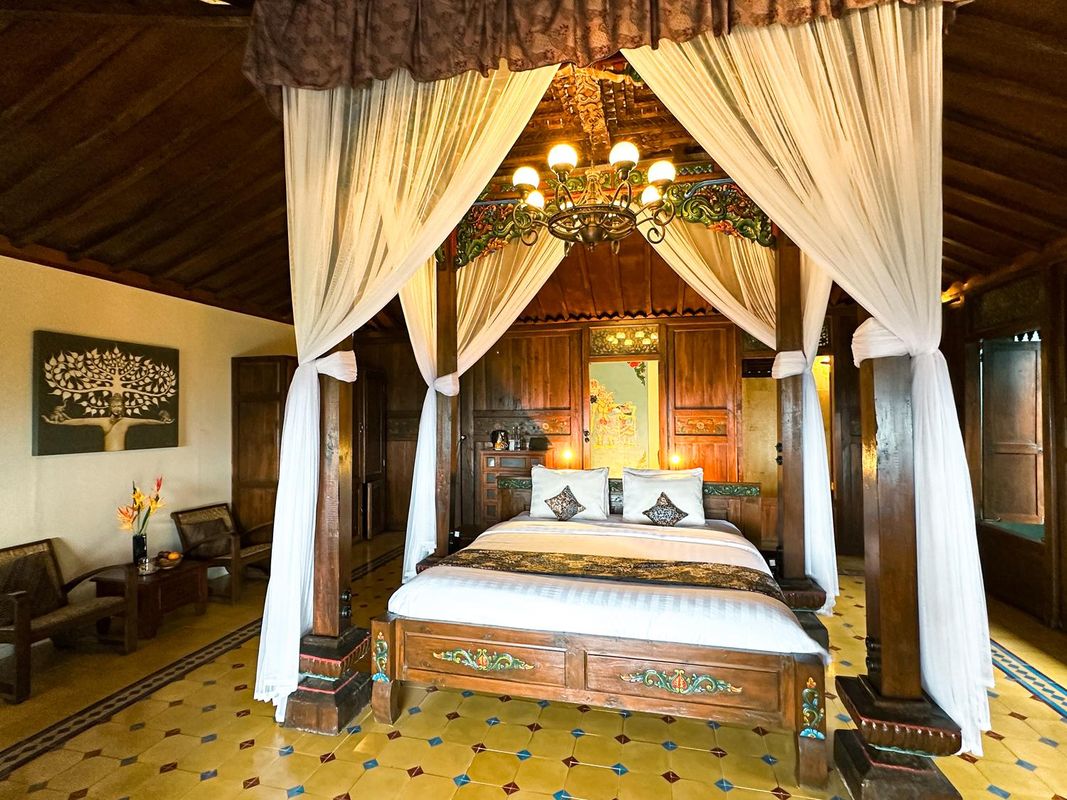
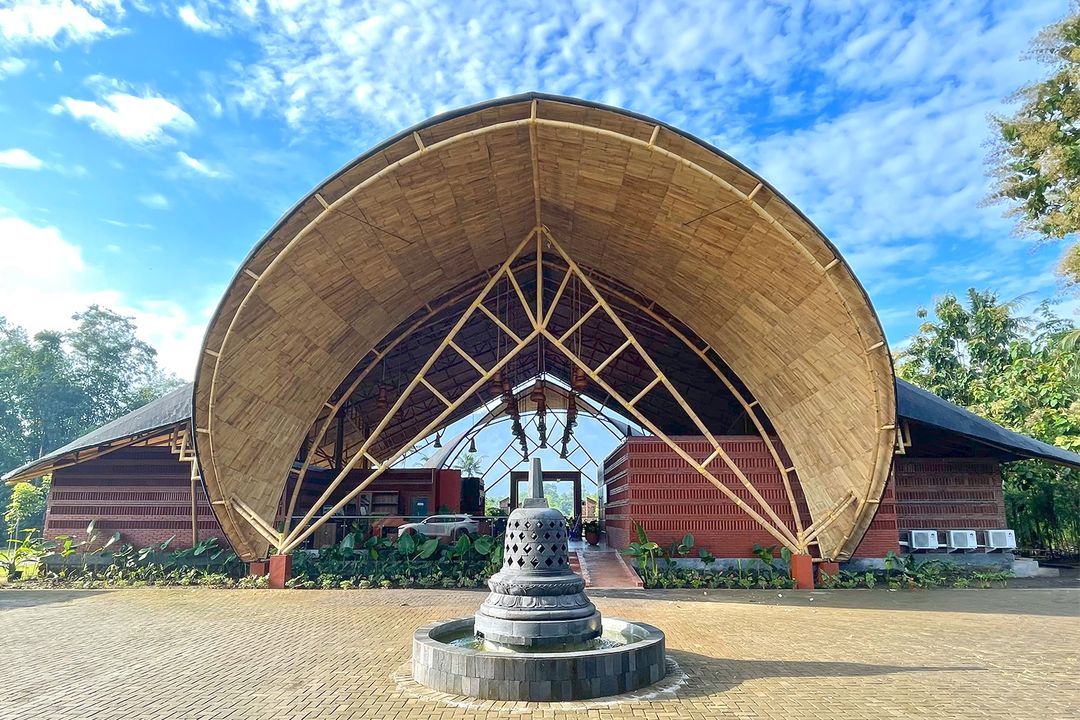
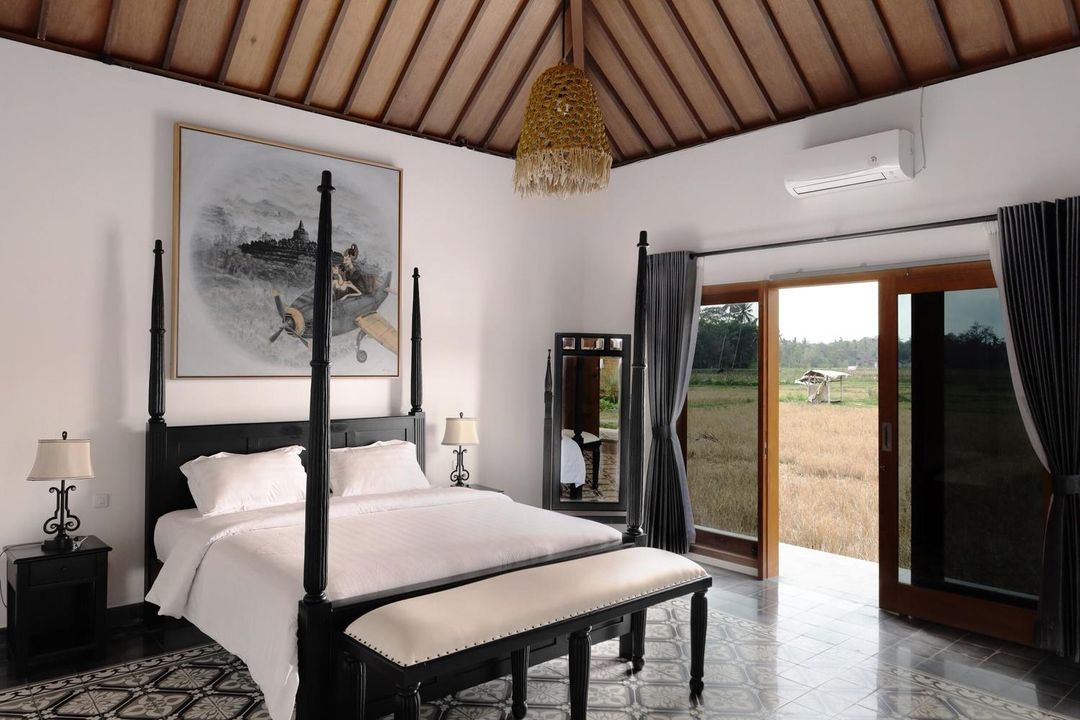
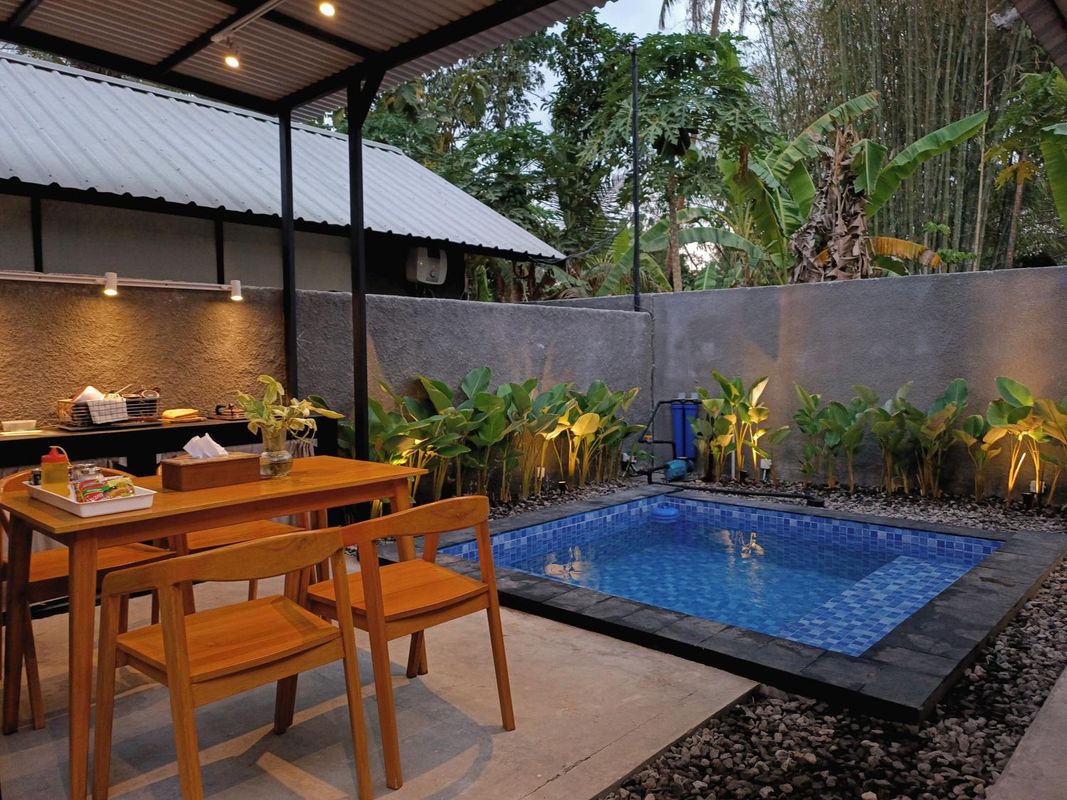
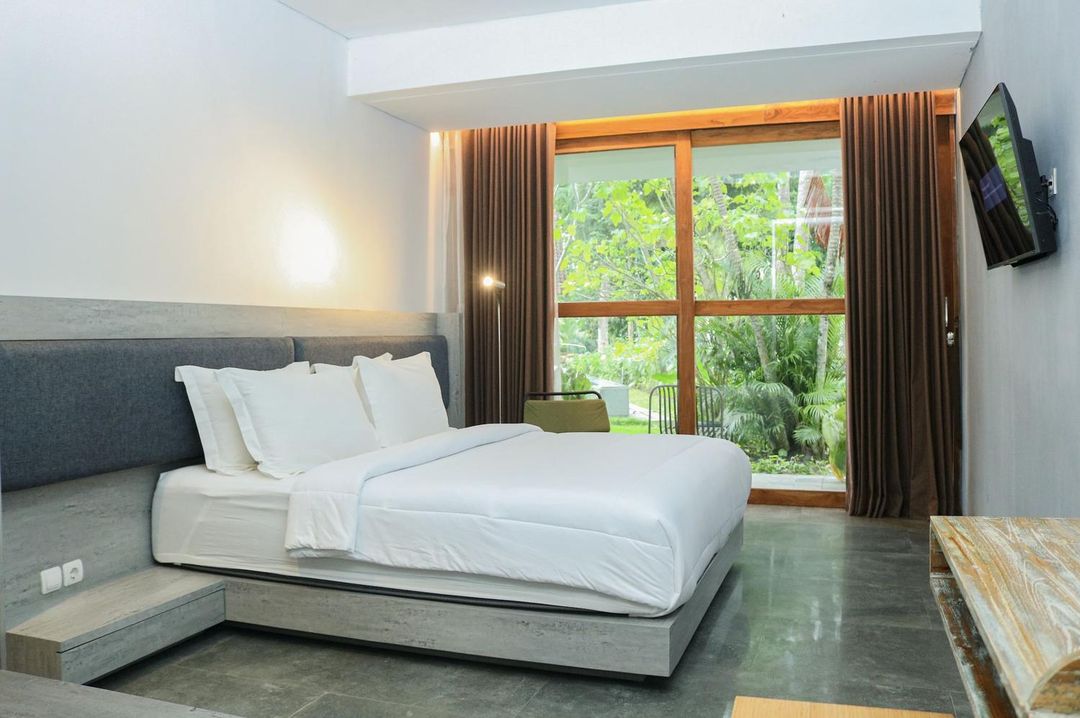
Best Hotels in Borobudur
Discover curated hotel collections in Borobudur

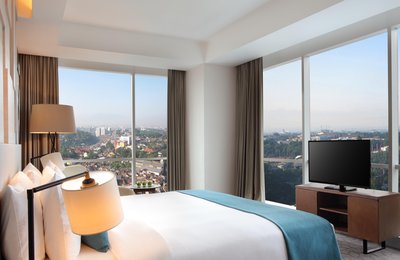
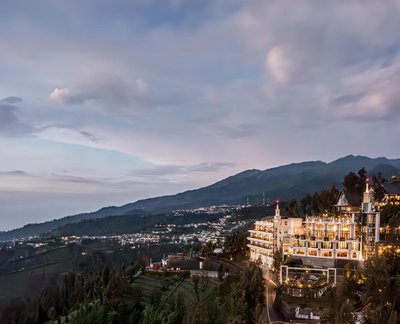
Frequently Asked Questions about Traveling to Borobudur
Questions You Might Need to Know About Traveling to Borobudur
For a spiritual retreat near Borobudur Temple, stay at Taman Sari Resort & Spa or Cangkringan Village Homestay. Both offer serene settings with sunrise views of the temple and include guided meditation sessions, traditional Javanese rituals, and quiet gardens ideal for reflection.
Taman Sari features a hilltop location with panoramic views and private yoga decks, while Cangkringan provides immersive cultural experiences like morning chanting and local storytelling. Many rooms have wooden interiors inspired by ancient temples, enhancing the meditative atmosphere. All properties offer 24-hour security and shuttle services to the temple entrance, ensuring safe and peaceful access for early morning visits.
Perfect for travelers seeking inner peace amidst one of Indonesia’s most sacred sites.
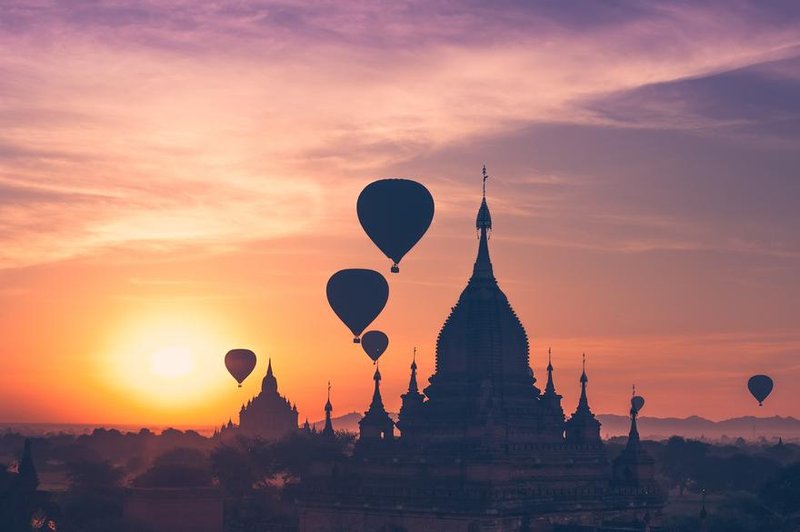
The best areas for sunrise views at Borobudur Temple are Kalijati Village and Mendut Town. These villages lie just minutes from the temple’s main entrance, allowing guests to arrive before 5:30 AM—ideal for securing prime spots without crowds.
Kalijati is especially favored for its quiet, forested surroundings and boutique lodges offering sunrise packages that include transportation, warm drinks, and guided meditation. Mendut, located on a gentle hillside, offers elevated vantage points with sweeping views of the temple silhouetted against the rising sun.
Many accommodations here provide wake-up calls, night-time safety escorts, and even free robes for the ritual walk up to the temple steps. Choose a hotel with a dedicated viewing deck and no noise restrictions to fully embrace the mystical moment when light first touches the stone terraces of this UNESCO World Heritage site.
Must-do cultural experiences at Borobudur include attending the pre-dawn Buddhist chanting ceremony (starting at 5:30 AM), witnessing the symbolic sunrise over the temple's terraces, and exploring the Borobudur Museum to understand its 9th-century origins and restoration history.
You can also participate in a hand-painted stupa workshop, where local artisans teach traditional Javanese Buddhist art using natural pigments. Many homestays offer traditional Javanese meals, such as Nasi Kuning and Gado-Gado, often prepared with family recipes passed down for generations.
Additionally, visit the nearby Prambanan Temple complex and take a sunset trek to Mount Prajapati for panoramic views. These activities blend spirituality, art, and nature—offering deep insight into the region’s religious and cultural identity.
Near Borobudur, try Warung Bambu in Kalijati Village and Sari Asih Restaurant in Mendut Town. Warung Bambu specializes in rustic Javanese breakfasts—like Nasi Kuning (turmeric rice) and Gado-Gado (vegetable salad with peanut sauce)—served in bamboo huts surrounded by rice fields.
Sari Asih offers home-style cooking with dishes such as Rendang Daging (slow-cooked beef curry) and Tempeh Mendoan (crispy fried tempeh). The owner often shares stories about regional ingredients and seasonal festivals, turning dinner into a cultural exchange.
Both restaurants use organic, locally sourced produce and feature vegetarian options. Reservations are recommended during weekends and peak season. They’re perfect for travelers wanting an authentic taste of Central Java beyond tourist menus.
A full-day itinerary at Borobudur Temple should begin at 5:00 AM with a pre-dawn arrival to witness the sunrise over the terraced monument. Spend 90 minutes exploring the lower galleries, focusing on the intricate Jataka tales and cosmic symbolism in the reliefs.
By 7:30 AM, head to the Borobudur Museum for context on the temple’s construction, restoration, and historical significance. Return to the main site by 9:00 AM to climb the upper levels and enjoy panoramic views from the central dome.
Lunch at Mendut Town, followed by a short hike to Mount Prajapati for sunset photography. In the afternoon, join a traditional dance performance or spiritual workshop offered by your accommodation.
End the day with a quiet meditation session. This schedule balances exploration, culture, and tranquility—maximizing both physical access and emotional depth at one of Southeast Asia’s most profound sacred sites.
Yes, most reputable hotels near Borobudur Temple provide airport transfers and temple shuttle services. Taman Sari Resort & Spa and Cangkringan Village Homestay offer complimentary pickups from Yogyakarta International Airport (YIA) and scheduled vans to the temple entrance, operating daily at 4:30 AM for early arrivals.
Shuttles are typically available upon request and can be booked in advance. Some luxury properties also arrange private car rentals with English-speaking drivers, ideal for visiting nearby sites like Prambanan Temple or Ratu Boko Palace.
These services ensure comfort and safety, especially during nighttime travel through rural roads. Confirm pickup times and vehicle type when HopeGoo, and consider adding a guided tour package for deeper cultural insights. Reliable transport enhances the overall experience, particularly for first-time visitors.
Borobudur was designated a UNESCO World Heritage Site in 1991 due to its exceptional architectural complexity, artistic mastery, and spiritual significance. It is the world’s largest Buddhist temple, built in the 8th–9th century CE, featuring nine stacked platforms adorned with over 2,600 relief panels and 504 Buddha statues.
Its design symbolizes the journey from samsara (cyclic existence) to nirvana, with each level representing a stage of enlightenment. The temple’s integration with the natural landscape—nestled between volcanic hills and rice paddies—reflects a deep harmony between human creation and nature.
It also stands as a testament to the ancient Srivijaya and Sailendra dynasties’ influence in maritime Southeast Asia. UNESCO recognizes it not only as a masterpiece of architecture but as a living cultural monument that continues to inspire pilgrimage, scholarship, and global appreciation for Buddhist heritage.
The most significant reliefs at Borobudur depict stories from the Jataka Tales, which illustrate the Buddha’s past lives. Key scenes include:
-
The Monkey King (Saka Sankha Jataka): A tale of self-sacrifice and leadership.
-
The Elephant King (Gajamukha Jataka): Showcasing wisdom and compassion in overcoming greed.
-
The Story of Prince Siddhartha’s Renunciation: Depicted across multiple panels, showing his departure from palace life.
-
The Final Life of the Buddha: Illustrating his enlightenment under the Bodhi tree and first sermon.
These reliefs form a narrative path from the earthly realm to spiritual awakening. Visitors are encouraged to follow them clockwise from the base upward, mirroring the monk’s ascent toward enlightenment. Each panel contains subtle details—clothing, gestures, animals—that reflect Buddhist principles like karma, impermanence, and non-attachment.
Using the official audio guide ensures accurate interpretation and deeper understanding of these timeless teachings.
For a meditation session at Borobudur, pack a lightweight blanket, mat or cushion, water bottle, flashlight, and insect repellent. Most sessions begin before dawn (around 5:00 AM), so warmth is essential, especially in the cooler mountain air.
Wear comfortable, modest clothing—preferably loose-fitting fabric—and avoid bright colors to respect the sacred space. Many homestays provide meditation robes and incense, but bringing your own mindfulness journal can enhance the experience.
Arrive at least 15 minutes early to settle in and receive instructions from the guide. Silence is required during the session; phones should be turned off. Afterward, many participants receive a blessing token or symbolic flower as a memento.
This practice deepens connection with the temple’s spiritual energy and offers a rare opportunity to meditate within one of the world’s most powerful religious landscapes.
The best time to visit Borobudur to avoid crowds is during the shoulder months of November and April, outside of peak season (May–October). During these periods, visitor numbers drop significantly, and the weather remains pleasant.
Avoid Waisakha Day (Vesak Day, usually May or June), when thousands of Buddhists from across Indonesia and Asia descend for mass prayers and ceremonies—resulting in massive congestion and limited access.
Also steer clear of school holidays (July–August) and national holidays like Independence Day (August 17). Visiting early in the morning (before 5:30 AM) is still recommended regardless of season, but fewer tourists mean more personal space and better photo opportunities.
Choose accommodations that offer private sunrise tours or early-access packages for an undisturbed experience. Off-peak travel allows for deeper immersion in the temple’s serenity and spiritual aura.
Borobudur Overview
City Summary
Borobudur in Central Java, Indonesia, is a magnificent 9th-century Buddhist temple, one of the world's largest Buddhist monuments. Renowned for its stunning stone carvings and intricate architecture, it's a UNESCO World Heritage Site. The lotus-shaped structure symbolizes Buddhist cosmology, with the central stupa as the pilgrimage climax.
Must-See Attractions
Key attractions include thousands of relief panels depicting Buddha's life and teachings. Visitors ascend through nine terraced levels, each representing a stage of spiritual enlightenment. Sunrise visits offer breathtaking views. Nearby Prambanan temple complex makes a complementary excursion.
Food Guide
Central Javanese street food features Gudeg (spicy sweet jackfruit stew), Soto Ayam (chicken soup) and Bakpia (sweet bean pastry). Try traditional snacks like Tempeh with sambal chili. The cuisine blends Indonesian flavors with Hindu-Buddhist influences.
Transportation Guide
From Yogyakarta, take buses or taxis (1.5hrs drive). Private cars are recommended for flexibility. Public transport options are limited. Walking is required within the temple - wear comfortable shoes. Local motorbike rentals may be unsuitable for long trips.
Best Time to Visit
Visit during the dry season (April-October) for pleasant weather. Avoid the rainy season (November-March) due to slippery conditions. Sunrise slots are less crowded but require advance tickets.
Travel Tips
- Dress modestly covering shoulders and knees at religious sites.
- Avoid touching carvings to prevent damage.
- Carry sun protection and sufficient water.
- Hire licensed guides for historical context.
- Beware steep temple stairs.
- Carry cash as credit cards are rarely accepted.
Useful Information
Bahasa Indonesia is official; English is widely understood. Mobile networks work well - consider local SIM cards. Cash dominates; credit cards accepted at major sites. Limited medical facilities - bring basic medications. Voltage is 220V with European two-pin plugs. Visa-free entry for 30 days requires 6-month passport validity.