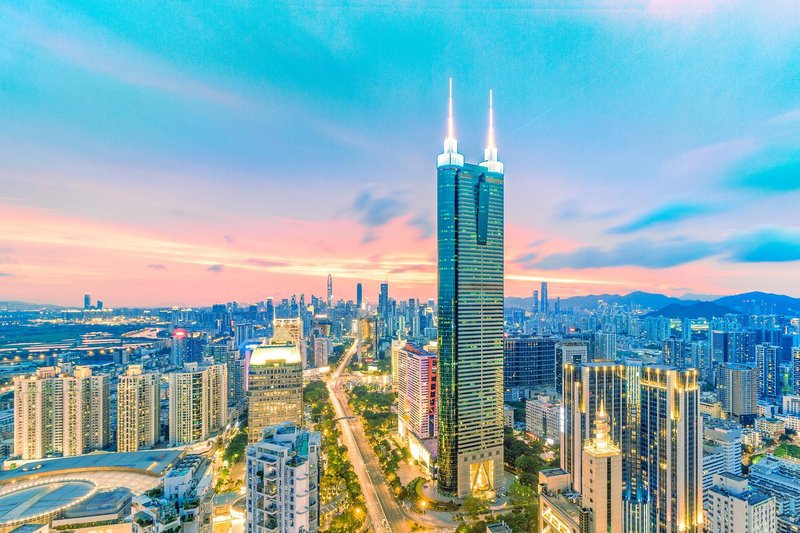
Hotels in Boticas
Discover your perfect stay in Boticas.
Boticas(Portugal) Travel 2026: Cheap Flights, Hotels & Top Attractions
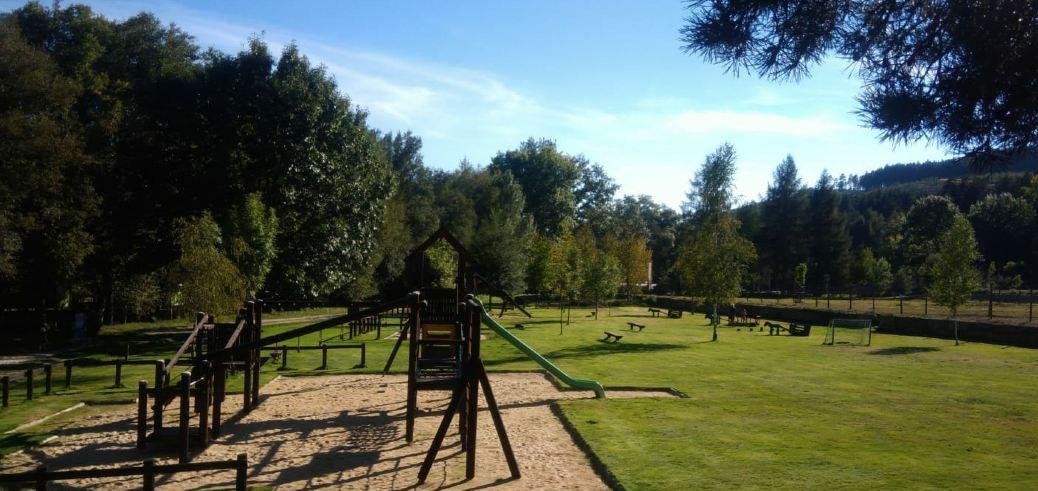
Popular Landmarks in Boticas
Discover the most iconic attractions in Boticas
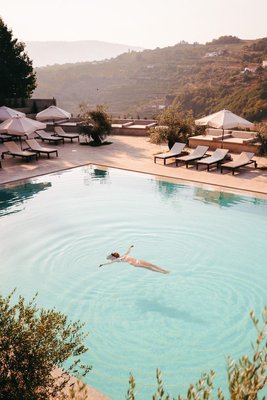
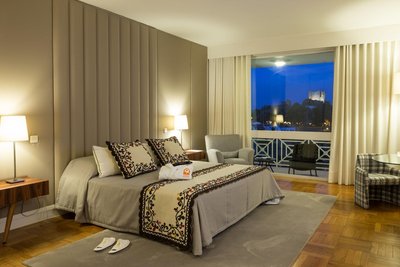
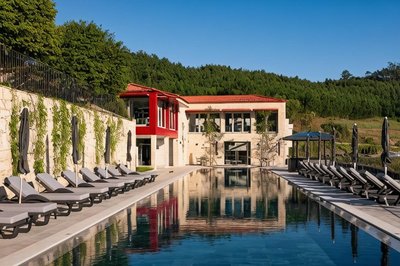
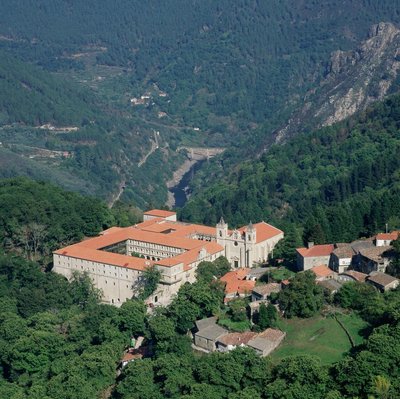
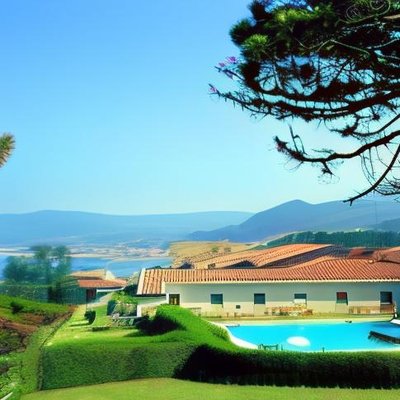
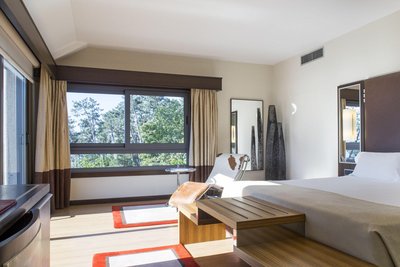
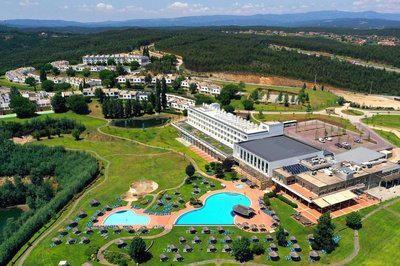
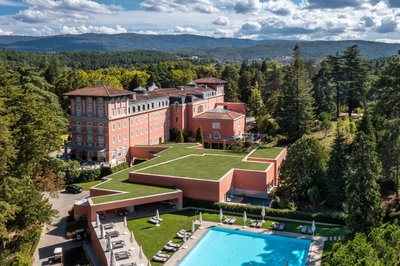
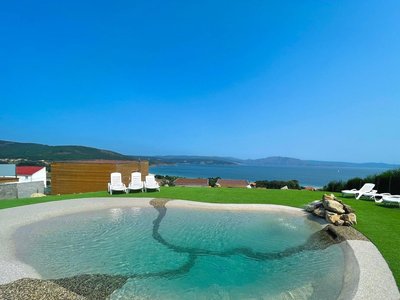
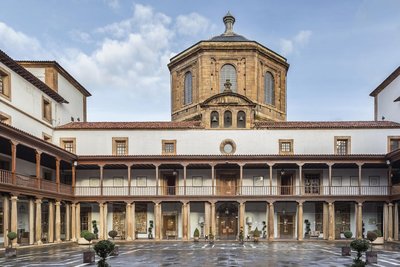
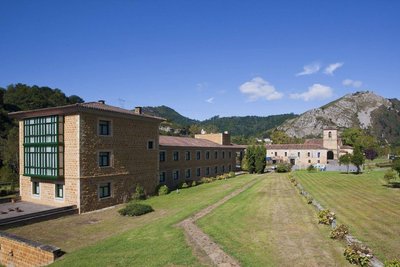
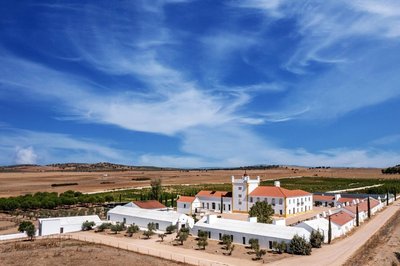
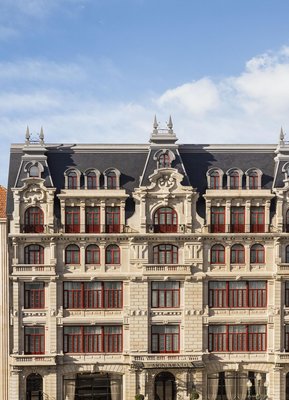
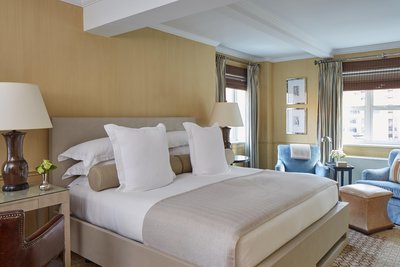
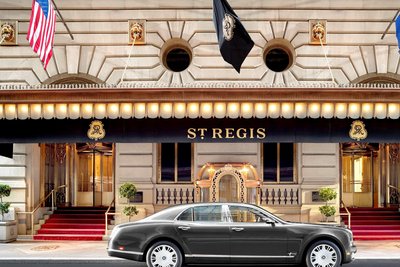
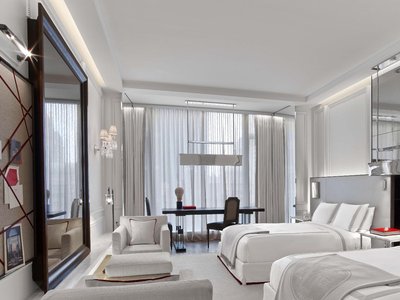
Recommended Hotels in Boticas
Find the perfect place to stay in Boticas
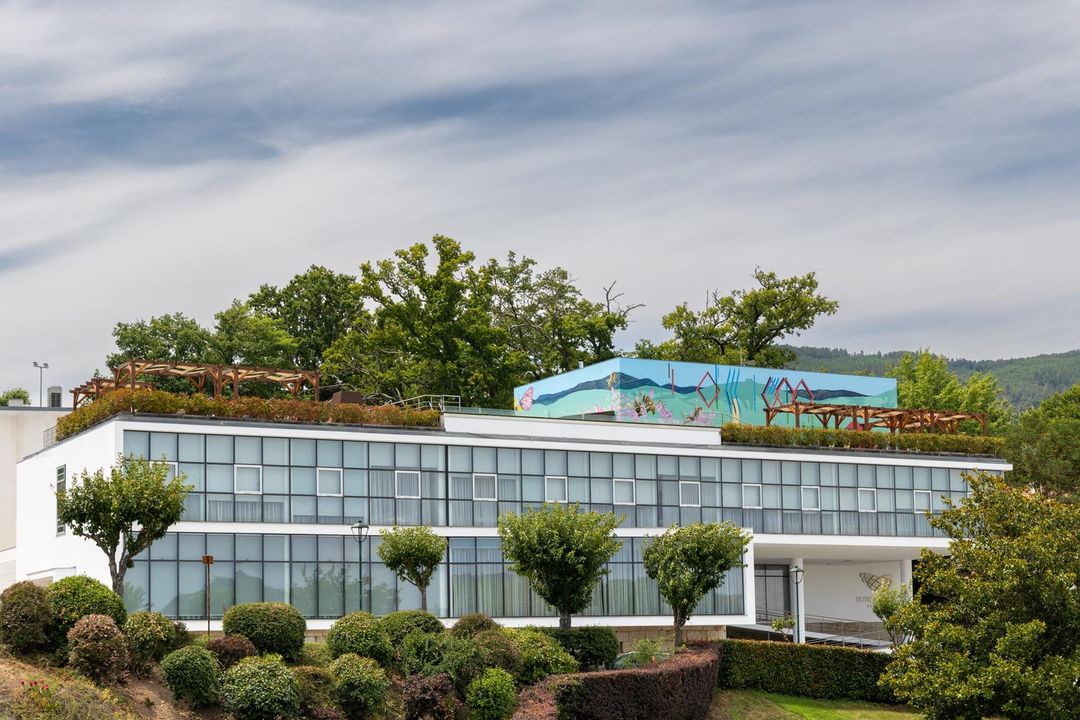
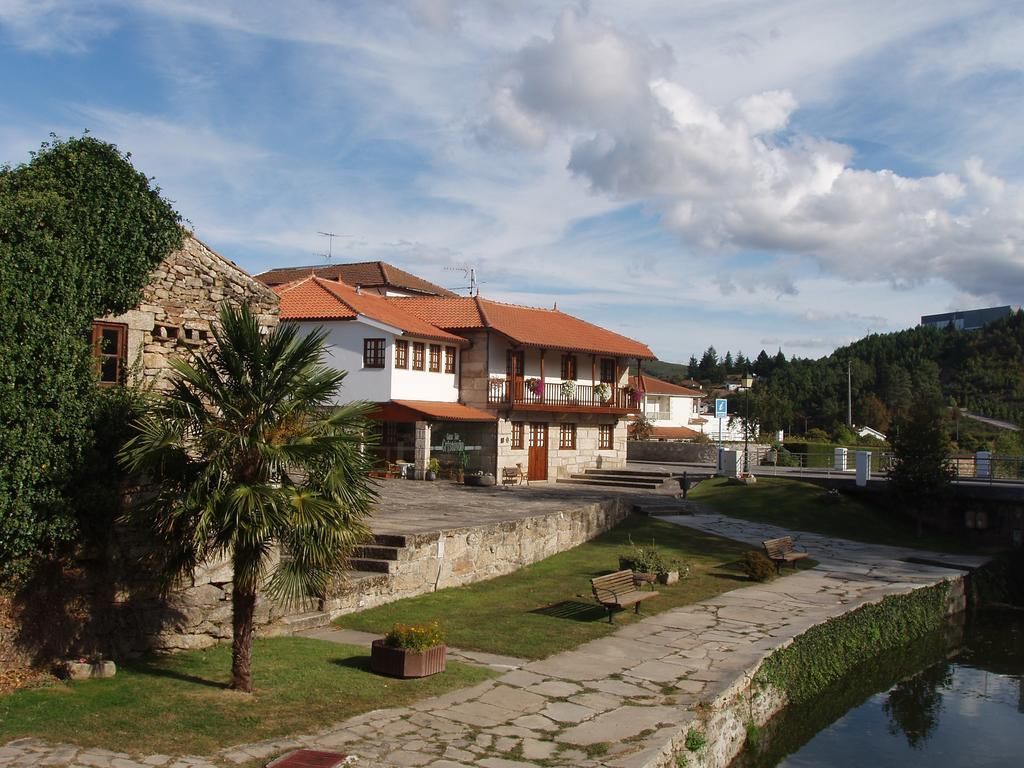

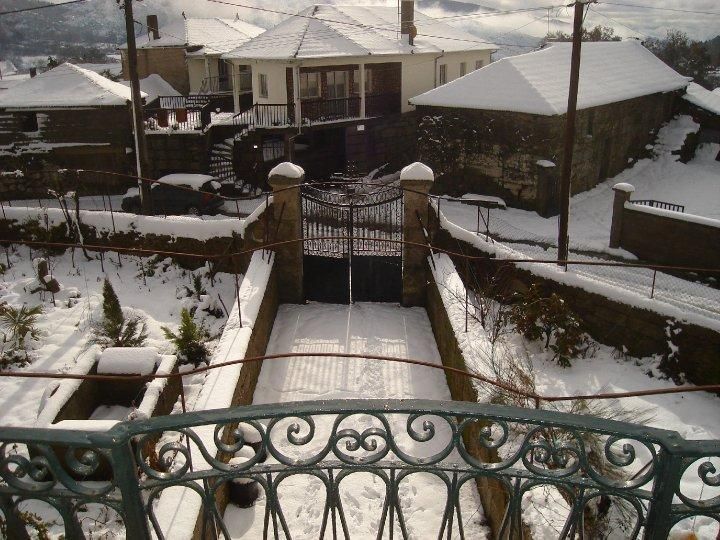
Best Hotels in Boticas
Discover curated hotel collections in Boticas
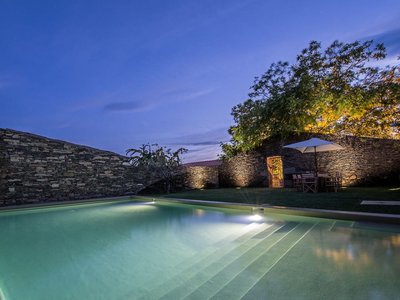
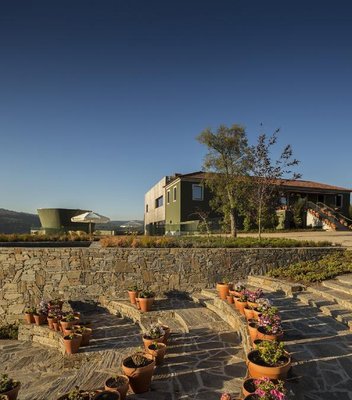
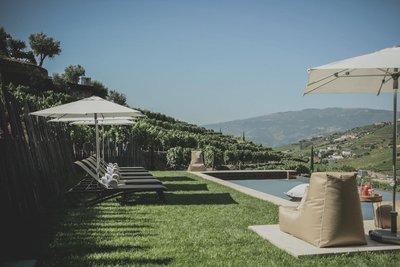









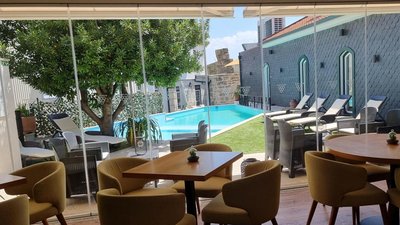


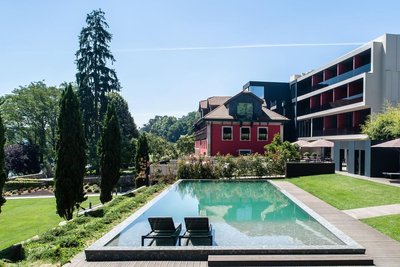

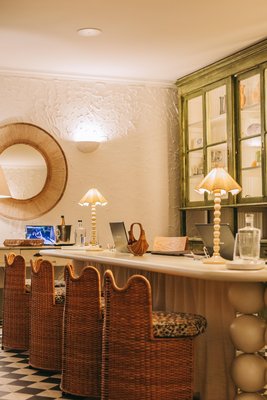

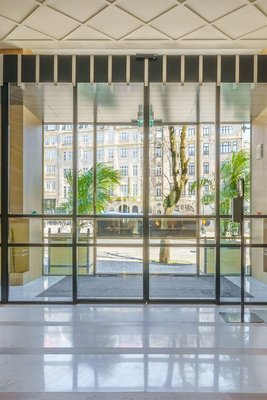




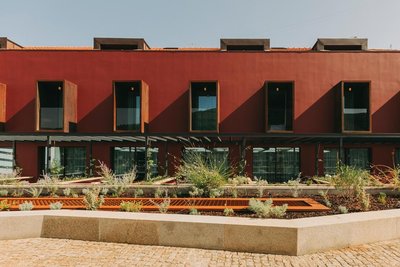
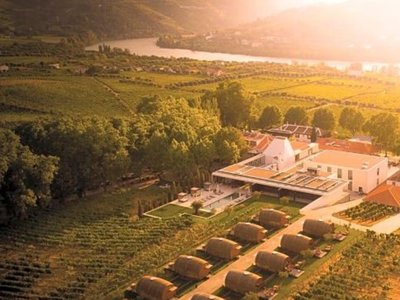
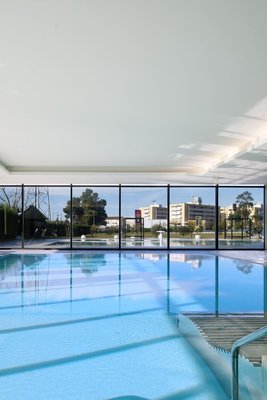
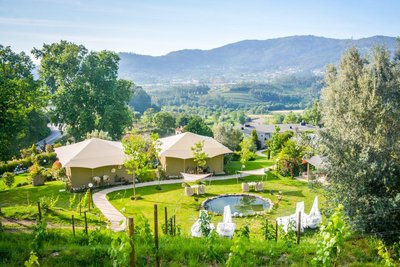















Frequently Asked Questions about Traveling to Boticas
Questions You Might Need to Know About Traveling to Boticas
Boticas Overview
City Summary
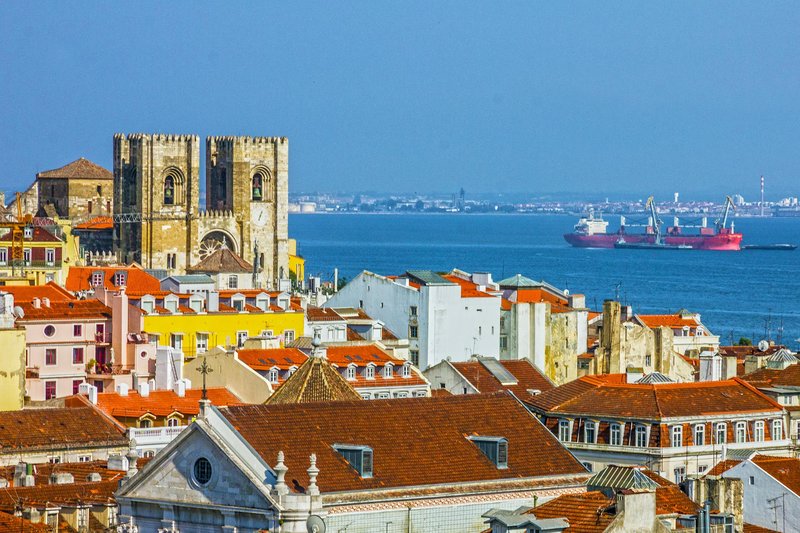
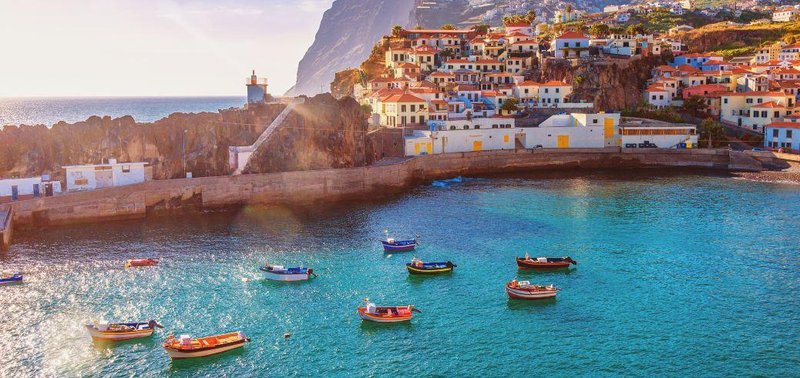
Boticas is a tranquil town in central Portugal, renowned for its traditional Portuguese rural charm and rich historical heritage. The town features well-preserved ancient architecture, charming cobblestone streets, and a strong local cultural atmosphere. Its core appeal lies in its slow-paced lifestyle away from urban hustle, making it ideal for travelers seeking relaxation and cultural experiences.
Must-See Attractions
In Boticas, the Church of Our Lady of the Assumption is a must-visit, blending Gothic and Baroque architectural styles. The Boticas Castle Ruins offer a panoramic view of the town. Additionally, the local handicraft markets showcase traditional Portuguese crafts like pottery and embroidery. At night, attending a Fado music performance is a great way to experience Portugal's soulful music.
Food Guide
Boticas' culinary culture revolves around simple yet flavorful rural dishes. Try the Borrego Estufado (stewed lamb), a dish slow-cooked with local spices for a rich flavor. Street food like Chouriço Assado (grilled sausage) is also a must-try. For dessert, indulge in Pastéis de Tentúgal, a creamy puff pastry treat.
Transportation Guide
Transportation in Boticas primarily relies on buses and walking. The town is small enough to explore on foot. If coming from Lisbon or Porto, long-distance buses are available, with a travel time of 2-3 hours. There is no metro system; consider renting a bike or taking a local taxi (reasonably priced). Drivers should note that old town streets are narrow with limited parking.
Best Time to Visit
The best times to visit Boticas are spring (April to June) and autumn (September to October), when the weather is mild and crowds are smaller. Summer (July to August) can be warm but crowded. Winter (November to March) is colder but ideal for those seeking a quiet atmosphere.
Travel Tips
- Respect local culture: Dress modestly when entering churches.
- Carry cash: Some small shops may not accept credit cards.
- Learn basic Portuguese: Phrases like "Olá" (hello) and "Obrigado/a" (thank you).
- Mind business hours: Many shops close for a long lunch break (1-3 PM).
- Safety tips: Boticas is safe, but keep valuables secure.
- Try local activities: Join traditional festivals or markets.
Useful Information
Language: Portuguese is the main language; English is understood in tourist areas. Internet: Most hotels and cafes offer free Wi-Fi. Payment: Carry some cash; credit cards are widely accepted in restaurants and hotels. Emergency: A small medical center is available; serious cases require travel to nearby cities. Voltage: 220V, using European standard two-pin plugs. Drinking water: Tap water is safe, but bottled water is more common.