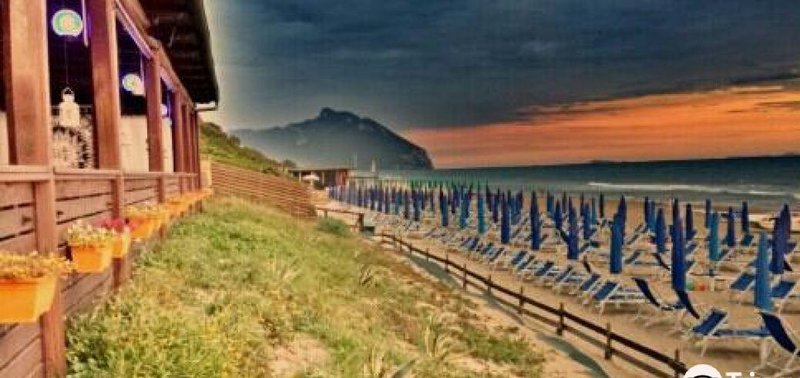
Hotels in Brescia
Discover your perfect stay in Brescia.
Brescia(Italy) Travel 2026: Cheap Flights, Hotels & Top Attractions
Popular Landmarks in Brescia
Discover the most iconic attractions in Brescia
Recommended Hotels in Brescia
Find the perfect place to stay in Brescia
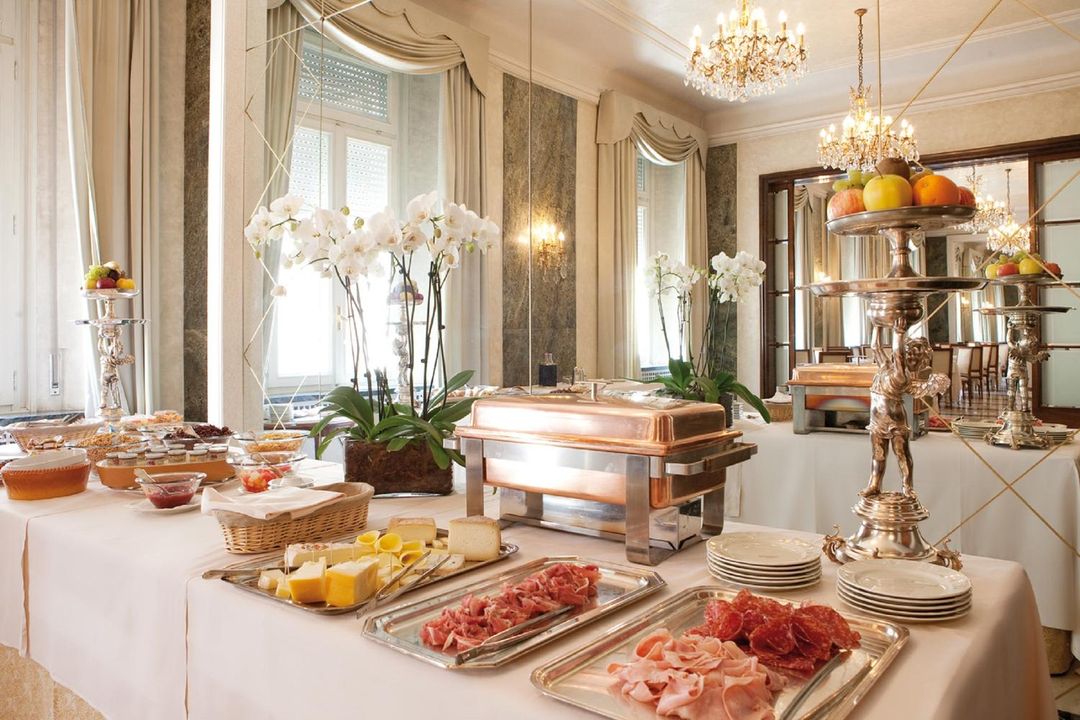
Hotel Vittoria
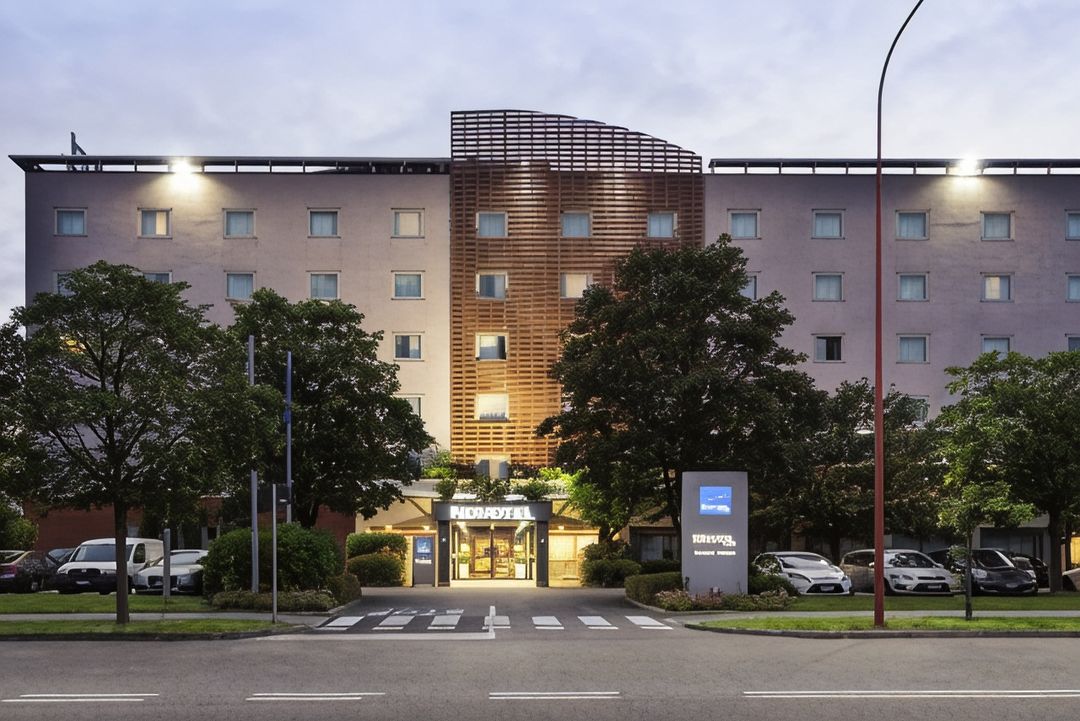
Novotel Brescia 2
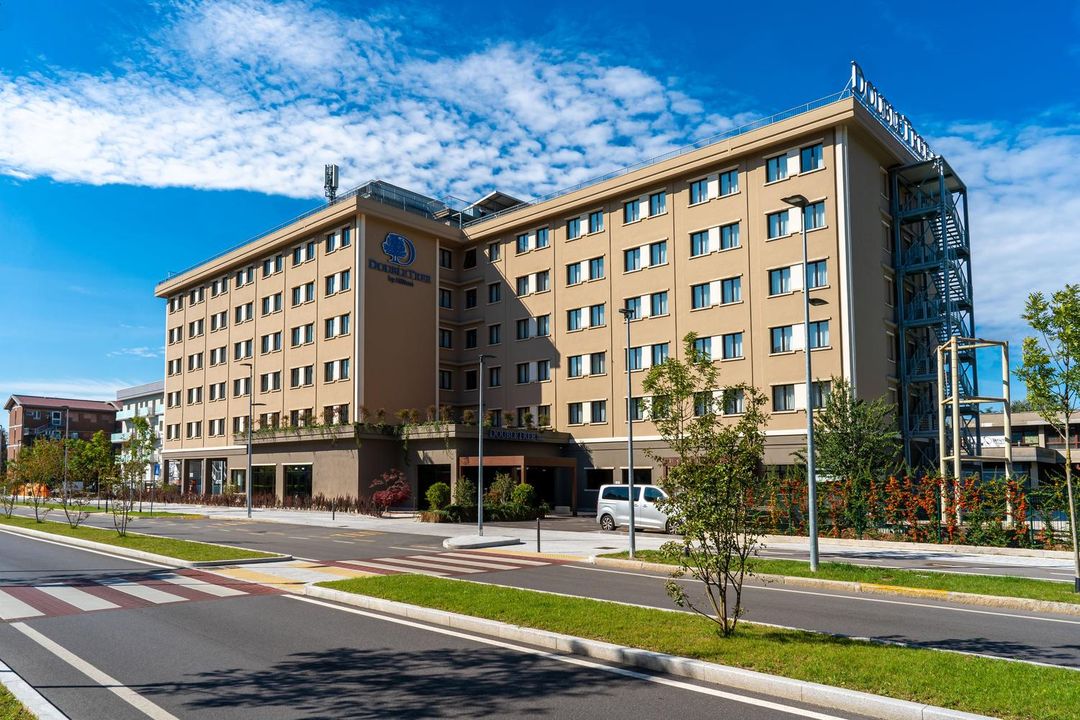
Doubletree by Hilton Brescia
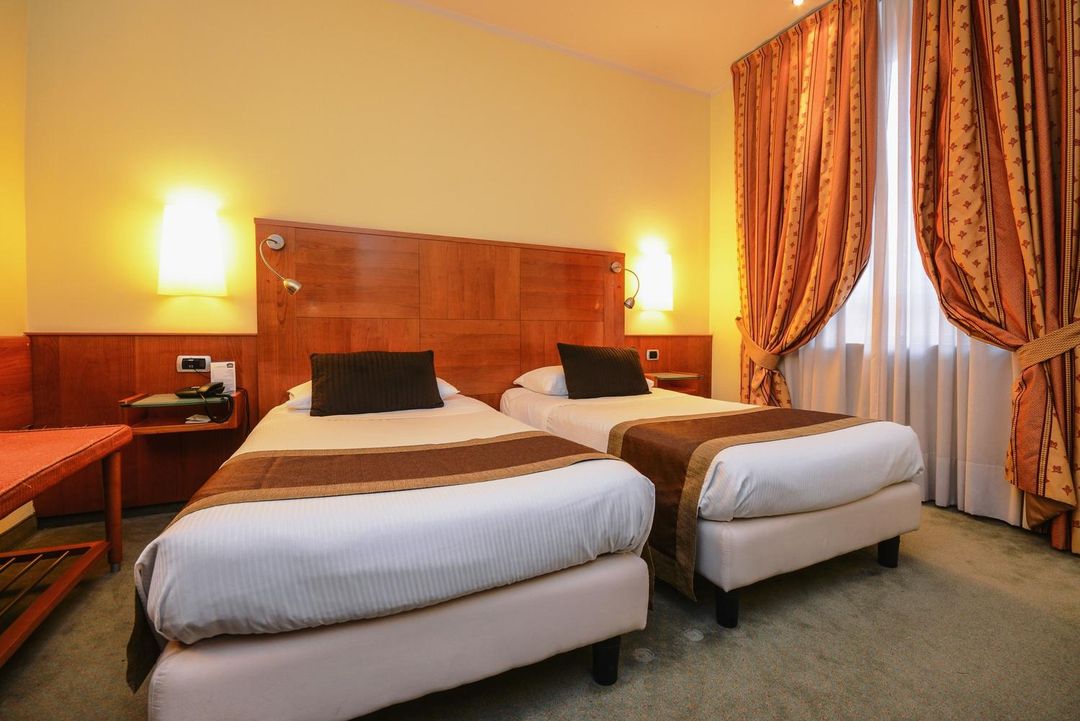
Hotel Master
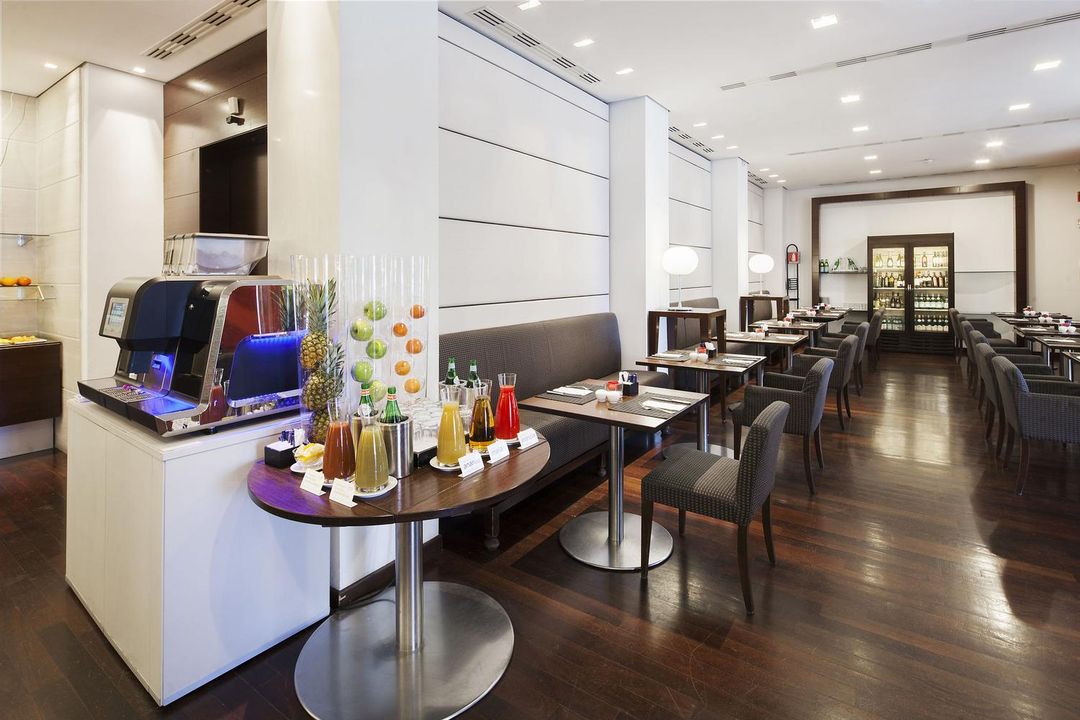
Hotel Igea
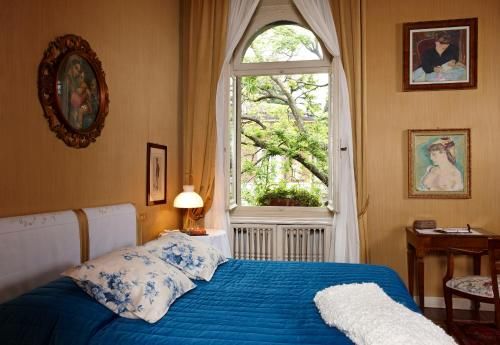
Villa V
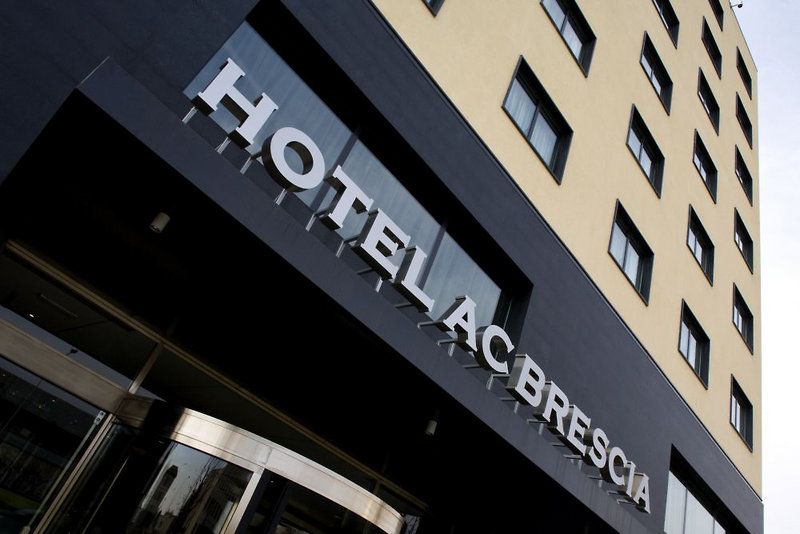
AC Hotel Brescia
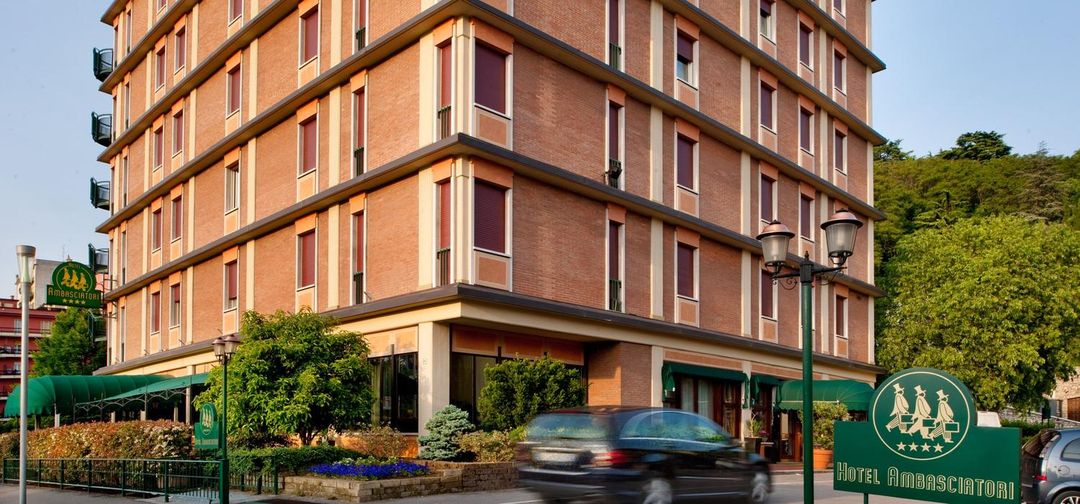
Hotel Ambasciatori
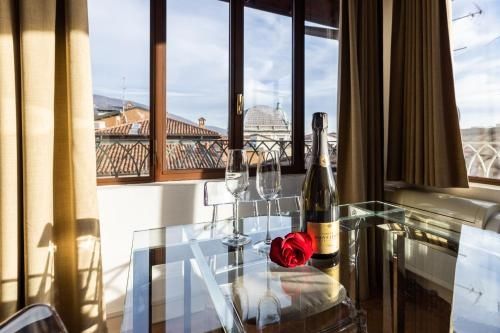
L'Altana City House
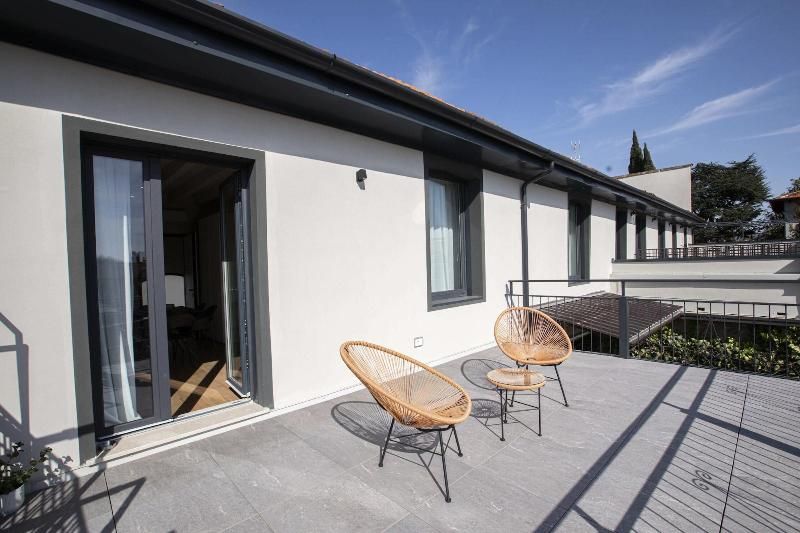
Ah Villa Glori Brescia
Best Hotels in Brescia
Discover curated hotel collections in Brescia
Portrait Milano - Lungarno Collection
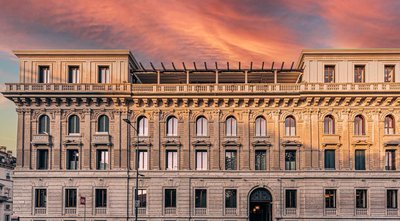
Casa Cipriani Milano
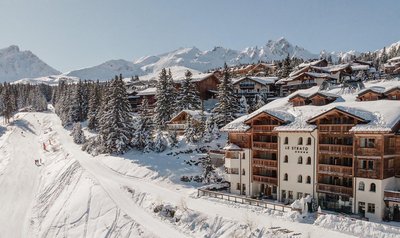
Le Strato
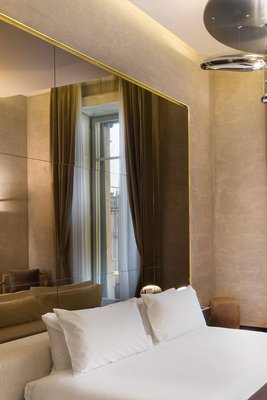
The Glamore Milano Duomo
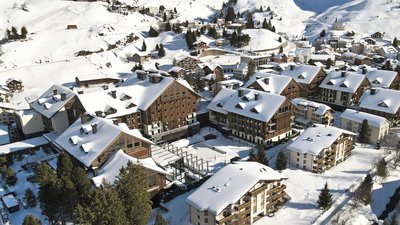
The Chedi Andermatt, Switzerland
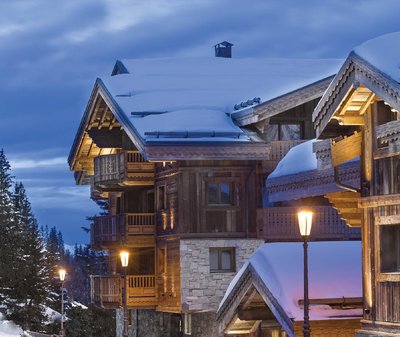
Six Senses Residences Courchevel
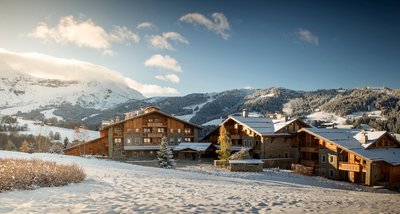
Four Seasons Hotel Megeve
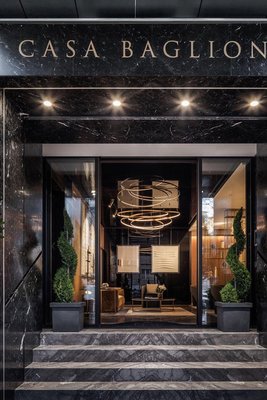
Casa Baglioni Milan - the Leading Hotels of the World
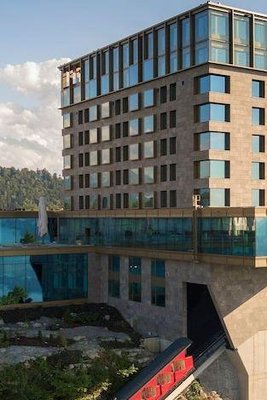
Burgenstock Hotel & Alpine Spa
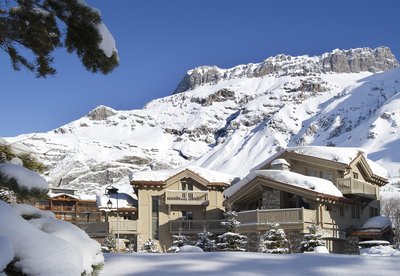
Hotel le K2 Altitude
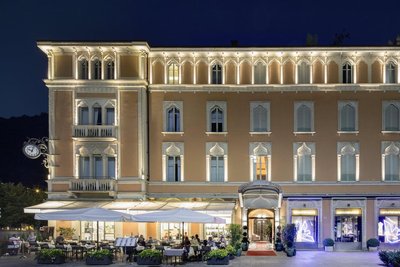
Vista Lago di Como
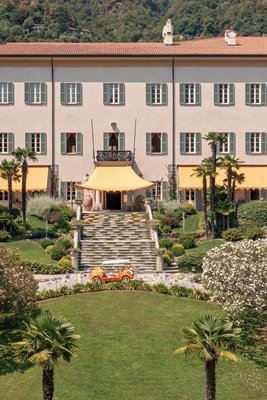
Passalacqua
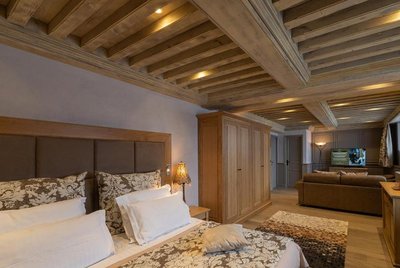
Le Lana
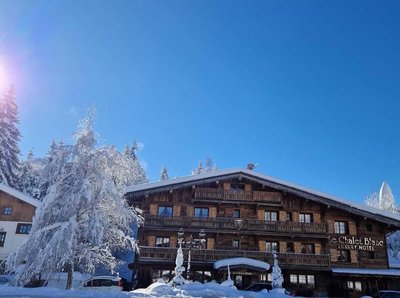
Le Chalet Blanc
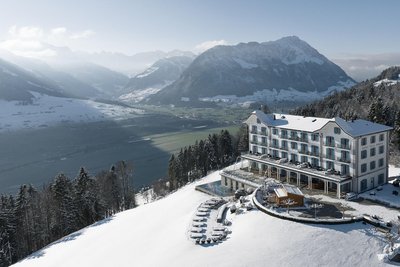
Hotel Villa Honegg
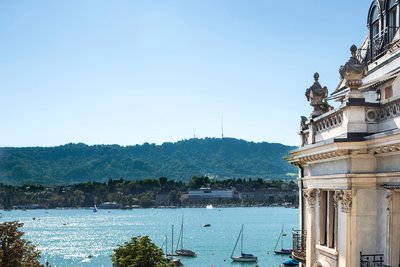
La Réserve Eden au Lac Zurich
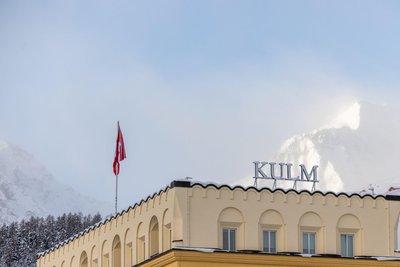
Kulm Hotel St. Moritz
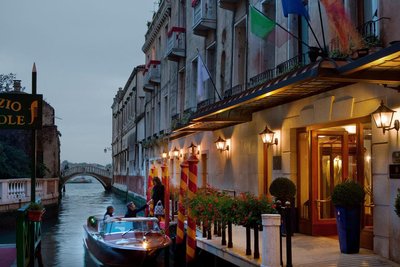
Baglioni Hotel Luna
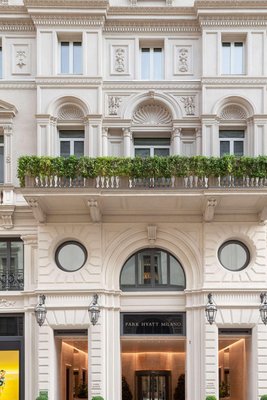
Park Hyatt Milan
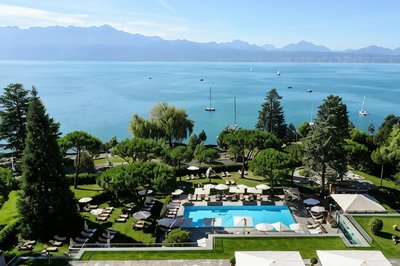
Beau-Rivage Palace
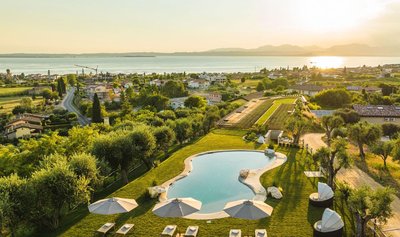
Privilegium Lazise
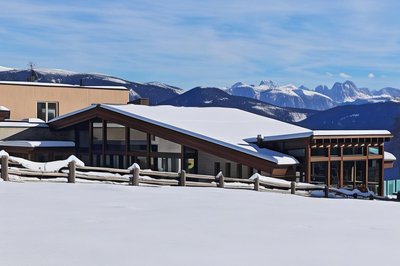
Terra - the Magic Place
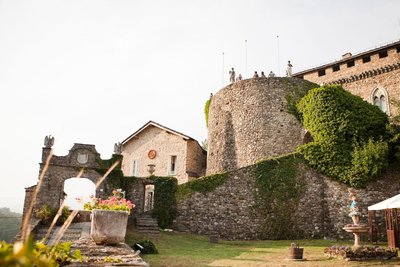
Castello di Compiano Hotel Relais Museum
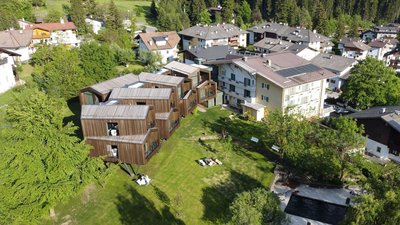
Floris Green Suites by Parc Hotel Florian
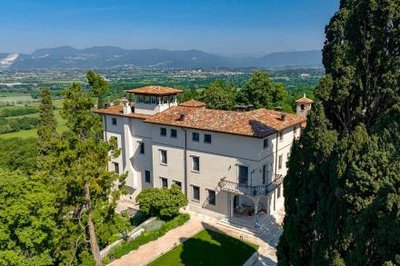
Eremus Relais
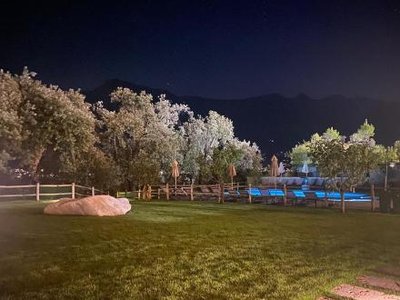
Sibenbras Natural Aparthotel
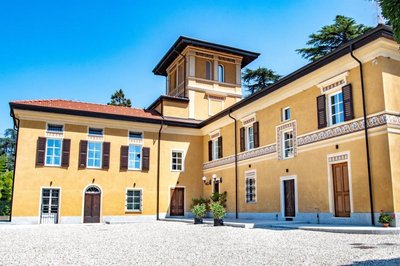
Capriccio Art Hotel
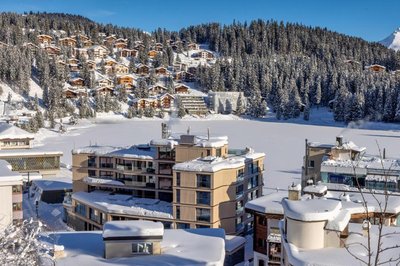
Postresidenz am See
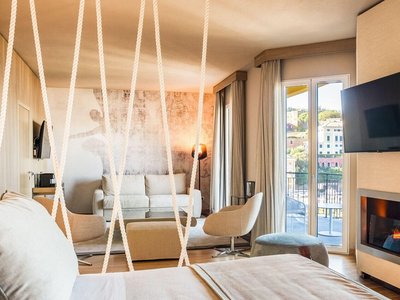
Miramare Suites
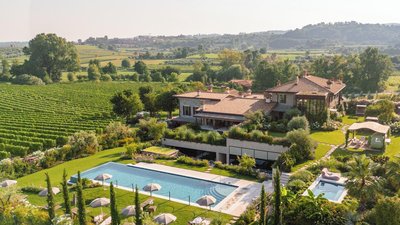
Conti Thun Wine Resort
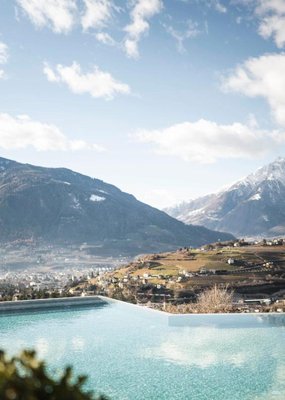
Schenna Resort
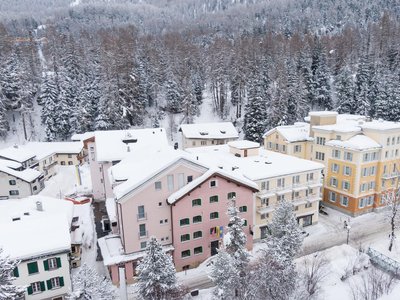
Hotel Post Sils Maria
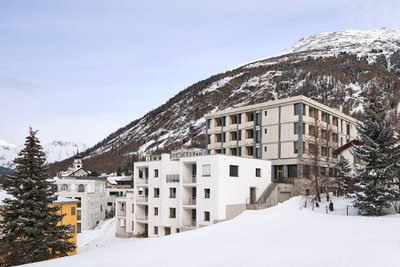
Hotel Maistra 160
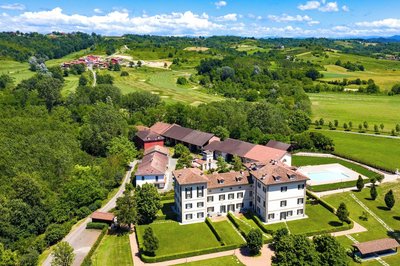
Villa Raggi
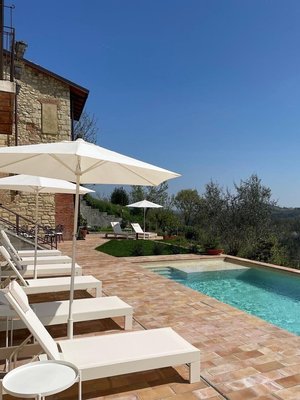
Relais Dal Cavaliere
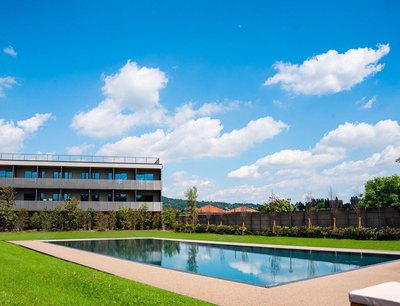
Como Hills Hotel

Mohe Boutique Hotel
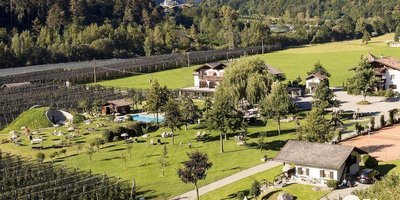
Farmhouse Torgglerhof
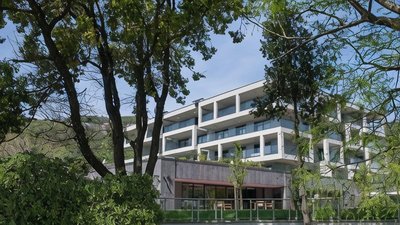
Swiss Diamond Boutique Hotel La Romantica
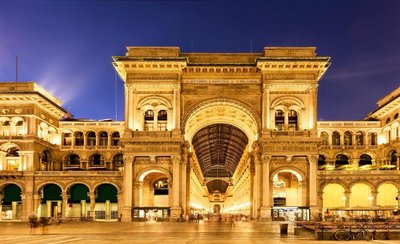
Art Hotel Navigli
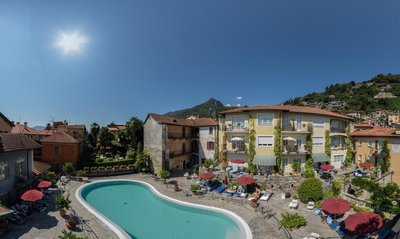
Hotel Cannero
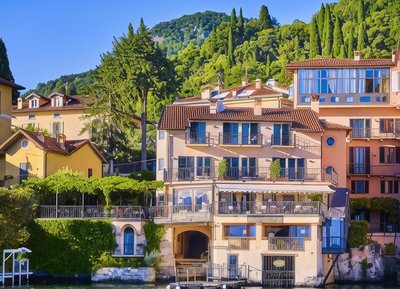
Casa du Lac, by R Collection Hotels
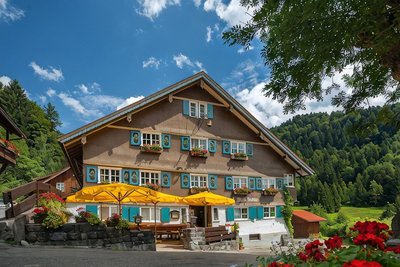
Hotel Bad Rain Mit Oberstaufen PlusGolf
Sibenbras Natural Aparthotel
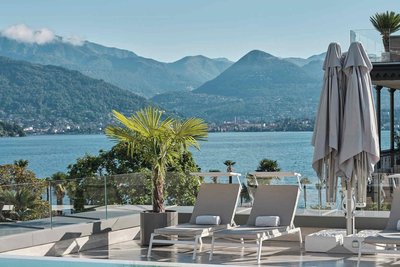
Boutique Hotel Stresa
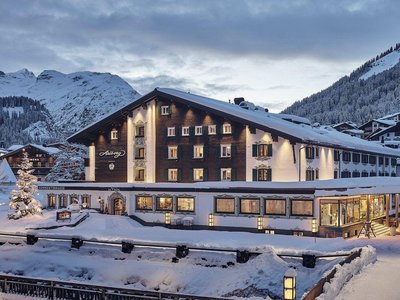
Hotel Arlberg Lech
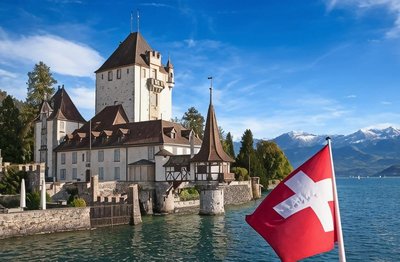
Hapimag Ferienwohnungen Interlaken
Miramare Suites
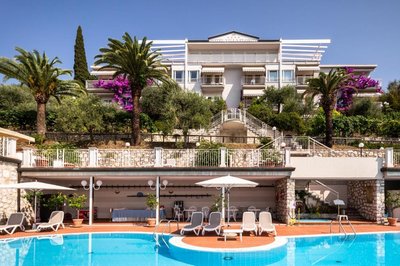
Hotel Villa Florida & Suite Apartments
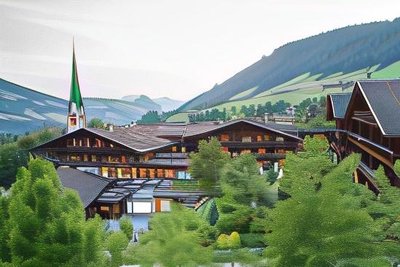
Der Böglerhof - Pure Nature Spa Resort
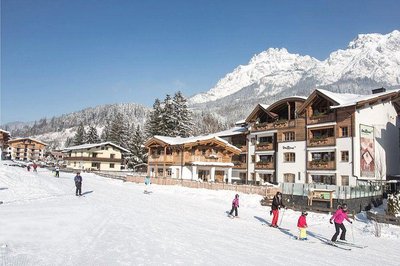
Das Rivus
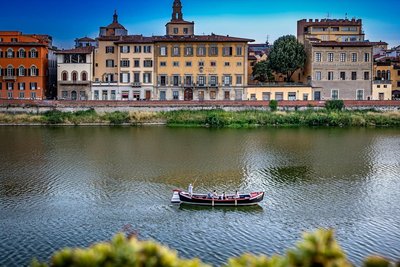
Il Rivalta
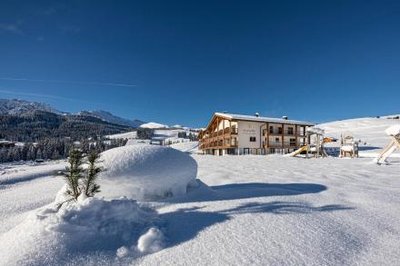
Brunelle Seiser Alm Lodge
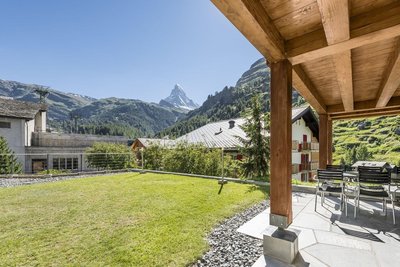
Ari Resort Apartments
Burgenstock Hotel & Alpine Spa
Vista Lago di Como
Passalacqua
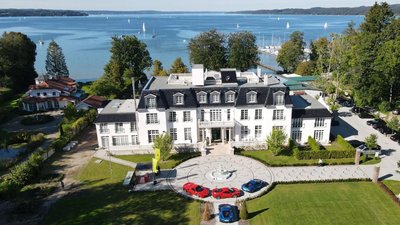
The Starnbergsee Hideaway
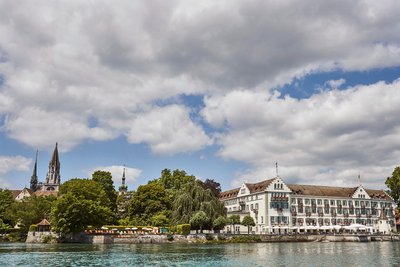
Steigenberger Inselhotel
Hotel Villa Honegg
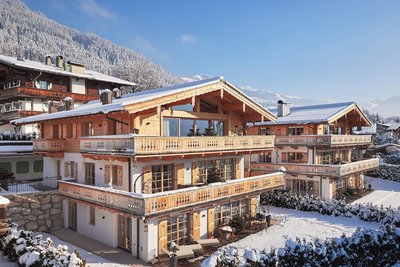
Tennerhof Luxury Chalets
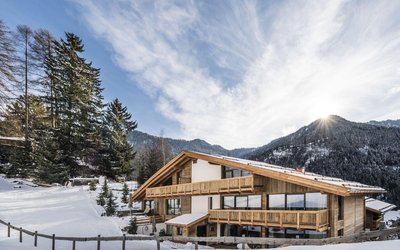
Hotel Montchalet
Castello di Compiano Hotel Relais Museum
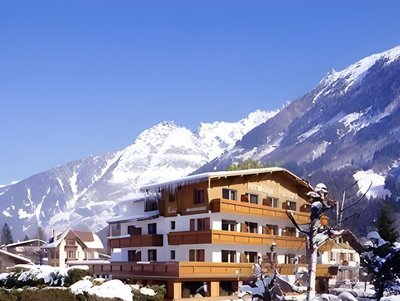
Chalet Hôtel Hermitage Chamonix
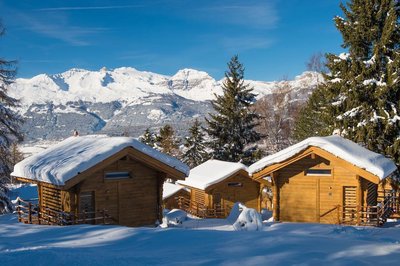
Les Mazots de la Source & Spa
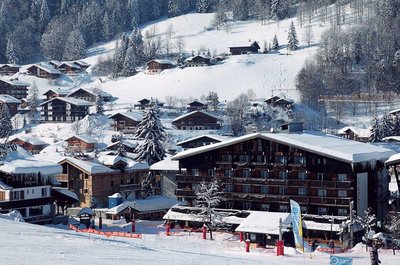
Chalet-Hôtel la Marmotte, la Tapiaz & Spa, the Originals Relais
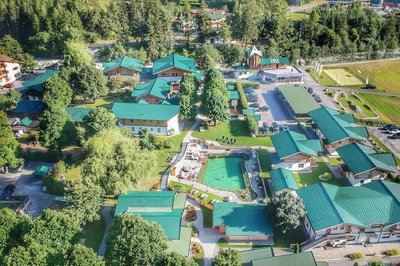
Feelfree Nature Resort
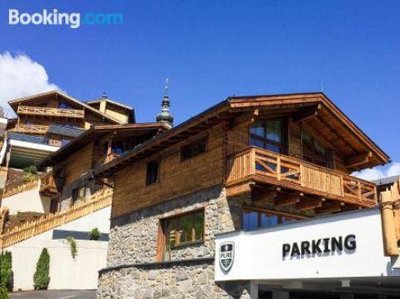
Pur Suites & Chalets
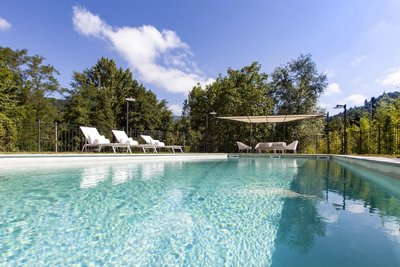
Castello di Pontebosio Luxury Resort
Passalacqua
Le Chalet Blanc
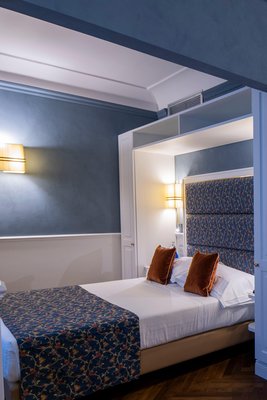
Rivoli Boutique Hotel
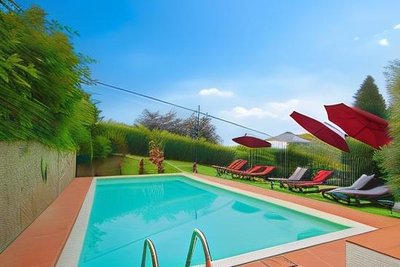
Hotel Villa Sermolli
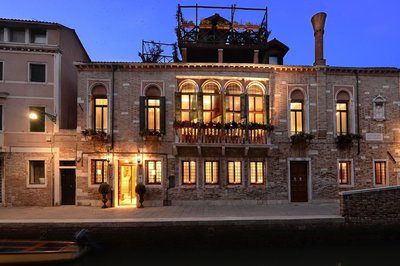
Palazzetto Madonna
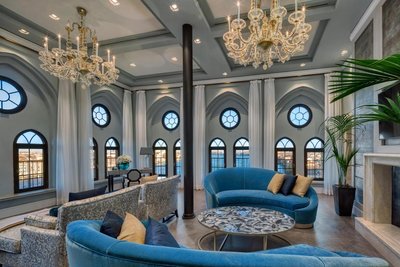
Hilton Molino Stucky Venice
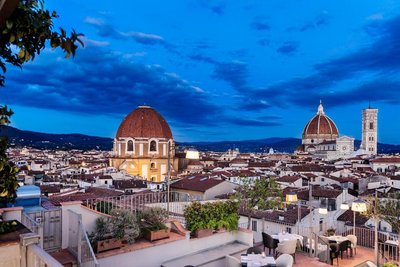
Grand Hotel Baglioni
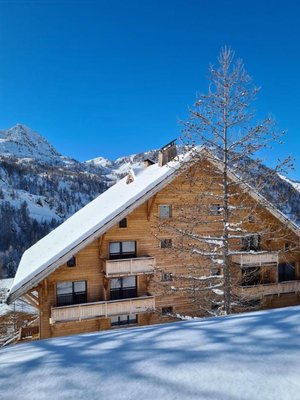
Chalet Marano Restaurant & Spa
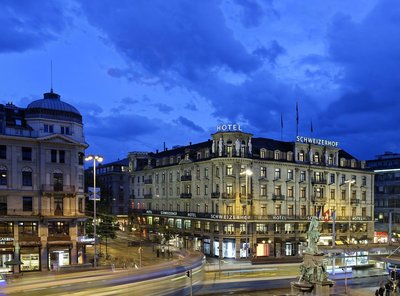
Hotel Schweizerhof Zürich
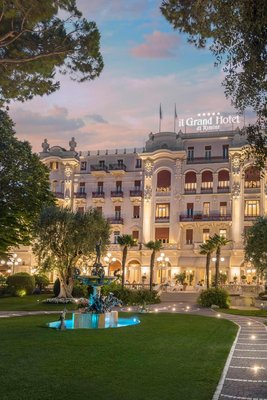
Grand Hotel Rimini

Palazzetto Pisani Grand Canal
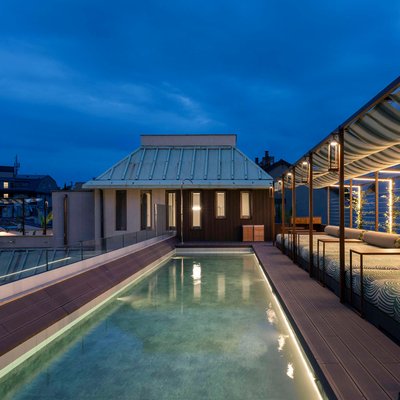
Radisson Collection Hotel Santa Sofia Milan
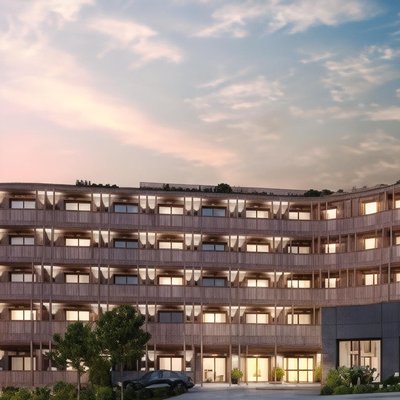
Caro & Selig, Tegernsee, Autograph Collection
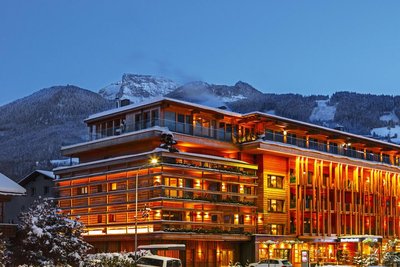
Small Luxury Hotel of the World - DasPosthotel
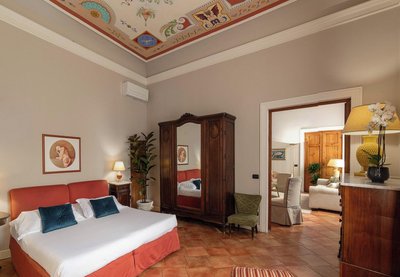
Palazzo Alfani - Residenza d'Epoca
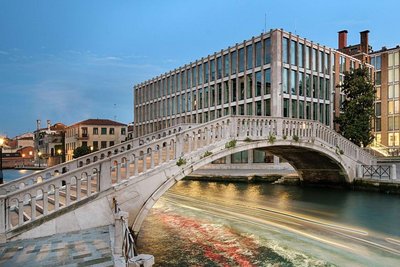
Avani Rio Novo Venice Hotel
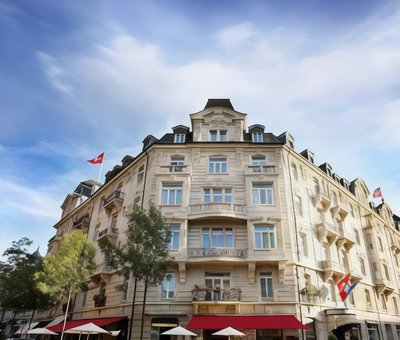
Small Luxury Hotel Ambassador Zurich
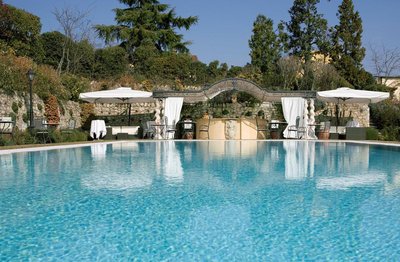
Byblos Art Hotel Villa Amista
La Réserve Eden au Lac Zurich
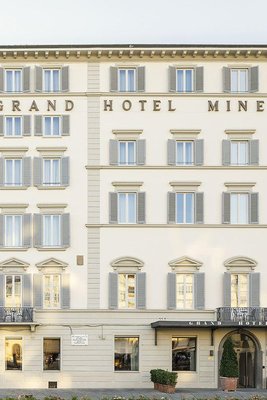
Grand Hotel Minerva
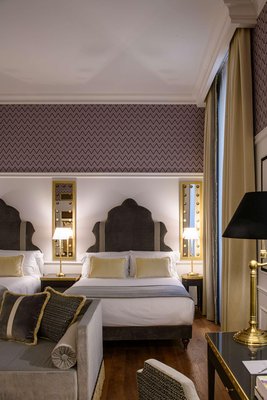
Il Tornabuoni Unbound
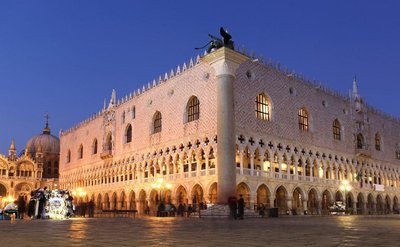
Ai Mori d'Oriente
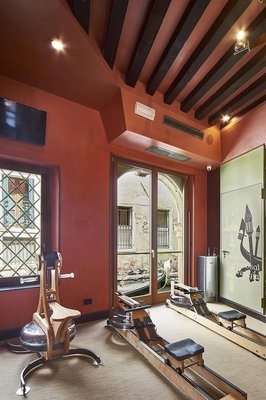
Hotel Saturnia & International
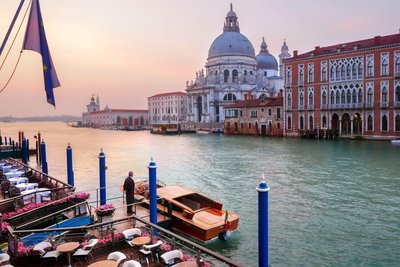
The Gritti Palace, a Luxury Collection Hotel, Venice
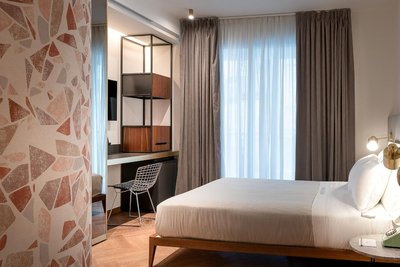
The Box Riccione - Adults Only
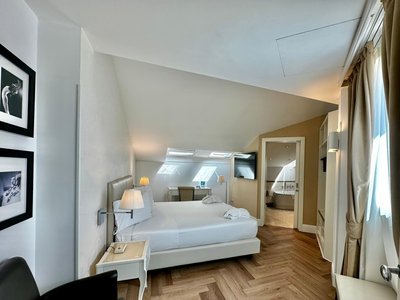
Maison Milano | UNA Esperienze
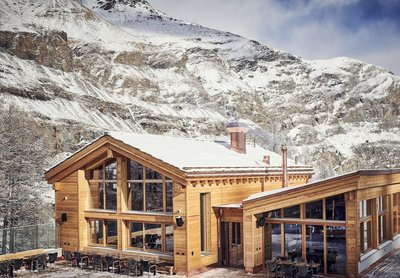
Matthiol Boutique Hotel
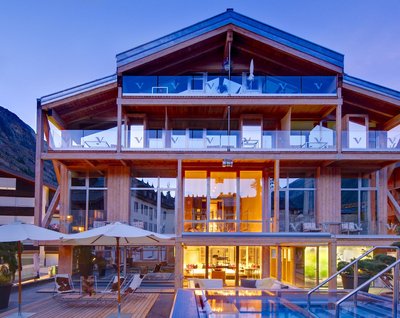
Backstage Boutique Spa Hotel
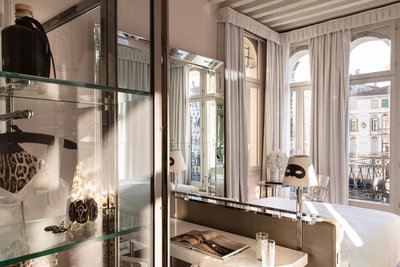
Palazzina Grassi
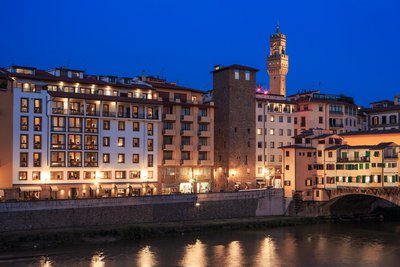
Portrait Firenze - Lungarno Collection
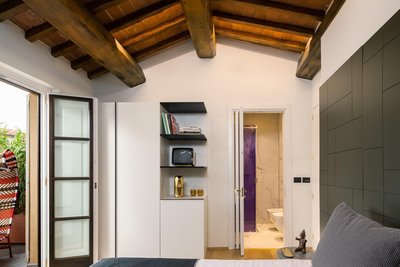
Hotel Milu Florence
Hotel Montchalet
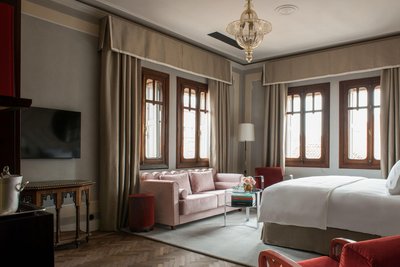
Nolinski Venezia - Evok Collection
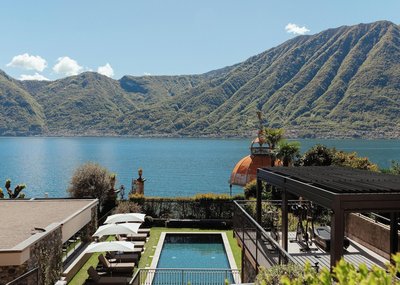
MUSA Lago di Como
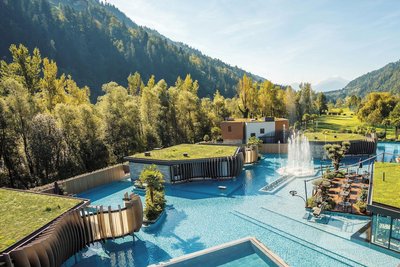
Quellenhof See Lodge
Radisson Collection Hotel Santa Sofia Milan
Boutique Hotel Stresa
Hotel Arlberg Lech
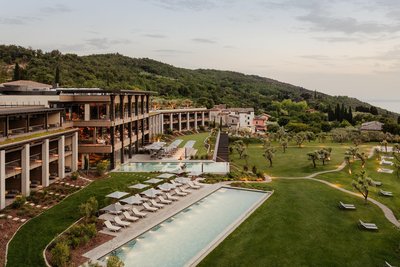
Cape of Senses
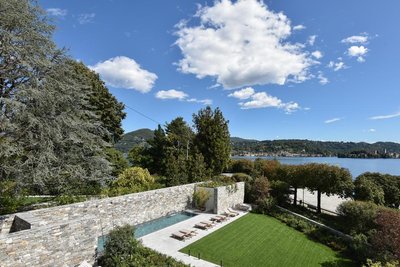
Casa Fantini - Lake Time
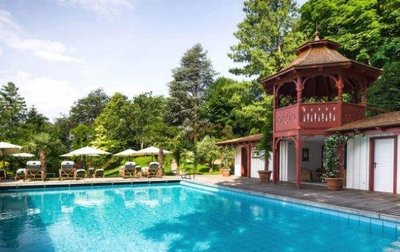
Relais & Chateaux Hotel Castel Fragsburg
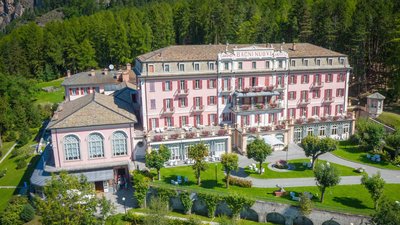
QC Grand Hotel Bagni Nuovi Bormio
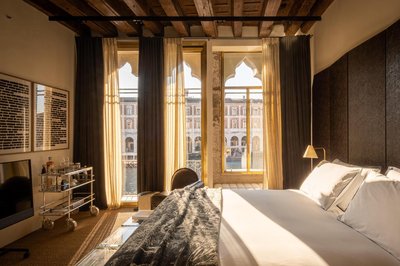
The Venice Venice Hotel
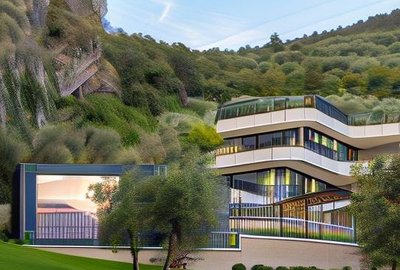
Gardea SoulFamily Resort
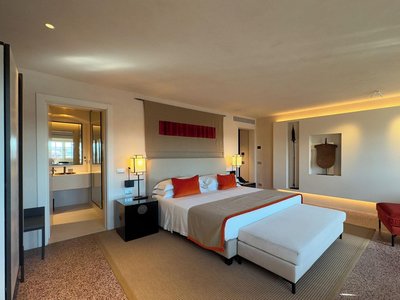
Hotel Palazzo Durazzo Suites
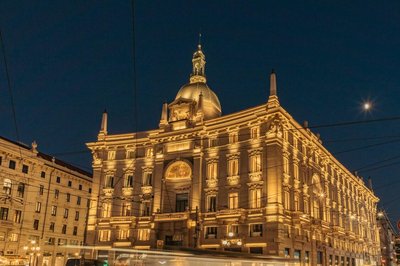
Palazzo Cordusio Gran Meliá – The Leading Hotels of the World
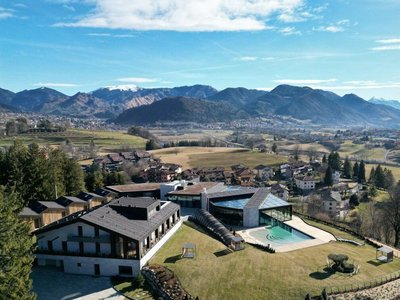
Collina Luxury Relais
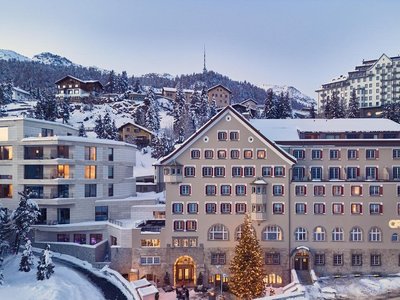
Hotel Grace la Margna ST Moritz
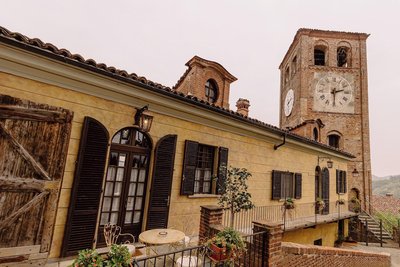
Castello di Casalborgone - Luxury Castle
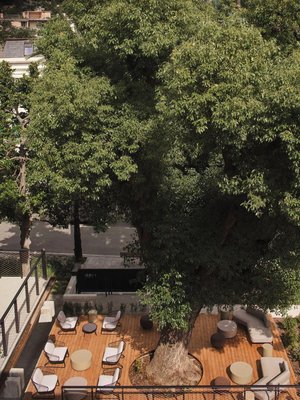
Capitolo Riviera
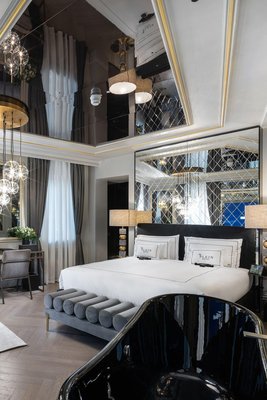
The Plein Hotel - Small Luxury Hotels of the World
Casa Baglioni Milan - the Leading Hotels of the World
Grand Hotel Baglioni
Baglioni Hotel Luna
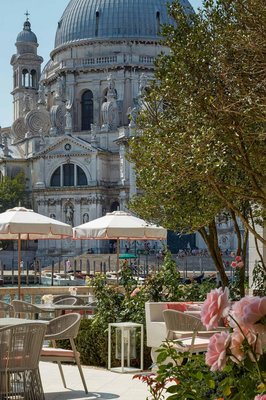
The St. Regis Venice
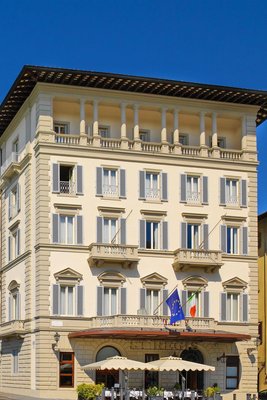
The St. Regis Florence
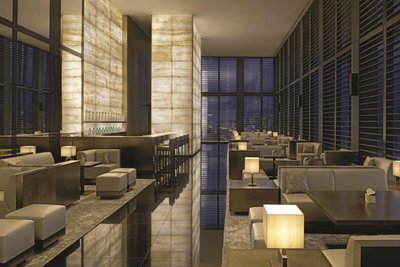
Armani Hotel Milano
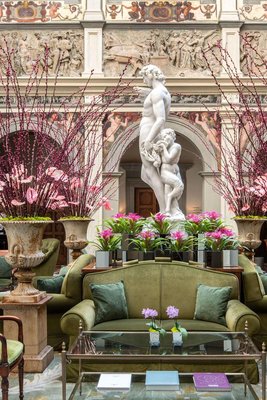
Four Seasons Hotel Firenze
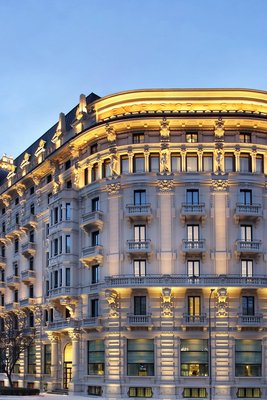
Excelsior Hotel Gallia, a Luxury Collection Hotel, Milan
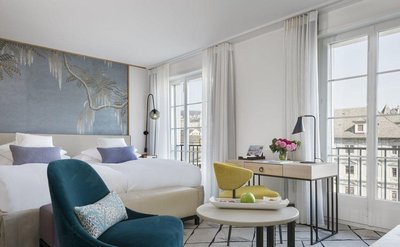
Storchen Zürich
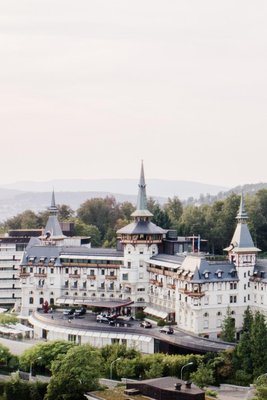
The Dolder Grand
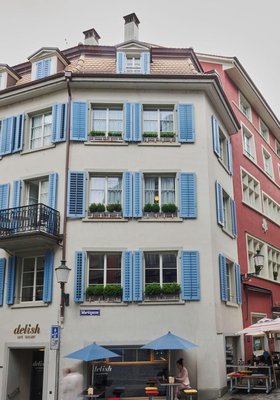
Marktgasse Hotel
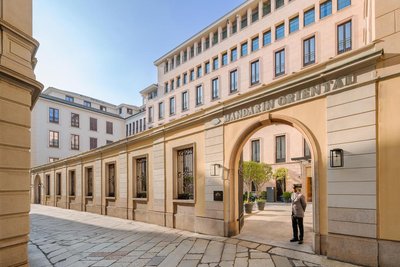
Mandarin Oriental, Milan
Portrait Firenze - Lungarno Collection
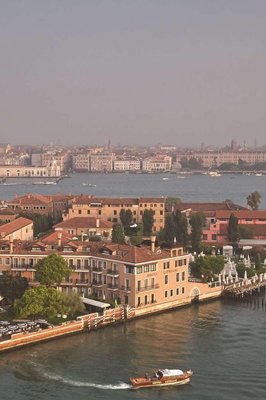
Hotel Cipriani, A Belmond Hotel, Venice
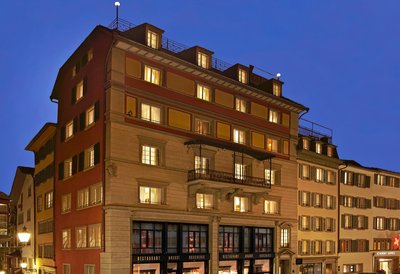
Widder Hotel - Zurichs Luxury Hideaway
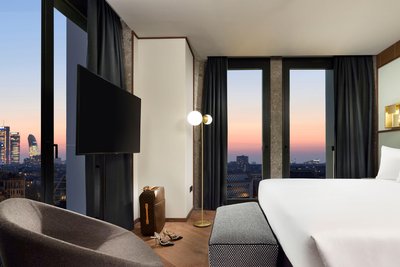
Milano Verticale | UNA Esperienze
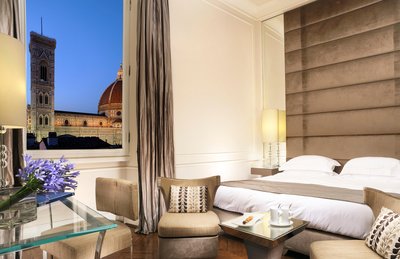
Brunelleschi Hotel
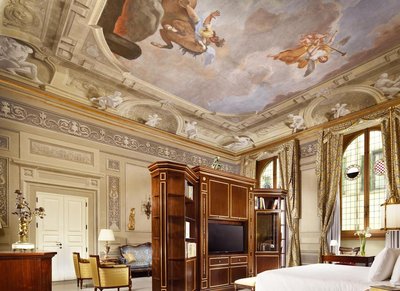
Palazzo Portinari Salviati Residenza d'Epoca
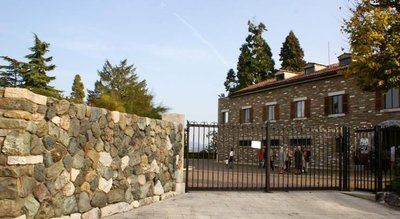
Villa Ottolenghi Wedekind
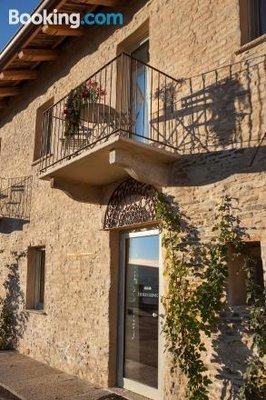
Borgese Camere e Suites
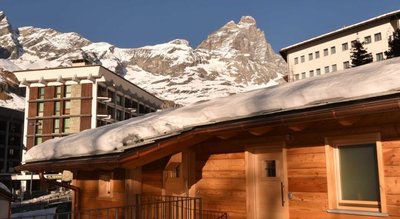
Il Cuore Del Cervino
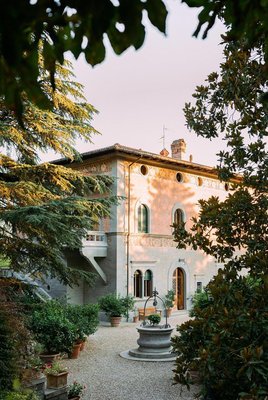
Villa la Commenda Concordia
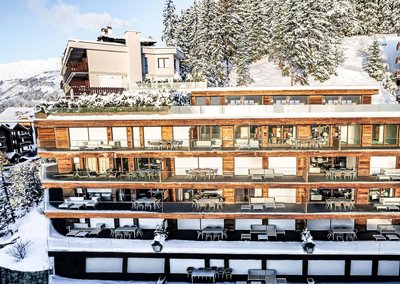
Sport Club Residences & Spa
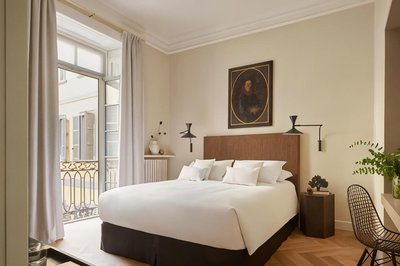
Crossing Manzoni
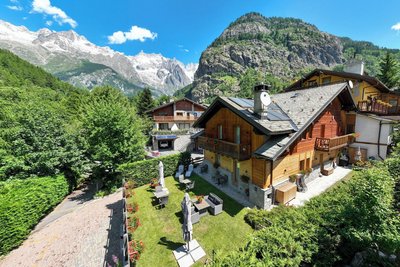
L'Abri des Amis
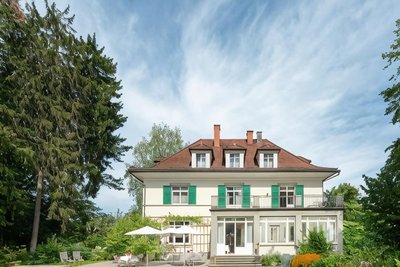
Signau House & Garden
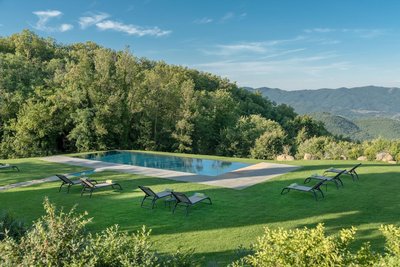
Badia di Pomaio
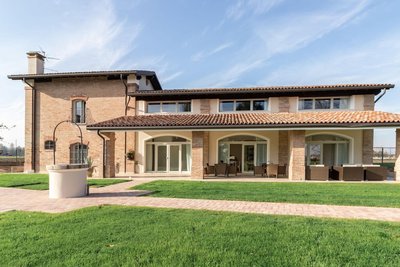
Monteborre
Castello Vicchiomaggio
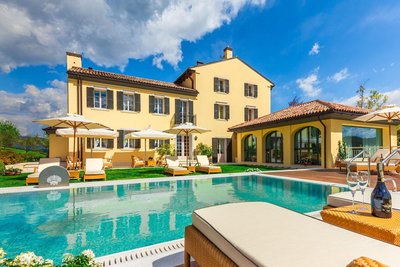
Romantik Relais d'Arfanta
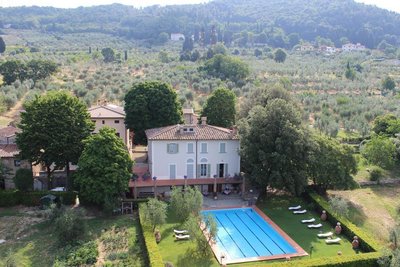
Borgo I Vicelli
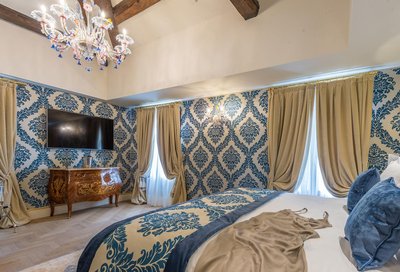
Ai Patrizi di Venezia
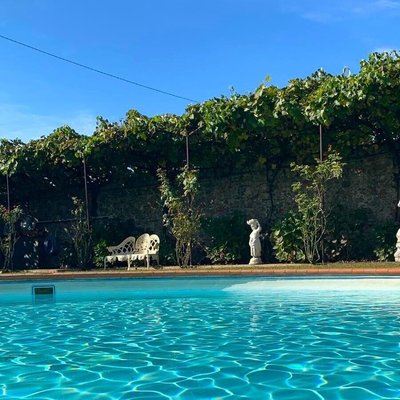
Villa la Preziosa
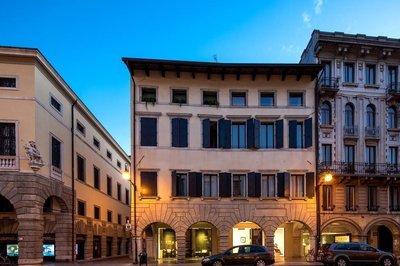
Mercatovecchio Luxury Suites
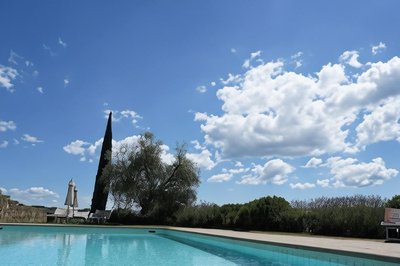
Wine Resort Dievole
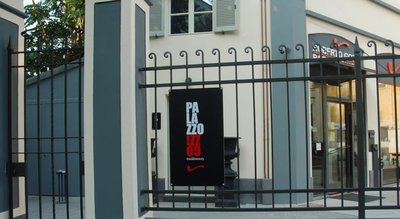
Palazzo Gozzi Bed & Beauty
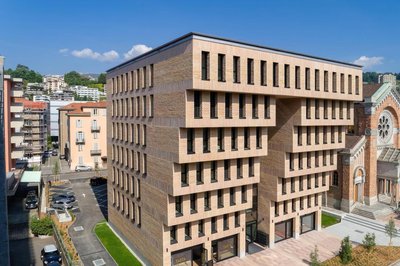
Swiss Hotel Apartments - Lugano
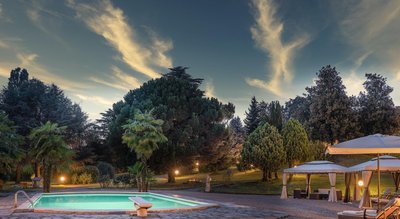
Palazzo Cavagna Sangiuliani

Hotel Barrière Fouquet's New York

The Plaza - A Fairmont Managed Hotel

The Ritz-Carlton New York, Central Park

Four Seasons Hotel New York

The St. Regis New York

Park Hyatt New York

Mandarin Oriental New York
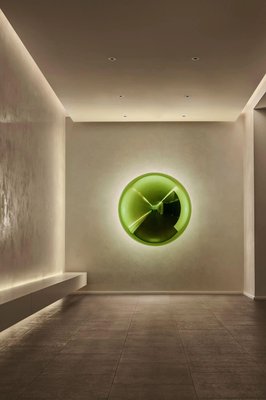
Times Square Edition New York
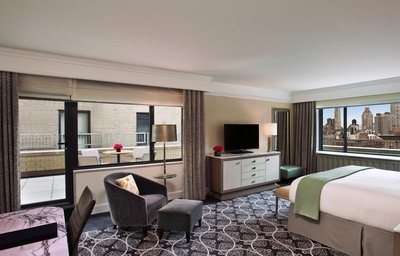
Loews Regency New York Hotel

Lowell Hotel

New York Edition

Baccarat Hotel New York
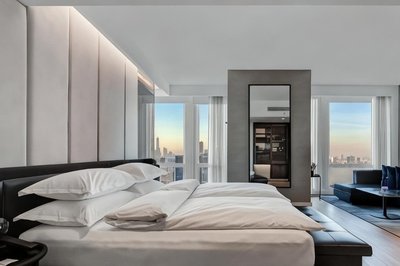
Equinox Hotel New York
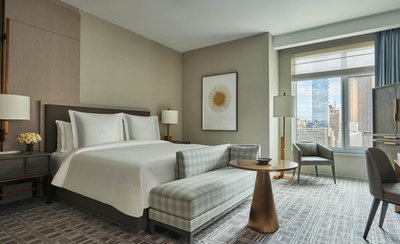
Four Seasons Hotel New York Downtown
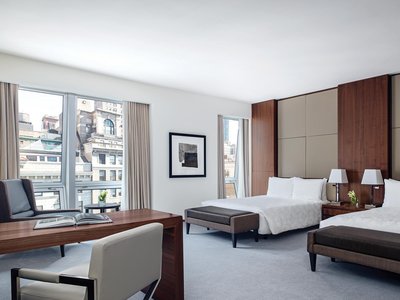
The Langham, New York, Fifth Avenue
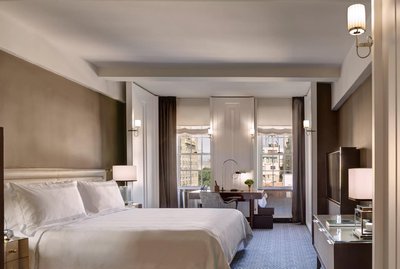
The Carlyle, A Rosewood Hotel

The Chatwal, in the Unbound Collection by Hyatt
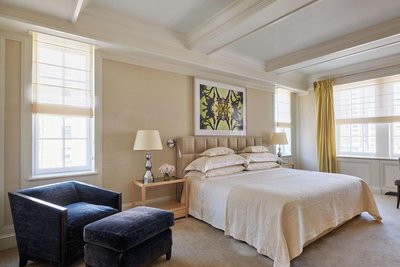
The Mark New York
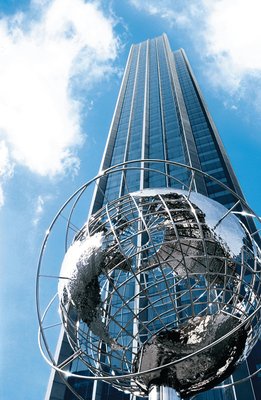
Trump International Hotel & Tower® New York
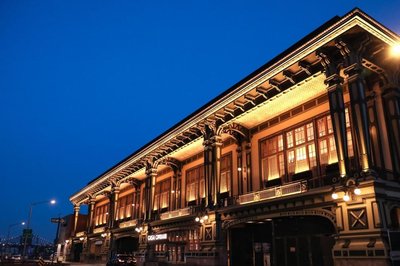
Casa Cipriani New York
Frequently Asked Questions about Traveling to Brescia
Questions You Might Need to Know About Traveling to Brescia
In Brescia, top-rated options include Hotel San Marco, a four-star hotel located in the historic city center, just steps from the Brescia Cathedral and Piazza del Mercato. Rooms are elegantly furnished with free Wi-Fi and breakfast included. For a unique stay, consider B&B Villa Caccia, a Renaissance-style boutique villa with a private pool and lush gardens, ideal for couples or families. Another excellent choice is Hotel Bellavista, situated along the Iseo River, offering panoramic views from its terrace—perfect for sunset views. All these accommodations provide excellent access to cultural sites and dining experiences.
The city center of Brescia is the most convenient area for staying, offering easy access to major attractions like the Brescia Cathedral, Piazza della Loggia, and numerous local restaurants. It’s safe, well-connected by public transport, and vibrant with evening activities—ideal for cultural exploration and food lovers. For a quieter atmosphere, consider staying near the Iseo River, where tree-lined paths and serene views create a peaceful retreat. Hotels here often feature river-facing rooms. Alternatively, areas close to Brescia University offer budget-friendly B&Bs and guesthouses, perfect for students or travelers on a tight budget.
Must-try cultural experiences in Brescia include visiting the Brescia Cathedral, home to masterpieces by Luca Signorelli, whose frescoes are among Italy’s finest. Explore the Church of Santa Maria del Fiore and its adjacent monastery for a glimpse into medieval religious architecture. Every summer, the Brescia Music Festival takes place at the ancient Roman theater, featuring classical concerts under open skies. Don’t miss hands-on workshops in traditional Lombard silvercraft, where you can learn local metalworking techniques and create your own souvenir. These immersive experiences reveal the city’s rich artistic heritage.
Yes, Brescia is highly family-friendly. Key attractions include the Museo dei Ragazzi (Children’s Museum), which features interactive exhibits on science, nature, and art—perfect for young minds. The Parco del Palazzo d'Albini offers spacious lawns, playgrounds, and a small zoo, making it ideal for picnics and outdoor fun. Many hotels, such as Hotel San Marco, provide child-friendly amenities like extra beds, babysitting services, and family activity packages. Several restaurants also serve children’s menus. A recommended day trip is a boat ride along the Adda River Valley, where families can enjoy scenic landscapes and gentle waters, creating lasting memories.
Brescia’s signature dishes include Cassoeula, a hearty stew made with pork, sausages, and white beans—a beloved winter specialty. Try Polenta e Gorgonzola, a creamy polenta topped with local Gorgonzola cheese, served with red wine. At the Piazza del Mercato, sample freshly baked Schiacciata Bresciana, a soft flatbread filled with ham or mushrooms. Don’t miss Baci di Dama, a traditional almond chocolate treat made with honey and almonds—ideal as a souvenir. For an authentic meal, visit Osteria del Sole, a centuries-old restaurant renowned for its home-style Lombard cuisine and warm hospitality.
Although Brescia has no international airport, it’s easily accessible from Milan Malpensa Airport (about 70 km away). Take a Trenitalia regional train directly to Brescia Station, with a journey time of around 1 hour and a ticket price of €12. Alternatively, SITA Express buses run between the airport and the city center, taking about 1.5 hours and costing approximately €8. Once in town, walking or cycling is convenient—many bike rental stations are available across the city. Local buses operate throughout Brescia, accepting mobile payments and single-day passes. Consider purchasing the City Pass Brescia, which bundles transportation and entry to major attractions for better value.
Winter in Brescia is mild, with average temperatures ranging from 5–10°C, making it comfortable for sightseeing. While snowfall is rare, nearby Adda River Valley and Lake Garda regions offer scenic beauty and seasonal activities. Visit Stelvio Ski Area for alpine skiing or enjoy peaceful walks along the Iseo River during crisp mornings. Indoor highlights include the Brescia Cathedral, Galleria d’Arte Moderna, and the Museum of Modern Art, all open year-round. Warm up with a cup of Vin Brulé Bresciano—a spiced red wine infused with cinnamon and orange peel—often enjoyed at Christmas markets held in Piazza della Loggia. The festive atmosphere adds charm to a winter visit.
Top photo spots in Brescia include the Brescia Cathedral, whose Gothic façade and stained-glass windows create stunning visuals, especially at sunrise. The Church of Santa Maria del Fiore and its cloistered courtyard are perfect for architectural photography. Piazza della Loggia features Renaissance colonnades and a central fountain—ideal for capturing urban elegance. The Iseo River footbridge offers breathtaking views at dusk, with illuminated lights reflecting on the water. For candid shots, visit the Mercato di Piazza del Mercato during weekend markets or photograph students in front of the historic University of Brescia library—each moment tells a story of tradition and daily life.
In Brescia, shopping centers around Piazza della Loggia feature independent boutiques like Brescian Artisan, specializing in handmade leather goods and ceramics. The weekly market near Santa Maria del Fiore offers fresh local produce, artisanal cheeses, and olive oil. For souvenirs, visit La Bottega del Gusto on Via dei Mille, selling premium Baci di Dama chocolates and gift boxes of dried fruits. The Il Centro Shopping Mall houses international brands and is ideal for one-stop shopping. Note: many smaller shops accept cash only—carry euros for smoother transactions.
Brescia’s nightlife is relaxed and culturally rich. Along Via Vittorio Emanuele II, Bar La Ronda stands out with craft cocktails and live jazz music—perfect for a laid-back evening. For wine lovers, Enoteca Bresciana boasts over 300 Italian wines, including rare Nebbiolo and Chiaretto from Lombardy, paired beautifully with local cheeses. Dinner recommendations include Osteria del Sole, a century-old eatery serving authentic Lombard dishes like Cassoeula, with limited seating—book ahead. For culture seekers, the Teatro Grande hosts opera and concert performances, offering a refined night out. Strolling along the Iseo River at night reveals quiet beauty and a peaceful ambiance.
Brescia Overview
City Summary
Brescia, the second-largest city in Lombardy, Italy, is a treasure trove of Roman ruins, medieval castles, and Renaissance art. Known for its UNESCO-listed Santa Giulia Museum and thriving industrial sector, the city blends ancient charm with modern vitality. Its cobblestone streets and piazzas exude quintessential Italian ambiance.
Must-See Attractions
Must-see landmarks include the Brescia Castle (Castello di Brescia), a medieval fortress with panoramic views; the Santa Giulia Museum, housing artifacts from prehistoric to modern times; and the contrasting Old and New Cathedrals (Duomo Vecchio e Nuovo). Don't miss the Roman ruins at the Capitoline Temple (Tempio Capitolino) or the rationalist architecture of Piazza della Vittoria.
Food Guide
Brescia is a haven for pasta and wine. Specialties include Casoncelli (local ravioli with breadcrumbs, meat, and raisins) and Spiedo Bresciano (slow-roasted game platter). Try street snacks like Polenta e Osei (corncake with bird-shaped sweets) paired with Franciacorta sparkling wine. Top eateries include Osteria al Bianchi and Trattoria al Volt.
Transportation Guide
Getting around Brescia:
- Trains: Brescia Centrale station links Milan (1hr) and Venice (1.5hrs).
- Buses: Urban buses (Brescia Trasporti) cost €1.50 per ride.
- Metro: The automated Metro Brescia has one north-south line.
- Walking: The compact historic center is best explored on foot.
- Taxis: Require phone/APP HopeGoo; base fare €5.
Best Time to Visit
Visit during April-June or September-October for mild weather and fewer crowds. July-August brings heat and shop closures, while winter (December-February) offers Christmas markets but shorter attraction hours.
Travel Tips
- Safety: The old town is secure, but watch belongings near the train station.
- Etiquette: Restaurants charge a €2-3 "coperto" (cover fee), not a tip.
- Hours: Most shops close 1-3pm for siesta; museums shut on Mondays.
- Attire: Cover shoulders/knees when entering churches.
- Language: Basic Italian greetings (e.g., "Buongiorno") are appreciated.
- Payments: Use cash for small purchases; cards often require €10 minimum.
Useful Information
Language: Italian is primary; English works in tourist areas. Internet: Free WiFi in main squares (e.g., Piazza Paolo VI); local SIMs from TIM/Vodafone recommended. Payments: Visa/Mastercard widely accepted, but cash preferred at markets/small eateries. Emergencies: EU citizens use EHIC card; others should get travel insurance. Dial 112 (general) or 118 (medical). Voltage: 230V, Type L sockets. Water: Tap water is safe; bottled water in restaurants incurs charges.