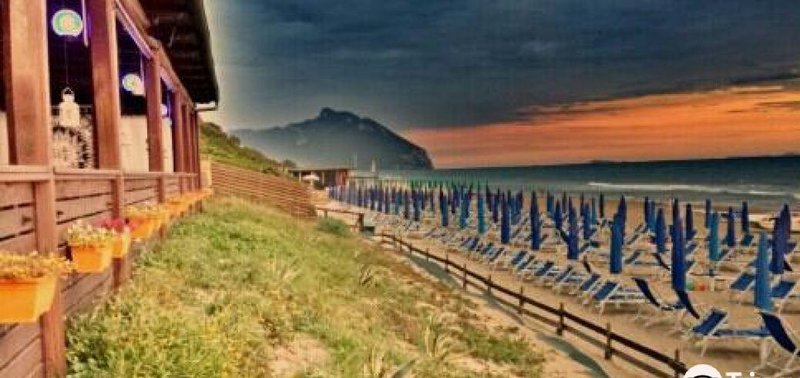
Hotels in Brescia
Discover your perfect stay in Brescia.
Brescia(Italy) Travel 2026: Cheap Flights, Hotels & Top Attractions
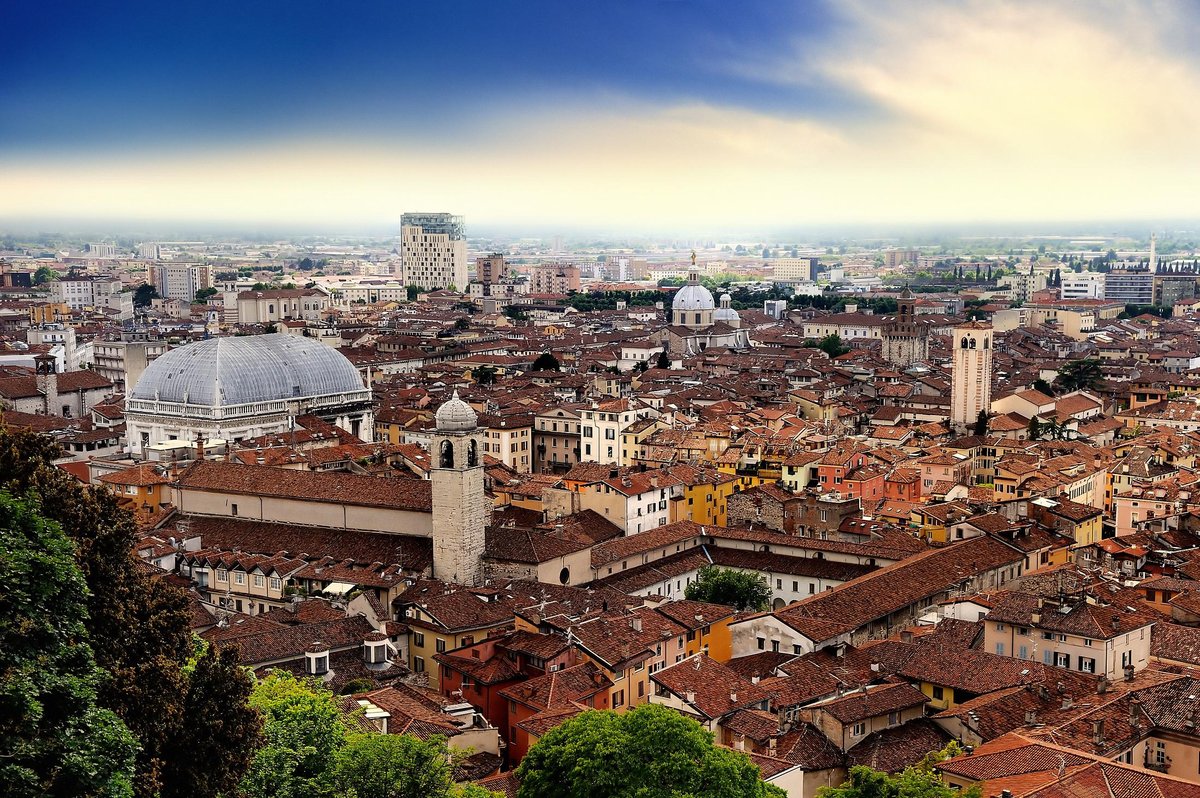
Popular Landmarks in Brescia
Discover the most iconic attractions in Brescia
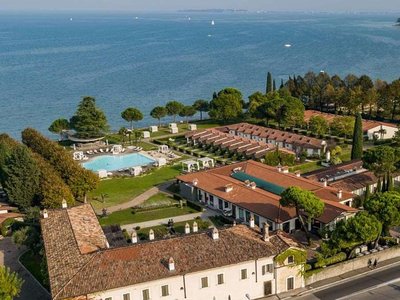
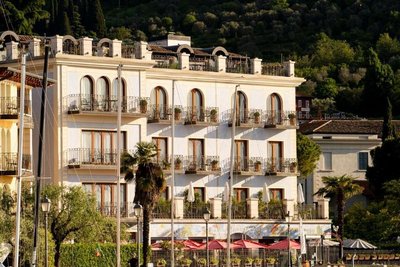
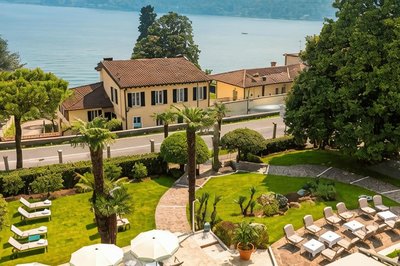
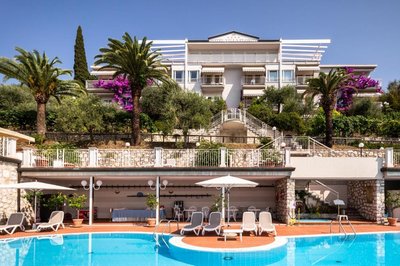
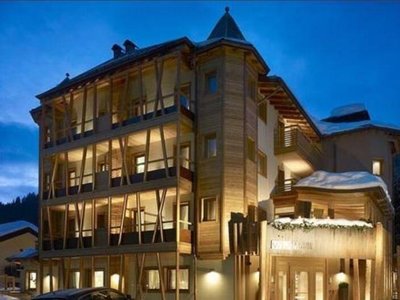
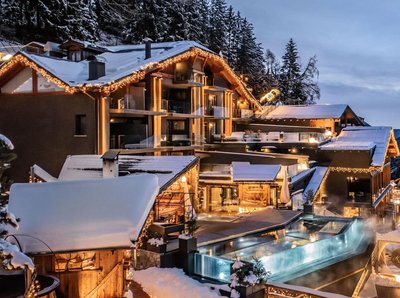
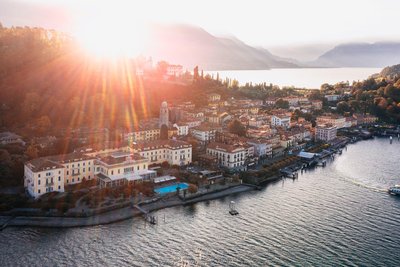
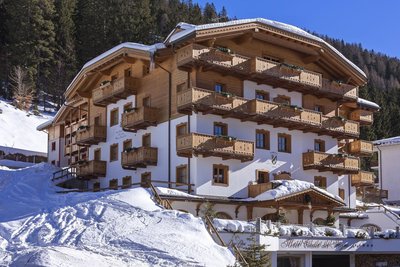
Recommended Hotels in Brescia
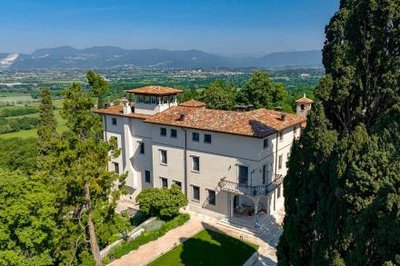
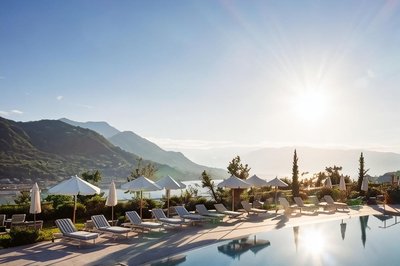
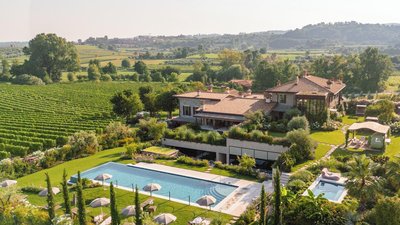
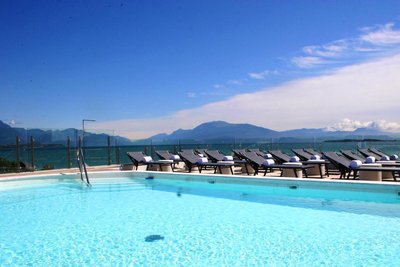
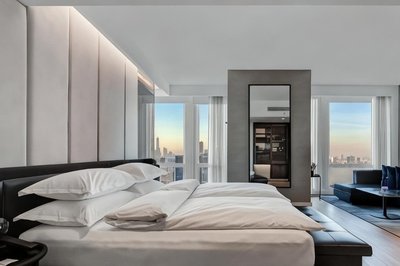
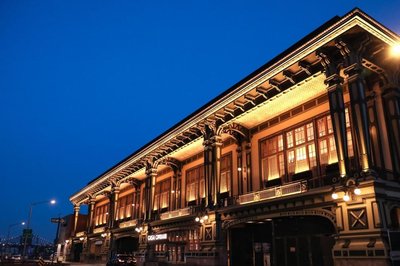
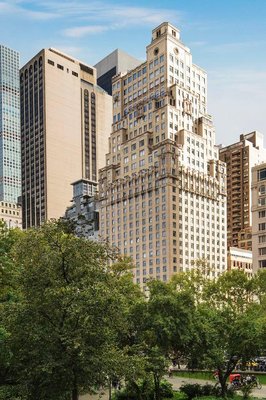
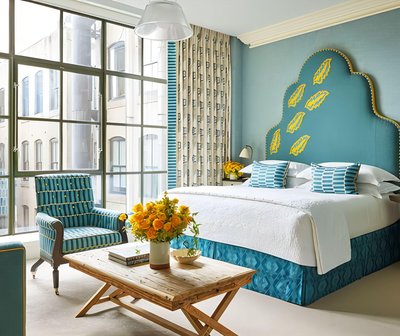
Find the perfect place to stay in Brescia
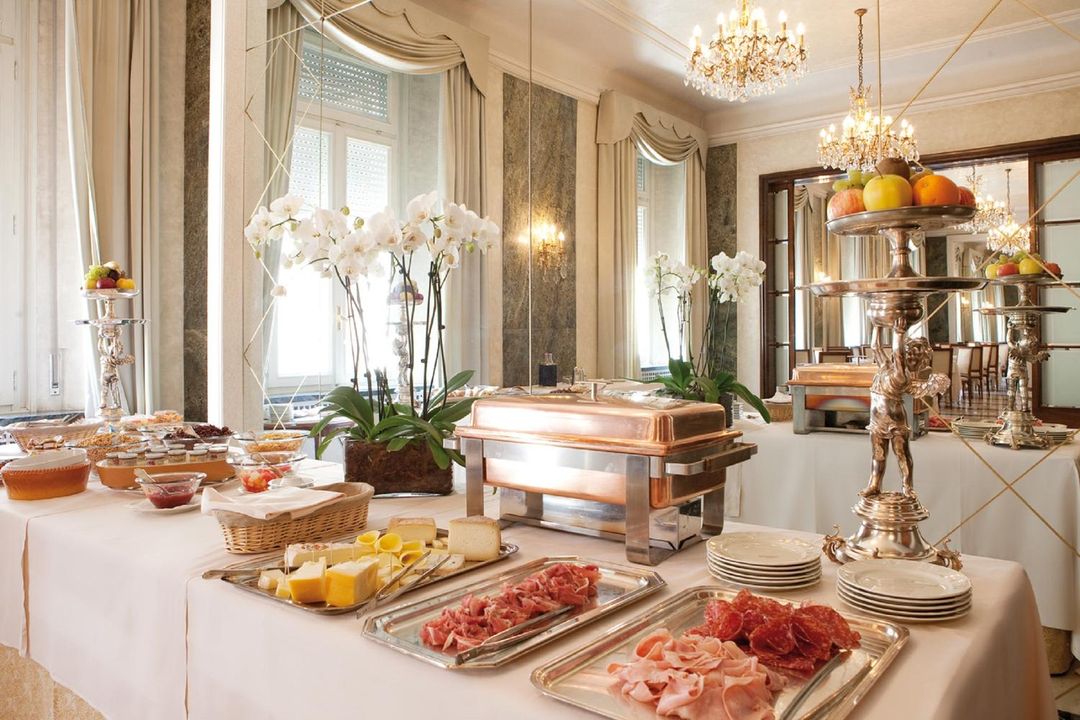
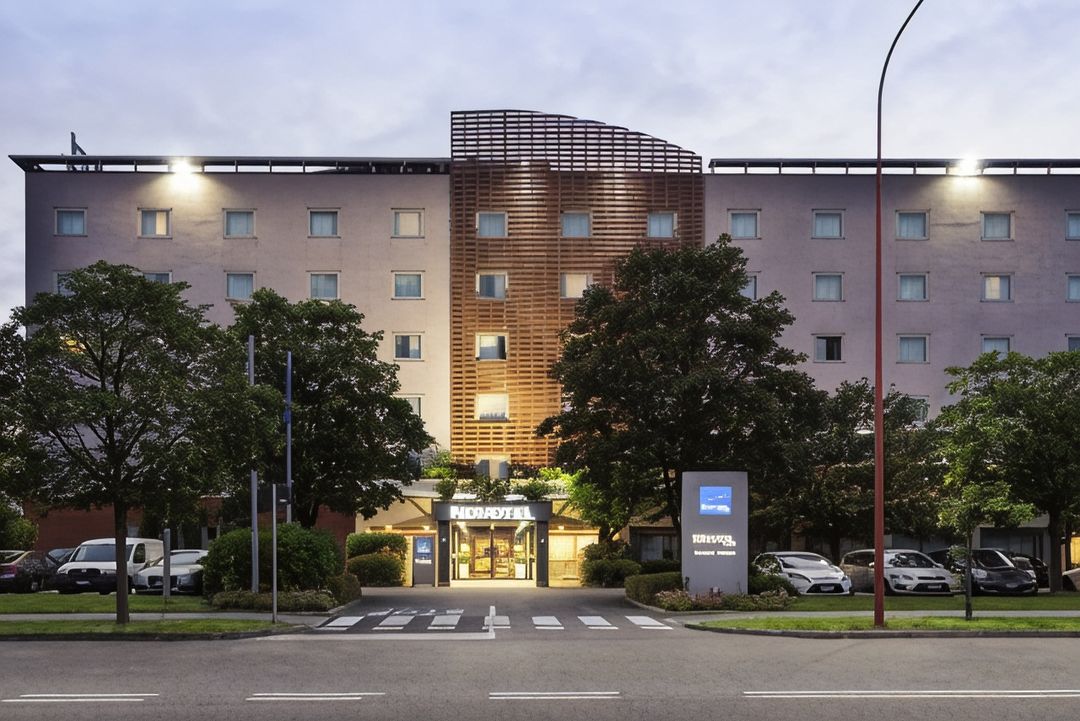
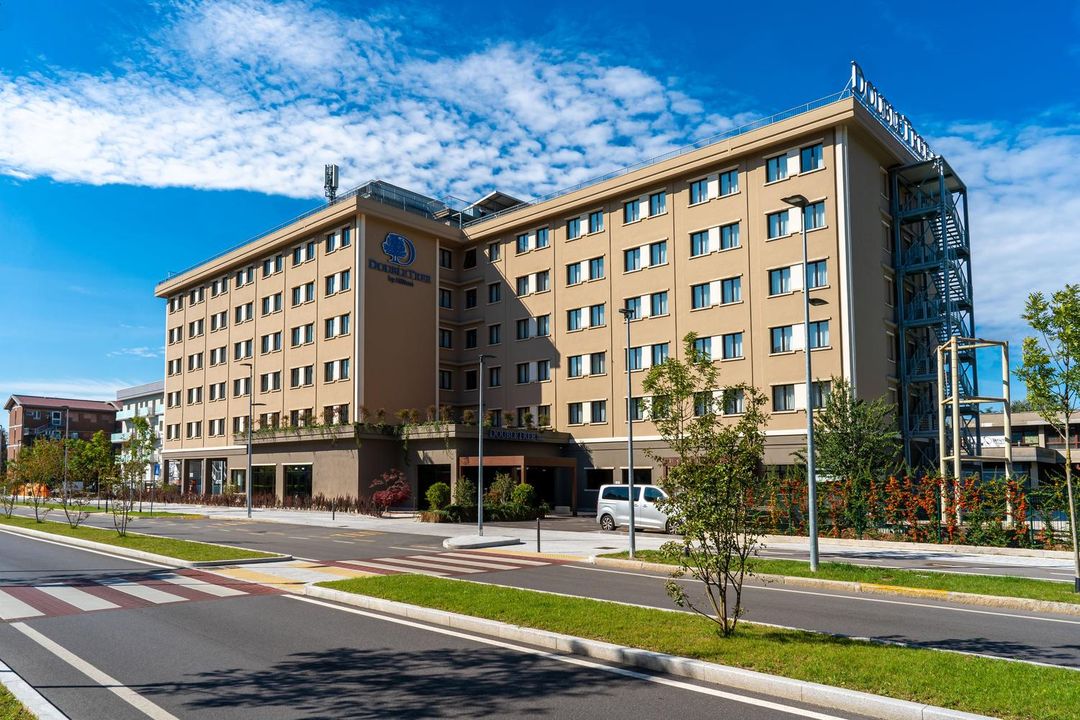
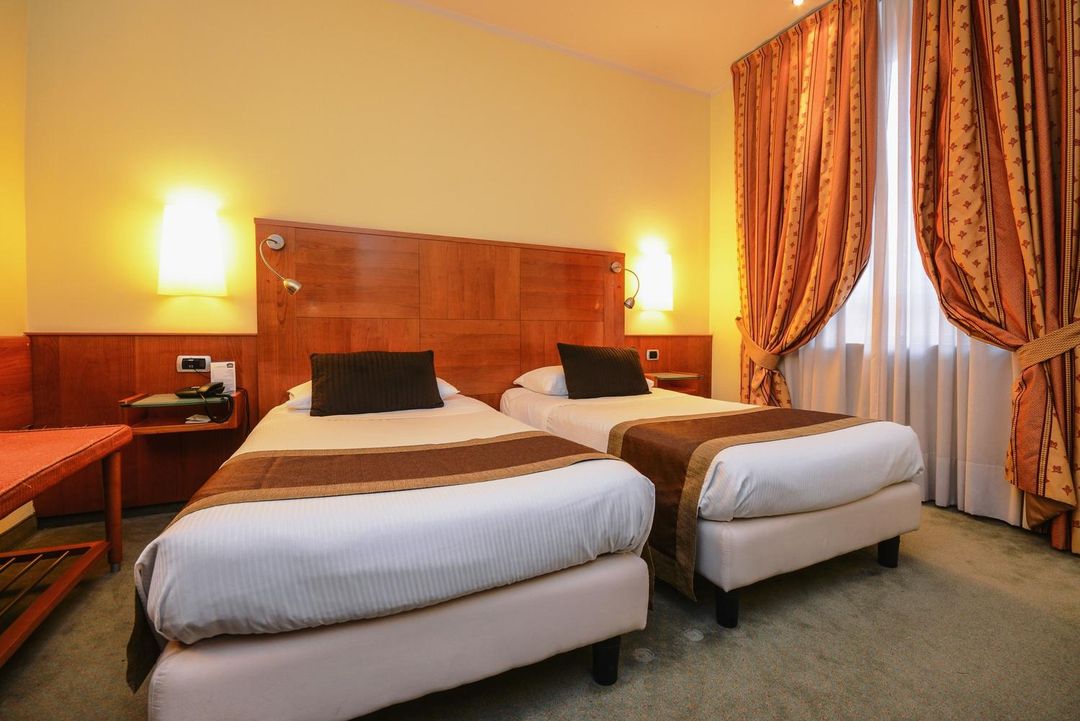
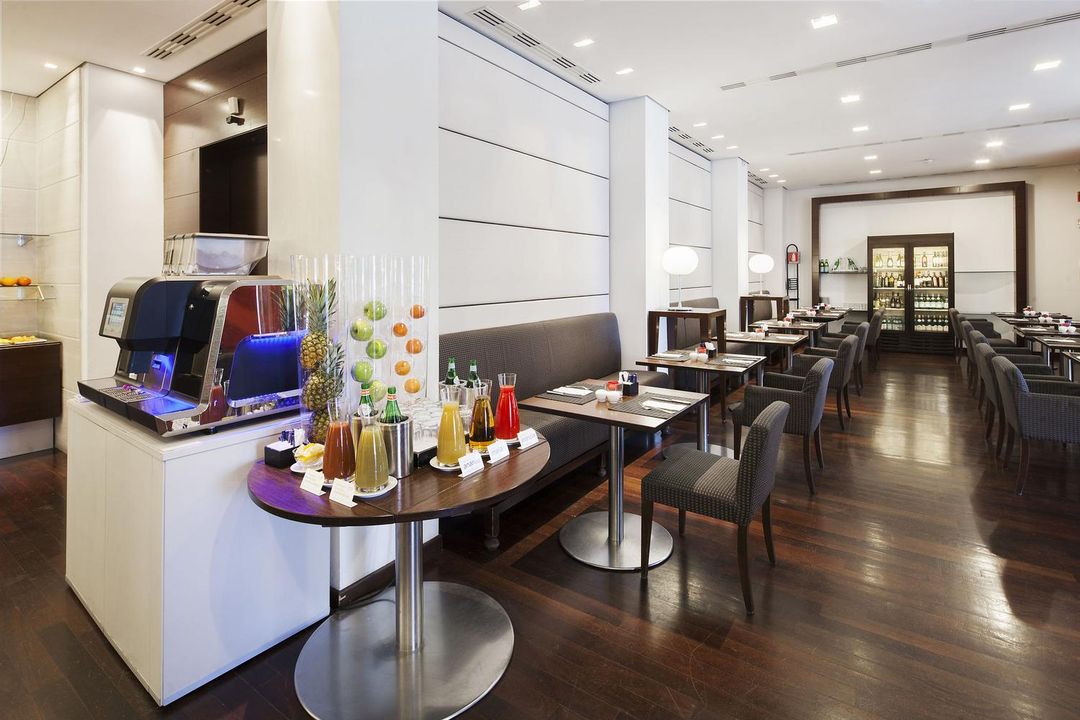
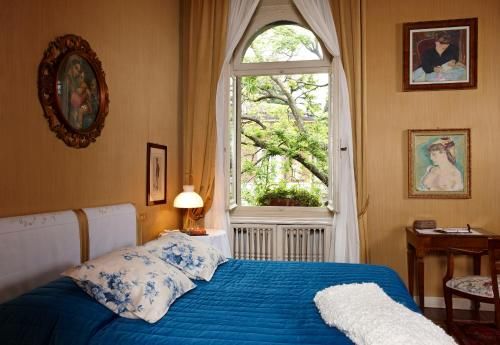
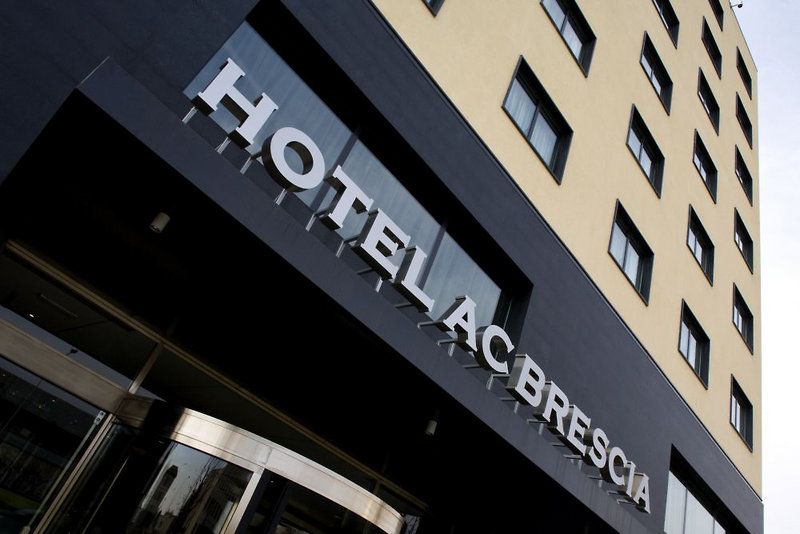
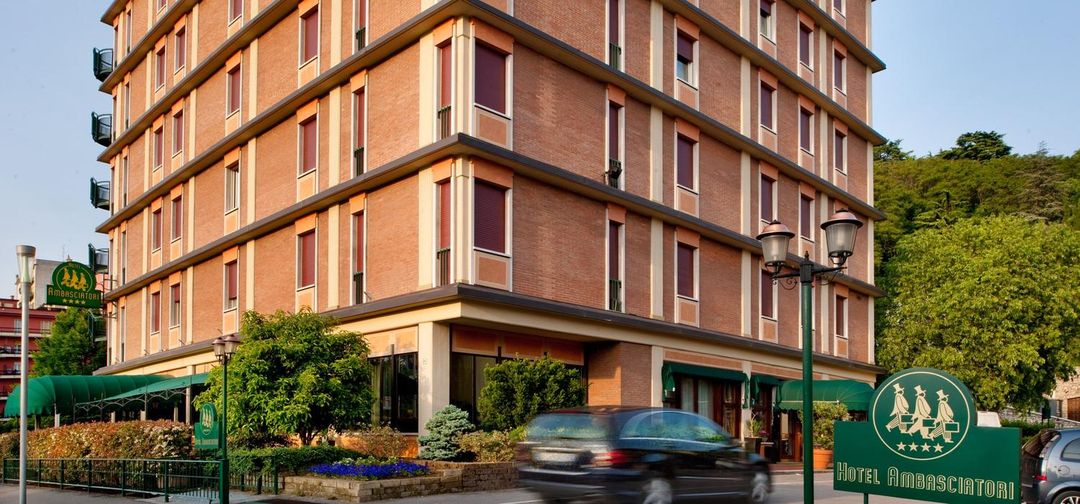
Best Hotels in Brescia
Discover curated hotel collections in Brescia

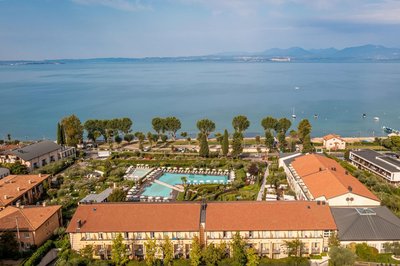
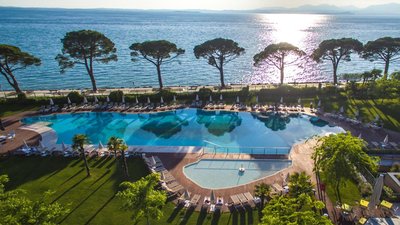
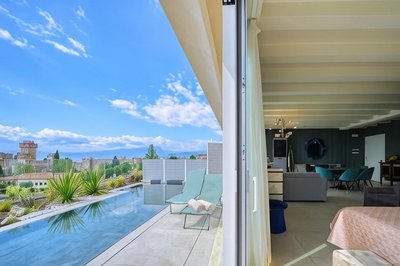
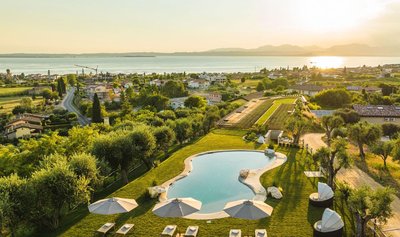


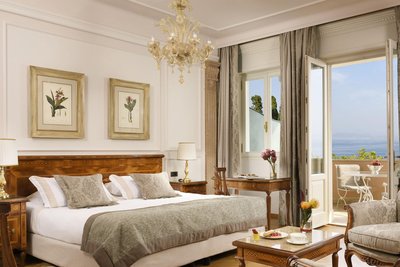
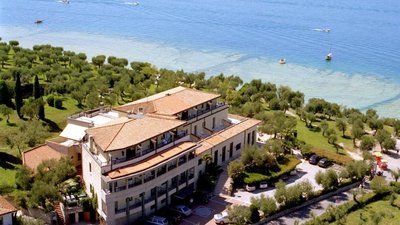
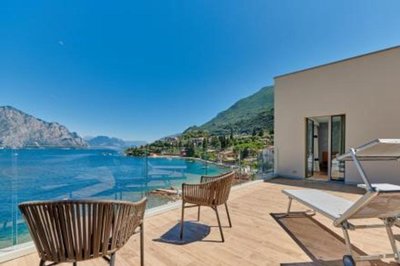
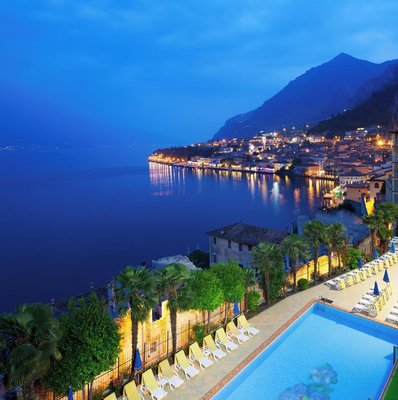

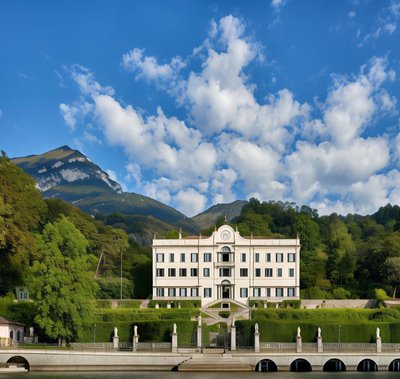
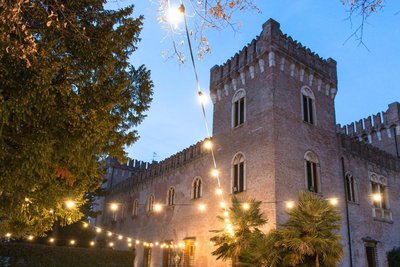
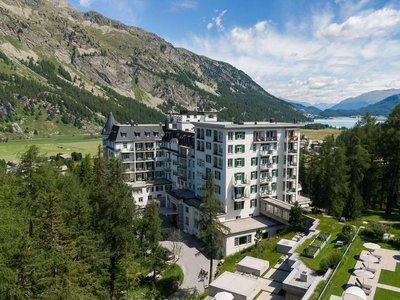
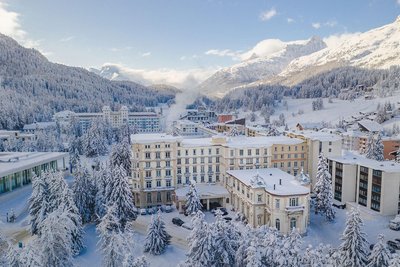

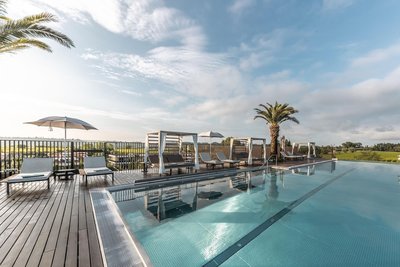
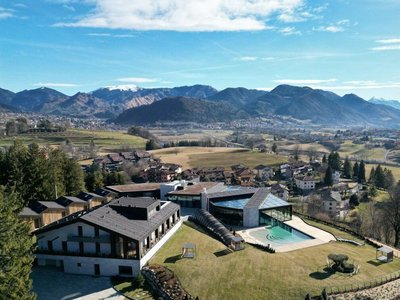
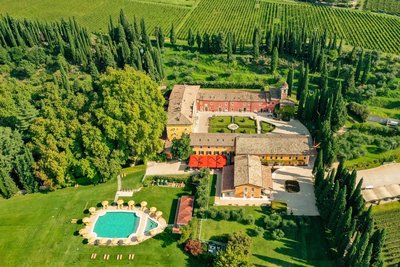
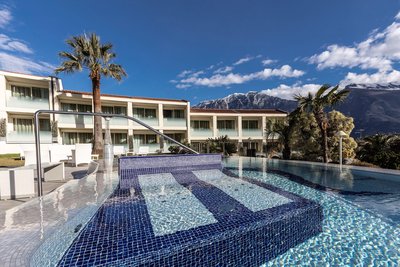


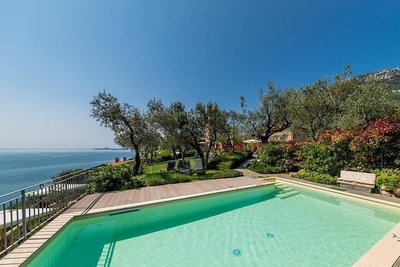
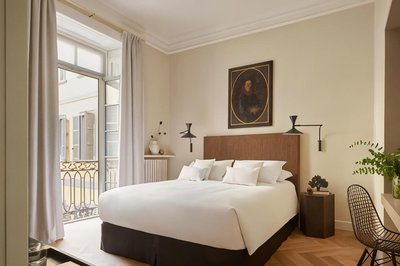
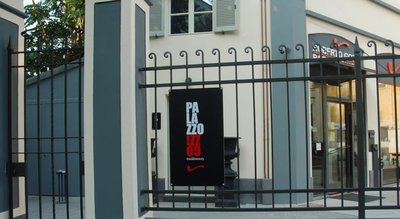
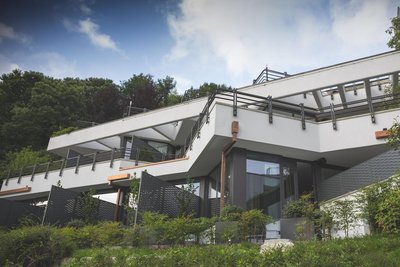
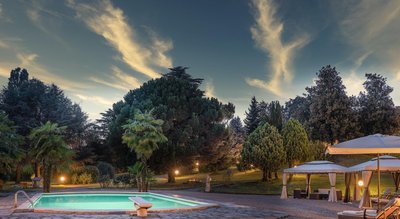
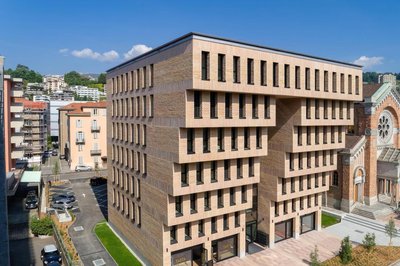
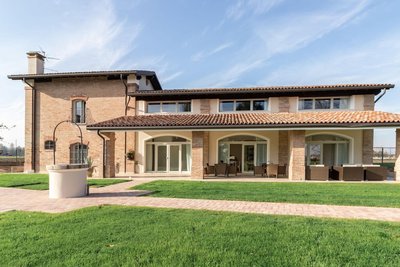
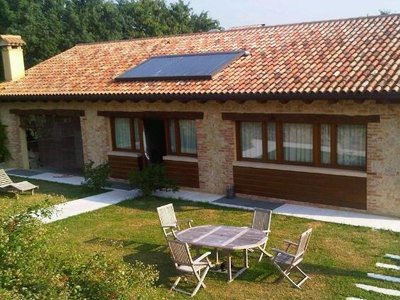
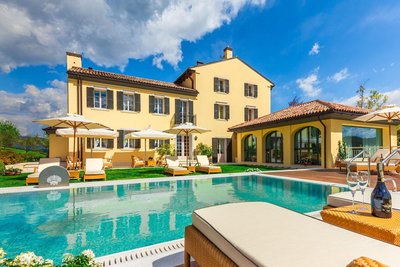
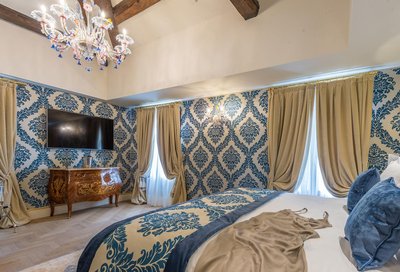
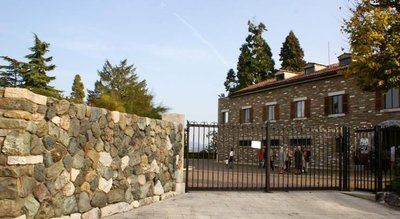
Frequently Asked Questions about Traveling to Brescia
Questions You Might Need to Know About Traveling to Brescia
Brescia Overview
City Summary
Brescia, the second-largest city in Lombardy, Italy, is a treasure trove of Roman ruins, medieval castles, and Renaissance art. Known for its UNESCO-listed Santa Giulia Museum and thriving industrial sector, the city blends ancient charm with modern vitality. Its cobblestone streets and piazzas exude quintessential Italian ambiance.
Must-See Attractions
Must-see landmarks include the Brescia Castle (Castello di Brescia), a medieval fortress with panoramic views; the Santa Giulia Museum, housing artifacts from prehistoric to modern times; and the contrasting Old and New Cathedrals (Duomo Vecchio e Nuovo). Don't miss the Roman ruins at the Capitoline Temple (Tempio Capitolino) or the rationalist architecture of Piazza della Vittoria.
Food Guide
Brescia is a haven for pasta and wine. Specialties include Casoncelli (local ravioli with breadcrumbs, meat, and raisins) and Spiedo Bresciano (slow-roasted game platter). Try street snacks like Polenta e Osei (corncake with bird-shaped sweets) paired with Franciacorta sparkling wine. Top eateries include Osteria al Bianchi and Trattoria al Volt.
Transportation Guide
Getting around Brescia:
- Trains: Brescia Centrale station links Milan (1hr) and Venice (1.5hrs).
- Buses: Urban buses (Brescia Trasporti) cost €1.50 per ride.
- Metro: The automated Metro Brescia has one north-south line.
- Walking: The compact historic center is best explored on foot.
- Taxis: Require phone/APP HopeGoo; base fare €5.
Best Time to Visit
Visit during April-June or September-October for mild weather and fewer crowds. July-August brings heat and shop closures, while winter (December-February) offers Christmas markets but shorter attraction hours.
Travel Tips
- Safety: The old town is secure, but watch belongings near the train station.
- Etiquette: Restaurants charge a €2-3 "coperto" (cover fee), not a tip.
- Hours: Most shops close 1-3pm for siesta; museums shut on Mondays.
- Attire: Cover shoulders/knees when entering churches.
- Language: Basic Italian greetings (e.g., "Buongiorno") are appreciated.
- Payments: Use cash for small purchases; cards often require €10 minimum.
Useful Information
Language: Italian is primary; English works in tourist areas. Internet: Free WiFi in main squares (e.g., Piazza Paolo VI); local SIMs from TIM/Vodafone recommended. Payments: Visa/Mastercard widely accepted, but cash preferred at markets/small eateries. Emergencies: EU citizens use EHIC card; others should get travel insurance. Dial 112 (general) or 118 (medical). Voltage: 230V, Type L sockets. Water: Tap water is safe; bottled water in restaurants incurs charges.