Hotels in Bukit Tinggi
Discover your perfect stay in Bukit Tinggi.
Bukit Tinggi(Malaysia) Travel 2026: Cheap Flights, Hotels & Top Attractions
Popular Landmarks in Bukit Tinggi
Discover the most iconic attractions in Bukit Tinggi
Recommended Hotels in Bukit Tinggi
Find the perfect place to stay in Bukit Tinggi
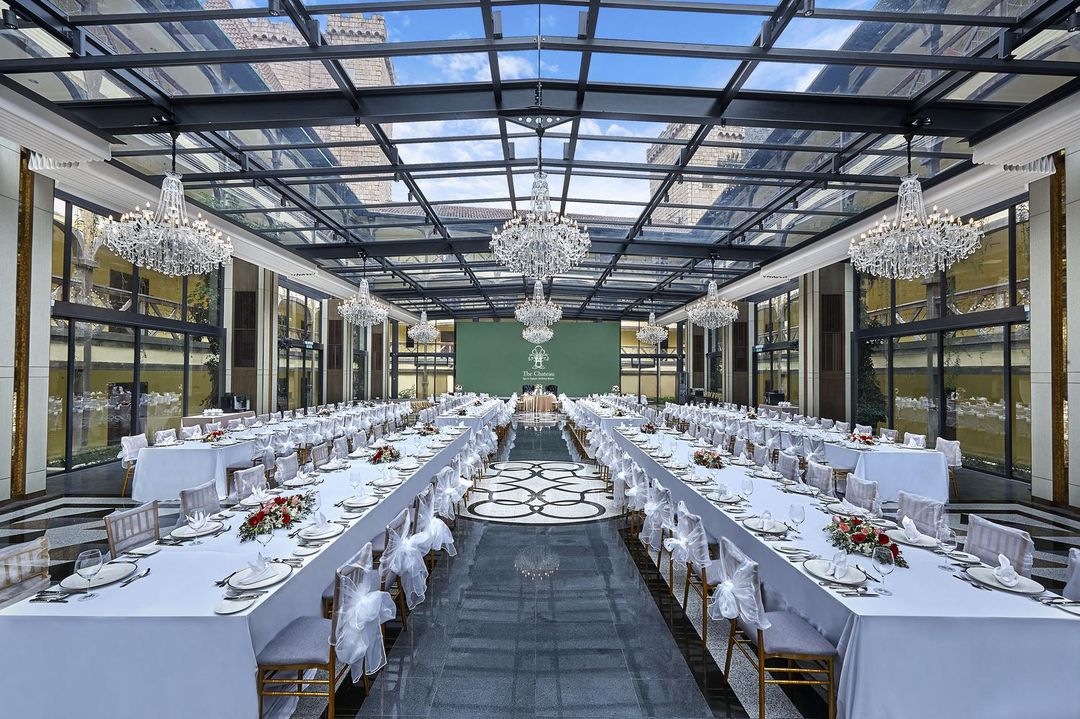
The Chateau Spa & Wellness Resort
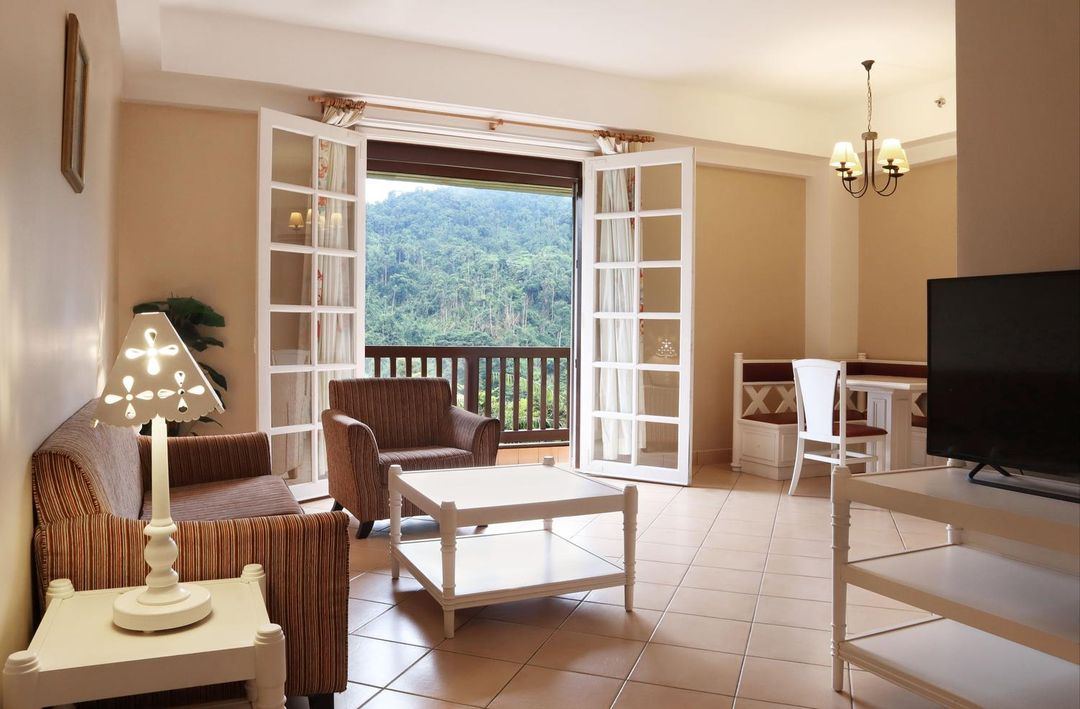
Colmar Tropicale
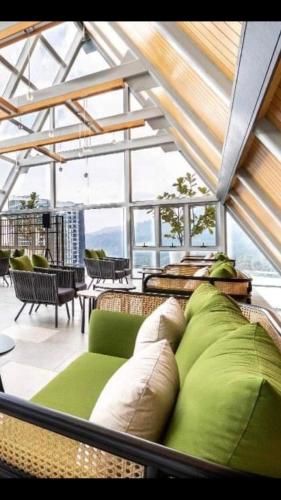
Genting Windmill Amazing SkyPool Resort WithAircon
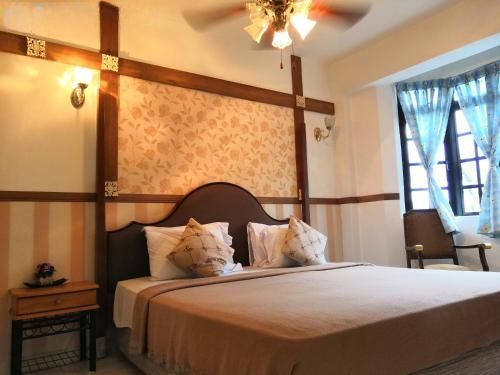
Genting Sempah Berjaya Hill Cottage
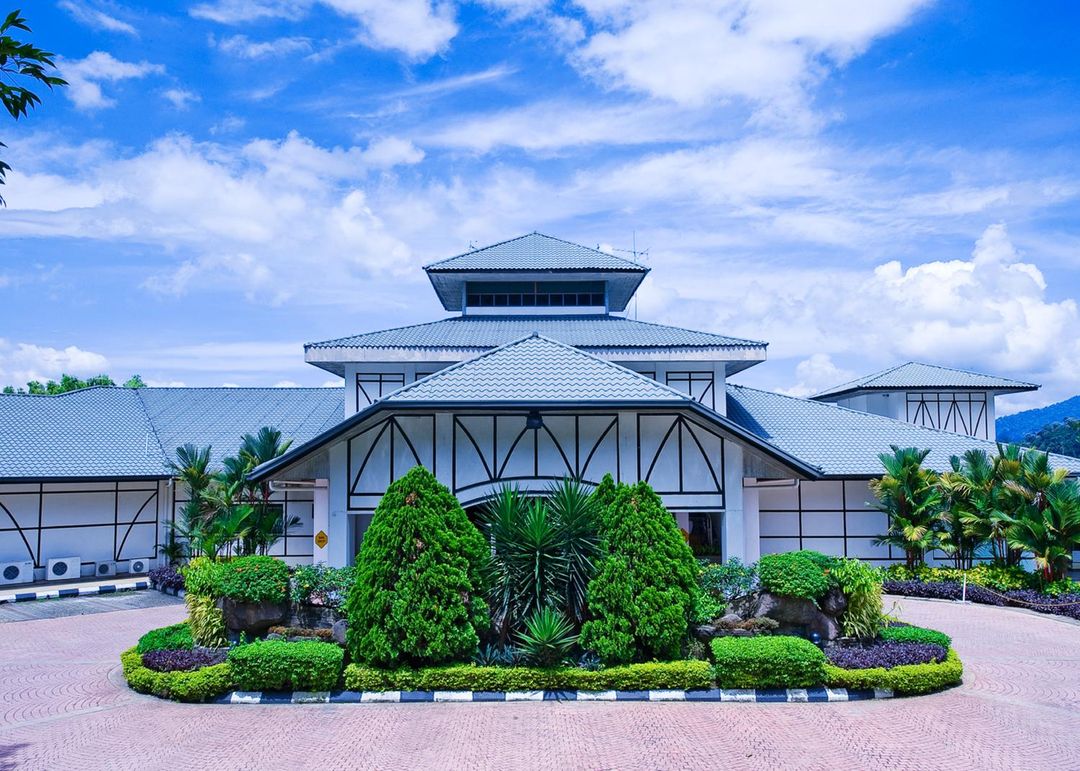
Berjaya Hills Golf & Country Club
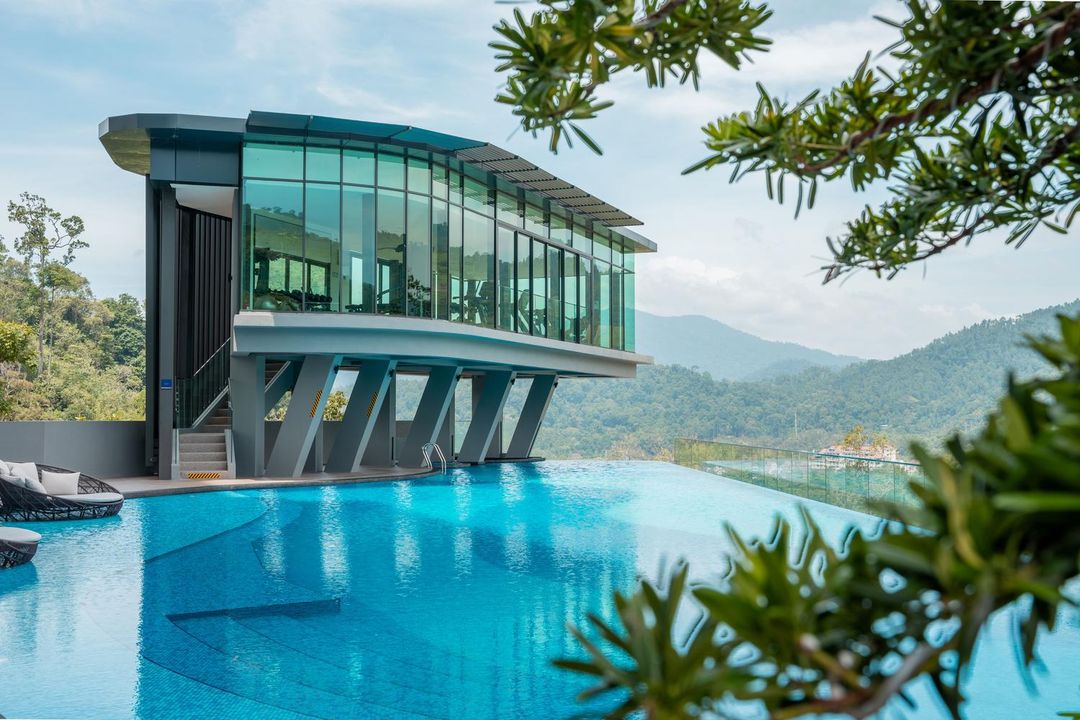
Enclave Nature Suites @ Bukit Tinggi
Best Hotels in Bukit Tinggi
Discover curated hotel collections in Bukit Tinggi
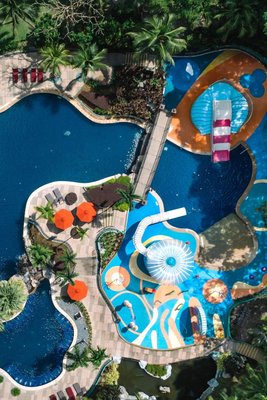
Putrajaya Marriott Hotel
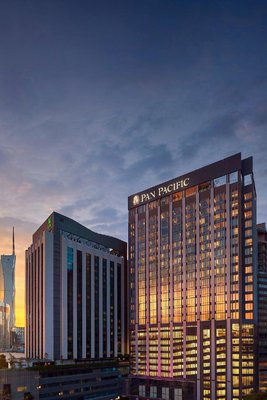
Pan Pacific Serviced Suites Kuala Lumpur
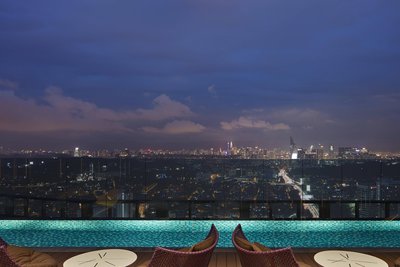
Sheraton Petaling Jaya Hotel
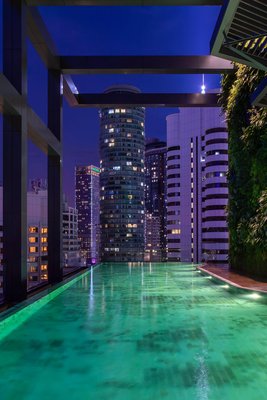
Hotel Indigo Kuala Lumpur on the Park

Four Points by Sheraton Kuala Lumpur, City Centre
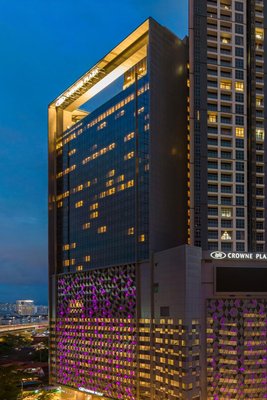
Crowne Plaza Kuala Lumpur City Centre
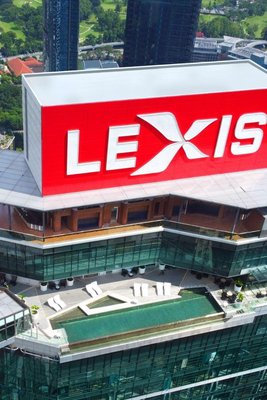
Imperial Lexis Kuala Lumpur
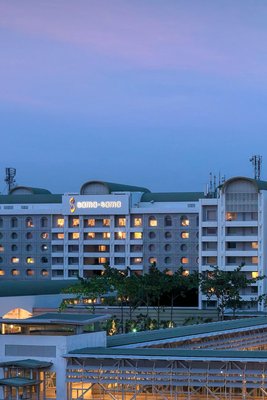
Sama-Sama Hotel Kuala Lumpur International Airport
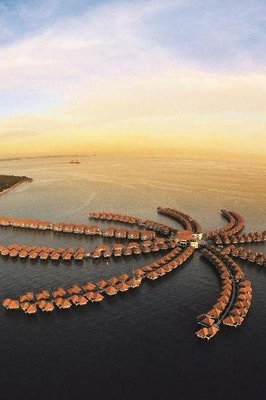
Ark Goldcoast Resort
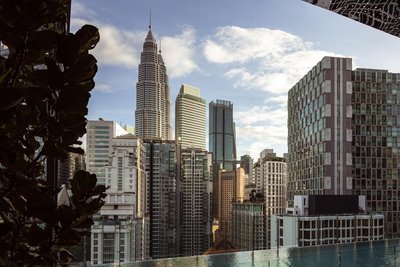
Hyatt Centric City Centre Kuala Lumpur
St. Giles Gardens Residences, Kuala Lumpur
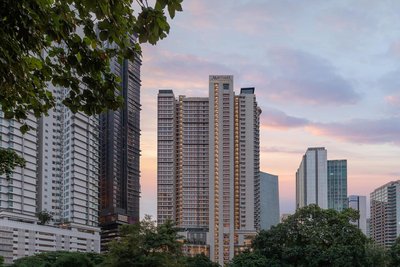
Marriott Executive Apartments Kuala Lumpur
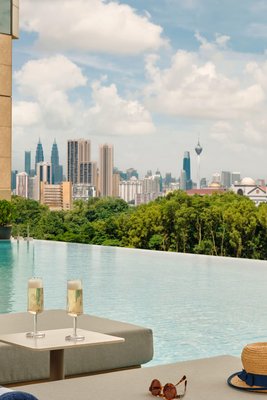
Hyatt Regency Kuala Lumpur At KL Midtown
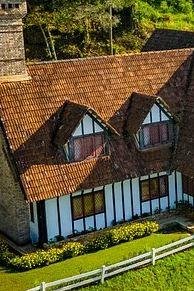
The Lakehouse Cameron Highlands
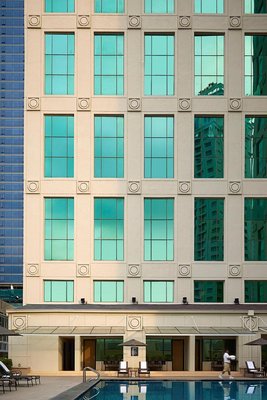
JW Marriott Hotel Kuala Lumpur
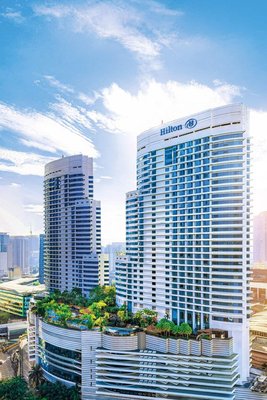
Hilton Kuala Lumpur
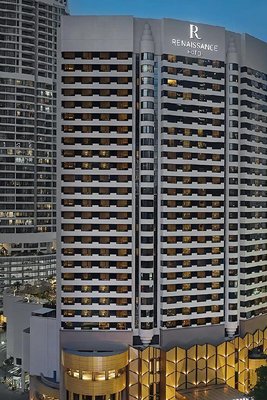
Renaissance Kuala Lumpur Hotel & Convention Centre
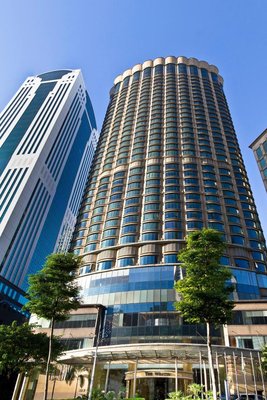
The Westin Kuala Lumpur
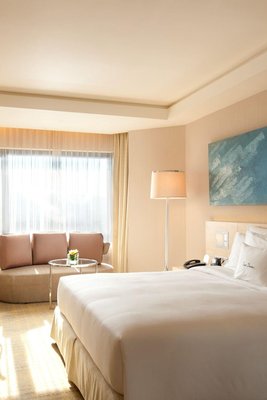
DoubleTree by Hilton Kuala Lumpur
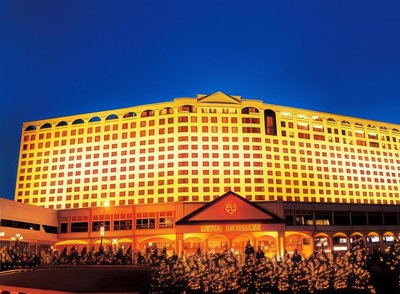
Resorts World Genting - Highlands Hotel
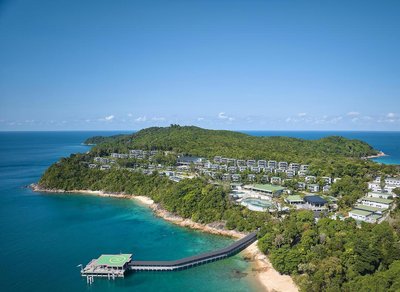
Perhentian Marriott Resort & Spa
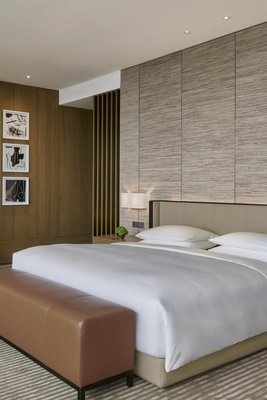
Park Hyatt Kuala Lumpur
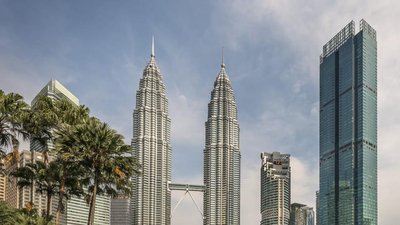
Four Seasons Hotel Kuala Lumpur
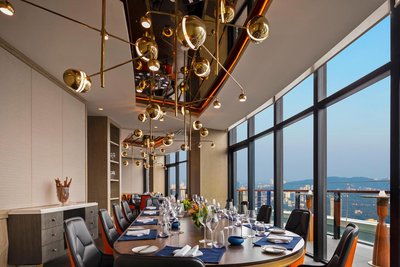
Banyan Tree Kuala Lumpur
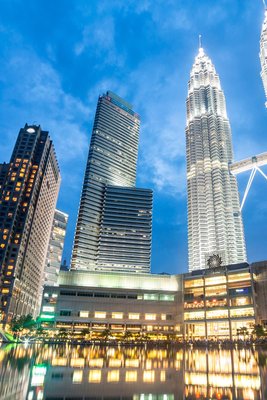
Mandarin Oriental, Kuala Lumpur
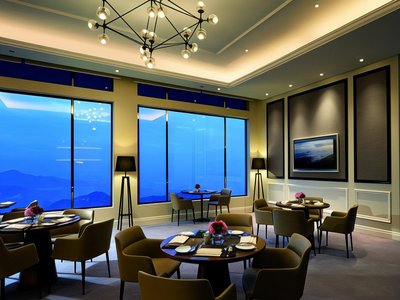
Resorts World Genting - Crockfords
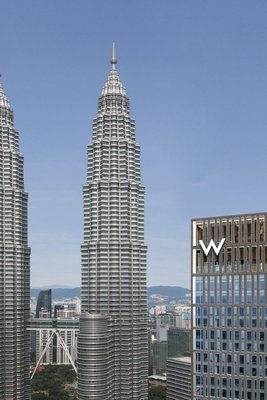
W Kuala Lumpur
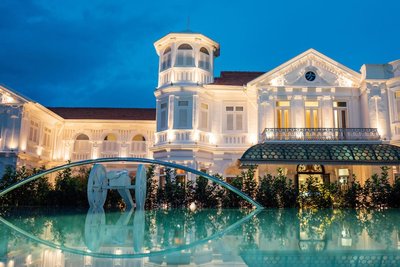
Macalister Mansion, a Member of Design Hotels
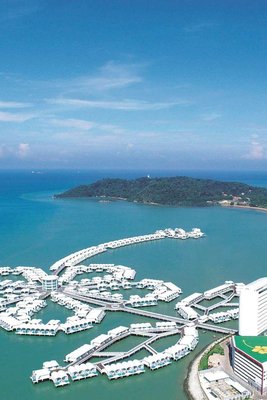
Lexis Hibiscus Port Dickson
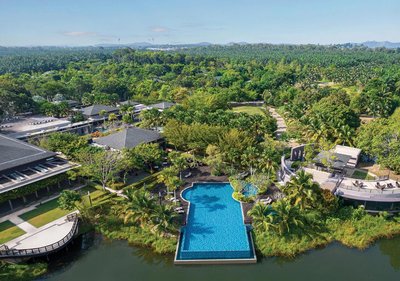
Mangala Estate Boutique Resort - Small Luxury Hotels of the World
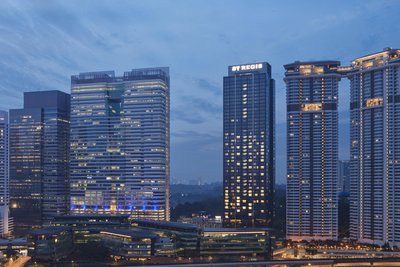
The St. Regis Kuala Lumpur
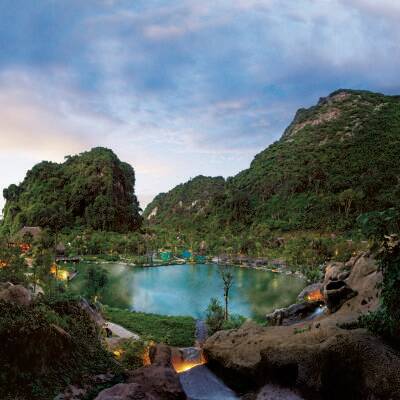
The Banjaran Hotsprings Retreat
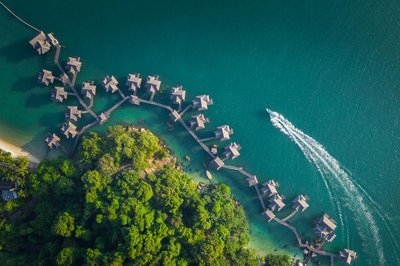
Pangkor Laut Resort - Small Luxury Hotels of the World
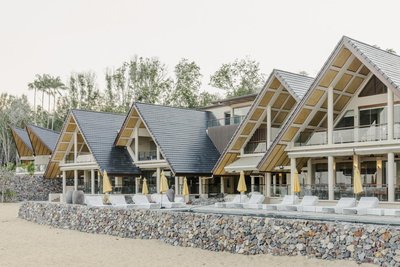
The Kasturi
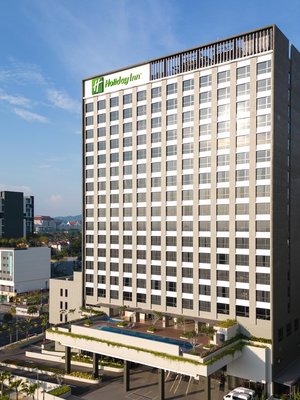
Holiday Inn Sepang - Airport
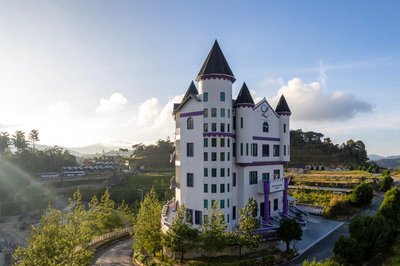
Cameron Lavender Mansion

CapsuleTransit MAX - Terminal 2
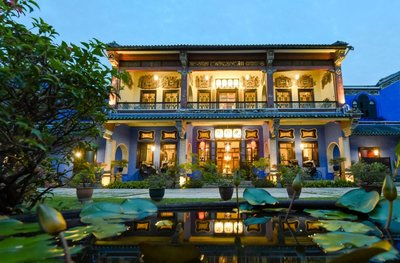
Cheong Fatt Tze - the Blue Mansion
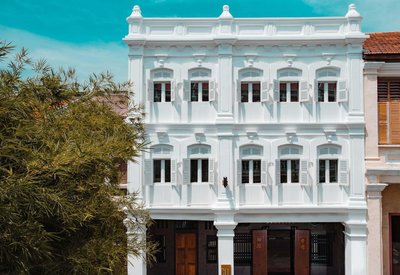
88 Armenian
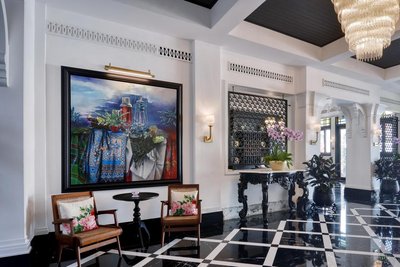
Liu Men Melaka
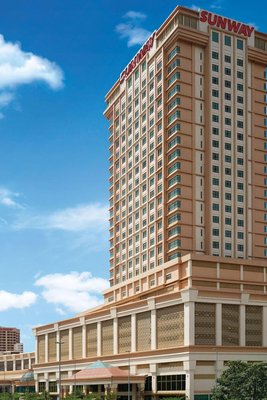
Sunway Lagoon Hotel, formerly known as Sunway Clio Hotel
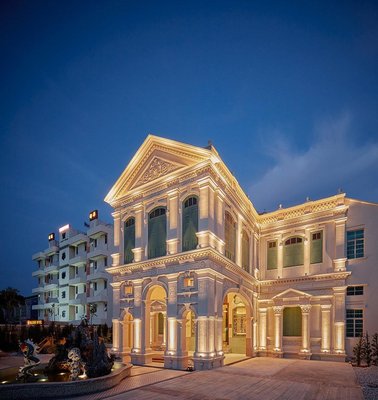
The Edison George Town
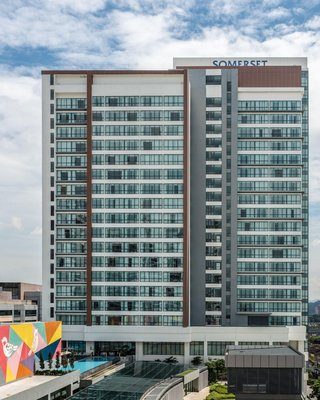
Somerset Damansara Utama Petaling Jaya
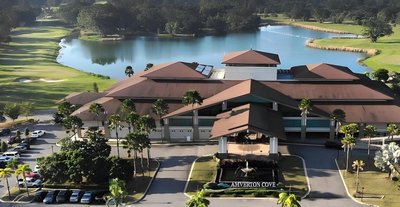
Amverton Cove Golf & Island Resort
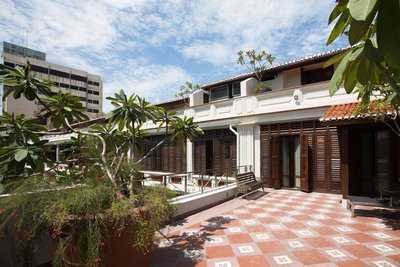
Seven Terraces
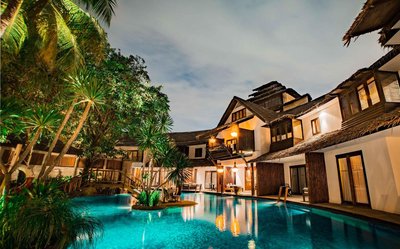
Villa Samadhi by Samadhi - Age 12 and Above Only
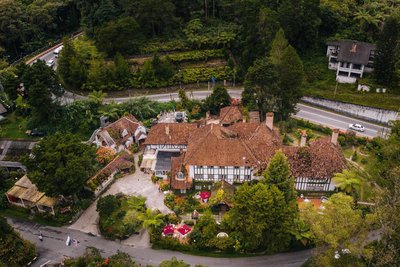
The Smokehouse Hotel & Restaurant Cameron Highlands
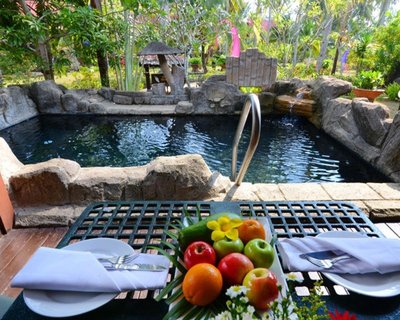
ViVilla by Holiday Villa Cherating
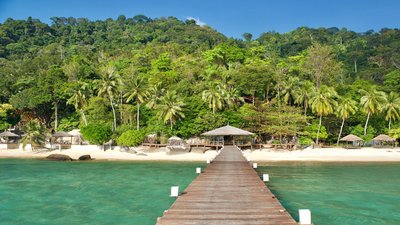
Japamala Resort by Samadhi – Age 12 and Above Only
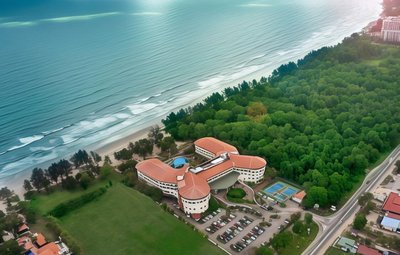
Swiss-Grand Beach Resort Kuantan
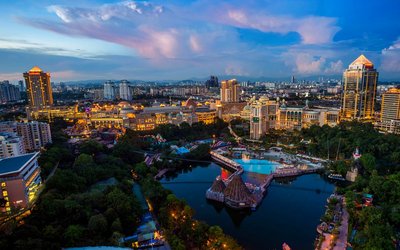
Sunway Pyramid Hotel
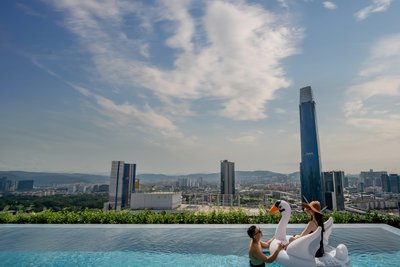
Capri by Fraser Bukit Bintang
Hotel Indigo Kuala Lumpur on the Park
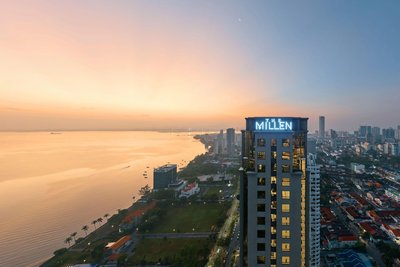
The Millen Penang, Autograph Collection
Four Seasons Hotel Kuala Lumpur
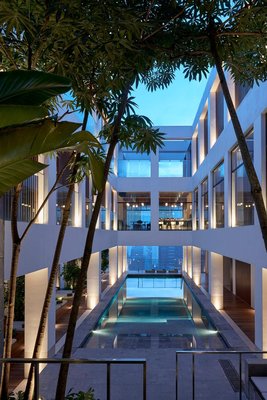
Alila Bangsar Kuala Lumpur
Banyan Tree Kuala Lumpur
W Kuala Lumpur
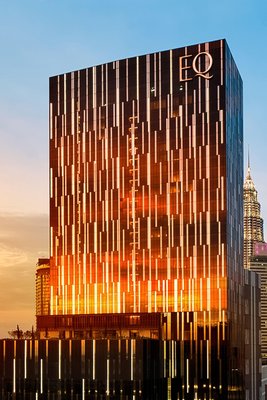
EQ Kuala Lumpur
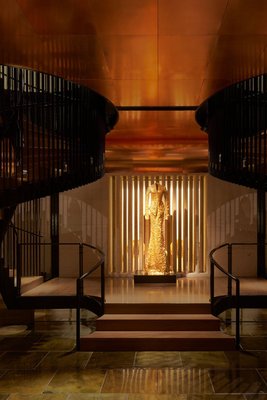
The RuMa Hotel and Residences
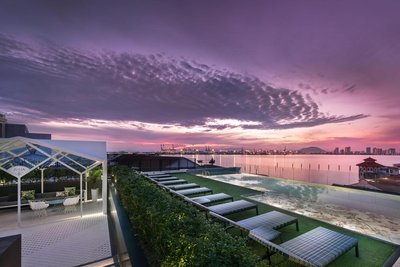
The Prestige Hotel Penang
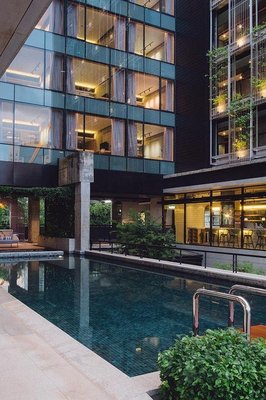
Kloe Hotel
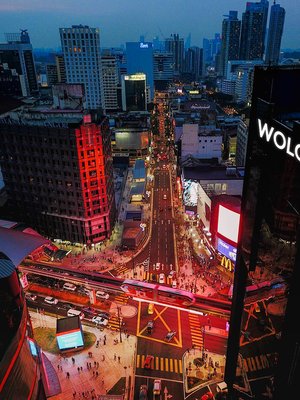
WOLO Kuala Lumpur
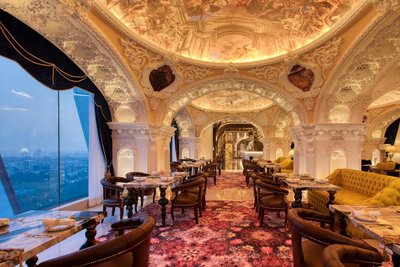
Arte By Thomas Chan
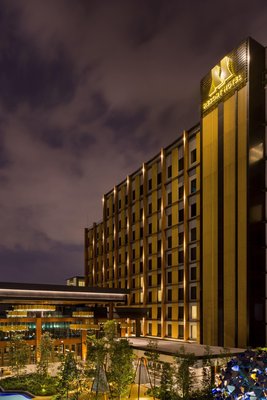
M Resort & Hotel Kuala Lumpur
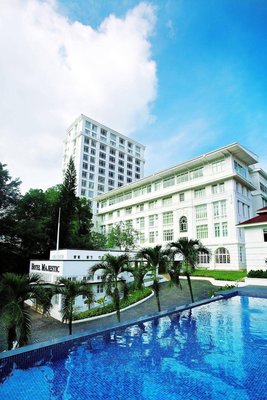
The Majestic Hotel Kuala Lumpur, Autograph Collection
Four Seasons Hotel Kuala Lumpur
Hilton Kuala Lumpur
Alila Bangsar Kuala Lumpur
Banyan Tree Kuala Lumpur
Mandarin Oriental, Kuala Lumpur
EQ Kuala Lumpur
The St. Regis Kuala Lumpur
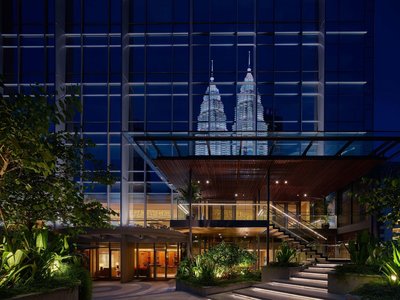
Grand Hyatt Kuala Lumpur
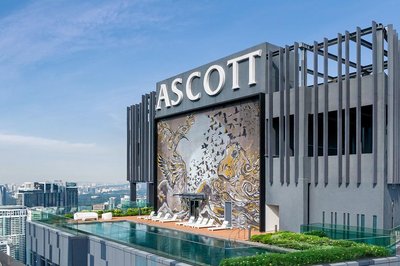
Ascott Star KLCC Kuala Lumpur
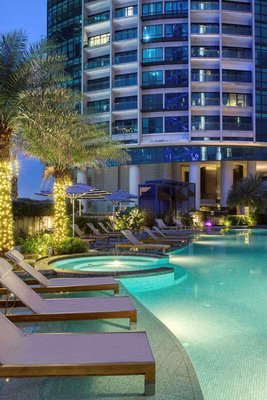
Sofitel Kuala Lumpur Damansara
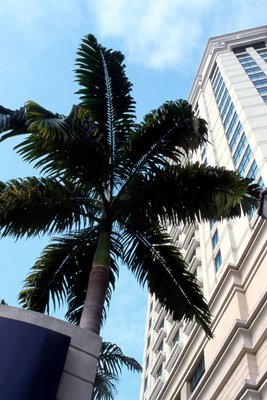
The Ritz-Carlton, Kuala Lumpur
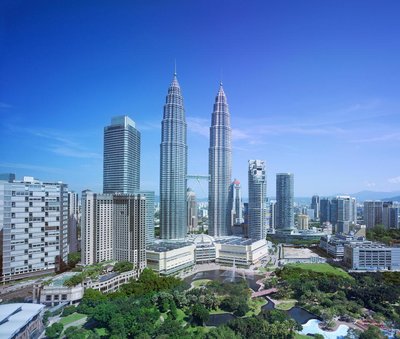
Traders Hotel, Kuala Lumpur
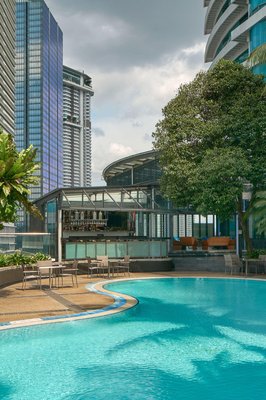
Le Méridien Kuala Lumpur
The Kasturi
The Millen Penang, Autograph Collection
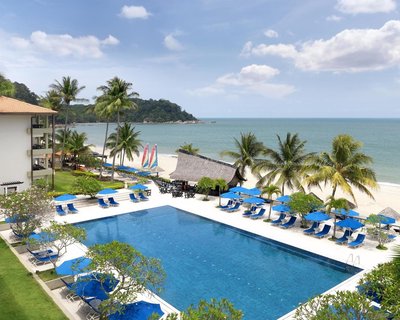
Hyatt Regency Kuantan Resort
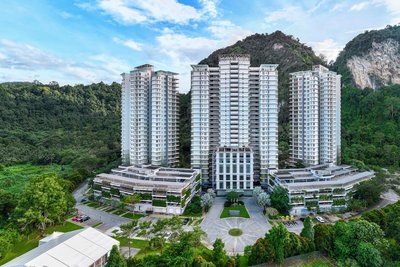
TUI BLUE The Haven Ipoh
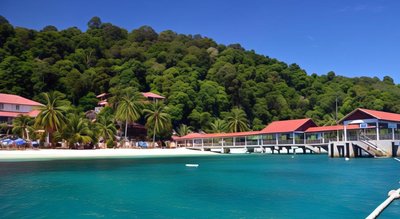
Mimpi Perhentian
Lexis Hibiscus Port Dickson
The Prestige Hotel Penang
Mangala Estate Boutique Resort - Small Luxury Hotels of the World
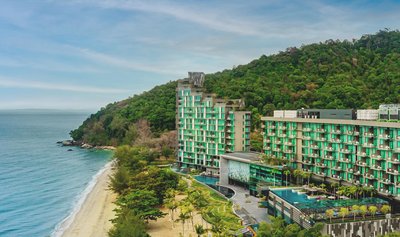
Angsana Teluk Bahang, Penang
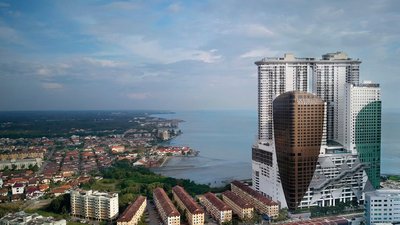
DoubleTree by Hilton Melaka
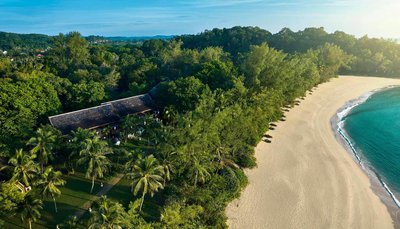
Tanjong Jara Resort, Terengganu - Small Luxury Hotels of the World
The Banjaran Hotsprings Retreat
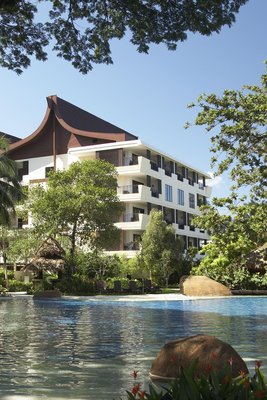
Shangri-La Rasa Sayang, Penang
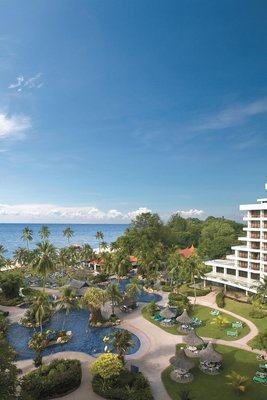
Shangri-La Golden Sands, Penang
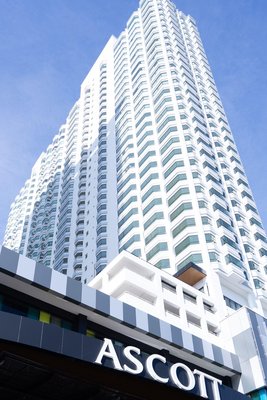
Ascott Gurney Penang
Swiss-Grand Beach Resort Kuantan
Pangkor Laut Resort - Small Luxury Hotels of the World
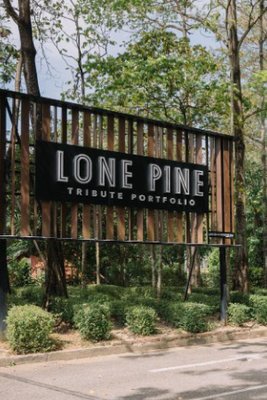
Lone Pine, Penang, a Tribute Portfolio Resort
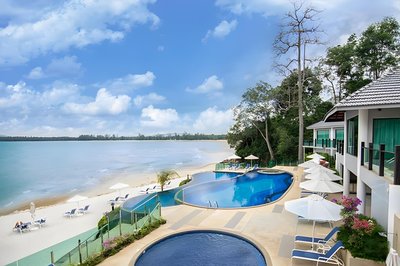
Royale Chulan Cherating Villa
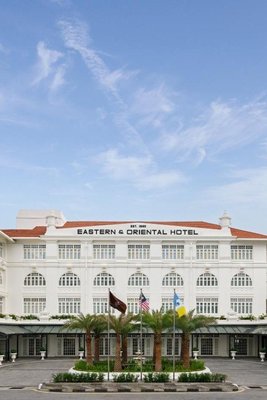
Eastern & Oriental Hotel
Cheong Fatt Tze - the Blue Mansion
Liu Men Melaka
The Edison George Town
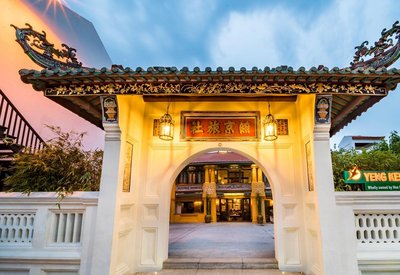
Yeng Keng Hotel
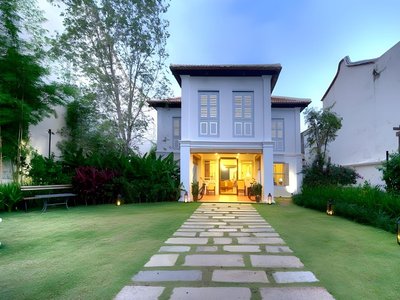
23 Love Lane Hotel
Seven Terraces
Villa Samadhi by Samadhi - Age 12 and Above Only
The Smokehouse Hotel & Restaurant Cameron Highlands
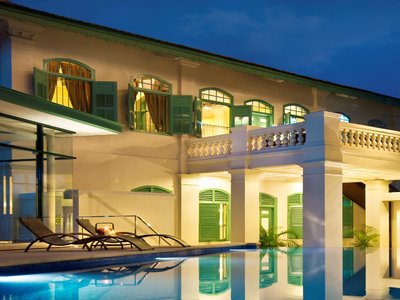
The Majestic Malacca Hotel - Small Luxury Hotels of the World
Eastern & Oriental Hotel
The Majestic Hotel Kuala Lumpur, Autograph Collection
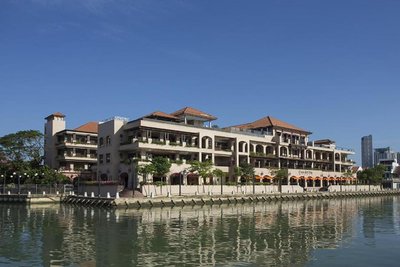
Casa del Rio Melaka
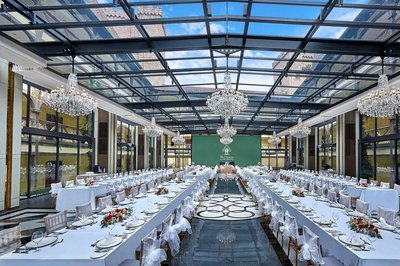
The Chateau Spa & Wellness Resort
Frequently Asked Questions about Traveling to Bukit Tinggi
Questions You Might Need to Know About Traveling to Bukit Tinggi
In Bukit Tinggi Village, the top eco-lodges include Bukit Tinggi Eco Resort and Forest Canopy Homestay. These properties use solar energy, composting toilets, and bamboo construction to minimize environmental impact. Guests can stay in treehouse cabins or traditional wooden cottages surrounded by rainforest. Activities like guided forest walks, organic farming tours, and night wildlife spotting promote sustainable tourism. All accommodations are certified by the Malaysian Green Tourism Initiative, ensuring responsible practices. Staying here means experiencing nature while protecting it.
The ideal time to visit Bukit Tinggi Village is from November to March, when temperatures range between 20–25°C and humidity is moderate. This period avoids the heavy monsoon rains common in other months. The lush greenery peaks during these months, making it perfect for hiking, birdwatching, and photography. Additionally, local festivals such as Hari Raya Aidilfitri and Gawai Dayak offer authentic cultural experiences. Travelers enjoy clear skies and comfortable nights, ideal for stargazing and outdoor camping.
Visitors to Bukit Tinggi Village can participate in authentic Orang Asli tribal rituals, including traditional weaving workshops and spiritual fire ceremonies. At the Village Craft Center, guests learn to make handwoven baskets using natural fibers under guidance from elder artisans. During full moon nights, locals perform ancient storytelling sessions beneath the stars, sharing myths and legends of the rainforest. These immersive activities not only preserve heritage but also support community-led tourism initiatives, offering deeper cultural connection beyond sightseeing.
Yes, Bukit Tinggi Village is highly suitable for families. The village offers child-friendly nature trails, interactive forest education centers, and guided bug-hunting games that teach kids about biodiversity. Many homestays provide family cabins with private gardens and kitchenettes. Children can join treehouse building workshops, night owl spotting tours, and local cooking classes using fresh farm ingredients. With no traffic and clean air, it's a safe, enriching environment where kids develop a love for nature and rural life.
From Kuala Lumpur, take a bus to Pekan, Pahang, then transfer to a local minibus or book a private car via ride-hailing apps like Grab. The journey takes about 3 hours. Alternatively, drive via the North-South Expressway (E22), exit at R46 Road toward Bukit Tinggi. Use Google Maps for real-time navigation. Most resorts offer pickup services upon request. Avoid peak hours (7–9 AM) to reduce travel time. For convenience and comfort, HopeGoo a pre-arranged shuttle is recommended.
Must-try dishes in Bukit Tinggi Village include coconut rice with wild bamboo shoots, grilled river fish with lemongrass marinade, and mango sticky rice with palm sugar syrup. Local markets sell wild honey, herb-infused chicken, and fermented tapioca cakes. During festivals, try Nonya-style glutinous rice dumplings served with coconut milk. Many homestays serve farm-to-table breakfasts featuring eggs, tropical fruits, and freshly squeezed juices. These meals reflect the village’s deep connection to land and tradition.
Top photo locations in Bukit Tinggi Village include mist-covered valley tea plantations, ancient wooden suspension bridges, and village rooftops adorned with hand-painted vine murals. Early morning (5–7 AM) offers soft light and ethereal fog, perfect for landscape shots. The century-old banyan tree near the village hall and glowing fireflies along the stream at dusk create magical visuals. Bring a tripod and wide-angle lens for dramatic compositions. Each frame captures the harmony between culture and nature in this hidden gem.
Yes, Bukit Tinggi Village is very safe for solo travelers. The community is close-knit, and locals are warm and welcoming. All guesthouses are registered with the Pahang State Tourism Board and have basic security measures like gated entrances and night patrols. There are no major roads or nightlife risks. Solo travelers can join morning yoga sessions, forest meditation walks, or craft workshops to connect with others. Emergency contacts are posted at all lodges, and village elders act as informal guides. It’s an ideal place for introspection and meaningful encounters.
Bukit Tinggi Village actively protects its ecosystem through community-led conservation. Homes use solar panels, rainwater harvesting systems, and compost toilets. Deforestation is strictly prohibited; only non-endangered plants may be harvested. Visitors can join reef restoration projects, tree planting days, or river cleanup drives, earning eco-certificates. Waste is sorted and recycled locally. The village also partners with Malaysia Nature Society to monitor biodiversity. Every stay contributes directly to preserving this pristine rainforest haven.
Guests can enjoy guided jungle treks, birdwatching expeditions, cave explorations, and night wildlife safaris in Bukit Tinggi Village. Trails lead through ancient rainforest with views of rare orchids and endemic birds. The Bukit Tinggi River offers kayaking and fishing opportunities. Seasonal events include firefly watching, bamboo rafting, and forest storytelling under the stars. Equipment is provided by local guides. These activities promote ecological awareness while allowing visitors to experience the region’s untouched beauty firsthand.
Bukit Tinggi Overview
City Summary
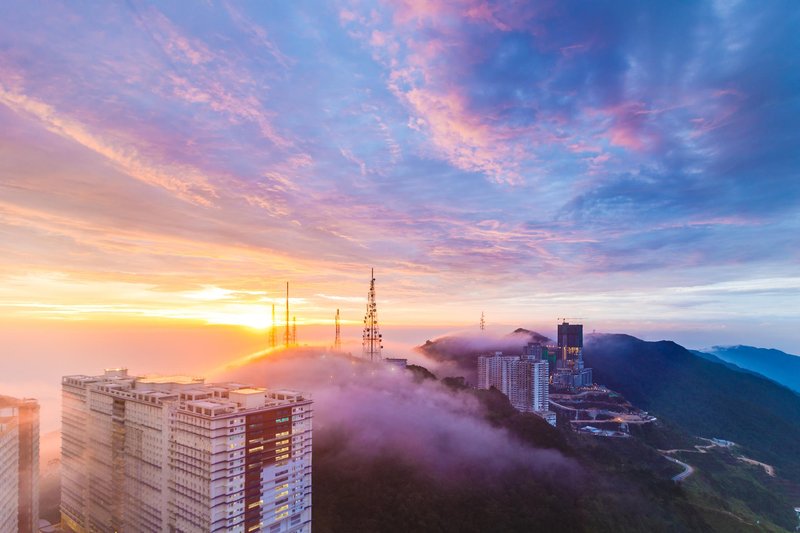
Kampung Bukit Tinggi is a highland retreat in Pahang, Malaysia, renowned for its cool climate, lush tea plantations and British colonial architecture. Surrounded by tropical rainforests, it's a perfect escape from urban bustle.
Must-See Attractions
Must-visit spots include the BOH Tea Plantation where visitors can tour processing facilities and sample fresh tea, the Butterfly Garden showcasing tropical species, and the Time Tunnel Museum offering historical insights. Don't miss strawberry farms and Cactus Valley for unique agritourism experiences.
Food Guide
The cuisine blends Malay, Chinese and Indian influences. Try highland vegetable steamboat, freshly-picked strawberry desserts and plantation black tea. Night markets offer delicious grilled corn and roti canai (Indian flatbread).
Transportation Guide
Transport relies mainly on private cars or hired drivers due to limited public transit. The 3-4 hour drive from Kuala Lumpur involves winding mountain roads - daylight travel advised. Attractions are spread out, making ride-hailing apps like Grab or car rentals practical. Some hotels provide shuttle services.
Best Time to Visit
Ideal visiting period is March-September with cool, dry weather. Avoid November-February monsoon season when roads may be slippery. Weekends and holidays attract crowds - weekdays offer quieter experiences.
Travel Tips
- Pack jackets for cooler highland temperatures.
- Respect Muslim customs - avoid public alcohol consumption.
- Tea plantation tours require closed-toe shoes and reservations.
- Carry cash for farm purchases.
- Boil tap water before drinking.
- Observe eco-etiquette - no plant picking.
Useful Information
Bahasa Malaysia is official language but English and Chinese are widely spoken. Download offline maps due to spotty mobile coverage. Credit cards accepted at major establishments but cash (MYR) needed for small vendors. Limited medical facilities - bring essential medications. Emergency numbers: 999 (police), 994 (ambulance). Voltage 220V with UK-style 3-pin plugs.
Other Cities You Might Like
Explore more amazing destinations