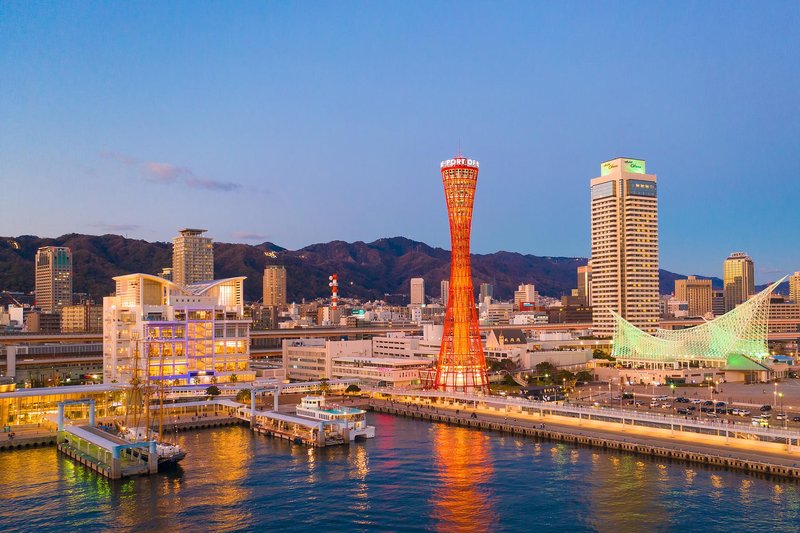
Hotels in Buzen, Fukuoka
Discover your perfect stay in Buzen, Fukuoka.
Buzen, Fukuoka(Japan) Travel 2026: Cheap Flights, Hotels & Top Attractions
Popular Landmarks in Buzen, Fukuoka
Discover the most iconic attractions in Buzen, Fukuoka
Recommended Hotels in Buzen, Fukuoka
Find the perfect place to stay in Buzen, Fukuoka
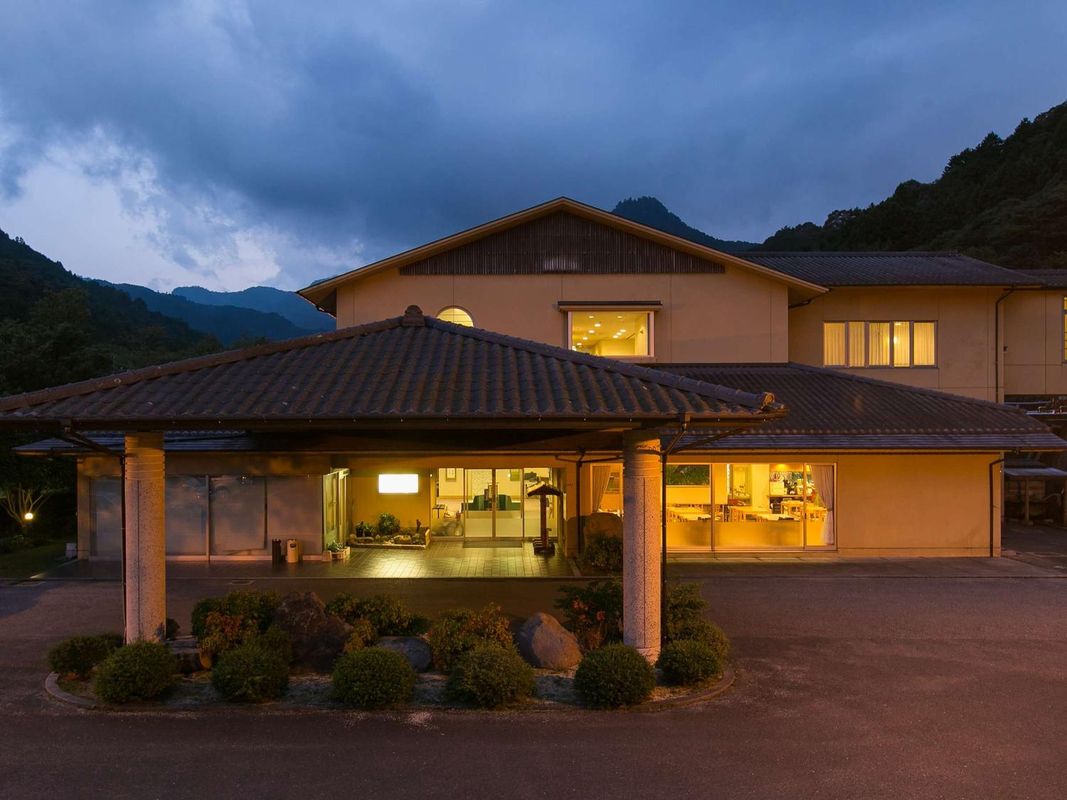
Bokusen No Sato
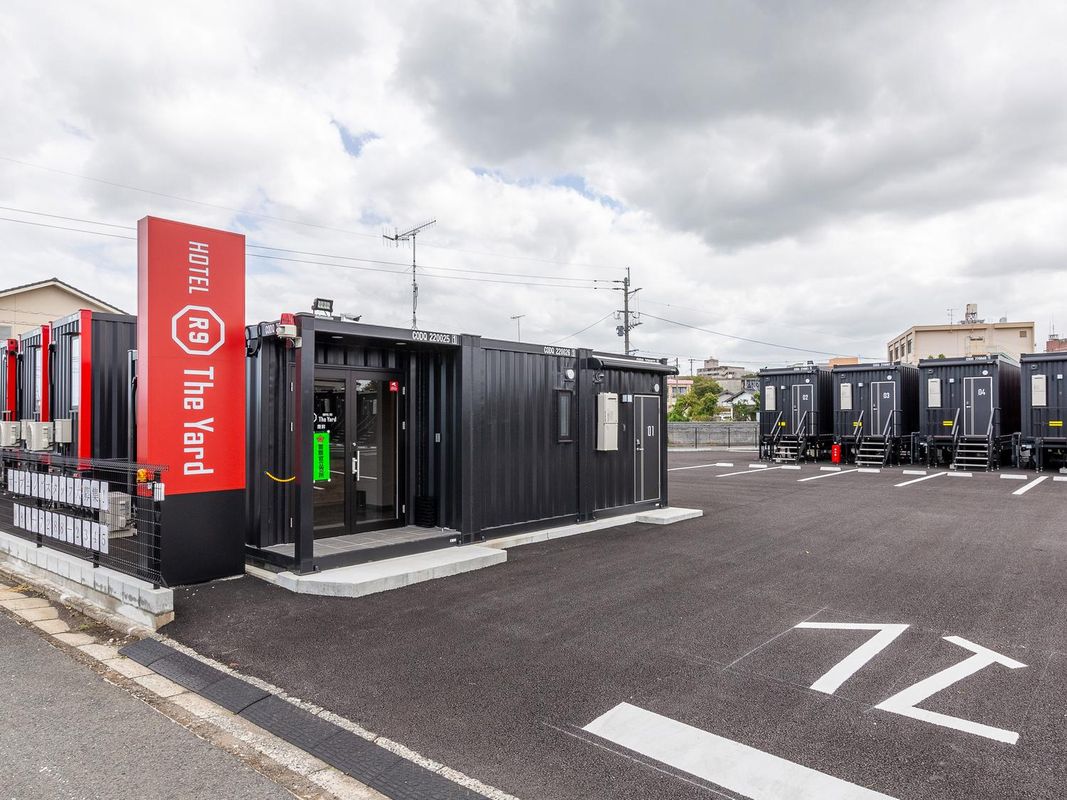
Hotel R9 the Yard Buzen
Best Hotels in Buzen, Fukuoka
Discover curated hotel collections in Buzen, Fukuoka
Ikkoten
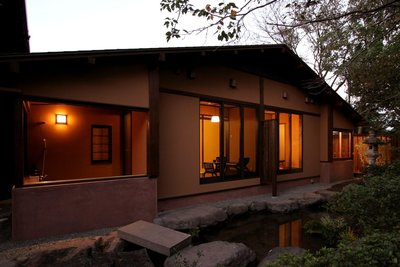
SEKIYA RESORT Bettei Haruki
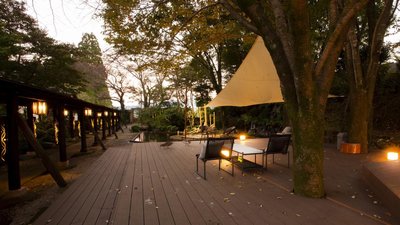
Chikurakutei
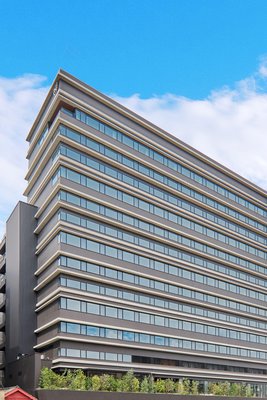
The Royal Park Canvas Fukuoka Nakasu
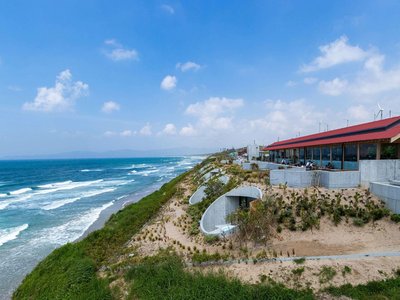
Izumo Hotel the Cliff
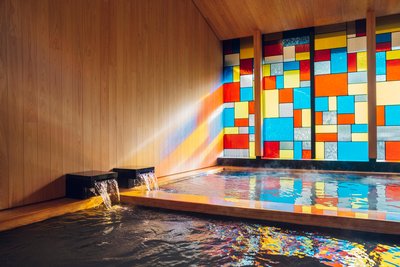
Hoshino Resorts Kai Unzen
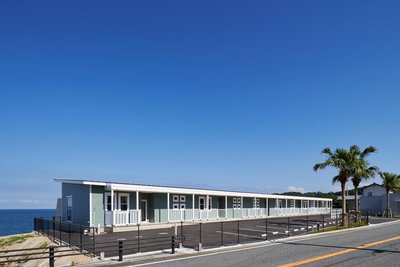
Alfacio Resort Stay Itoshima
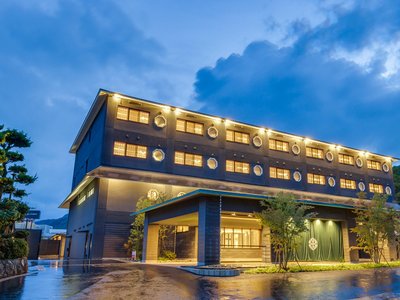
Ureshino Yadoya

seven x seven itoshima
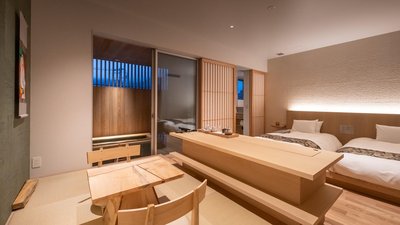
Japanese Auberge Kararako
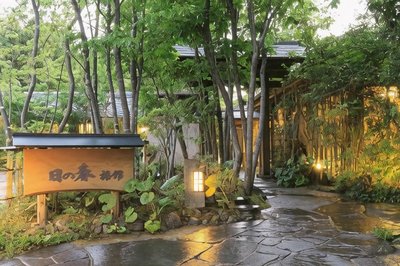
Yufuin Onsen Hinoharu Ryokan
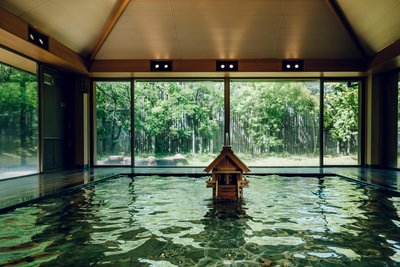
Hoshino Resorts KAI Tamatsukuri
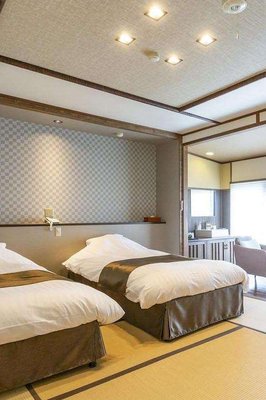
Sozankyo
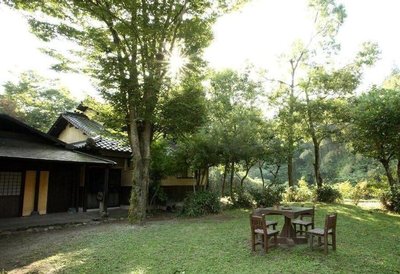
Yamashinobu
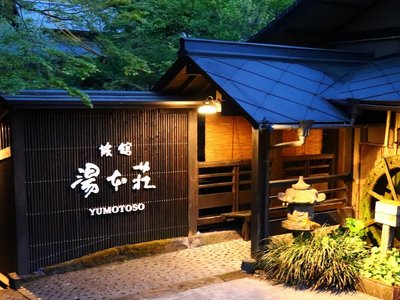
Ryokan Yumotosou
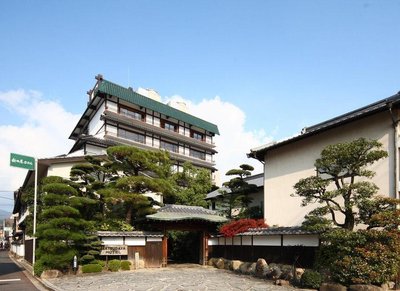
Matsudaya Hotel
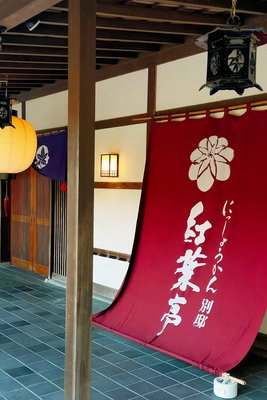
Nisshokan Bettei Koyotei
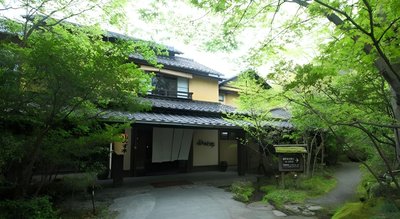
Kurokawaonsen Yamamizuki
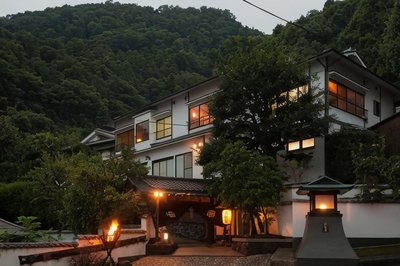
Beppu Showaen
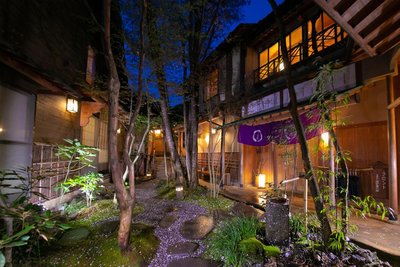
Oyado Ichizen
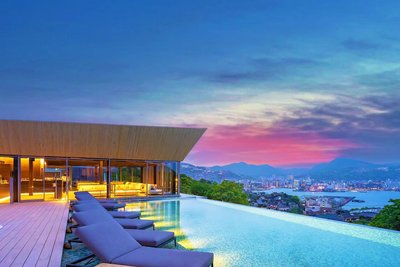
Garden Terrace Nagasaki Hotel & Resort

Holiday Inn Resort Miyazaki
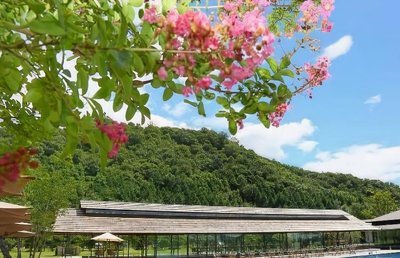
Bella Vista Spa and Marina Onomichi
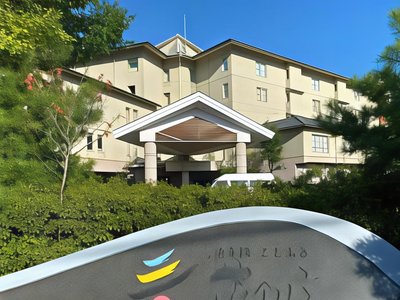
Yufuin Kotobuki Hananosho
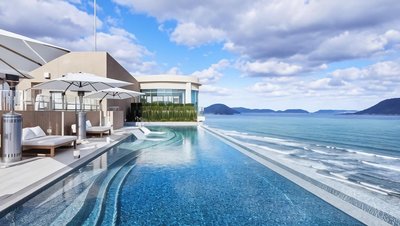
Karatsu Seaside Hotel
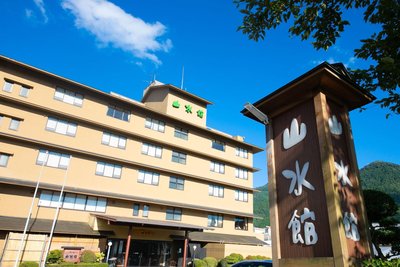
Yufuin Sansuikan
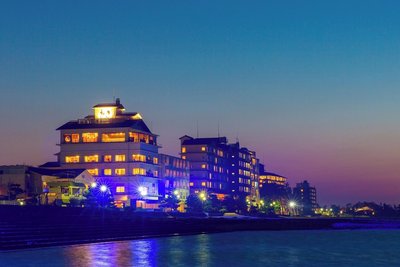
Kaike Shogetsu
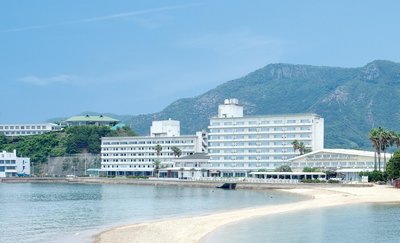
Shodoshima International Hotel
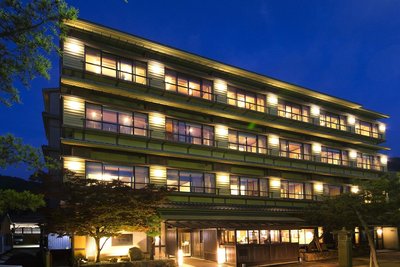
Kinsuikan
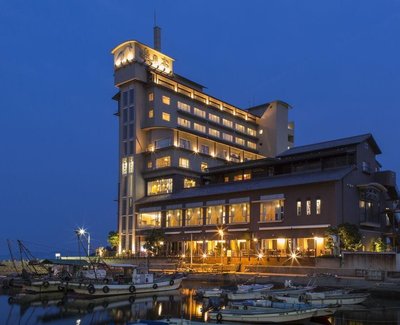
Hotel Ofutei
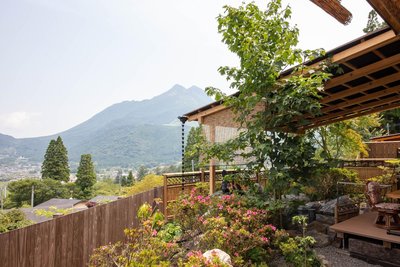
Yufuin-Sanso Waremokou
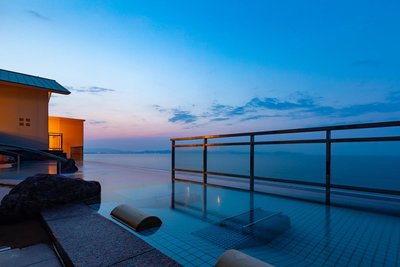
Kaike Yugetsu
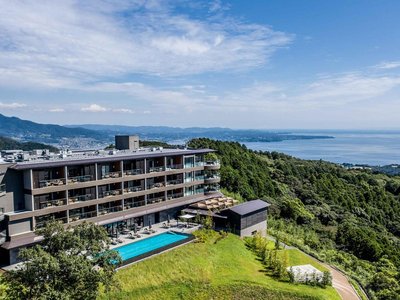
Ana InterContinental Beppu Resort & Spa
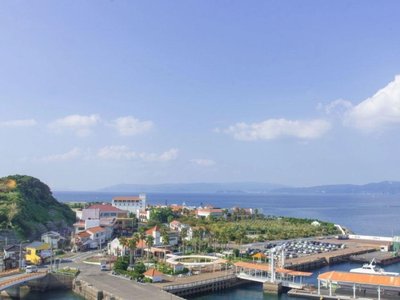
I+Land Nagasaki
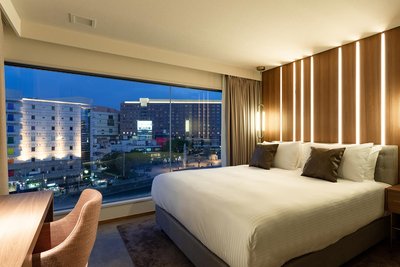
The OneFive Villa Fukuoka
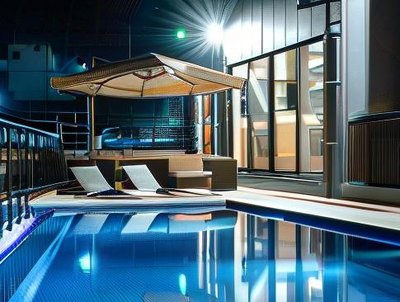
LiVEMAX RESORT MIYAHAMA ONSEN OCEAN
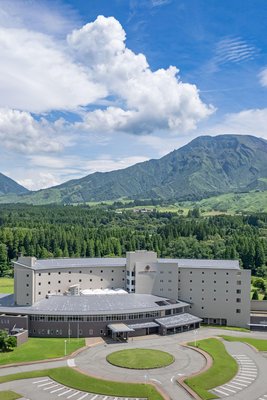
KAMENOI HOTEL ASO
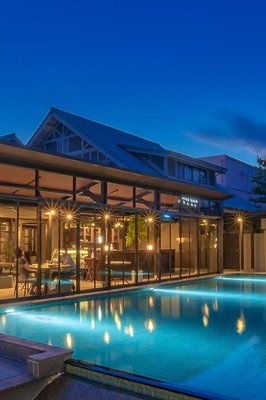
Amane Resort Gahama
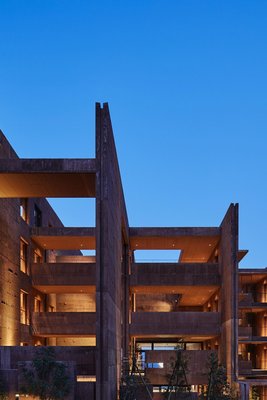
SEKIYA RESORT GALLERIA MIDOBARU
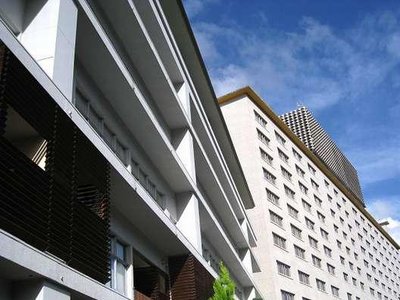
Beppu Suginoi Hotel
Hoshino Resorts KAI Tamatsukuri
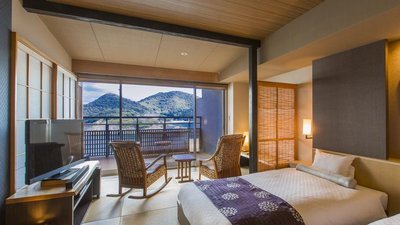
Migiwatei Ochi Kochi
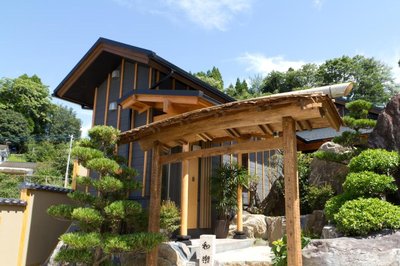
Ryokan Shinsen
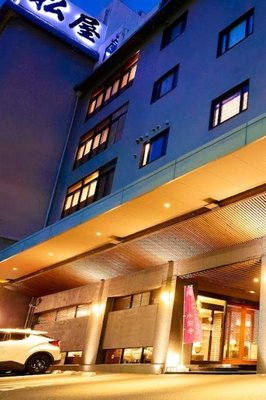
Ryotei Matsuya Honkan Suizenji
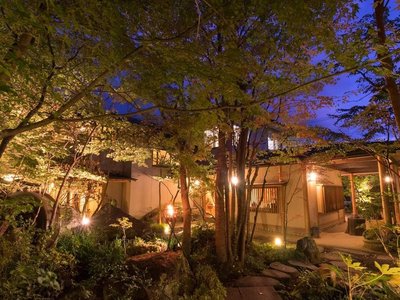
Ryoso Yufuin Yamadaya
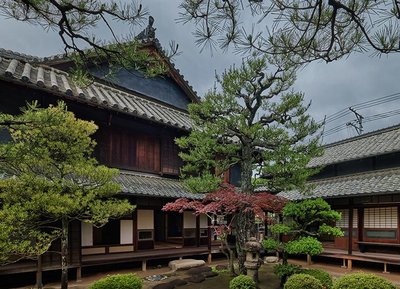
NIPPONIA HOTEL Takehara Saltworks Town
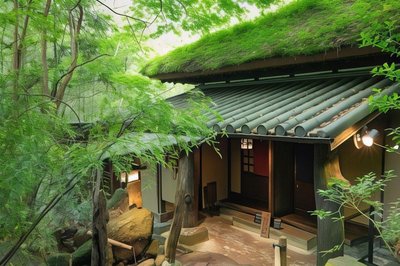
Sanso Tensui
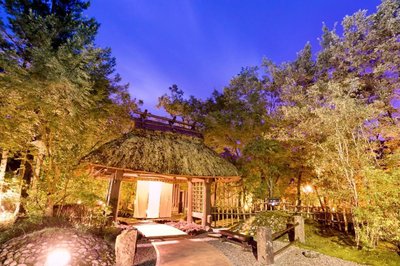
Satonoyu Waraku
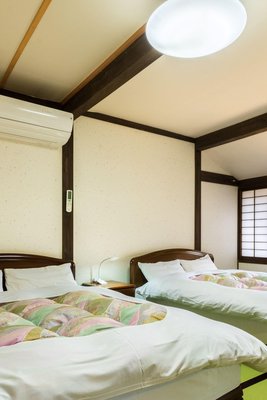
Tobise Onsen Tenga Sanso
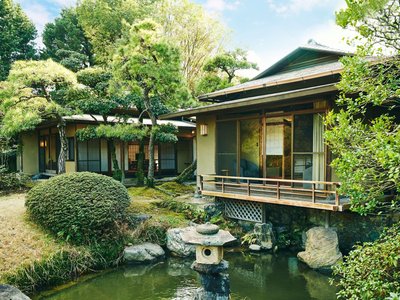
Suisui Garden Ryokan (in the Art Hotel Kokura New Tagawa)
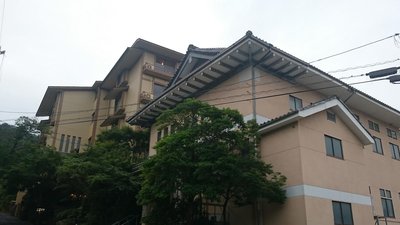
Miyajima Hotel Makoto
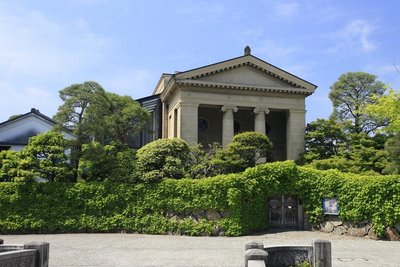
Ryori Ryokan Tsurugata
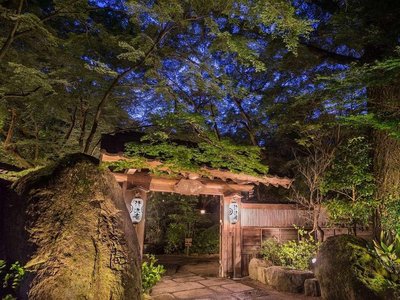
Akizuki Spa Ryokan Seiryuan
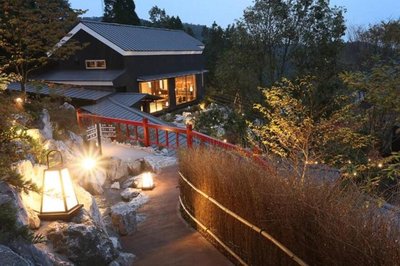
Gekkoju Kurokawa
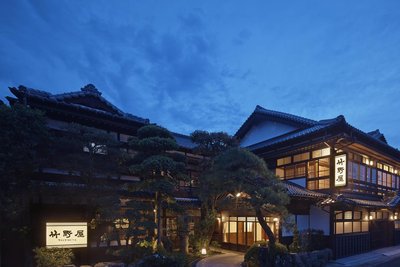
Takenoya
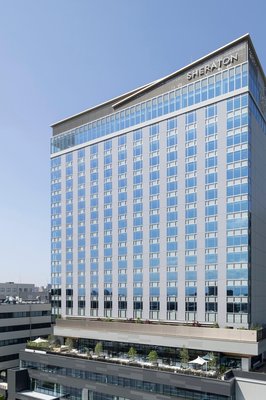
Sheraton Kagoshima
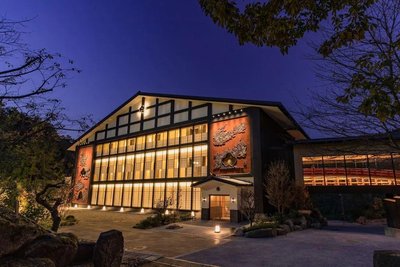
Okuhita Onsen Umehibiki
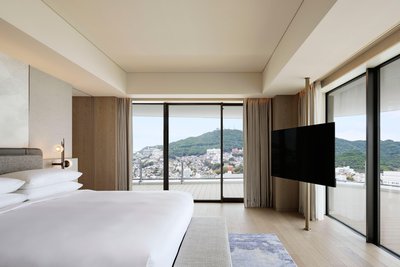
Nagasaki Marriott Hotel
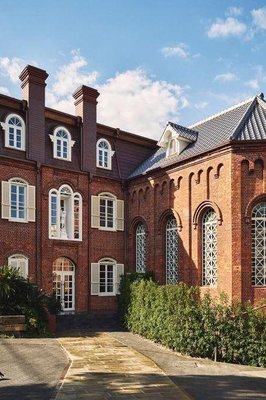
Hotel Indigo Nagasaki Glover Street by IHG
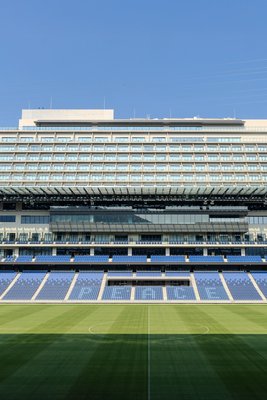
Stadium City Hotel Nagasaki
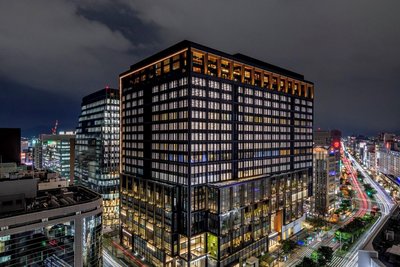
ONE FUKUOKA HOTEL
Ryokan Shinsen
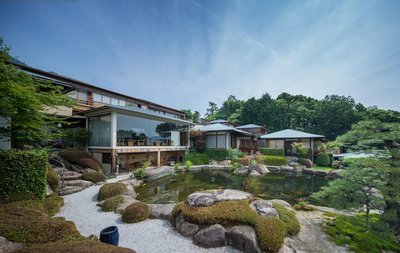
SEKITEI

Yamatoya Besso
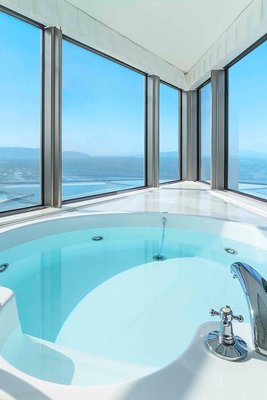
Hilton Fukuoka Sea Hawk

Olive Bay Hotel
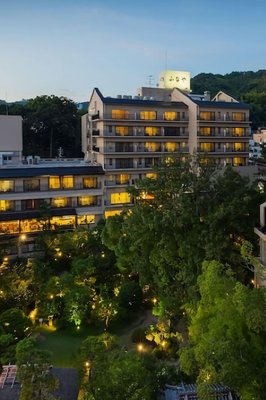
Funaya
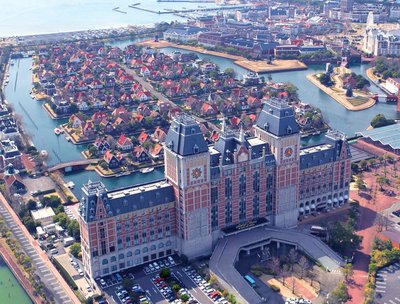
Hotel Okura Jr Huis Ten Bosch
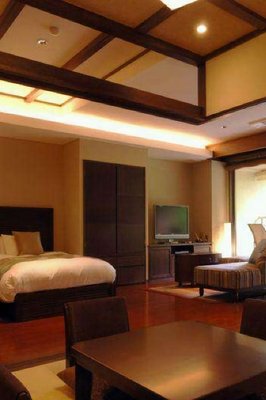
Bettei Oborozukiyo
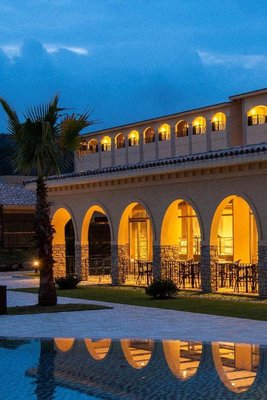
La Vista Kirishima Hills
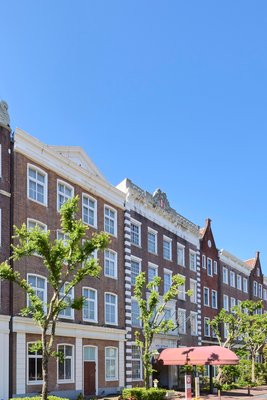
Hotel Amsterdam Huis Ten Bosch

Yumotoankiyohime
Ana InterContinental Beppu Resort & Spa
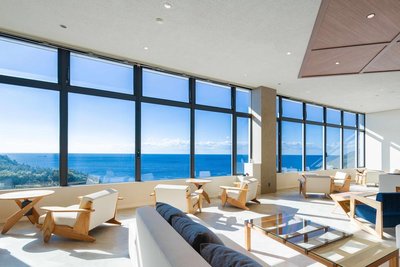
TheMana Village
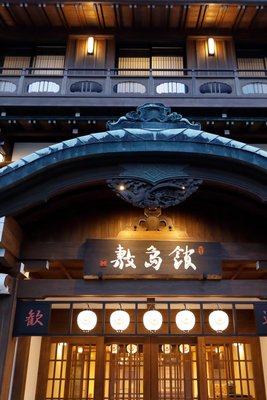
Onyado Shikishima-Kan

Hotel Barrière Fouquet's New York

The Ritz-Carlton, Fukuoka
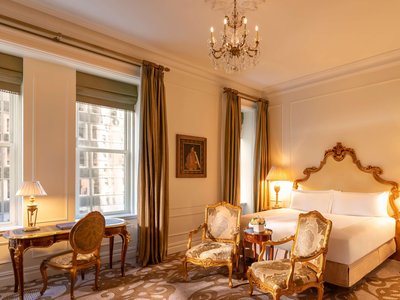
The Plaza - A Fairmont Managed Hotel
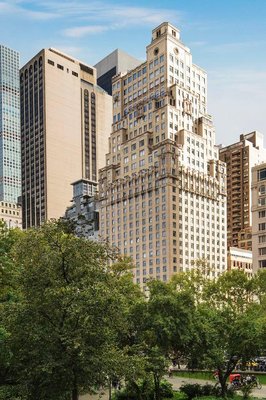
The Ritz-Carlton New York, Central Park
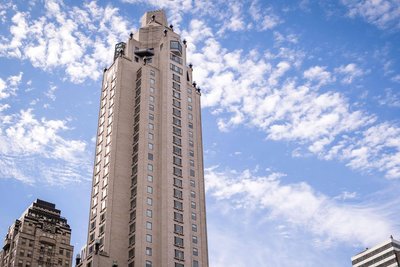
Four Seasons Hotel New York
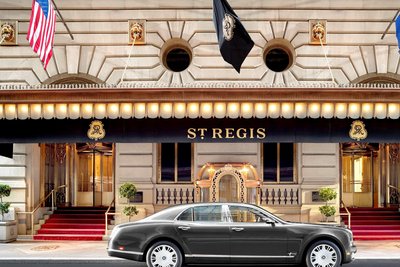
The St. Regis New York
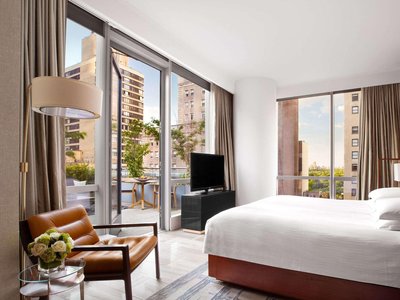
Park Hyatt New York
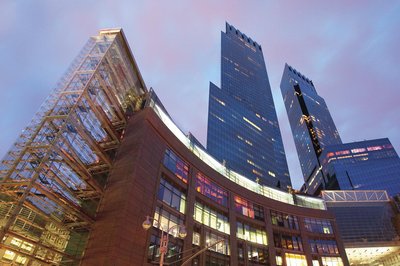
Mandarin Oriental New York
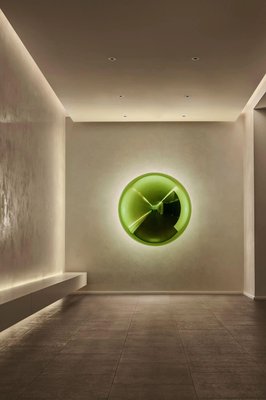
Times Square Edition New York

Loews Regency New York Hotel
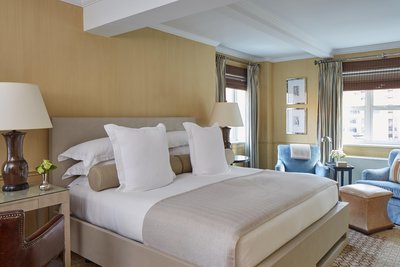
Lowell Hotel
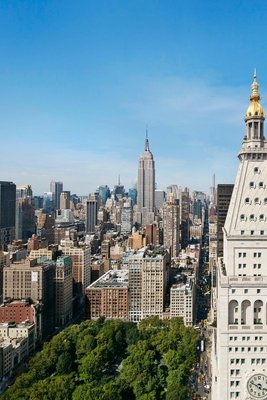
New York Edition
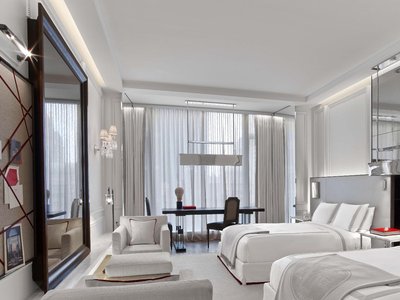
Baccarat Hotel New York

Equinox Hotel New York

Four Seasons Hotel New York Downtown
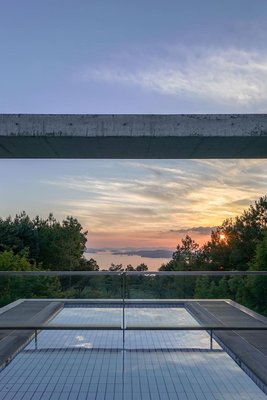
SETOUCHI RETREAT by Onko Chishin
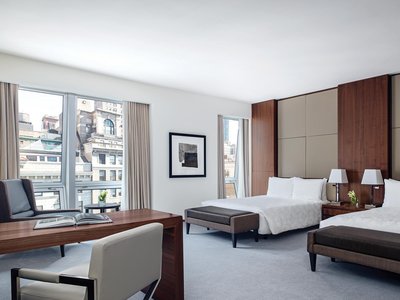
The Langham, New York, Fifth Avenue

The Carlyle, A Rosewood Hotel

The Chatwal, in the Unbound Collection by Hyatt
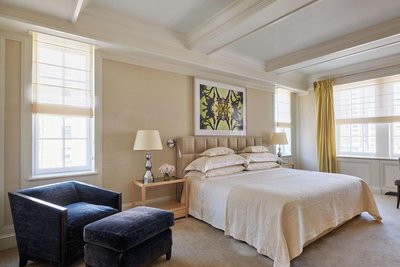
The Mark New York
Frequently Asked Questions about Traveling to Buzen, Fukuoka
Questions You Might Need to Know About Traveling to Buzen, Fukuoka
In Hōzen City, Hōzen-cho Sōbō Ryokan stands out as a top choice, blending traditional Japanese architecture with modern comfort. Located by the Hōzen River, it offers tatami rooms, authentic kaiseki breakfast, and access to an on-site tea garden where guests can experience local tea ceremony culture. Nearby attractions like Hōzen Shrine and ancient kofun burial mounds are within walking distance, making it ideal for travelers seeking history, nature, and serene ambiance.
The central district of Hōzen City is the most recommended area for lodging. It’s close to Hōzen Station and bustling shopping streets, offering easy access to local markets and street food stalls. The area is safe, well-connected, and serves as a gateway to regional tourism routes—perfect for visiting Hōzen Shrine or exploring ancient kofun sites. Its balance of convenience, tranquility, and proximity to attractions makes it ideal for both business and leisure travelers.
Visitors can take part in the annual Hōzen Festival, held at Hōzen Shrine, featuring traditional lion dances, taiko drumming, and handmade paper umbrella exhibitions. Another highlight is the local craft of earthenware pottery, available for hands-on workshops at Hōzen Ceramics Studio. Nighttime guided tours along the Hōzen River offer stories of ancient Baekje immigrants, providing a deep immersion into the city’s historical legends and cultural heritage.
Hōzen Onsen Resort is perfect for family visits, offering indoor and outdoor hot springs, a children’s playroom, and kid-friendly cooking classes. The resort features a small petting zoo and organic vegetable gardens where kids can feed lambs and harvest fresh produce. Family packages include meals and outdoor activities, plus a dedicated Kids’ Corner staffed by childcare professionals, allowing parents to relax while children enjoy supervised fun.
Key natural spots include the Hōzen River Eco Trail, lined with lush trees and frequented by white egrets—ideal for birdwatching—and Black Rock Mountain Viewpoint, offering panoramic views of the entire city and Oita Basin. At sunset, the golden light over rice fields creates a breathtaking scene. Additionally, Higashi-Yama Forest Park hosts century-old cherry blossoms, drawing crowds each spring for photography and picnics in a peaceful woodland setting.
Must-try dishes include Hōzen Pickled Mackerel, marinated for seven days for a savory-sweet flavor, often served with local rice. Another specialty is Clay Pot Rice, cooked slowly in traditional earthenware with regional red onions and mountain chicken, delivering rich, earthy taste. Don’t miss the seasonal wood-fired sweet potato, crispy outside and soft inside, sold at Hōzen Morning Market—a winter favorite enjoyed fresh off the grill.
Though Hōzen City is quiet, transportation is surprisingly convenient. Hōzen Station is accessible via the Nippo Main Line, connecting to Fukuoka in about 45 minutes. Free shuttle buses link major attractions and hotels. For exploring rural areas, electric bicycles are available for rent, equipped with rest stops and multilingual maps. The Hōzen Tourism Center provides language-assisted travel guides and itinerary planning services for all visitors.
Photographers love the morning mist over Hōzen River and the sunrise view from Black Rock Mountain, where fog drifts through the valley creating ethereal compositions. The vermilion torii gate at Hōzen Shrine framed by a centuries-old camphor tree forms a stunning visual corridor. In winter, snow-covered cherry blossoms at Higashi-Yama Forest Park become a popular subject—ideal for wide-angle shots and long-exposure photography under starlit skies.
The Hōzen Lantern Festival in summer lights up the Hōzen River with thousands of paper lanterns, symbolizing blessings and warding off misfortune—a magical sight at night. In autumn, the Harvest Thanksgiving Festival celebrates the season with folk dances, communal meals of millet cakes and rice wine dumplings, and traditional attire. These events welcome public participation, offering authentic cultural immersion.
While not a major onsen town, Hōzen City boasts several natural hot springs. Hōzen Onsen Estate features weak alkaline bicarbonate springs (around 42°C), known for skin benefits. The resort combines traditional gardens with open-air baths and forest bathing areas. Some premium hotels, like Hōzen Onsen Resort, offer private onsen rooms and aromatherapy massages—perfect for relaxation amid serene countryside surroundings.
Buzen, Fukuoka Overview
City Summary
Buzen City, located in the northeastern part of Fukuoka Prefecture, Japan, is a city rich in history and natural beauty. Known for its ancient temples, hot springs, and stunning coastline, it is an ideal destination for those seeking tranquility and cultural experiences. Buzen also boasts abundant marine resources, offering delicious seafood cuisine.
Must-See Attractions
Key attractions in Buzen include the historic Zenkoji Temple and the breathtaking Suo-nada Coastline. Zenkoji Temple is a significant Buddhist site with a thousand years of history, offering a serene and sacred atmosphere. The Suo-nada Coastline is famous for its clear waters and spectacular sunsets, making it a paradise for photographers. Additionally, the city's hot springs are a must-try experience.
Food Guide
Buzen is renowned for its seafood. Don't miss the local "Buzen Seafood Bowl," featuring fresh fish and shellfish over rice. Another specialty is "sea bream cuisine," especially grilled sea bream and sashimi. For street food, try "Buzen Karaage," crispy fried chicken loved by locals.
Transportation Guide
Transportation in Buzen primarily relies on buses and trains. The JR Nippo Line connects Buzen to Fukuoka City, with a travel time of about 2 hours. The city bus network is well-developed, providing easy access to major attractions. Taxis are also available but more expensive. Consider purchasing a one-day bus pass for cost savings. Renting a car is another convenient option, with several rental locations in the city.
Best Time to Visit
The best times to visit are spring (March to May) and autumn (September to November), when the weather is mild and perfect for outdoor activities. Summer (June to August) is hot but great for beach activities. Winter (December to February) is colder but ideal for enjoying hot springs.
Travel Tips
- When visiting temples, maintain a quiet demeanor and respect religious customs.
- Be aware of tidal changes when engaging in beach activities for safety.
- Before entering a hot spring, rinse your body and follow local etiquette.
- Ensure seafood is fresh to avoid food poisoning.
- Check public transport schedules to avoid delays.
- Carry cash when shopping, as some small shops may not accept credit cards.
Useful Information
Japanese is the primary language, and English proficiency is limited. Learning basic Japanese phrases or using a translation app is recommended. Free Wi-Fi hotspots are available but coverage is limited, so consider purchasing a local SIM card. Credit cards are accepted at larger establishments, but cash is still widely used. For emergencies, dial 119, and there are several hospitals and pharmacies in the city. Travel insurance is advisable to cover unexpected situations.