Hotels in Buzen, Fukuoka
Discover your perfect stay in Buzen, Fukuoka.
Buzen, Fukuoka(Japan) Travel 2026: Cheap Flights, Hotels & Top Attractions
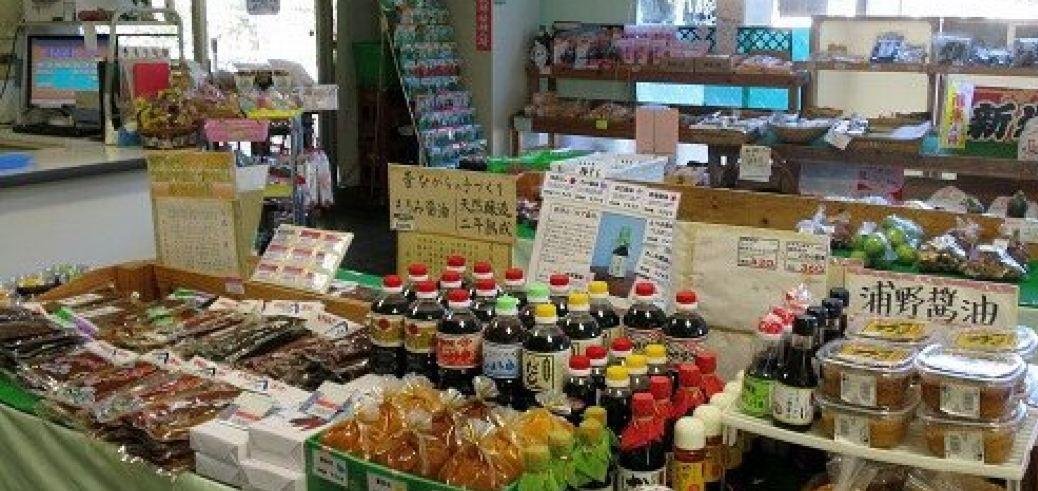
Popular Landmarks in Buzen, Fukuoka
Discover the most iconic attractions in Buzen, Fukuoka
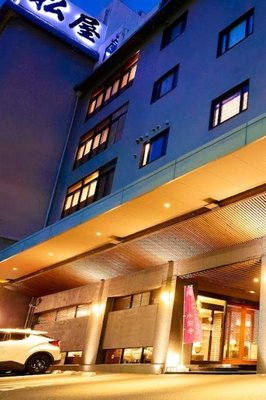
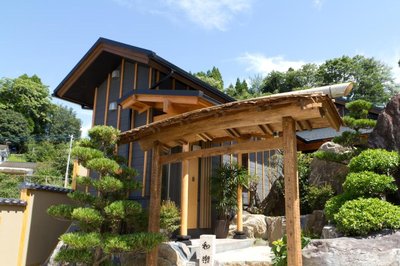
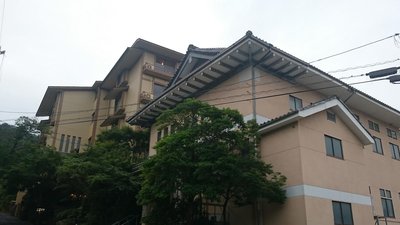
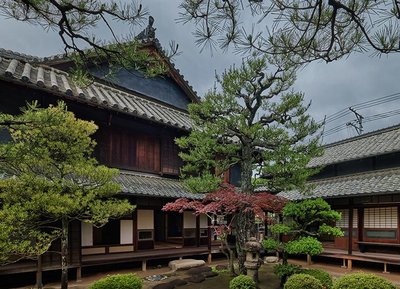
Recommended Hotels in Buzen, Fukuoka
Find the perfect place to stay in Buzen, Fukuoka
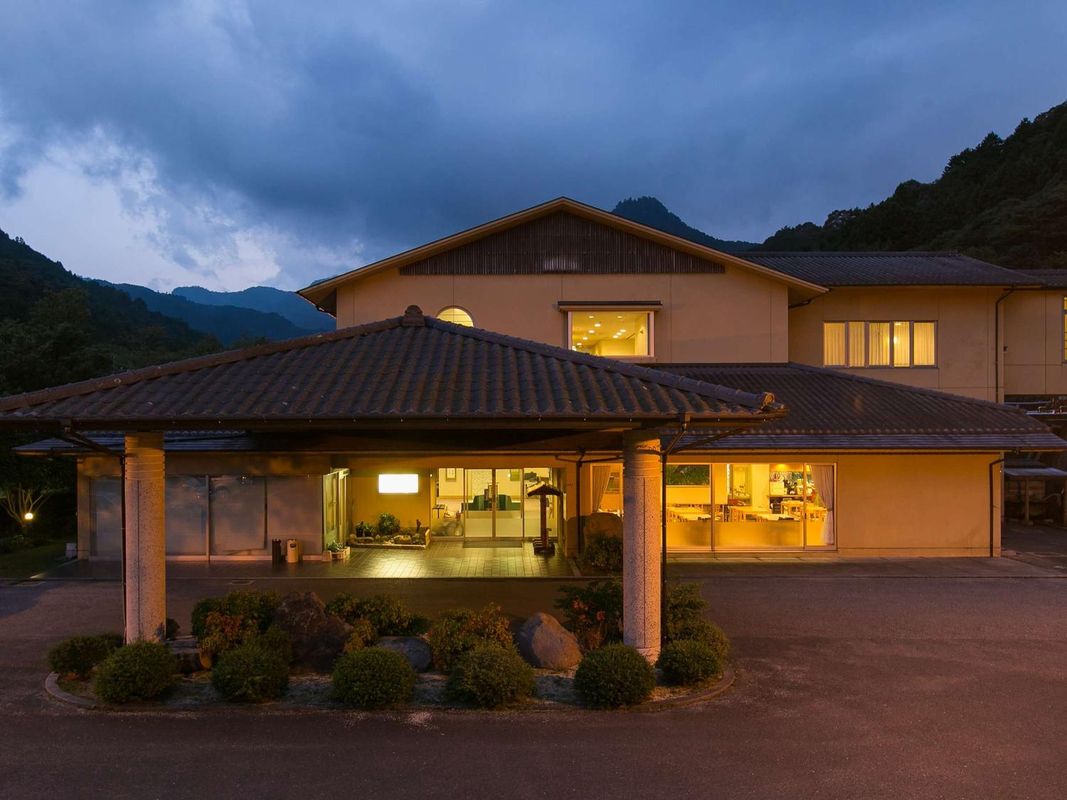
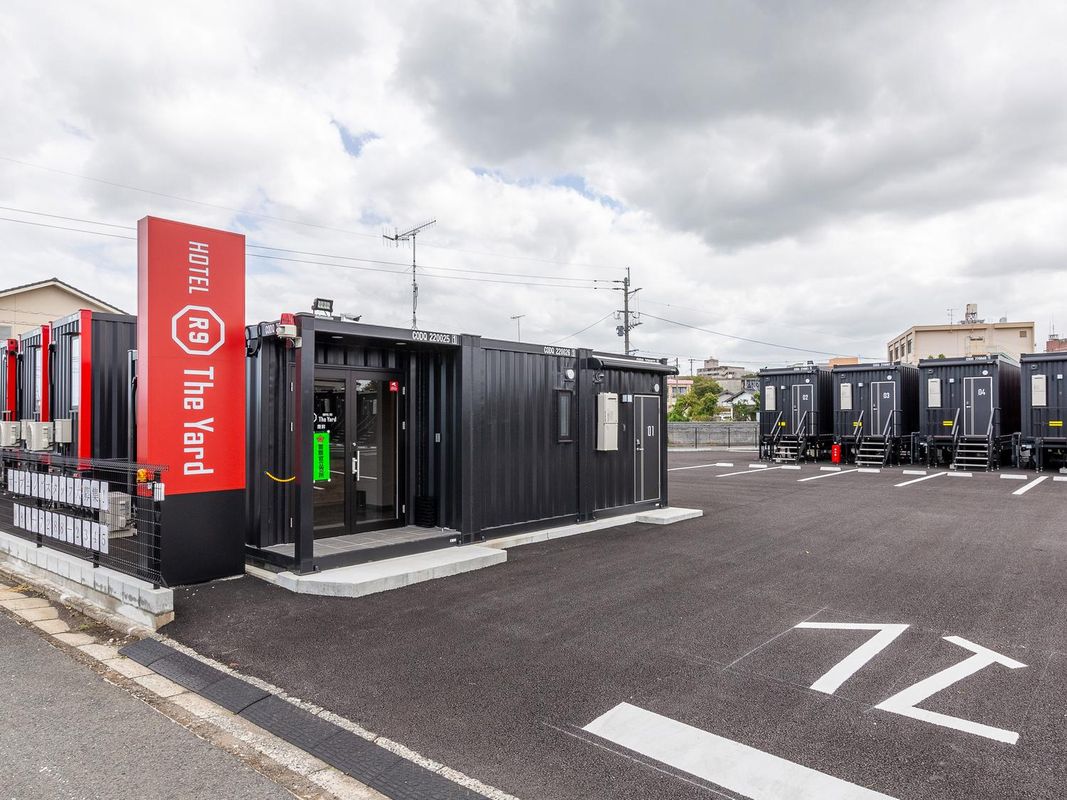
Best Hotels in Buzen, Fukuoka
Discover curated hotel collections in Buzen, Fukuoka

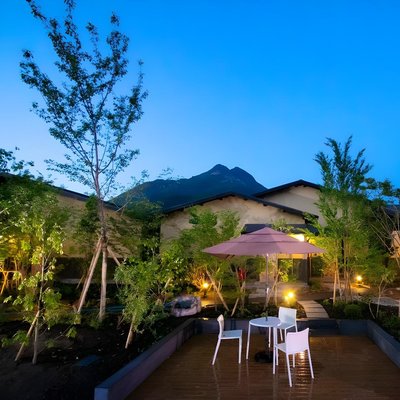

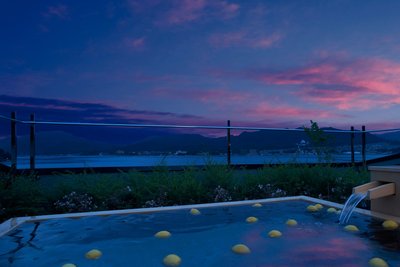
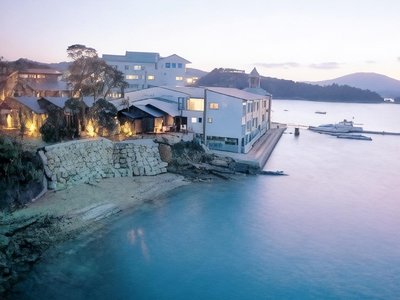
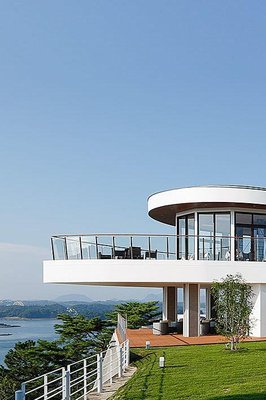
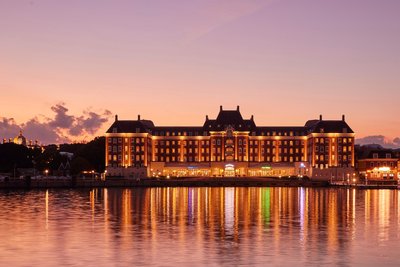
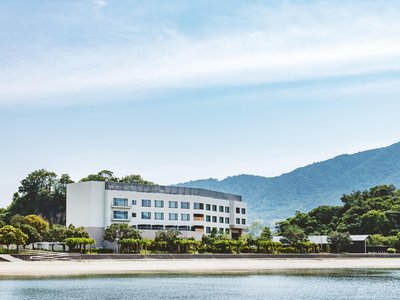

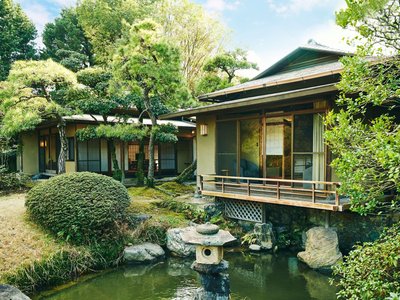
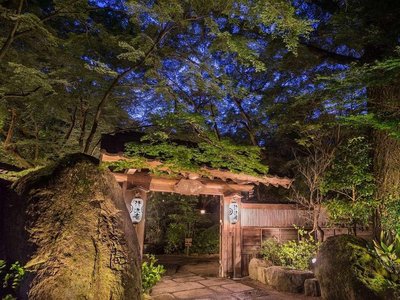
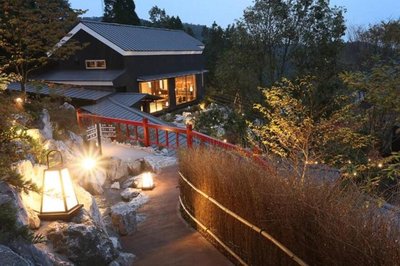












Frequently Asked Questions about Traveling to Buzen, Fukuoka
Questions You Might Need to Know About Traveling to Buzen, Fukuoka
Buzen, Fukuoka Overview
City Summary
Buzen City, located in the northeastern part of Fukuoka Prefecture, Japan, is a city rich in history and natural beauty. Known for its ancient temples, hot springs, and stunning coastline, it is an ideal destination for those seeking tranquility and cultural experiences. Buzen also boasts abundant marine resources, offering delicious seafood cuisine.
Must-See Attractions
Key attractions in Buzen include the historic Zenkoji Temple and the breathtaking Suo-nada Coastline. Zenkoji Temple is a significant Buddhist site with a thousand years of history, offering a serene and sacred atmosphere. The Suo-nada Coastline is famous for its clear waters and spectacular sunsets, making it a paradise for photographers. Additionally, the city's hot springs are a must-try experience.
Food Guide
Buzen is renowned for its seafood. Don't miss the local "Buzen Seafood Bowl," featuring fresh fish and shellfish over rice. Another specialty is "sea bream cuisine," especially grilled sea bream and sashimi. For street food, try "Buzen Karaage," crispy fried chicken loved by locals.
Transportation Guide
Transportation in Buzen primarily relies on buses and trains. The JR Nippo Line connects Buzen to Fukuoka City, with a travel time of about 2 hours. The city bus network is well-developed, providing easy access to major attractions. Taxis are also available but more expensive. Consider purchasing a one-day bus pass for cost savings. Renting a car is another convenient option, with several rental locations in the city.
Best Time to Visit
The best times to visit are spring (March to May) and autumn (September to November), when the weather is mild and perfect for outdoor activities. Summer (June to August) is hot but great for beach activities. Winter (December to February) is colder but ideal for enjoying hot springs.
Travel Tips
- When visiting temples, maintain a quiet demeanor and respect religious customs.
- Be aware of tidal changes when engaging in beach activities for safety.
- Before entering a hot spring, rinse your body and follow local etiquette.
- Ensure seafood is fresh to avoid food poisoning.
- Check public transport schedules to avoid delays.
- Carry cash when shopping, as some small shops may not accept credit cards.
Useful Information
Japanese is the primary language, and English proficiency is limited. Learning basic Japanese phrases or using a translation app is recommended. Free Wi-Fi hotspots are available but coverage is limited, so consider purchasing a local SIM card. Credit cards are accepted at larger establishments, but cash is still widely used. For emergencies, dial 119, and there are several hospitals and pharmacies in the city. Travel insurance is advisable to cover unexpected situations.









