Hotels in Cabeceiras de Basto
Discover your perfect stay in Cabeceiras de Basto.
Cabeceiras de Basto(Portugal) Travel 2026: Cheap Flights, Hotels & Top Attractions
Popular Landmarks in Cabeceiras de Basto
Discover the most iconic attractions in Cabeceiras de Basto
Recommended Hotels in Cabeceiras de Basto
Find the perfect place to stay in Cabeceiras de Basto
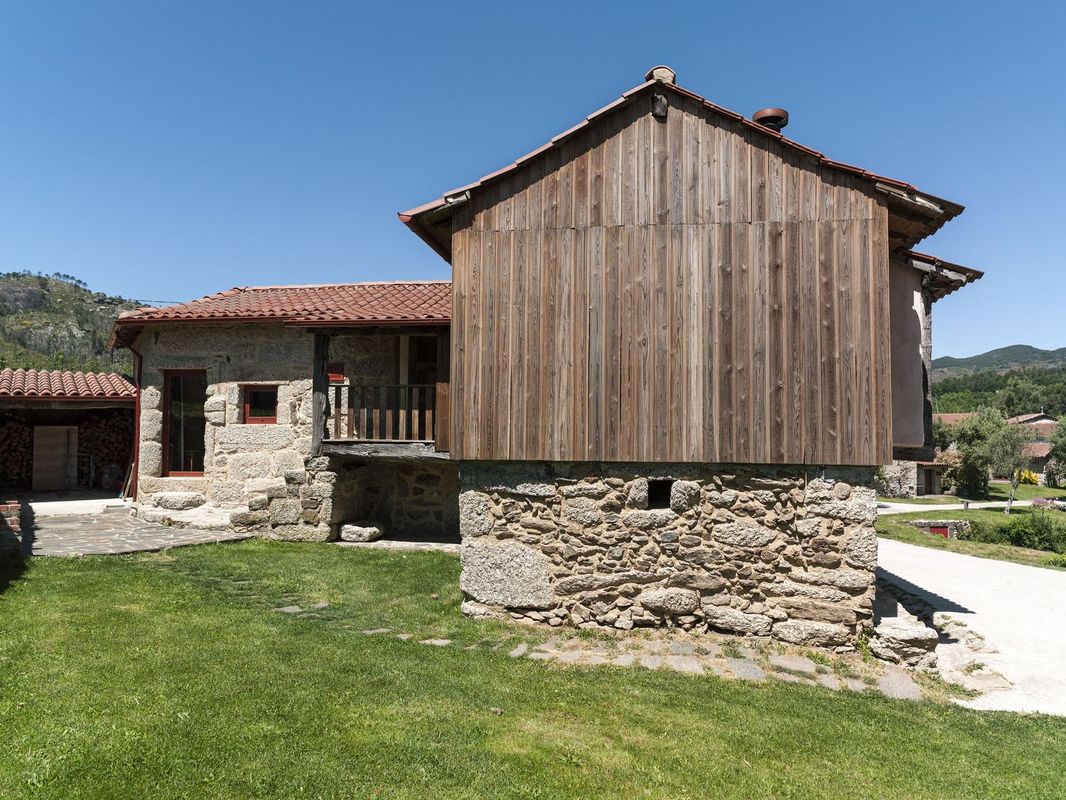
Quinta do Rapozinho
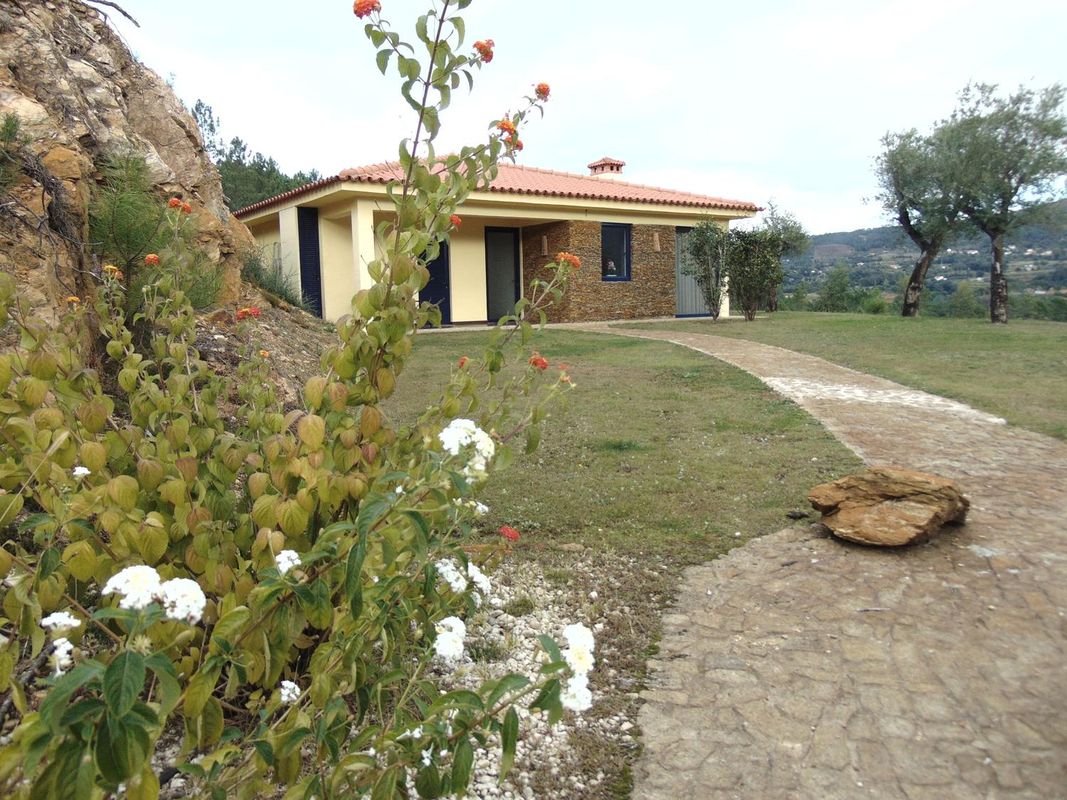
Boavista Country Houses
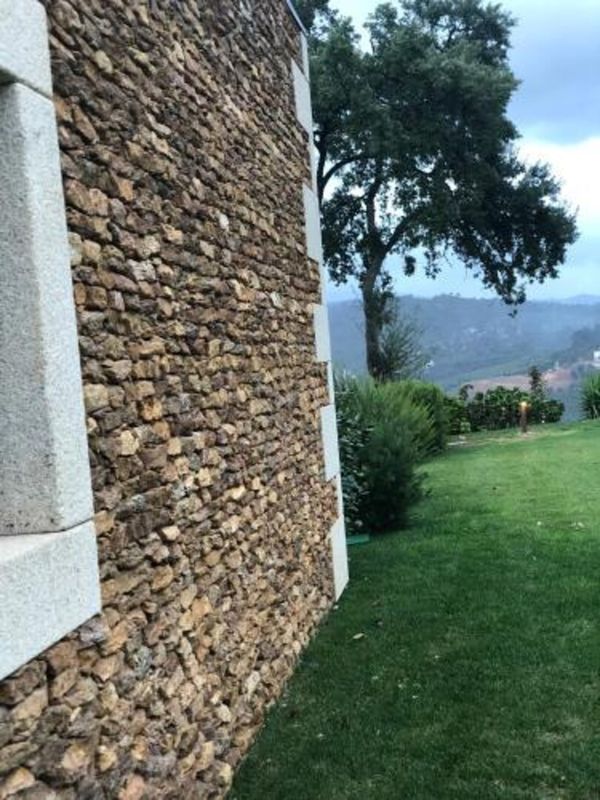
Bosque da Harmonia
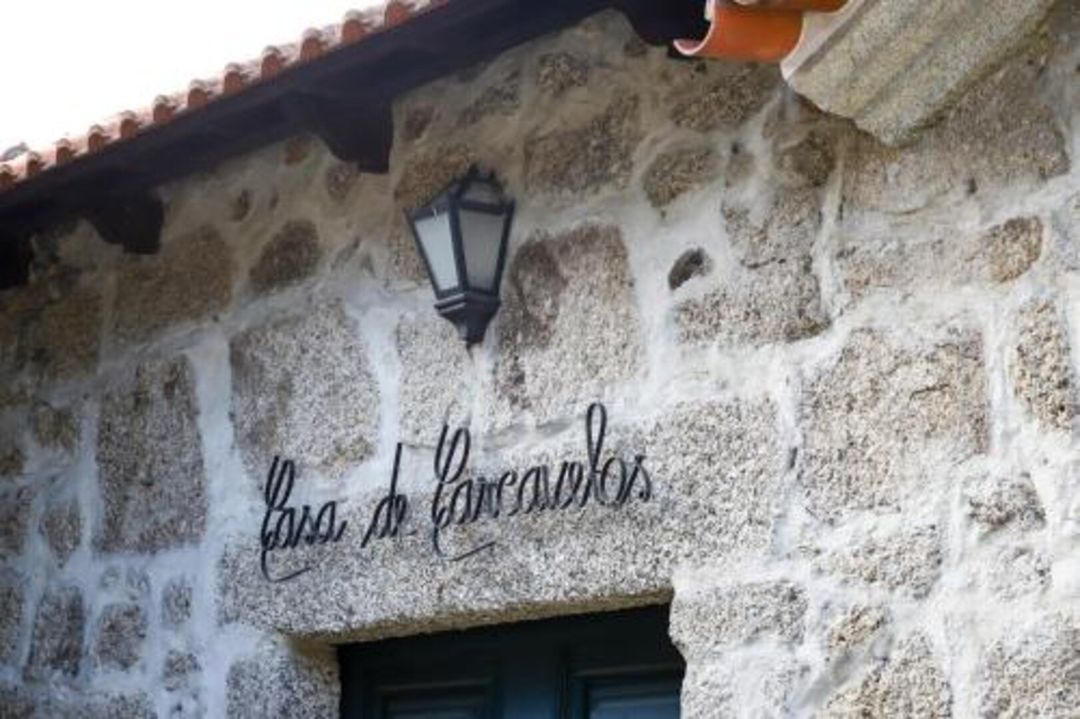
Casa de Carcavelos
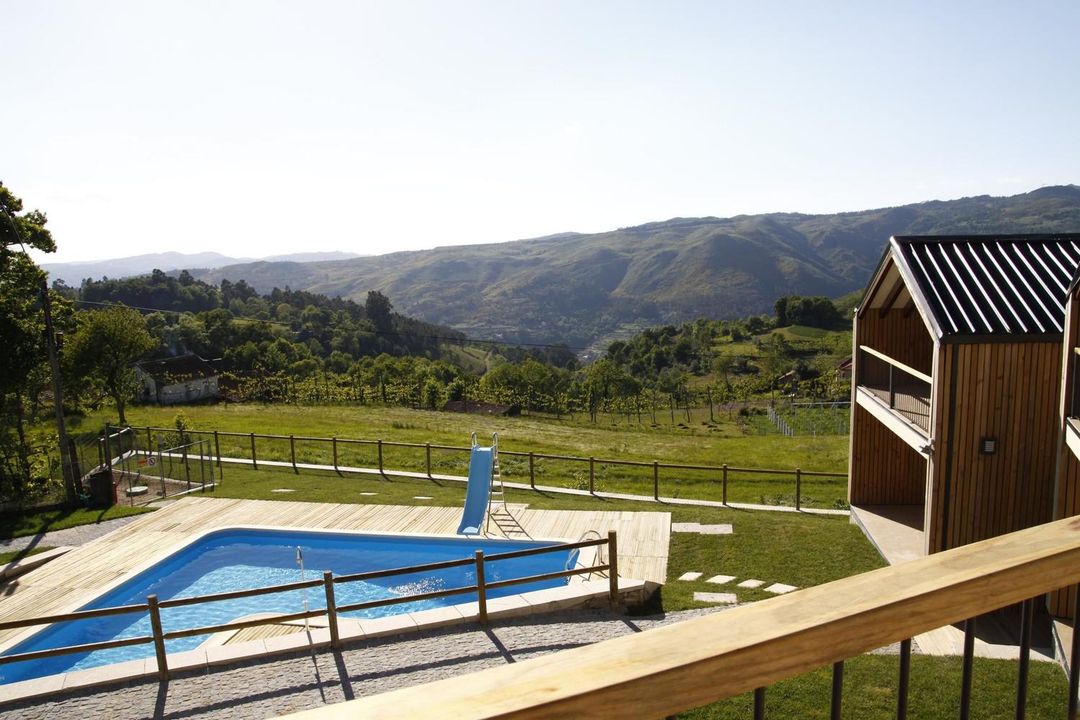
Casa de Lobos
Frequently Asked Questions about Traveling to Cabeceiras de Basto
Questions You Might Need to Know About Traveling to Cabeceiras de Basto
Top boutique stays in Cabanas de Basto include Casa do Penedo Hotel & Spa, a restored stone farmhouse blending rustic charm with modern luxury, offering panoramic views of the Douro Valley. Another standout is Quinta da Serra, a family-run vineyard estate with private wine tastings and organic meals. Both provide authentic rural Portuguese experiences with exceptional service and eco-conscious design.
The best area for serene stays is the hillside neighborhoods surrounding the town center, especially near São Miguel Church and the Douro River Trail. These elevated spots offer peaceful surroundings, fresh air, and stunning sunrise views over terraced vineyards. Choose accommodations like Solar dos Olivos or Casa da Pedra, which feature private gardens and outdoor seating perfect for unwinding amidst nature.
Visitors can join hands-on traditional pottery workshops led by local artisans, crafting colorful ceramics typical of northern Portugal. The annual Douro Harvest Festival features folk dances, craft markets, and Port wine tastings. For deeper immersion, book a family farm dinner where dishes like wild mushroom stew and grass-fed lamb are prepared with heirloom recipes passed down through generations.
Must-see landmarks include Igreja de São Miguel, a 16th-century Gothic church with stained glass and intricate stone carvings; the Douro River Trail (Trilho do Douro), ideal for scenic walks with sweeping valley views; and the Moinho Velho (Old Mill), a preserved water-powered mill now housing a small museum showcasing agricultural heritage and rural life in the region.
Yes, Cabanas de Basto is excellent for families. The village offers safe, open spaces and child-friendly activities such as guided nature trails, farm visits, and interactive workshops. Accommodations like Quinta das Laranjeiras provide family suites, organic meals, and evening stargazing events. A small local museum also educates children about traditional farming and regional history in an engaging way.
The easiest route is taking a CP train from Lisbon to Amarante Station (approx. 2 hours), then transferring to a local bus or taxi (30 minutes) to Cabanas de Basto. Alternatively, book a private transfer for a direct ride (~2.5 hours), allowing you to enjoy the scenic Douro Valley landscape along the way. HopeGoo train tickets in advance is recommended, especially during peak season.
Local cuisine highlights include Bacalhau à Brás (shredded cod with onions and eggs) and Pão de Ló, a rich sponge cake made with egg yolks and honey. Don’t miss trying Port wine at a family-owned winery. Restaurants like Restaurante O Forno serve slow-roasted lamb with wild herbs and locally sourced olive oil, capturing the true essence of northern Portuguese terroir.
Best visiting times are spring (April–June) and autumn (September–October) when temperatures range between 18–25°C, ideal for hiking and vineyard tours. Summer can be warm but occasionally rainy; winter brings cold, foggy mornings and slippery paths. Spring and autumn coincide with harvest season, offering unique opportunities to participate in grape picking and wine-making events.
Photographers should visit the century-old olive tree in front of São Miguel Church, whose twisted branches create dramatic shadows on cobblestone paths. The Miradouro da Ponte viewpoint offers breathtaking sunset shots over the winding Douro River and golden terraced vineyards. The rooftop terrace of Moinho Velho provides a panoramic vista of the entire village and surrounding hills—perfect for golden-hour photography. A wide-angle lens enhances the scene.
Nightlife is calm but charming. Small tascas (local taverns) serve homemade beer, Port wine, and tapas, often featuring live folk music in the evenings. Some guesthouses like Casa do Penedo host themed stargazing dinners with storytelling and traditional melodies. The atmosphere is intimate and community-focused, making it ideal for travelers seeking tranquility and cultural connection after a day of exploration.
Cabeceiras de Basto Overview
City Summary
Cabeceiras de Basto is a charming small town in northern Portugal, known for its medieval architecture and tranquil rural atmosphere. It boasts rich historical heritage, including ancient churches and traditional stone houses, showcasing the traditional lifestyle of northern Portugal. The town is surrounded by beautiful natural landscapes, perfect for hiking and exploration.
Must-See Attractions
Must-see attractions include the Church of Our Lady of the Assumption (Igreja de Nossa Senhora da Assunção), a 16th-century historical building with exquisite interior decorations. Additionally, the old streets of Cabeceiras de Basto are filled with medieval charm, ideal for leisurely walks. The surrounding countryside scenery is also worth visiting, especially in autumn when vineyards and olive groves display stunning colors.
Food Guide
Food Guide: The traditional Portuguese cuisine here is a must-try, especially roast suckling pig (Leitão Assado) and stewed goat (Cabrito Estufado). Local restaurants also serve fresh bread and olive oil, paired with local wines, offering unique flavors. Don’t forget to try Portuguese custard tarts (Pastel de Nata) for dessert.
Transportation Guide
Transportation Guide: Public transportation in Cabeceiras de Basto is limited, so self-driving is recommended for exploring the surrounding areas. The town is about a 1-2 hour drive from Porto or Braga. Walking is sufficient for exploring the town, but renting a car is the best option for visiting more distant attractions.
Best Time to Visit
The best time to visit is during spring (April to June) and autumn (September to October), when the weather is mild and there are fewer tourists. Summer is warm but can be crowded.
Travel Tips
- Respect local culture: Portuguese people are friendly but value etiquette; dress modestly when entering churches.
- Cash payments: Many places in town may not accept credit cards, so carrying cash is advisable.
- Language: While English is commonly understood in tourist areas, learning a few Portuguese phrases will be appreciated.
- Safety: The town is generally safe, but keep an eye on your belongings.
- Slow pace: Life here is relaxed, so enjoy a leisurely travel experience.
Useful Information
Useful Information: Portugal uses 230V voltage with Type F sockets. Network coverage is good, but signals may be weak in rural areas. Medical facilities are more comprehensive in nearby cities like Braga, so travel insurance is recommended. The local currency is the euro, and most shops accept credit cards, but small vendors may only take cash.