Hotels in Cacapava
Discover your perfect stay in Cacapava.
Cacapava(Brazil) Travel 2026: Cheap Flights, Hotels & Top Attractions
Popular Landmarks in Cacapava
Discover the most iconic attractions in Cacapava
Recommended Hotels in Cacapava
Find the perfect place to stay in Cacapava
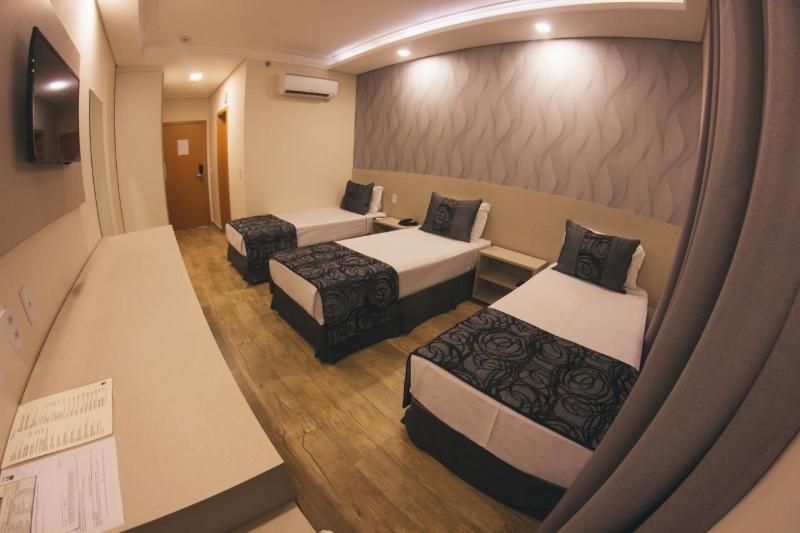
Summit Suítes Hotel Caçapava
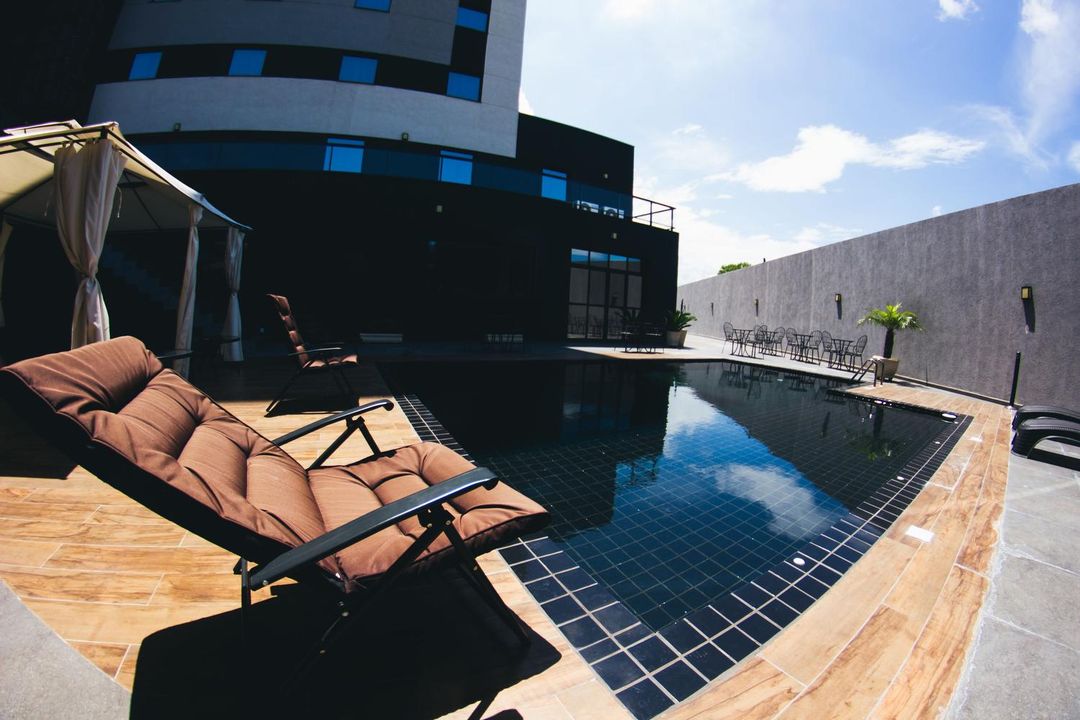
Summit Suítes Hotel Caçapava
Best Hotels in Cacapava
Discover curated hotel collections in Cacapava

Otho Hotel Convention & Spa
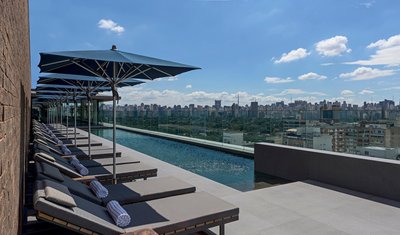
Hotel Fasano Sao Paulo Itaim
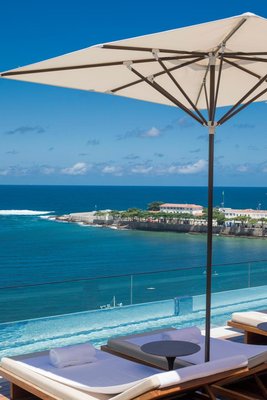
Emiliano Rio

Hotel Boutique Quebra-Noz

Fairmont Rio de Janeiro Copacabana

Copacabana Palace, A Belmond Hotel, Rio de Janeiro

Hotel Fasano Sao Paulo

Hotel Fasano Rio de Janeiro

Costa Verde Tabatinga Hotel

Hotel Fazenda Dona Carolina
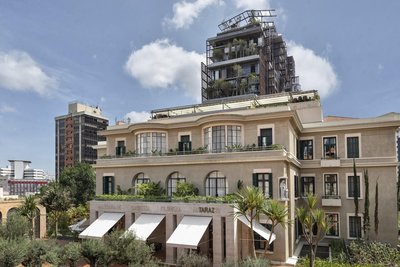
Rosewood Sao Paulo

Palacio Tangara
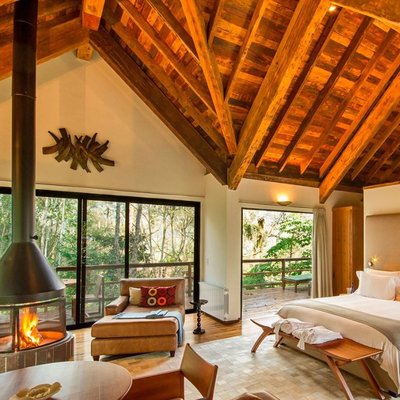
Six Senses Botanique

1819 Marine Hotel

Laghetto Stilo São Paulo

Japy Golf Resort Hotel

Royal Tulip Holambra

Hotel Pico 16
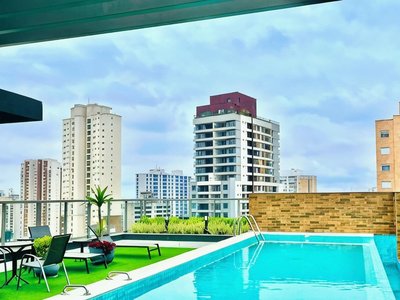
Cozzy Suites Paraíso Hotel
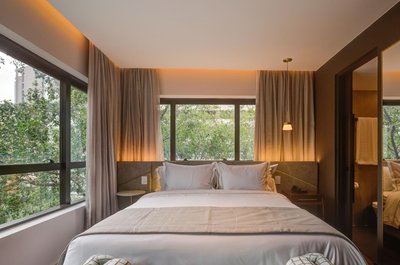
Qoya São Paulo Paulista, Curio Collection by Hilton
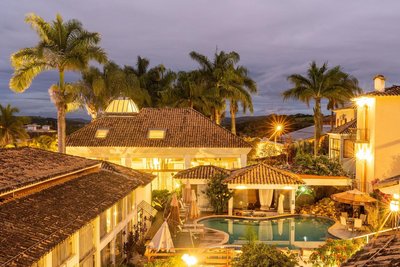
Pousada Pequena Tiradentes
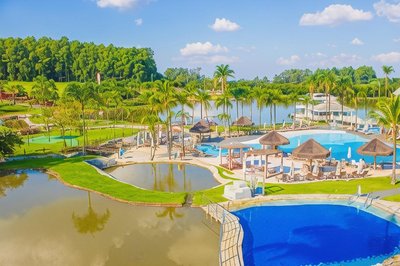
Mavsa Resort
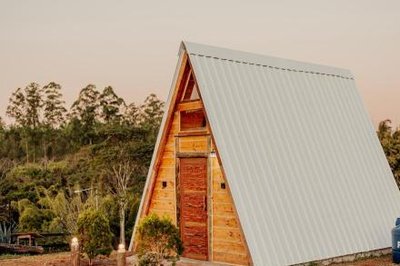
Pousada Campeira
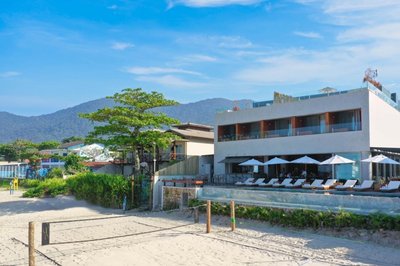
Duke Beach Hotel Maresias

Park Hotel Modelo
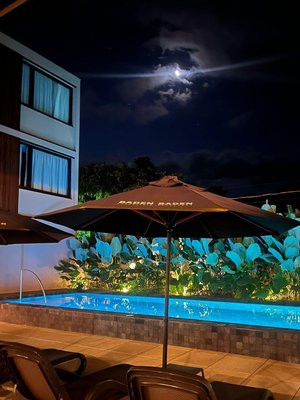
Pousada Yamandu
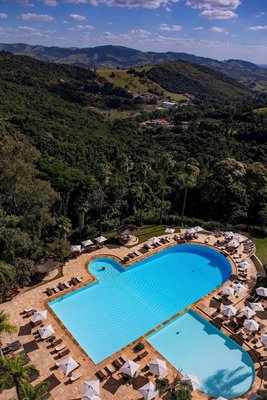
Bendito Cacao Family Resort
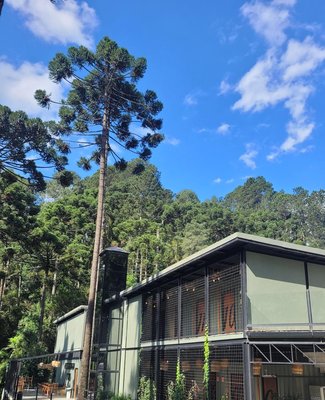
I am Boutique Campos do Jordão by Unna

Champet Boutique Hotel

Hotel Araucaria Flat
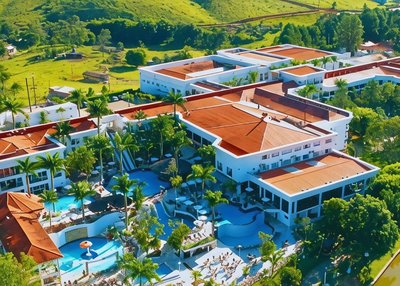
Vale Suíço Resort
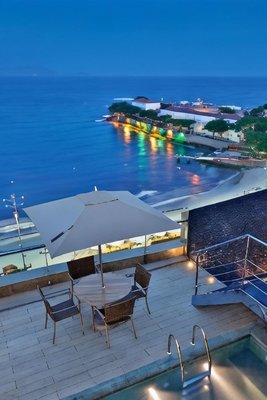
Orla Copacabana Hotel

Sheraton Santos Hotel
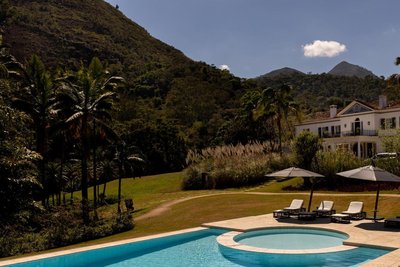
Casa Marambaia Hotel

Roots Resort
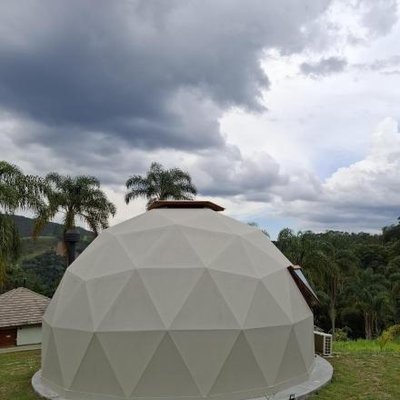
Embaúba Boutique Hotel

Casa Mantiqueira Hotel Boutique
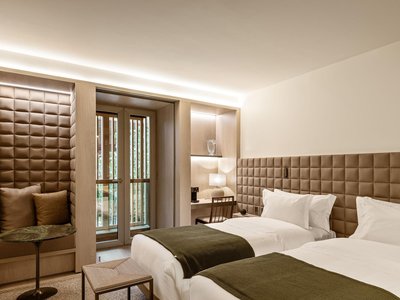
Pulso Hotel Faria Lima

W São Paulo
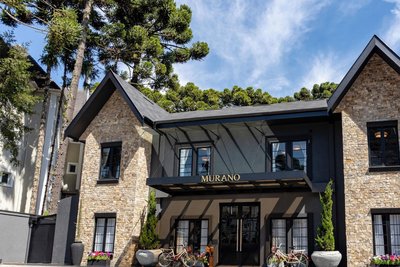
Pousada Murano
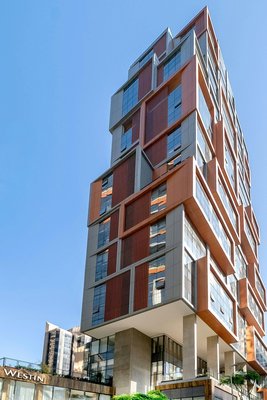
The Westin Sao Paulo

Hotel Fasano Angra Dos Reis

Renaissance São Paulo Hotel

JW Marriott Rio de Janeiro
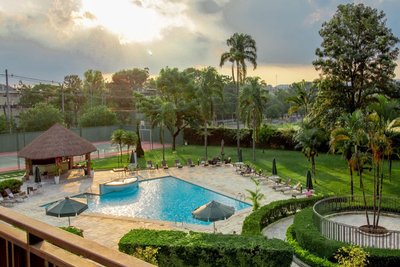
Sao Paulo Airport Marriott Hotel

Sheraton São Paulo WTC Hotel

Grand Hyatt São Paulo

Sheraton Grand Rio Hotel & Resort

Pullman Sao Paulo Ibirapuera

Grand Mercure Sao Paulo Ibirapuera

Hilton Sao Paulo Morumbi

InterContinental Hotels Sao Paulo

Gran Estanplaza Berrini

Hotel Barrière Fouquet's New York

The Plaza - A Fairmont Managed Hotel
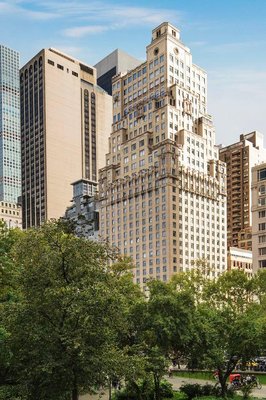
The Ritz-Carlton New York, Central Park

Four Seasons Hotel New York

The St. Regis New York
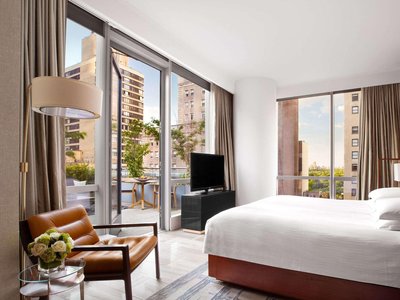
Park Hyatt New York

Mandarin Oriental New York

Times Square Edition New York

Loews Regency New York Hotel

Lowell Hotel

New York Edition
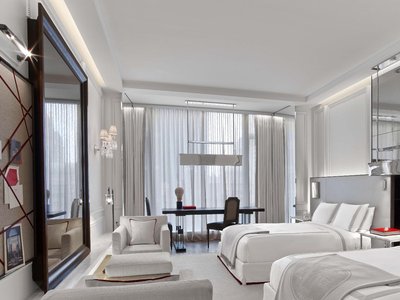
Baccarat Hotel New York

Equinox Hotel New York

Four Seasons Hotel New York Downtown

The Langham, New York, Fifth Avenue

The Carlyle, A Rosewood Hotel

The Chatwal, in the Unbound Collection by Hyatt
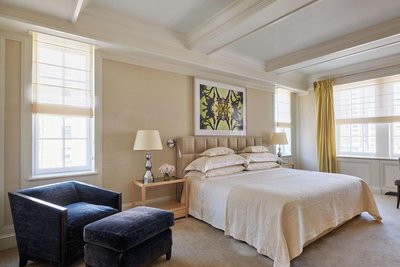
The Mark New York

Trump International Hotel & Tower® New York
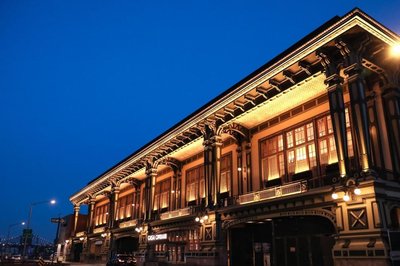
Casa Cipriani New York
Frequently Asked Questions about Traveling to Cacapava
Questions You Might Need to Know About Traveling to Cacapava
In Casa Pavao, the best-rated hotels offering nature views include Casa Pavao Garden Hotel, nestled within the Atlantic Forest Reserve. This eco-luxury retreat features floor-to-ceiling windows overlooking lush greenery, with rooms designed to blend seamlessly into the surrounding canopy. The rooftop terrace provides panoramic vistas of the treetops and distant hills, perfect for sunrise yoga or evening stargazing. Guests can enjoy guided forest walks through native trails, spotting hummingbirds and howler monkeys along the way. Each suite includes biophilic design elements—natural wood finishes, indoor plants, and ambient sounds of birdsong—to deepen the connection with nature. It's ideal for travelers seeking tranquility and immersive environmental experiences.
The Botanical Garden District in Casa Pavao is the most serene and scenic area for accommodations. Located just minutes from the São Paulo Botanical Garden, this residential enclave offers tree-lined streets, low traffic, and excellent air quality. Hotels here, like Casa Pavao Nature Retreat, feature private gardens, outdoor showers, and open-air lounges that maximize natural light and ventilation. It’s an ideal base for nature lovers, hikers, and those seeking a peaceful escape from urban life. Public transport access remains convenient via the Line 10 Metro, ensuring easy travel to downtown São Paulo while preserving the area’s tranquil ambiance.
Visitors to Casa Pavao can engage in the Weekly Artisan Market (Feira de Artesanato) held at Casa Pavao Square, where local craftspeople showcase traditional Brazilian artistry—hand-painted ceramics, intricate woven baskets, and vibrant textile designs. Attendees can participate in live workshops, such as making sacred clay masks inspired by indigenous rituals or learning to craft palm leaf lanterns. Additionally, seasonal Rainforest Conservation Talks hosted by local NGOs educate guests on the importance of protecting the Atlantic Forest biome. These authentic, community-driven experiences offer deep cultural immersion beyond typical tourist attractions.
Yes, Casa Pavao Family Resort stands out as a premier family-friendly hotel in the region. It features spacious interconnecting rooms, a supervised children’s play zone, and a dedicated nature discovery center where kids can interact with native animals like sloths and parrots. Families can join guided nature scavenger hunts through the adjacent forest trail or enjoy a cooking class focused on traditional Brazilian dishes using organic ingredients. With a shaded pool, picnic areas, and flexible meal plans, this resort ensures comfort and fun for all ages—perfect for multi-generational trips.
In Casa Pavao, seek out the Secret Kitchen Tours (Casa de Comida Local)—family-run eateries accessible only through word-of-mouth. Try grilled cassava bread with mango chutney or vanilla-infused bean stew prepared by generations-old chefs using heirloom recipes. Some kitchens also host coffee roasting workshops, where guests learn to craft small-batch Brazilian Arabica blends and pair them with house-made coconut cookies. These intimate, off-the-beaten-path dining experiences offer not just exceptional flavors but also genuine connections to local traditions and culinary heritage.
Absolutely. Many hotels in Casa Pavao embrace sustainability. Casa Pavao Garden Hotel runs on solar energy, uses compostable toiletries, and recycles rainwater for garden irrigation. The property has zero-waste initiatives: kitchen scraps become compost, and packaging is minimized. Guests receive digital carbon footprint reports during checkout, showing their impact reduction. Additionally, staff are trained in biodiversity conservation, and partnerships with local reforestation projects ensure ongoing ecological restoration. These efforts reflect Casa Pavao’s status as a model eco-tourism destination in Brazil.
Yes, Casa Pavao is well-connected via public transit. The Line 10 Metro runs directly from downtown São Paulo, with a stop at Casa Pavao Station, taking about 35 minutes. Free shuttle buses link major hotels to the metro and nearby parks. For eco-conscious travelers, electric bike-sharing stations are available across the district. While less commercial than central São Paulo, the transit system ensures efficient access to key attractions like Ibirapuera Park and the Museum of Art. Combined with clear signage and real-time tracking apps, the network supports hassle-free exploration.
Casa Pavao has a tropical humid climate with average temperatures around 24°C. During the rainy season (December–March), high humidity calls for hotels with air conditioning, dehumidifiers, and waterproof balconies. In cooler months (June–September), lightweight layers are recommended. Opt for properties with indoor green spaces or covered terraces to manage microclimate variations. Rooms facing east benefit from morning light without overheating. Most hotels now feature climate-responsive design—natural ventilation, reflective roofing, and smart thermostats—to enhance guest comfort year-round.
Definitely. Casa Pavao offers stunning photographic opportunities. Capture the ethereal morning mist above the São Paulo Botanical Garden, or frame the golden glow of sunset reflecting off Casa Pavao Creek. The Casa Pavao Art Gallery features rotating large-scale murals ideal for abstract compositions. Many boutique hotels incorporate nature-themed photography corners, such as living walls or forest-inspired interiors. Bring a wide-angle lens and tripod for long exposures during twilight. Joining a guided wildlife photography tour through the Atlantic Forest can yield rare shots of toucans, agoutis, and elusive frogs—perfect for nature and landscape enthusiasts.
Evening highlights in Casa Pavao include the Night Market at Casa Pavao Square, where stalls glow under string lights, selling handmade crafts and tropical fruit smoothies. Live music performances featuring Bossa Nova and Samba rhythms create a warm, inviting atmosphere. Some hotels host Stargazing Nights on rooftop terraces, with telescopes and astronomy guides explaining constellations visible in the Southern Hemisphere. Walking the illuminated Forest Trail Path after dark, surrounded by cicadas and distant frog calls, offers a meditative experience. These night-time offerings provide a calm, enchanting contrast to daytime bustle.
Cacapava Overview
City Summary
Caçapava is a charming town in São Paulo, Brazil, known for its tranquil atmosphere and abundant natural landscapes. With vast farmlands and dense forests, it's an ideal escape from city life. The culture here is deeply influenced by Portuguese colonial history and local agrarian traditions, offering visitors an authentic Brazilian rural experience.
Must-See Attractions
Key attractions in Caçapava include the historic São João Batista Church and the picturesque Serra do Itapeti Natural Reserve. Visitors can also explore local farms to learn about coffee and sugarcane cultivation. Outdoor enthusiasts will enjoy the hiking trails and horseback riding activities.
Food Guide
Caçapava's cuisine features traditional Brazilian rural dishes, such as Feijoada (black bean stew) and Pão de Queijo (cheese bread). Don't miss the street food like Pastel (fried pastry). The food culture blends Portuguese and local flavors, creating a unique culinary experience.
Transportation Guide
Driving is the most convenient way to get around Caçapava, as public transport is limited. Visitors can rent a car or use taxis to reach nearby attractions. Buses and trains connect Caçapava to São Paulo, with a travel time of about 2 hours. Plan routes in advance to avoid peak hours.
Best Time to Visit
The best time to visit is April to October, when the weather is cool and dry, perfect for outdoor activities. Avoid the rainy season (November to March) to prevent disruptions.
Travel Tips
- Safety: Avoid remote areas at night.
- Etiquette: Dress modestly when visiting churches.
- Customs: Locals are friendly—smiles and politeness go a long way.
- Currency: Small cash is preferred; some shops don't accept cards.
- Language: Portuguese is the main language, but some speak Spanish.
- Internet: Coverage is weak in rural areas; download maps offline.
Useful Information
Language: Portuguese is official; learn basic phrases. Internet: Wi-Fi is available in town but spotty in rural areas. Payment: Cash is common in villages; cards work in cities. Medical Care: Small clinics are available; severe cases require São Paulo. Emergency Numbers: Ambulance 192, Police 190.