Hotels in Cairo
Discover your perfect stay in Cairo.
Cairo(Egypt) Travel 2026: Cheap Flights, Hotels & Top Attractions
Popular Landmarks in Cairo
Discover the most iconic attractions in Cairo
Recommended Hotels in Cairo
Find the perfect place to stay in Cairo
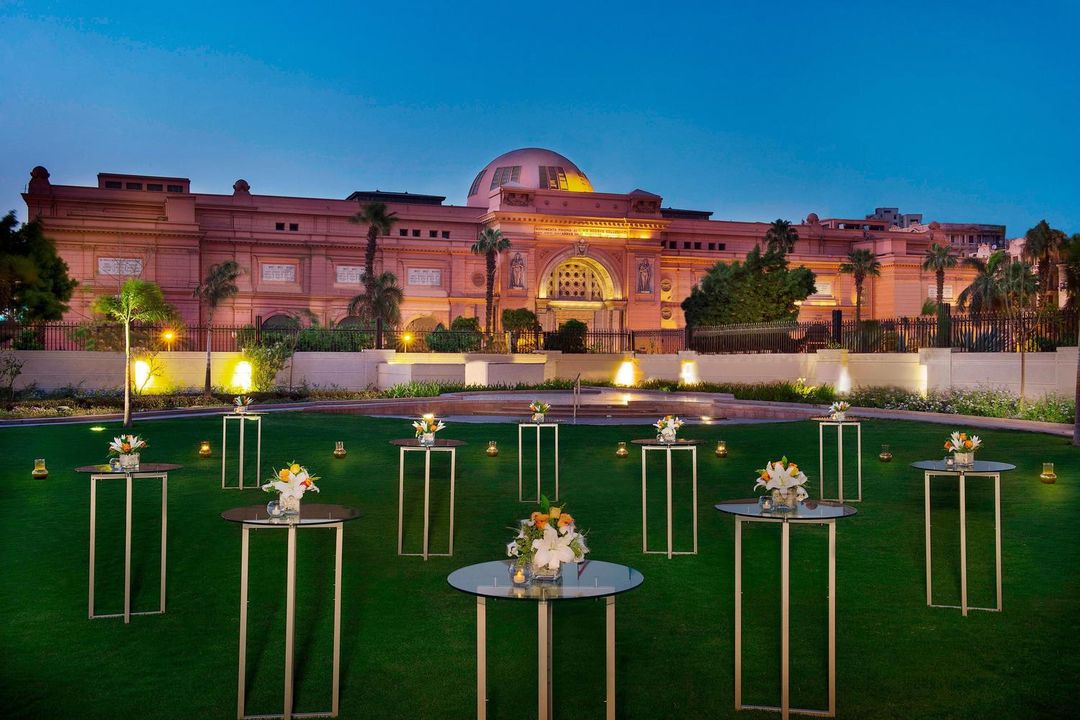
The Nile Ritz-Carlton, Cairo
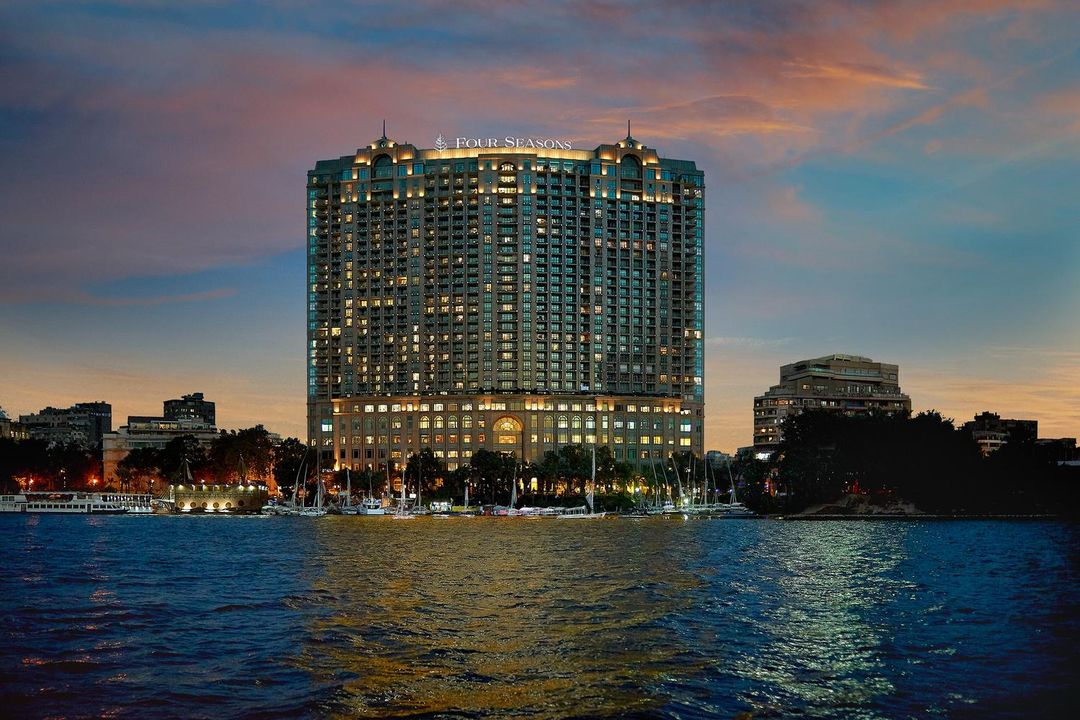
Four Seasons Hotel Cairo at Nile Plaza
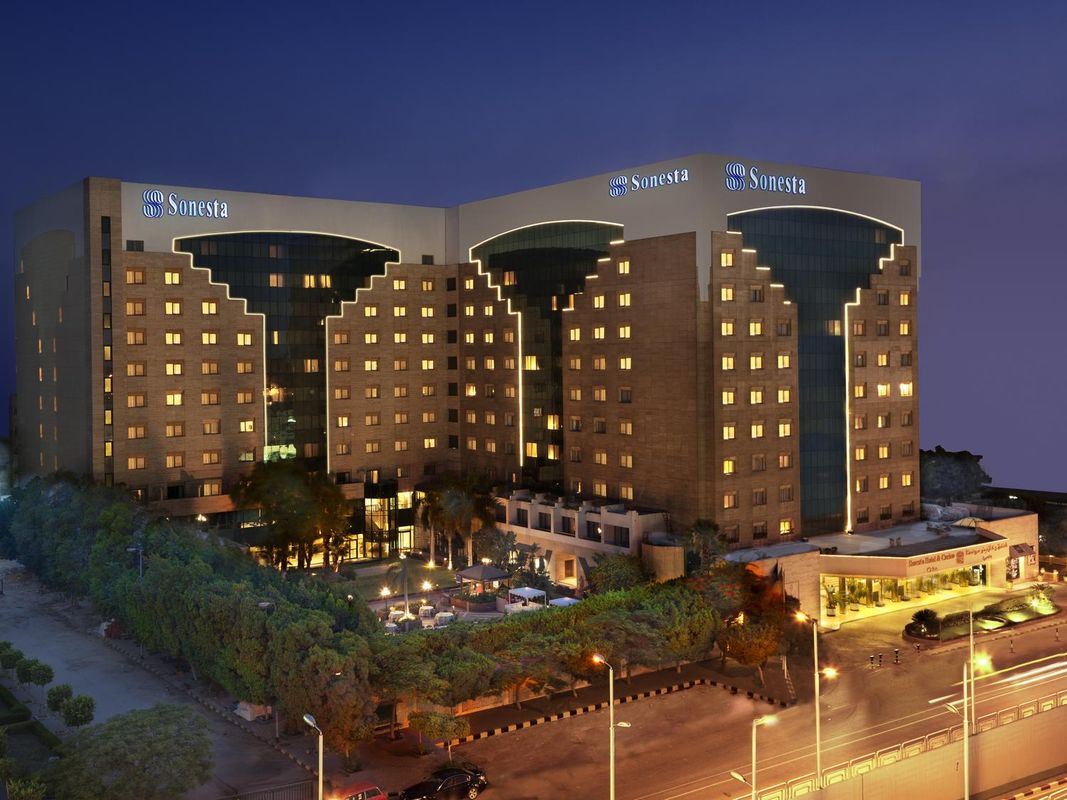
Sonesta Hotel Tower & Casino Cairo
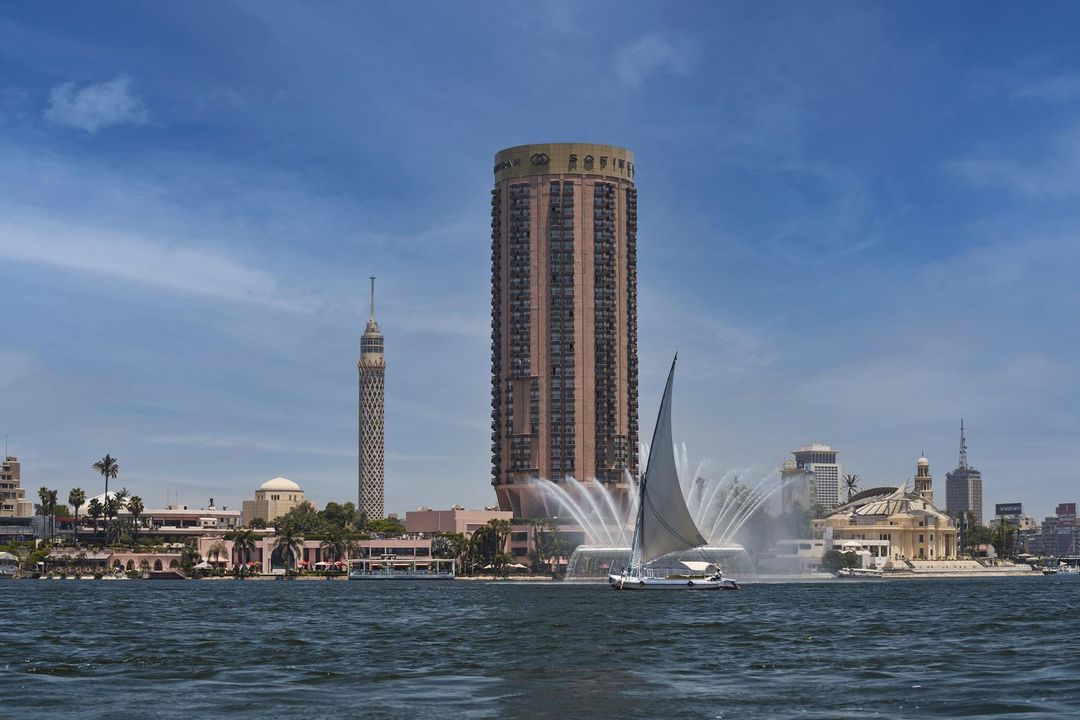
Sofitel Cairo Nile El Gezirah
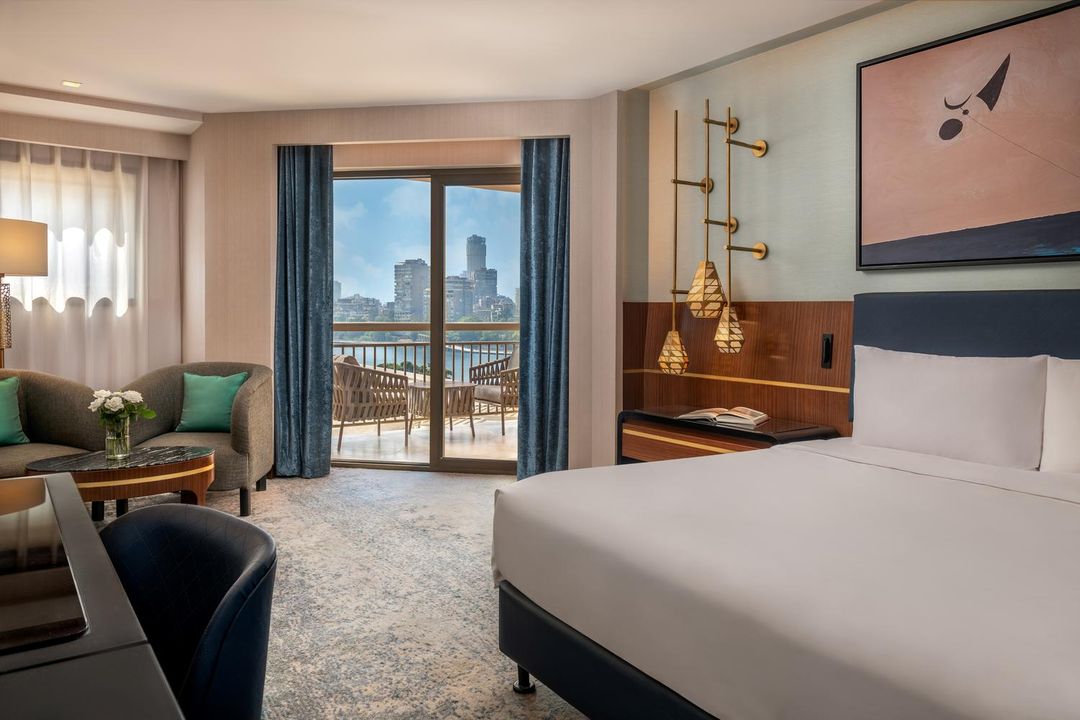
Sofitel Cairo Downtown Nile
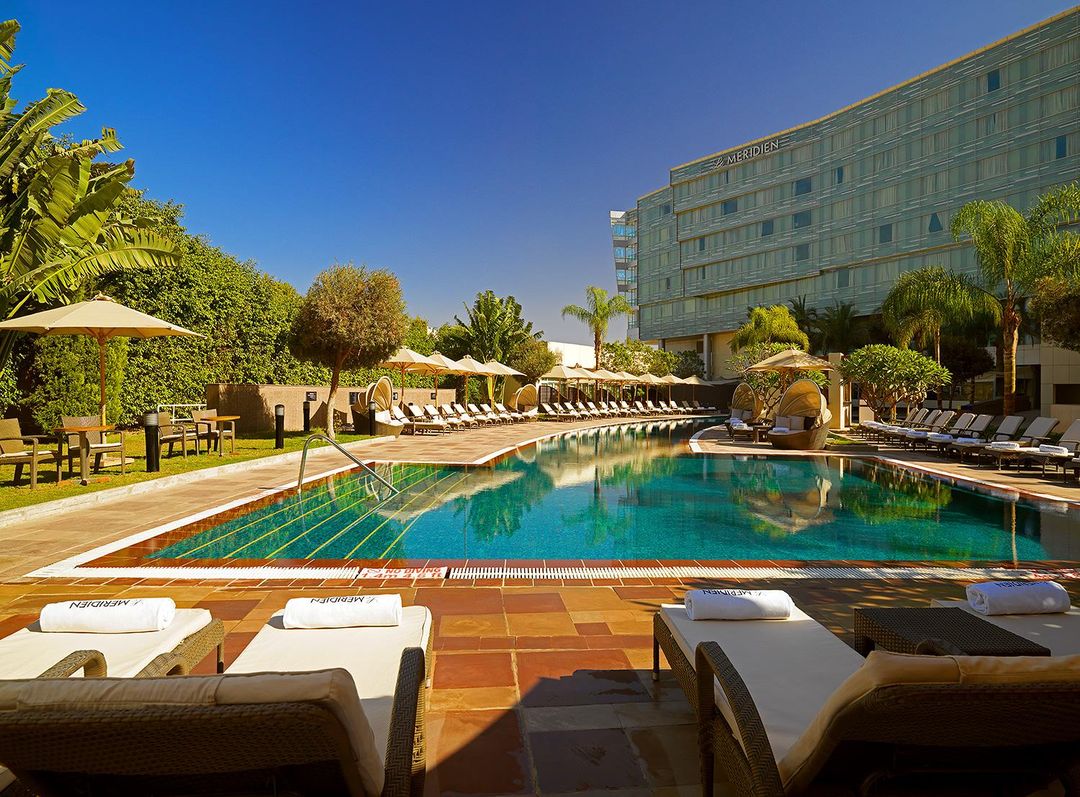
Le Meridien Cairo Airport
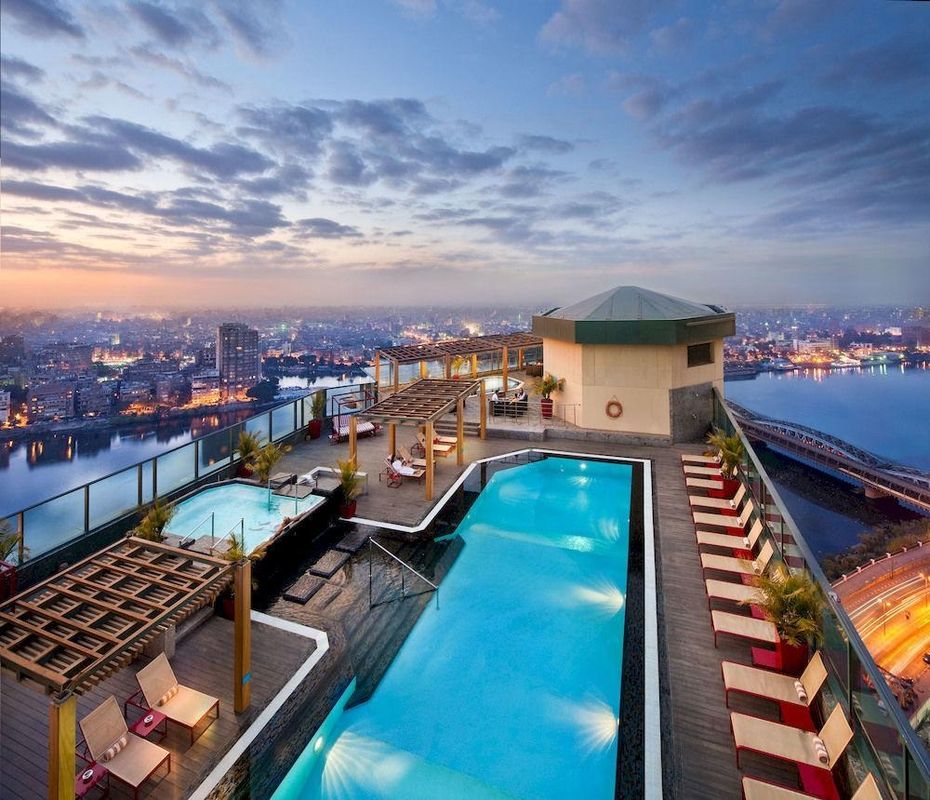
Fairmont Nile City
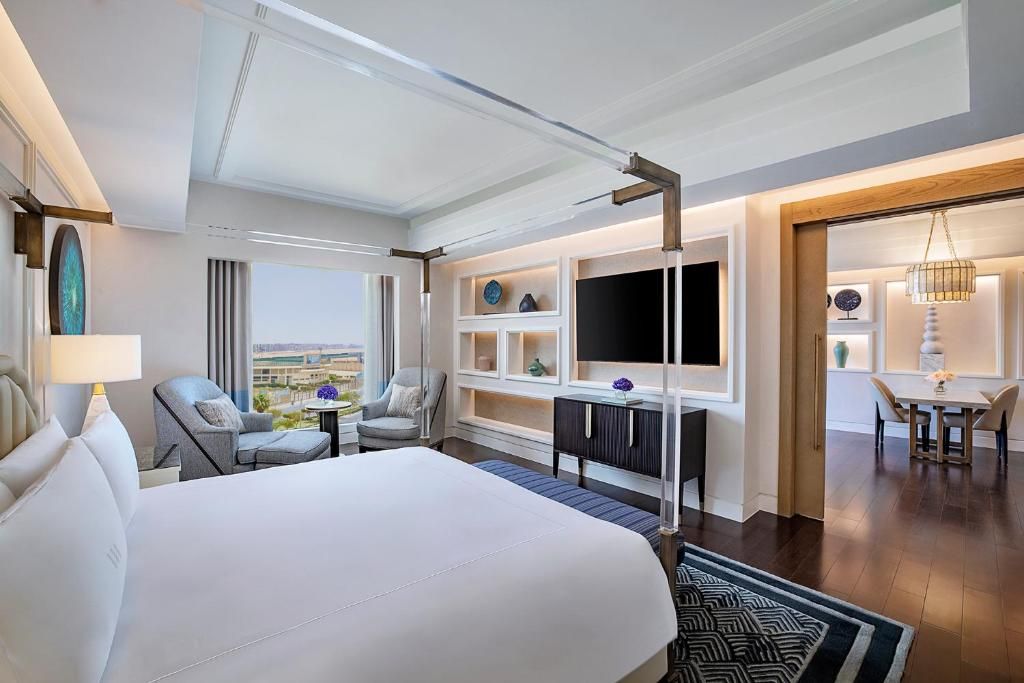
Waldorf Astoria Cairo Heliopolis
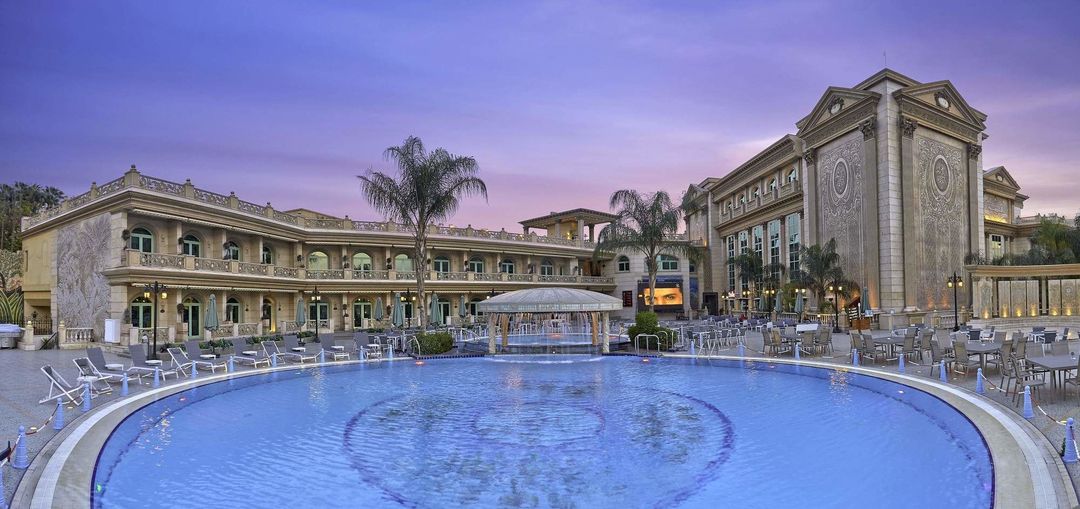
Al Masa Hotel Nasr City
Best Hotels in Cairo
Discover curated hotel collections in Cairo
Maran Residence
Radisson Residences Cairo Heliopolis
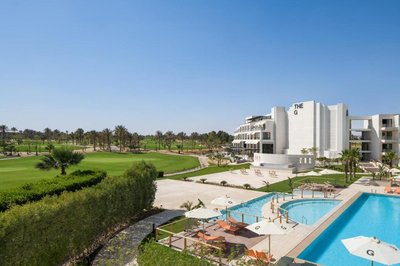
The G Einbay Golf Resort
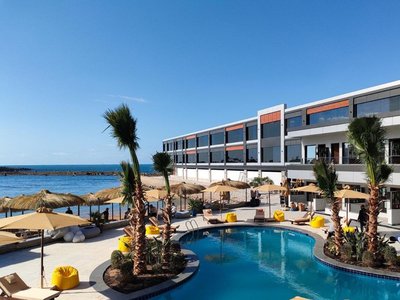
XU San Stefano Hotel Alexandria
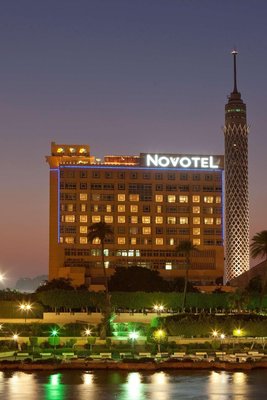
Novotel Cairo El Borg
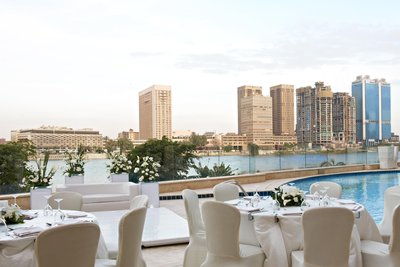
Hilton Cairo Zamalek Residences
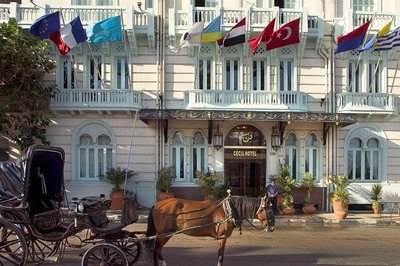
Steigenberger Cecil Hotel
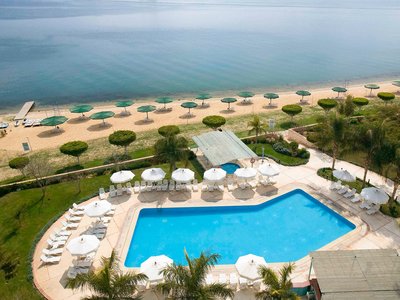
Mercure Ismailia Forsan Island Hotel
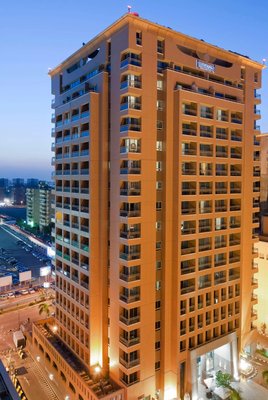
Staybridge Suites Cairo - Citystars
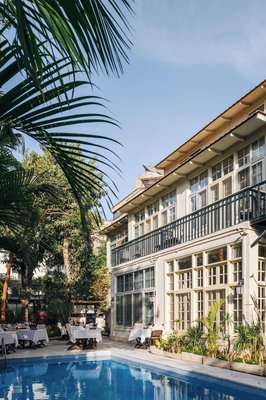
Villa Belle Epoque
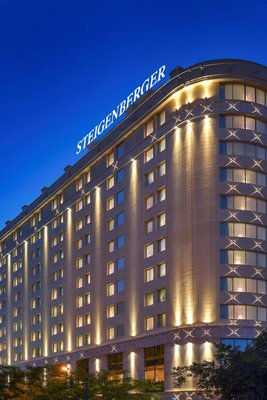
Steigenberger Hotel El Tahrir Cairo
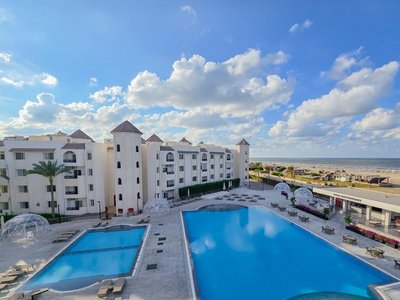
Palma Hotel
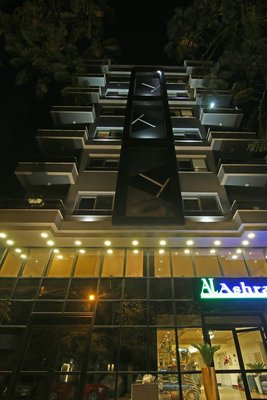
AlAshrafia Smart Residence
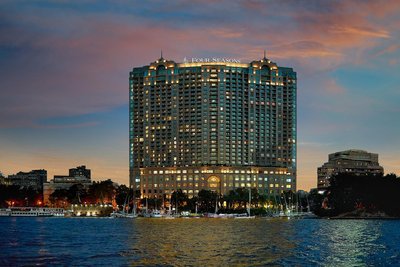
Four Seasons Hotel Cairo at Nile Plaza
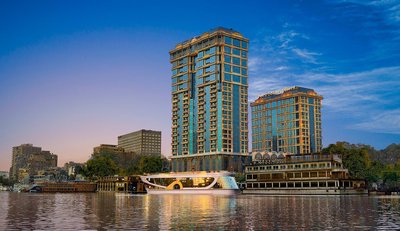
Four Seasons Hotel Cairo at the First Residence
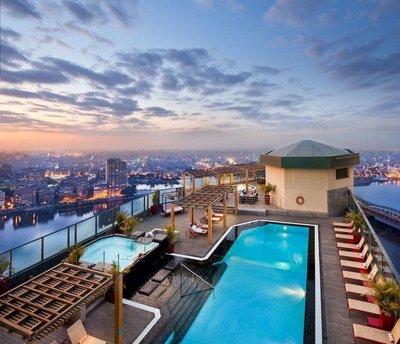
Fairmont Nile City
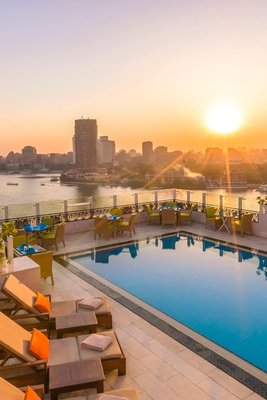
Kempinski Nile Hotel Cairo
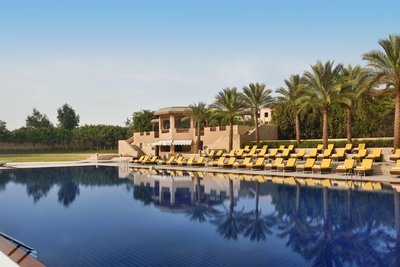
Marriott Mena House, Cairo
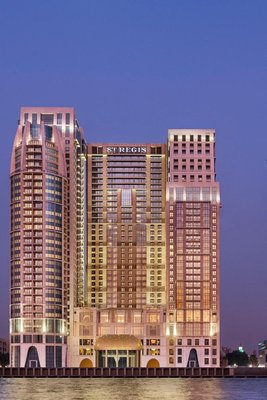
The St. Regis Cairo
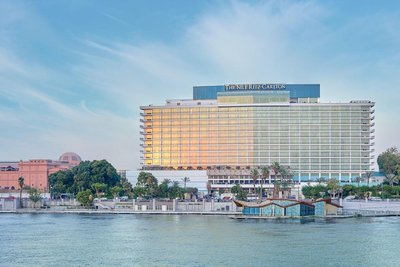
The Nile Ritz-Carlton, Cairo
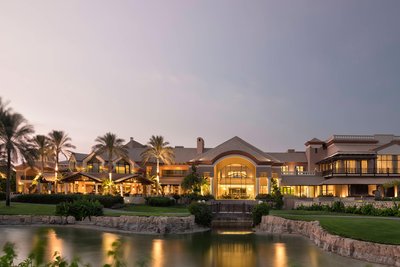
The Westin Cairo Golf Resort & Spa, Katameya Dunes
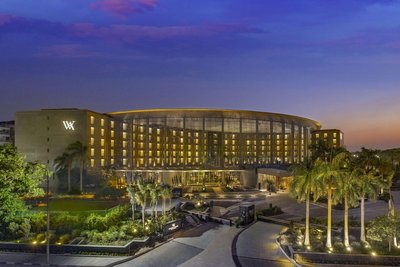
Waldorf Astoria Cairo Heliopolis
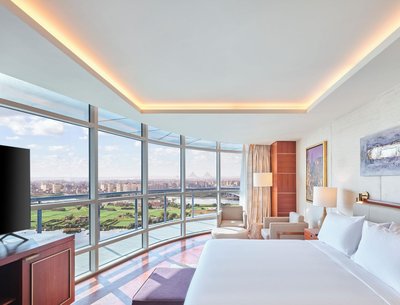
Hilton Cairo Nile Maadi
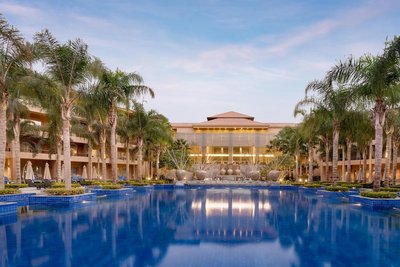
Dusit Thani LakeView Cairo
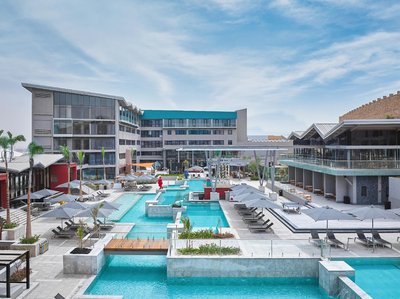
Hyatt Centric Cairo West
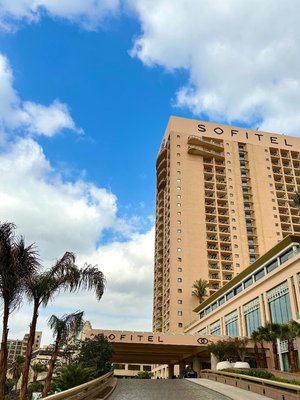
Sofitel Cairo Downtown Nile
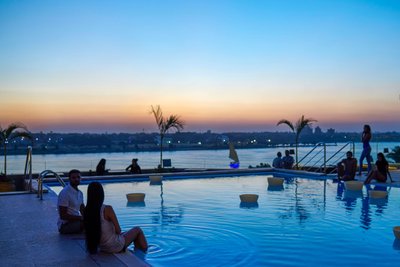
Holiday Inn Cairo Maadi
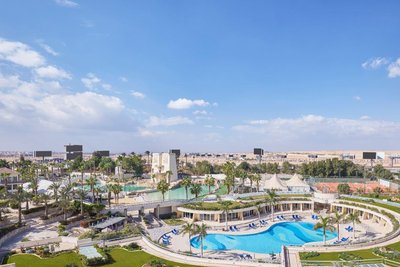
JW Marriott Hotel Cairo
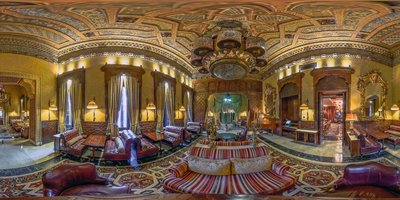
Cairo Marriott Hotel
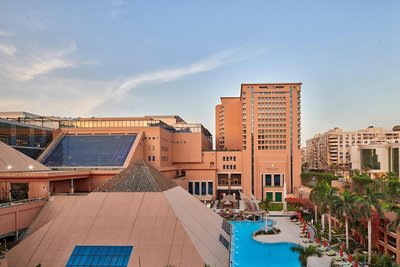
InterContinental Cairo Citystars
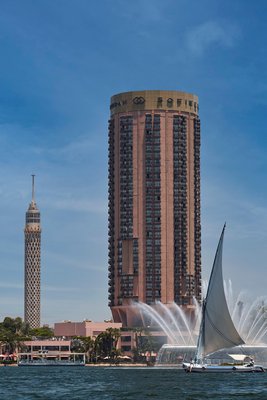
Sofitel Cairo Nile El Gezirah
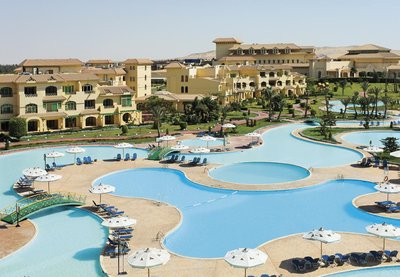
Mövenpick Hotel Cairo-Media City
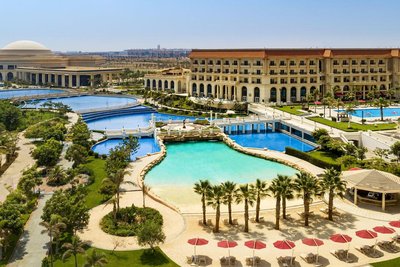
The St. Regis New Capital, Cairo
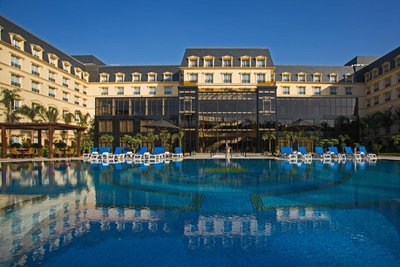
Renaissance Cairo Mirage City Hotel
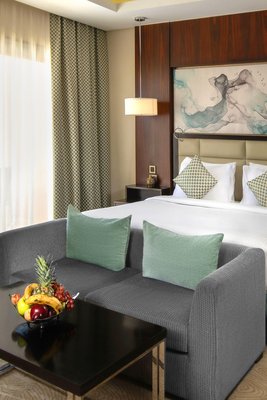
Triumph Luxury Hotel
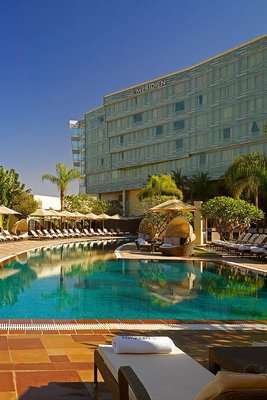
Le Meridien Cairo Airport
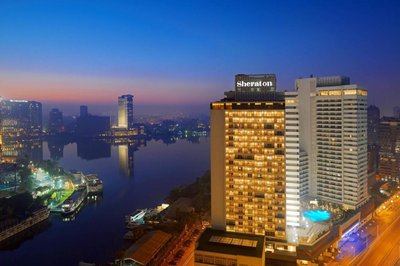
Sheraton Cairo Hotel & Casino

Hyatt Regency Cairo West

Concorde El Salam Cairo Hotel & Casino

Hilton Cairo Heliopolis Hotel
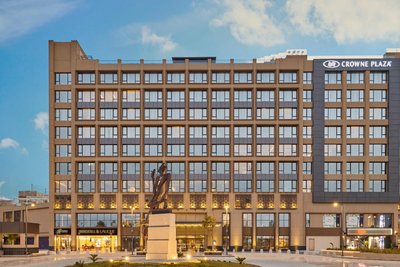
Crowne Plaza West Cairo Arkan
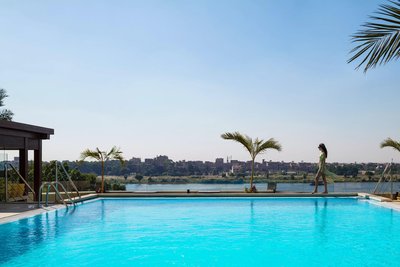
Holiday Inn & Suites Cairo Maadi
Four Seasons Hotel Cairo at Nile Plaza
Four Seasons Hotel Cairo at the First Residence
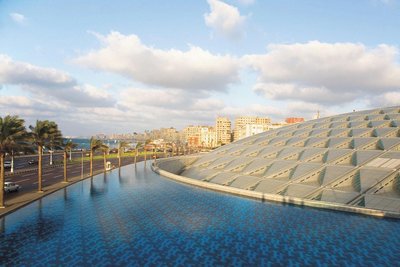
Four Seasons Hotel Alexandria San Stefano
Fairmont Nile City
Kempinski Nile Hotel Cairo
Mercure Ismailia Forsan Island Hotel
The St. Regis Cairo
The Nile Ritz-Carlton, Cairo
Four Seasons Hotel Cairo at Nile Plaza
Cairo Marriott Hotel
InterContinental Cairo Citystars
Fairmont Nile City
Kempinski Nile Hotel Cairo
Sofitel Cairo Nile El Gezirah
The Nile Ritz-Carlton, Cairo
Hilton Cairo Heliopolis Hotel
Frequently Asked Questions about Traveling to Cairo
Questions You Might Need to Know About Traveling to Cairo
Cairo boasts several luxury hotels, with the Four Seasons Hotel Cairo at Nile Plaza and Marriott Mena House Cairo being top choices. The Four Seasons offers premium services and stunning Nile views, perfect for travelers seeking luxury. The Marriott Mena House, located near the Giza Pyramids, features historic architecture and modern amenities, making it an ideal base for exploring ancient Egyptian culture.
For budget-conscious travelers, Cairo offers several affordable hotel options. City View Hotel and Tahrir Plaza Suites are two cost-effective choices located in the city center with convenient access to transportation. These hotels provide basic accommodations and clean rooms at reasonable rates, suitable for short stays or backpackers. Many budget hotels also offer free Wi-Fi and breakfast, helping travelers save even more.
In Cairo, the city center and Giza area are the most convenient for accommodation. The city center is close to major attractions like the Egyptian Museum and Khan el-Khalili market, with easy access to transportation. The Giza area is near the pyramids, ideal for those who want to explore them up close. Hotels along the Nile River offer beautiful views but are more expensive. Choose based on your itinerary.
Hotel prices in Cairo vary depending on the season and location. Generally, budget hotels cost around $50-$100 per night, while luxury hotels range from $200-$500. Early HopeGoo is recommended for better deals.
For budget-conscious travelers, Cairo offers several affordable hotel options. City View Hotel and Dahab Hostel are great choices, providing clean rooms and basic amenities. Many hostels in downtown Cairo also offer budget-friendly prices and convenient locations, ideal for backpackers and short-term stays.
Cairo Overview
City Summary
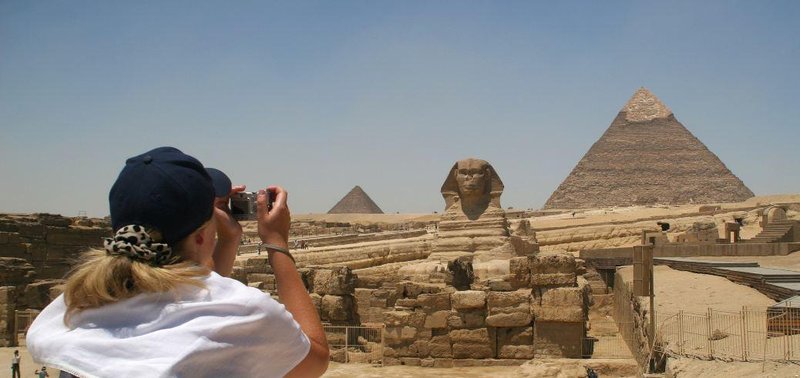
Cairo, the millennia-old city, is the heart of Egypt and one of the largest cities in Africa. As the cradle of ancient Egyptian civilization, Cairo boasts countless awe-inspiring historical landmarks, such as the Giza Pyramids and the Sphinx, which are world wonders that attract visitors from around the globe. Strolling through the Khan el-Khalili market, you can immerse yourself in the vibrant Arab culture and savor authentic Egyptian cuisine, like falafel and koshari. The Nile River flows through the city, bringing life and vitality to this desert metropolis. Whether you're exploring the treasures of the Egyptian Museum or enjoying a Nile River cruise at night, Cairo promises an unforgettable travel experience.
Must-See Attractions
Cairo, the capital of Egypt, is a city brimming with ancient charm and modern vibrancy. It serves as the gateway to exploring ancient Egyptian civilization, home to the world-famous Great Pyramids of Giza and the Sphinx, awe-inspiring monuments that have stood for millennia. Visitors can also explore the Egyptian Museum, housing over 120,000 artifacts, including the golden mask of Tutankhamun. Stroll through the Khan El Khalili Bazaar to experience the rich Arab culture and savor local delicacies like falafel and grilled lamb. A Nile River cruise offers a unique perspective to admire the city’s nightscapes and historic architecture. Cairo is a captivating blend of history and modernity.
Food Guide
Cairo, the capital of Egypt, boasts a rich culinary culture that blends Middle Eastern and North African flavors. Hummus and falafel are iconic street foods, often served with pita bread. Koshari, Egypt's national dish, is a hearty mix of rice, pasta, lentils, and fried onions, topped with tomato sauce. Don't miss grilled pigeon (Fatta) or Tagine, a slow-cooked stew. Cairo's cuisine emphasizes spices like cumin, cinnamon, and turmeric, giving each dish a distinctive exotic flair.
Transportation Guide
Cairo, the capital of Egypt, boasts a rich historical heritage and modern amenities, with diverse and convenient transportation options. The city primarily relies on metro, buses, and taxis for public transport. The Cairo Metro, the first metro system in Africa, consists of three lines covering major attractions like the Egyptian Museum and Khan el-Khalili, with affordable fares.
For long-distance travel, trains or intercity buses are available. Trains connect major cities such as Alexandria and Luxor, while buses offer a more budget-friendly alternative. Tourists are advised to avoid rush hours and use ride-hailing apps like Uber or Careem for transparent pricing and safety.
Additionally, Cairo's traffic can be chaotic, so pedestrians should exercise caution when crossing streets. For visits to suburban attractions like the Pyramids, hiring a private car or joining a guided tour is recommended to save time and avoid getting lost.
Best Time to Visit
Cairo, the capital of Egypt, is located at the apex of the Nile Delta and boasts a rich history and cultural heritage. The best time to visit is from October to April, when the weather is cool and pleasant, ideal for exploring iconic sites like the Giza Pyramids, the Egyptian Museum, and the Citadel of Saladin. While tourist crowds are larger during this period, it avoids the extreme heat of summer. Additionally, spring (March to April) offers cultural events and festivals, such as the Cairo International Film Festival, adding extra excitement to your trip.
Travel Tips
- Safety Tip: Keep valuables close in crowded areas of Cairo, and avoid displaying cash or jewelry in public.
- Transport Advice: Use Uber or licensed taxi companies, agree on fares in advance, and avoid random street vehicles.
- Cultural Etiquette: Remove shoes before entering mosques; women should carry a scarf and dress modestly (shoulders/knees covered).
- Food Safety: Drink bottled water only, and dine at reputable restaurants to prevent stomach issues.
- Weather Prep: Summer temperatures exceed 40°C—pack sunscreen, hats, and water; winter evenings require a light jacket.
- Currency Exchange: Exchange Egyptian pounds at banks or official bureaus to avoid street scams.
- Sightseeing Note: Politely decline pushy vendors near pyramids; seek guide assistance if needed.
- Health Protection: Get vaccinated for Hepatitis A/typhoid, and bring basics like antidiarrheals and mosquito repellent.
Useful Information
Travel Essentials for Cairo
Language: The official language is Arabic, but English is widely spoken in tourist areas. Learning basic Arabic phrases (e.g., "Shukran" for thank you) is appreciated.
Internet & Communication: Wi-Fi is available in hotels and cafes. Local SIM cards (e.g., Vodafone Egypt) offer affordable data plans.
Currency & Payments: Egypt uses the Egyptian Pound (EGP). Cash is preferred, though cards (Visa/Mastercard) are accepted in larger establishments. Tipping is customary—keep small change handy.
Emergencies: Dial 122 for police or 123 for ambulance. Avoid isolated areas at night and safeguard valuables.
Cultural Notes: Dress modestly in mosques (women may cover hair), and refrain from public eating/drinking during Ramadan daylight hours.
Traveler Reviews
See what other travelers say about Cairo

The Nile Ritz-Carlton, Cairo
The overall experience was excellent, especially the flexibility and hospitality. We arrived around 10 a.m., well before the official check-in at 3 p.m., but after a quick conversation with the front desk, we were able to secure an early check-in for a small additional fee. What made it even better? They generously included three days of complimentary breakfast—definitely a great value! The hotel’s location along the Nile is unbeatable; waking up to stunning river views every morning was simply magical. Staff were incredibly friendly and accommodating, going the extra mile to make our stay comfortable. Whether you're traveling with family or enjoying a romantic getaway, this place offers both luxury and warmth. I’d definitely return and recommend it to anyone visiting Cairo.

Four Seasons Hotel Cairo at Nile Plaza
Staying at the Four Seasons Hotel Cairo at Nile Plaza was an absolute delight from start to finish. The location is unbeatable—just steps away from major attractions and offering breathtaking views of the Nile River, especially at sunset. The hotel’s design blends modern elegance with timeless luxury, and every detail reflects the high standards we’ve come to expect from Four Seasons. Rooms are spacious, impeccably clean, and beautifully appointed with thoughtful touches. The staff went above and beyond—friendly, attentive, and always ready to help. Breakfast was a highlight: fresh, diverse, and served with care. Whether you’re here for business or leisure, this hotel delivers an unforgettable experience. I’ll definitely be returning.

Sonesta Hotel Tower & Casino Cairo
Staying at Sonesta Hotel Tower & Casino Cairo was an absolute delight. The hotel is spotlessly clean, with a spacious and welcoming lobby that offers plenty of seating for relaxing or just unwinding after a long day. What really stood out was the direct access to the pool area—perfectly set up with ample tables and loungers where you can sip drinks, catch up with friends, or simply enjoy some quiet time under the sun. The outdoor space feels open and well-maintained, making it easy to unwind without feeling crowded. Plus, the location is convenient for getting around Cairo, with easy access to public transit and nearby dining options. Everything about this stay felt thoughtfully designed—cleanliness, comfort, and convenience all in one. I’d definitely recommend it to anyone visiting Cairo.

Sofitel Cairo Nile El Gezirah
Arriving in Cairo, this hotel was the perfect choice for a solo traveler. The location is fantastic—just a short walk from public transit and close to everything we wanted to explore. The dining options nearby were clean and varied, and the Nile views from the rooms are absolutely stunning. What really stood out was the staff’s kindness—they took time to help us with basic but essential things like exchanging currency and using food delivery apps, which made our first trip abroad much less stressful. Their attention to detail and genuine care made all the difference. If I ever return to Cairo, this will be my top pick again.

Le Meridien Cairo Airport
Staying at Le Meridien Cairo Airport was an absolute breeze—right next to Terminal 3 with a direct covered walkway, so I never had to step outside the airport complex. The room was spacious and surprisingly quiet; you barely heard the planes taking off or landing, which made for a peaceful night’s sleep. The bedding was crisp and clean, and the breakfast buffet was fantastic—plenty of options, fresh and delicious. I arrived late the night before due to a flight delay (almost midnight), and left early the next morning after a great breakfast. Honestly, I wish I could’ve stayed longer! It’s such a convenient, comfortable option for travelers with tight connections. Highly recommend for anyone flying through Cairo.

Fairmont Nile City
My stay at Fairmont Nile City was absolutely outstanding—exceeded all expectations! Upon arrival around 3 PM, my room wasn’t ready yet, but the staff kindly escorted me to the lounge where I was treated to a complimentary drink while waiting. That level of care made the wait feel seamless. The mini-bar in the room was fully stocked with free snacks and beverages—although it’s typically replenished after three nights, they actually restocked it by the second day, which was impressive. I left a 50 EGP tip for one of the front desk staff, expecting it to be taken immediately, but surprisingly, it wasn’t collected until my final day. That small gesture really stood out—it showed genuine professionalism and thoughtfulness. The river view from my upgraded room was breathtaking, and the location is super convenient for public transit. This hotel offers exceptional value and service. Definitely coming back next time.

Waldorf Astoria Cairo Heliopolis
I originally planned to stay just two nights and switch hotels, but ended up extending my stay because the hotel exceeded my expectations in terms of comfort, service, and overall atmosphere. The location is convenient—about a 30-minute ride by metro to the Egyptian Museum, making it easy to explore key attractions without spending too much time commuting. While breakfast was fairly standard with limited variety, it was still satisfying and well-prepared. What really stands out is the peaceful ambiance and elegant design, perfect for travelers seeking a quiet retreat in Cairo. I’d definitely consider returning here on future visits.

Al Masa Hotel Nasr City
The Al Masa Hotel in Nasr City is an excellent choice for a comfortable stay in Cairo. Its location is incredibly convenient—just a short 10-minute taxi ride from the city’s largest shopping center, and very close to the airport, making travel a breeze. The hotel itself feels more like a resort, with multiple on-site restaurants. I tried the Lebanese cuisine, which was absolutely delicious, and the breakfast buffet changes daily with a wide variety of options—always fresh and satisfying. Cleanliness is top-notch, and the overall atmosphere is relaxing and welcoming. The only downside was during Friday and Saturday nights when local weddings were held at the hotel; the music was quite loud and continued until around 11 PM, which slightly disrupted sleep. However, this is a minor issue considering the great value, comfort, and convenience. Overall, a highly recommended stay for travelers looking for quality and ease in central Cairo.

InterContinental Cairo Semiramis
Booking a Nile-view room here is absolutely worth it—truly unforgettable. From the balcony, you get an unobstructed view of the Nile River with the iconic Cairo Tower in the distance. The photos really don’t do it justice: daytime offers bright reflections on the water, golden hour brings warm hues across the sky, and nighttime transforms the riverbank into a glittering landscape. Being on the east bank means you have front-row seats for one of the most beautiful sunsets in Cairo—just sit back on your balcony and watch the day fade away in peace. Plus, there’s a great selection of dining options right at the hotel’s doorstep, so you never need to go far for a delicious meal. It’s convenience, comfort, and stunning views all in one.

Hilton Cairo Grand Nile
Staying at the Hilton Cairo Grand Nile was an absolute highlight of my trip to Cairo. The room was spacious and beautifully designed, with stunning views of the Nile River—waking up to that view every morning was magical. My friends were equally impressed, and we all agreed this would be our top choice for future visits to Egypt. The location is excellent—conveniently close to major attractions and easy to get around by metro. Despite being a luxury hotel, the price felt very reasonable, especially considering the quality and service. The breakfast spread was fantastic—diverse, delicious, and well-prepared, offering both local flavors and international options. From start to finish, the experience was flawless. I’d highly recommend this hotel to anyone visiting Cairo.

Kempinski Nile Hotel Cairo
Staying at Kempinski Nile Hotel Cairo was an absolute highlight of my trip to Cairo. Located in the upscale Garden City neighborhood, it's perfectly positioned for both convenience and tranquility—just a short walk or quick metro ride from downtown attractions. From the moment I stepped into the lobby, the warm hospitality stood out. The staff went above and beyond, especially the concierge who helped arrange my airport transfer with ease. My room was spacious, elegant, and incredibly comfortable—the bed was heavenly, and having a pillow menu made all the difference for a good night’s sleep. Free Wi-Fi was fast and reliable, the flat-screen satellite TV delivered crisp visuals, and the mini-bar stocked with free Coca-Cola was a nice touch. But the real gem? The rooftop pool. Spending an afternoon lounging by the water with views of the Nile at sunset was pure bliss. The spa and wellness center is fantastic—hot tub, steam room, sauna, and a massage that left me completely relaxed. Dining options are top-notch: Osmanly serves authentic Ottoman cuisine with rich flavors, Blue offers delicious Italian dishes, and the Jazz Bar on the 10th floor has a perfect vibe with live music in the evening. Every detail feels thoughtfully designed. This isn’t just a hotel—it’s an experience. I’d definitely return and recommend it to anyone visiting Cairo.

Ramses Hilton
Staying at Ramses Hilton was a truly memorable experience. The grand lobby immediately sets the tone with its spacious and elegant design, offering a luxurious feel from the moment you walk in. There are plenty of on-site activities to enjoy, plus a small shop for essentials—very convenient. The hotel’s proximity to the museum is a major plus, making it easy to explore cultural highlights without needing long commutes. Being near the Nile River adds incredible charm, especially during breakfast when the views are simply breathtaking. The buffet offers a wide variety of options—fresh, well-prepared, and satisfying. While the property has been around for a while and some facilities aren’t brand new, the cleanliness of the rooms is outstanding. Every detail is kept tidy and welcoming. The river-facing rooms offer serene, scenic views that make mornings and evenings even more special. Overall, this is a fantastic choice for travelers seeking comfort, convenience, and a touch of classic elegance in Cairo. Highly recommend—it’s worth every penny!