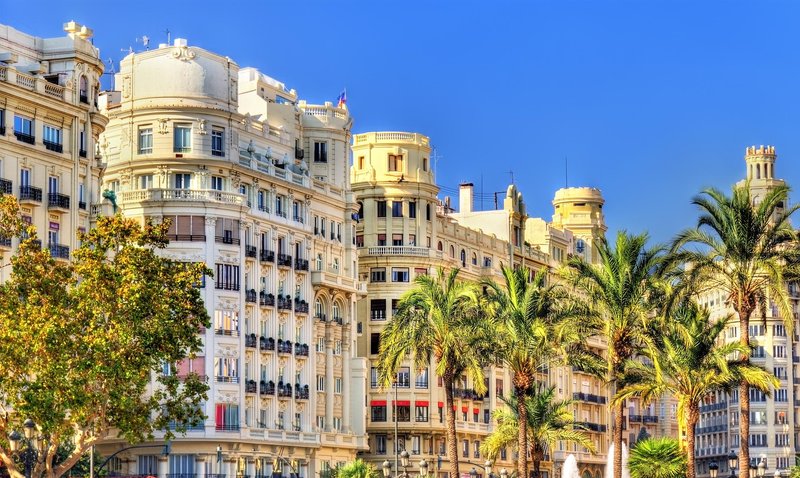
Hotels in Camos
Discover your perfect stay in Camos.
Camos(Spain) Travel 2026: Cheap Flights, Hotels & Top Attractions
Popular Landmarks in Camos
Discover the most iconic attractions in Camos
Recommended Hotels in Camos
Find the perfect place to stay in Camos
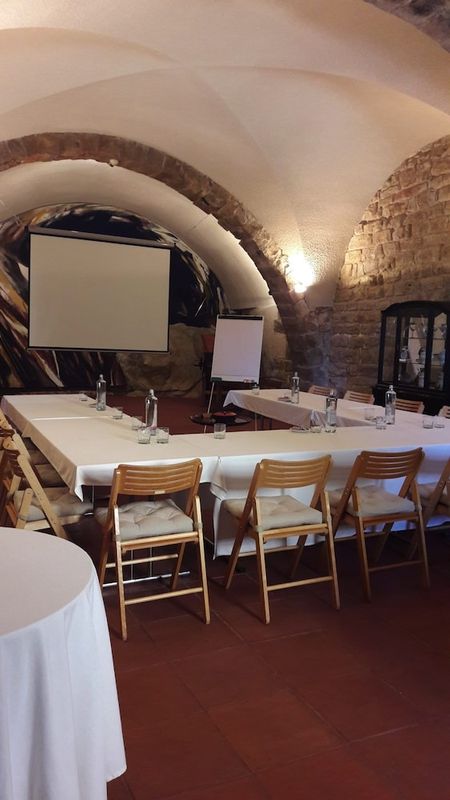
La Sala de Camós
Frequently Asked Questions about Traveling to Camos
Questions You Might Need to Know About Traveling to Camos
For an authentic cultural experience in Cambrils, stay in the Old Town (Casco Antiguo), where narrow cobbled streets wind around historic buildings and local artisan shops. The area centers on Plaça de la Vila, a vibrant square hosting weekly markets and traditional festivals like Sant Jordi.
Recommended accommodations include Hotel Mas del Poblet, a boutique hotel set in a restored 18th-century farmhouse with terracotta roofs and olive groves, offering panoramic views of the Girona Province countryside. Another gem is Casa de la Vila, housed in a former noble residence with original Catalan tilework and hand-carved wood beams—perfect for travelers seeking heritage immersion.
All hotels emphasize sustainability, using solar energy and rainwater harvesting systems, reflecting the region’s commitment to eco-conscious living. Staying here allows easy access to the Mediterranean coastline, local wineries, and traditional tapas bars.
In Cambrils, Hotel Can Rull stands out as a top family-friendly option. Located in the heart of the town, it’s just a 5-minute walk from Iglesia de la Asunción and near a children’s playground and green park, perfect for outdoor play.
The hotel offers spacious family rooms with extra beds, safety railings, and private balconies overlooking lush gardens. Family packages include complimentary breakfast for kids, hands-on cooking classes teaching traditional Catalan treats like pastís de crema, and evening storytelling sessions.
On weekends, guests can join farm experiences—picking organic vegetables, feeding goats, and learning about sustainable agriculture. The indoor heated pool and game room ensure fun regardless of weather. With low occupancy and quiet surroundings, it’s ideal for families seeking comfort and connection to local life.
Hotels in Cambrils deeply reflect Catalan culture through architecture, materials, and programming. Hotel Mas del Poblet, for instance, uses locally quarried limestone and traditional terracotta tiles, while interior spaces feature handmade ceramics and Catalan mosaic art, honoring regional craftsmanship.
Many properties display murals by local artists depicting the town’s evolution from agrarian village to tourist hub. Dining features hyper-local ingredients: Iberian ham, olives cured with rose salt, and Soria grape juice, served alongside home-style dishes like faves amb morcilla (stewed beans with blood sausage).
Regular cultural events include Catalan poetry readings, folk dance workshops, and wine-tasting evenings, inviting guests to engage with language, music, and cuisine. This integration transforms stays into immersive cultural experiences, connecting visitors to the soul of Catalonia beyond sightseeing.
In Cambrils, must-try experiences include hiking through the Montserrat Mountains at sunrise, surrounded by ancient forests and wild rhododendrons; joining a traditional Catalan pottery workshop to craft your own piece adorned with ethnic patterns.
At dusk, participate in the **
Camos Overview
City Summary
Camós, a charming town in Spain's Girona province, is renowned for its medieval architecture and tranquil rural atmosphere. With well-preserved stone houses, narrow cobbled streets, and rich Catalan cultural heritage, it offers a peaceful retreat from urban bustle, blending history with natural beauty.
Must-See Attractions
Key attractions include the Church of the Assumption (Església de l'Assumpció), a Gothic medieval landmark. Stroll through the Old Town to soak in its historic charm. Nearby, the Montseny Natural Park provides excellent hiking and birdwatching opportunities for nature enthusiasts.
Food Guide
Camós' cuisine reflects Catalan traditions. Try Escudella (a hearty stew) and Botifarra (local sausage). Small taverns and wineries serve authentic Mediterranean flavors—pair your meal with local wine for an enhanced experience.
Transportation Guide
Driving is the most convenient option; Camós is ~1.5 hours from Barcelona by car. Most town sights are walkable. Public transit involves regional buses from Girona, but schedules are limited—check timetables in advance. No direct train service is available.
Best Time to Visit
Visit during spring (April-June) or autumn (September-October) for mild weather and fewer crowds. Summers can be hot, while winters are quieter with reduced attraction hours.
Travel Tips
- Sun protection: Carry sunscreen in summer.
- Local customs: Dress modestly for church visits.
- Cash: Some small businesses may not accept cards.
- Language: Basic Catalan phrases are appreciated.
- Hiking gear: Wear sturdy shoes for natural park trails.
Useful Information
Catalan and Spanish are the main languages; English is limited. A small clinic serves basic needs, but hospitals are in Girona or Barcelona. Mobile coverage is generally good but may weaken in remote spots. Cash is preferred, though some places take cards. Dial 112 for emergencies; simple Spanish/Catalan phrases will aid communication.