Hotels in Candaba
Discover your perfect stay in Candaba.
Candaba(Philippines) Travel 2026: Cheap Flights, Hotels & Top Attractions
Popular Landmarks in Candaba
Discover the most iconic attractions in Candaba
Recommended Hotels in Candaba
Find the perfect place to stay in Candaba

Yes Hotel San Ildefonso Bulacan
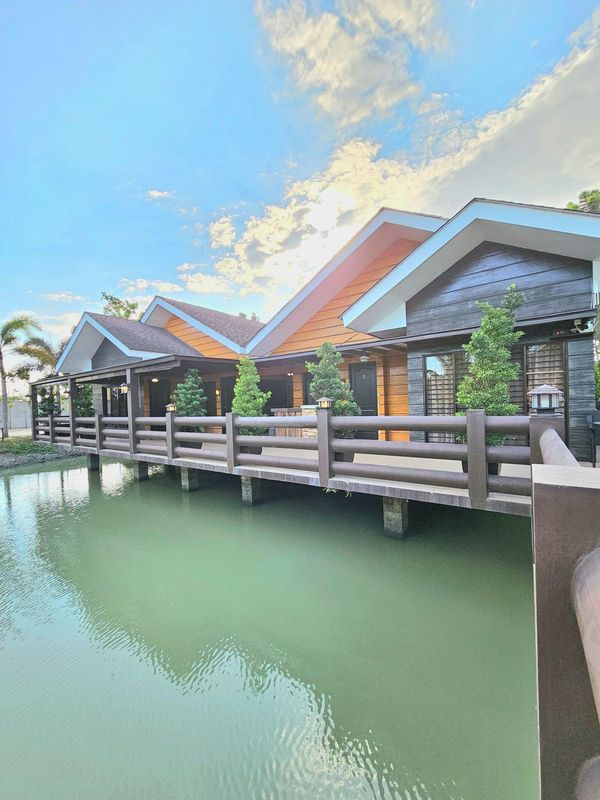
The Backyard Event and Resorts
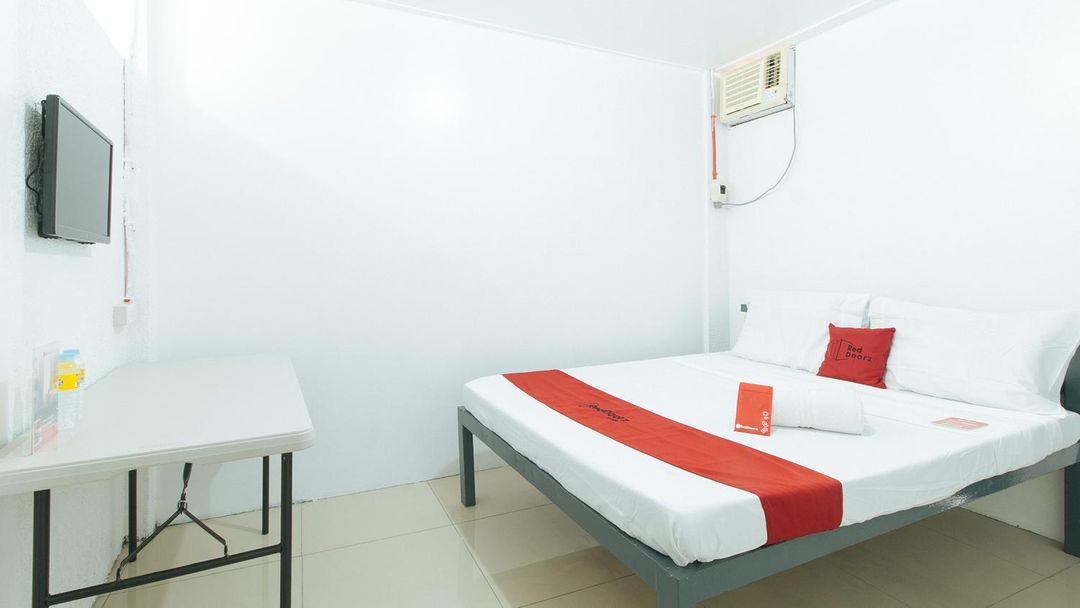
RedDoorz @ Shukran Rentals OPC Pampanga
Best Hotels in Candaba
Discover curated hotel collections in Candaba
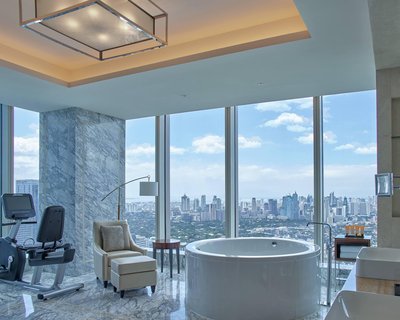
Grand Hyatt Manila
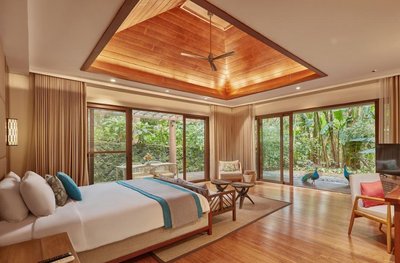
The Farm at San Benito
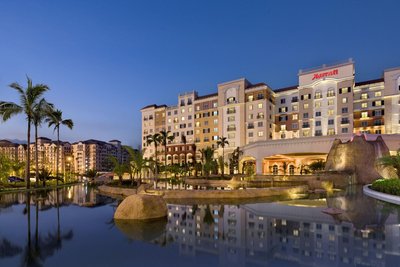
Manila Marriott Hotel at Newport World Resorts
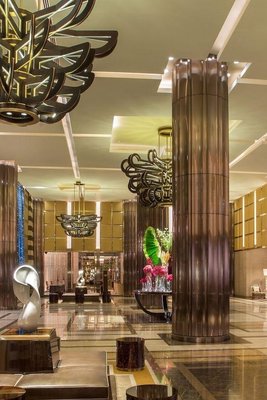
City of Dreams - Nüwa Manila
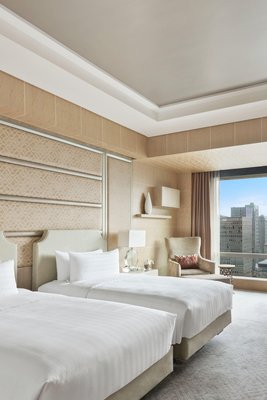
Shangri-La The Fort, Manila
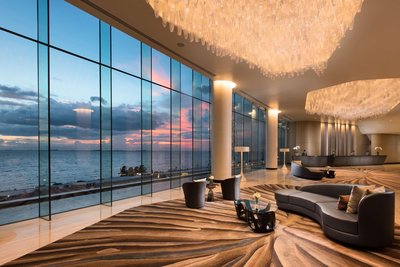
Conrad Manila
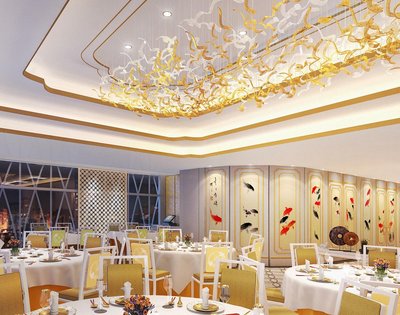
Okada Manila
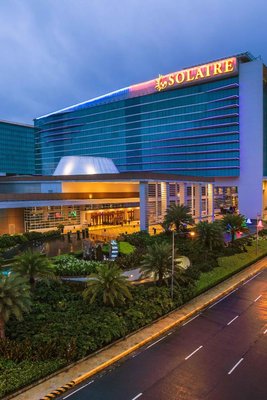
Solaire Resort Entertainment City
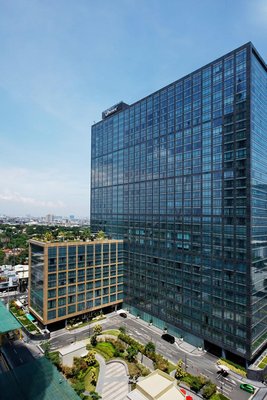
Raffles Makati
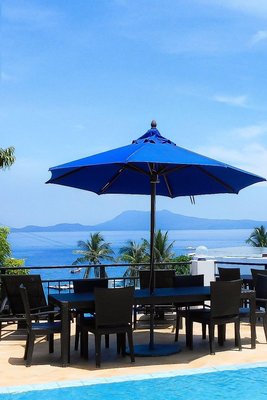
Out of the Blue Resort
Walking Street Condo Beautiful 1 King Bedroom
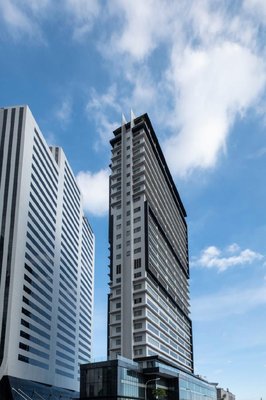
Brittany Hotel BGC
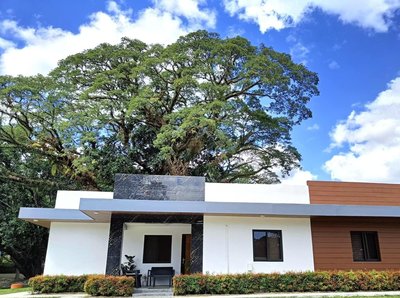
Aurora Villas and Cabin Resort
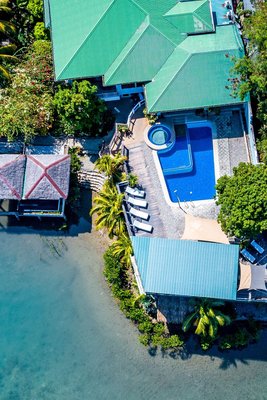
Edgewater Dive & Spa Resort
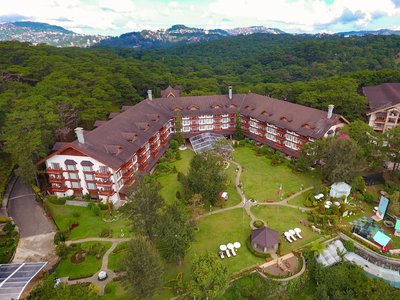
The Manor at Camp John Hay

The Maximilian Hotel
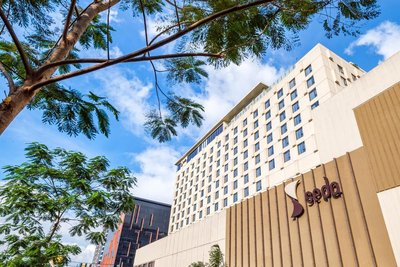
Seda Manila Bay
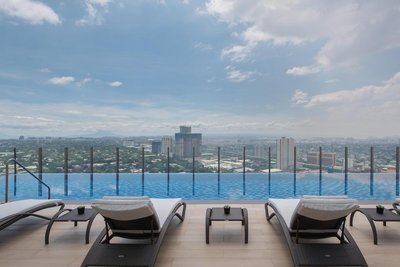
Citadines Benavidez Makati
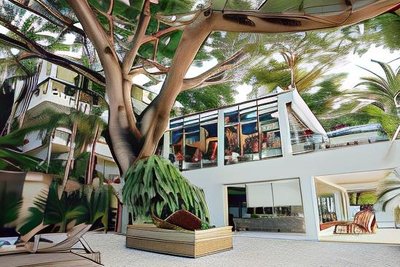
Solitude Acacia Resort
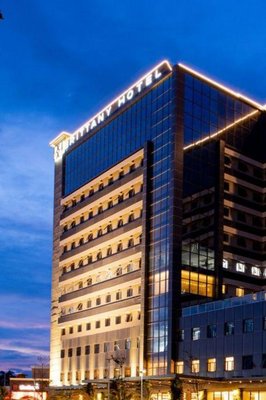
Brittany Hotel Villar City
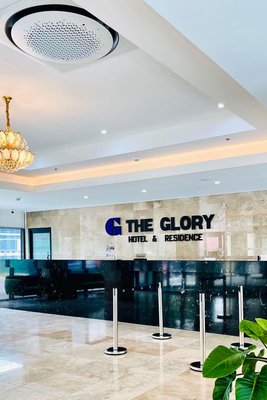
The Glory Hotel and Residence Clark Pampanga
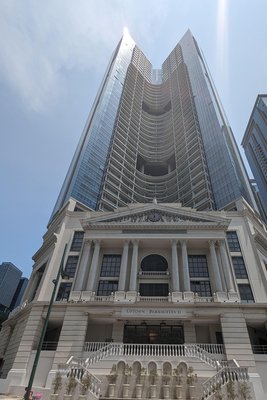
EG Private House - BGC UPTOWN
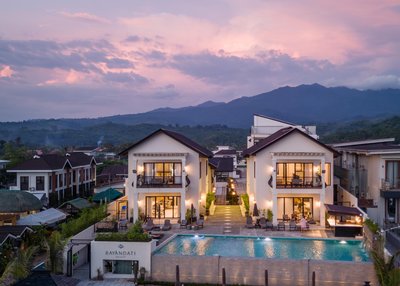
Bayandati Resort
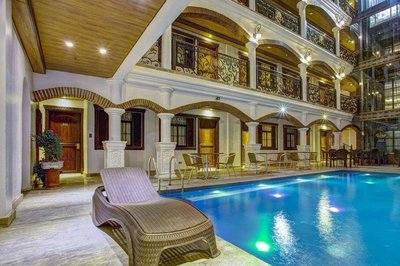
Hotel Luna
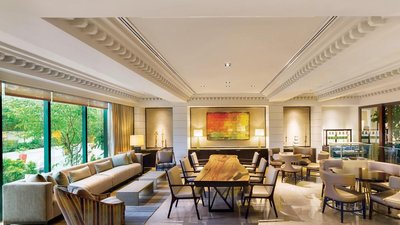
Aruga Apartments by Rockwell
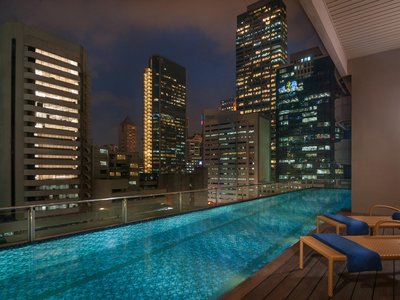
Citadines Salcedo Makati
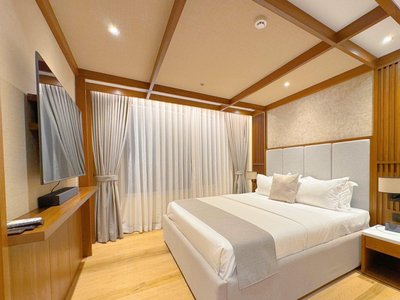
Downtown District Hotel
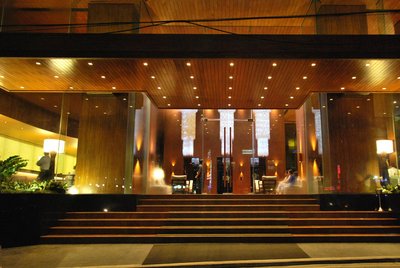
City Garden Grand Hotel
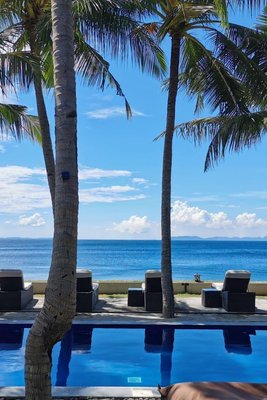
La Chevrerie Resort & Spa
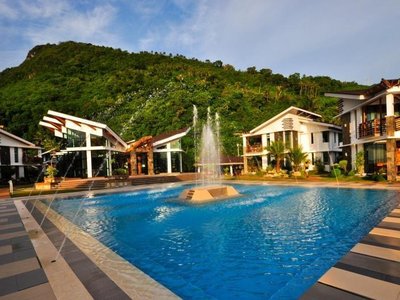
Infinity Resort
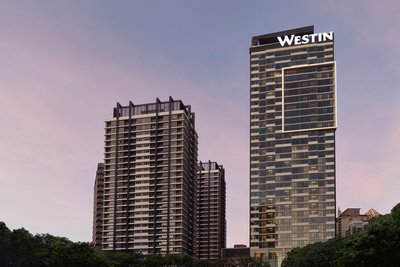
The Westin Manila
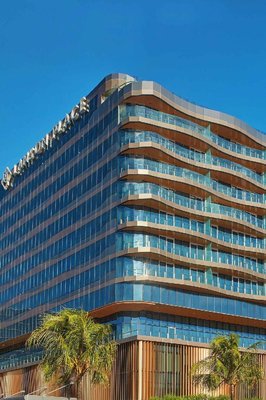
Lanson Place Mall of Asia Manila
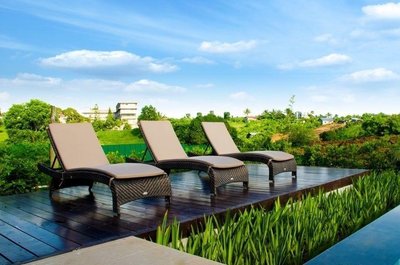
Anya Resort Tagaytay
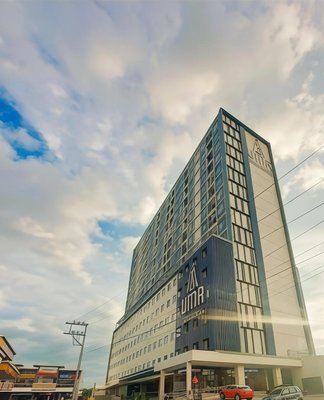
Uma Hotel and Residences
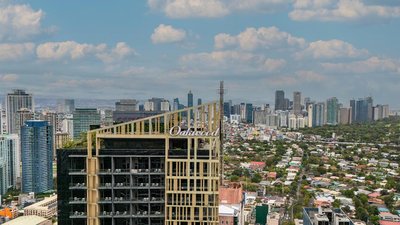
Oakwood Makati Avenue
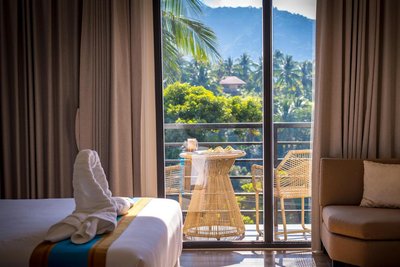
Magarra Hotel
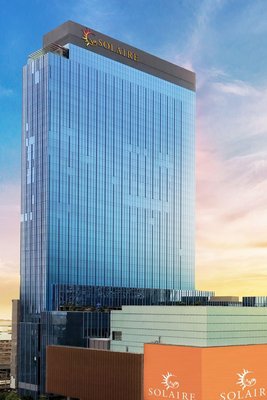
Solaire Resort North
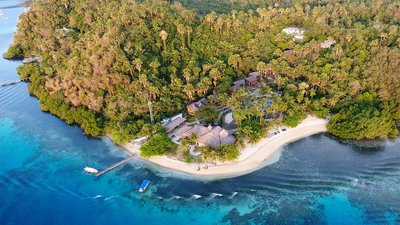
Fridays Puerto Galera
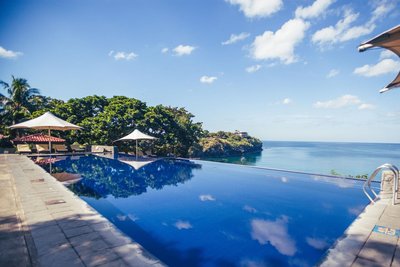
Club Punta Fuego
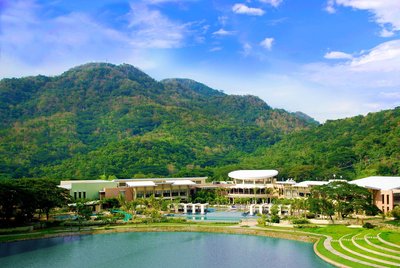
Pico Sands Hotel
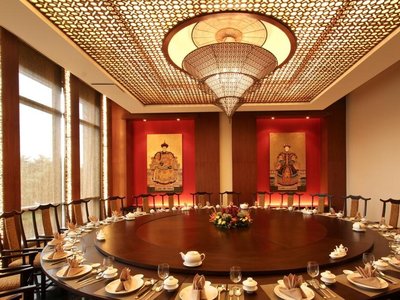
The Bellevue Hotel
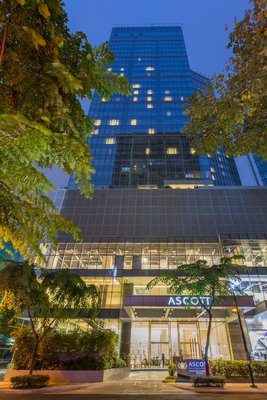
Ascott Bonifacio Global City Manila
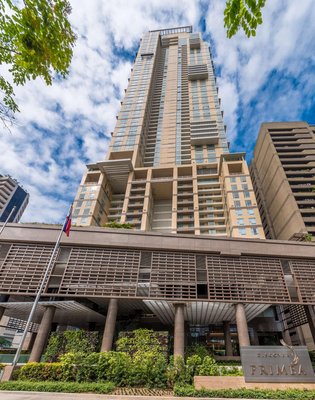
Discovery Primea, Manila
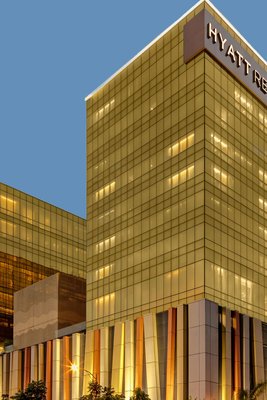
Hyatt Regency Manila City of Dreams
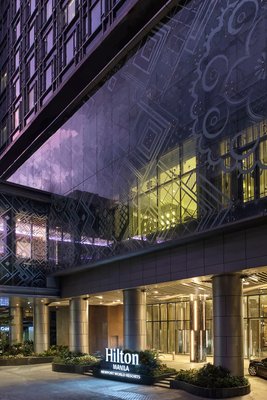
Hilton Manila Newport World Resorts
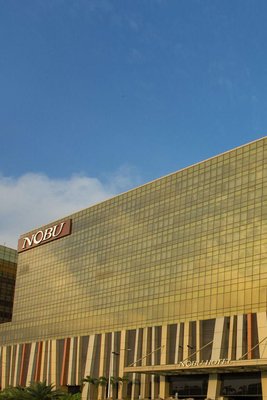
City of Dreams - Nobu Hotel Manila
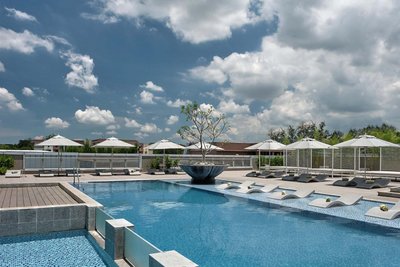
Clark Marriott Hotel
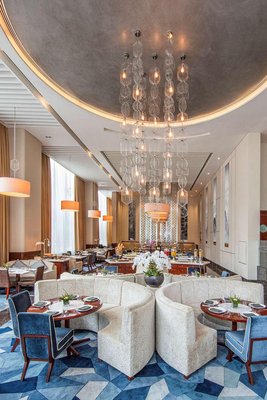
Makati Diamond Residences
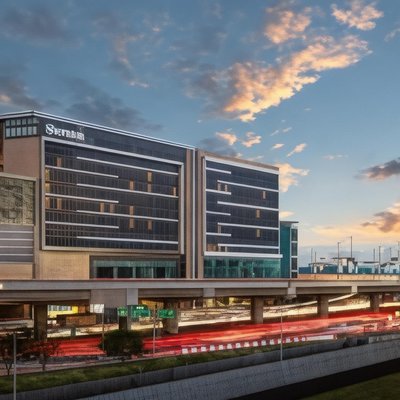
Sheraton Manila Hotel at Newport World Resorts
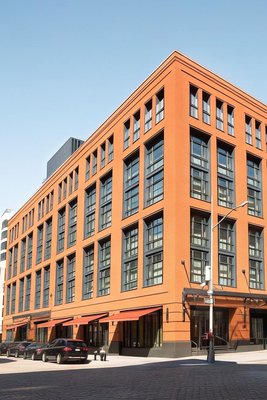
Hotel Barrière Fouquet's New York
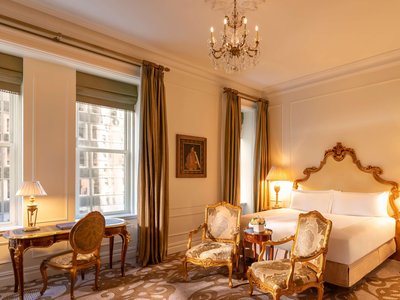
The Plaza - A Fairmont Managed Hotel
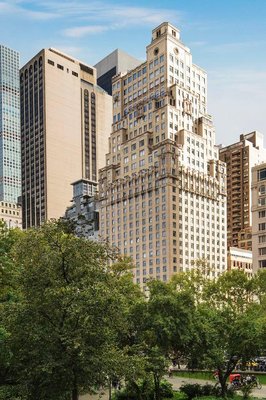
The Ritz-Carlton New York, Central Park
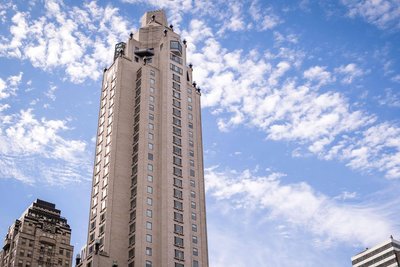
Four Seasons Hotel New York
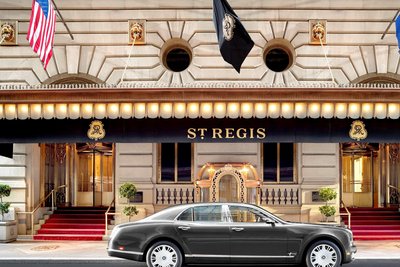
The St. Regis New York
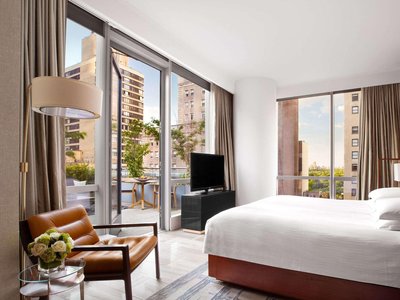
Park Hyatt New York
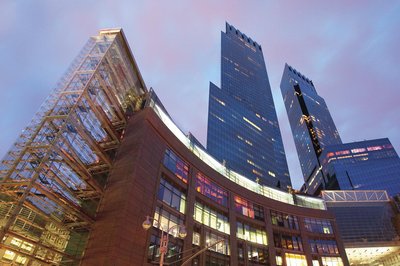
Mandarin Oriental New York

Times Square Edition New York

Loews Regency New York Hotel
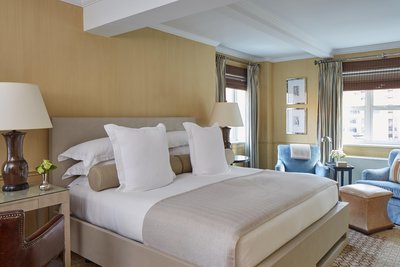
Lowell Hotel
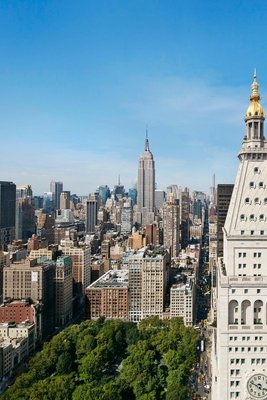
New York Edition
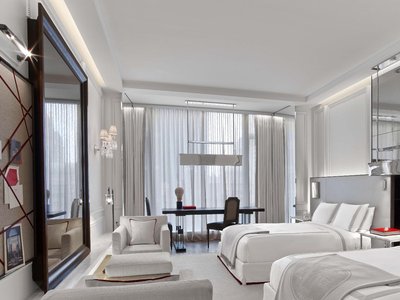
Baccarat Hotel New York

Equinox Hotel New York
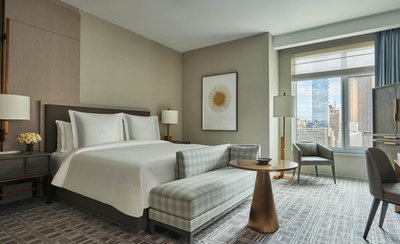
Four Seasons Hotel New York Downtown
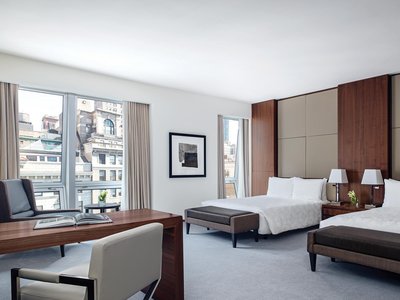
The Langham, New York, Fifth Avenue

The Carlyle, A Rosewood Hotel

The Chatwal, in the Unbound Collection by Hyatt
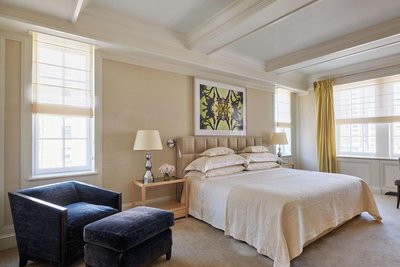
The Mark New York
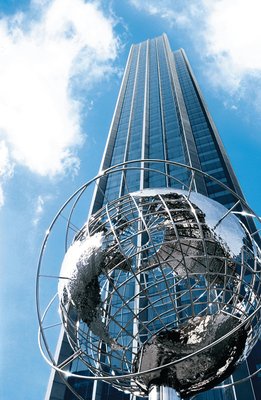
Trump International Hotel & Tower® New York
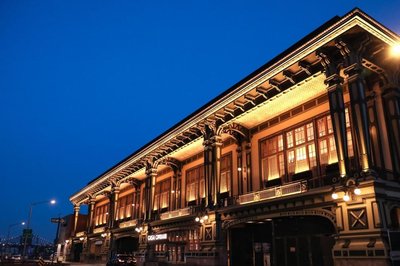
Casa Cipriani New York
Frequently Asked Questions about Traveling to Candaba
Questions You Might Need to Know About Traveling to Candaba
In Candaba, the top choice for families is Candaba Riverside Resort & Spa, a serene eco-lodge nestled along the Candaba River. It features spacious family suites, a private pool, and dedicated children’s play areas. The resort offers farm-to-table dining with organic local produce and hosts interactive activities like rice planting workshops and bamboo craft sessions. Nearby, Green Valley Inn provides cozy accommodations, free breakfast, and easy access to markets and churches. Both hotels emphasize sustainability and cultural immersion, making them ideal for travelers seeking comfort, nature, and authentic Filipino rural experiences.
The Candaba Town Proper (Poblacion) is the best area for lodging, offering convenient access to restaurants, shops, and key landmarks like the Our Lady of the Immaculate Conception Church. This central district blends urban convenience with peaceful countryside charm. Staying here allows easy day trips to nearby rice fields, organic farms, and the Candaba River. Many hotels provide shuttle services to major attractions, and the area is well-connected by tricycles and ride-hailing apps. Whether you seek tranquility or vibrant local life, Poblacion strikes the perfect balance for exploring Central Luzon’s heartland.
In Candaba, immerse yourself in the Pahiyas Festival—a vibrant celebration held every May where homes are decorated with fresh fruits, vegetables, and handmade crafts symbolizing gratitude for harvests. You can also join traditional bamboo weaving workshops led by local artisans, learning to create baskets and household items using time-honored techniques. For deeper cultural insight, book a guided visit to an organic farm where you’ll participate in rice planting, harvesting, and even taste meals made from freshly grown ingredients. These experiences foster meaningful connections with locals and showcase sustainable living traditions rooted in Philippine agrarian culture.
Must-try dishes in Candaba include Kansi, a rich coconut-based beef stew infused with native spices, and Bamboo Rice (Puto Bumbong)—sweet sticky rice steamed in bamboo tubes, offering a fragrant, earthy flavor. Don’t miss Candaba Longganisa, a sweet-spicy sausage made with local herbs and served with fried eggs for breakfast. Local favorites like Tinapa House and Mang Inasal de Candaba use traditional recipes and fresh regional ingredients. Pair your meal with a chilled mango float or coconut water to cool down under the tropical sun—a true taste of Central Luzon’s culinary heritage.
Candaba has a tropical climate with temperatures averaging 28°C year-round. The best time to visit is from November to May, during the dry season when rainfall is minimal and skies are clear—ideal for outdoor activities and farm tours. This period also coincides with the Pahiyas Festival, offering cultural immersion. The rainy season (June–October) brings occasional showers but lush green landscapes. Pack light clothing, rain gear, and sunscreen. Overall, the dry months offer optimal conditions for enjoying Candaba’s natural beauty and vibrant community life.
Top photogenic locations in Candaba include the Candaba River Sunset Promenade, where golden light reflects off rippling waters framed by endless rice paddies. The Our Lady of the Immaculate Conception Church stands out with its white façade and Gothic arches, especially at dawn. The rolling green terraced rice fields change colors with the seasons—emerald in spring, golden in autumn—perfect for landscape photography. For candid shots, visit the Poblacion Market during morning hours, capturing lively vendors and bustling village life. These scenes blend natural beauty with cultural authenticity, making them unforgettable backdrops.
Traveling from Manila to Candaba is convenient via bus or private car. Major carriers like Dela Cruz Transit and Victory Liner offer daily direct buses to Candaba, taking about 1.5 to 2 hours, with fares ranging from ₱250 to ₱400. Alternatively, use Grab or Angkas for door-to-door rides, ideal for groups or those with luggage. Upon arrival, local transport includes tricycles for short trips and hotel shuttles for longer excursions. With reliable infrastructure and proximity to Metro Manila (just one hour away), Candaba is easily accessible for a quick getaway or extended stay.
For families, Candaba Eco Farm is a highlight, offering hands-on experiences such as feeding goats, harvesting vegetables, and planting rice under expert guidance. Children love the on-site playground and nature trails. Another fun option is gentle river kayaking along the Candaba River, a safe, scenic activity suitable for all ages. Visit the local farm animal sanctuary to meet chickens, pigs, and goats up close. These interactive, educational activities promote environmental awareness while keeping kids engaged. Many attractions are designed with child safety and learning in mind, making Candaba a joyful destination for young explorers.
At night, explore the Riverside Night Market, where you can savor grilled seafood, Turon, and coconut candy under string lights beside the Candaba River. On weekends, enjoy live music at Plaza de Candaba, featuring traditional Filipino folk songs and dances. Some resorts, like Green Valley Inn, host stargazing events with telescopes and guides, revealing clear views of the Milky Way in the unpolluted countryside. These low-key, immersive experiences allow visitors to unwind and connect with the rhythm of rural life, creating memorable evenings away from city noise.
Yes, several hotels in Candaba provide free or customized local tour guides. Resorts like Candaba Riverside Resort & Spa and Green Valley Inn offer guided excursions to organic farms, artisan workshops, and seasonal festivals such as Pahiyas. Tours are led by knowledgeable local guides who share stories about farming traditions, community life, and cultural heritage. Many hotels partner with village cooperatives, ensuring tourism benefits the local economy. HopeGoo in advance is recommended to secure availability, especially during peak seasons. These personalized experiences enrich your journey with authentic insights into rural Philippine life.
Candaba Overview
City Summary
Candaba is a tranquil town in Central Luzon, Philippines, renowned for its rice fields and traditional farming culture. Its rural landscapes and slow-paced lifestyle offer a stark contrast to urban areas, with core attractions centered on experiencing authentic Philippine countryside life, including farm activities and visits to the centuries-old San Andres Apostol Church.
Must-See Attractions
Must-see spots include the Spanish colonial-era San Andres Apostol Church with well-preserved Baroque facade. Candaba Rice Fields provide perfect photo ops, especially at sunrise. The weekly farmers' market showcases local handicrafts, while Puning Hot Springs offers relaxation. Don't miss the unique carabao cart ride, a cultural activity distinctive to Luzon.
Food Guide
Street food highlights include Kare-Kare (oxtail peanut stew) and Sinigang (sour soup). Pancit Luglug (rice noodles with shrimp sauce) is a local breakfast staple, with banana turon and biko (sticky rice cake) common at markets. Try Lechon Kawali (crispy pork belly) at family-run eateries, paired with native coconut wine Lambanog.
Transportation Guide
Local transport relies on jeepneys (fixed routes, ~15PHP) and tricycles (negotiable, 50-80PHP for short trips). No metro system exists; Victory Liner buses connect to Manila (3hrs). Self-drivers should note narrow rural roads prone to flooding during monsoon (Jun-Oct). Key tip: Jeepneys stop by 8PM - use Grab app for night trips.
Best Time to Visit
Best visiting period is November-February during cool dry season (25-28°C). Avoid April-May extreme heat (35°C) and typhoon risks in monsoon. Holy Week features grand processions but requires early accommodation bookings.
Travel Tips
- Safety: Avoid walking alone on rural paths at night; carry mosquito repellent
- Attire: Dress modestly for churches (no sleeveless tops for women)
- Cash: Carry small PHP bills as credit cards are rarely accepted
- Bargaining: Polite haggling at markets (max 30% discount)
- Water: Drink only bottled water; avoid ice
- Tipping: 10% service charge usually included
- Photography: Always ask permission before photographing locals
- Mobile: Globe Telecom has best coverage here
Useful Information
Language: Tagalog predominates; basic English works in tourist areas. Learn greetings like "Salamat" (thank you). Internet: 4G in town but weak rural signals; prepaid SIMs from Globe/Smart recommended. Payments: Cash dominates; few hotels accept Visa/Mastercard. Healthcare: Municipal hospital handles basic emergencies; serious cases transfer to Manila (travel insurance advised). Voltage: 220V, US flat-pin plugs. Emergency: Police 117, Ambulance (+63)45-1234567.
Other Cities You Might Like
Explore more amazing destinations