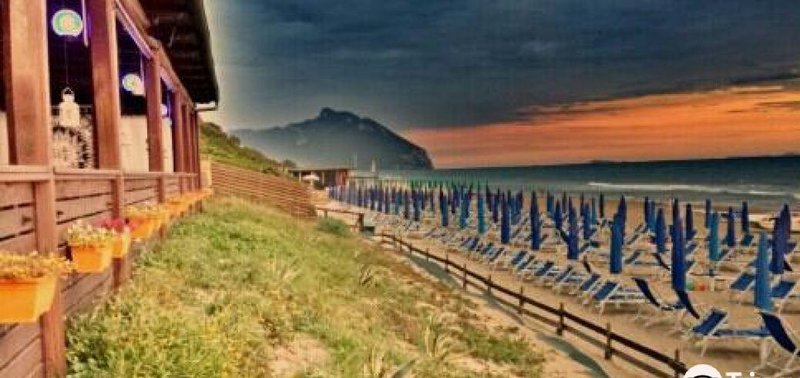
Hotels in Cannara
Discover your perfect stay in Cannara.
Cannara(Italy) Travel 2026: Cheap Flights, Hotels & Top Attractions
Popular Landmarks in Cannara
Discover the most iconic attractions in Cannara
Recommended Hotels in Cannara
Find the perfect place to stay in Cannara
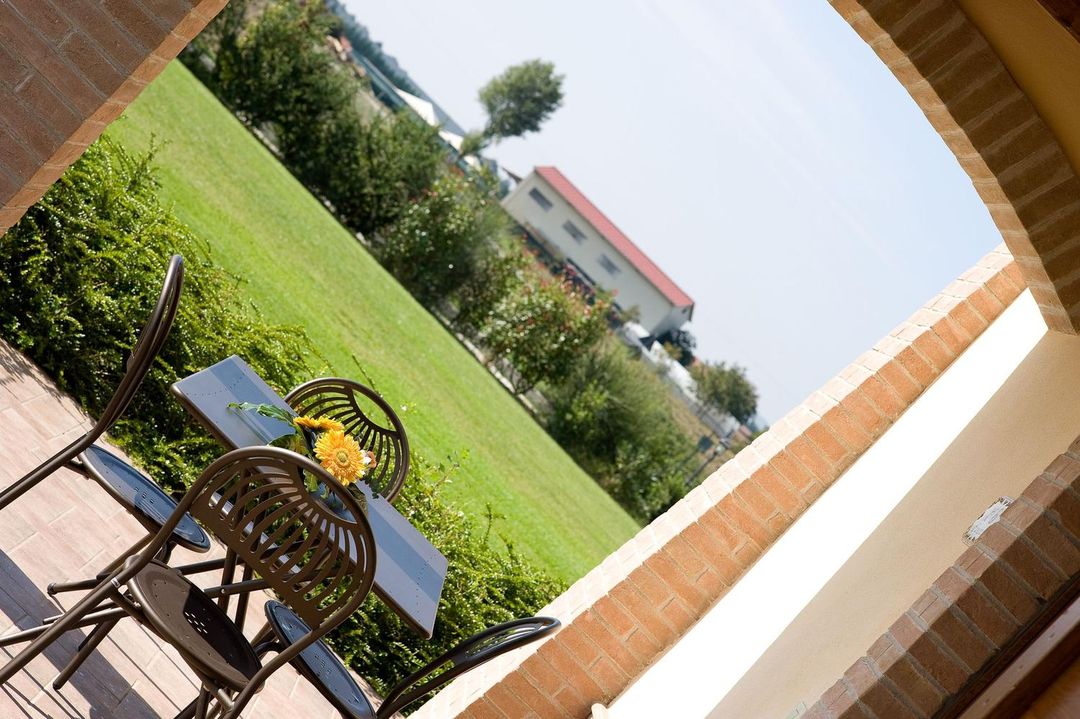
Agriturismo le Rondini di Francesco di Assisi
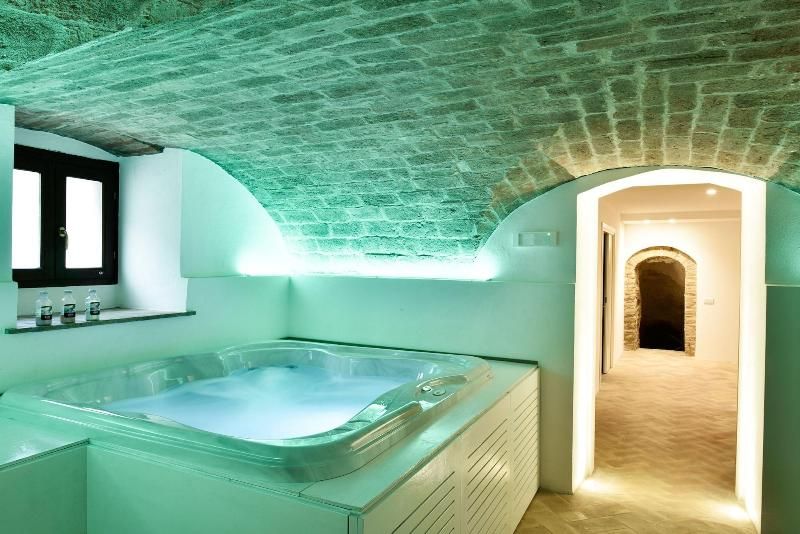
Albergo Il Rientro
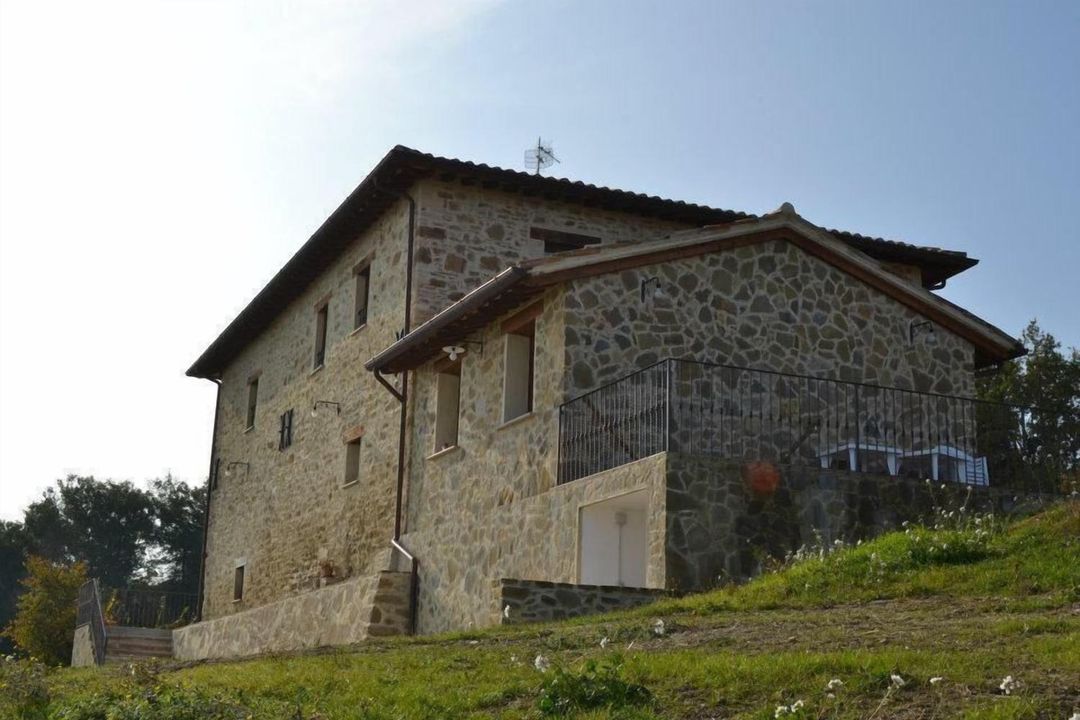
B&B Madonna Del Latte
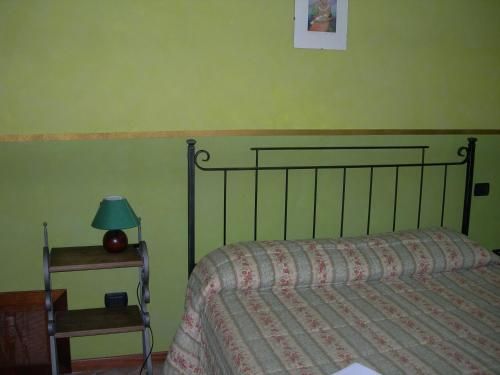
Società Agricola F.Lli Angelucci
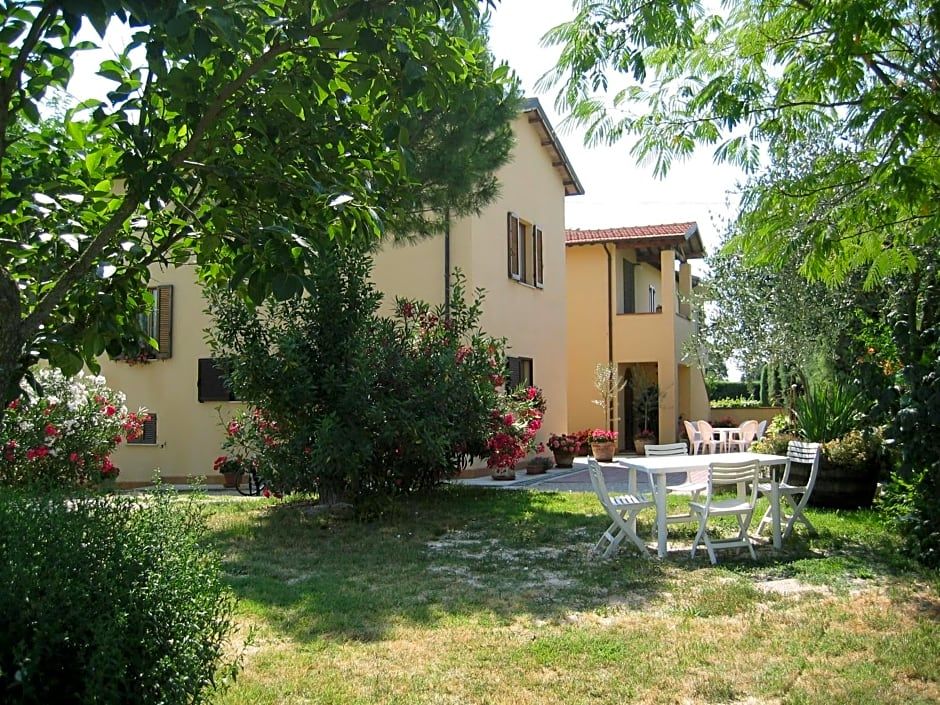
B&B Barbara Assisi
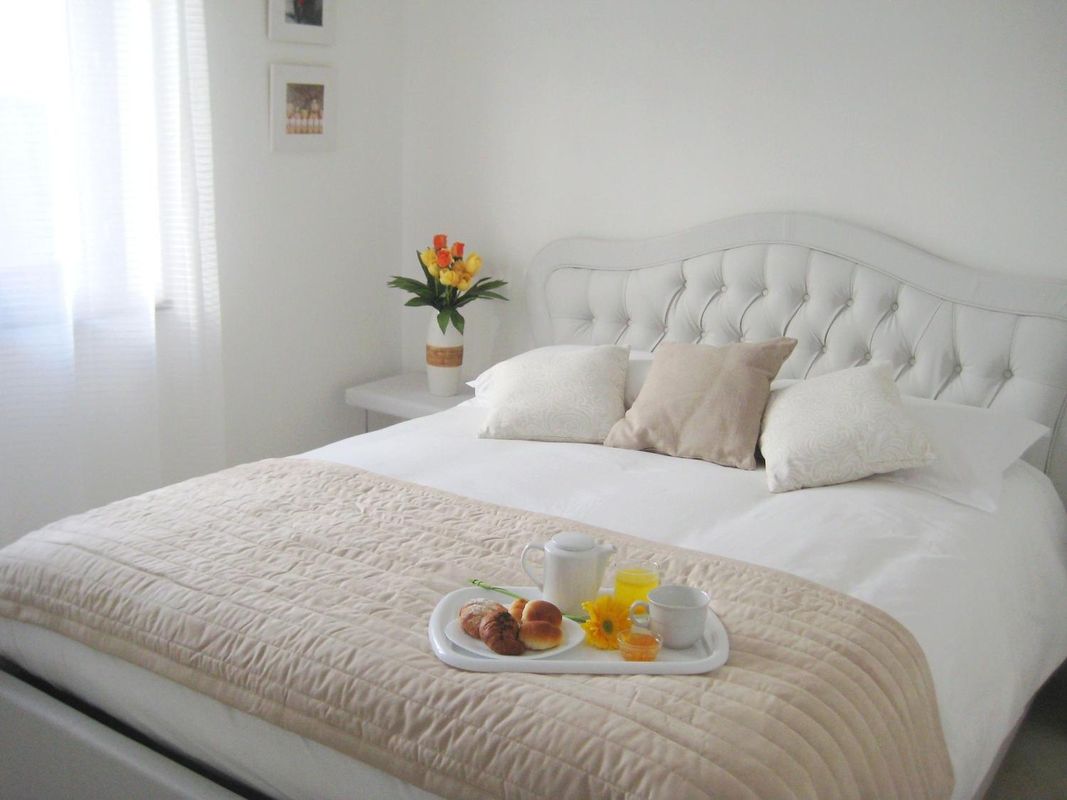
Villa Colle di Rocco
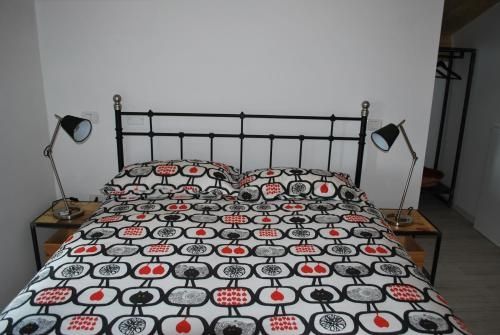
B&B Cuor di Lavanda
Frequently Asked Questions about Traveling to Cannara
Questions You Might Need to Know About Traveling to Cannara
For an authentic Umbrian experience, stay in the historic center of Cannara, where Piazza Garibaldi serves as the heart of local life. The area is perfect for wandering through cobbled streets lined with family-run trattorias and artisan shops.
Recommended stays include La Dimora del Sole, a restored 18th-century villa offering panoramic views of the Apennines and access to private olive groves. Guests can participate in weekly ceramics workshops led by local artisans, preserving traditional Umbrian crafts.
Alternatively, Villa Monti provides a secluded countryside retreat with organic gardens and a vineyard. Enjoy farm-to-table dinners and guided wine tastings that highlight regional specialties like Sagrantino di Montefalco. These accommodations ensure deep cultural immersion in rural Italy’s most tranquil corner.
Yes, several hotels in Cannara offer immersive culinary experiences. At La Dimora del Sole, guests can join hands-on Umbrian cooking classes featuring recipes passed down through generations—like wild boar stew (Cinghiale alla Cacciatora) made with fresh herbs, truffles, and locally pressed extra virgin olive oil.
The hotel also arranges early-morning farm visits to gather ingredients directly from their organic garden. Similarly, Villa Monti hosts a full-day "From Soil to Table" experience: visitors tour the estate’s olive grove, witness cold-press extraction, and enjoy a tasting of freshly produced oil paired with handmade bread and local goat cheese.
These programs provide authentic insight into Umbrian gastronomy, connecting travelers deeply with regional traditions and sustainable farming practices.
The elevated region around Monte San Giorgio is ideal for hikers seeking access to trails in the Appennini Natural Reserve. Stay at B&B La Rocca, a 12th-century stone farmhouse nestled among pine forests, offering direct trail access within 5 minutes.
This property provides rental gear, guided walks, and sunrise treks through ancient oak woods and meadows bursting with wildflowers, with views stretching across the Tuscan Plain.
Alternatively, Villa Monti offers curated eco-hiking maps and night-time stargazing sessions. Their guided tours blend physical exploration with ecological education, making it perfect for nature lovers who value both adventure and sustainability.
The churches of Cannara showcase rare examples of Romanesque architecture in central Italy. The Church of Santa Maria di Monte, dating to the 13th century, features white marble cladding from Abruzzo, and houses a well-preserved 14th-century fresco of the Assumption of the Virgin.
Its bell tower once served as a navigational landmark across the Umbrian hills, still housing its original bronze bell. During Easter, the church hosts a solemn candlelight Mass performed by a local Gregorian choir, preserving centuries-old liturgical tradition.
The Baptistery of San Giovanni, though small, contains a stunning celestial fresco on its dome—a rare medieval depiction of the cosmos symbolizing divine order. This site is a key example of how art and theology intertwined in rural Umbrian religious life.
In April, Cannara hosts the Festa della Primavera, a vibrant celebration blending nature, art, and community spirit. The highlight is the Rose Parade, where locals parade handcrafted paper and silk flower floats along Via Roma.
The Santa Maria Monastery courtyard opens for "Poetry Under the Sky," a nightly event featuring live recitations and music inspired by spring and the land. Meanwhile, the town square hosts an organic farmers’ market, offering seasonal delicacies like wild mushroom risotto and newly bottled white Umbrian wine.
This festival beautifully captures the essence of rural Umbrian life—rooted in tradition, beauty, and the rhythms of nature—making it a must-experience event for cultural travelers.
While Cannara lacks natural hot springs, the Monte San Giorgio Spa Resort, just 15 km away, offers a distinctive mountain wellness experience. It uses Alpine meltwater from the Apennines combined with native herbs like lavender and rosemary in its treatments.
The standout feature is the "Forest Breath Therapy"—a forest-side massage session using negative ion-rich air and ambient bird sounds to promote mental clarity and relaxation. The spa’s stone sauna is built with reclaimed stones from Cannara’s old church, adding historical resonance.
Some suites include private viewing tubs overlooking the Abruzzo valley, where guests can soak under a canopy of stars—perfect for unwinding amid nature’s tranquility.
Cannara Overview
City Summary
Cannara is a charming small town in the Umbria region of Italy, known for its medieval architecture and tranquil countryside atmosphere. It is a hub for truffles and wine, boasting a rich agricultural tradition and culinary culture. The town's central square and ancient churches are testaments to its history.
Must-See Attractions
Must-see attractions in Cannara include the Church of St. Francis, a medieval church with exquisite frescoes. The town square is the perfect spot to experience local life. The surrounding Umbrian countryside offers excellent hiking and cycling routes, immersing visitors in natural beauty.
Food Guide
Cannara is famous for its truffles and handmade pasta. Recommended dishes include Strangozzi al Tartufo (truffle pasta) and roast wild boar. Local wines, especially Sagrantino, are the perfect pairing.
Transportation Guide
Public transport in Cannara is limited; the most convenient way to get around is by car. The town is about 30 km from Perugia, accessible by bus or train. Walking is the best option within the town. Check bus schedules in advance as services may be infrequent.
Best Time to Visit
The best times to visit are spring (April to June) and autumn (September to October), when the weather is mild and there are fewer tourists. Summers can be hot, and winters are cold and quiet.
Travel Tips
- Respect local customs; dress modestly when entering churches.
- Shops may close for long lunch breaks; plan shopping accordingly.
- Learn a few basic Italian phrases, such as "Grazie" (thank you).
- Cash is preferred in small towns; carry some change.
- Rural areas may have spotty signal; download offline maps.
- Visit local farmers' markets for authentic Umbrian flavors.
Useful Information
The official language is Italian, but English is understood in tourist areas. Network coverage is good but may be unstable in rural areas. The Euro is the currency; credit cards are accepted in most restaurants and hotels, but small vendors may prefer cash. The emergency number is 112. Travel insurance covering medical and transport emergencies is recommended.