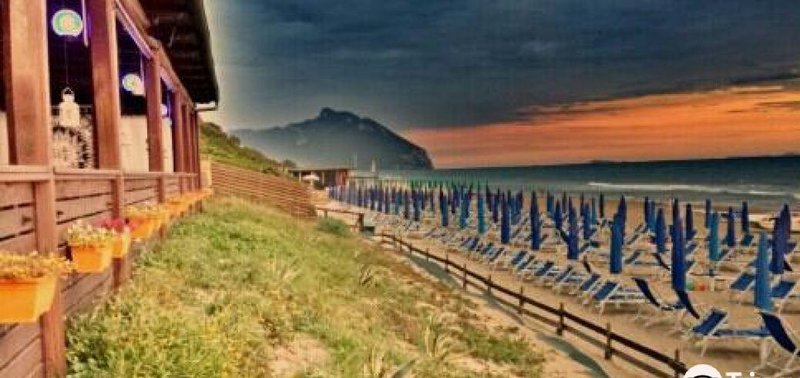
Hotels in Canosa Sannita
Discover your perfect stay in Canosa Sannita.
Canosa Sannita(Italy) Travel 2026: Cheap Flights, Hotels & Top Attractions
Popular Landmarks in Canosa Sannita
Discover the most iconic attractions in Canosa Sannita
Recommended Hotels in Canosa Sannita
Find the perfect place to stay in Canosa Sannita
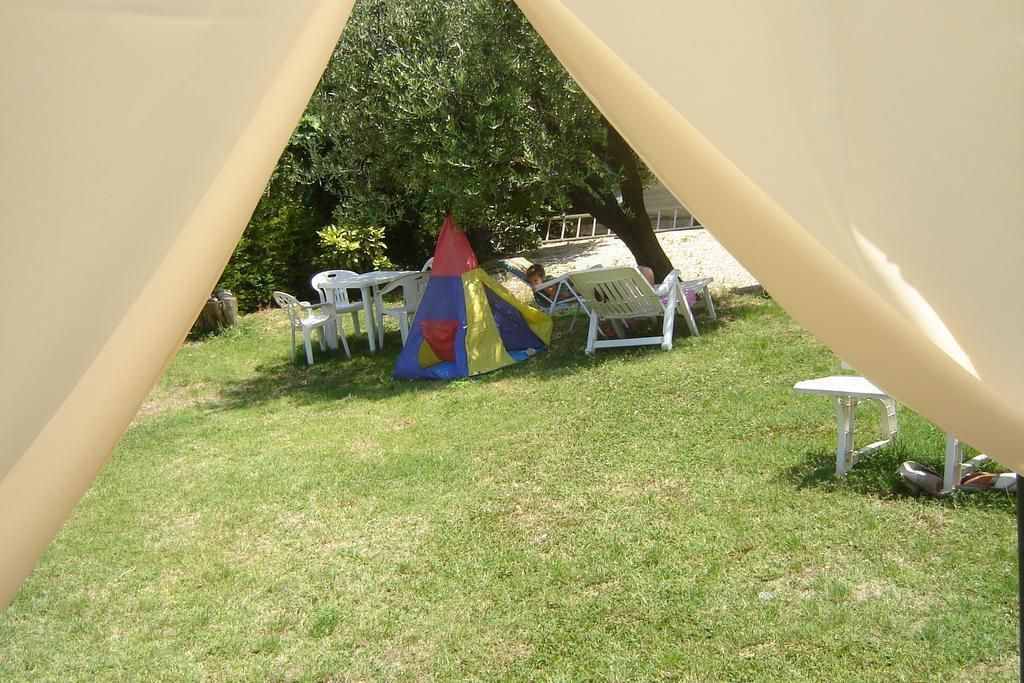
Bed & Breakfast Primavera
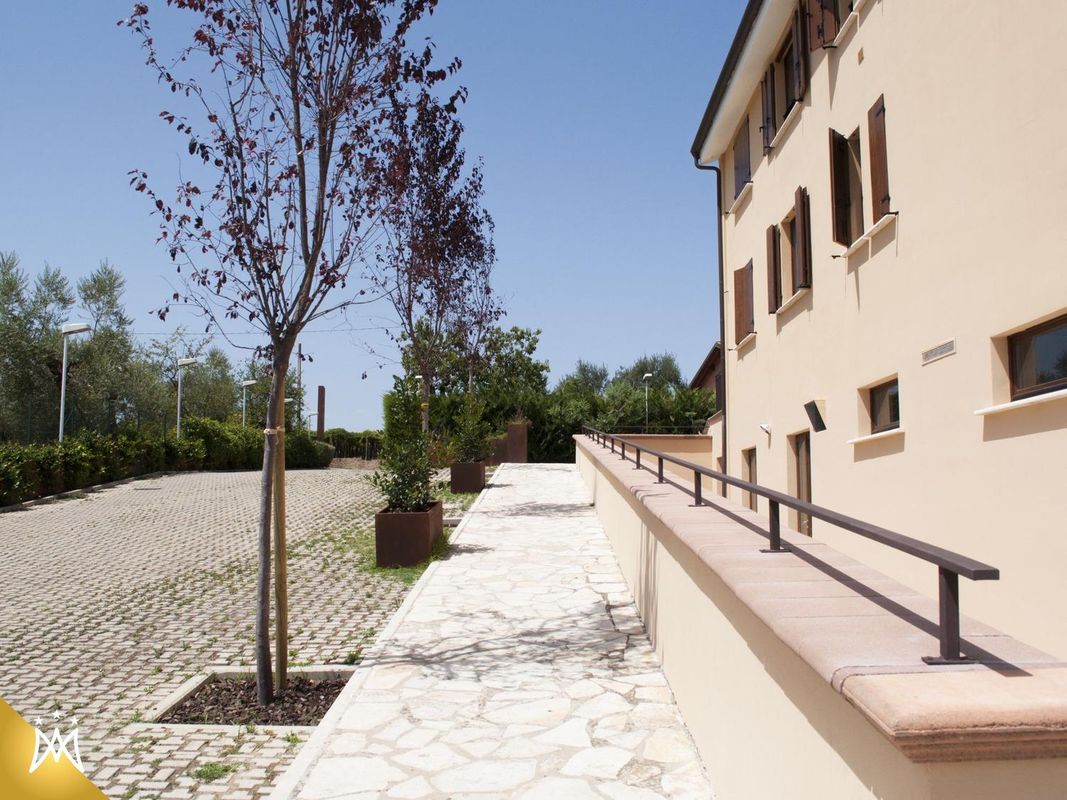
Magnificat Hotel&Resort
B&B Angel's
Casa La Farfalla Bianca
Frequently Asked Questions about Traveling to Canosa Sannita
Questions You Might Need to Know About Traveling to Canosa Sannita
In Canosa di San Nicola, the top-rated hotel is Hotel Villa Rosa, a charming 19th-century villa restored with modern amenities. Located just steps from the Roman Amphitheater and San Nicola Cathedral, it offers spacious rooms with exposed stone walls and handcrafted wooden furniture. Guests enjoy an authentic Italian breakfast featuring local olive oil, homemade bread, and fresh fruit. The hotel also provides guided tours to nearby archaeological sites like the Catacombs of San Gennaro, making it ideal for history enthusiasts seeking a blend of comfort and cultural immersion.
The historic center of Canosa di San Nicola is the best area for accommodation. It's within walking distance of key landmarks such as the Cathedral of San Nicola, Palazzo dei Duchi, and the bustling Piazza del Popolo. Staying here allows easy access to traditional restaurants, artisan shops, and seasonal festivals. Many guesthouses, like B&B Il Giardino Antico and Casa del Sole, offer warm hospitality and local insights. Additionally, the town’s central location makes it a perfect base for day trips to Matera’s Sassi or the Lucanian Apennines.
Visitors to Canosa di San Nicola should not miss the Festa della Madonna delle Grazie, held annually in June, where locals parade through the streets with candles and traditional costumes. Another must-see is exploring the Ancient Roman Amphitheater, one of the largest in southern Italy, now used for open-air performances. Don’t overlook the Catacombs of San Gennaro, a hidden gem with early Christian frescoes. During winter, attend the Christmas Market in Piazza del Popolo, where you can taste spiced wine and handmade sweets while enjoying live folk music.
Yes, Canosa di San Nicola is highly family-friendly. The town features several child-friendly accommodations, such as Agriturismo La Terra Felice, which offers farm visits, petting zoos, and organic vegetable gardens. Families can enjoy safe, scenic walks along the River Bradano and participate in hands-on workshops at the Children’s Museum of History, where kids learn to make clay pottery and traditional masks. With low crime rates and a welcoming atmosphere, it’s an ideal destination for families seeking a peaceful, culturally rich retreat away from city life.
Must-try dishes in Canosa di San Nicola include Pasta con le Sarde, a savory seafood pasta with pine nuts, raisins, and fennel, reflecting ancient Sicilian-Apulian fusion. Another highlight is Orecchiette con le Cime di Rapa, a hearty dish made with small ear-shaped pasta and wild greens, often served with pecorino cheese. For meat lovers, try Cotechino con Lenticchie, a slow-cooked sausage served with lentils during New Year celebrations. Pair these with a glass of Primitivo di Manduria, a bold red wine from the region, to fully experience the soul of Puglia’s culinary tradition.
To travel from Bari to Canosa di San Nicola, take a regional train to Andria Station, then transfer to a local bus operated by Ferrotramviaria, which runs directly into Canosa. The journey takes about 1.5 hours. Alternatively, rent a car via Hertz or Sixt at Bari Airport or train station—drive via SS79 highway, taking approximately 1 hour. Along the way, stop at Castel del Monte, a UNESCO World Heritage site, for a scenic detour. Avoid peak weekends to minimize traffic delays.
The best photo spots in Canosa di San Nicola include the Roman Amphitheater at golden hour, when sunlight casts dramatic shadows across its ancient stone arches. The Cathedral of San Nicola, with its striking façade and intricate stonework, is perfect for architectural photography. Don’t miss the Piazza del Popolo, especially during the Festival of the Madonna, where vibrant banners and crowds create dynamic compositions. For panoramic views, hike up to the Rocca di Canosa hilltop fortress, offering sweeping vistas of the surrounding countryside and distant mountains.
The best time to visit Canosa di San Nicola is April to June and September to October. During these months, temperatures range from 18–25°C, ideal for exploring outdoor sites like the Amphitheater and Catacombs. Spring brings blooming wildflowers and lush greenery; autumn offers crisp air and stunning harvest colors. Summer can be hot (up to 35°C), but the historic center remains shaded and cool. Winter is quiet and cold, but perfect for experiencing intimate holiday events like the Christmas Market and candlelit processions.
Near Canosa di San Nicola, nature lovers can explore the Gargano National Park, just 45 minutes away, home to dense forests, coastal cliffs, and rare wildlife like the Apennine wolf. Visit the Lago di Varano, a serene lake ideal for kayaking and birdwatching. For hikers, the Monte Sant’Angelo Trail offers a challenging climb with breathtaking views of the Adriatic Sea. If interested in geology, the Cave of the Naiads features stalactites and underground streams, accessible via guided tours. These natural wonders provide a refreshing contrast to the town’s rich historical legacy.
Public transportation in Canosa di San Nicola is limited but functional. There are no buses within the town center, so walking or biking is recommended. Regional buses connect Canosa to Bari, Andria, and Foggia, with schedules available at the local tourist office. For greater flexibility, renting a car is advised, especially for visiting nearby attractions like Castel del Monte or Matera. The town’s compact layout means most sights are within a 15-minute walk, and taxis are readily available upon request.
Canosa Sannita Overview
City Summary
Canosa Sannita is a charming small town in Italy's Abruzzo region, known for its rich history, tranquil rural landscapes, and well-preserved cultural heritage. Once a significant medieval religious and political center, it offers visitors an authentic Italian countryside experience away from urban crowds.
Must-See Attractions
Key attractions include the Church of Sannita, medieval castle ruins, and the historic market square. The church features exquisite interior decorations, while the castle remnants evoke its former grandeur. The square remains a vibrant local gathering spot.
Food Guide
The cuisine reflects traditional rural Italian influences. Must-tries include handmade pasta, fresh truffle dishes, and locally cured ham. Family-run trattorias serve these specialties paired with regional wines.
Transportation Guide
Public transport options are limited - driving is recommended for exploring the area. Most town attractions are walkable. From Rome or Pescara, take a train to nearby towns followed by a bus connection.
Best Time to Visit
Visit during spring (April-June) or autumn (September-October) for mild weather and fewer crowds. Summer offers local festivals despite the heat.
Travel Tips
- Dress modestly when visiting religious sites.
- Learn basic Italian phrases as English proficiency varies.
- Carry cash as some shops don't accept cards.
- Exercise caution on narrow rural roads when driving.
- Consider staying in local B&Bs for authentic experiences.
- Check festival calendars for unique events.
Useful Information
Italian is the primary language; English comprehension is limited in rural areas. Mobile coverage is generally good except in remote spots. Medical facilities are basic - the nearest hospital is in adjacent towns. The currency is Euro (cash preferred). Emergency numbers: 112 (general), 118 (medical).