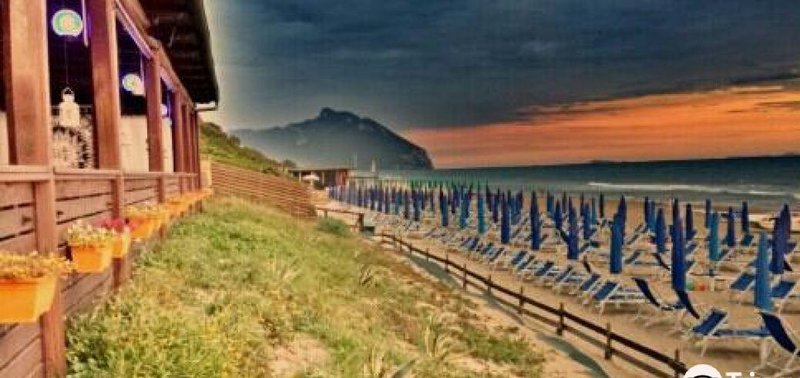
Hotels in Caprese Michelangelo
Discover your perfect stay in Caprese Michelangelo.
Caprese Michelangelo(Italy) Travel 2026: Cheap Flights, Hotels & Top Attractions
Popular Landmarks in Caprese Michelangelo
Discover the most iconic attractions in Caprese Michelangelo
Recommended Hotels in Caprese Michelangelo
Find the perfect place to stay in Caprese Michelangelo
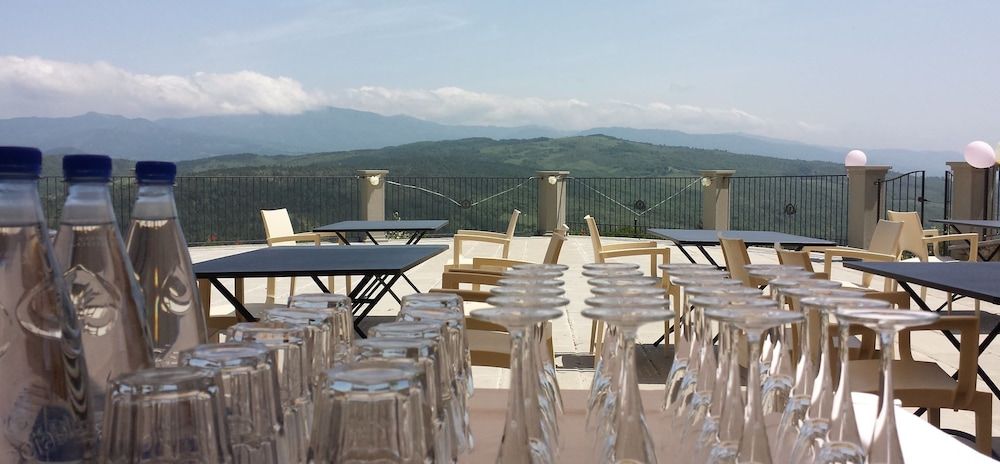
Agriturismo Terra di Michelangelo
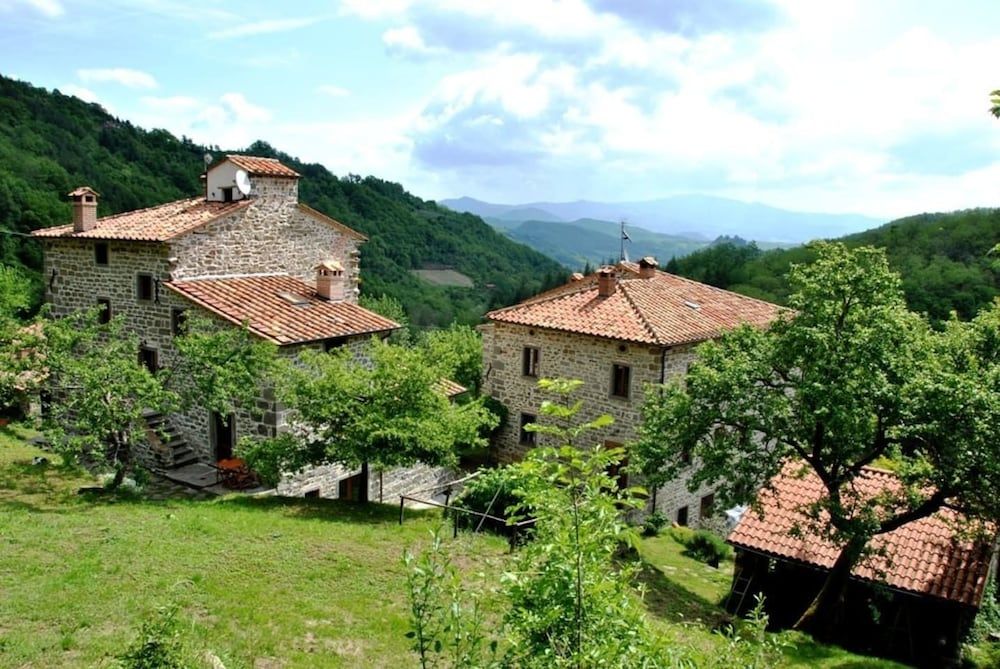
Bio Agriturismo Il Vigno
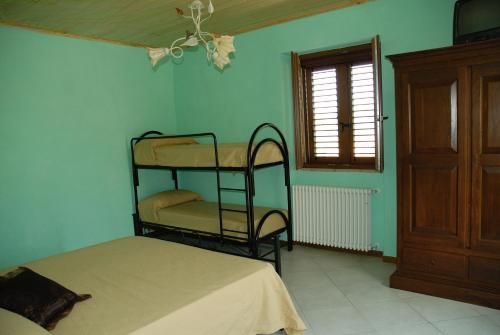
Agriturismo la Casina
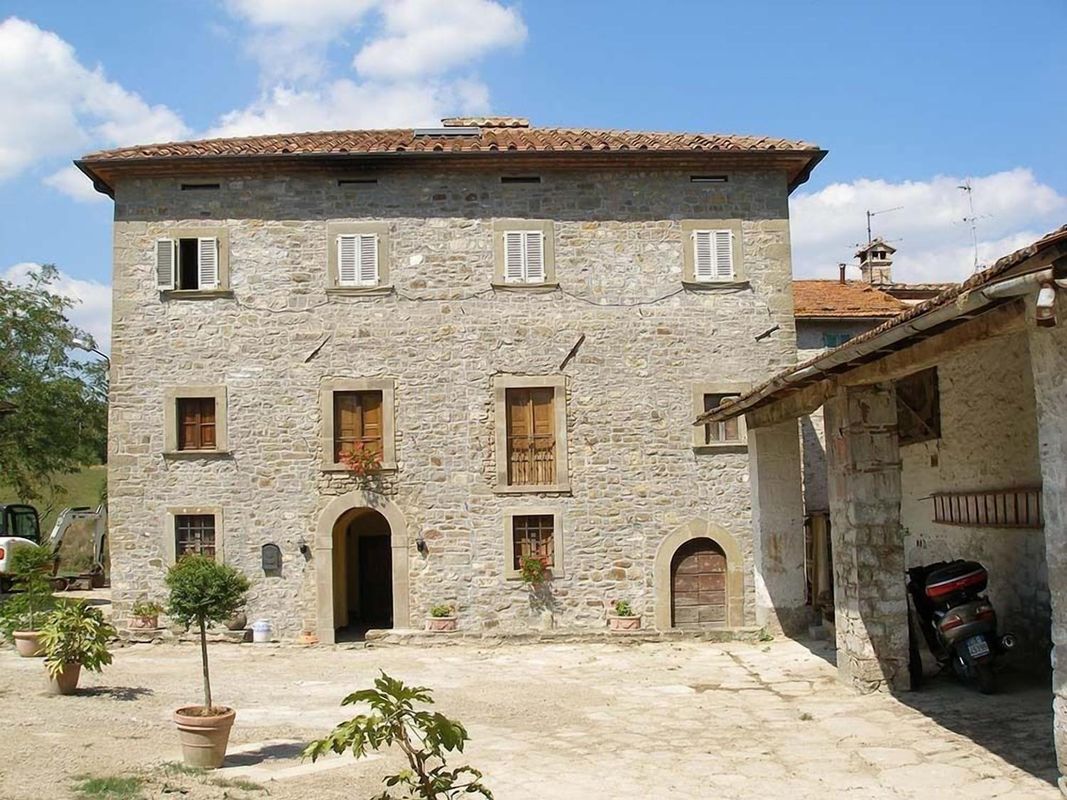
Il Borgo di Faeta
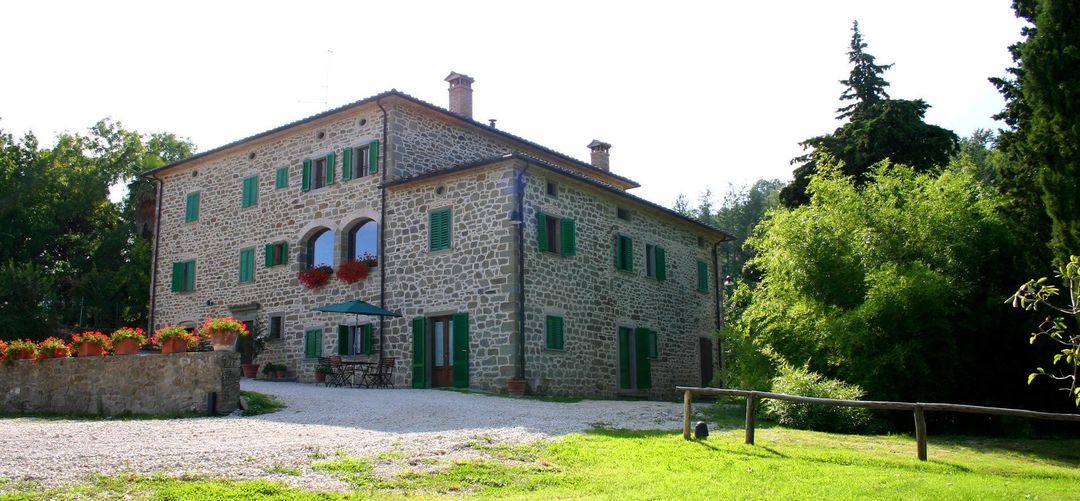
Agriturismo Terra di Michelangelo
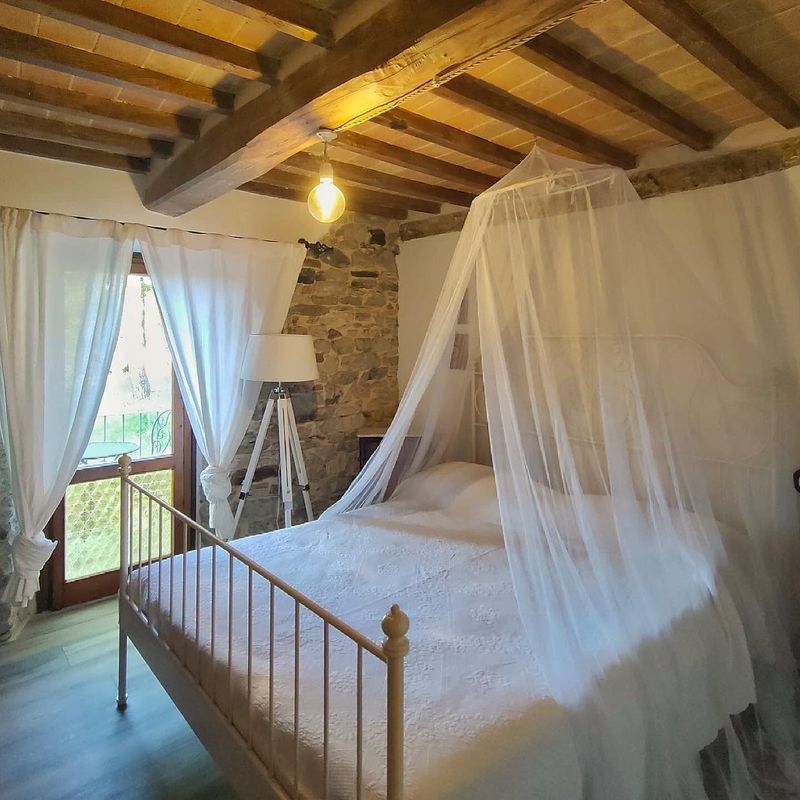
La Pecora e l'Agnello
La Casina del Prete
Frequently Asked Questions about Traveling to Caprese Michelangelo
Questions You Might Need to Know About Traveling to Caprese Michelangelo
In Caprese Michelangelo, top boutique stays include Villa Le Cacce and Agriturismo La Sorgente, both nestled in the rolling hills of Tuscany. These family-run properties offer authentic Tuscan charm with stone walls, wooden beams, and private terraces overlooking vineyards and olive groves. Villa Le Cacce features a private pool and gourmet breakfasts made from local produce. Guests can enjoy guided wine tastings, cooking classes, and art workshops inspired by Michelangelo’s legacy. The town’s intimate atmosphere and proximity to the Michelangelo Birthplace Museum make it ideal for travelers seeking cultural immersion and serene countryside retreats.
The best area to stay in Caprese Michelangelo is around Piazza del Popolo, the heart of the village. This central location offers easy access to key attractions like the Michelangelo Birthplace Museum, Santa Maria Church, and local artisan shops. Many historic farmhouses have been converted into charming guesthouses such as Casa del Sole and La Torre Antica, offering rustic interiors, garden courtyards, and peaceful evenings. From here, visitors can easily explore nearby towns like Montevarchi and Siena, making it an ideal base for discovering Tuscany’s scenic interior while enjoying a quiet, authentic mountain village experience.
Caprese Michelangelo offers unique cultural experiences centered on its most famous son, Michelangelo. During the annual Michelangelo Birthday Week (March 6), the town hosts art workshops, historical lectures, and open-air performances where guests can try sketching or sculpting under local artists’ guidance. Families also open their homes for traditional tomato sauce-making and handmade pasta lessons using heirloom ingredients. In autumn, join the Olive Harvest Festival, where you’ll participate in picking olives and pressing them into oil. These immersive events provide deep insight into the region’s agricultural heritage and artistic spirit, connecting visitors directly to Tuscan traditions.
Yes, Caprese Michelangelo is well-suited for families. Several child-friendly agritourisms, such as Fattoria dei Bambini, offer farm animal encounters, vegetable harvesting, and pottery workshops. Daily activities include forest scavenger hunts through scenic trails, teaching kids about native flora and birds. Evening programs feature family theater performances based on Michelangelo’s life. All accommodations provide safe cribs, play areas, and outdoor spaces. With minimal traffic and rich natural surroundings, this peaceful village allows children to learn through play while parents enjoy a tranquil escape in a true Tuscan hillside setting.
Some luxury accommodations in Caprese Michelangelo, such as Villa Le Cacce and La Sorgente Agriturismo, provide complimentary shuttle services from Florence Station or Arezzo Airport. It’s recommended to book in advance and share arrival details. For those driving, the SS222 Road leads directly to the village, though winding mountain roads require careful navigation. Local buses, including Line 710, connect Florence and Siena and stop at Caprese Michelangelo’s bus station every two hours. Use the Trenitalia App for real-time schedules. Alternatively, many guesthouses offer electric vehicle charging stations for eco-conscious travelers.
Key landmarks in Caprese Michelangelo include: the Michelangelo Birthplace Museum (Casa natale di Michelangelo), a restored 15th-century farmhouse displaying childhood artifacts and early sketches; Santa Maria Church, featuring a rare Gothic bell tower and Renaissance frescoes; and Piazza del Pozzo, the historic town square once used for markets and gatherings. Don’t miss the Sentiero della Libertà trailhead, offering panoramic views of the Tuscan countryside—especially stunning at sunrise. All sites are walkable, and audio guides are available at the tourist office, enhancing your understanding of each location’s historical significance within the broader context of Italian art and culture.
Must-try dishes in Caprese Michelangelo include Ribollita (hearty Tuscan bread and bean soup), Pappa al Pomodoro (tomato and bread stew made with fresh local tomatoes), and Bistecca alla Fiorentina (a thick-cut Florentine steak served whole). Recommended restaurants like Osteria del Sole source ingredients directly from nearby farms, emphasizing seasonal and organic flavors. Many guesthouses also offer private kitchen experiences, where you can learn to make handmade pasta or traditional desserts like cherry confit tart. On weekends, visit the Market Square to buy local olive oil, dried herbs, and truffle spreads—perfect souvenirs that capture the essence of Tuscan cuisine.
Caprese Michelangelo has a Mediterranean climate: hot, dry summers (average 32°C in July/August) and mild, rainy winters (around 8°C in December–February). For summer visits, choose air-conditioned rooms with shaded terraces, such as those at Villa Le Cacce, to avoid midday heat. Winter travelers should opt for rooms with fireplaces, like La Torre Antica, for warmth and comfort. Spring and autumn (April–June, September–October) are ideal for hiking and sightseeing—select high-floor rooms with mountain views to enjoy sweeping vistas of vineyards and olive groves. Always confirm if accommodations have mosquito protection and insulation, especially during unpredictable mountain weather.
Caprese Michelangelo lacks a train station but is accessible via road and local bus. The nearest rail hubs are Arezzo and Florence, with connections via Trenitalia. From Arezzo, take Bus Line 710, which runs every two hours and reaches the village in about 30 minutes. Driving along SS222 offers scenic routes, though mountain roads are narrow and winding—drive carefully. Parking is available outside the town center, and many guesthouses offer bicycle rentals for short explorations. While not a major transit hub, the combination of reliable bus service and guesthouse shuttles ensures convenient access for all travelers.
Nightlife in Caprese Michelangelo is calm and culturally rich. Small local bars like Enoteca del Tempo and Bar del Ponte open after 6 PM, serving regional wines, grappa, and homemade snacks. On weekends, live folk music or poetry readings often take place. Occasionally, the town hosts open-air movie nights under the old chestnut trees, creating a cozy, communal atmosphere. For more vibrant options, nearby Siena and Montevarchi offer lively bars and night markets. Overall, Caprese Michelangelo is perfect for travelers who value quiet evenings, starlit skies, and genuine local interaction over urban nightlife.
Caprese Michelangelo Overview
City Summary
Caprese Michelangelo is a charming hilltop town in Tuscany, Italy, renowned for its connection to the Renaissance master Michelangelo. Nestled in the province of Arezzo, the town boasts medieval architecture, serene countryside views, and rich artistic heritage. Visitors can explore Michelangelo's birthplace and immerse themselves in the Renaissance ambiance.
Must-See Attractions
Must-see attractions include the Michelangelo Birthplace Museum, showcasing the artist's early life and works. The Church of San Giovanni Battista features exquisite frescoes and architectural details. The surrounding Tuscan countryside offers fantastic hiking and photography opportunities, especially during sunset panoramas.
Food Guide
Local Tuscan cuisine is celebrated for its simplicity and flavor. Don't miss Pappardelle al Cinghiale (wild boar pasta) and Ribollita (bread soup). Small trattorias also serve local wines, particularly Chianti, which pairs perfectly with the dishes.
Transportation Guide
Public transport in Caprese Michelangelo is limited; renting a car is recommended. The drive from Florence or Arezzo takes about 1.5 hours. The town is walkable, but exploring the countryside requires a car or joining a guided hiking tour.
Best Time to Visit
Best times to visit are spring (April-June) and autumn (September-October), with mild weather and fewer crowds. Summers can be hot and busy, while winters are colder with some closures.
Travel Tips
- Respect local culture: The town is quiet—avoid loud noises.
- Dress modestly: Cover shoulders and knees when visiting churches.
- Book guides in advance: Michelangelo's birthplace museum tours require reservations.
- Carry cash: Small eateries and shops may not accept cards.
- Drive cautiously: Mountain roads are narrow and winding.
- Learn basic Italian: English may be limited; greetings go a long way.
Useful Information
Language: Italian is primary; some English in tourist areas. Internet: Wi-Fi hotspots exist, but rural areas may have weak signals. Payment: Cash preferred in small establishments; carry euros. Emergencies: Nearest hospital is in Arezzo; pharmacies offer basic aid. Voltage: 230V, with Type L (Italian) two-round-pin sockets.