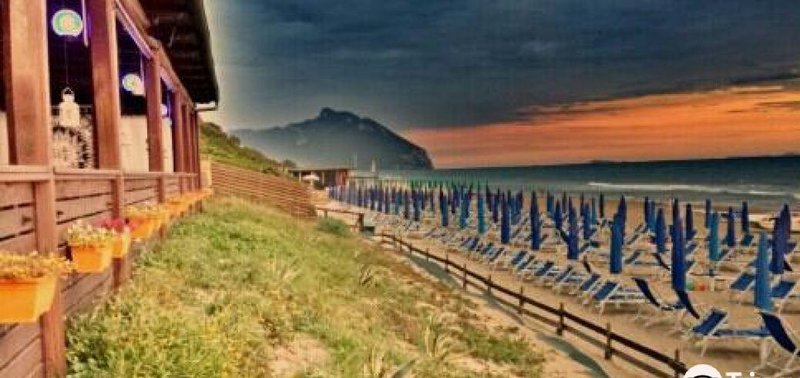
Hotels in Caramanico Terme
Discover your perfect stay in Caramanico Terme.
Caramanico Terme(Italy) Travel 2026: Cheap Flights, Hotels & Top Attractions
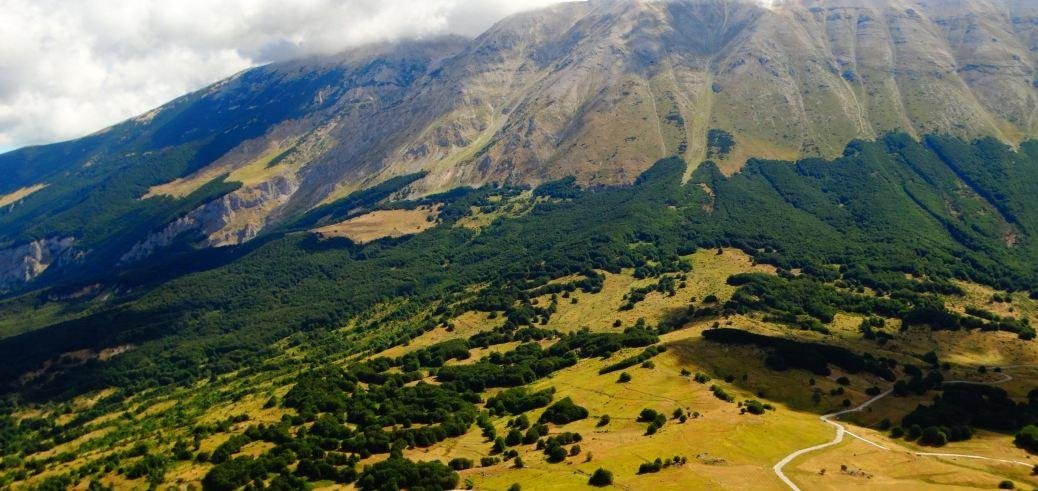
Popular Landmarks in Caramanico Terme
Discover the most iconic attractions in Caramanico Terme
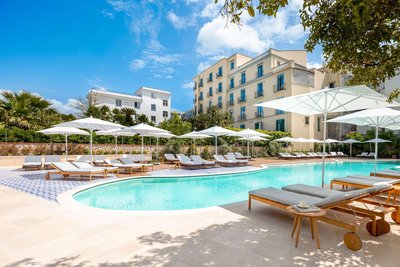
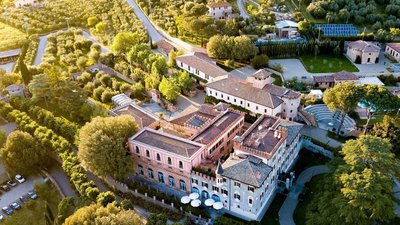
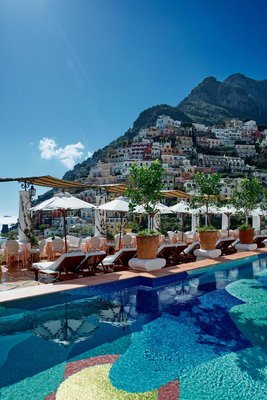
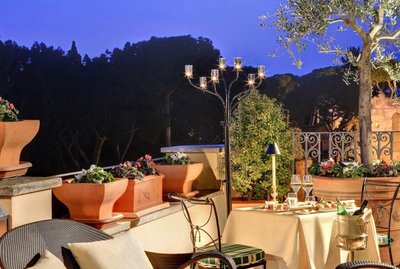
Recommended Hotels in Caramanico Terme
Find the perfect place to stay in Caramanico Terme
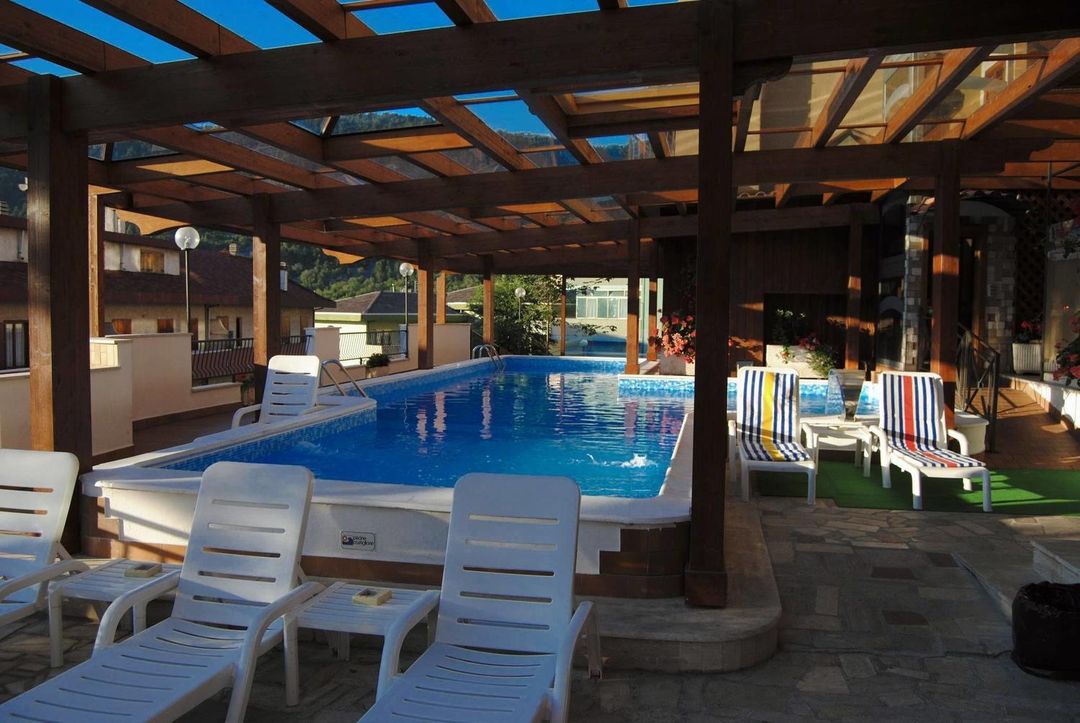
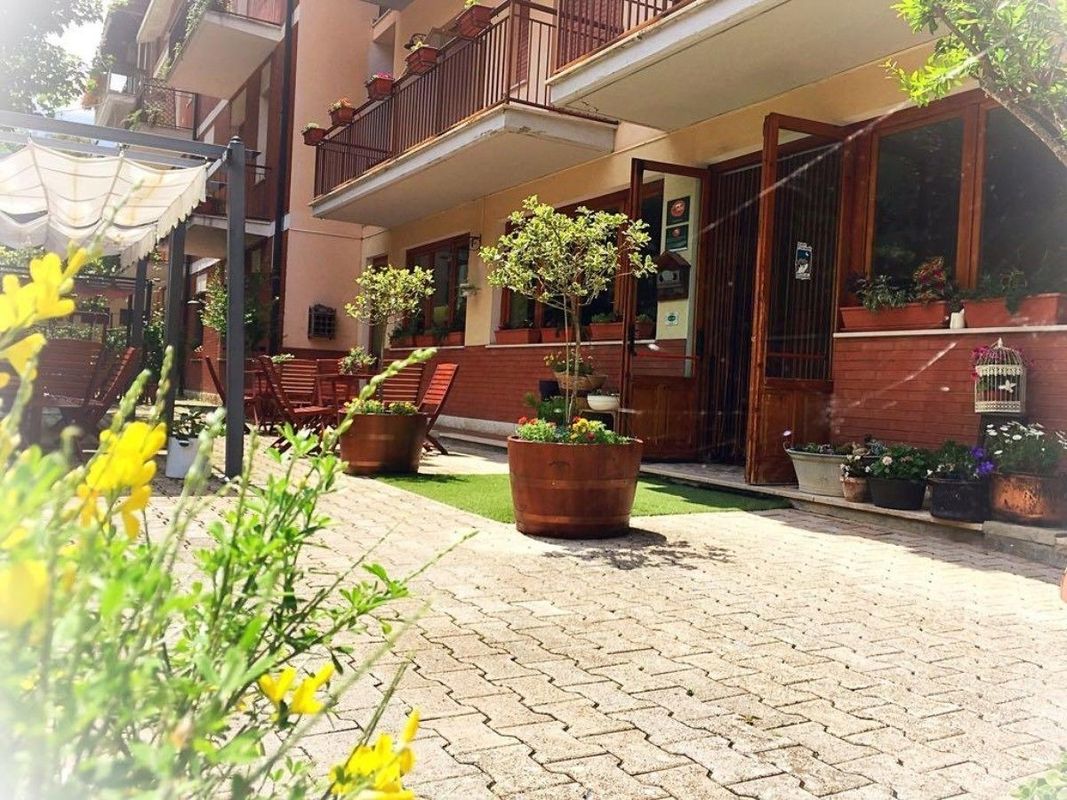
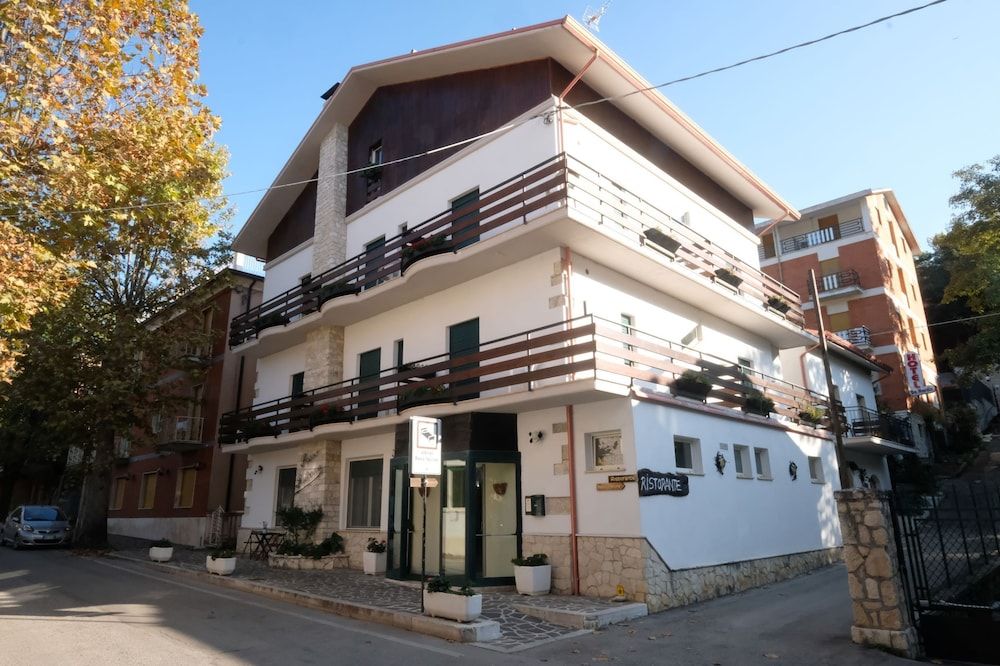
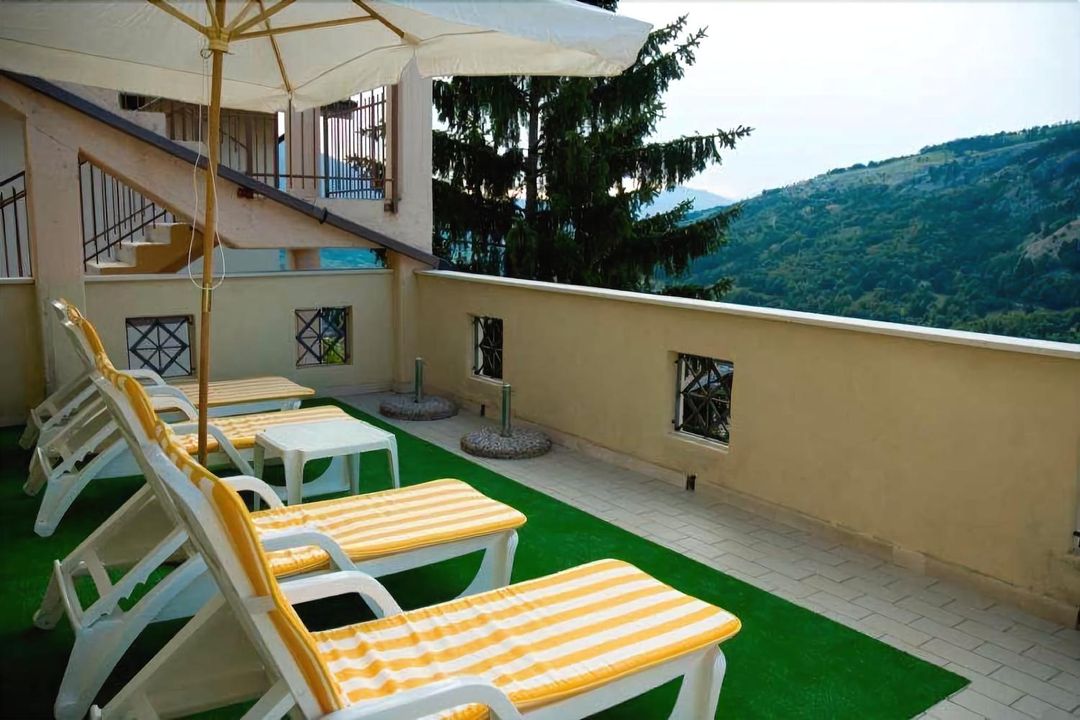
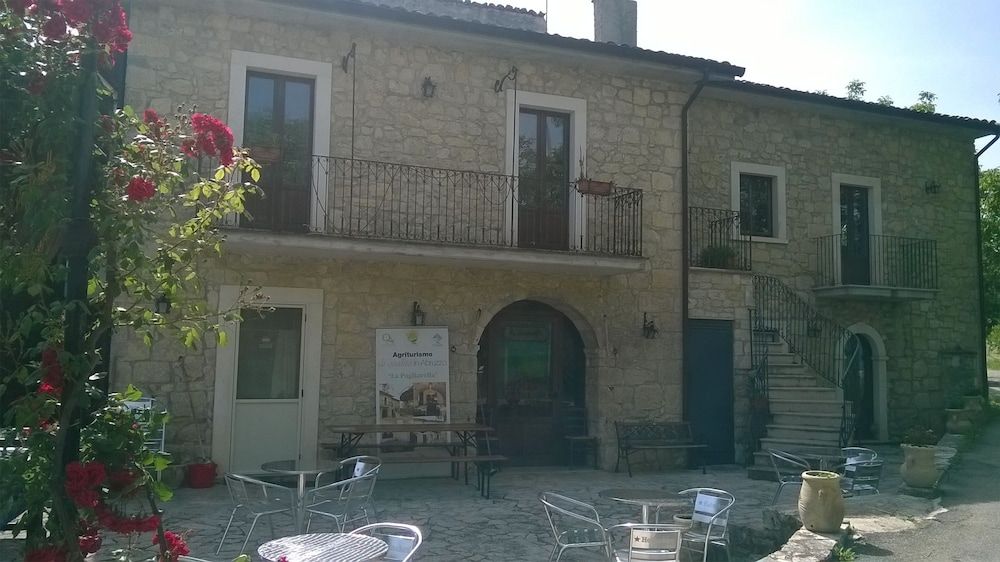
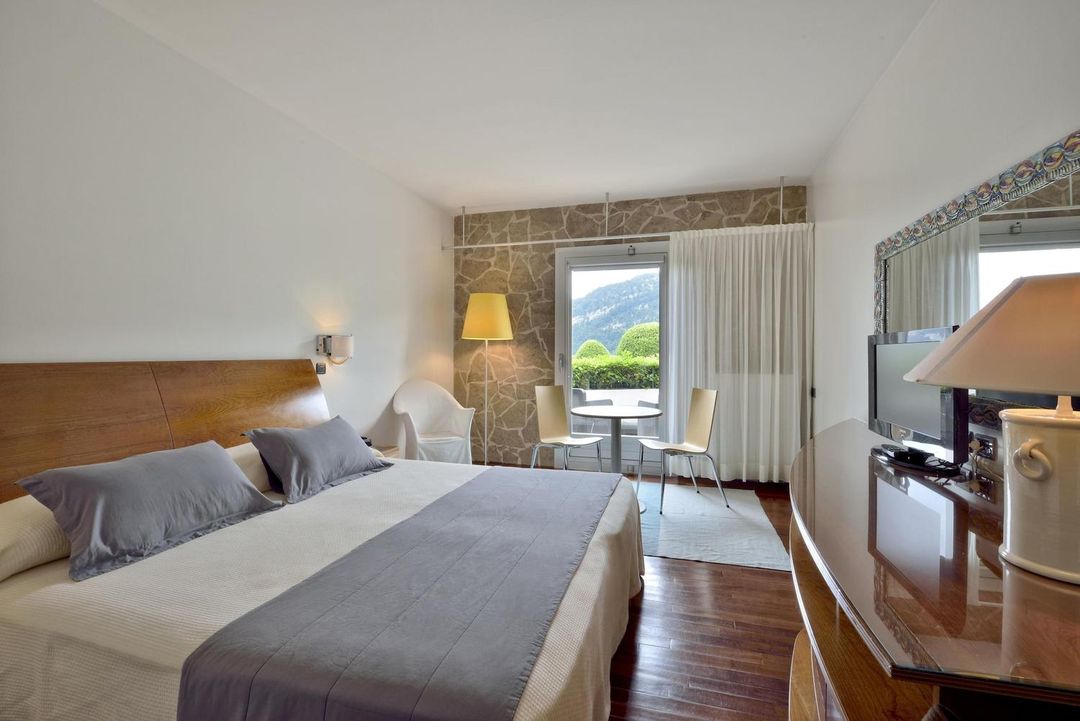
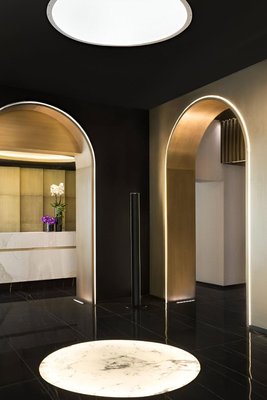
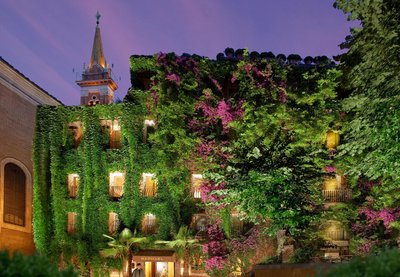
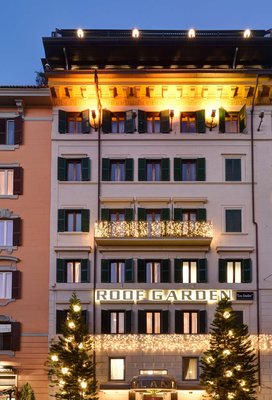
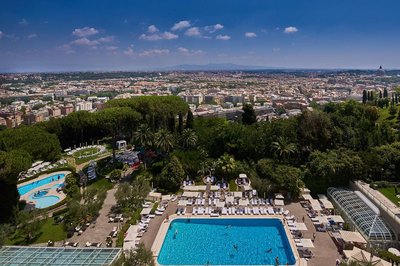
Best Hotels in Caramanico Terme
Discover curated hotel collections in Caramanico Terme





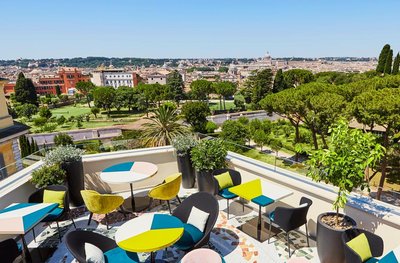
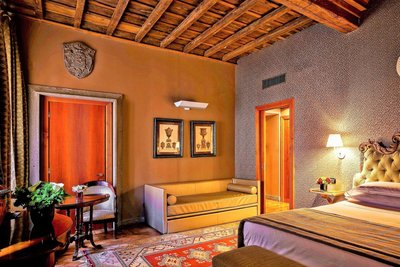
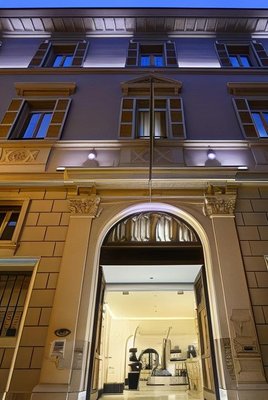

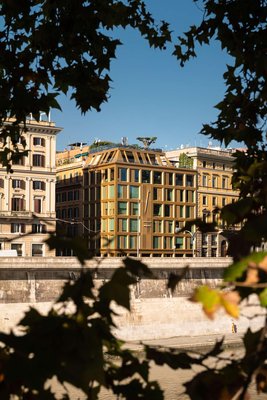


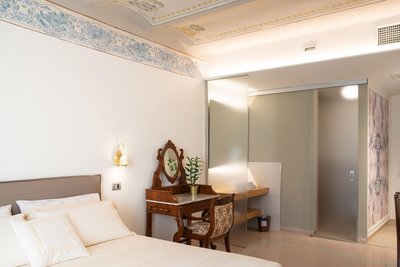
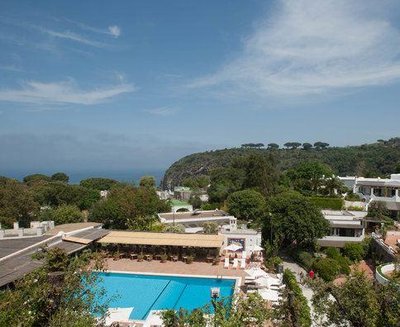
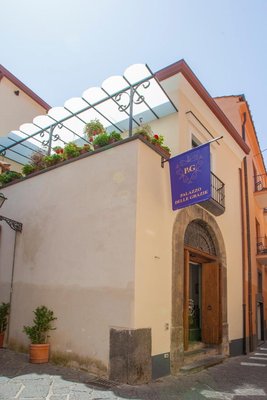
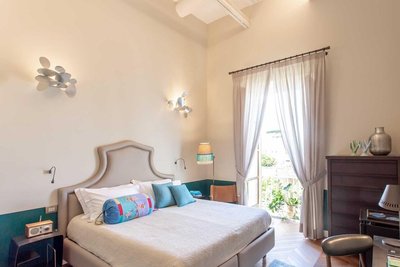
















Frequently Asked Questions about Traveling to Caramanico Terme
Questions You Might Need to Know About Traveling to Caramanico Terme
Caramanico Terme Overview
City Summary
Caramanico Terme is a charming town in Italy's Abruzzo region, renowned for its rich thermal springs and long history. Surrounded by the Apennine Mountains, it offers a perfect setting for relaxation and therapeutic treatments. Its mineral-rich waters have been used since Roman times to treat various ailments.
Must-See Attractions
The main attractions of Caramanico Terme include its historic thermal baths, such as Terme di Caramanico, where visitors can enjoy soothing thermal baths. Nearby, Majella National Park offers outdoor activities like hiking and bird watching. The town's ancient streets and churches, showcasing medieval architecture, are also worth exploring.
Food Guide
In Caramanico Terme, you can savor traditional Abruzzo cuisine. Try local specialties like lamb dishes and handmade pasta, such as "maccheroni alla chitarra." Restaurants in town also serve dishes made with local ingredients, paired with regional wines for a unique flavor.
Transportation Guide
Public transportation in Caramanico Terme is limited, so renting a car is recommended for greater flexibility. Most attractions in town are within walking distance. Trains and buses connect the town to major cities like Rome and Pescara, but schedules are infrequent. Taxis are available but expensive.
Best Time to Visit
The best time to visit Caramanico Terme is during spring and autumn when the weather is mild and ideal for outdoor activities. Summers are warm but crowded, while winters are cold but perfect for thermal baths.
Travel Tips
- Thermal baths often require advance HopeGoo, especially in peak season.
- Locals are friendly; learning a few Italian phrases can enhance your trip.
- Respect the environment, particularly in the national park.
- Shops and restaurants may close in the afternoon, so plan accordingly.
- Wear comfortable walking shoes as streets are cobbled.
- Observe local customs, especially when visiting churches.
Useful Information
The primary language in Caramanico Terme is Italian, though English is spoken in tourist areas. Credit cards are accepted in hotels and restaurants, but smaller shops may only take cash. Dial 112 for emergencies. Wi-Fi is widely available in accommodations. Bring a EU-compatible power adapter. Medical facilities are adequate, but serious cases should go to larger city hospitals.