Hotels in Carrara
Discover your perfect stay in Carrara.
Carrara(Italy) Travel 2026: Cheap Flights, Hotels & Top Attractions

Carrara Overview
City Summary
Carrara, a charming town in Italy's Tuscany region, is globally renowned for its precious marble. Nestled at the foot of the Apuan Alps, the city boasts a millennia-old quarrying tradition—its marble was used in Rome's Pantheon and Michelangelo's David. Carrara's medieval charm blends with industrial heritage, where narrow streets, ancient churches, and modern marble workshops create a unique visual contrast.
Must-See Attractions
Must-see spots include the Carrara Cathedral (Duomo di Carrara), a 13th-century Romanesque church partially built with local marble; the Marble Quarries (Cave di Marmo) offering guided tours of open-pit mines; and the Civic Marble Museum (Museo Civico del Marmo) showcasing sculptural art. For cultural immersion, join a marble-carving workshop or explore the historic center's medieval architecture.
Food Guide
Local cuisine highlights Tuscan traditions: Lardo di Colonnata (marble-cured pork fat) is a signature; Tordelli Carrarini (meat-stuffed pasta) pairs with game sauce; dessert options include Castagnaccio (chestnut flour cake). The food culture reflects mountain heritage, emphasizing slow food and local ingredients—perfect with Colli di Luni DOC wines.
Transportation Guide
Transport options:
- Train: Regional trains from Pisa/La Spezia take ~1 hour to Carrara station; the center is walkable
- Bus: ATN-operated blue buses link the station to mountain areas
- Car: Accessible via A12 highway, but ZTL restrictions apply in the old town (hotels provide permits)
- Taxi: Limited availability; book through hotels Tip: Quarry visits require guided tours (shuttles provided); mountain roads are narrow—drive cautiously.
Best Time to Visit
Best seasons are April-June and September-October, with mild weather (15-25°C) and fewer crowds. July-August is hot (up to 35°C) with some quarry closures; winter (November-March) is rainy but offers low hotel rates. Avoid August 15 (Ferragosto) when most businesses close.
Travel Tips
- Safety: Helmets are mandatory in quarries; never stray from guided paths
- Etiquette: Cover shoulders/knees when entering churches
- Payments: Carry small euro notes as many shops are cash-only
- Bookings: Reserve marble workshops at least 3 days ahead
- Language: Basic Italian greetings (e.g., "Buongiorno") are appreciated
- Souvenirs: Look for "Marmo di Carrara" labels on authentic marble crafts
- Eco: Avoid touching unfinished sculptures—skin oils damage marble
- Dining: Restaurants typically open after 7:30 PM
Useful Information
Essentials:
- Language: Italian dominant; limited English in tourist areas
- Internet: Free downtown Wi-Fi (SMS verification required); TIM/Vodafone SIM cards recommended
- Payments: Visa/Mastercard accepted at hotels/restaurants; markets are cash-only
- Voltage: 230V, Type L plugs
- Emergencies: Ospedale di Carrara hospital (+39 0585 8411); EHIC card covers EU citizens
- Consulate: Nearest Chinese consulate is in Florence (+39 055 5058188)
- Water: Tap water is drinkable; restaurants serve bottled water (charged)
- Emergency numbers: Carabinieri 112, ambulance 118
Popular Landmarks in Carrara
Discover the most iconic attractions in Carrara
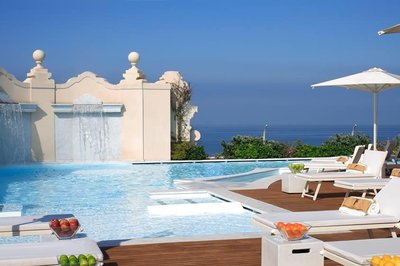
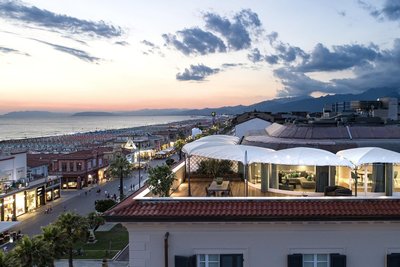
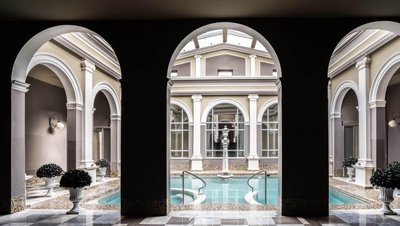
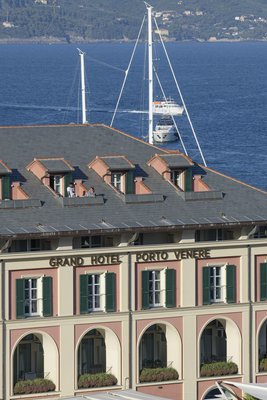
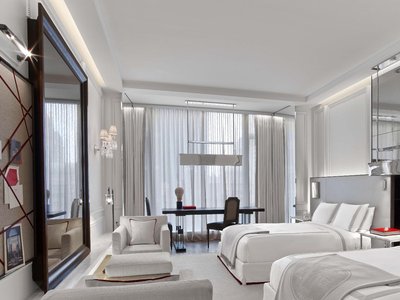
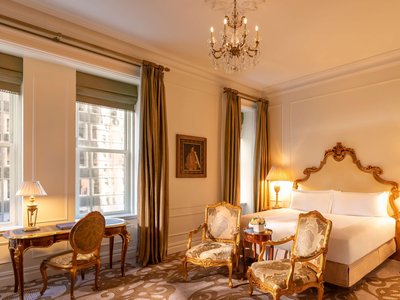
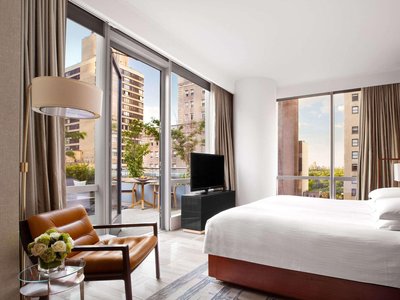
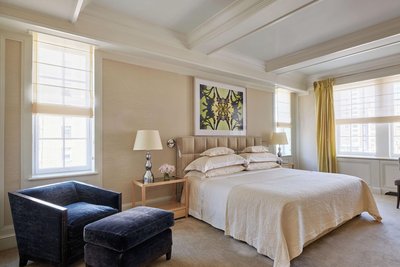
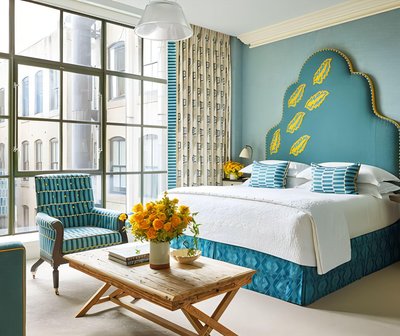
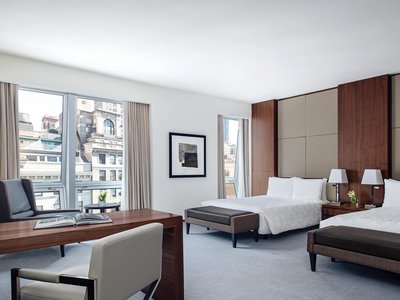
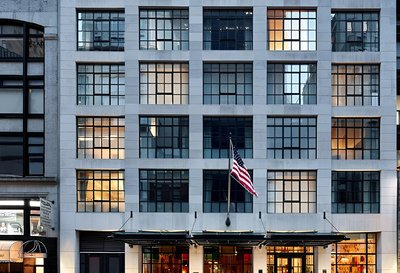
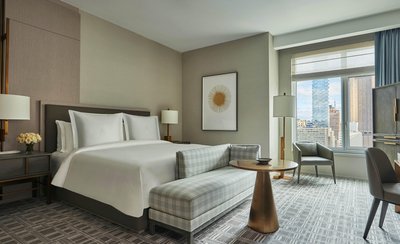
Recommended Hotels in Carrara
Find the perfect place to stay in Carrara


Best Hotels in Carrara
Discover curated hotel collections in Carrara












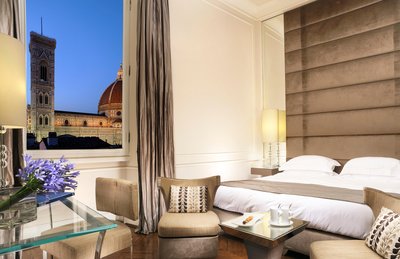
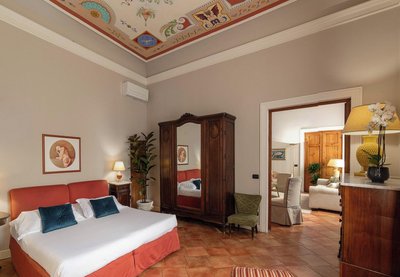

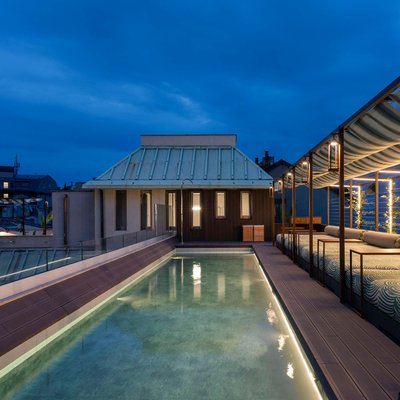
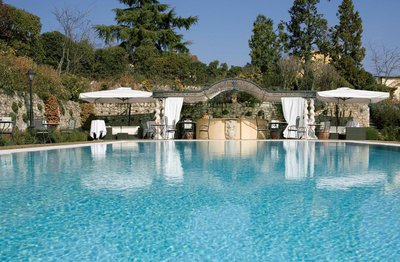



Carrara Overview
City Summary
Carrara, a charming town in Italy's Tuscany region, is globally renowned for its precious marble. Nestled at the foot of the Apuan Alps, the city boasts a millennia-old quarrying tradition—its marble was used in Rome's Pantheon and Michelangelo's David. Carrara's medieval charm blends with industrial heritage, where narrow streets, ancient churches, and modern marble workshops create a unique visual contrast.
Must-See Attractions
Must-see spots include the Carrara Cathedral (Duomo di Carrara), a 13th-century Romanesque church partially built with local marble; the Marble Quarries (Cave di Marmo) offering guided tours of open-pit mines; and the Civic Marble Museum (Museo Civico del Marmo) showcasing sculptural art. For cultural immersion, join a marble-carving workshop or explore the historic center's medieval architecture.
Food Guide
Local cuisine highlights Tuscan traditions: Lardo di Colonnata (marble-cured pork fat) is a signature; Tordelli Carrarini (meat-stuffed pasta) pairs with game sauce; dessert options include Castagnaccio (chestnut flour cake). The food culture reflects mountain heritage, emphasizing slow food and local ingredients—perfect with Colli di Luni DOC wines.
Transportation Guide
Transport options:
- Train: Regional trains from Pisa/La Spezia take ~1 hour to Carrara station; the center is walkable
- Bus: ATN-operated blue buses link the station to mountain areas
- Car: Accessible via A12 highway, but ZTL restrictions apply in the old town (hotels provide permits)
- Taxi: Limited availability; book through hotels Tip: Quarry visits require guided tours (shuttles provided); mountain roads are narrow—drive cautiously.
Best Time to Visit
Best seasons are April-June and September-October, with mild weather (15-25°C) and fewer crowds. July-August is hot (up to 35°C) with some quarry closures; winter (November-March) is rainy but offers low hotel rates. Avoid August 15 (Ferragosto) when most businesses close.
Travel Tips
- Safety: Helmets are mandatory in quarries; never stray from guided paths
- Etiquette: Cover shoulders/knees when entering churches
- Payments: Carry small euro notes as many shops are cash-only
- Bookings: Reserve marble workshops at least 3 days ahead
- Language: Basic Italian greetings (e.g., "Buongiorno") are appreciated
- Souvenirs: Look for "Marmo di Carrara" labels on authentic marble crafts
- Eco: Avoid touching unfinished sculptures—skin oils damage marble
- Dining: Restaurants typically open after 7:30 PM
Useful Information
Essentials:
- Language: Italian dominant; limited English in tourist areas
- Internet: Free downtown Wi-Fi (SMS verification required); TIM/Vodafone SIM cards recommended
- Payments: Visa/Mastercard accepted at hotels/restaurants; markets are cash-only
- Voltage: 230V, Type L plugs
- Emergencies: Ospedale di Carrara hospital (+39 0585 8411); EHIC card covers EU citizens
- Consulate: Nearest Chinese consulate is in Florence (+39 055 5058188)
- Water: Tap water is drinkable; restaurants serve bottled water (charged)
- Emergency numbers: Carabinieri 112, ambulance 118
Frequently Asked Questions about Traveling to Carrara
Questions You Might Need to Know About Traveling to Carrara