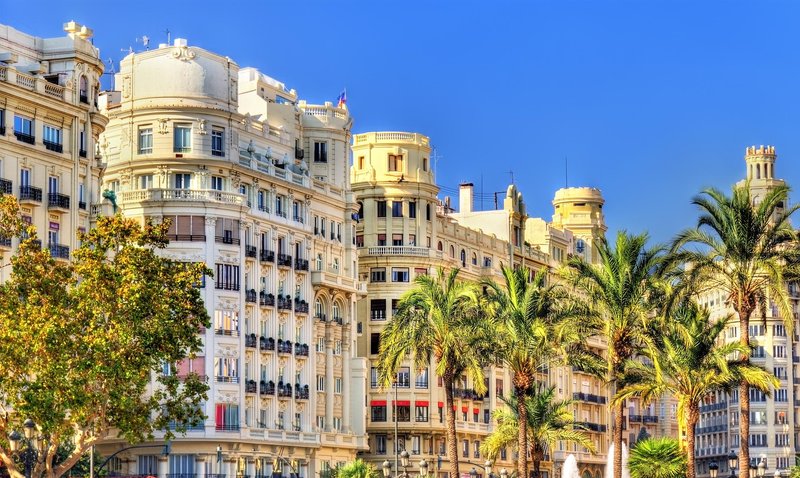
Hotels in Casabermeja
Discover your perfect stay in Casabermeja.
Casabermeja(Spain) Travel 2026: Cheap Flights, Hotels & Top Attractions
Popular Landmarks in Casabermeja
Discover the most iconic attractions in Casabermeja
Recommended Hotels in Casabermeja
Find the perfect place to stay in Casabermeja
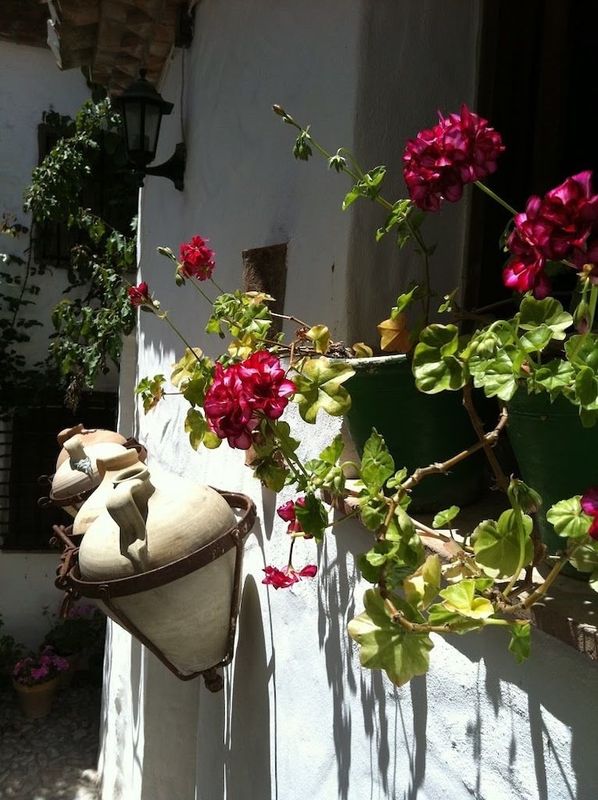
La Casa de Corruco
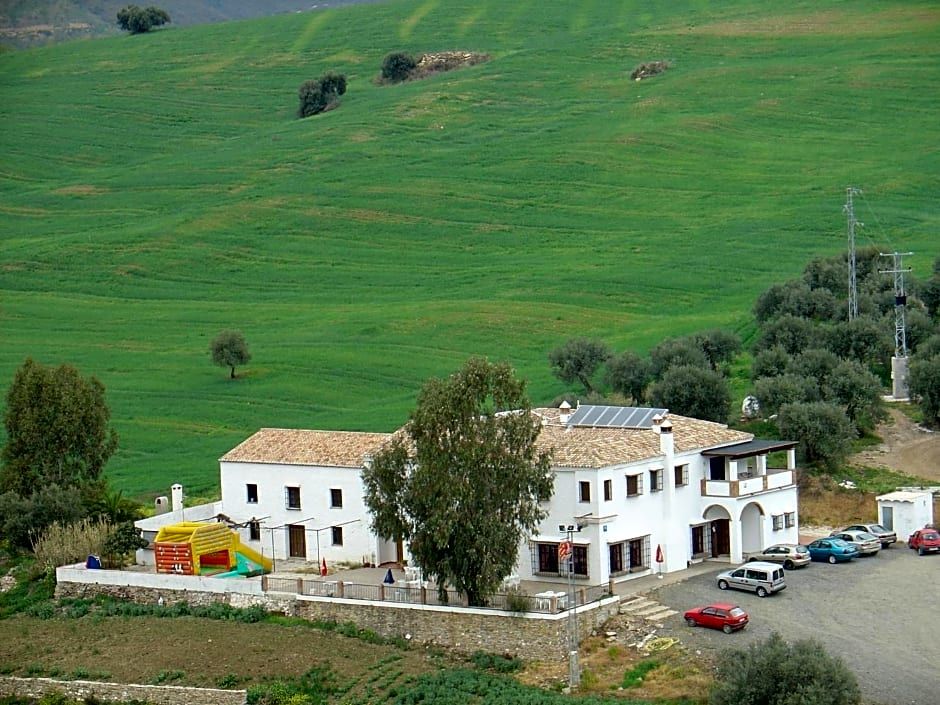
El Lagar de Pepe
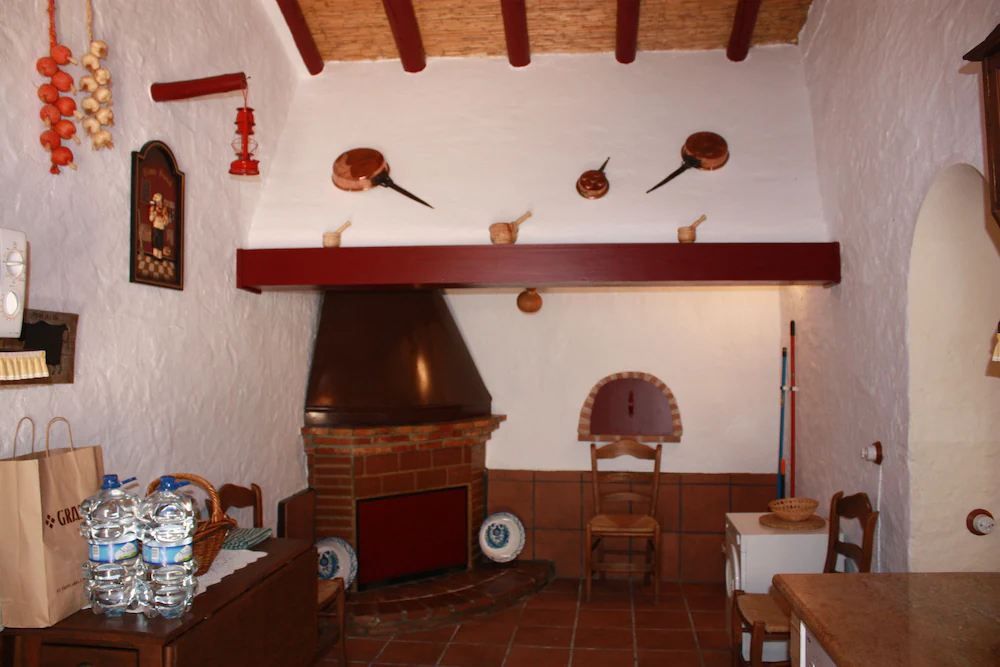
El Retiro

Hotel Restaurante El Corte
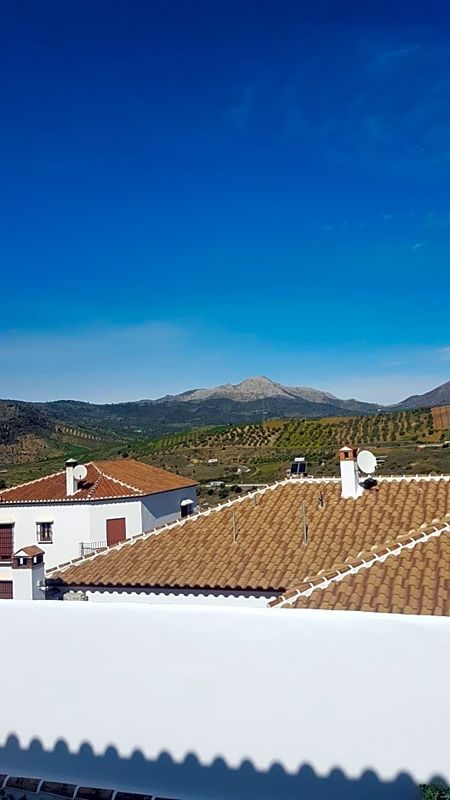
El Rengue
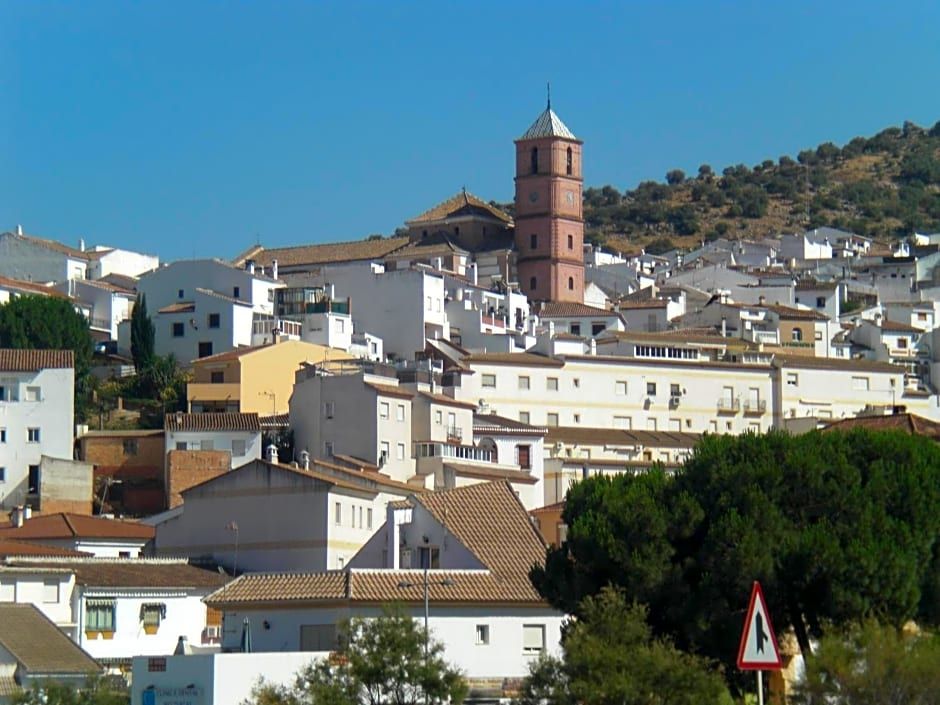
Hotel Casabermeja
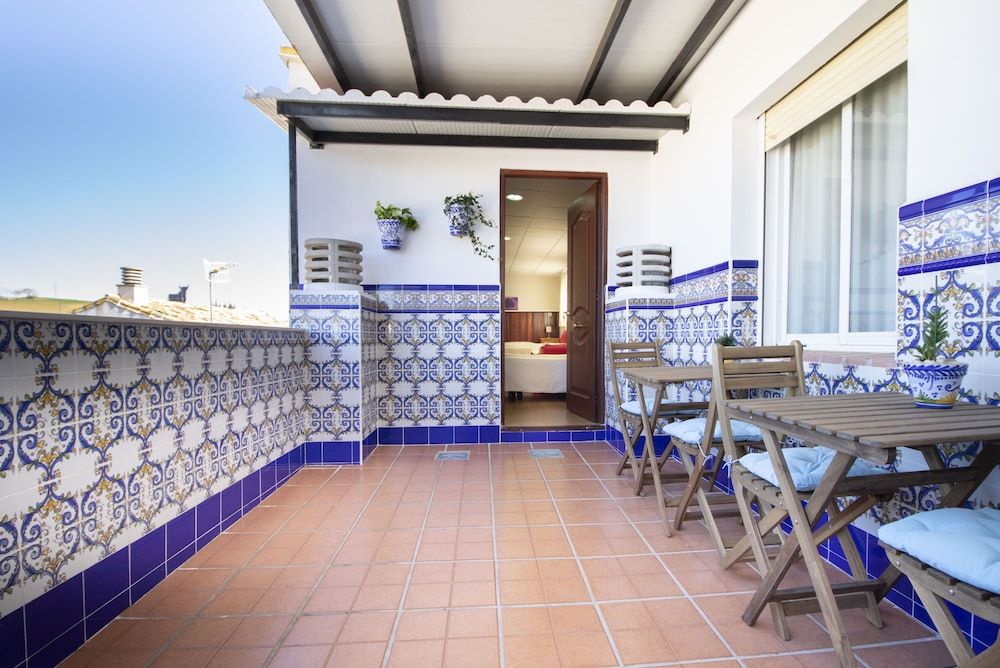
Los Gallos
Frequently Asked Questions about Traveling to Casabermeja
Questions You Might Need to Know About Traveling to Casabermeja
In Cádiz, the top boutique hotel with authentic local character is Casa de la Villa, a restored 17th-century manor blending Andalusian architecture with modern comfort. Located in the historic Casco Antiguo district, it features hand-painted ceramic floors, wooden beams, and shaded courtyards filled with bougainvillea. Guests enjoy breakfast on the terrace overlooking the Plaza de Candelaria, while the staff offers personalized tours to hidden plazas, artisan workshops, and flamenco shows in intimate tablao venues. The hotel also hosts cultural evenings featuring traditional music and storytelling, connecting visitors deeply with Cádiz’s heritage.
The Casco Antiguo (Old Town) is the perfect neighborhood for first-time visitors to Cádiz. Nestled around the Plaza de San Juan de Dios, it offers easy access to landmarks like the Iglesia de la Virgen de la Palma and the Cádiz Cathedral. Cobblestone streets wind through colorful buildings adorned with flower-filled balconies, creating a picturesque atmosphere. Many boutique hotels and family-run guesthouses here provide an authentic experience, often with rooftop terraces offering panoramic views of the sea. Local cafés serve fresh churros and tortilla española, while evening strolls reveal spontaneous flamenco performances—ideal for immersing in the city’s vibrant soul.
Must-try cultural experiences in Cádiz include visiting the Casa del Almocar, a 16th-century Moorish mansion now housing a museum of local artifacts, including ceramics, textiles, and religious relics. Don’t miss the weekly artisan market at Mercado de la Balsa, where local craftsmen sell handmade silver jewelry, woven baskets, and stained-glass lamps. During summer festivals, join the Noche de Fuego, a community bonfire celebration with live flamenco dancing and grilled seafood. For a deeper connection, book a family-style cooking class to learn how to prepare traditional dishes like Ternasco (slow-cooked lamb) and salsa de tomate with crusty bread.
Yes, Cádiz is highly suitable for families. The city’s compact layout makes it easy to explore on foot or by bike. Families will love Parque La Estremadura, a green oasis with playgrounds, open-air stages, and shaded picnic areas. Many hotels, such as Hotel Casa de Cádiz, offer family suites, baby cots, and children’s activity corners. The city regularly hosts family-friendly events like guided treasure hunts through old alleys, storytelling sessions under the stars, and interactive workshops at the Cádiz Museum of Art. Nearby farms and scenic cycling paths make outdoor adventures accessible, ensuring a memorable trip for all ages.
In Cádiz, must-try local dishes include Ternasco, a slow-roasted lamb leg seasoned with garlic and rosemary, served with grilled potatoes and tomato sauce. Another highlight is the Tapas Mixta platter—featuring smoked herring, olives, red pepper paste, and local cheese—available at Mercado de la Balsa. Don’t miss Mantecadas de Cádiz, soft sweet rolls dusted with sugar and almonds, often enjoyed with coffee. For drinks, sample Aguardiente de Naranja, a locally distilled orange liqueur, known for its bright citrus finish. Every meal is prepared with tradition and care, reflecting the region’s deep-rooted culinary identity.
Cádiz’s nightlife is relaxed yet vibrant. The Plaza de Candelaria becomes a hub in the evenings, where street musicians play flamenco guitar and folk tunes. Cozy bars like El Rincón del Moro serve craft beer and Spanish spirits, often accompanied by live acoustic sets. On weekends, some restaurants host impromptu flamenco shows with passionate dancers and drummers. During summer, the Cádiz Observatory opens for night sky tours, complete with hot chocolate and local pastries—offering a poetic way to end the day. The pace is unhurried, making it perfect for travelers seeking authenticity over loud parties.
Top photo spots in Cádiz include the white bell tower of the Virgen de la Palma Church, especially at sunrise casting long shadows across the square. The colorful doorways and flower-filled balconies in the Casco Antiguo create stunning backdrops—particularly near Casa del Almocar. Parque La Estremadura’s fountain and ancient oak trees offer natural beauty with soft light. At Mercado de la Balsa, the iron roof and vibrant produce stalls present a lively, cinematic scene. For a unique perspective, climb the ancient city walls for sweeping views of terracotta rooftops and the distant Atlantic horizon—perfect for golden hour shots.
Yes, public transportation in Cádiz is convenient and well-integrated. The city center is walkable, with cobblestone streets ideal for leisurely exploration. Electric bike-sharing stations are available throughout the Casco Antiguo and near major attractions. For longer trips, the Cercanías regional train connects to Seville (45 minutes) and Jerez (30 minutes). The nearest airport is Seville Airport (SVQ), with frequent shuttle buses to Cádiz (50 minutes). Free parking zones are located near the Plaza de San Juan de Dios, making car rentals practical for day trips. Clear signage and multilingual information ensure ease of navigation for international visitors.
Cádiz hosts several seasonal festivals each year. In spring, the Fiesta de la Rosa transforms the city with floral decorations and a crown ceremony honoring the city’s patroness. Summer brings the Fiesta del Mar, featuring riverside food stalls, paddleboarding, and children’s sandcastle contests along the Guadalquivir River. The Fiesta del Olivo in autumn celebrates olive harvests with oil tastings and workshops on traditional pressing methods. During winter, the Mercadillo Navideño Christmas market lights up the old town with handmade gifts, mulled wine, and festive treats—creating a magical atmosphere that draws locals and tourists alike.
Absolutely. Cádiz boasts exceptional historical architecture reflecting centuries of cultural fusion. The Casa del Almocar, originally a Moorish administrative center, now houses a museum with intricate tilework and period furnishings. The Cádiz Cathedral, built in the 18th century, combines Baroque and Neoclassical styles, with a stunning interior featuring gilded altars and a grand organ. The ancient city walls, perched on hillsides, offer panoramic views and insight into the city’s defensive past. Additionally, Casa de Santiago, a colonial-era mansion, now serves as an art gallery showcasing contemporary Andalusian painters. Each structure tells a story, making them essential stops for history lovers.
Casabermeja Overview
City Summary
Casavieja is a charming town in Andalusia, Spain, known for its traditional white villages and rich historical culture. Nestled in picturesque mountainous terrain, surrounded by olive groves and vineyards, it offers an ideal escape from urban bustle. The architectural style retains Moorish influences, with whitewashed houses and narrow streets creating a distinctive Mediterranean ambiance.
Must-See Attractions
In Casavieja, visitors can explore the Church of the Assumption, a 16th-century church blending Gothic and Renaissance styles. The ruins of Casavieja Castle offer stunning panoramic views of the town. The central square is the heart of local life, brimming with Andalusian traditions and vibrancy.
Food Guide
Casavieja's cuisine features traditional Andalusian dishes like Gazpacho and Rabo de Toro. Local olive oil and wine are also must-tries. Visitors can savor these delights at the town's restaurants and bars, experiencing authentic rural flavors.
Transportation Guide
Public transport in Casavieja is limited, so self-driving is recommended for flexibility in exploring the region. The town itself is walkable, but for trips to nearby cities like Granada or Malaga, long-distance buses or trains are options. Taxis are scarce; advance HopeGoo is advised.
Best Time to Visit
The best times to visit are spring (April to June) and autumn (September to October), when the weather is mild for outdoor activities. Summers can be hot, and winters chilly. Peak tourist seasons are busy, so book accommodations early.
Travel Tips
- Respect local customs, especially when visiting churches or religious sites by dressing modestly.
- The town's narrow cobbled streets call for comfortable walking shoes.
- Learn basic Spanish phrases to communicate with locals.
- Note the long siesta hours; some shops and restaurants may close in the afternoon.
- Tap water is drinkable, but bottled water is preferred by visitors.
- Guard personal belongings in crowded areas.
Useful Information
Spanish is the main language in Casavieja, with English more common in tourist areas. Network coverage is good, though rural spots may have weaker signals. The euro is the local currency; cards are widely accepted, but small shops may prefer cash. Dial 112 for emergencies. Medical facilities are limited; serious cases should seek treatment in nearby cities.