Hotels in Castalla
Discover your perfect stay in Castalla.
Castalla(Spain) Travel 2026: Cheap Flights, Hotels & Top Attractions
Popular Landmarks in Castalla
Discover the most iconic attractions in Castalla
Recommended Hotels in Castalla
Find the perfect place to stay in Castalla
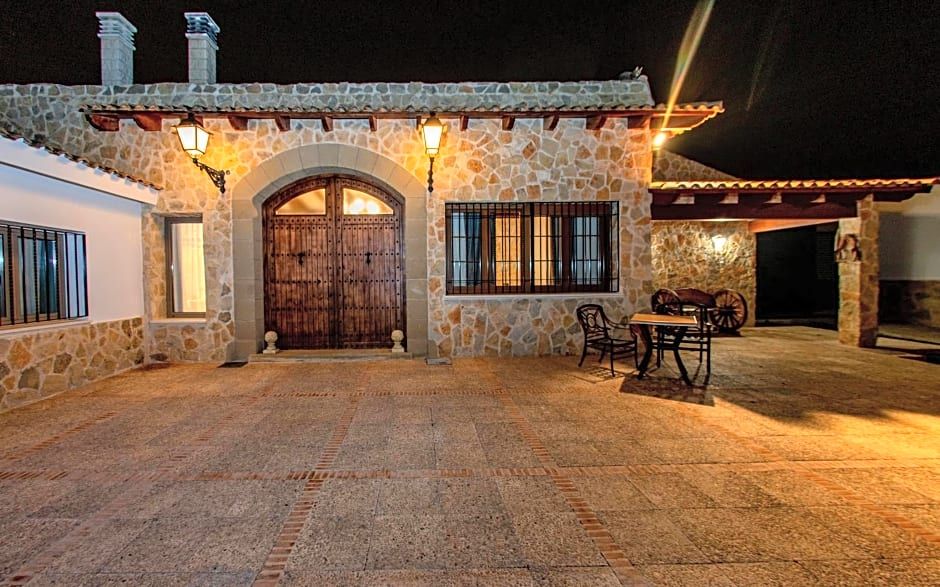
Artmonia
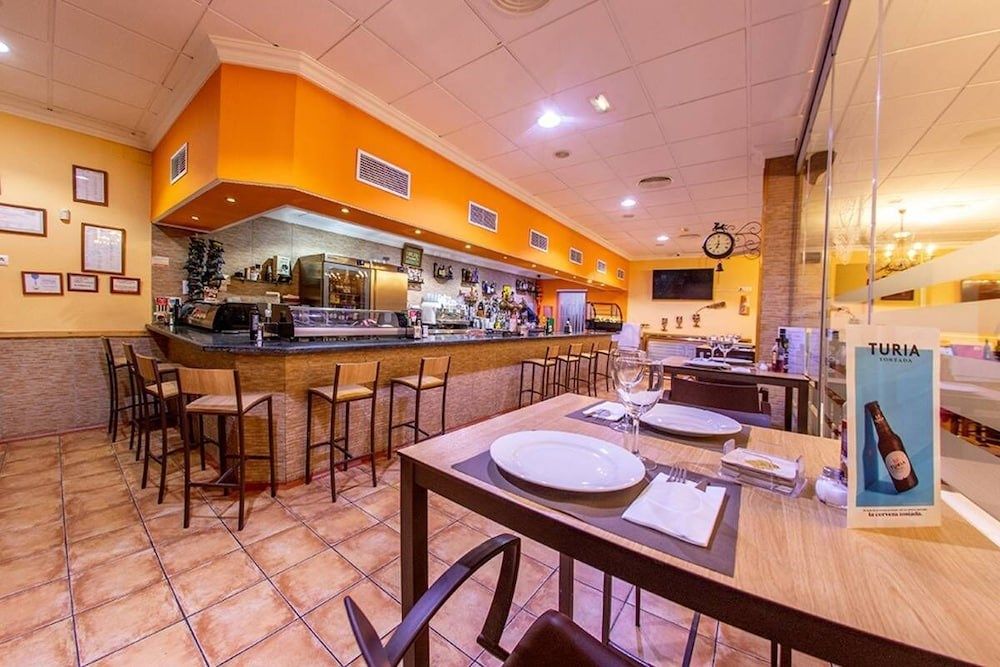
Hospedium Hotel Don Jose

Hotel Caseta Nova
Frequently Asked Questions about Traveling to Castalla
Questions You Might Need to Know About Traveling to Castalla
In Castalia, the standout choice is Palacio de los Arcos, a boutique hotel blending Gothic and Mudéjar architecture in the heart of the old town. Originally a noble residence, it preserves original stone walls, arched ceilings, and stained-glass windows, now paired with modern luxury amenities.
Another gem is Hotel Arosa Jardín, nestled beside the lush Parque Arosa, offering private gardens, rooftop terraces with panoramic views of the historic district, and an on-site restaurant serving authentic Valencian seafood paella and citrus-based dishes. Both properties provide immersive cultural experiences rooted in local heritage.
The Casco Antiguo (Old Town) is the ideal area for visitors. This pedestrian-friendly zone features cobbled streets, centuries-old stone houses with colorful tile roofs, and easy access to landmarks like the Plaza del Ayuntamiento, Iglesia de la Asunción, and bustling local markets.
It’s safe, well-lit at night, and rich in atmosphere. Many family-run guesthouses—such as Casa del Sol and Habitación Isabel—offer personalized service and guided tours of hidden courtyards and traditional workshops, making it perfect for travelers seeking authentic, off-the-beaten-path experiences.
Don’t miss the annual Fiesta de San Juan celebration in summer, when locals gather along the river to light bonfires and perform symbolic rituals to purify the city. It’s a vibrant mix of tradition, music, and community spirit.
Visit the Museo Arqueológico de Castalia, which houses Roman-era artifacts, intricate ceramics, and ancient bronze tools. For deeper insight, book a guided tour of Mudéjar-style buildings led by local historians who explain how Islamic and Christian influences shaped the town’s unique architectural identity.
Castalia’s cuisine centers on fresh Mediterranean ingredients. Must-try dishes include Tortilla de Patatas con Almejas—a savory potato omelet with clams—and the renowned Paella de Mariscos de Castalia, made with locally caught shrimp, squid, mussels, saffron, and olive oil.
Dine at Cocina del Mercado, a popular spot near the central market, where chefs prepare meals using seasonal produce. Their citrus glaze with grilled fish highlights the region’s abundant orange and lemon harvests, delivering bold, refreshing flavors that define Valencian gastronomy.
Yes, Castalia is very family-friendly. The compact old town is safe for kids, with wide sidewalks and plenty of green spaces. Parque Arosa features playgrounds, picnic areas, and a small animal enclosure, ideal for young explorers.
Many hotels, including Casa del Sol, offer family suites and child-friendly amenities like bathrobes and storybooks. Additionally, the town hosts monthly family workshops—such as pottery-making and beginner Flamenco dancing—at the municipal square, allowing children to engage with local traditions in a fun, interactive way.
Despite being a small town, Castalia has excellent connectivity. The Autobuses Central Station offers frequent buses to Valencia (45 minutes) and nearby towns. For those driving, the A-7 highway provides quick access.
Within the town, walking is the best way to explore—most attractions are within 15 minutes. The Castalia Tourist Office also rents electric sightseeing scooters with multilingual audio guides, perfect for seniors or guests with mobility challenges seeking a relaxed way to see the cathedral, plaza, and historic alleys.
Head to the Mercado Central for fresh produce, artisanal cheeses, and handmade ceramics. Local vendors sell hand-painted tiles, embroidered shawls, and wooden carvings—ideal souvenirs with cultural significance.
Stroll down the Calles del Casco Antiguo, where independent boutiques like Taller de Telas Castalia specialize in naturally dyed linen fabrics, and Relojes Antiguos showcases vintage European pocket watches. Look for the Pueblo de Artesanía certification label to ensure authenticity and support for local artisans.
The best times to visit Castalia are spring (March–May) and autumn (September–November), when temperatures range from 20–26°C with sunny skies and minimal humidity.
Spring brings blooming wisteria vines along cobblestone alleys; autumn marks the harvest season for olives and citrus fruits, with lively farmers’ markets. Avoid summer (June–August) due to high heat (>35°C), and winter months may bring rain, though indoor museums and cafés remain inviting.
For couples, a magical evening walk through the illuminated old town alleys beneath the Iglesia de la Asunción is unforgettable. The soft glow of lanterns and distant guitar melodies set a dreamy tone.
Book a stay at Palacio de los Arcos’ Starlight Terrace Suite, complete with a private rooftop terrace and telescope for stargazing. Alternatively, join a candlelit dinner concert hosted by the Castalia Arts Association in the cathedral courtyard, featuring live flamenco music and regional wines—perfect for creating lasting memories.
Castalia’s nightlife is quiet and intimate. After 7 PM, cozy bars like El Cano come alive, serving house-made sangria, fried calamari, and live acoustic music—often jazz or gentle flamenco tunes.
On weekends, the Plaza del Ayuntamiento hosts open-air film screenings and spontaneous street performances. Some restaurants, such as Cocina del Mercado, offer late-night snack hours with warm jamón serrano rolls and cheese tarts. Ideal for travelers seeking peaceful evenings away from crowded clubs.
Castalla Overview
City Summary
Castalla, nestled in Valencia's mountainous interior, is a hidden gem blending Moorish heritage with Mediterranean charm. The town's whitewashed houses and 11th-century castle exemplify its strategic history, while surrounding olive groves produce some of Spain's finest oils. Its slow-paced lifestyle offers authentic insight into Spanish rural culture.
Must-See Attractions
Top attractions include:
- Castalla Castle: A Moorish fortress with panoramic views
- Church of La Asunción: Baroque architecture with a stunning altarpiece Don't miss the Thursday flea market for antiques, or olive oil tastings at cooperative mills in harvest season.
Food Guide
Signature dishes:
- Gazpacho manchego (game meat stew with flatbread)
- Almendrados (almond cookies)
- Fresh picual olives drizzled with local honey For authentic flavors, book a table at Restaurante El Racó de Cases.
Transportation Guide
Getting around:
- Rental car recommended (1hr drive from Alicante)
- Limited bus services from Ibi (Line 27)
- No train station; nearest in Alcoy
- Free parking available near Plaza Mayor Note: Street signs use Valencian/Castilian bilingual names
Best Time to Visit
Ideal periods:
- Spring for wildflower hikes
- September during Fiestas de Moros y Cristianos Avoid August heatwaves when many shops close.
Travel Tips
- Dress modestly for religious sites
- Dinner starts after 9PM
- Carry small change for farmer's markets
- Confirm museum hours (often close Mondays)
- Learn basic Spanish phrases
- Tipping 5-10% is appreciated
Useful Information
Essential info:
- Emergency: 112
- Nearest hospital: Hospital Universitario Sant Joan d'Alacant (40km)
- Euros only; credit cards accepted in hotels
- Free tourist maps at Ayuntamiento
- UTC+1 timezone (CET)
- Tap water is safe to drink Register visits to rural areas at Guardia Civil post