Hotels in Castel Maggiore
Discover your perfect stay in Castel Maggiore.
Castel Maggiore(Italy) Travel 2026: Cheap Flights, Hotels & Top Attractions
Popular Landmarks in Castel Maggiore
Discover the most iconic attractions in Castel Maggiore
Recommended Hotels in Castel Maggiore
Find the perfect place to stay in Castel Maggiore
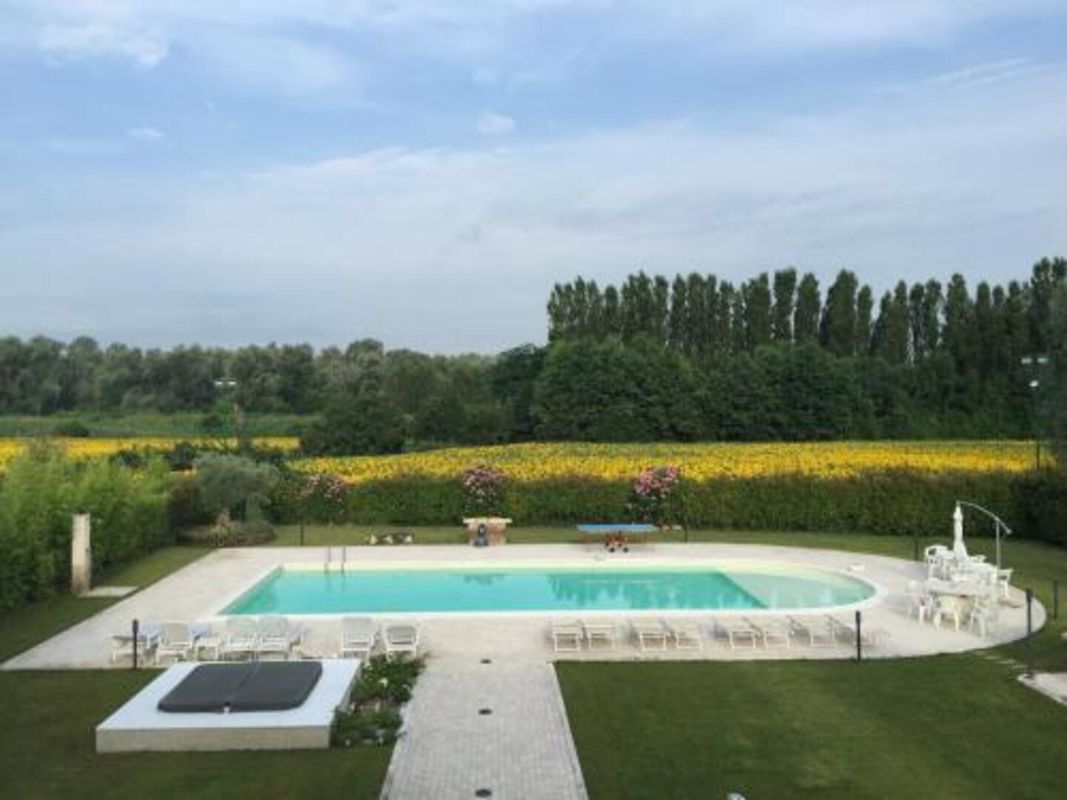
Bed & Breakfast Case Osti
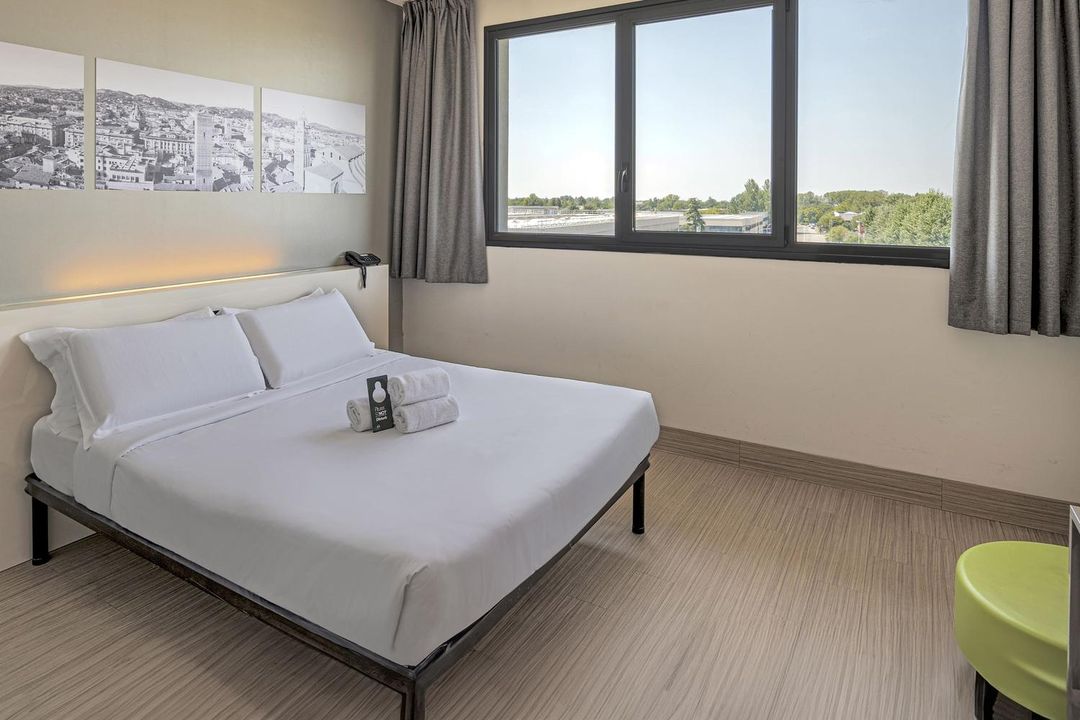
B&B Hotel Bologna
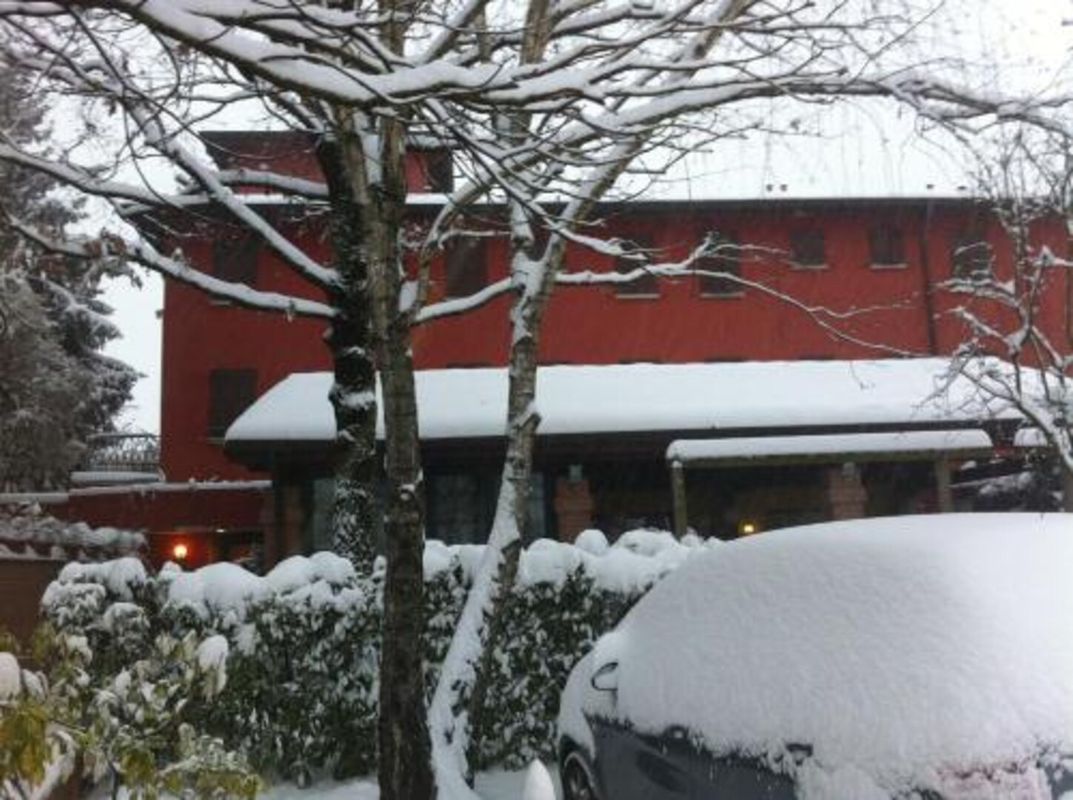
Antica Locanda Il Sole
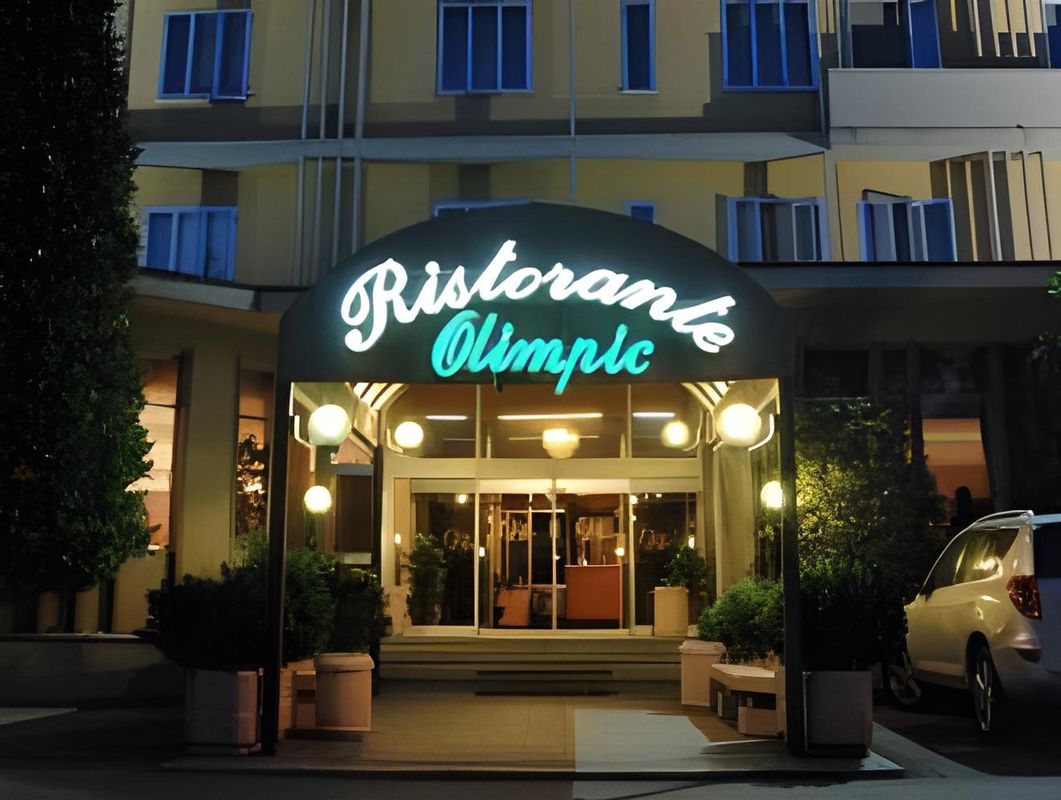
Hotel Olimpic
Best Hotels in Castel Maggiore
Discover curated hotel collections in Castel Maggiore
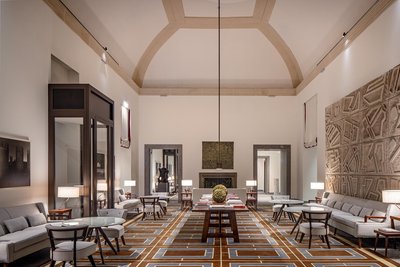
Portrait Milano - Lungarno Collection
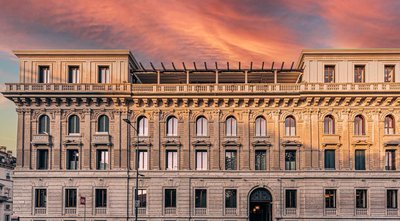
Casa Cipriani Milano
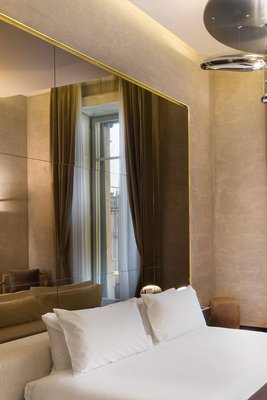
The Glamore Milano Duomo
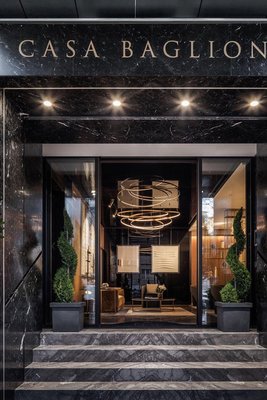
Casa Baglioni Milan - the Leading Hotels of the World
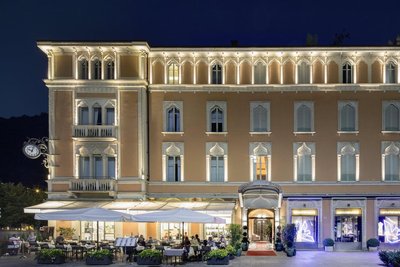
Vista Lago di Como
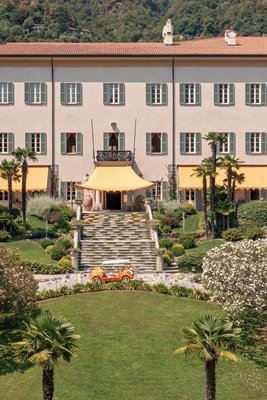
Passalacqua
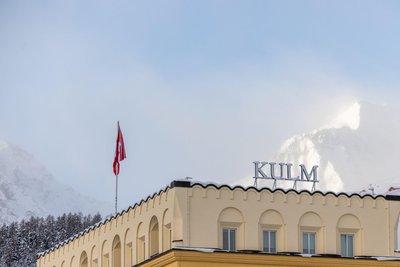
Kulm Hotel St. Moritz
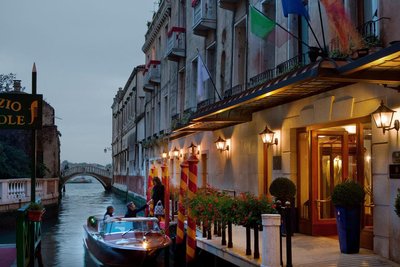
Baglioni Hotel Luna
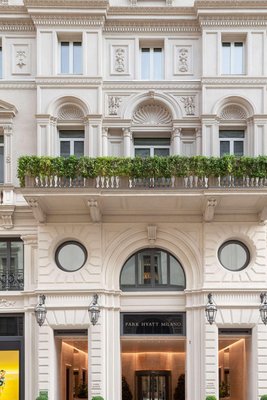
Park Hyatt Milan
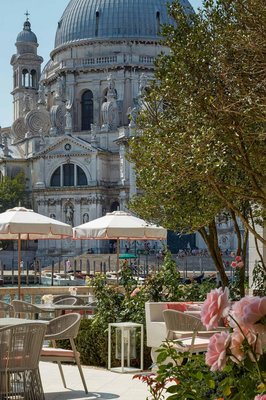
The St. Regis Venice
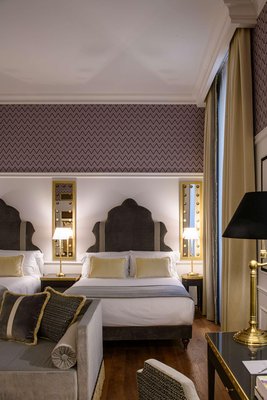
Il Tornabuoni Unbound
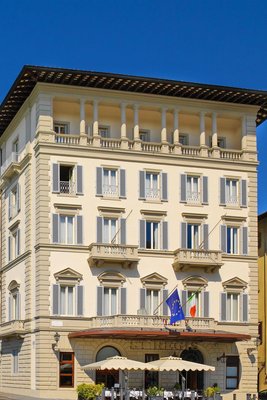
The St. Regis Florence
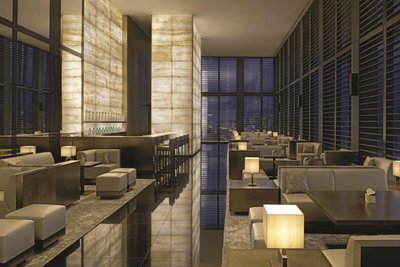
Armani Hotel Milano
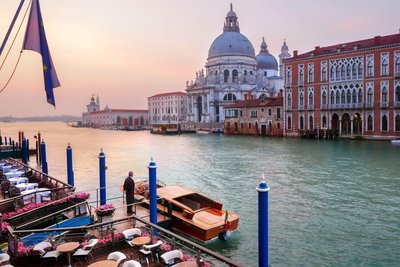
The Gritti Palace, a Luxury Collection Hotel, Venice
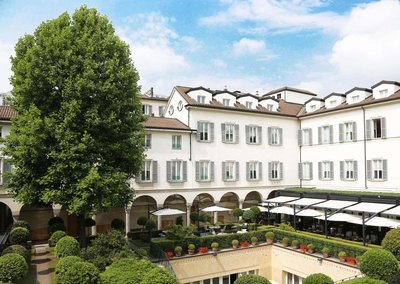
Four Seasons Hotel Milano
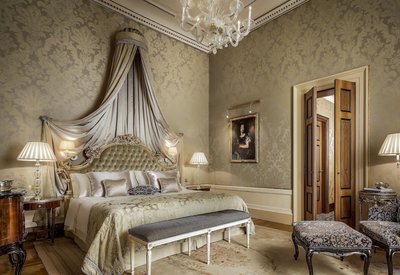
Hotel Danieli, Venice
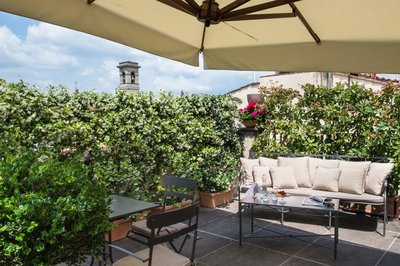
Palazzo Vecchietti - Residenza d'Epoca
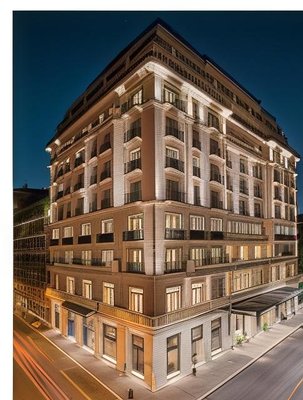
Palazzo Parigi Hotel & Grand Spa - Lhw
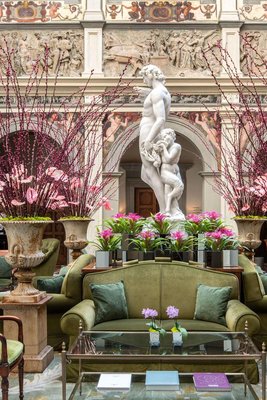
Four Seasons Hotel Firenze
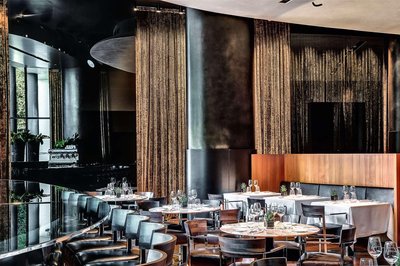
Bvlgari Hotel Milano
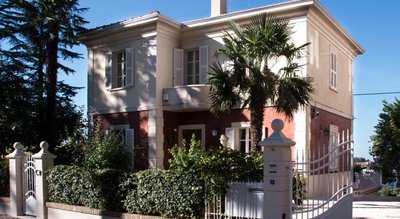
Residenza Ambrogi
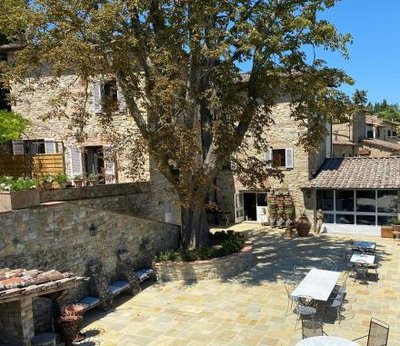
Villa la Petraia
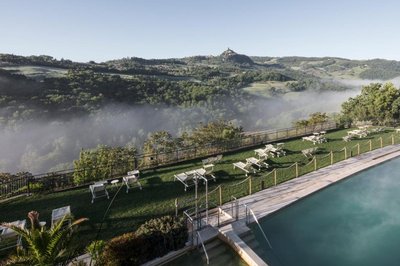
La Posta Hotel & Thermal Spa
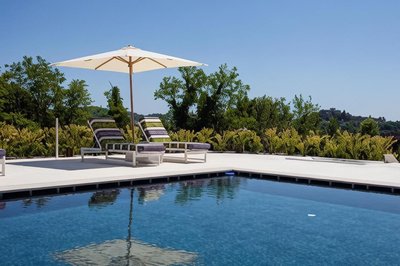
Villa Francesca Relais
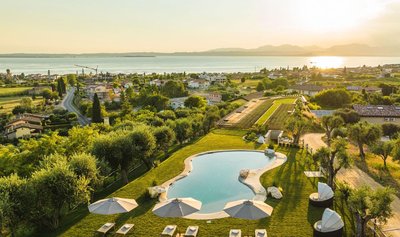
Privilegium Lazise
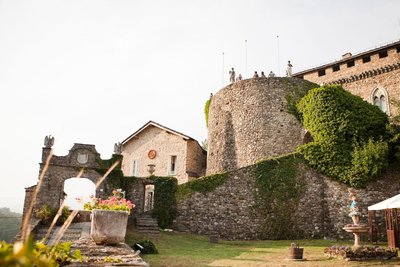
Castello di Compiano Hotel Relais Museum
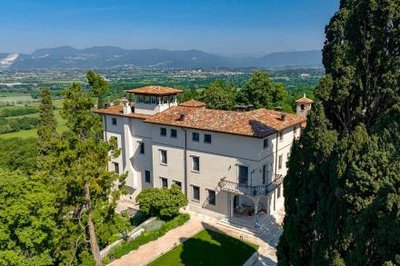
Eremus Relais
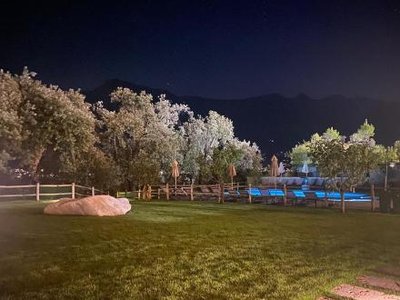
Sibenbras Natural Aparthotel
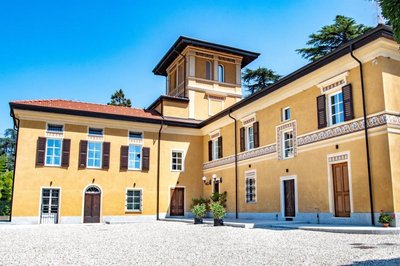
Capriccio Art Hotel
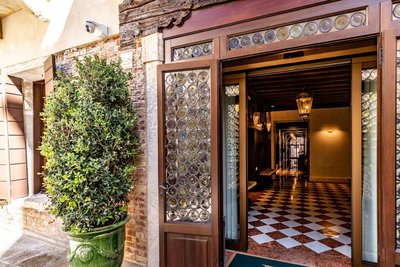
Palazzo Keller
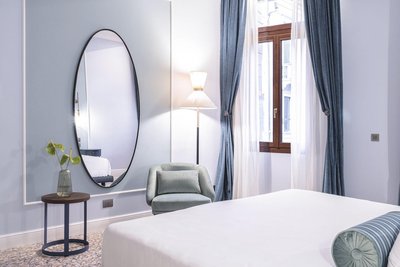
Be Mate Ponte di Rialto
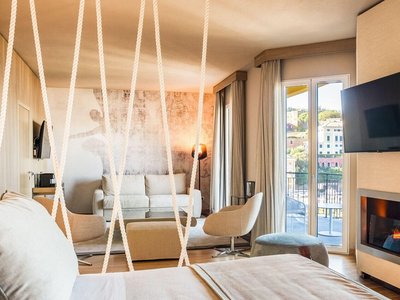
Miramare Suites
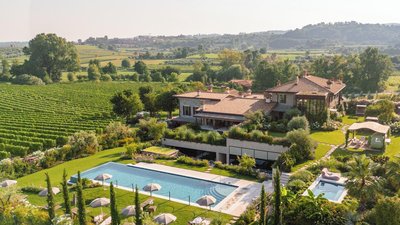
Conti Thun Wine Resort
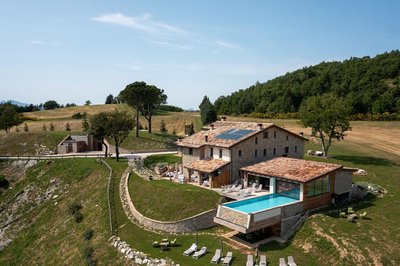
Aura Relais
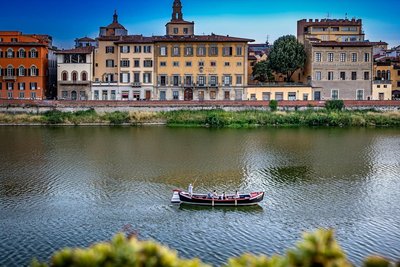
Il Rivalta
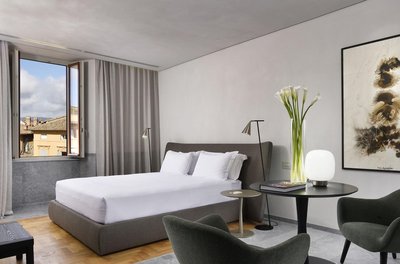
The Bank - Locanda Della Posta Dependance

Visionair Suites
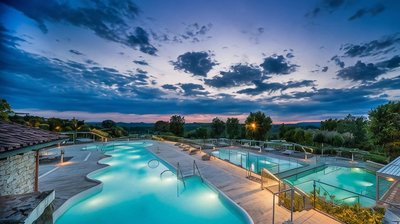
San Giovanni Terme Rapolano
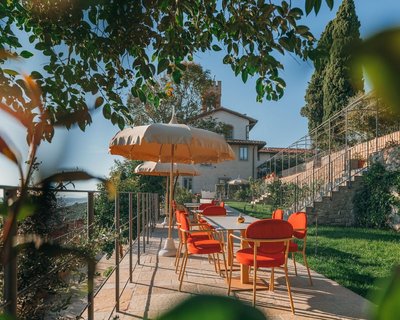
La Monastica Resort & Spa
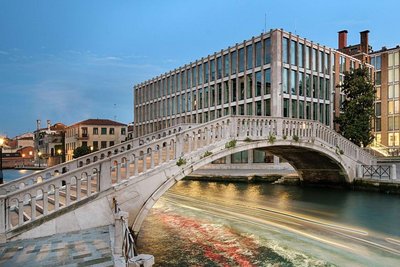
Avani Rio Novo Venice Hotel
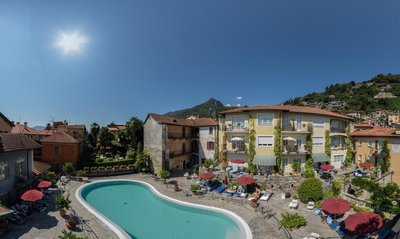
Hotel Cannero
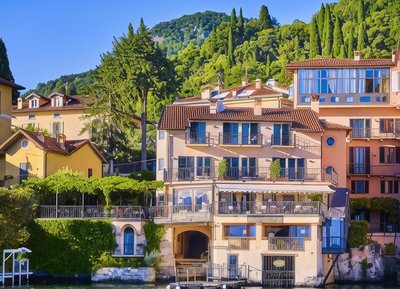
Casa du Lac, by R Collection Hotels
Sibenbras Natural Aparthotel
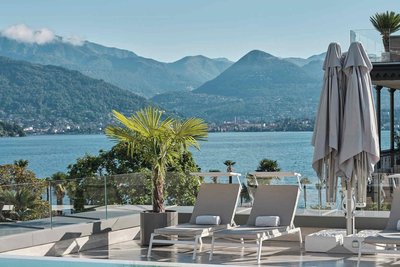
Boutique Hotel Stresa
Miramare Suites
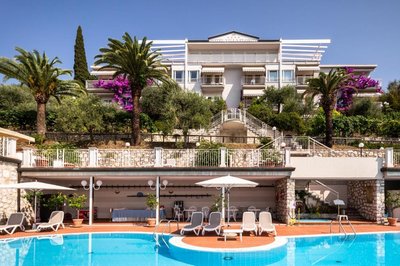
Hotel Villa Florida & Suite Apartments
Il Rivalta
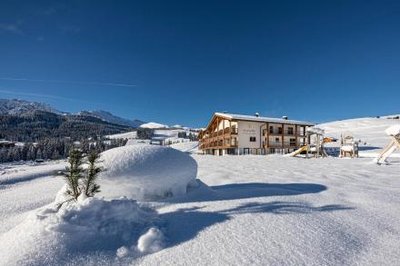
Brunelle Seiser Alm Lodge
Vista Lago di Como
Passalacqua
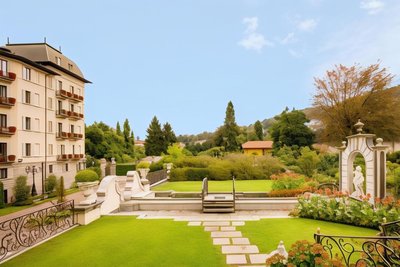
Hotel Regina Palace
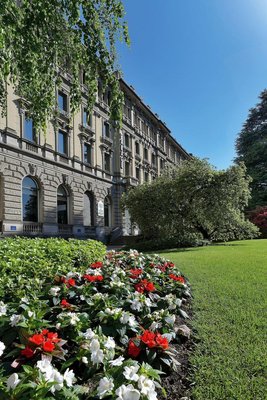
Palace Hotel Lake Como
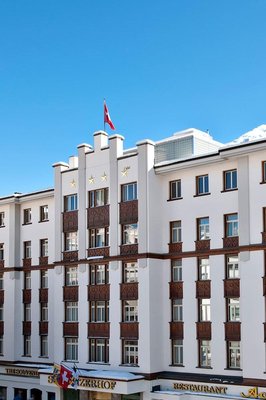
Hotel Schweizerhof St. Moritz
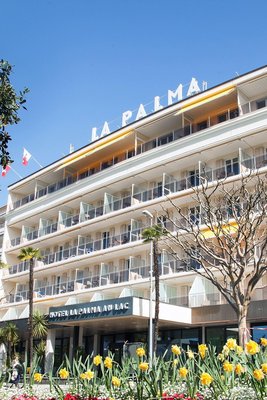
Hotel la Palma au Lac
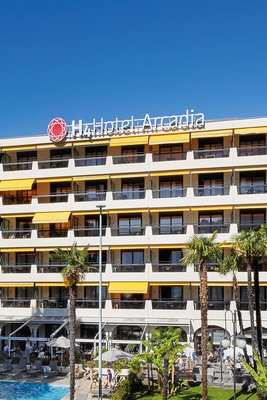
H4 Arcadia Locarno
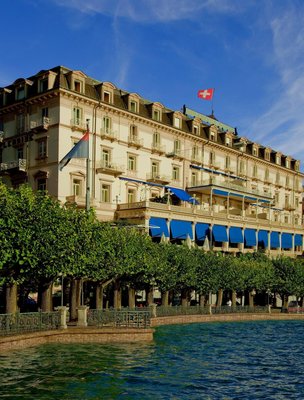
Hotel Splendide Royal

Kempinski Palace Portoroz Slovenia
Kulm Hotel St. Moritz
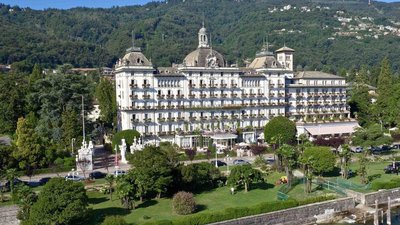
Grand Hotel des Iles Borromées & Spa
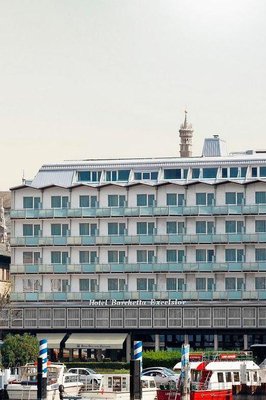
Hotel Barchetta Excelsior
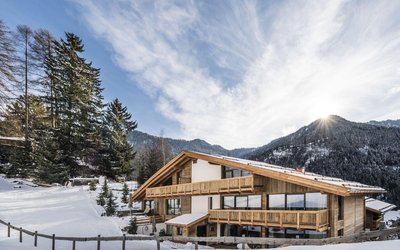
Hotel Montchalet
Castello di Compiano Hotel Relais Museum
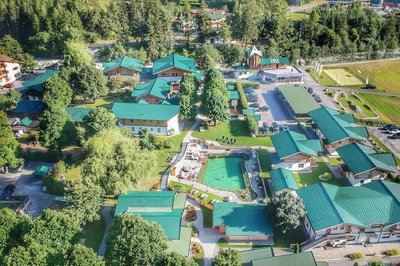
Feelfree Nature Resort
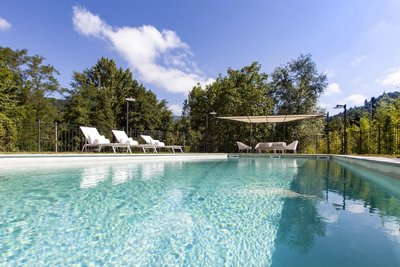
Castello di Pontebosio Luxury Resort
Passalacqua
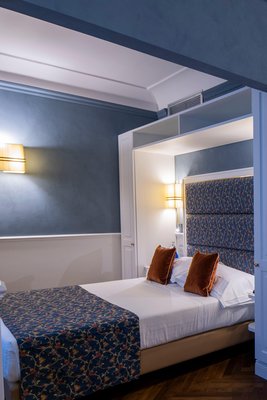
Rivoli Boutique Hotel
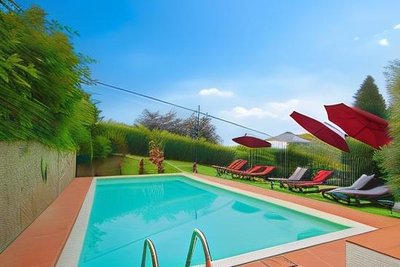
Hotel Villa Sermolli
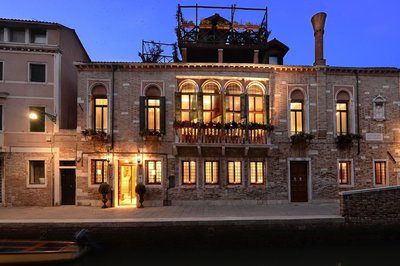
Palazzetto Madonna
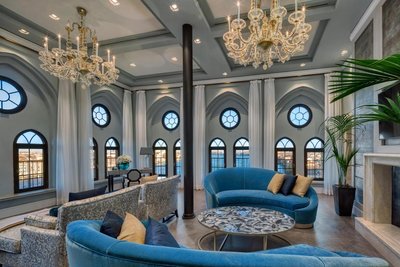
Hilton Molino Stucky Venice
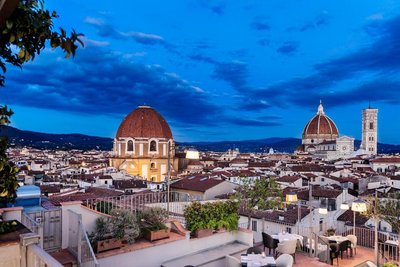
Grand Hotel Baglioni
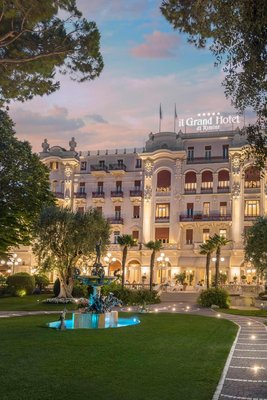
Grand Hotel Rimini

Palazzetto Pisani Grand Canal
Hotel Schweizerhof St. Moritz
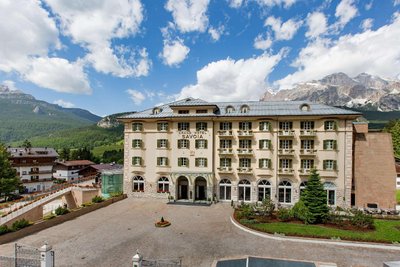
Grand Hotel Savoia Cortina D’Ampezzo, A Radisson Collection Hotel
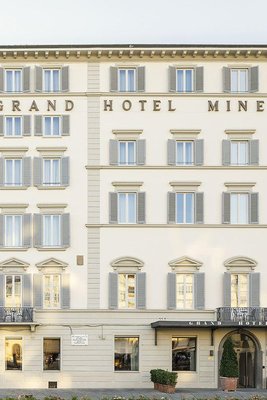
Grand Hotel Minerva
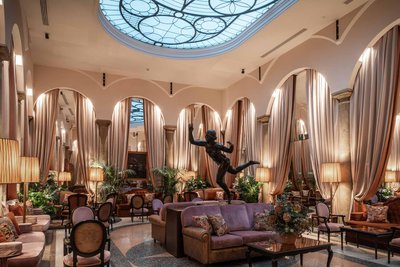
Grand Hotel et de Milan - the Leading Hotels of the World
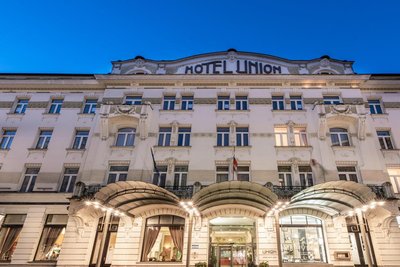
Grand Hotel Union Eurostars
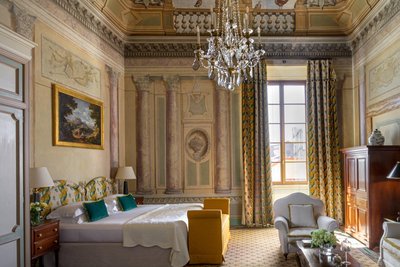
Grand Hotel Continental Siena - Starhotels Collezione
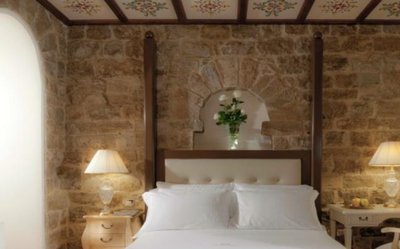
Golden Tower Hotel & Spa
Baglioni Hotel Luna
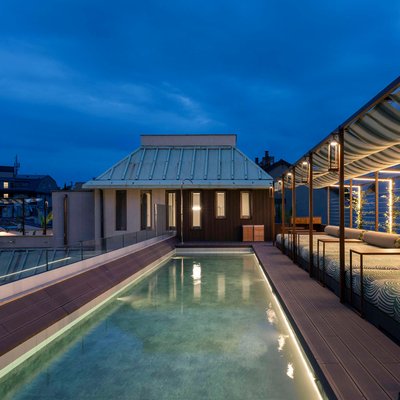
Radisson Collection Hotel Santa Sofia Milan
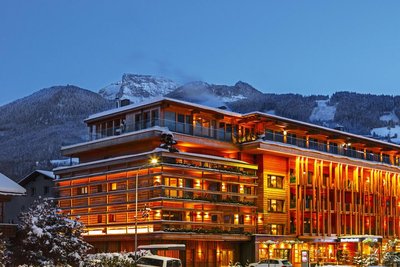
Small Luxury Hotel of the World - DasPosthotel
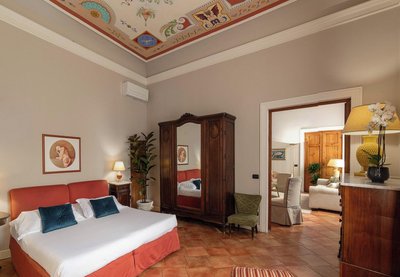
Palazzo Alfani - Residenza d'Epoca
Avani Rio Novo Venice Hotel
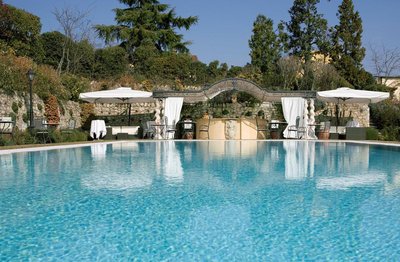
Byblos Art Hotel Villa Amista
Grand Hotel Minerva
Il Tornabuoni Unbound
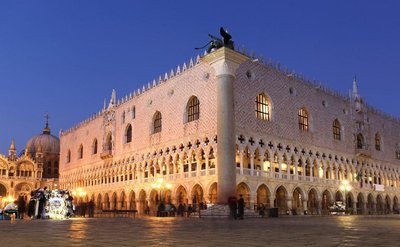
Ai Mori d'Oriente
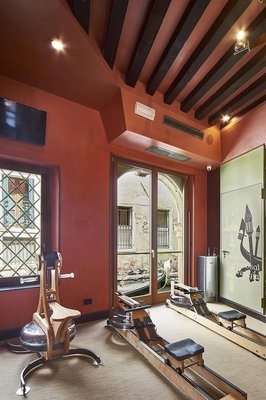
Hotel Saturnia & International
The Gritti Palace, a Luxury Collection Hotel, Venice
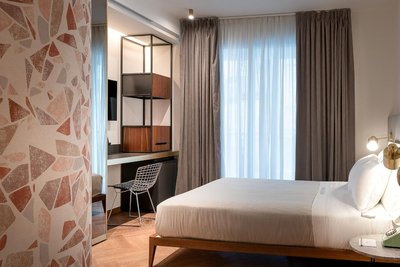
The Box Riccione - Adults Only
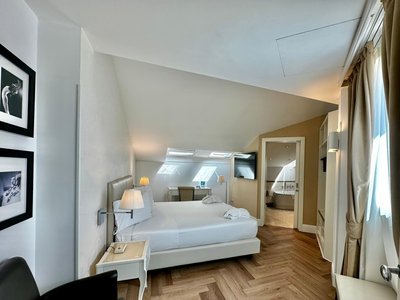
Maison Milano | UNA Esperienze
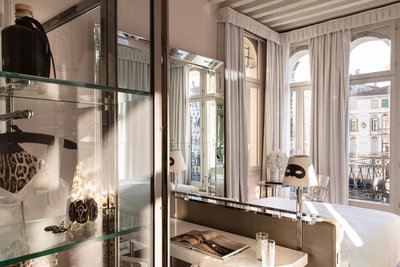
Palazzina Grassi
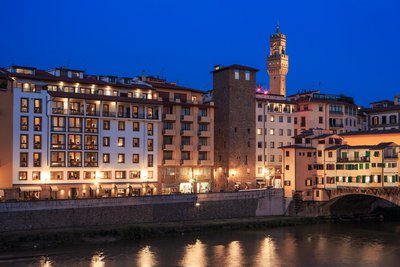
Portrait Firenze - Lungarno Collection
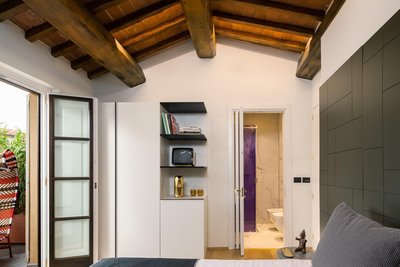
Hotel Milu Florence
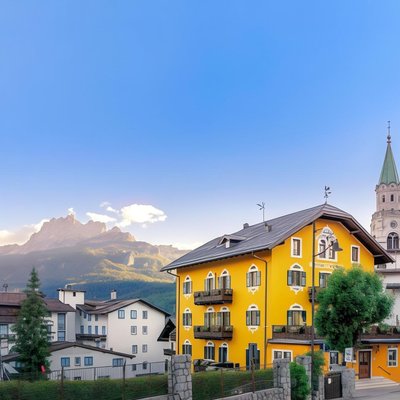
Ambra Cortina Luxury&Fashion Hotel
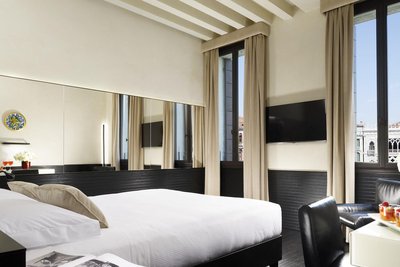
Hotel l'Orologio Venezia - Wtb Hotels
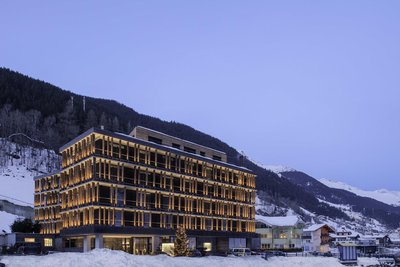
Hotel Zhero – Ischgl/Kappl
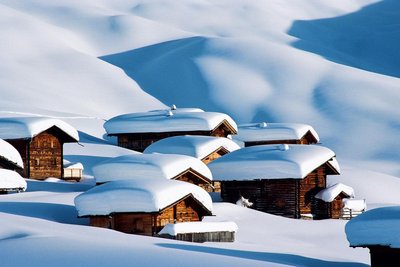
Valsana Hotel Arosa - Small Luxury Hotel
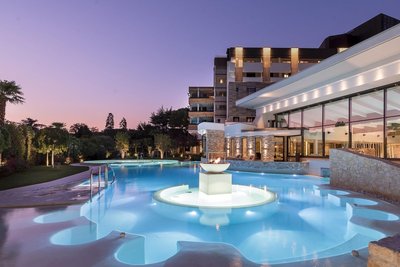
Esplanade Tergesteo - Luxury Retreat
Hotel Montchalet
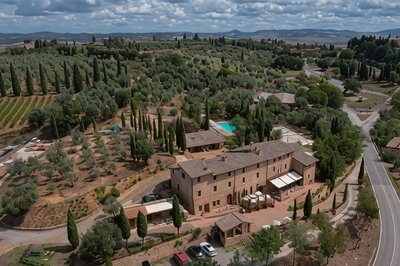
Il Miraggio in Val d'Orcia Relais & Spa
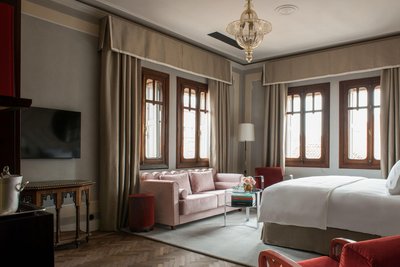
Nolinski Venezia - Evok Collection
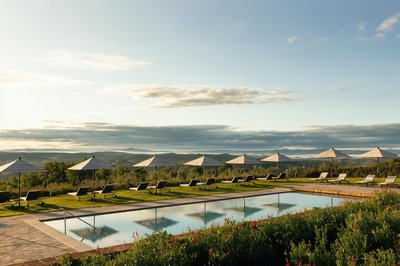
The Club House
Radisson Collection Hotel Santa Sofia Milan
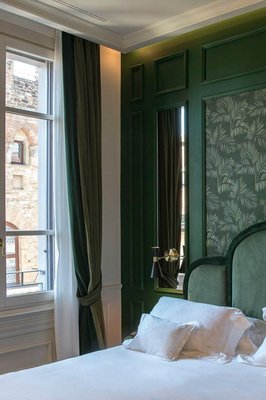
Hotel la Gemma
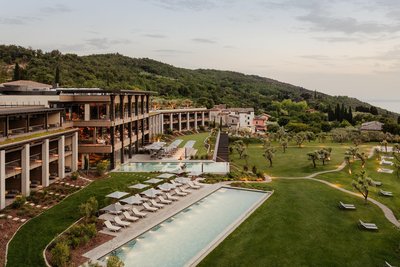
Cape of Senses
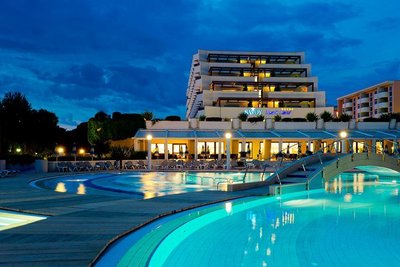
Savoy Beach Hotel & Thermal Spa
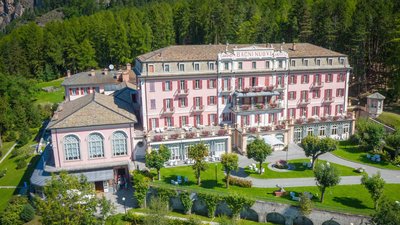
QC Grand Hotel Bagni Nuovi Bormio
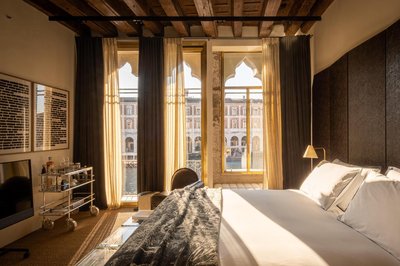
The Venice Venice Hotel
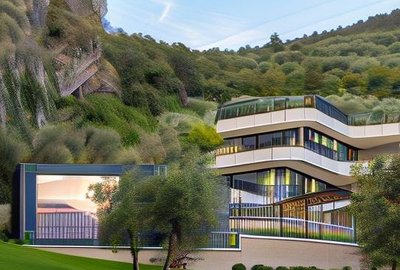
Gardea SoulFamily Resort
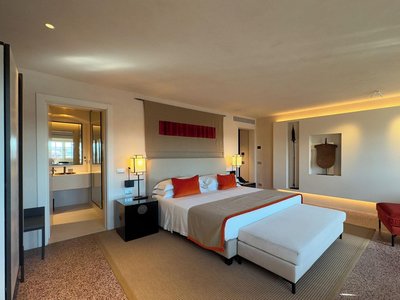
Hotel Palazzo Durazzo Suites
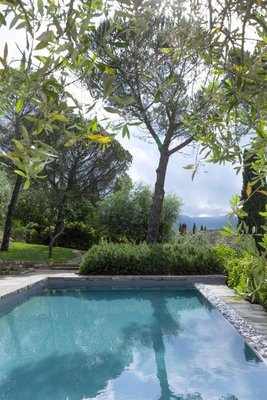
Pieve Aldina Relais & Châteaux
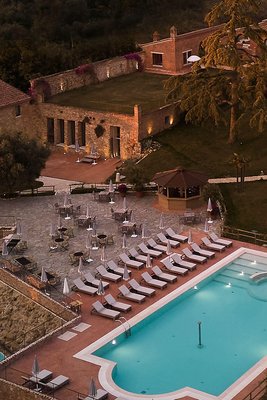
Precise Tale Poggio Alla Sala
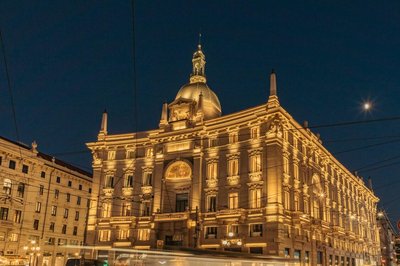
Palazzo Cordusio Gran Meliá – The Leading Hotels of the World
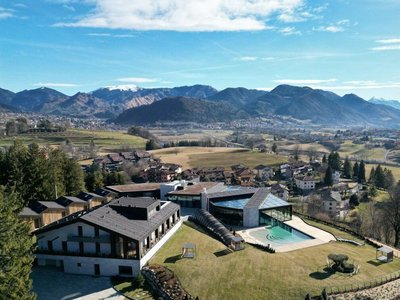
Collina Luxury Relais
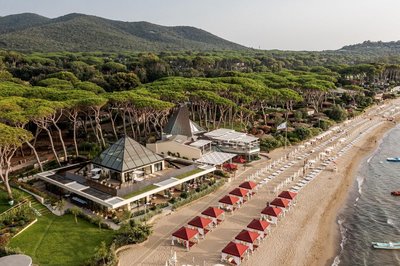
Cala Beach Resort
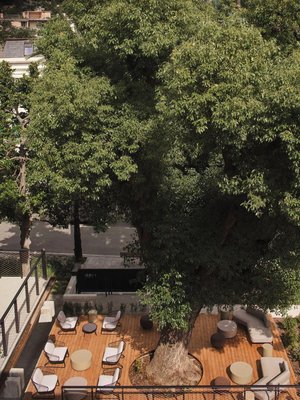
Capitolo Riviera
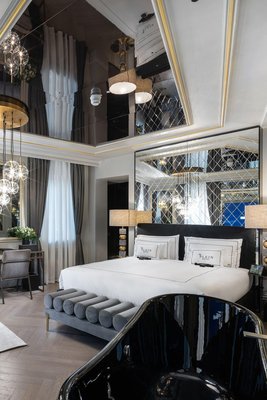
The Plein Hotel - Small Luxury Hotels of the World
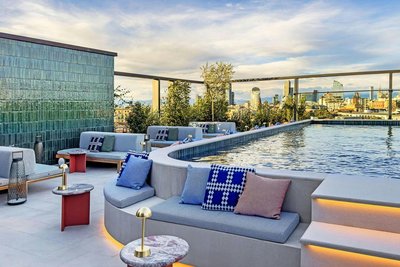
Casa Brera, a Luxury Collection Hotel, Milan
Casa Baglioni Milan - the Leading Hotels of the World
Grand Hotel Baglioni
Baglioni Hotel Luna
The St. Regis Venice
The St. Regis Florence
Armani Hotel Milano
Four Seasons Hotel Firenze
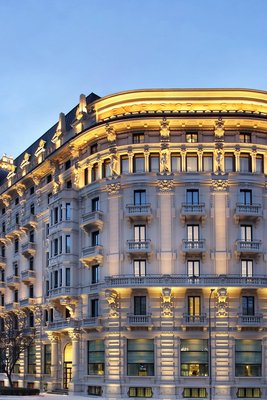
Excelsior Hotel Gallia, a Luxury Collection Hotel, Milan
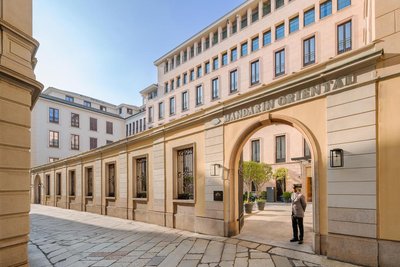
Mandarin Oriental, Milan
Portrait Firenze - Lungarno Collection
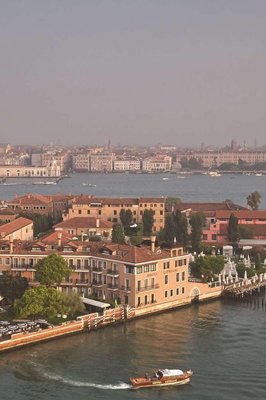
Hotel Cipriani, A Belmond Hotel, Venice
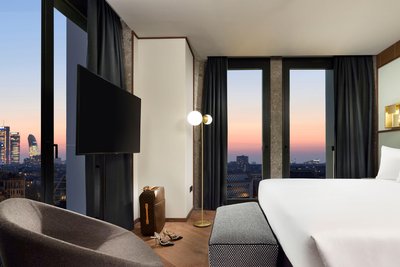
Milano Verticale | UNA Esperienze
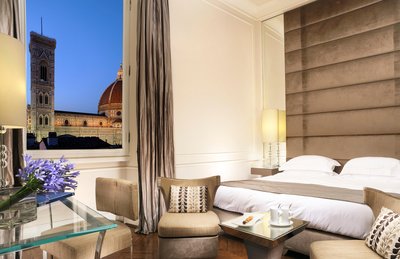
Brunelleschi Hotel
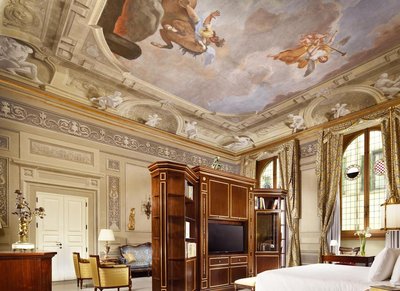
Palazzo Portinari Salviati Residenza d'Epoca
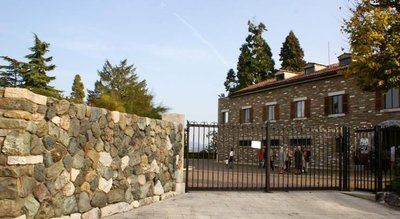
Villa Ottolenghi Wedekind
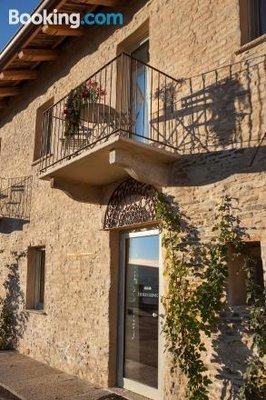
Borgese Camere e Suites
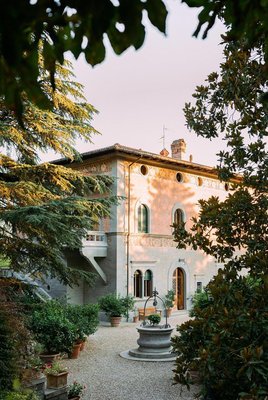
Villa la Commenda Concordia
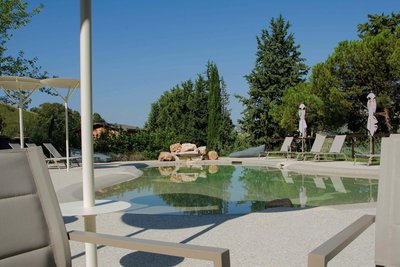
Colle Serrano Relais & Spa
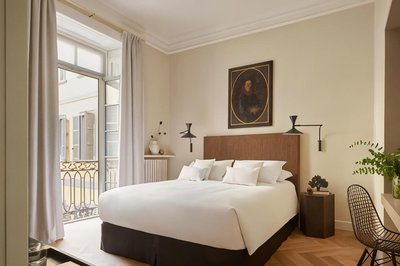
Crossing Manzoni
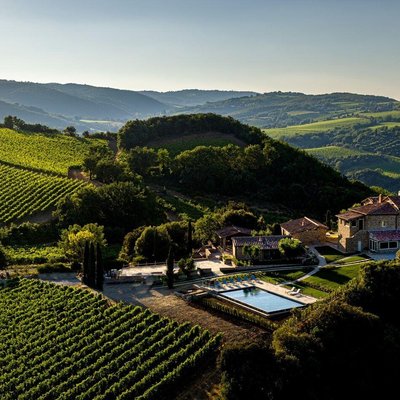
Mastrojanni Relais
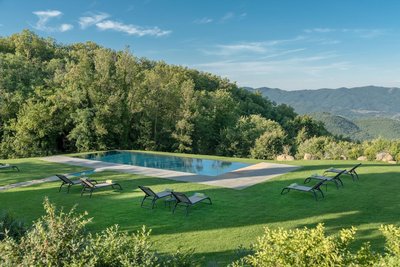
Badia di Pomaio
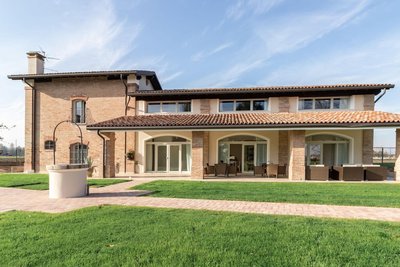
Monteborre
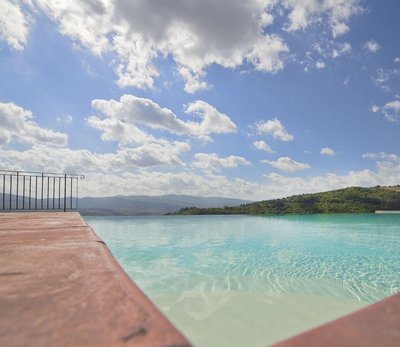
Castello Vicchiomaggio
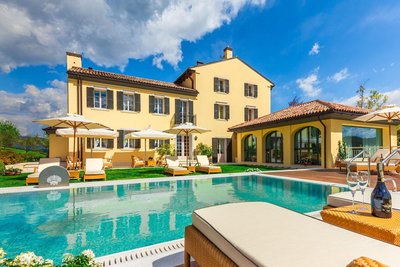
Romantik Relais d'Arfanta
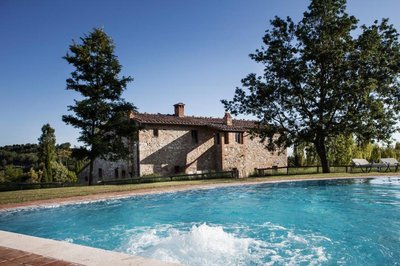
B&B - Podere Monti
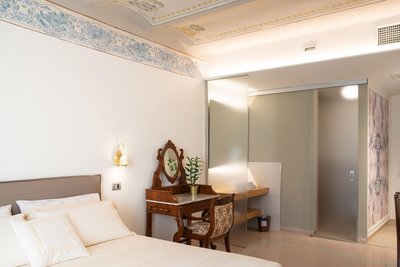
Portica10
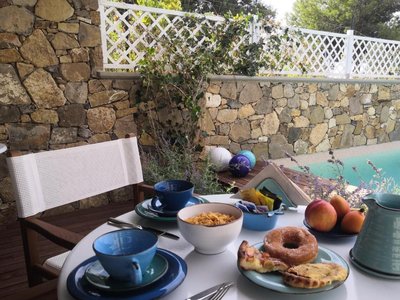
Stile Libero b&b
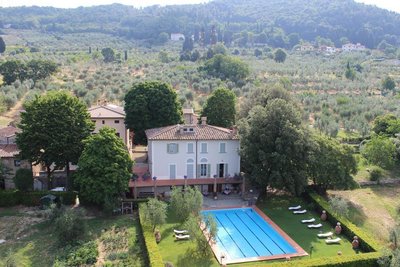
Borgo I Vicelli
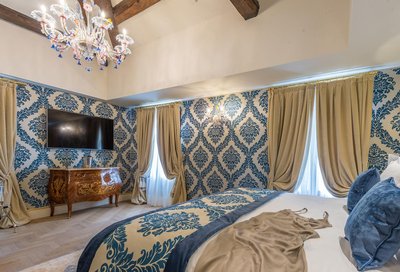
Ai Patrizi di Venezia
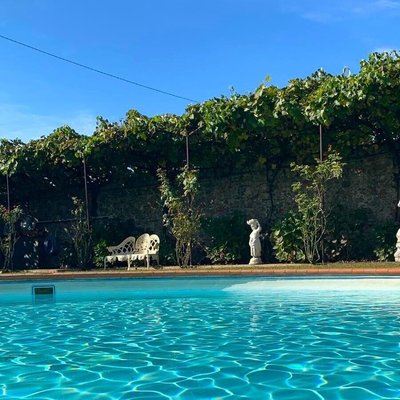
Villa la Preziosa
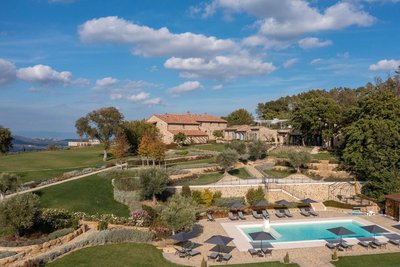
I Borghi Dell'Eremo
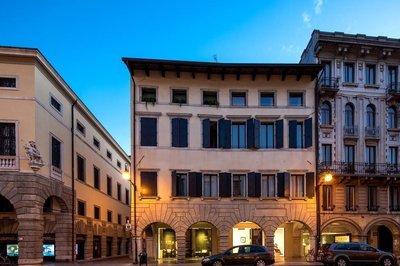
Mercatovecchio Luxury Suites
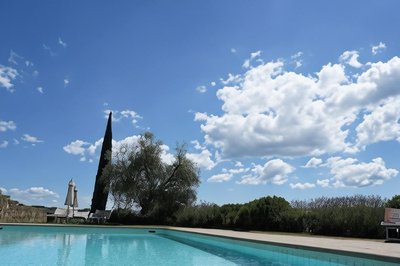
Wine Resort Dievole
Palazzo Gozzi Bed & Beauty
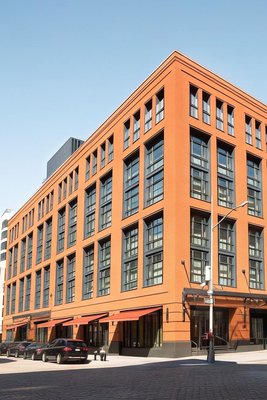
Hotel Barrière Fouquet's New York
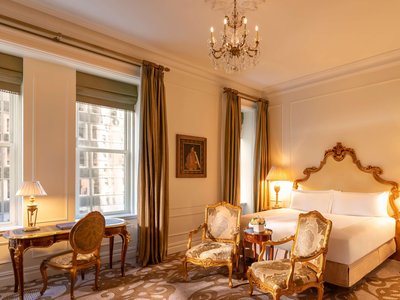
The Plaza - A Fairmont Managed Hotel
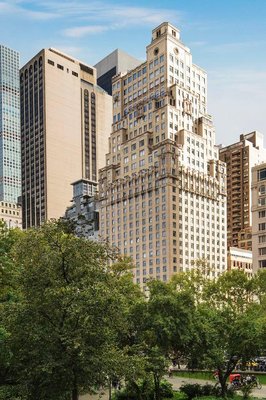
The Ritz-Carlton New York, Central Park
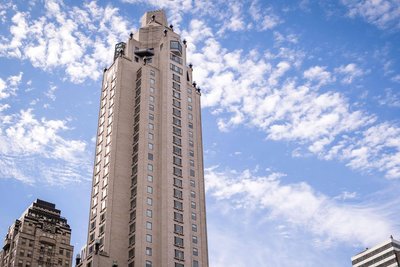
Four Seasons Hotel New York
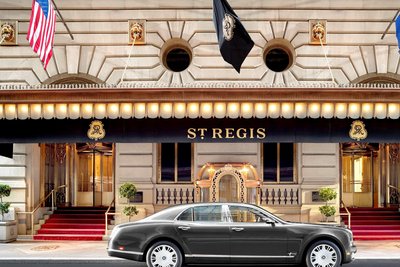
The St. Regis New York
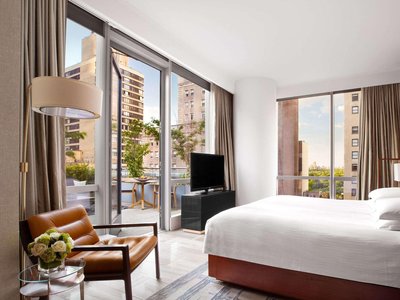
Park Hyatt New York
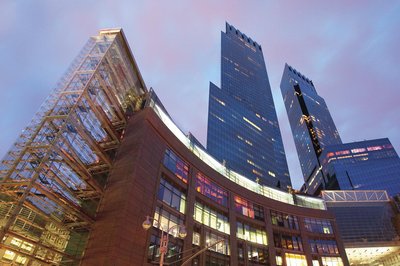
Mandarin Oriental New York
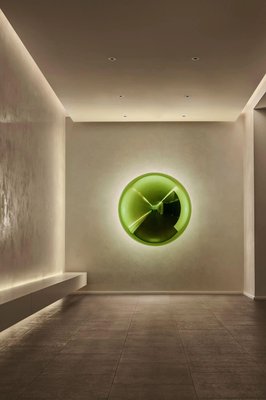
Times Square Edition New York
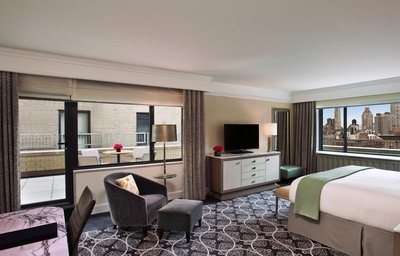
Loews Regency New York Hotel
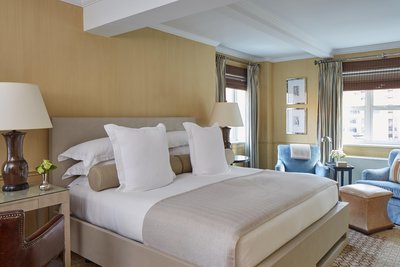
Lowell Hotel
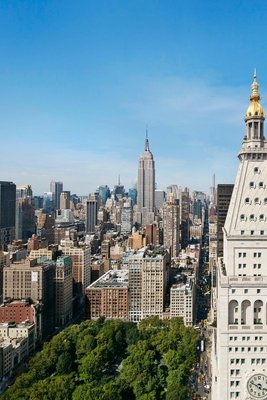
New York Edition
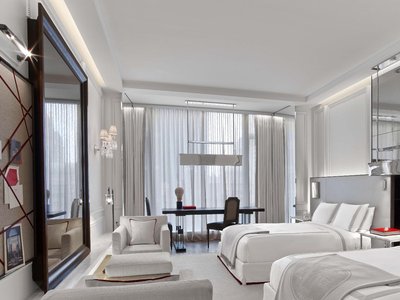
Baccarat Hotel New York
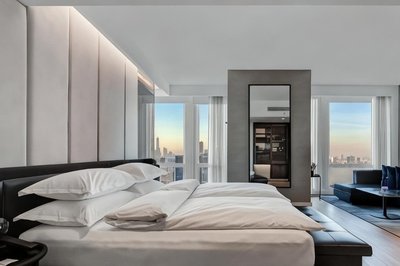
Equinox Hotel New York
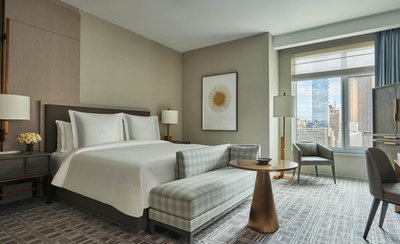
Four Seasons Hotel New York Downtown
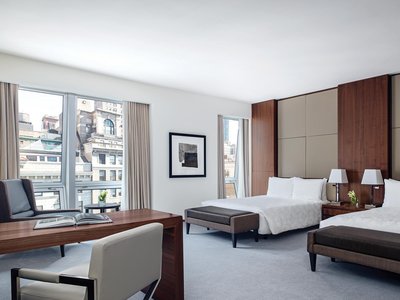
The Langham, New York, Fifth Avenue
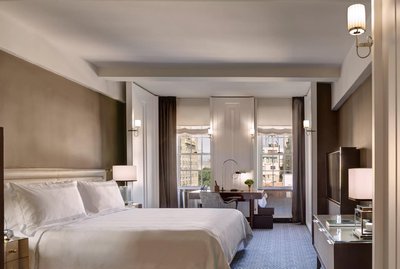
The Carlyle, A Rosewood Hotel

The Chatwal, in the Unbound Collection by Hyatt
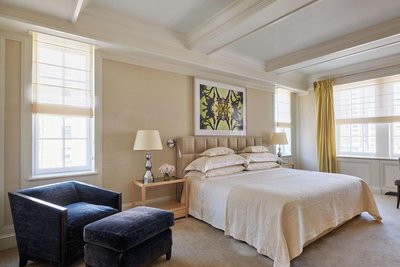
The Mark New York
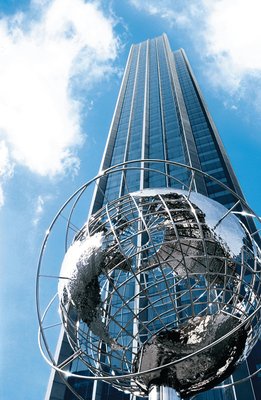
Trump International Hotel & Tower® New York
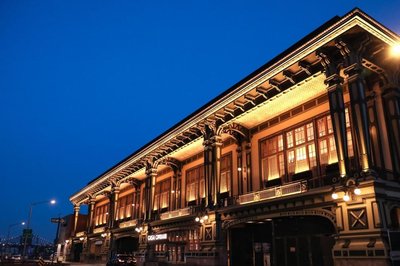
Casa Cipriani New York
Frequently Asked Questions about Traveling to Castel Maggiore
Questions You Might Need to Know About Traveling to Castel Maggiore
In Mazzo di Vado, the top boutique stay is Hotel Ristorante La Corte, a charming 16th-century manor turned luxury inn. Located in the historic center, it blends Renaissance architecture with modern comforts, featuring handcrafted stone walls and locally sourced textiles. Many rooms offer views of the Church of Santa Maria Assunta. The on-site restaurant serves authentic Emilian cuisine, including house-made tagliatelle with wild mushrooms from nearby forests. Guests can also enjoy guided tours to local cheese farms and wine cellars. Book early—especially during summer festivals for prime availability.
The ideal neighborhood for lodging is the Old Town (Centro Storico), where you’ll find the highest concentration of charm and convenience. This district surrounds the Piazza del Municipio and is just steps from the Church of Santa Maria Assunta and ancient city walls. Narrow cobblestone streets, family-run osterie, and quiet evening ambiance make it perfect for travelers seeking authenticity. While prices are slightly higher than outskirts, the location offers unmatched access to cultural sites, markets, and walking routes along the Via Emilia Ancient Pathway.
Mazzo di Vado hosts the annual Festival della Musica Antica, held in the Piazza del Municipio every summer, showcasing Baroque and Renaissance ensembles from across Europe. Visitors can also join hands-on pasta-making workshops to learn how to craft traditional tagliatelle using local flour and eggs. Another highlight is the artisan cheese tour, where guests visit family-run dairy farms to witness the aging process of Grana Padano using milk from the Po River Valley. These immersive experiences reflect the town’s deep-rooted agricultural and musical heritage.
Must-try specialties include Pasta al Forno, a baked pasta dish made with homemade noodles, diced Parma ham, mushrooms, and aged Parmesan, slow-roasted in terracotta pots. Another regional favorite is Cotechino con Lenticchie, a rich lentil and sausage stew traditionally served during New Year celebrations. At Trattoria da Gianni, diners enjoy wild mushroom risotto made with forest-foraged porcini and seasonal vegetables. Don’t miss the local Sangiovese red wine, produced from vineyards in the surrounding hills—perfectly balanced and ideal for pairing with hearty meals.
Absolutely. The Old Town is pedestrian-friendly with wide sidewalks and shaded pathways, ideal for strollers and children. Key attractions like the Church of Santa Maria Assunta and Piazza del Municipio offer kid-friendly audio guides and interactive exhibits. Monthly Farm Open Days allow families to interact with goats, collect eggs, and plant vegetables in community gardens. The riverside park features playgrounds, picnic areas, and shaded benches. Hotels like Hotel Ristorante La Corte provide cribs, high chairs, and special children’s menus—making it a welcoming destination for all ages.
While Mazzo di Vado lacks a metro system, it remains accessible via well-coordinated regional transport. The Bologna Guglielmo Marconi Airport is about 45 minutes away by bus or taxi. Within the town, a free shuttle connects major hotels to the historic center. For exploring rural areas, rent an electric bike and follow the scenic Via Emilia Ancient Pathway. Parking is restricted in the old town—use the outskirts parking lot instead. Most sights are within a 15-minute walk, making it easy to explore without a car.
Don’t miss the Church of Santa Maria Assunta, a stunning example of Gothic architecture with well-preserved 15th-century frescoes behind the altar. Nearby, the Roman Forum Ruins reveal ancient columns, pottery shards, and inscriptions, offering insight into the town’s role as a Roman outpost. The ancient city walls, especially the section on the eastern hill, remain partially intact and offer panoramic views of the valley. All sites are managed by the Local Historical Museum, which provides multilingual audio guides and exhibition spaces detailing the region’s layered past.
Spring brings the Festa dei Giardini, celebrating local garden design with open-door displays and workshops on sustainable landscaping. In autumn, the Sagra dell’Uva transforms the Piazza del Municipio into a vibrant grape festival featuring fresh grapes, local wines, live music, and artisan stalls. During winter, the Christmas Market lights up the square with handmade ornaments, mulled wine, and nativity scenes. These events foster community spirit and offer travelers authentic, festive experiences rooted in tradition.
The region boasts diverse landscapes. The Po River Plain attracts birdwatchers with sightings of herons and eagles in spring. To the north, the Monti della Cava hiking trails wind through oak forests and lavender fields, culminating in sweeping views of the town and the Apennine Mountains. The Lago di Mazzarino, a small man-made lake, is ideal for kayaking and fishing, with picnic zones and shaded paths around its perimeter. All areas are protected under the Emilia-Romagna Nature Reserve, ensuring ecological preservation and serene outdoor experiences.
Shopping here centers on craftsmanship. Visit Bottega del Cuoco, a centuries-old leather workshop producing custom belts, bags, and travel accessories from Parma-tanned leather. Another standout is Mazzarino Ceramica, where artisans create hand-glazed ceramics inspired by Roman mosaics and medieval motifs—each piece uniquely fired. Local markets sell organic honey, cold-pressed olive oil, and dried herbs. All goods carry official Artigianato Italiano certification, making them meaningful souvenirs that support authentic regional artisanship.