Discover your perfect stay in Castelnuovo di Val di Cecina.
Discover the most iconic attractions in Castelnuovo di Val di Cecina
Find the perfect place to stay in Castelnuovo di Val di Cecina


Questions You Might Need to Know About Traveling to Castelnuovo di Val di Cecina
In Chianti Castle, the standout boutique hotel is Castello di Vicarello, a restored medieval fortress offering panoramic views of the Tuscany hills. Each room blends historic charm with modern comfort, featuring handcrafted furniture and local art. Guests enjoy farm-to-table breakfasts using ingredients from the estate’s organic garden. Nearby, Hotel La Torre provides a central location near the main square, ideal for exploring the town’s ancient streets and artisan shops. Both properties emphasize sustainability and cultural authenticity, making them perfect for travelers seeking an immersive Tuscan experience.
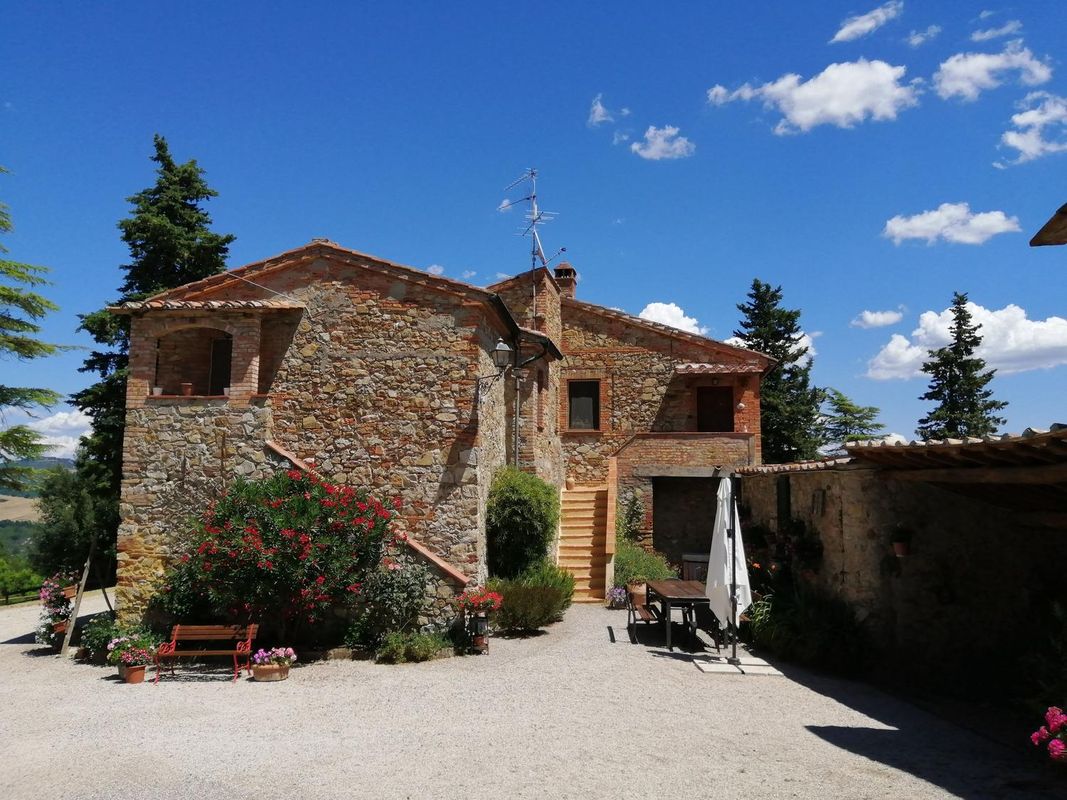
The best area for authentic local life is the Old Town (Centro Storico), where cobbled alleys lead to Piazza della Libertà and the historic Church of Santa Maria. Staying here puts you within walking distance of morning markets, traditional bakeries, and family-run wine bars. Locals gather here in the evenings, creating a warm, communal atmosphere. Many accommodations offer home-cooked dinners upon request, often prepared with recipes passed down through generations. This district captures the soul of rural Tuscany—quiet, genuine, and deeply rooted in tradition.
To experience authentic Tuscan rural life, join a farmstay immersion day at a local agriturismo, where you’ll harvest olives, make fresh pasta by hand, and enjoy a multi-course dinner featuring seasonal produce. The weekly Saturday farmers’ market showcases local cheese, honey, and handmade ceramics. For a deeper connection, book a family cooking class—learn to prepare dishes like ribollita or wild boar stew using time-honored recipes. These experiences are led by residents who welcome visitors as part of their extended family, offering insight into daily rhythms and values of Tuscan village life.
Must-visit landmarks include the Church of Santa Maria, a 14th-century Gothic gem with frescoes depicting biblical scenes; and the Rocca di Caccia ruins, offering sweeping views of the surrounding vineyards and olive groves. Just 3 km away, Vicarello Winery hosts guided tastings of its renowned Sangiovese red wines. For nature lovers, the Monte San Savino Nature Reserve features forest trails rich in wild herbs and lavender fields. Hiking here reveals hidden stone chapels and panoramic vistas, especially stunning at sunrise.
Chianti Castle is located in inland Tuscany with limited public transit. While regional trains stop at San Casciano in Val di Pesa, a 30-minute bus ride away, direct access requires a rental car or electric bike. However, the town has a bike-sharing program with stations near the old center, ideal for short trips to nearby villages and vineyards. Walking is safe and enjoyable within the historic core, but remote areas should be approached with caution after dark. For tourists without a car, guided tours often include pickup services.
Signature dishes highlight Tuscan farmhouse traditions. Try Cacciucco, a hearty stew made with game and vegetables, adapted locally from coastal recipes. Ribollita, a thick vegetable and bread soup, is a staple, often served with extra virgin olive oil. Don’t miss Cantucci almond biscuits paired with Vin Santo dessert wine, available at every local café. Many restaurants use house-made pasta, such as Pici al Tartufo, a thick, hand-rolled noodle with black truffle. Ingredients are sourced directly from family farms, ensuring freshness and deep flavor.
Family-friendly options include visiting child-friendly agriturismos, where kids can feed goats, pick strawberries, and participate in pottery workshops. The annual Festa del Paese in summer features traditional dances, craft fairs, and fireworks—perfect for children. The ancient city walls have designated paths suitable for strollers, with storytelling stops along the way. The library garden offers shaded play areas and reading corners. Most activities are low-cost or free, fostering community spirit and making it ideal for multi-generational travel.
Chianti Castle has a Mediterranean climate: hot, dry summers (average 30°C) and mild, wet winters (around 10°C). Best travel times are late spring (April–June) and early autumn (September–October), when temperatures are pleasant and landscapes are lush. Spring brings wildflowers; autumn offers grape harvest festivities. Avoid July and August if you dislike heat—opt for early mornings or shaded walks. Pack sun protection and a light rain jacket, as mountainous areas can cool quickly at night.
Accommodation prices vary significantly by season and type. Boutique castle hotels like Castello di Vicarello cost €250–€400 per night during peak season (May–October), while budget guesthouses range from €80–€150. Off-season rates (November–April) drop by up to 30%, with some properties offering meal-inclusive packages. Long-term stays may qualify for discounted monthly rentals. HopeGoo in advance is recommended, especially during festivals and wine events when demand is high.
Key festivals include the Grape Festival (Festa dell’Uva) in mid-September, featuring wine tastings, live music, and artisan stalls. The Black Truffle Festival in late October draws chefs and foodies for truffle-hunting demos and gourmet dinners. Another highlight is the Easter Eve candlelit Mass at Santa Maria Church, known for its solemn beauty and community participation. These events celebrate local heritage, craftsmanship, and the deep bond between people and land—offering visitors unforgettable cultural immersion.
Castellina in Chianti is a captivating medieval hill town in Tuscany, Italy, renowned for its well-preserved stone architecture and panoramic vineyard views. Perched atop olive grove-covered hills, the town features 12th-century castle ruins and Renaissance churches, exuding authentic Tuscan countryside charm. Its core appeal lies in the unspoiled authenticity and local artisan workshops.
Top attraction is the Rocca Castle, offering breathtaking views over the Chianti valley. San Michele Church houses 15th-century frescoes, while the arched streets around Piazza del Comune showcase medieval urban planning. Don't miss olive oil tasting experiences and sunset walks along the ancient walls pathway.
Must-try dishes include Ribollita bread soup drizzled with local cold-pressed olive oil, and Pappardelle pasta with wild boar ragù. Street vendors sell chestnut flour crepes (Necci) paired with ricotta cheese. For dessert, try Cantuccini almond biscuits dipped in Vin Santo dessert wine - a Tuscan tradition.
Driving is most convenient (1.5hrs from Florence via SR2 highway), with paid parking outside town walls. Public transport requires train to Empoli then bus (≈2hrs), but services are infrequent. The compact town is fully walkable - wear non-slip shoes for cobblestones. Note ZTL traffic restrictions apply; taxis require advance HopeGoo.
May-June and September-October offer ideal 20-25°C temperatures with fewer crowds. July-August reaches 35°C despite festivals. Winter sees shorter attraction hours. Avoid rainy November when fog obscures views.
Language: Basic Italian phrases appreciated (e.g. "Buongiorno"), English spoken by ≈30%. Internet: Free WiFi in select cafes; TIM mobile SIM cards recommended. Payments: Only ATM in Piazza del Comune; carry under €200 cash. Emergencies: Pharmacy (green cross sign) in town center; nearest hospital is 20km away in San Miniato. Voltage: 230V standard European plugs.