Hotels in Cellole
Discover your perfect stay in Cellole.
Cellole(Italy) Travel 2026: Cheap Flights, Hotels & Top Attractions
Popular Landmarks in Cellole
Discover the most iconic attractions in Cellole
Recommended Hotels in Cellole
Find the perfect place to stay in Cellole
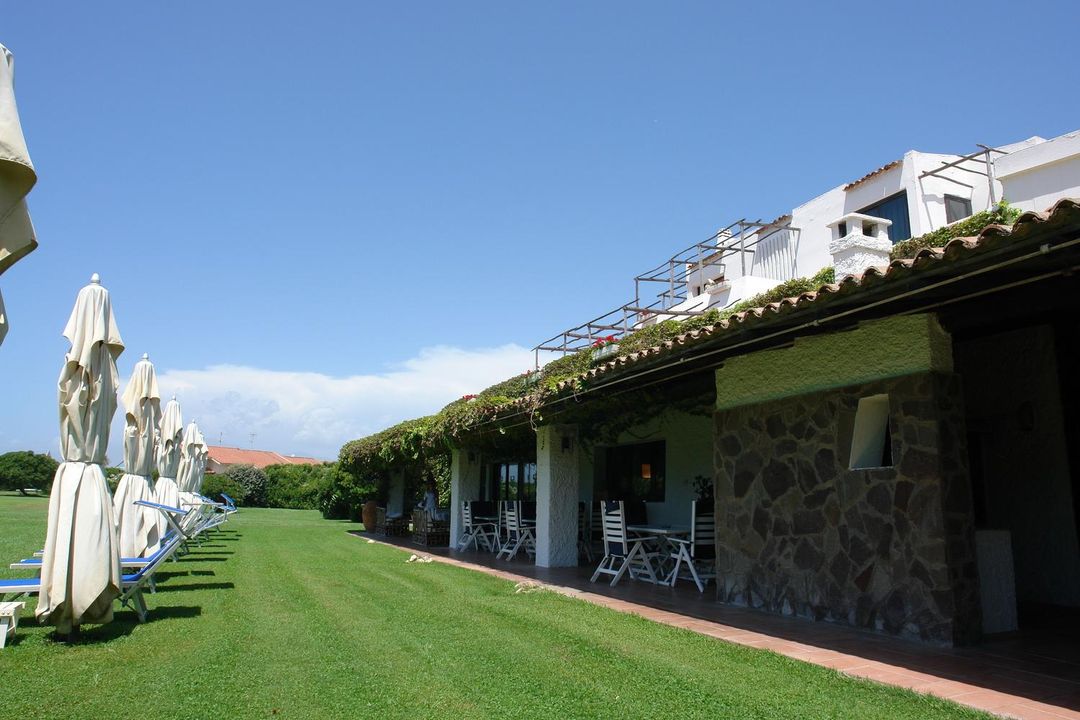
Hotel Della Baia
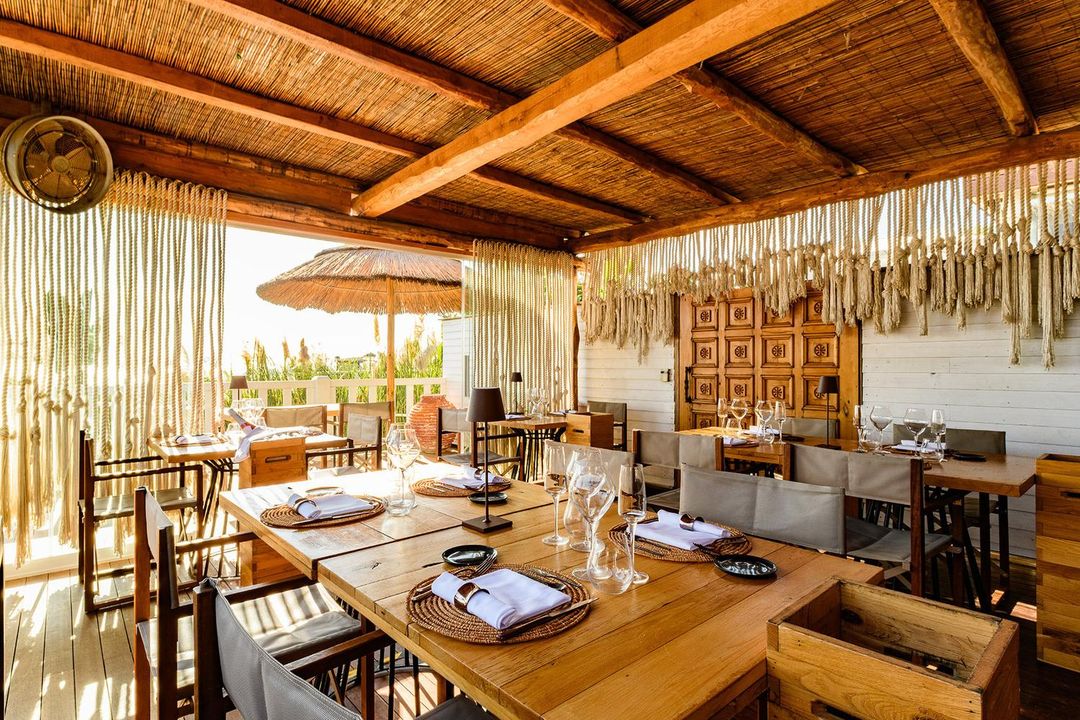
Cumeja Beach Club & Hotel
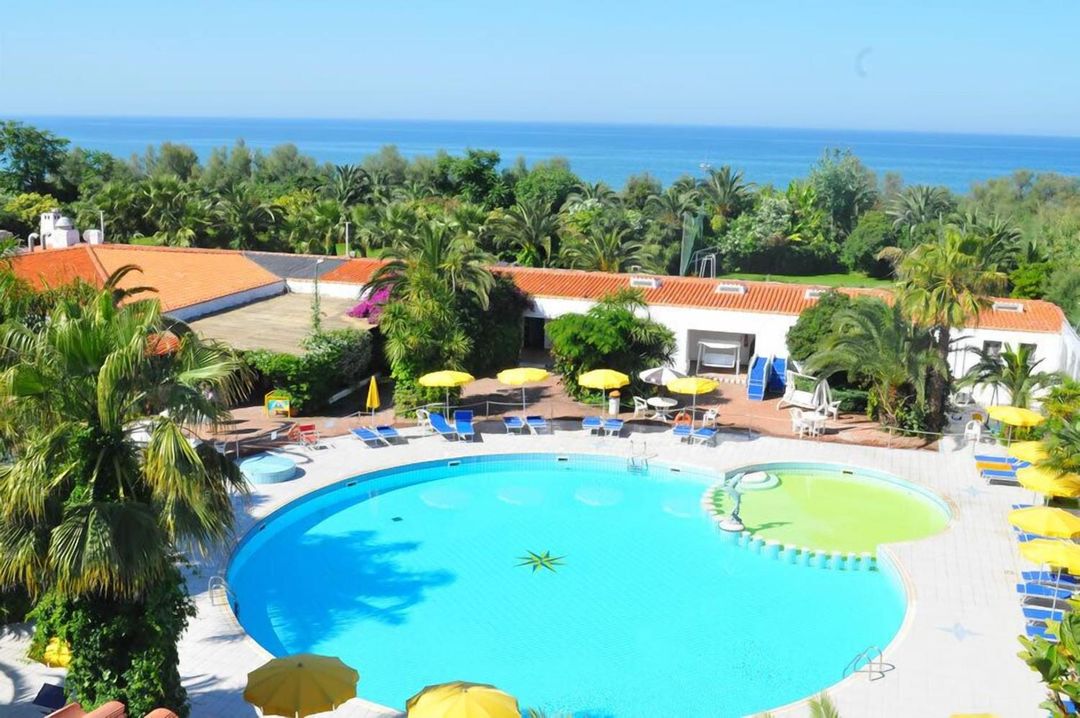
Marina Club Hotel
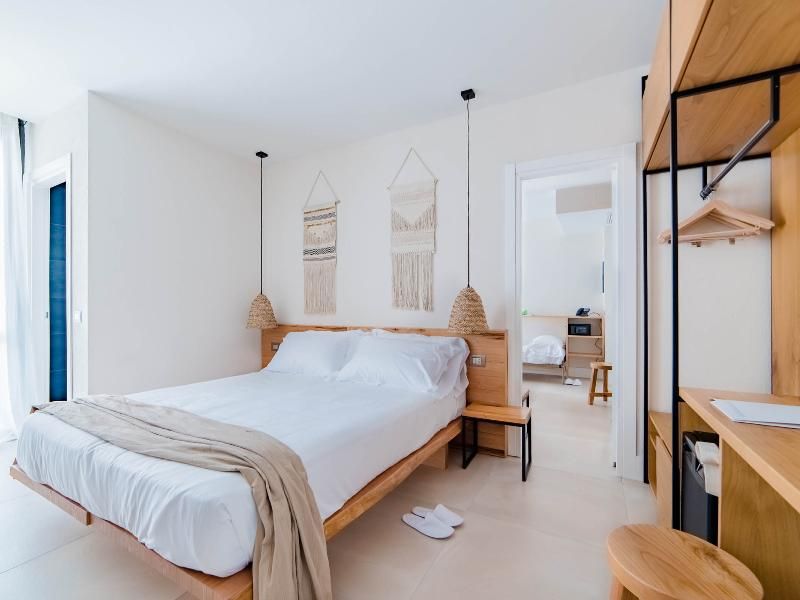
Aurhotel
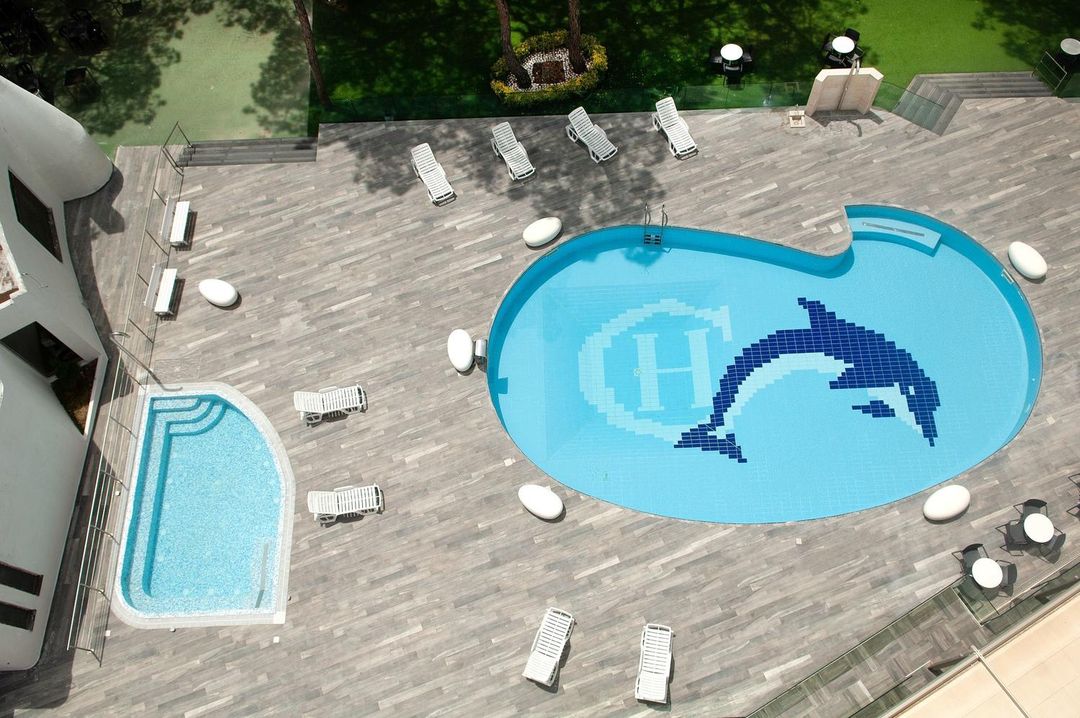
Homeholiday Giulivo
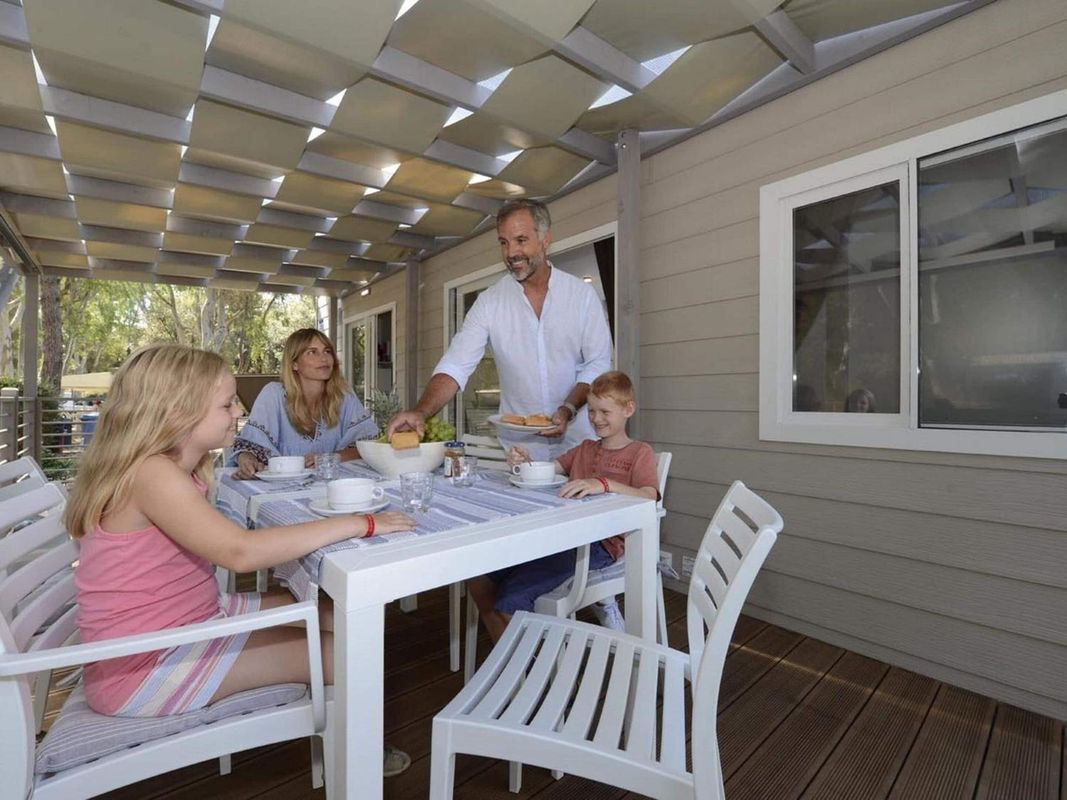
Relaxing Stay by the Sea
Frequently Asked Questions about Traveling to Cellole
Questions You Might Need to Know About Traveling to Cellole
In Sorrento, the top boutique hotel with sea views is Hotel Villa Maris, a stylish retreat nestled on a cliff overlooking the Bay of Naples. Every room features floor-to-ceiling windows and private terraces, offering panoramic ocean vistas, especially stunning at sunset.
Another excellent choice is Hotel Vista Mare, which uses reflective glass and open-air balconies to create an illusion of infinite sea views, even for rooms not directly facing the coast. It offers personalized service, including free shuttle transfers to the harbor.
For a more intimate experience, B&B La Corte dei Pescatori combines historic charm with modern comfort—once a 18th-century fisherman’s home, it now hosts families with kids, offering baby cots, children’s menus, and guided local discovery walks. All three properties provide exceptional sea access, Mediterranean cuisine, and warm hospitality.
The historic center (Centro Storico) is the ideal district for first-time visitors to Sorrento who seek authenticity. This charming area features narrow cobblestone streets, centuries-old stone buildings, and vibrant local life.
Here, you’ll find the Church of Santa Maria Assunta, a Baroque masterpiece with intricate frescoes and golden altars, as well as the bustling Piazza Tasso, where locals gather for morning espresso and evening music.
Wander through artisan markets selling handmade ceramics, embroidery, and olive wood carvings—many crafted by families who’ve worked these trades for generations. Dining options like Osteria da Gennaro serve traditional Campanian seafood stew (Cacciucco) and lemon tart (Sfogliatella al Limone), made with ingredients from nearby farms.
Staying here puts you within walking distance of all major sights and gives you an immersive cultural experience unlike any resort zone.
Travelers in Sorrento can enjoy several unique cultural experiences. Join the weekly artisan market in the historic center, where local craftsmen display hand-painted ceramics, lacework, and carved olive wood—many offer live demonstrations.
Attend the Festa della Madonna in September, a vibrant festival featuring processions, bonfire rituals, and nightly fireworks, reflecting deep-rooted community traditions.
Participate in a family-style cooking class at Villa del Sole, where you’ll learn to prepare authentic Capri pasta and lemon tart using organic ingredients from their garden. The instructor is a third-generation chef from a local family.
Experience the folk music night held every Saturday at Piazza Tasso, where local singers perform traditional Campanian ballads with mandolins and tambourines—perfect for capturing the soul of the region.
Must-visit landmarks in Sorrento include the Church of Santa Maria Assunta, a striking Baroque structure adorned with gilded altars and 17th-century frescoes, symbolizing the city’s spiritual heart.
The Cliff Path (Sentiero dei Capi) is another highlight—a scenic 2-kilometer trail along the edge of the cliffs, offering breathtaking views of the Amalfi Coast and the distant outline of Capri Island. Best visited at sunrise or dusk.
The Old Harbor (Porto Antico), though no longer active for shipping, has been transformed into an open-air art space hosting photography exhibitions and live music events, often featuring local artists.
Finally, the Faro di Capri Viewing Point on Via del Faro provides one of the most iconic photo opportunities in town—ideal for capturing the dramatic contrast between Sorrento’s terraced hills and the sparkling Mediterranean Sea.
Plan your day in Sorrento as follows: Start with a morning espresso and pastry at a corner café in Piazza Tasso, then visit the Church of Santa Maria Assunta for a guided tour of its artistic treasures.
Head to the artisan market to browse handmade goods and possibly join a short workshop in ceramic painting.
Lunch at Osteria da Gennaro, savoring Cacciucco alla Caprese paired with local white wine.
Afternoon: Book a family-style cooking class at Villa del Sole, where you’ll learn to make Capri pasta and lemon tart using fresh, organic ingredients.
End the day on the Cliff Path, watching the sun dip below the horizon while enjoying the golden glow over the bay. Conclude with a folk music night at Piazza Tasso, immersing yourself in authentic Campanian melodies and community spirit.
Yes, several hotels in Sorrento offer premium sea-view rooms. Hotel Positano View is renowned for its cliffside location, with every room featuring expansive glass walls and private terraces overlooking the Bay of Naples—some even include infinity pools.
Hotel Vista Mare creates the illusion of endless sea views through clever architectural design, using mirrors and open-plan layouts, making it ideal for guests seeking a visual connection to the ocean without direct access.
Villa del Sole also offers limited sea-facing suites, equipped with smart climate control and blackout curtains for optimal comfort. All sea-view rooms come with high-speed Wi-Fi, 24-hour concierge, and complimentary shuttle service to the marina.
HopeGoo early is recommended, especially during peak season (June–September), as availability is limited due to high demand.
Sorrento’s signature dishes reflect its Campanian heritage and coastal location. Try Cacciucco alla Caprese, a rich seafood stew made with octopus, mussels, clams, and tomatoes, simmered with lemon zest and herbs—best enjoyed with crusty bread.
Don’t miss Sfogliatella al Limone, a flaky pastry filled with sweet lemon curd and cream, often served warm at local bakeries.
Another local favorite is grilled octopus with olive oil and herbs, prepared with freshly caught squid and seasoned with extra virgin olive oil from nearby groves.
Pair these dishes with a glass of white wine from the Amalfi Coast, light-bodied with citrus and floral notes—perfect for balancing the bold flavors of the sea. These culinary delights are widely available at family-run restaurants and street stalls.
The easiest way to travel from Naples to Sorrento is via the Circumvesuviana regional train to Scafati Station, then transfer to a local bus or taxi—approximately 1 hour 10 minutes total.
For greater convenience, book a private transfer service (€60–80), which offers door-to-door pickup and drop-off at your hotel, ideal for families or those with heavy luggage.
Alternatively, rent a small electric vehicle in Naples and drive along SS183 Highway, passing scenic coastal towns like Amalfi and Positano—perfect for photographers and road-trippers.
Avoid weekends and holidays when traffic increases on mountain roads. Early departure ensures smoother transit and better access to attractions.
Sorrento enjoys a Mediterranean climate: hot, dry summers (July–August, 30–35°C) with intense UV radiation—pack sunscreen, hats, and lightweight clothing.
Winters (December–February) are mild but rainy, with temperatures around 10–15°C; bring a waterproof jacket and comfortable shoes.
The best time to visit is spring (April–June) and autumn (September–October)—mild weather, low humidity, and fewer crowds. Ideal for hiking the Cliff Path and exploring outdoor sites.
Summer sees peak tourism, so book accommodations and tours in advance. Winter months may see shorter restaurant hours, so verify opening times before visiting.
Several family-friendly hotels in Sorrento cater specifically to children. Hotel Villa Maris Family Suite offers a dedicated playroom, mini pool, and babysitting services, allowing parents to relax with a sea view.
B&B La Corte dei Pescatori Kids Edition provides cribs, child-sized cutlery, and customized activity guides. Families can participate in guided tours of the old town and craft workshops.
At Villa del Sole, children enjoy “Farm Fun Days”—hands-on experiences like feeding goats, harvesting vegetables, and making homemade lemon jam, blending education and entertainment.
All hotels support family rooms with extra beds, provide free breakfast for kids under 12, and offer shuttle services to nearby beaches and attractions—making them ideal for multi-generational travel.
Cellole Overview
City Summary
Cetara is a charming coastal town in Italy's Campania region, nestled along the Amalfi Coast. Famous for its stunning sea views, pastel-colored houses, and laid-back Mediterranean vibe, it offers authentic Italian village life away from tourist crowds. The tranquil beaches and historic churches embody its timeless allure.
Must-See Attractions
Don't miss the Byzantine frescoes at Chiesa di San Pietro and sunset at Cetara Beach. Stroll the waterfront promenade to discover local ceramic workshops. Join the Festa del Pesce (Seafood Festival) in summer for fresh lobster and mussels.
Food Guide
Try Scialatielli ai frutti di mare (handmade pasta with seafood) and octopus salad made from daily catches. For dessert, Lemon Liqueur Cake uses locally grown lemons. Enjoy Limoncello at a seaside taverna as fishing boats glide by.
Transportation Guide
Take the Circumvesuviana train from Naples to Sorrento (~90min), then transfer to SITA bus to Cetara (40min). The town is walkable—narrow alleys aren't car-friendly. Consider the Campania Transport Pass for visiting Positano. Summer ferries connect to Amalfi and other coastal towns.
Best Time to Visit
Visit May-June or September to avoid July-August crowds and high season prices. Spring/fall temperatures (20-28°C) are ideal for hiking. Some restaurants close in winter, but you'll have the coast to yourself.
Travel Tips
- Cover shoulders/knees for church entry
- Pebble beaches require water shoes
- Cash preferred—keep small euro bills
- Restaurants charge 1-3€ "coperto" seating fee
- Buses often delayed—allow extra time
- Book dinner reservations in summer peak season
Useful Information
Italian is the official language; basic English works in tourist areas. 4G coverage is reliable, but some B&Bs have weak Wi-Fi. For emergencies, contact Sorrento Hospital (+39 081 533 1111). Pharmacies display green crosses. Most shops accept Visa/Mastercard, but markets are cash-only. Voltage is 220V with standard EU two-pin plugs.