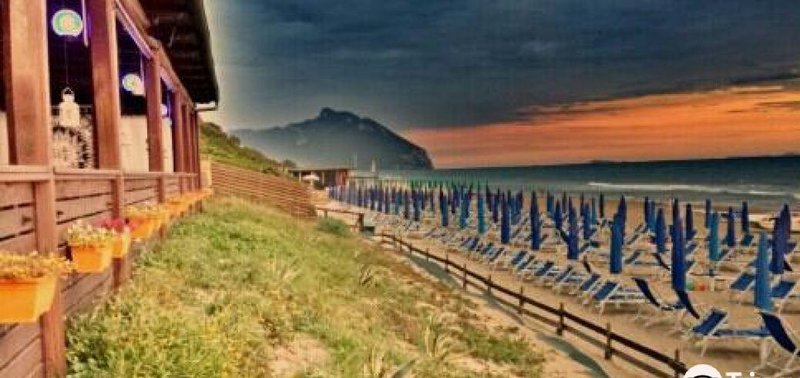
Hotels in Cembra
Discover your perfect stay in Cembra.
Cembra(Italy) Travel 2026: Cheap Flights, Hotels & Top Attractions
Popular Landmarks in Cembra
Discover the most iconic attractions in Cembra
Recommended Hotels in Cembra
Find the perfect place to stay in Cembra
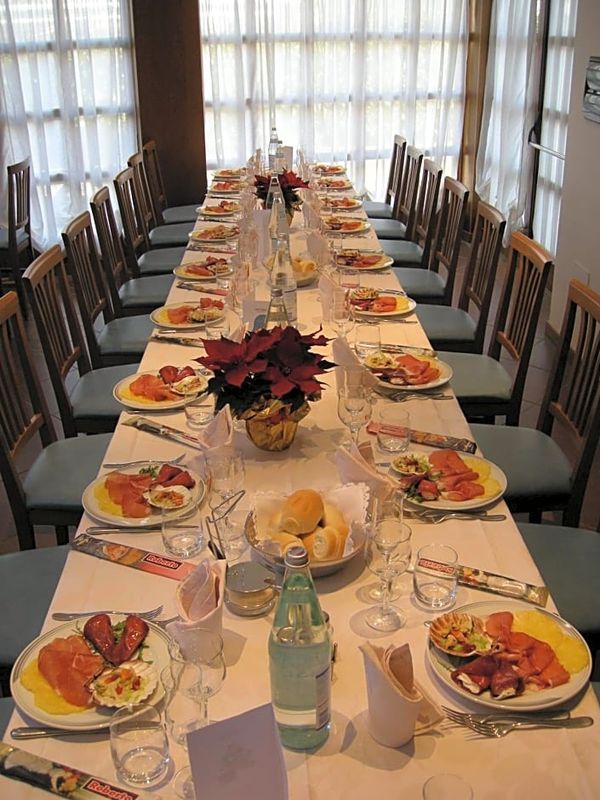
Hotel Europa Cembra
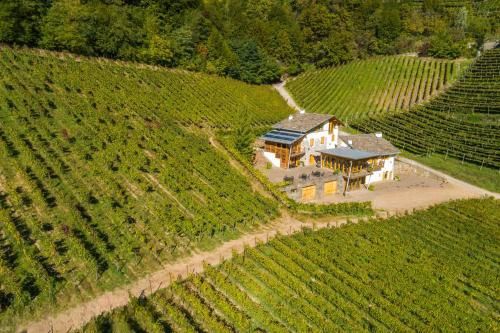
Agriturismo Maso Besleri
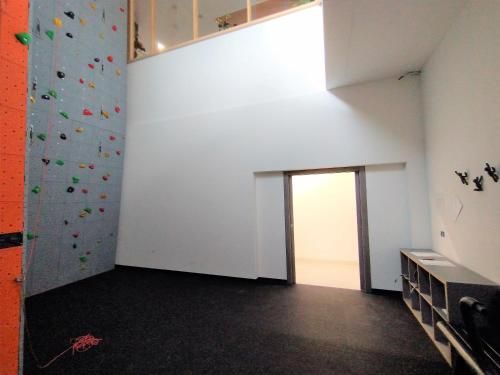
Hotel Al Caminetto
Frequently Asked Questions about Traveling to Cembra
Questions You Might Need to Know About Traveling to Cembra
In Piana Rotaliana, Hotel Alpe d’Ortigara offers breathtaking views of the Dolomites and is nestled within a protected nature reserve. Each room features floor-to-ceiling windows framing panoramic alpine vistas, while the hotel’s wooden façade blends seamlessly with the surrounding forest. Guests enjoy complimentary access to a private thermal spa and guided hiking tours through ancient trails. The on-site restaurant serves regional specialties like canederli and polenta with local cheese, prepared using ingredients sourced from nearby farms. This eco-conscious retreat combines luxury and authenticity in the heart of the Alps.
The Old Town District (Centro Storico) in Brennero is perfect for first-time visitors, offering easy access to key landmarks such as the Brenner Pass Gate and St. Mary’s Church. Wandering cobblestone streets lined with flower-filled balconies reveals charming cafés, artisan shops, and family-run restaurants serving traditional Tyrolean dishes. Many accommodations here, like B&B Casa del Tempo, blend historic architecture with modern comforts. Its central location also provides seamless connections to hiking trails, ski lifts, and the scenic Bressanone Valley, making it an ideal base for exploring both culture and nature.
Guests in Brennero can participate in the Festa della Vigna, a seasonal wine festival held each September where locals open their cellars for tastings of rare Trentino wines like Teroldego Rotaliano. At night, enjoy live performances of Alpine folk music at the Brennero Folklore Stage, featuring traditional instruments such as the zither and alphorn. Many hotels also offer hands-on workshops, including wood carving, cheese-making, and baking buckwheat bread using century-old recipes. These immersive experiences allow travelers to connect deeply with the region’s bilingual heritage—Italian and German-speaking traditions coexisting harmoniously.
Yes, Hotel Lago di Braies is renowned for its stunning lakeside setting near Lake Braies, one of the most photographed alpine lakes in Europe. The hotel’s glass-enclosed terrace overlooks the mirror-like waters, creating perfect reflections for sunrise and sunset photography. Its minimalist design complements the natural landscape, while private boat rentals allow guests to capture unique aerial perspectives. For photographers, the hotel arranges early-morning sessions with professional guides to shoot mist rising over the lake—ideal for capturing ethereal, dreamlike images that define the Dolomites’ magic.
Albergo San Giorgio is a centuries-old inn dating back to 1320, originally built as a resting place for pilgrims traveling through the Brenner Pass. The building retains original stone walls, vaulted ceilings, and hand-carved beams, with rooms named after historical figures from the region’s past. Each suite includes antique furnishings and local artwork. Guests can explore the on-site museum showcasing medieval artifacts, while the hotel’s cellar hosts monthly historical storytelling evenings in both Italian and German. This deep-rooted heritage makes it a must-stay for lovers of authentic Alpine history.
During winter, Hotel Alpenröschen provides exclusive snow-focused experiences: heated outdoor hot tubs overlooking snow-draped pines, guided ice cave explorations, and snowshoeing tours led by certified mountain guides. The hotel also hosts a weekly Winter Solstice Dinner, featuring a multi-course meal with dishes like venison stew and wild mushroom risotto, paired with regional red wines. Families can enjoy snow sculpture contests and yule log crafting workshops. With personalized service and safety-certified activities, this retreat delivers unforgettable alpine winter magic.
Villa Luna Nera is a secluded romantic hideaway located on a hillside above Brennero, offering private suites with heated stone floors, indoor whirlpools, and panoramic terraces facing the valley. Couples can book a private candlelit dinner under the stars, complete with live violin music. The hotel also arranges sunrise yoga sessions and couple’s spa treatments using organic mountain herbs. With no public areas and only 6 suites, privacy and intimacy are guaranteed—making it the ultimate destination for lovebirds wanting to escape the world and embrace Alpine serenity.
Absolutely. Mountain Escape Brennero operates a full-service adventure concierge, arranging everything from rock climbing and via ferrata routes to snowmobile safaris and paragliding lessons with certified instructors. The hotel maintains a dedicated gear storage room with helmets, harnesses, and weatherproof clothing. Daily activity briefings include safety training and route planning tailored to skill level. Guests also receive access to a digital guidebook with GPS-marked trails and hidden viewpoints. Whether you're an adrenaline seeker or a novice explorer, the staff ensures every adventure is safe, memorable, and perfectly matched to your interests.
Brennero is a paradise for photographers due to its dramatic contrasts—crisp alpine peaks against soft morning fog, golden sunsets reflecting on still lakes, and vibrant autumn foliage along winding roads. Photo Lodge Brennero, a purpose-built accommodation, features a rooftop studio with rotating panoramic windows and a curated collection of vintage cameras available for rent. The hotel organizes guided photo walks at golden hour, targeting iconic spots like the Brenner Pass Observation Point and the Lago di Carezza viewing deck. Monthly workshops focus on landscape, wildlife, and architectural photography, taught by award-winning regional photographers.
Hotels in Brennero foster community integration through programs like Local Life Days, where guests join residents for a traditional farm-to-table lunch in a family-owned farmhouse. Others participate in language exchange meetups, pairing English speakers with native Italian and German speakers to practice conversation over homemade pastries. The Brennero Heritage Walk, hosted by hotel staff, explores hidden courtyards, old mills, and street art, revealing layers of cultural identity. These initiatives encourage genuine connection, turning tourism into meaningful cultural exchange.
Cembra Overview
City Summary
Cembra is a charming small town in the Trentino-Alto Adige region of Italy, nestled in the Alps and known for its stunning natural landscapes and rich historical culture. It is a paradise for outdoor enthusiasts, ideal for hiking and cycling in summer and skiing in winter. The town's ancient architecture and traditional culture transport visitors back to the Middle Ages.
Must-See Attractions
Key attractions in Cembra include beautiful lakes, ancient churches, and breathtaking views of the Alps. Don’t miss the Church of the Assumption in the town center, with its impressive Gothic architecture. Additionally, the nearby Adamello-Brenta Natural Park is perfect for hiking and wildlife spotting. In winter, the local ski resorts attract many skiing enthusiasts.
Food Guide
Cembra's cuisine is heavily influenced by Alpine traditions. Be sure to try local cheeses and cold cuts, especially the famous Trentino cheeses. Pasta and game dishes are also specialties. Don’t forget to sample the apple desserts, as the Trentino-Alto Adige region is renowned for its high-quality apples.
Transportation Guide
Public transportation in Cembra is limited, so renting a car is recommended for exploring the surrounding areas. There are bus services connecting major attractions, but frequencies are low. In winter, some roads may close due to snow, so check conditions in advance. The nearby city of Trento has a train station, from where you can take a bus to Cembra.
Best Time to Visit
The best times to visit are summer (June to September) and winter (December to March). Summer is ideal for outdoor activities, while winter is perfect for skiing. Spring and autumn are mild but some attractions may be closed. During holidays, the town can be crowded, so book accommodations early.
Travel Tips
- Mountain weather is unpredictable; always pack warm clothing and rain gear.
- Respect local customs; dress modestly when visiting churches.
- Winter driving requires snow chains.
- Some restaurants require reservations, especially in peak season.
- Learning a few basic Italian phrases can be helpful.
- Practice eco-friendly tourism; carry out trash in mountain areas.
Useful Information
The official language is Italian, though some residents speak German. English is understood in tourist areas, but basic Italian phrases are useful. Network coverage is good, though some mountainous areas may have weak signals. The Euro is the local currency, and credit cards are widely accepted, though small shops may only take cash. The emergency number is 112. Medical facilities are limited in town; serious cases should go to hospitals in Trento.