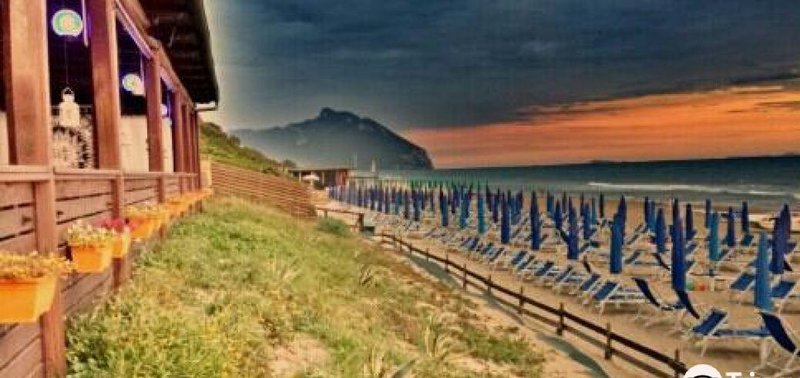
Hotels in Cento
Discover your perfect stay in Cento.
Cento(Italy) Travel 2026: Cheap Flights, Hotels & Top Attractions
Popular Landmarks in Cento
Discover the most iconic attractions in Cento
Recommended Hotels in Cento
Find the perfect place to stay in Cento
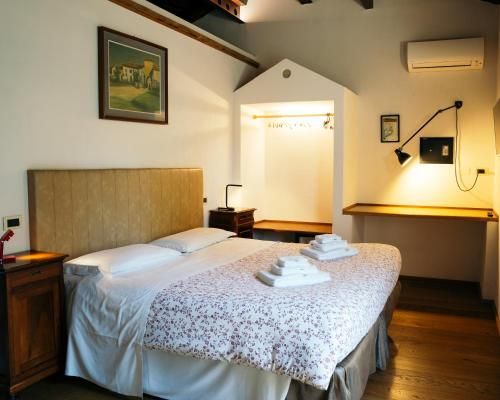
La Lepre Bianca
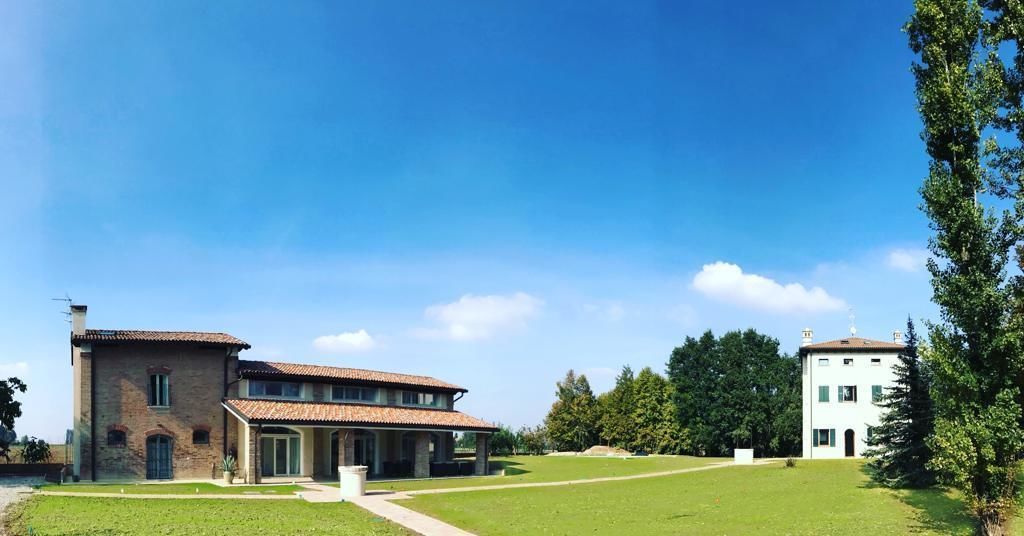
Monteborre
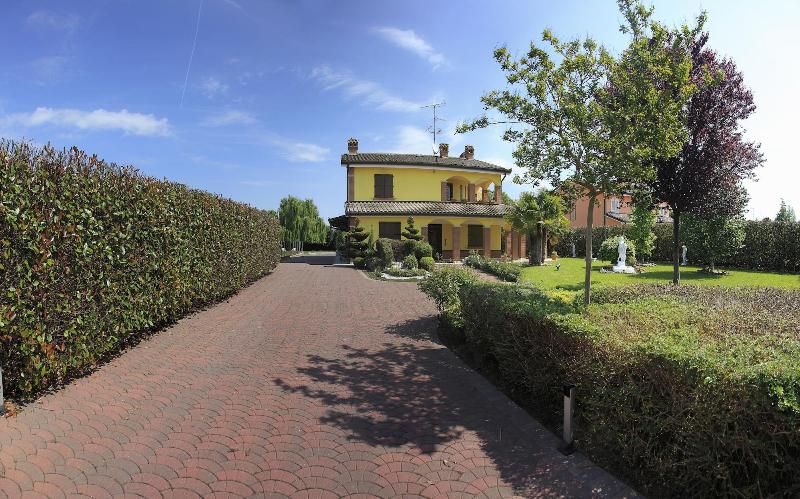
Borgo Dei Sensi
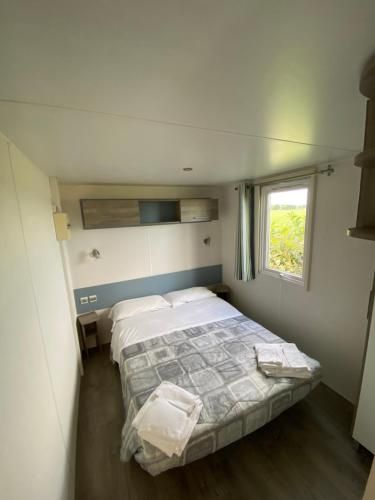
Corte Galvana
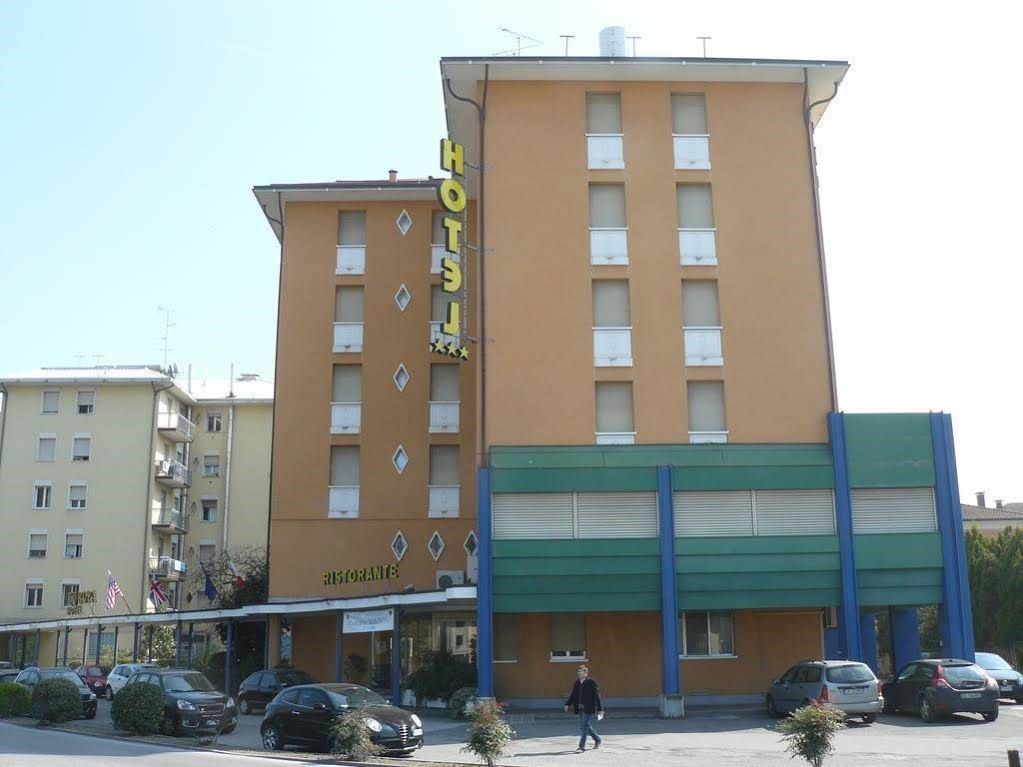
Confidence Hotel Europa
Hotel Luna Blu
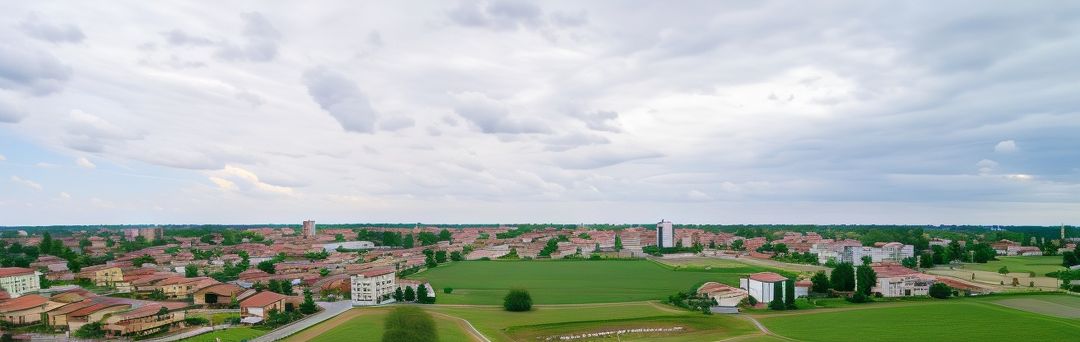
Hotel Residence White Palace
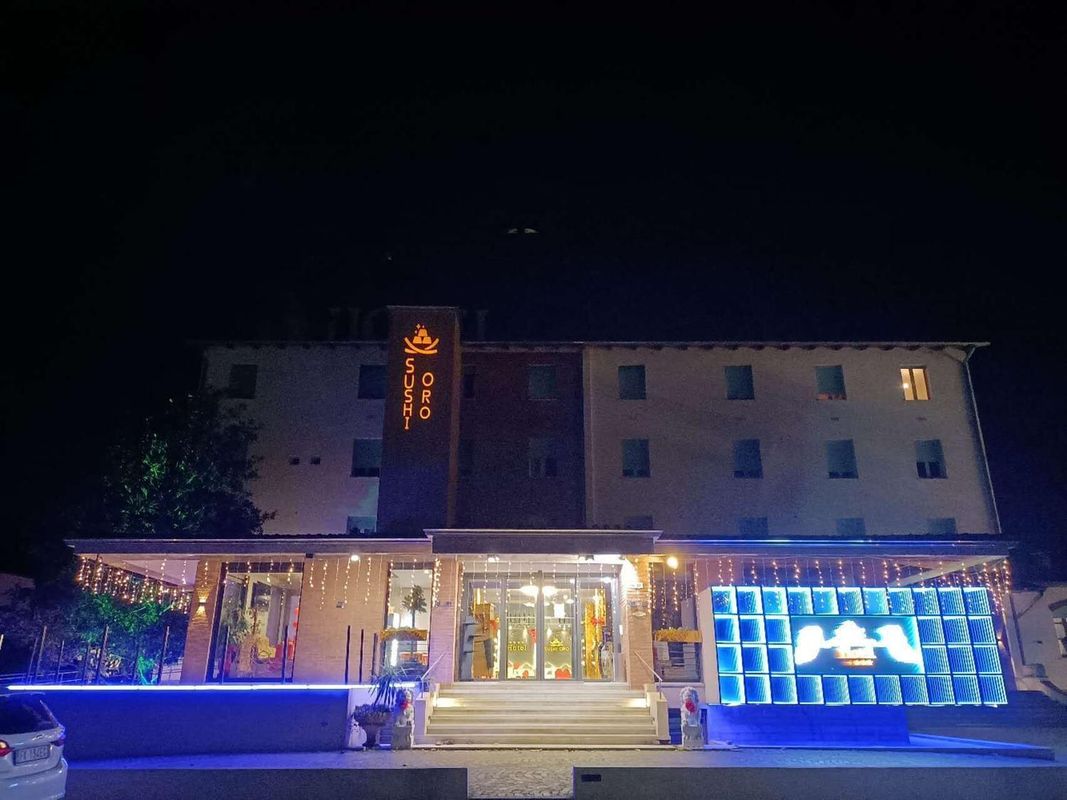
hotel ORO
Hotel Al Castello
Best Hotels in Cento
Discover curated hotel collections in Cento
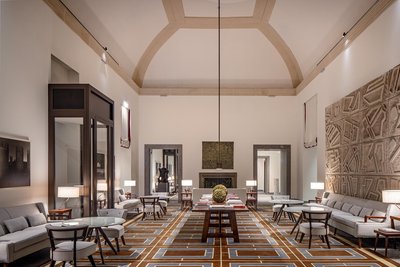
Portrait Milano - Lungarno Collection
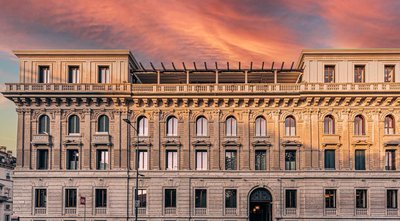
Casa Cipriani Milano
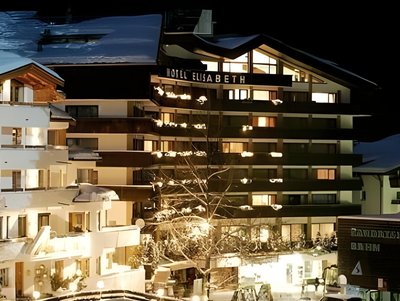
Elizabeth Arthotel
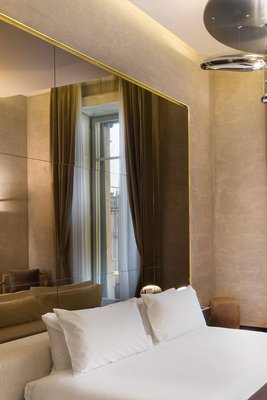
The Glamore Milano Duomo
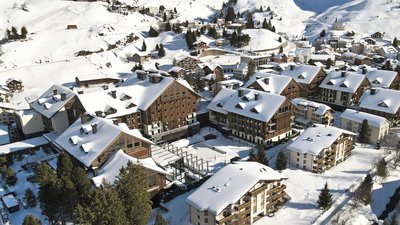
The Chedi Andermatt, Switzerland
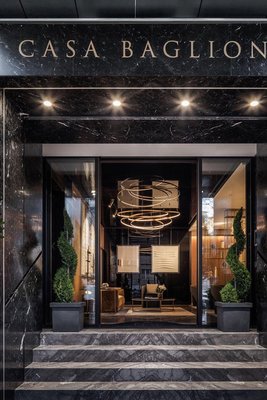
Casa Baglioni Milan - the Leading Hotels of the World
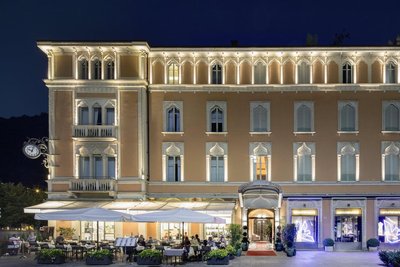
Vista Lago di Como
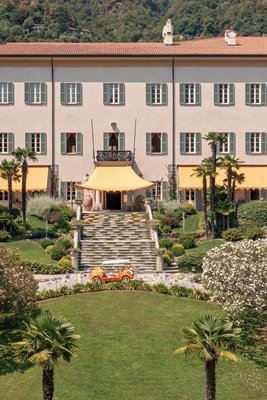
Passalacqua
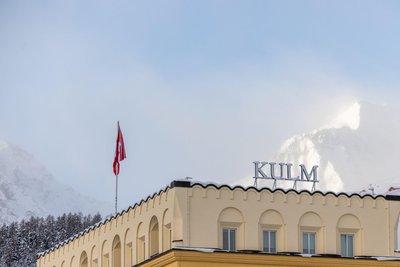
Kulm Hotel St. Moritz
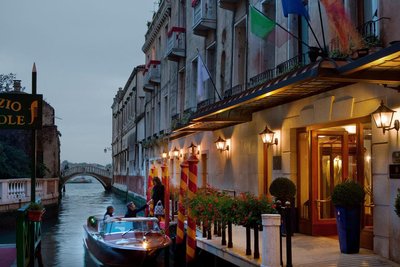
Baglioni Hotel Luna
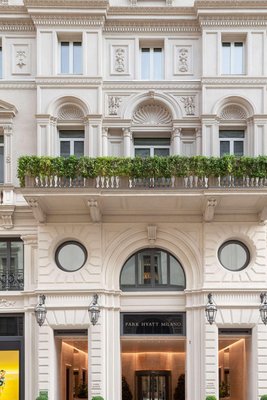
Park Hyatt Milan
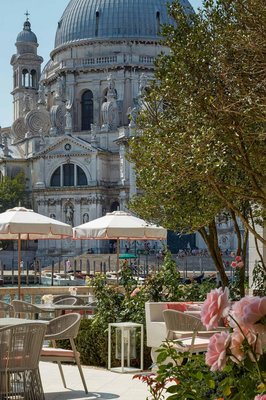
The St. Regis Venice
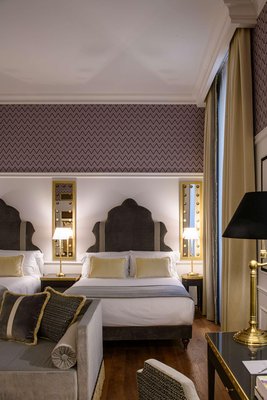
Il Tornabuoni Unbound
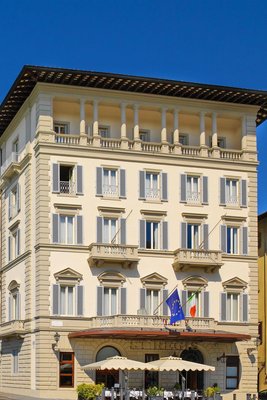
The St. Regis Florence
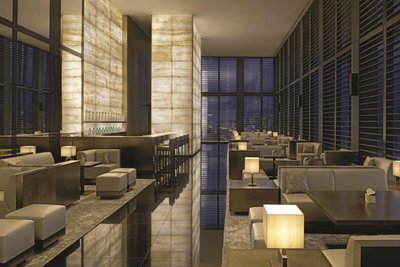
Armani Hotel Milano
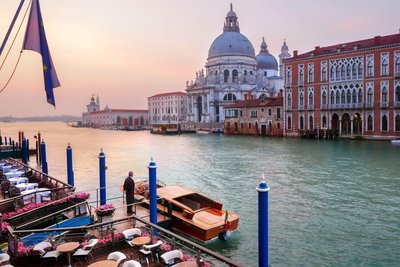
The Gritti Palace, a Luxury Collection Hotel, Venice
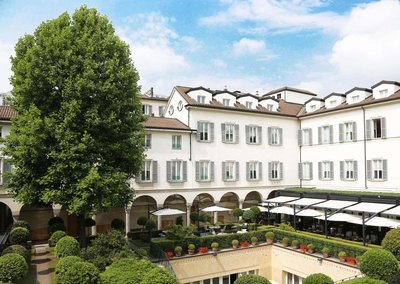
Four Seasons Hotel Milano
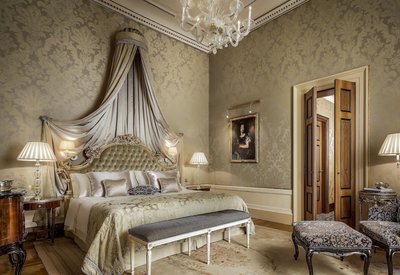
Hotel Danieli, Venice
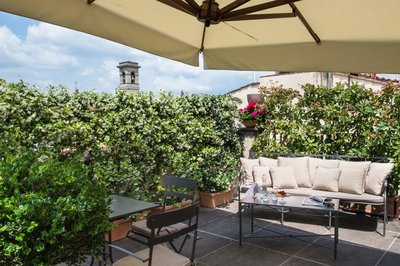
Palazzo Vecchietti - Residenza d'Epoca
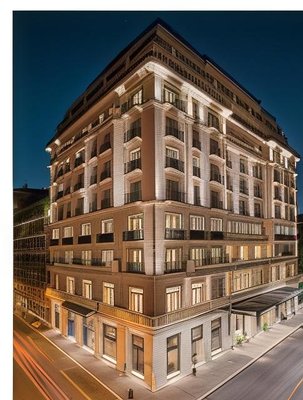
Palazzo Parigi Hotel & Grand Spa - Lhw
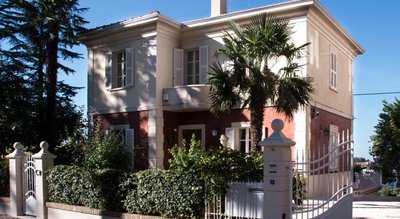
Residenza Ambrogi
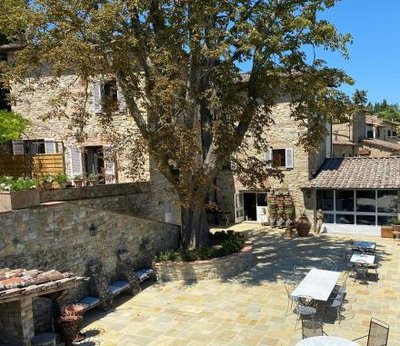
Villa la Petraia
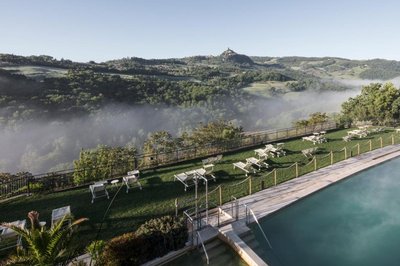
La Posta Hotel & Thermal Spa
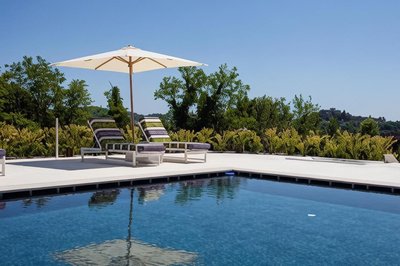
Villa Francesca Relais
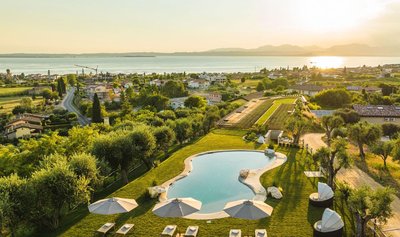
Privilegium Lazise
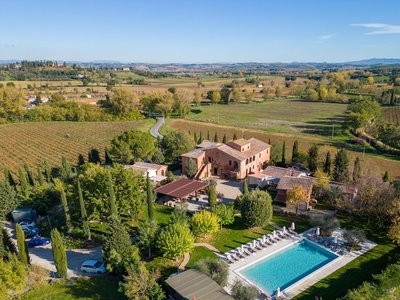
Borgo San Vincenzo
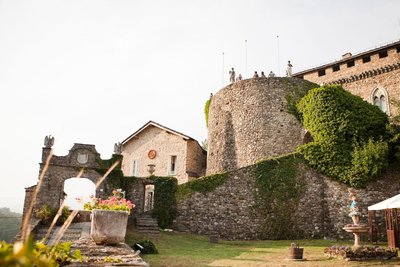
Castello di Compiano Hotel Relais Museum
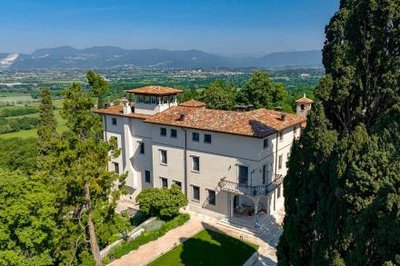
Eremus Relais
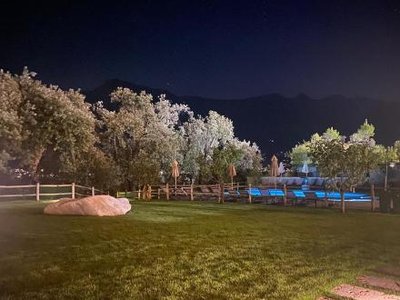
Sibenbras Natural Aparthotel
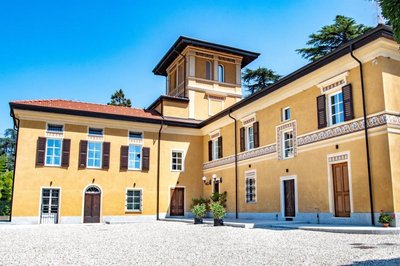
Capriccio Art Hotel
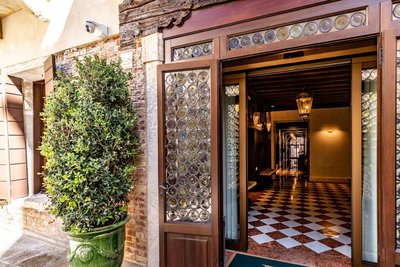
Palazzo Keller
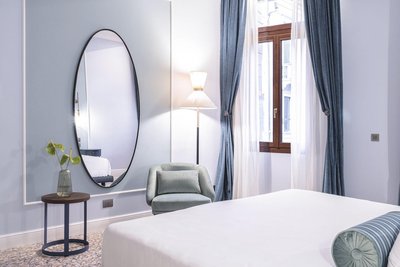
Be Mate Ponte di Rialto
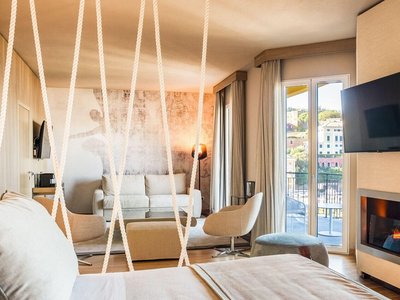
Miramare Suites
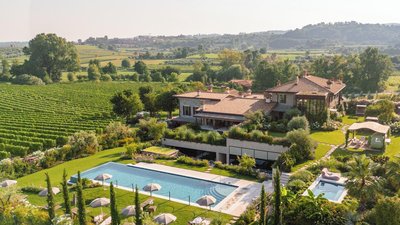
Conti Thun Wine Resort
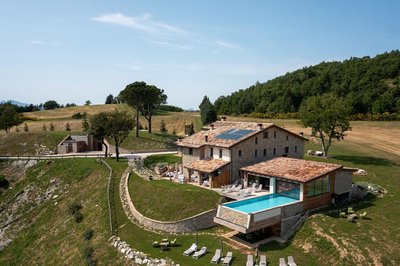
Aura Relais
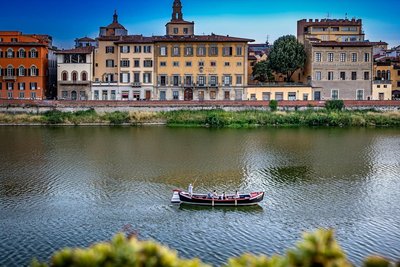
Il Rivalta

Visionair Suites
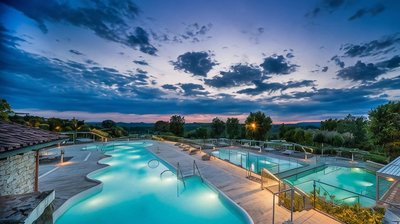
San Giovanni Terme Rapolano
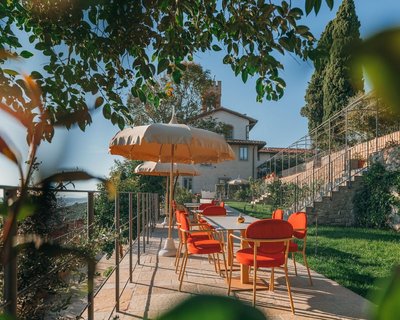
La Monastica Resort & Spa
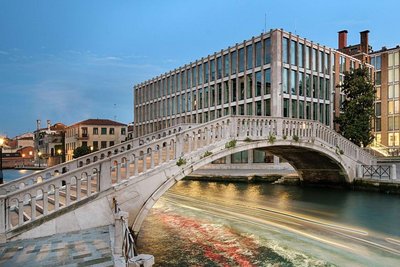
Avani Rio Novo Venice Hotel
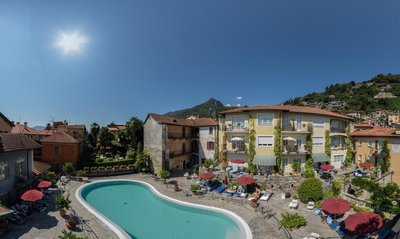
Hotel Cannero
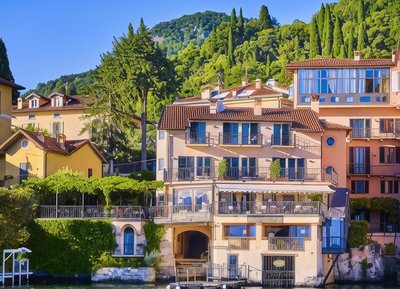
Casa du Lac, by R Collection Hotels
Sibenbras Natural Aparthotel
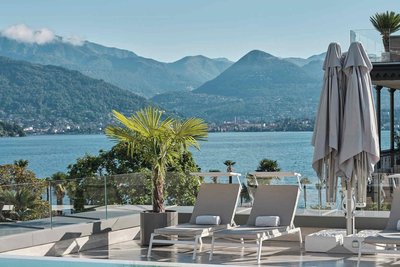
Boutique Hotel Stresa
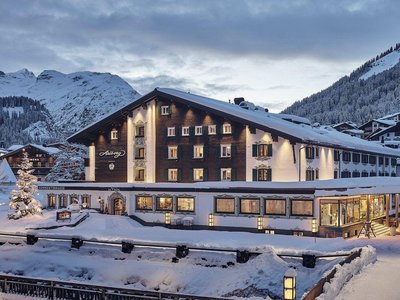
Hotel Arlberg Lech
Miramare Suites
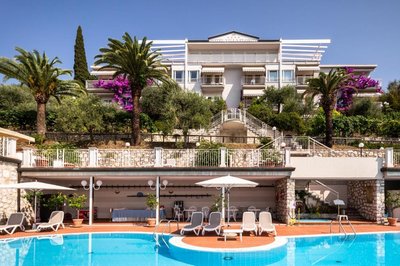
Hotel Villa Florida & Suite Apartments
Il Rivalta
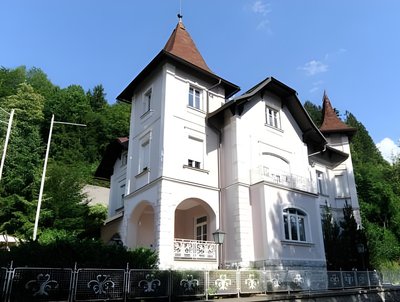
Adora Luxury Hotel
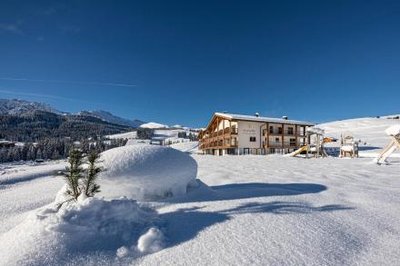
Brunelle Seiser Alm Lodge
Vista Lago di Como
Passalacqua
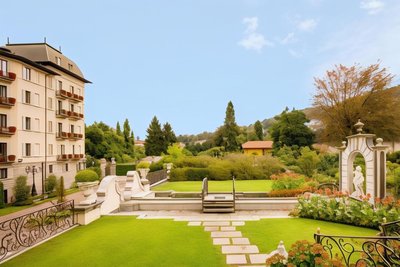
Hotel Regina Palace
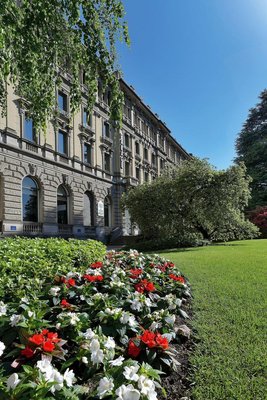
Palace Hotel Lake Como
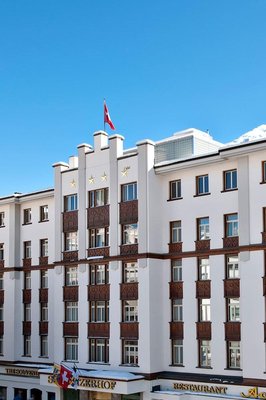
Hotel Schweizerhof St. Moritz
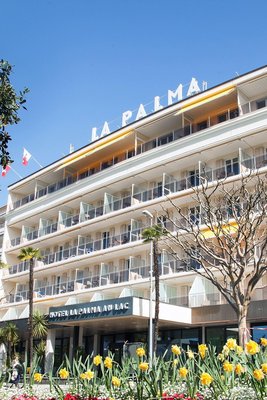
Hotel la Palma au Lac
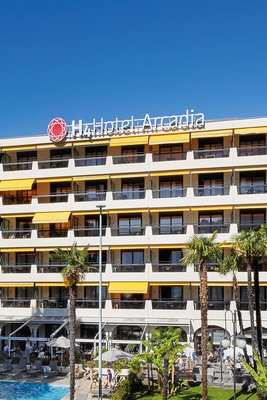
H4 Arcadia Locarno
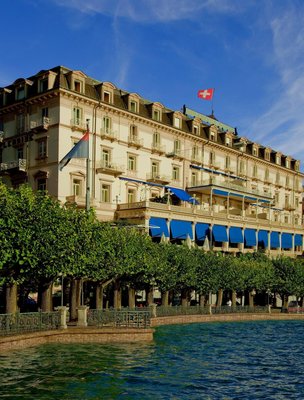
Hotel Splendide Royal

Kempinski Palace Portoroz Slovenia
Kulm Hotel St. Moritz
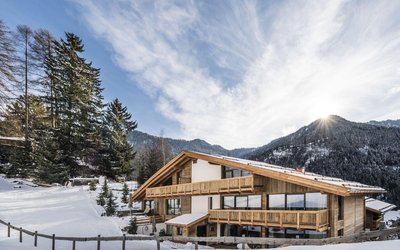
Hotel Montchalet
Castello di Compiano Hotel Relais Museum
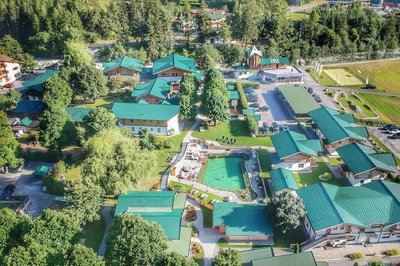
Feelfree Nature Resort
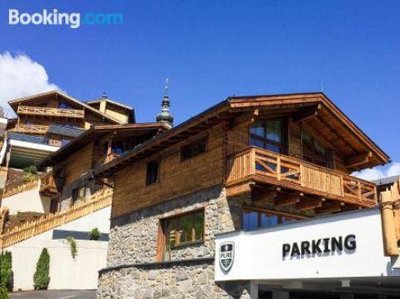
Pur Suites & Chalets
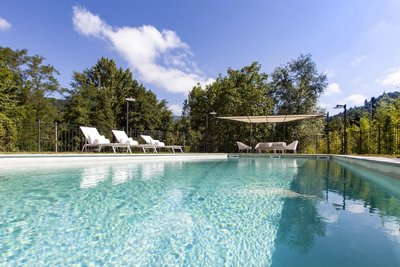
Castello di Pontebosio Luxury Resort
Passalacqua
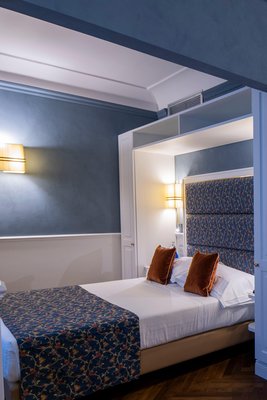
Rivoli Boutique Hotel
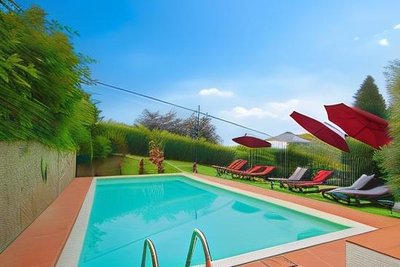
Hotel Villa Sermolli
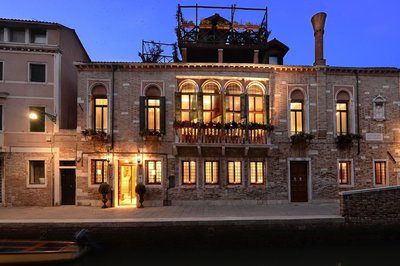
Palazzetto Madonna
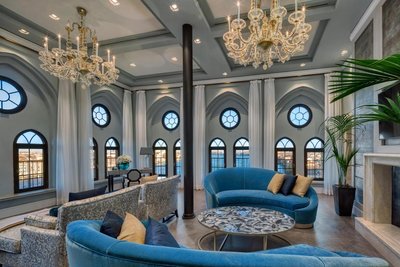
Hilton Molino Stucky Venice
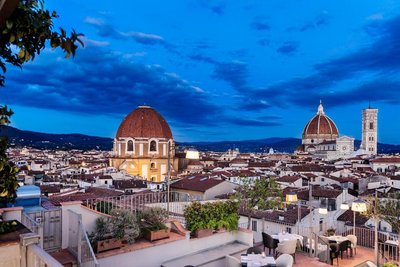
Grand Hotel Baglioni
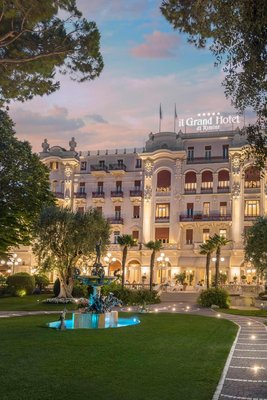
Grand Hotel Rimini

Palazzetto Pisani Grand Canal
Hotel Schweizerhof St. Moritz
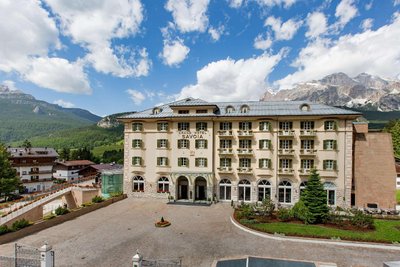
Grand Hotel Savoia Cortina D’Ampezzo, A Radisson Collection Hotel
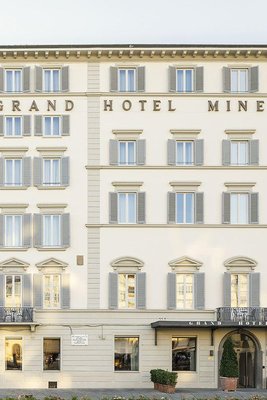
Grand Hotel Minerva
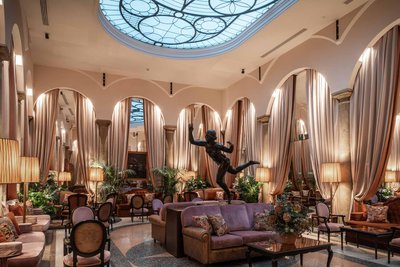
Grand Hotel et de Milan - the Leading Hotels of the World
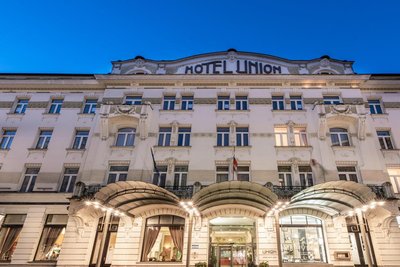
Grand Hotel Union Eurostars
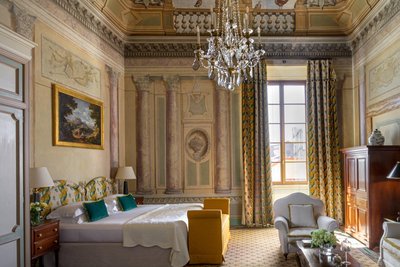
Grand Hotel Continental Siena - Starhotels Collezione
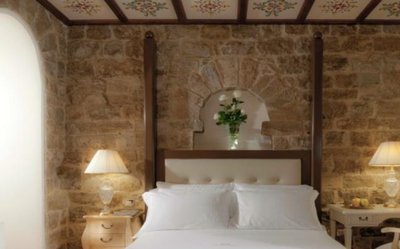
Golden Tower Hotel & Spa
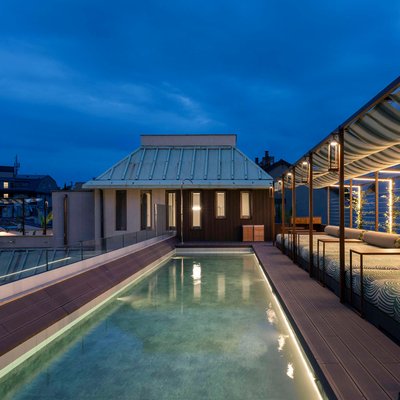
Radisson Collection Hotel Santa Sofia Milan
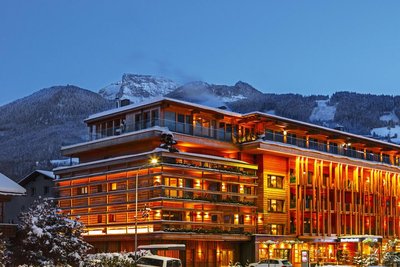
Small Luxury Hotel of the World - DasPosthotel
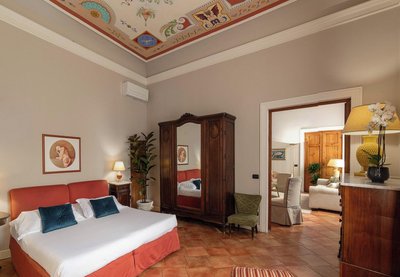
Palazzo Alfani - Residenza d'Epoca
Avani Rio Novo Venice Hotel
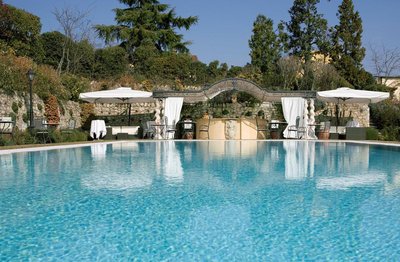
Byblos Art Hotel Villa Amista
Grand Hotel Minerva
Il Tornabuoni Unbound
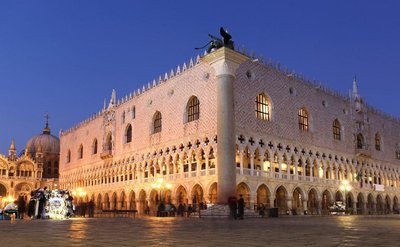
Ai Mori d'Oriente
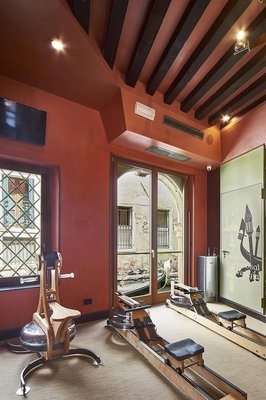
Hotel Saturnia & International
The Gritti Palace, a Luxury Collection Hotel, Venice
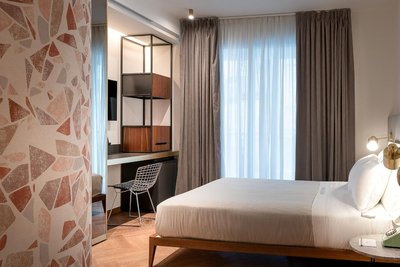
The Box Riccione - Adults Only
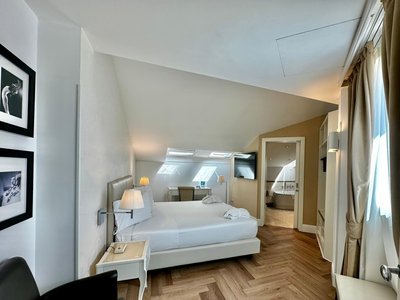
Maison Milano | UNA Esperienze
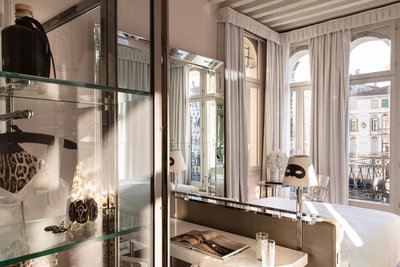
Palazzina Grassi
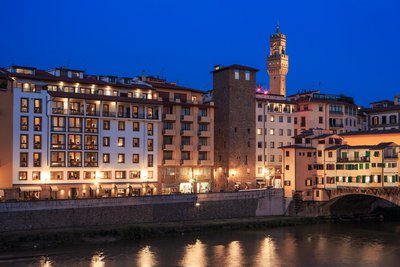
Portrait Firenze - Lungarno Collection
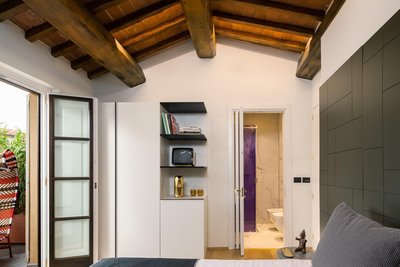
Hotel Milu Florence
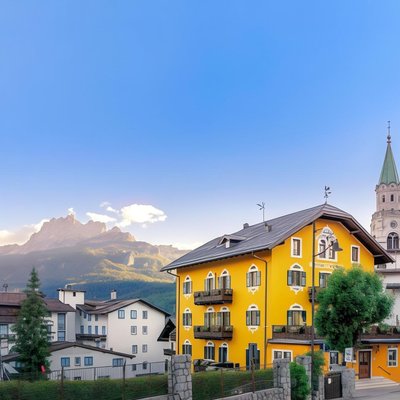
Ambra Cortina Luxury&Fashion Hotel
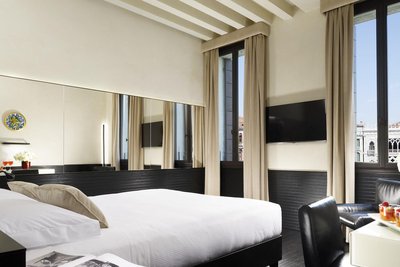
Hotel l'Orologio Venezia - Wtb Hotels
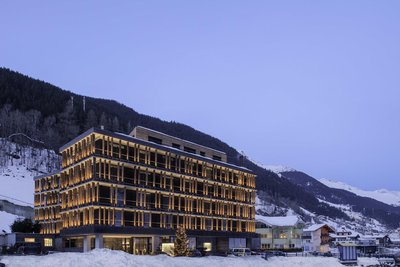
Hotel Zhero – Ischgl/Kappl
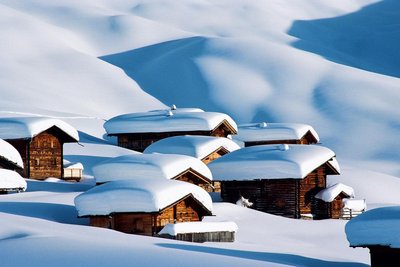
Valsana Hotel Arosa - Small Luxury Hotel
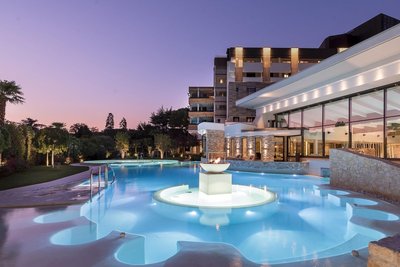
Esplanade Tergesteo - Luxury Retreat
Hotel Montchalet
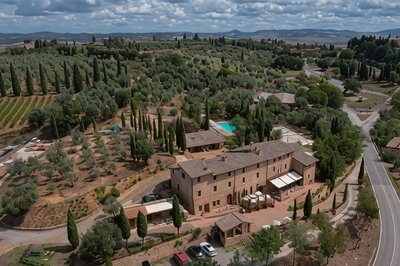
Il Miraggio in Val d'Orcia Relais & Spa
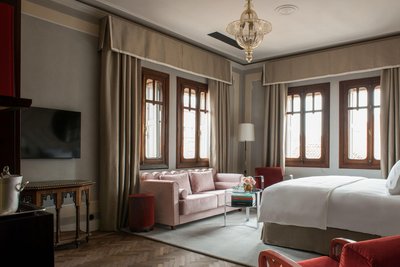
Nolinski Venezia - Evok Collection
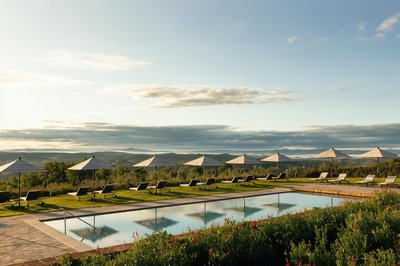
The Club House
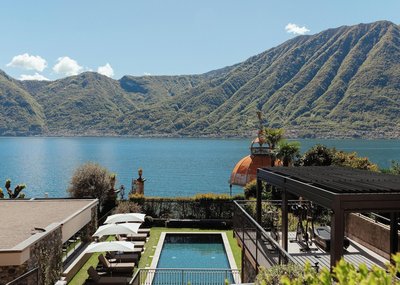
MUSA Lago di Como
Radisson Collection Hotel Santa Sofia Milan
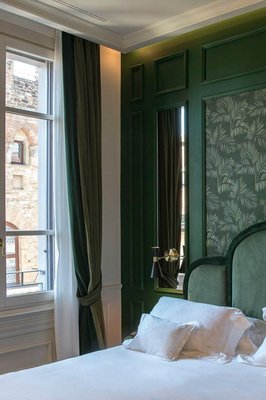
Hotel la Gemma
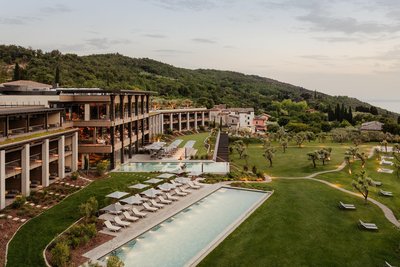
Cape of Senses
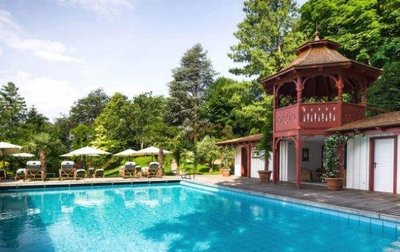
Relais & Chateaux Hotel Castel Fragsburg
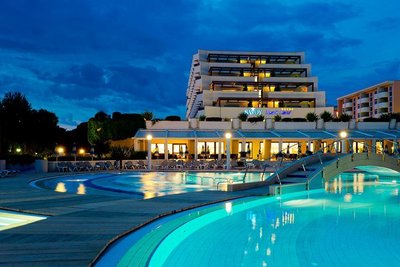
Savoy Beach Hotel & Thermal Spa
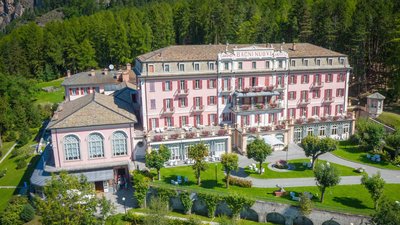
QC Grand Hotel Bagni Nuovi Bormio
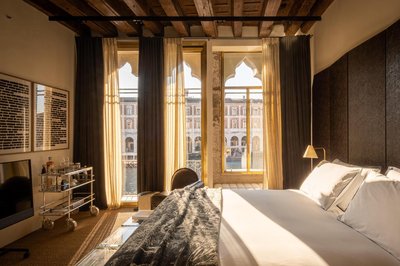
The Venice Venice Hotel
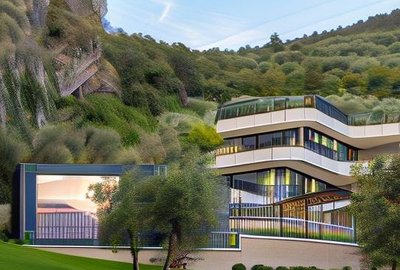
Gardea SoulFamily Resort
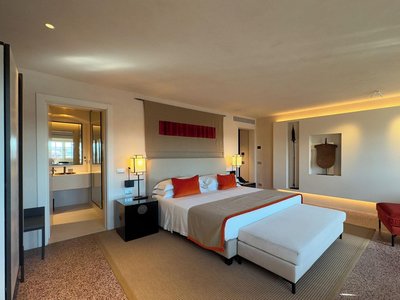
Hotel Palazzo Durazzo Suites
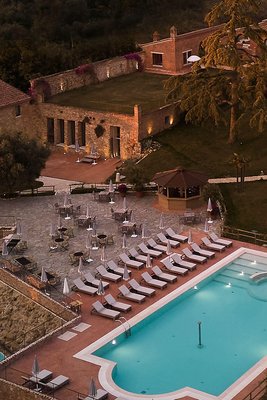
Precise Tale Poggio Alla Sala
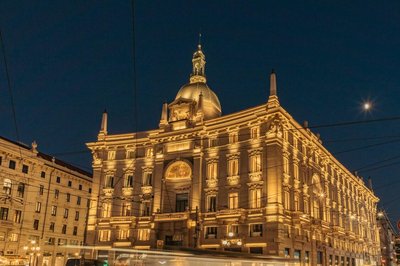
Palazzo Cordusio Gran Meliá – The Leading Hotels of the World
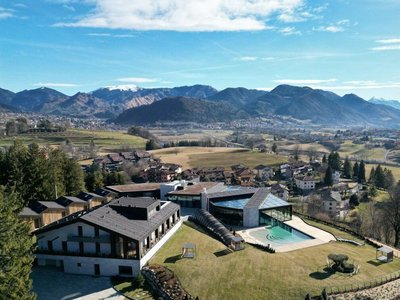
Collina Luxury Relais
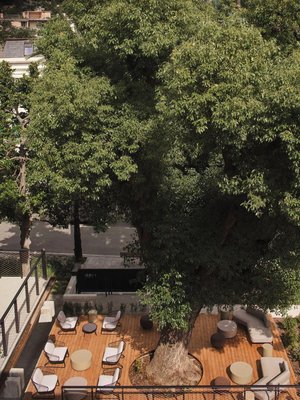
Capitolo Riviera
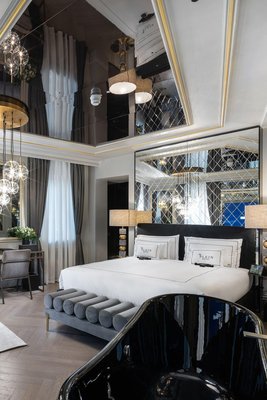
The Plein Hotel - Small Luxury Hotels of the World
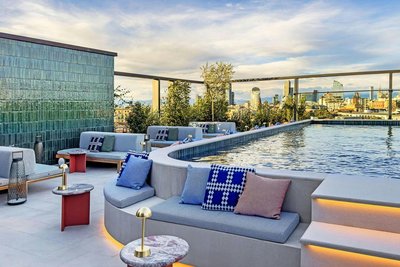
Casa Brera, a Luxury Collection Hotel, Milan
Casa Baglioni Milan - the Leading Hotels of the World
Grand Hotel Baglioni
Baglioni Hotel Luna
The St. Regis Venice
The St. Regis Florence
Armani Hotel Milano
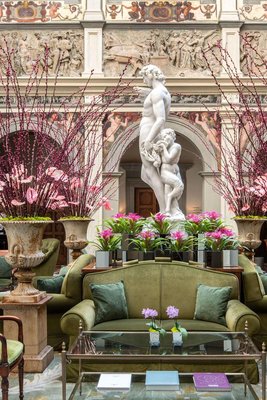
Four Seasons Hotel Firenze
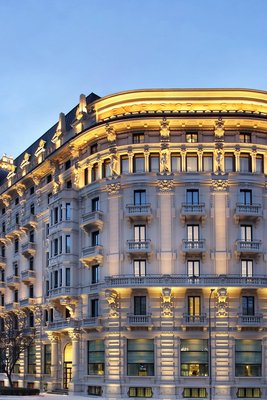
Excelsior Hotel Gallia, a Luxury Collection Hotel, Milan
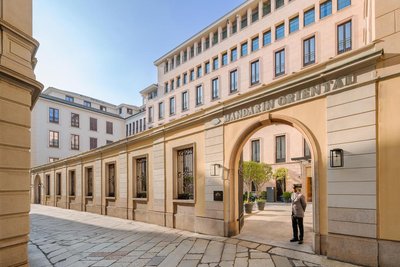
Mandarin Oriental, Milan
Portrait Firenze - Lungarno Collection
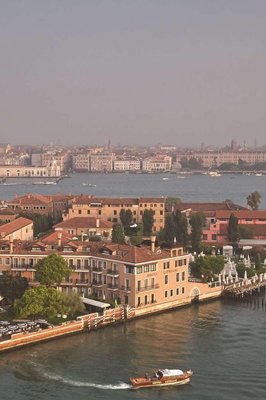
Hotel Cipriani, A Belmond Hotel, Venice
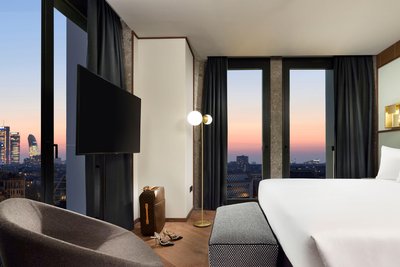
Milano Verticale | UNA Esperienze
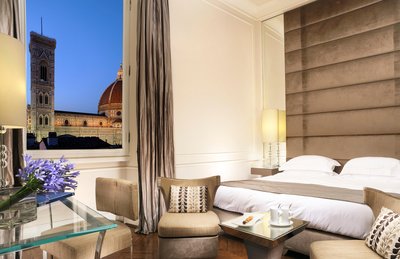
Brunelleschi Hotel
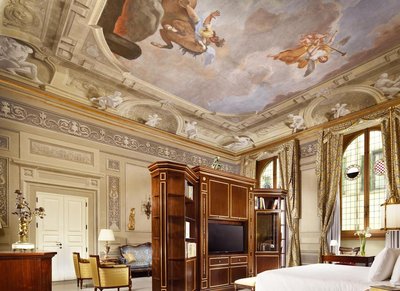
Palazzo Portinari Salviati Residenza d'Epoca
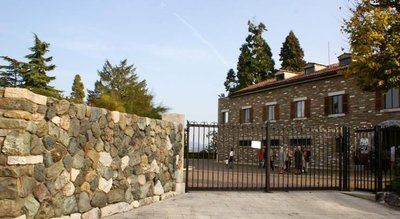
Villa Ottolenghi Wedekind
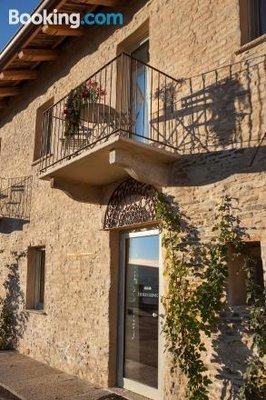
Borgese Camere e Suites
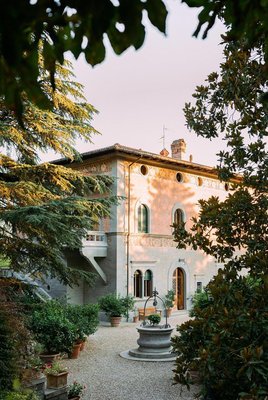
Villa la Commenda Concordia
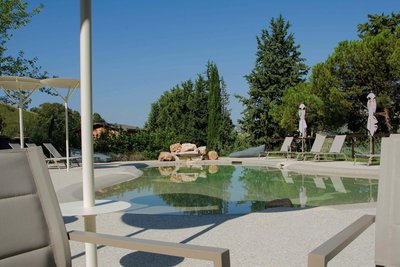
Colle Serrano Relais & Spa
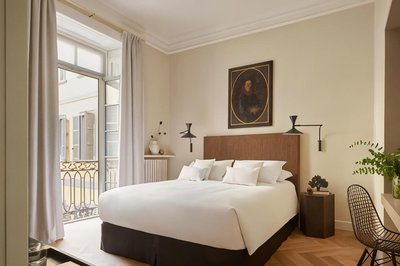
Crossing Manzoni
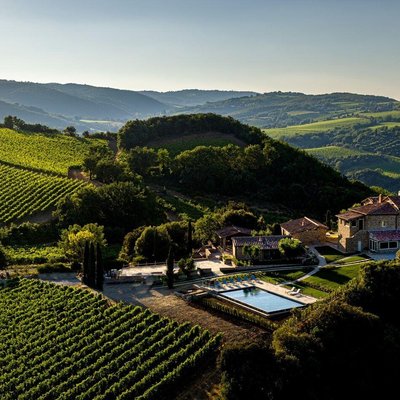
Mastrojanni Relais
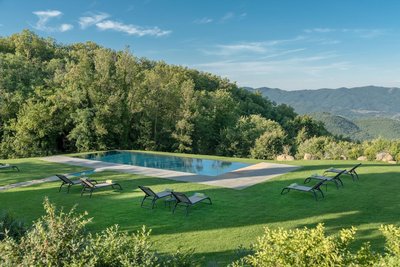
Badia di Pomaio
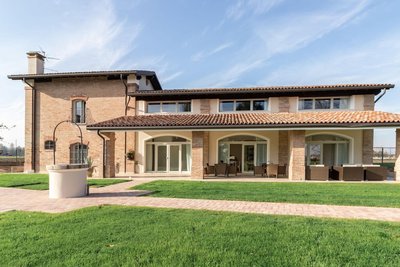
Monteborre
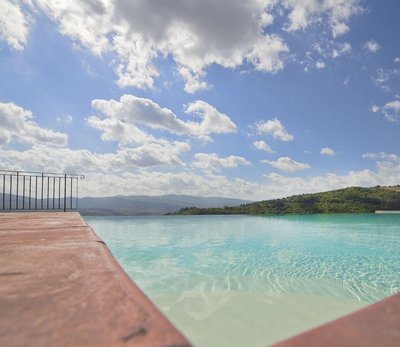
Castello Vicchiomaggio
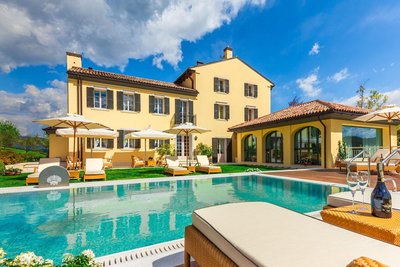
Romantik Relais d'Arfanta
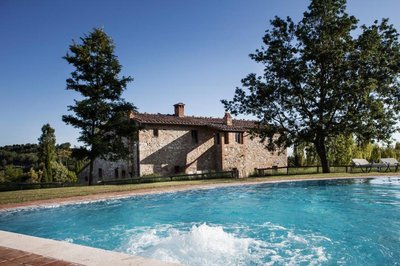
B&B - Podere Monti
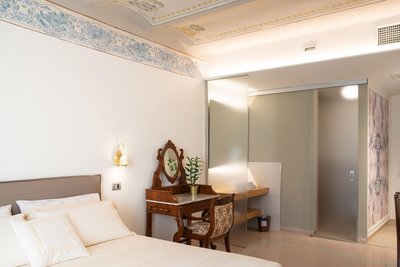
Portica10
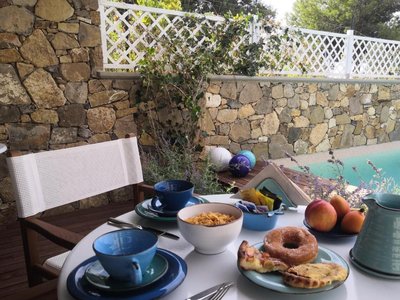
Stile Libero b&b
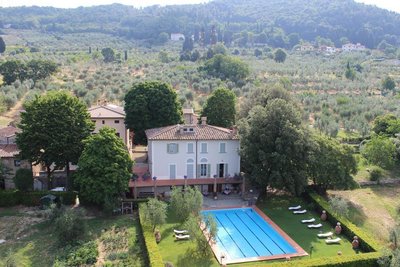
Borgo I Vicelli
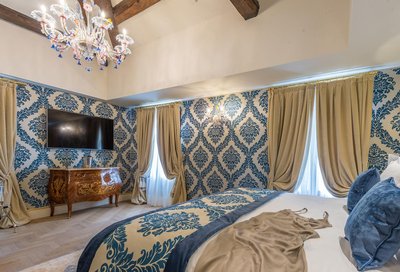
Ai Patrizi di Venezia
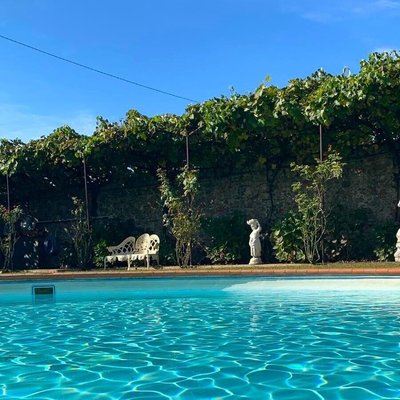
Villa la Preziosa
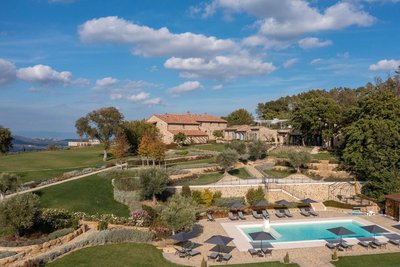
I Borghi Dell'Eremo
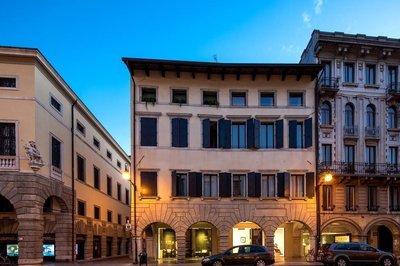
Mercatovecchio Luxury Suites
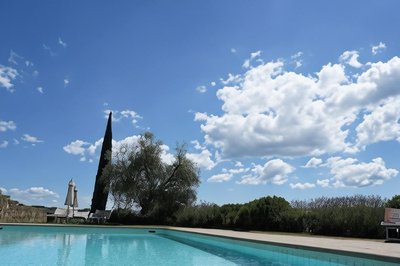
Wine Resort Dievole
Palazzo Gozzi Bed & Beauty
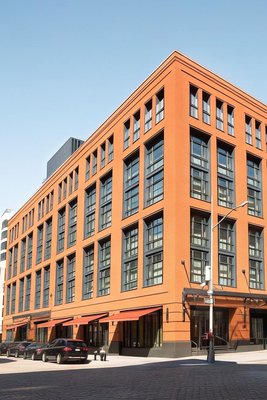
Hotel Barrière Fouquet's New York
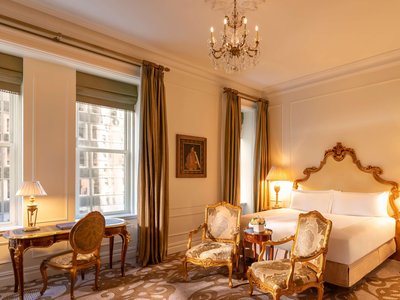
The Plaza - A Fairmont Managed Hotel
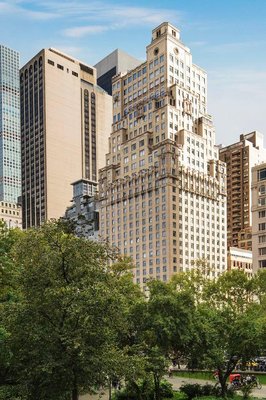
The Ritz-Carlton New York, Central Park
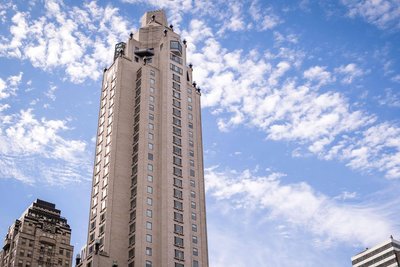
Four Seasons Hotel New York
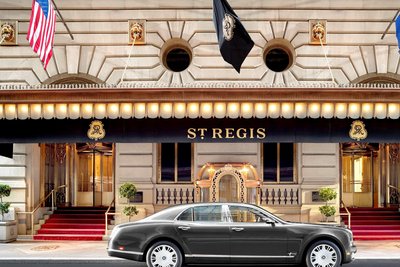
The St. Regis New York
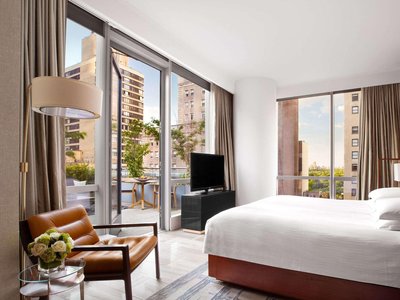
Park Hyatt New York
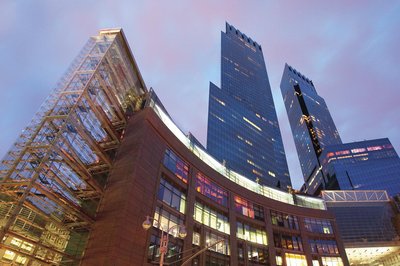
Mandarin Oriental New York
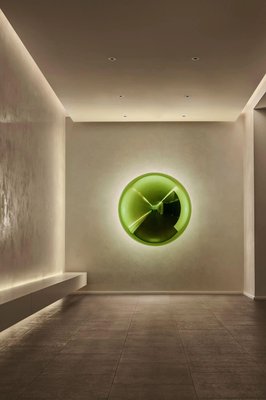
Times Square Edition New York
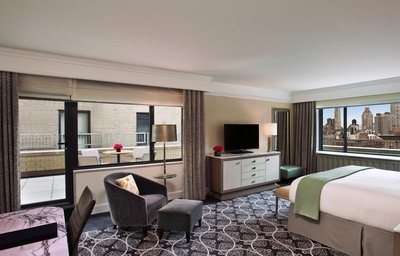
Loews Regency New York Hotel
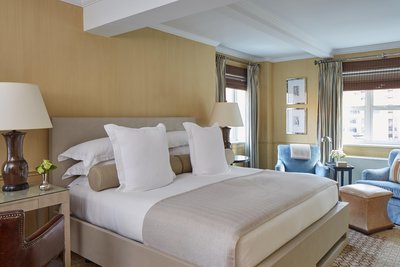
Lowell Hotel
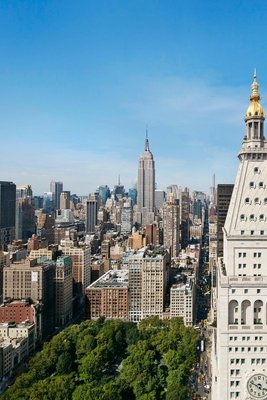
New York Edition
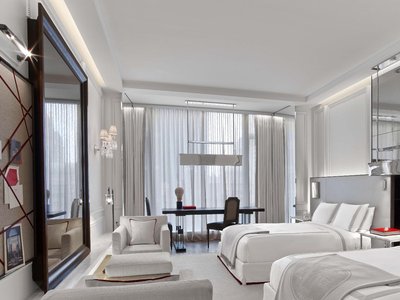
Baccarat Hotel New York
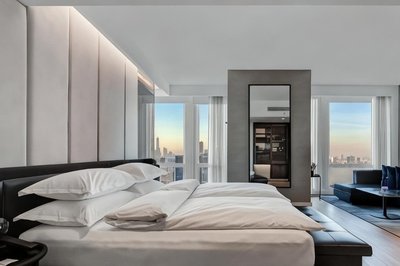
Equinox Hotel New York
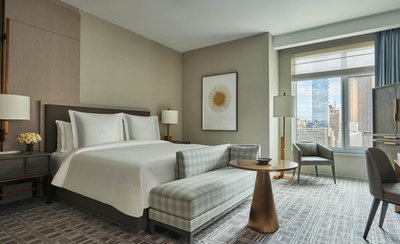
Four Seasons Hotel New York Downtown
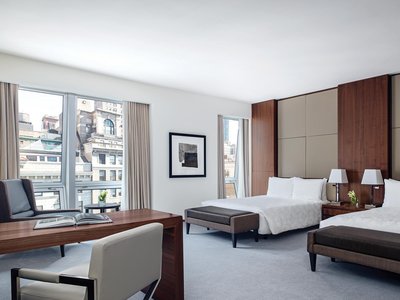
The Langham, New York, Fifth Avenue
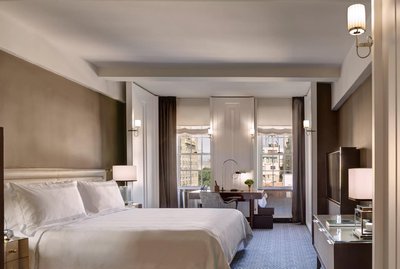
The Carlyle, A Rosewood Hotel

The Chatwal, in the Unbound Collection by Hyatt
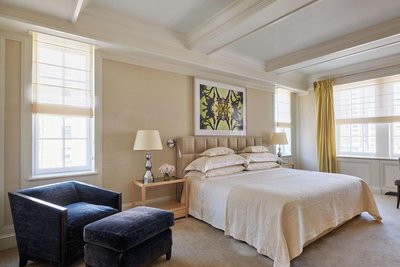
The Mark New York
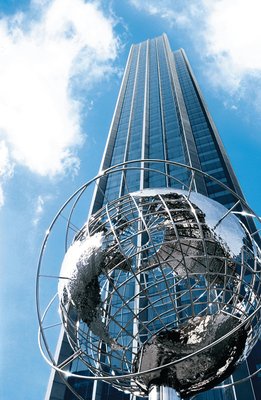
Trump International Hotel & Tower® New York
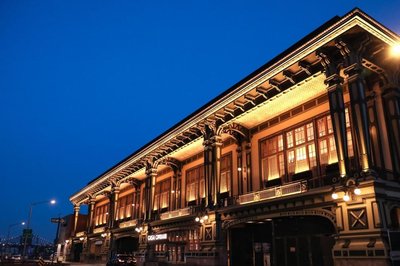
Casa Cipriani New York
Frequently Asked Questions about Traveling to Cento
Questions You Might Need to Know About Traveling to Cento
In Cento, the top boutique choice is Hotel San Michele, a historic inn blending Renaissance architecture with modern comfort. Its courtyard rooms feature hand-painted frescoes and are just a 5-minute walk from Santa Maria Assunta Church. For a unique stay, try B&B Il Giardino dei Sogni, housed in a restored 18th-century villa with an organic garden and local art decor. Another standout is Casa del Pifferaio, once a musician’s residence, now a cultural-themed B&B hosting classical concerts.
All offer proximity to Piazza del Mercato, ideal for exploring artisan markets and traditional bakeries. These properties emphasize authenticity, using regional materials and seasonal ingredients in their design and service.
The historic city center, especially around Santa Maria Assunta Church, is the prime area for accommodations. This district offers easy access to key landmarks like the Town Hall, Roman Aqueduct Ruins, and centuries-old trattorias. It’s quiet, safe, and perfect for cultural travelers.
Along Via Emilia, several mid-to-luxury hotels provide free bicycle rentals, making it convenient to explore nearby towns like Bologna or Forlì. HopeGoo early is advised—Cento hosts frequent festivals, such as the Cento Music Festival in September, which draws large crowds. The central location ensures you’re always within walking distance of restaurants, shops, and events.
Cento offers immersive cultural experiences, starting with handmade pasta workshops at Casa della Pasta, where visitors craft Tagliatelle alla Bolognese using locally milled flour and learn to pair it with authentic ragù. The Museo Civico hosts monthly exhibitions on historical manuscripts and religious texts from the 16th century, offering rare insights into the region’s intellectual past.
During summer, Piazza Concerts bring live Baroque music to the streets, while the annual Festa di San Giovanni (June 27) features torchlight processions and street theater rooted in local folklore. These events highlight Cento’s deep ties to Emilia-Romagna’s artistic and spiritual traditions.
Yes, many Cento hotels provide authentic culinary experiences. Hotel San Michele serves a daily breakfast featuring Sfoglia di Cento, a local almond cake made by a family-run bakery, alongside house-made jams and espresso. Some rooms even include small kitchens stocked with Prosciutto di Parma and white truffle sauce for guests to prepare meals.
B&B Il Giardino dei Sogni partners with local farms for a "Farm to Table" dinner series: guests tour organic farms before enjoying a multi-course meal using freshly harvested ingredients, including braised wild rabbit with onion mash and red wine stewed beans. These experiences deepen understanding of Emilia-Romagna’s rich gastronomic heritage.
Absolutely. Cento is highly family-friendly. Parco del Popolo offers playgrounds, a mini-zoo, and seasonal flower displays—perfect for kids. The Museo dei Bambini uses interactive exhibits to teach children about local farming history through role-playing as farmers, bakers, or weavers.
Most recommended hotels, like Hotel San Michele, provide cribs, baby toiletries, and kid-friendly menus. Weekly Family Craft Days on Saturdays at Piazza del Mercato invite parents and children to make pottery or weave straw hats together. With flat streets and low traffic, it’s ideal for strollers and young explorers.
Cento is well-connected despite being a small town. The Cento Train Station lies in the city center, with regular services to Bologna (~30 min) and Forlì (~45 min), making it easy to explore Emilia-Romagna. Local buses cover major attractions like Santa Maria Assunta Church and the Historical Museum.
Biking is highly recommended—rentals are available at many hotels along the Roman road trails. For drivers, the A14 Highway is just 15 km away, ideal for touring multiple towns. Several hotels offer free parking and shuttle services, enhancing accessibility for tourists.
Must-visit landmarks include Santa Maria Assunta Church, dating back to the 12th century, with its distinctive Byzantine-style tile roof. The Roman Aqueduct Ruins feature an 80-meter-long underground channel, accessible via guided tours.
Piazza del Municipio hosts a 15th-century marble statue symbolizing the city’s patron saint. The Archivio Storico Comunale houses over 3,000 medieval manuscripts, with rotating exhibitions on Cento’s transformation from rural village to cultural hub during the Renaissance. All sites are within a compact walking radius in the historic center.
The best times to visit are spring (April–June) and autumn (September–October), when temperatures range from 18–25°C with minimal rain—ideal for outdoor activities. Spring brings blooming cherry blossoms and lavender fields; autumn coincides with grape harvest, offering wine tastings and vineyard tours.
Summer (July–August) is hot (often above 30°C), but hosts vibrant festivals like open-air concerts and street fairs. Winter (December–February) is cool and damp, yet charming with Christmas markets and traditional mulled wine culture. Avoid early January due to national holidays, which can spike hotel prices.
Cento excels in artisanal and regional products. The Piazza del Mercato opens every Wednesday and Saturday, featuring stalls selling handcrafted ceramics, embroidered scarves, and lavender-infused olive oil made by local artisans. Ceramica Centese is renowned for its blue-and-white patterned pottery inspired by ancient Roman designs.
Independent shops like Antica Bottega del Sale offer handmade black truffle honey and chili-cured Parma ham, perfect as souvenirs. For limited-edition items, visit the Cento Post Office Gift Shop, which sells vintage postcards and wooden keychains designed by local artists—all featuring the city’s coat of arms.
Nightlife in Cento is cultural and intimate. The Santa Maria Assunta Church bell tower hosts a nightly light show synchronized with classical music, lasting about 15 minutes—worth witnessing.
At Piazza del Mercato, summer evenings transform into open-air performances featuring jazz bands and short plays. La Taverna del Tempo, a hidden underground bar, specializes in "time-themed" cocktails crafted from century-old oak-barrel-aged wines, surrounded by antique clocks and handwritten poetry.
For a unique experience, join a midnight bakery tour—wake up at 3 AM to help bake fresh Focaccia al Forno, gaining insight into how locals treat bread as a sacred ritual.
Cento Overview
City Summary
Cento, a charming town in Italy's Emilia-Romagna region, is renowned for its rich artistic heritage and traditional cuisine. As the birthplace of the famous Baroque painter Guercino, it boasts well-preserved historic buildings and artworks. Cento's core appeal lies in its relaxed atmosphere, exquisite frescoed architecture, and the vibrant annual carnival celebration.
Must-See Attractions
Must-see attractions include the Palazzo del Governatore with Guercino's frescoes and the Chiesa di San Rocco. Art enthusiasts shouldn't miss the Pinacoteca Civica, housing an extensive collection of works by Guercino and his school. The Carnevale di Cento in February is one of Europe's most famous carnivals, featuring elaborate floats and masked parades.
Food Guide
Cento is a stronghold of Emilia cuisine. Must-try specialties include handmade pasta like lasagne and tortellini. The local delicacy "Salama da Sugo" is a traditional sausage made with pork and spices, typically served with mashed potatoes. For dessert, try "Torta di Tagliatelle," a sweet cake made with pasta noodles.
Transportation Guide
Cento's compact historic center is best explored on foot. From Bologna, take a train to Cento station (about 40 minutes) then walk 15 minutes to downtown. Regional train tickets (Trenitalia) are recommended. Drivers should note the ZTL (traffic-limited zone) in the historic center and use peripheral parking. No metro system exists, and buses are infrequent - taxis (+39 051 683 1111) or walking are preferable.
Best Time to Visit
The best times to visit are spring (April-June) and autumn (September-October) when the weather is mild. February carnival season (typically 3 weeks) is the liveliest but most crowded period requiring advance bookings. Summers (July-August) can be hot, with some shops closing in August.
Travel Tips
- Respect the local siesta time (about 1-4pm) when many shops close.
- Dress modestly for church visits - no sleeveless tops or shorts.
- Restaurants typically serve dinner after 7:30pm; book popular spots in advance.
- Wear comfortable shoes for the historic center's cobblestone streets.
- The 'Cento Card' offers discounts at multiple attractions.
- Dial 112 for emergencies (European emergency number).
Useful Information
Italian is the main language, with basic English spoken in tourist areas. Euros are used, and while cards are widely accepted, small shops may only take cash. Free WiFi is available in public areas like the main square. Pharmacies (marked with green crosses) are generally open 9am-1pm and 4-8pm. Medical emergencies can go to Ospedale di Cento (Via Donatori di Sangue 1). Voltage is 220V with standard European two-pin plugs. Tap water is safe to drink.