Hotels in Cervia
Discover your perfect stay in Cervia.
Cervia(Italy) Travel 2026: Cheap Flights, Hotels & Top Attractions

Cervia Overview
City Summary
Cervia, a coastal town in Italy's Emilia-Romagna region, is famed for its salt pans and fishing heritage. This tranquil Adriatic gem features medieval castles and canal networks, with its core allure lying in slow-paced living and seafood gastronomy, particularly renowned for clam farming.
Must-See Attractions
Must-see spots include Cervia Salt Pans (historic salt production site), House of Fishermen Museum (exhibiting traditional tools & boats), and Cathedral of Santa Maria Assunta (14th-century Gothic architecture). Sunset walks along canal districts or fishing boat tours offer immersive local experiences.
Food Guide
Don't miss seafood platters (signature Spaghetti alle Vongole) and grilled sea bream. Family-run Trattoria La Buca in old town serves authentic recipes, while canal-side Osteria del Porto offers daily catches.
Transportation Guide
Cervia is walkable; its train station (Cervia-Milano Marittima) has limited connections to Ravenna/Rimini. Buses (START Romagna) cover nearby towns. Biking is ideal for salt pan exploration. Drivers note ZTL zones and summer parking scarcity.
Best Time to Visit
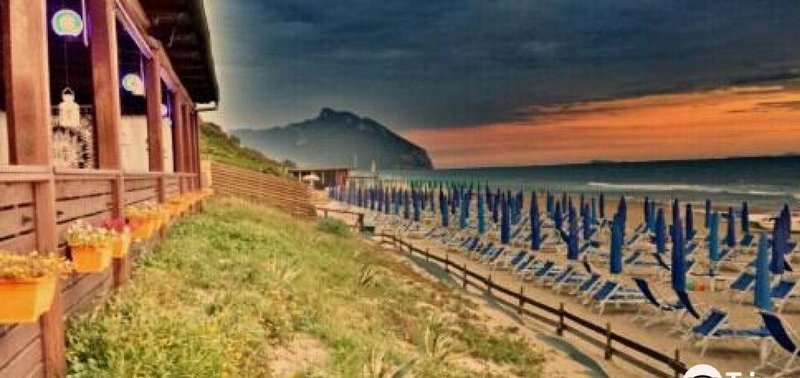
May-September is ideal. July-August beaches get crowded (book ahead), while September offers mild weather with fewer tourists. Avoid November-March rainy season when some attractions close.
Travel Tips
- Observe siesta hours (1-4pm) when shops close
- Beach loungers require fee (€15-25/day)
- Use mosquito repellent in salt pan areas
- Seafood priced by weight - confirm before ordering
- Dress modestly for church visits
- Tuesday morning old town hosts open-air market
Useful Information
Language: Basic Italian helpful; English works in tourist areas. Payment: Cash preferred (small vendors), Visa/Mastercard accepted at hotels. Internet: Free WiFi hotspots downtown. Emergencies: Hospital (Ospedale Bufalini) at Via XX Settembre 2, pharmacies marked with red cross. Voltage: 230V (Italian plugs). Emergency numbers: 112 (general), 118 (medical).
Popular Landmarks in Cervia
Discover the most iconic attractions in Cervia
Recommended Hotels in Cervia
Find the perfect place to stay in Cervia


Best Hotels in Cervia
Discover curated hotel collections in Cervia




















Cervia Overview
City Summary
Cervia, a coastal town in Italy's Emilia-Romagna region, is famed for its salt pans and fishing heritage. This tranquil Adriatic gem features medieval castles and canal networks, with its core allure lying in slow-paced living and seafood gastronomy, particularly renowned for clam farming.
Must-See Attractions
Must-see spots include Cervia Salt Pans (historic salt production site), House of Fishermen Museum (exhibiting traditional tools & boats), and Cathedral of Santa Maria Assunta (14th-century Gothic architecture). Sunset walks along canal districts or fishing boat tours offer immersive local experiences.
Food Guide
Don't miss seafood platters (signature Spaghetti alle Vongole) and grilled sea bream. Family-run Trattoria La Buca in old town serves authentic recipes, while canal-side Osteria del Porto offers daily catches.
Transportation Guide
Cervia is walkable; its train station (Cervia-Milano Marittima) has limited connections to Ravenna/Rimini. Buses (START Romagna) cover nearby towns. Biking is ideal for salt pan exploration. Drivers note ZTL zones and summer parking scarcity.
Best Time to Visit
May-September is ideal. July-August beaches get crowded (book ahead), while September offers mild weather with fewer tourists. Avoid November-March rainy season when some attractions close.
Travel Tips
- Observe siesta hours (1-4pm) when shops close
- Beach loungers require fee (€15-25/day)
- Use mosquito repellent in salt pan areas
- Seafood priced by weight - confirm before ordering
- Dress modestly for church visits
- Tuesday morning old town hosts open-air market
Useful Information
Language: Basic Italian helpful; English works in tourist areas. Payment: Cash preferred (small vendors), Visa/Mastercard accepted at hotels. Internet: Free WiFi hotspots downtown. Emergencies: Hospital (Ospedale Bufalini) at Via XX Settembre 2, pharmacies marked with red cross. Voltage: 230V (Italian plugs). Emergency numbers: 112 (general), 118 (medical).
Frequently Asked Questions about Traveling to Cervia
Questions You Might Need to Know About Traveling to Cervia