Hotels in Chōnan
Discover your perfect stay in Chōnan.
Chōnan(Japan) Travel 2026: Cheap Flights, Hotels & Top Attractions
Popular Landmarks in Chōnan
Discover the most iconic attractions in Chōnan
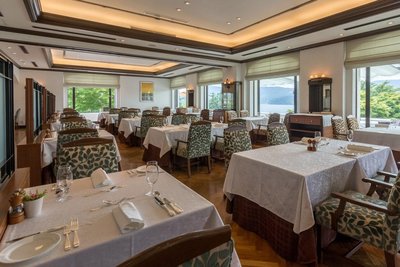
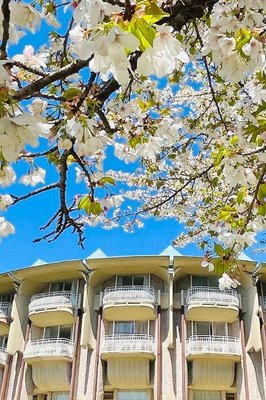
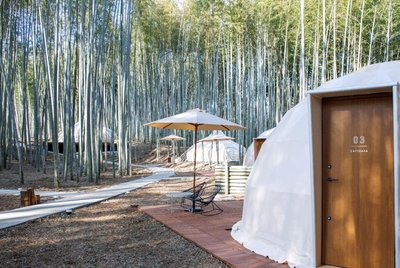
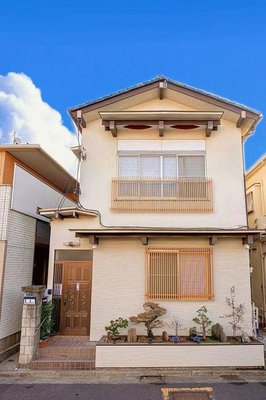
Recommended Hotels in Chōnan
Find the perfect place to stay in Chōnan

Best Hotels in Chōnan
Discover curated hotel collections in Chōnan































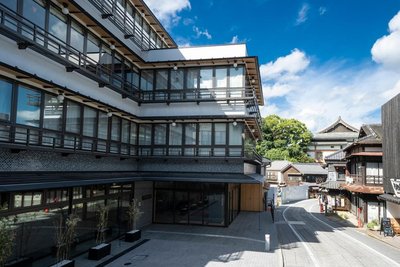
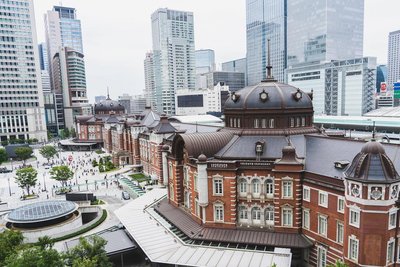
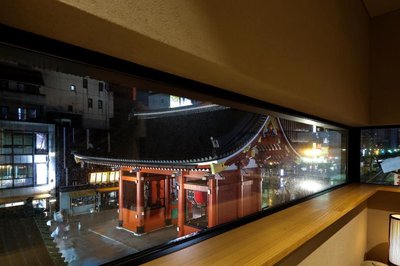


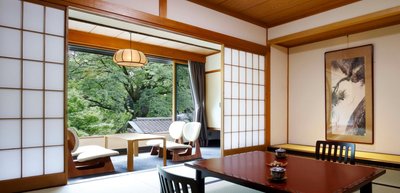

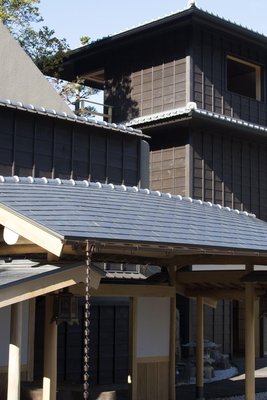
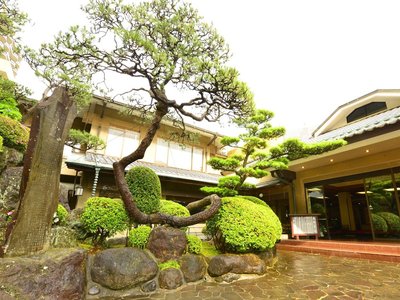























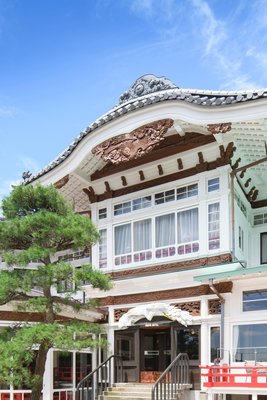
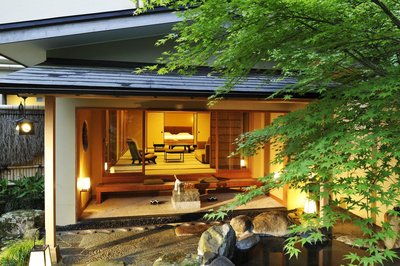































Frequently Asked Questions about Traveling to Chōnan
Questions You Might Need to Know About Traveling to Chōnan
For a serene countryside experience in Nagano-machi, consider staying at Nagano-machi Tourism Hotel, located near Nagano-machi Park and Chiba Prefectural Natural Museum. This hotel blends traditional Japanese design with modern comfort, featuring tatami rooms, a private onsen, and a restaurant serving local farm-to-table cuisine. Its tranquil setting offers easy access to nature trails and seasonal festivals, making it ideal for travelers seeking authentic rural charm in Chiba Prefecture.
The best area for convenient accommodation in Nagano-machi is the town center, close to Nagano-machi Town Hall, Community Cultural Center, and major bus routes. This district provides easy access to public transport, local markets, and dining spots. Hotels and guesthouses here offer reliable service, while nearby attractions like Kita-sou Railway Line and Nagano-machi Park make it perfect for visitors who want both tranquility and accessibility during their stay.
Visitors to Nagano-machi can participate in the annual Traditional Festival, featuring lion dances, taiko drumming, and craft fairs that showcase local heritage. Try a hands-on washi paper workshop using locally sourced kozo bark and bamboo, creating your own keepsake. Explore the Rice Field Walking Trail, where you can stroll through golden paddies surrounded by natural beauty, experiencing sustainable farming culture and connecting with the land.
Absolutely! Nagano-machi is highly family-friendly, offering spacious Nagano-machi Park and a dedicated Children’s Nature Learning Zone with interactive ecology classrooms and a petting zoo. The Chiba Prefectural Natural Museum provides free admission and engaging exhibits perfect for kids. Many local hotels and inns also offer family packages with children’s amenities like pajamas, toys, and guided nature walks, ensuring a joyful and educational trip for all ages.
Must-try dishes in Nagano-machi include freshwater carp hot pot made from fish caught directly from local rivers, served with pickled vegetables and plum rice. Don’t miss natto mochi, a unique sweet treat combining fermented natto with glutinous rice, available at the town’s historic market. For an authentic taste of home, book a family-style kaiseki meal prepared by local hosts using ingredients grown on their own farms—simple, fresh, and deeply rooted in tradition.
Top attractions near Nagano-machi include the Chiba Prefectural Natural Museum, which features extensive displays on regional ecosystems and ancient fossils, perfect for families and nature lovers. The Rice Field Scenic Area offers breathtaking views year-round—emerald green in spring, golden in autumn—and is ideal for photography. Nearby, the Kita-sou Railway Line villages preserve Meiji-era wooden houses, providing a glimpse into old Japan’s rural architecture and lifestyle.
The easiest way to reach Nagano-machi from Tokyo is via the Kita-sou Railway Line, with direct trains from Tokyo Station or Shinjuku Station taking about 45 minutes and costing around ¥800. Alternatively, transfer at Kasai Station to a local bus, a journey of approximately 1 hour. For those driving, take the Tōkai Expressway to the Nagano-machi Interchange—about 1 hour 20 minutes—offering scenic routes through Chiba’s countryside.
Nagano-machi hosts several seasonal events: the Cherry Blossom Festival in spring lights up Nagano-machi Park with illuminated trees and food stalls. In summer, the Rice Field Music Festival brings live performances under open skies, blending classical and folk music with the sounds of nature. Autumn sees the Harvest Festival, featuring local produce sales and handmade crafts. During winter, the Warmth Tea Gathering invites guests to enjoy steaming tea in a traditional Japanese teahouse, embracing cozy seasonal traditions.
Nagano-machi’s homestays often originate from century-old farmhouses, such as Green Garden Inn, once a Edo-period farmhouse with exposed wood beams and shoji screens. Hosts personally welcome guests, sharing stories and recipes passed down through generations. Some offer pottery workshops and ikebana classes, allowing visitors to engage with local arts. These intimate stays provide a genuine connection to rural life, far beyond typical tourism.
Yes, public transportation in Nagano-machi is reliable and well-connected. The Kita-sou Railway Line links the town directly to Tokyo, with frequent services running throughout the day. Free shuttle buses connect key sites like the museum, park, and accommodations. Additionally, bicycle rental services are widely available, enabling eco-friendly exploration along quiet country roads and rice paddies—ideal for slow travel enthusiasts seeking freedom and serenity.
Chōnan Overview
City Summary
Chonan Town, located in Chiba Prefecture, Japan, is a tranquil small town known for its lush nature and traditional culture. Featuring dense forests, clear streams, and historic temples, it attracts visitors seeking a blend of nature and cultural experiences. The slow-paced, rural atmosphere makes it an ideal escape from urban crowds.
Must-See Attractions
Top attractions in Chonan include the historic Chonan Shrine and the scenic Chonan Valley. The shrine is a spiritual center hosting annual festivals, while the valley offers stunning hiking trails with seasonal views. Visitors can also explore local pottery workshops to experience traditional crafts.
Food Guide
Local cuisine highlights fresh mountain vegetables and handmade soba noodles. Izakayas serve authentic dishes like grilled ayu (sweetfish) and tempura. Don't miss tasting regional sake, a local specialty.
Transportation Guide
Public transport in Chonan relies on infrequent buses, so plan ahead. Renting a car is more convenient, with plenty of parking available. From Chiba City or Narita Airport, take a train and transfer to a bus (approx. 1.5 hours).
Best Time to Visit
The best times to visit are spring (March-May) and autumn (September-November) for mild weather and beautiful scenery. Summers are humid, and winters occasionally see snow with fewer tourists.
Travel Tips
- Respect local customs, especially at shrines.
- Rural shops have limited hours; bring essentials.
- Stay safe while hiking and carry enough water.
- Cash is preferred; few places accept cards.
- Pack out trash to preserve the environment.
Useful Information
Japanese is the primary language; English is rare, so a translation app is helpful. Mobile coverage is good but spotty in mountains. Cash is king; cards work at select restaurants and hotels. For emergencies, dial 110 (police) or 119 (ambulance). Medical facilities are limited; serious cases should go to Chiba City.