Hotels in Charleroi
Discover your perfect stay in Charleroi.
Charleroi(Belgium) Travel 2026: Cheap Flights, Hotels & Top Attractions
Popular Landmarks in Charleroi
Discover the most iconic attractions in Charleroi
Recommended Hotels in Charleroi
Find the perfect place to stay in Charleroi
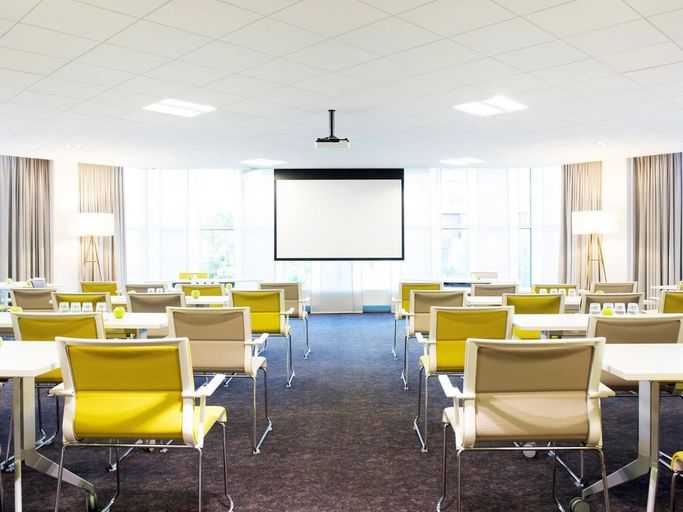
Novotel Charleroi Centre
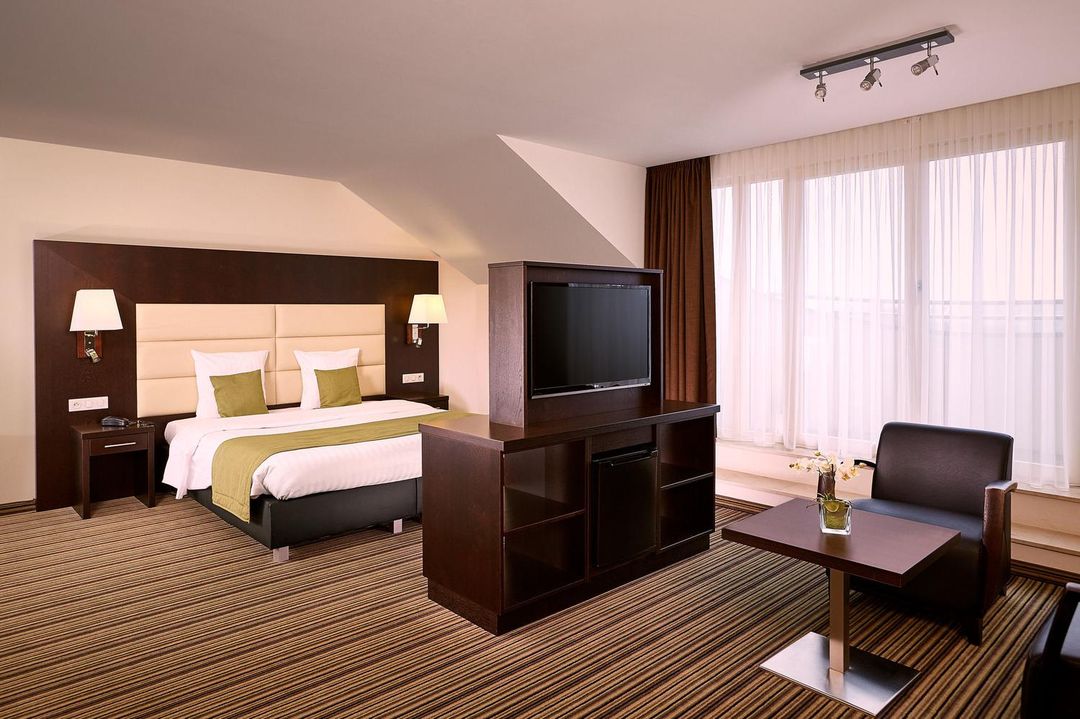
Hotel Charleroi Airport - Van der Valk
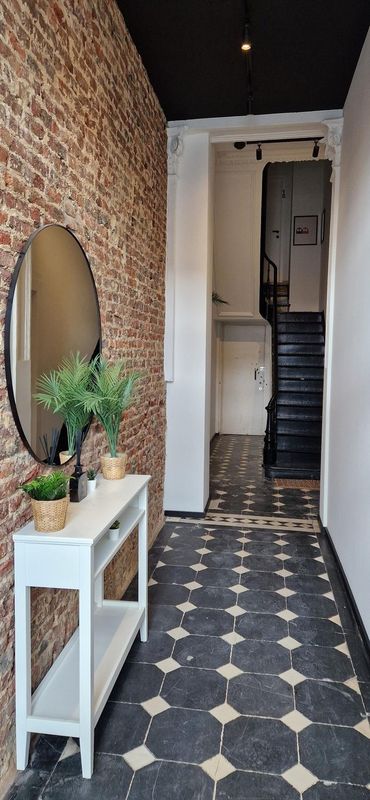
Charleroi Cozy Home
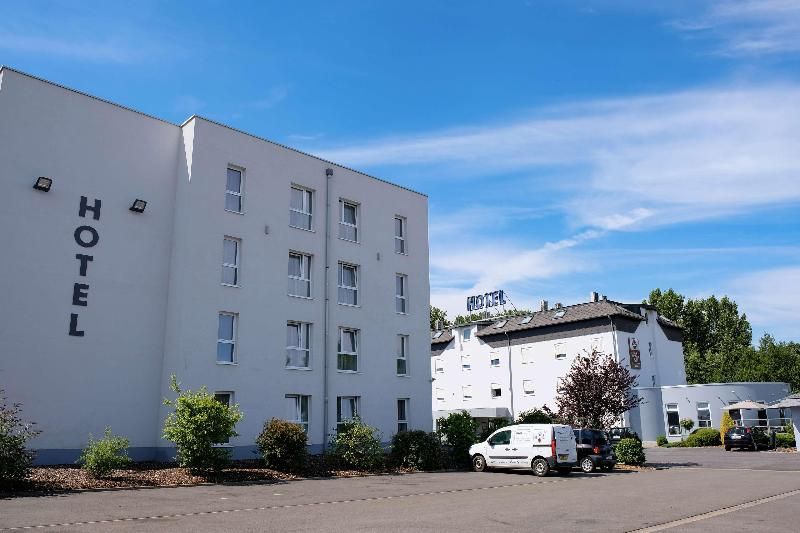
Ibis Styles Charleroi Airport Aero 44
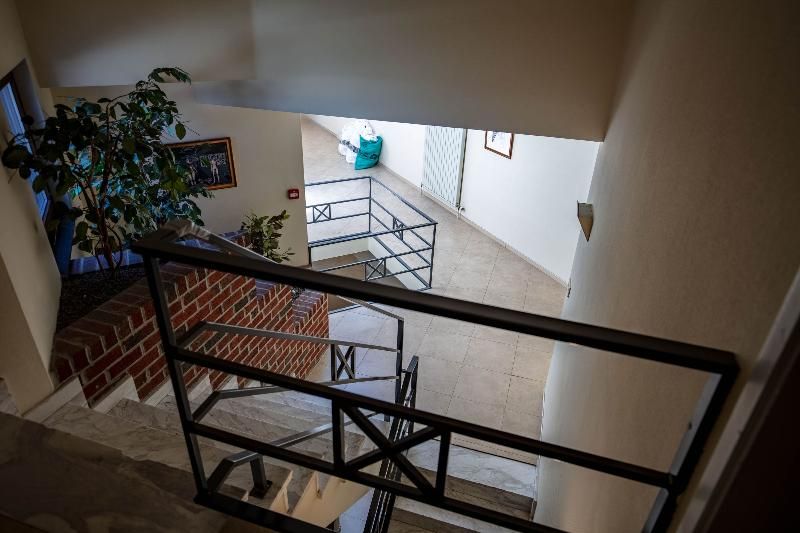
Park Hotel Airport
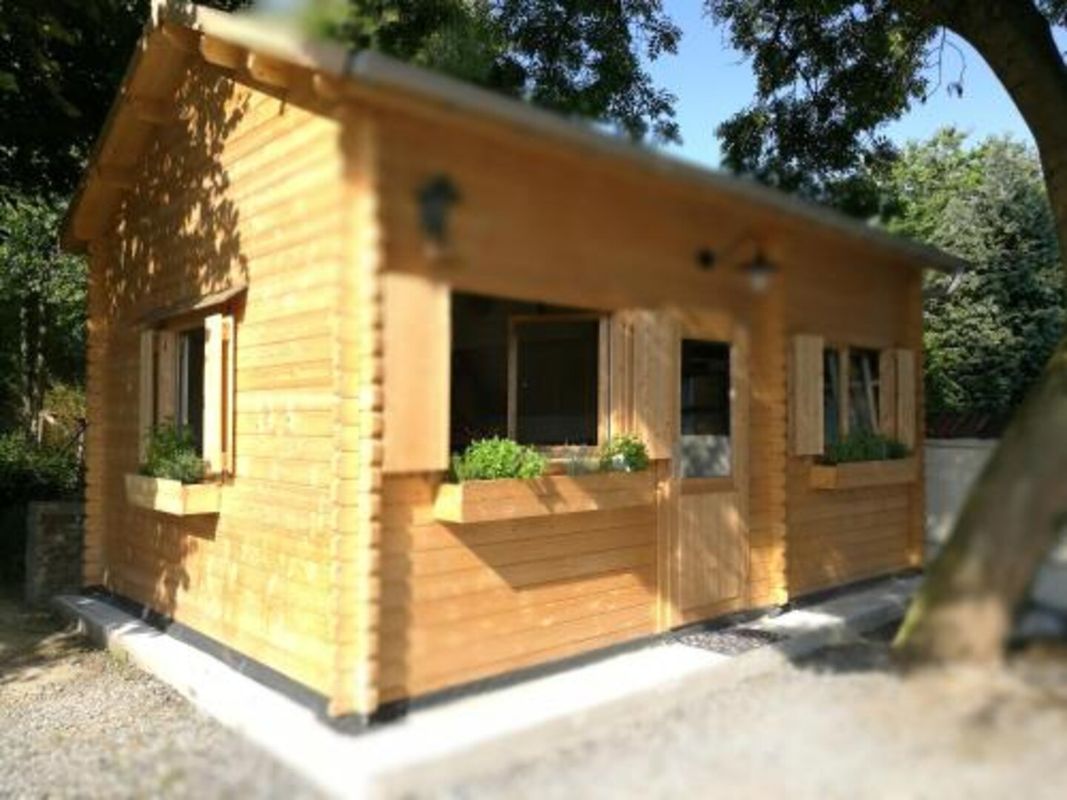
B&B le Bonimenteur
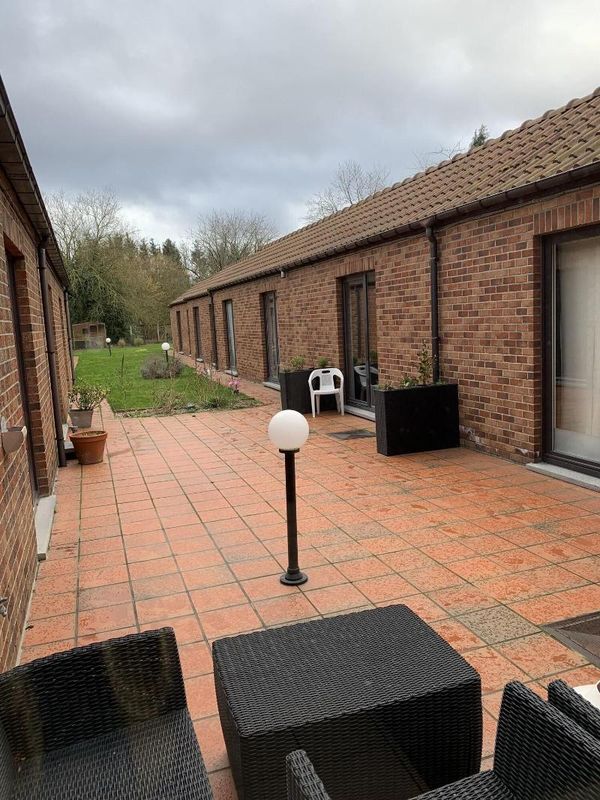
Carpe Diem
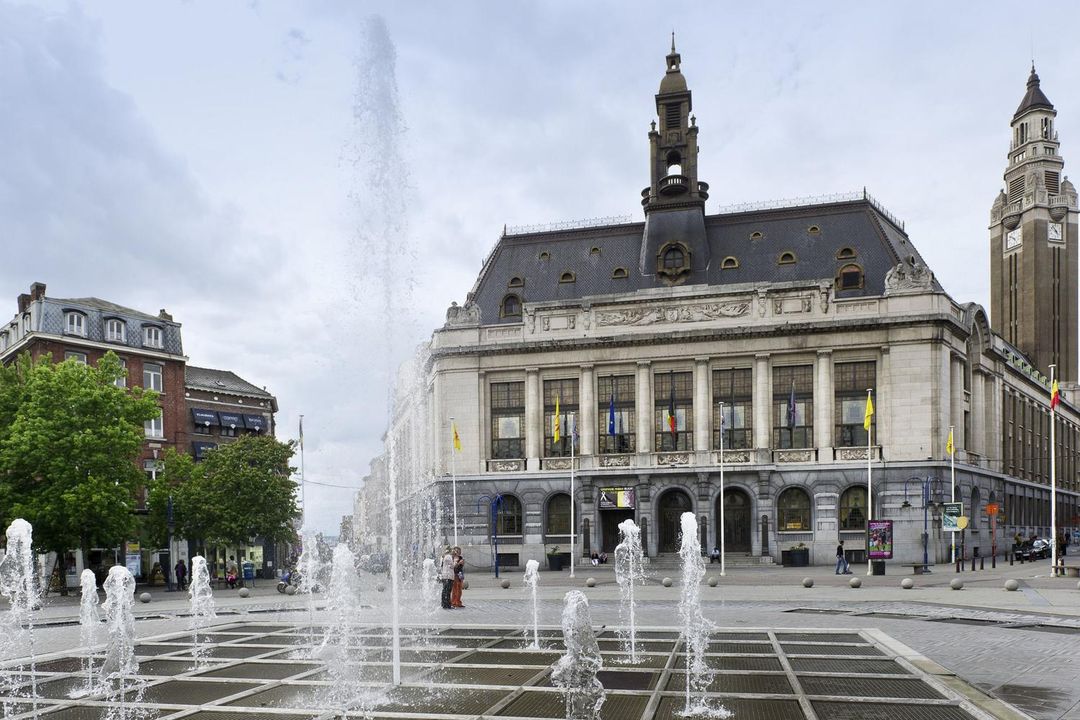
Ibis Charleroi Centre Gare
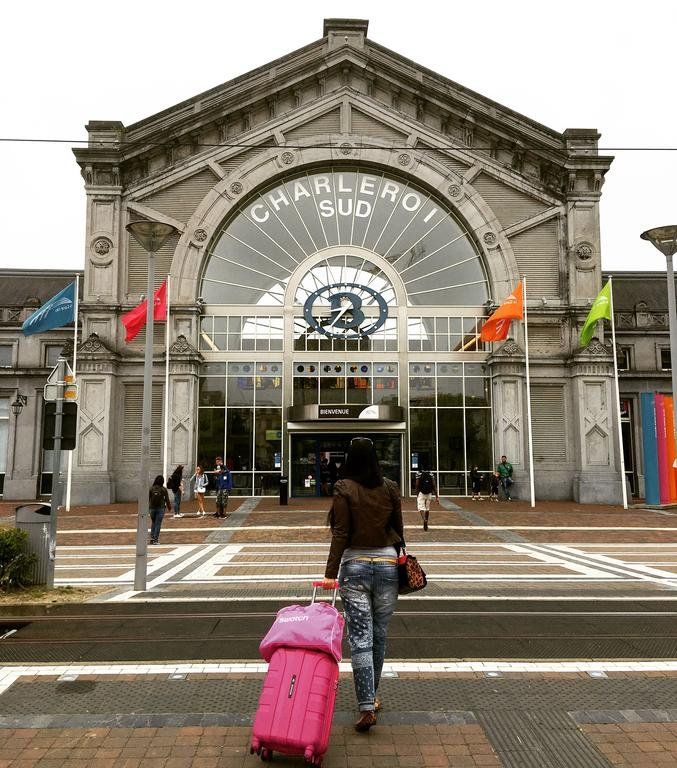
Charleroi Apartotel des Jardins de La Fontaine Qui Bout
Best Hotels in Charleroi
Discover curated hotel collections in Charleroi
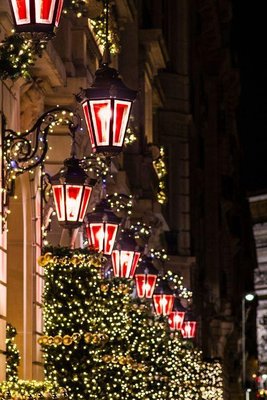
Le Royal Monceau - Raffles Paris
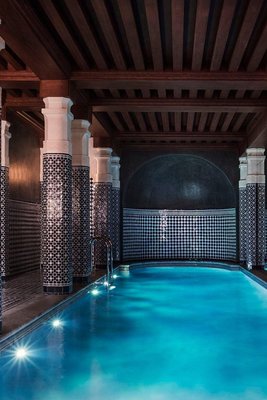
Maison Proust, Hotel & Spa la Mer
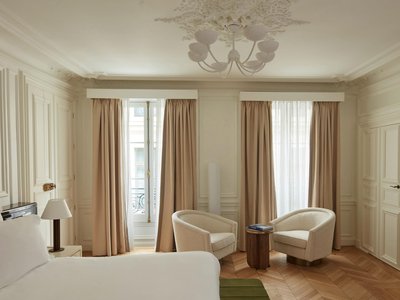
Maison Delano Paris
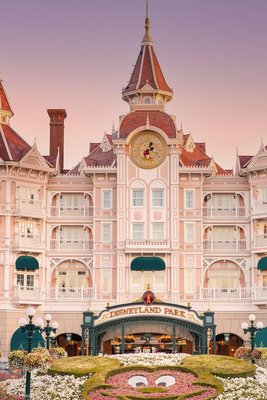
Disneyland Hotel
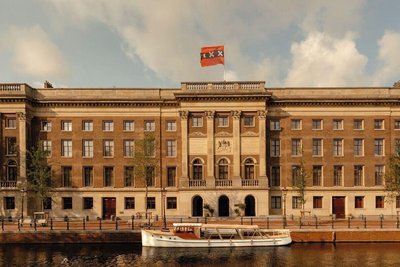
Rosewood Amsterdam
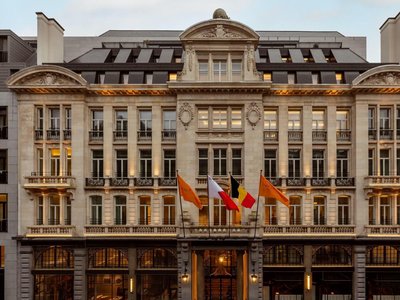
Corinthia Grand Hotel Astoria Brussels
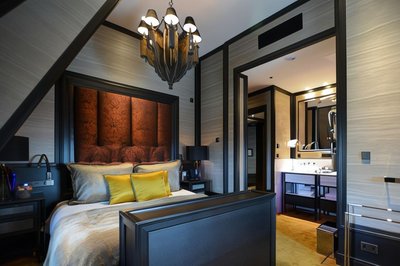
Hotel TwentySeven - Small Luxury Hotels of the World
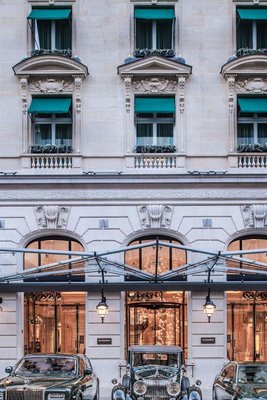
The Peninsula Paris
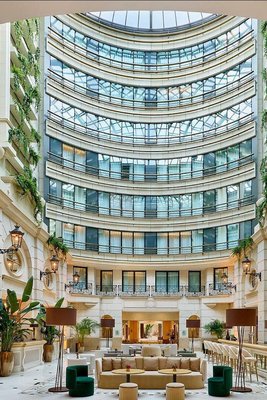
Paris Marriott Champs Elysees Hotel
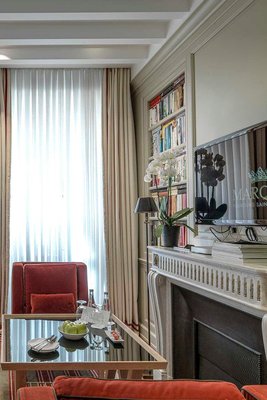
Hôtel Marquis Faubourg Saint-Honoré
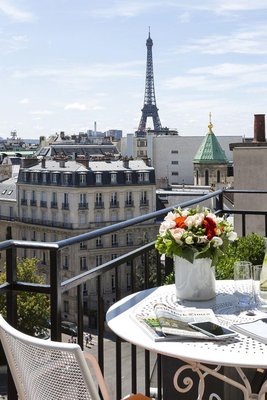
Hôtel San Régis
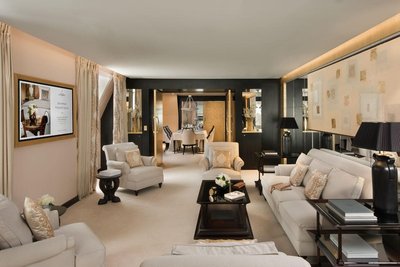
Hotel Barrière Fouquet's Paris
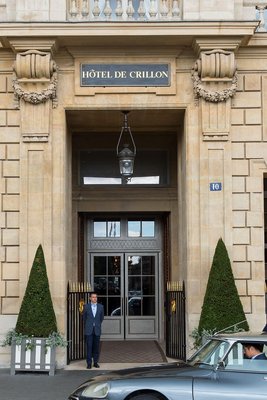
Hotel de Crillon A Rosewood Hotel
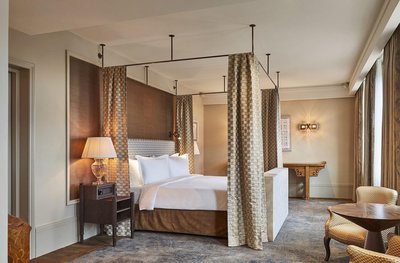
De L’Europe Amsterdam – the Leading Hotels of the World
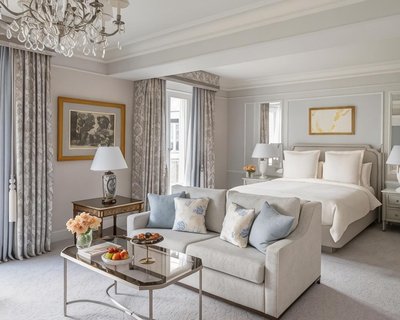
Four Seasons Hotel George V Paris
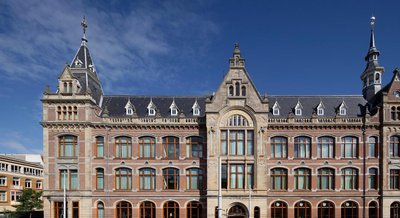
Conservatorium Hotel (Operated by Mandarin Oriental)
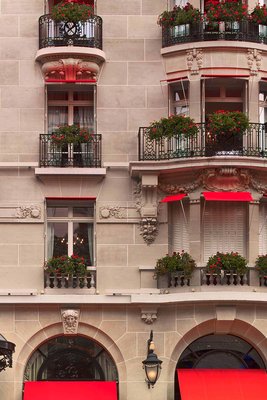
Plaza Athénée Paris & Dior Spa
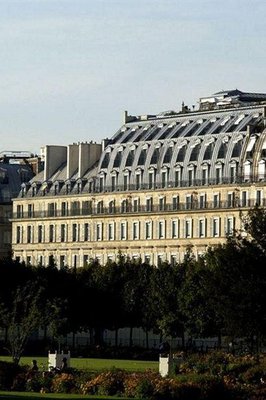
Le Meurice
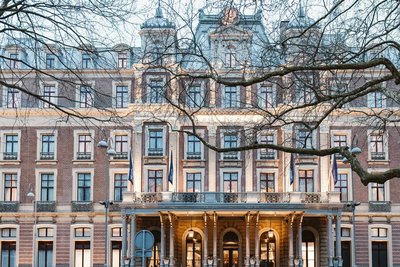
InterContinental Amstel Amsterdam
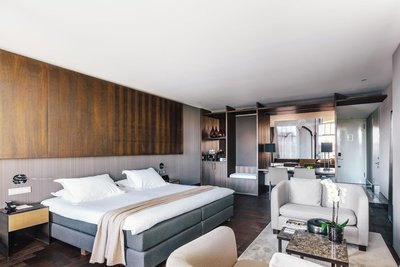
The Dylan Amsterdam
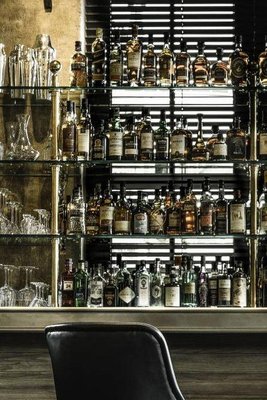
1898 the Post
The Peninsula Paris
Paris Marriott Champs Elysees Hotel
Hôtel San Régis
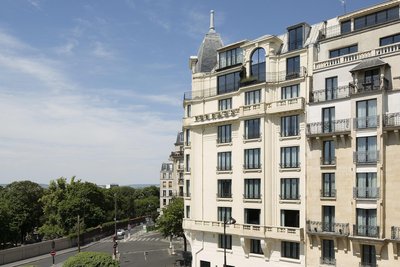
Terrass Hotel Paris
Plaza Athénée Paris & Dior Spa

Andaz Amsterdam Prinsengracht, by Hyatt
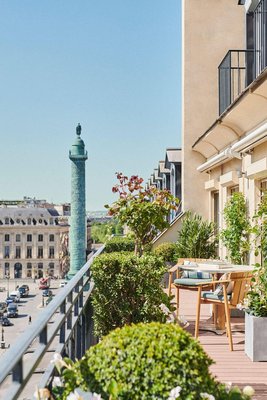
Park Hyatt Paris Vendome
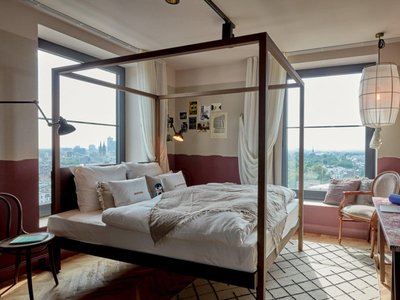
25Hours Hotel Duesseldorf Das Tour
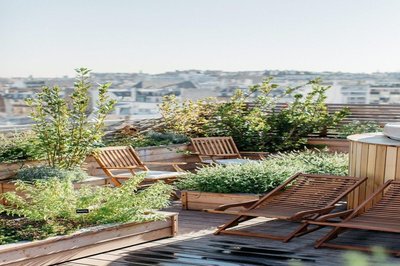
Brach Paris - Evok Collection
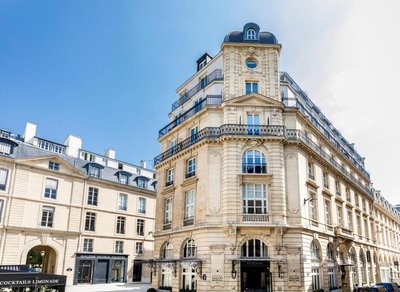
Grand Hôtel du Palais Royal
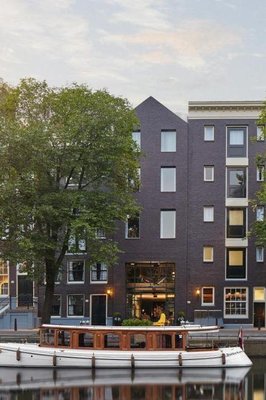
Pulitzer Amsterdam
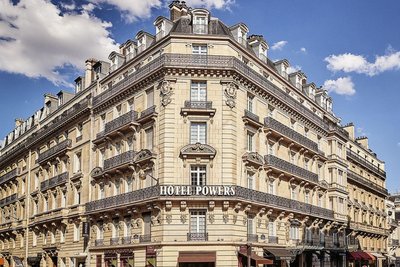
Grand Powers Hotel
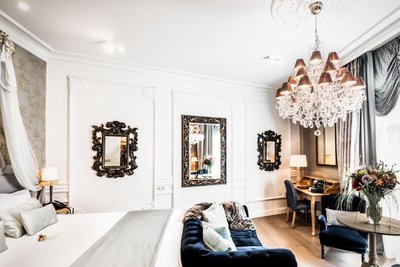
Luxury Boutique Hotel de Castillion
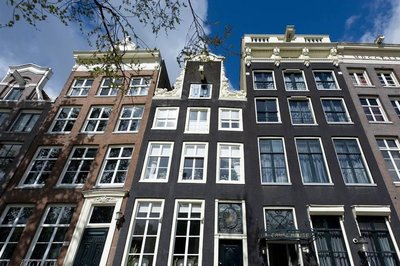
Small Luxury Hotels of the World - Canal House
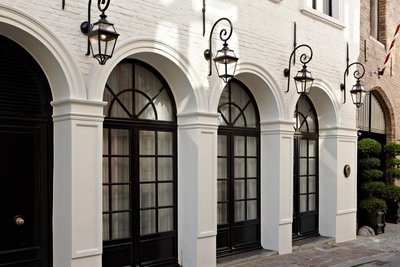
Hotel de Orangerie by CW Hotel Collection

Hotel Eiffel Blomet
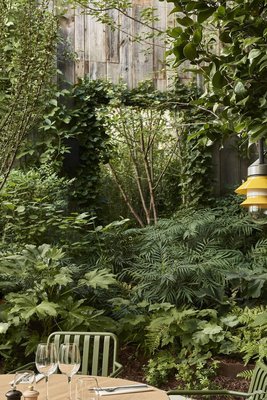
Hôtel le Ballu
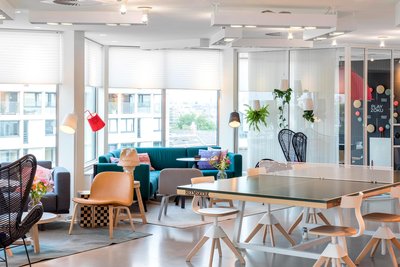
Zoku Amsterdam
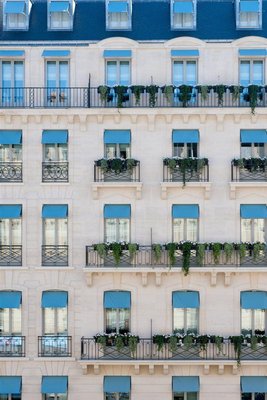
Nolinski Paris - Evok Collection
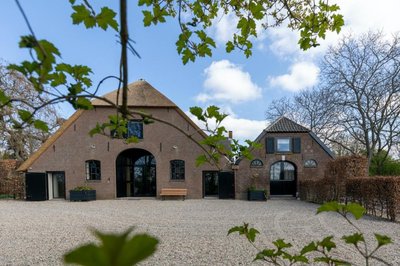
Het Rentmeestershuis
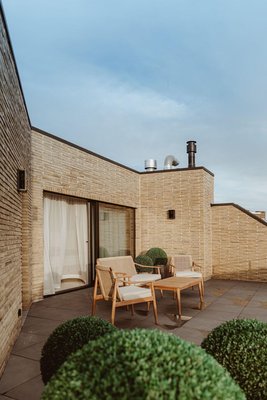
CH Longstay 2
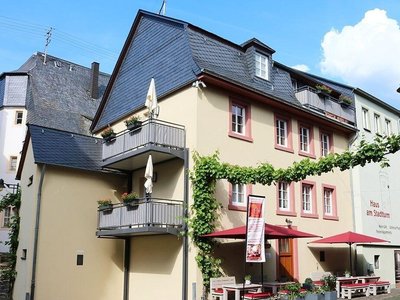
Haus am Stadtturm
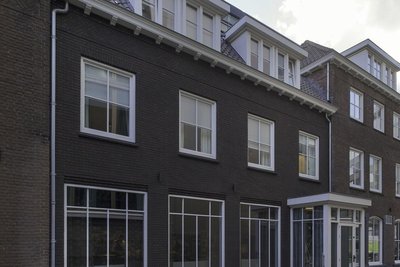
Little Grand
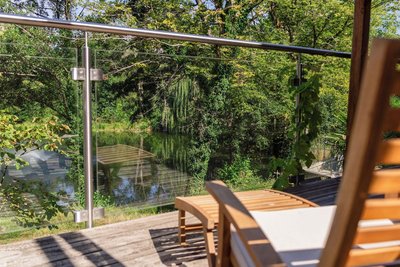
Domaine de la Résidence Hotel Spa & Restaurant
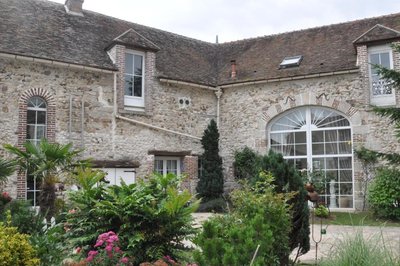
La Bergerie des Anges
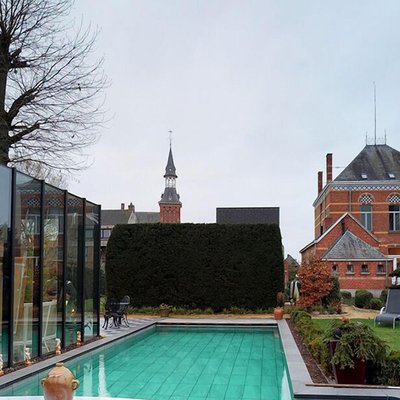
Art of Dreams Deluxe 4 Stars
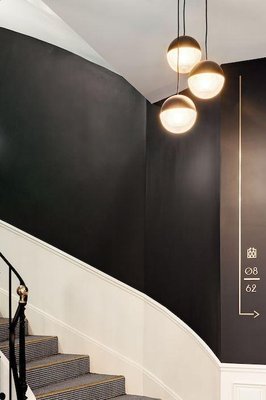
My Maison in Paris Invalides
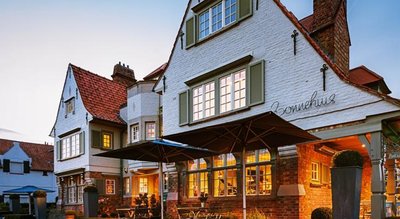
Romantik B&B Zonnehuis

Hotel Barrière Fouquet's New York

The Plaza - A Fairmont Managed Hotel

The Ritz-Carlton New York, Central Park

Four Seasons Hotel New York

The St. Regis New York

Park Hyatt New York

Mandarin Oriental New York
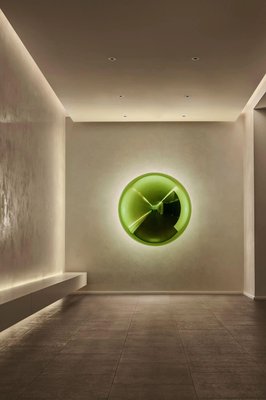
Times Square Edition New York
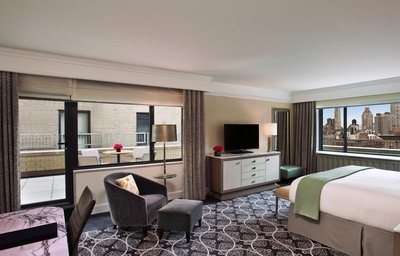
Loews Regency New York Hotel

Lowell Hotel

New York Edition

Baccarat Hotel New York
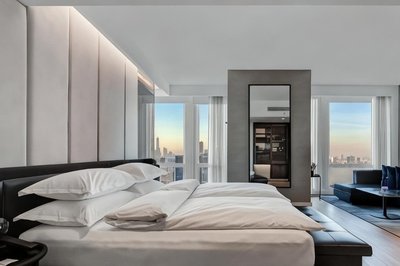
Equinox Hotel New York
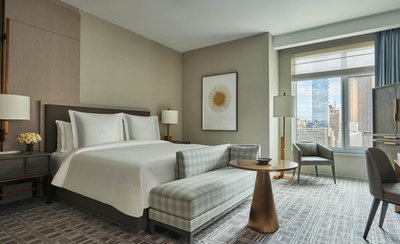
Four Seasons Hotel New York Downtown
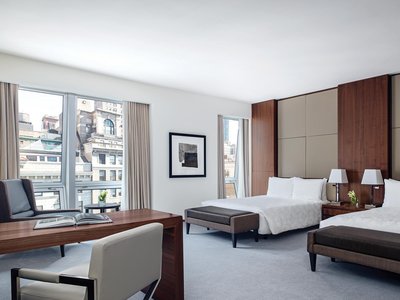
The Langham, New York, Fifth Avenue
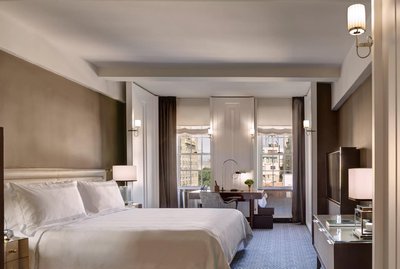
The Carlyle, A Rosewood Hotel

The Chatwal, in the Unbound Collection by Hyatt
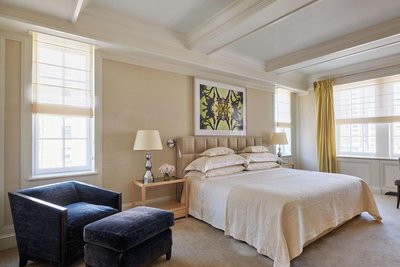
The Mark New York
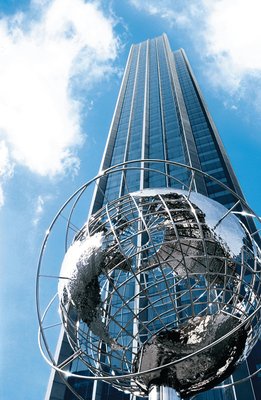
Trump International Hotel & Tower® New York
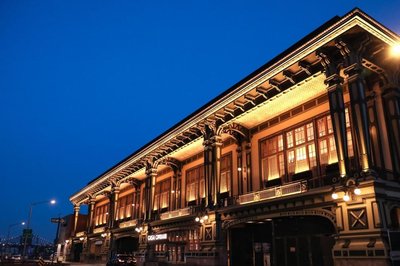
Casa Cipriani New York
Frequently Asked Questions about Traveling to Charleroi
Questions You Might Need to Know About Traveling to Charleroi
For first-time visitors, staying in the Charleroi City Center is ideal—near Place Charles I and the Charleroi Museum of Modern Art. This area offers easy access to public transport, restaurants serving Flemish cuisine, and the vibrant La Bourse shopping district.
Alternatively, consider Les Éclaireurs, a quiet residential neighborhood near the Sambre River, perfect for travelers seeking peace with quick access to the city’s cultural sites. Both areas provide excellent connections to the European Route of Industrial Heritage, highlighting Charleroi’s rich coal-mining history and architectural transformation.
Yes, Hôtel Le 45 in Charleroi offers immersive local experiences through its "Flemish Heritage Nights." Guests can participate in traditional Flemish lace-making workshops, taste authentic Carbonade Flamande (beef stew with beer) at themed dinners, and enjoy live performances of Walloon folk music.
Another option is Le Manoir de l'Abbaye, a restored 19th-century abbey turned boutique hotel. It hosts monthly "Cultural Evenings" featuring exhibitions on Charleroi’s industrial past, guided tours of original mine shafts, and art installations by regional artists. These experiences connect guests deeply with the city’s identity as a hub of Belgian innovation and craftsmanship.
In Charleroi, Hôtel Le 45 offers a unique culinary experience: the "Mine-to-Table" dinner series. Dishes feature ingredients sourced from local farms that once supplied coal miners, including heirloom potatoes grown in former colliery soil and wild herbs foraged near abandoned railway lines.
Guests also enjoy a curated tasting menu inspired by 19th-century miner recipes, such as bouillon de mineur (miners’ broth) and pain de charbon (coal-black bread). The restaurant’s interior features vintage mining lamps and photographs of early factory workers, creating an atmospheric setting that celebrates Charleroi’s working-class roots through food.
Many Charleroi hotels champion sustainable tourism. Le Manoir de l'Abbaye uses solar panels, rainwater harvesting systems, and locally sourced organic materials in renovations. Their guest rooms feature eco-friendly toiletries and digital check-in to reduce paper waste.
Hôtel Le 45 partners with local farmers and artisans, sourcing 90% of their food from within 50km. They also offer free bike rentals and promote walking tours along the Sambre River Greenway, reducing car dependency. Additionally, both hotels donate a portion of profits to the Charleroi Heritage Restoration Fund, supporting the preservation of historic industrial sites—a model of community-driven sustainability.
Charleroi stands out as a cultural traveler’s gem due to its transformation from a coal-mining hub to a thriving arts center. The city hosts the Charleroi Dance Festival, one of Europe’s most innovative contemporary dance events, held in repurposed factories.
Its Industrial Heritage Trail connects former mines, blast furnaces, and railway stations into open-air galleries. Notable sites include the Grande Mine de Bois du Loup, now home to an underground art installation by renowned Belgian sculptor Luc De Vos. With over 200 annual cultural events, Charleroi blends gritty industrial history with bold artistic expression—offering a rare narrative of resilience, reinvention, and creative rebirth.
Charleroi Overview
City Summary
Charleroi, located in the Hainaut Province of Belgium, is a city known for its industrial history and cultural diversity. Once a hub for coal mining and steel production, it has transformed into a city with a vibrant arts scene and music festivals. Its blend of historic architecture and modern development makes it a unique destination.
Must-See Attractions
Key attractions in Charleroi include the Hôtel de Ville de Charleroi, a splendid example of neoclassical architecture, and the Musée de la Photographie, which houses an impressive collection of photographic art. The central square, Place Charles II, is perfect for soaking in local culture, surrounded by cafés and restaurants.
Food Guide
Charleroi's cuisine is deeply influenced by Belgian traditions. Don’t miss out on "Boulets à la sauce tomate" (meatballs in tomato sauce), typically served with fries. Street vendors offer delicious smoked sausages and waffles, and pairing your meal with a local Belgian beer is a must.
Transportation Guide
Public transport in Charleroi is mainly buses and trams operated by TEC, covering most areas of interest. A day pass is cost-effective. Taxis are available but expensive. The city is well connected by train, with frequent services from Brussels (about 1 hour). Downloading a local transport app can help navigate efficiently.
Best Time to Visit
The best time to visit is during spring (April–June) and autumn (September–October) when the weather is mild and tourist crowds are smaller. Summers can be busy, while winters are colder.
Travel Tips
- Public transport in Charleroi is reliable; use it to save time.
- French is widely spoken, though Dutch is also common; English is understood in tourist areas.
- Respect local customs, especially when visiting religious or cultural sites.
Useful Information
French is the primary language, but English is widely spoken in tourist areas. Credit cards and cash are both accepted, though some smaller shops may prefer cash. Mobile networks provide good coverage; consider a local SIM card for data. Emergency services can be reached at 112. Medical facilities and pharmacies (open Monday–Saturday) are readily available.