Hotels in Chateauneuf-le-Rouge
Discover your perfect stay in Chateauneuf-le-Rouge.
Chateauneuf-le-Rouge(France) Travel 2026: Cheap Flights, Hotels & Top Attractions
Popular Landmarks in Chateauneuf-le-Rouge
Discover the most iconic attractions in Chateauneuf-le-Rouge
Recommended Hotels in Chateauneuf-le-Rouge
Find the perfect place to stay in Chateauneuf-le-Rouge
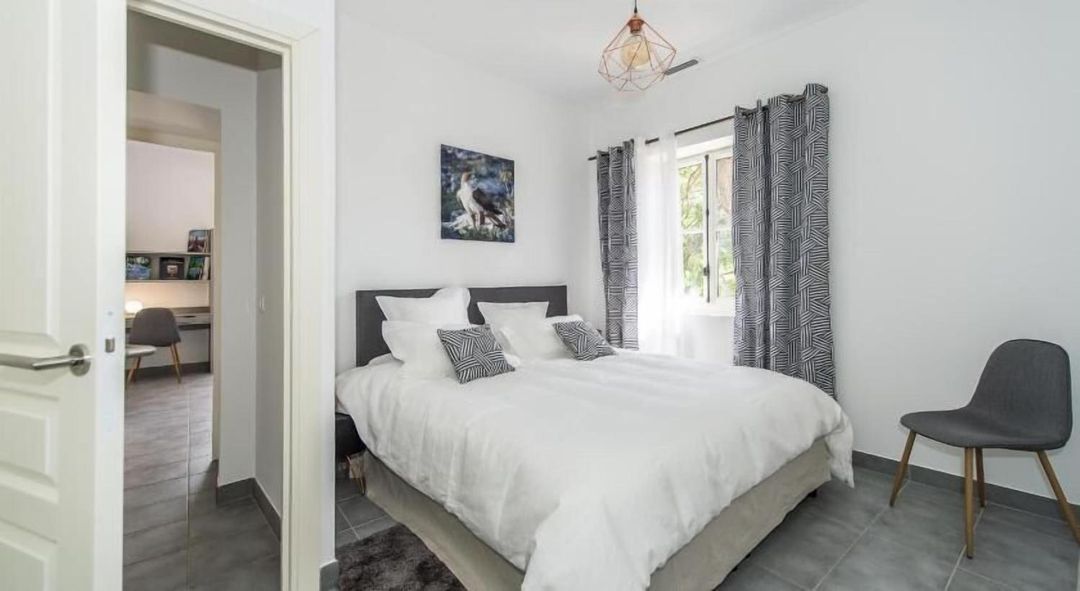
Domaine de la Galinière
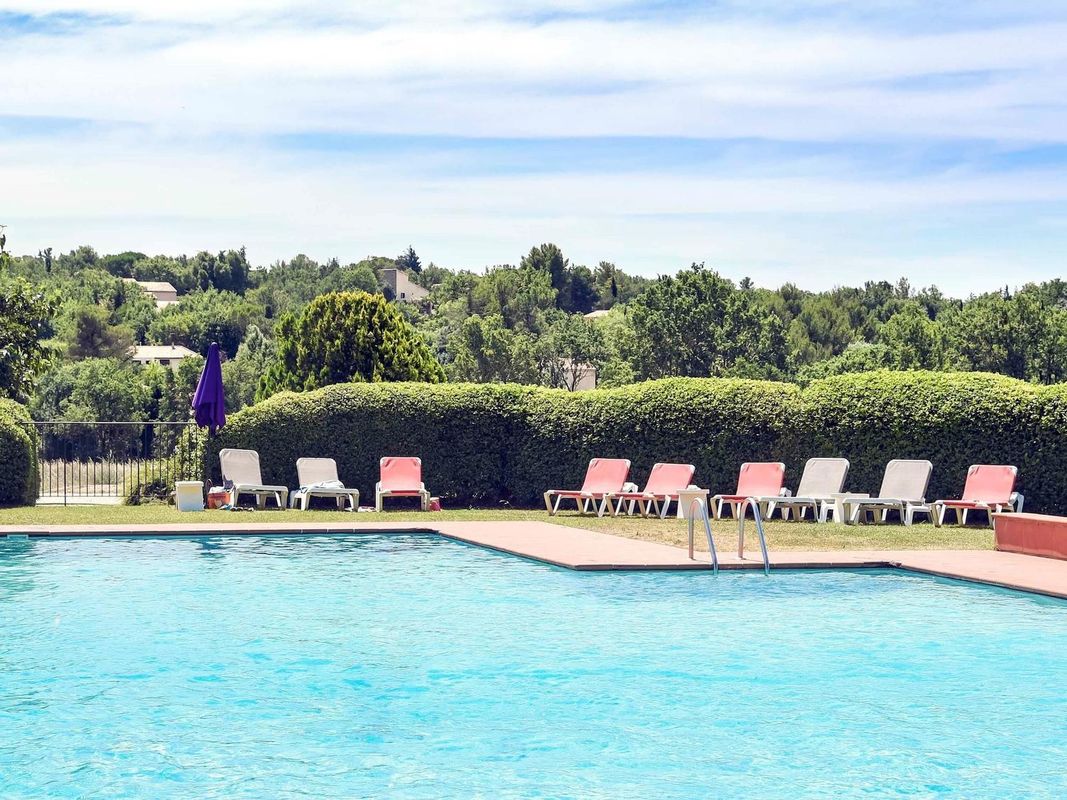
Hôtel Mercure Aix-en-Provence Sainte-Victoire
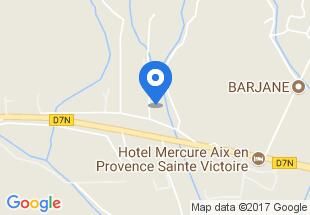
Clos Sainte Victoire
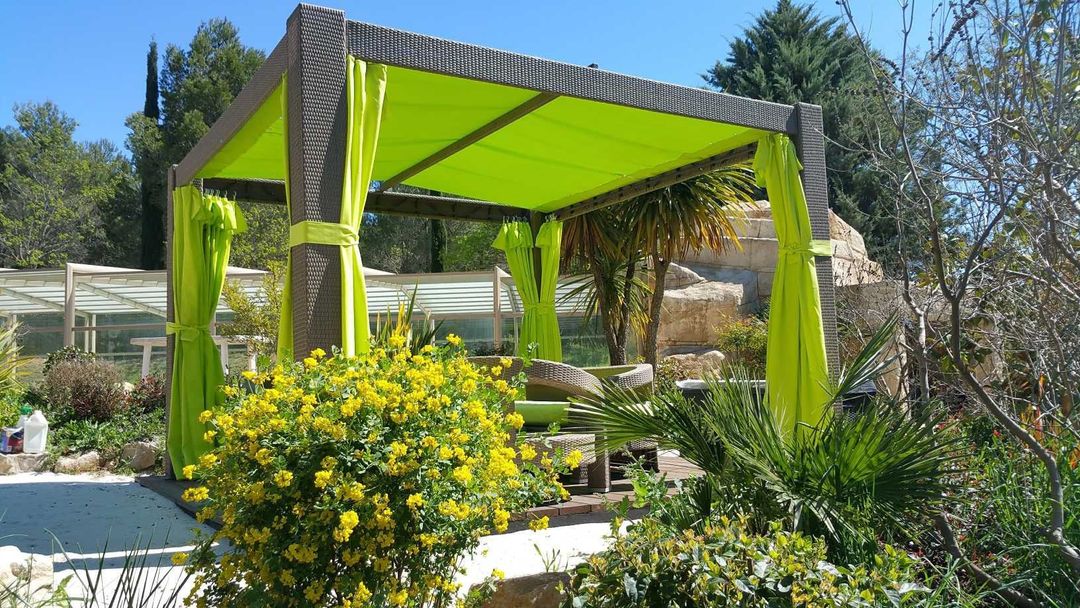
Chambres d'hôtes l'Eveil des Sens
Frequently Asked Questions about Traveling to Chateauneuf-le-Rouge
Questions You Might Need to Know About Traveling to Chateauneuf-le-Rouge
In Châteauneuf-du-Pape, top boutique stays include Domaine de la Bastide, a luxury vineyard estate blending medieval charm with modern elegance. Nestled on a sun-drenched hillside overlooking the Rhône Valley, each room features a private terrace and some offer personal pools. The hotel hosts exclusive wine-tasting dinners curated by local chefs, offering deep immersion into Provence’s wine culture.
Another standout is L'Auguste Château, a former 17th-century noble residence now a refined boutique inn in the historic village center. Its courtyard blooms with lavender and olive trees, and guests can easily walk to Notre-Dame Church and the Producers’ Market—perfect for experiencing authentic village life.
The best area to stay is the historic village core (Village Historique), where most of the town’s landmarks, wineries, and local restaurants are located. Staying here allows easy walking access to Notre-Dame Church and the Town Hall Square, immersing you in medieval ambiance. Family-run boutique inns like La Petite Rose and Le Loft du Soleil offer charming accommodations and often include complimentary wine tastings.
For tranquility, consider the northern vineyard belt, home to estates like La Mirade. Just a 10-minute drive from town, it offers privacy, panoramic views, and ideal sunlight—perfect for wine enthusiasts and photographers seeking serenity.
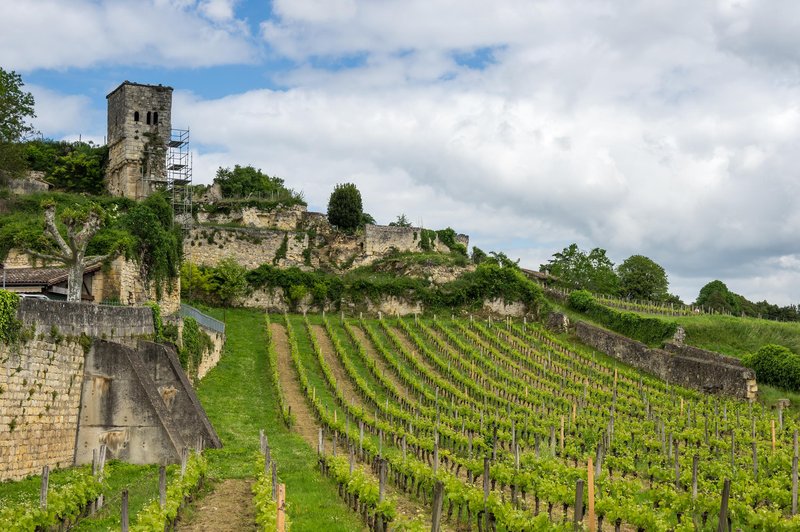
A must-do experience is attending the Annual Wine Festival (Fête du Vin) every September, featuring open-air tastings, masterclasses by renowned vintners, and traditional Provençal dance performances. Visitors can tour the Caveau Ancien, ancient underground cellars carved into the rock, to learn about the Châteauneuf-du-Pape AOC winemaking process.
Don’t miss the weekly Saturday Farmers’ Market (Marché de Producteurs), where stalls sell fresh olive oil, fig jam, vanilla sauce, and artisan bread. Art lovers should visit the Galerie Art Contemporain, showcasing paintings and sculptures inspired by the Rhône Valley landscape by local artists.
Yes, Châteauneuf-du-Pape is highly family-friendly. The Vélo-Circuit des Coteaux offers safe bikes for children, with interactive signs explaining grape varieties and ecology along the route.
At Castle Garden Hotel, kids can join “Little Winemaker Workshops,” where they craft mini wine bottles and design labels under expert guidance. The Children’s Museum (Musée pour Enfants) features hands-on exhibits like farming simulations and taste tests, perfect for ages 6–12. Evening storytelling sessions under the stars at the old stone walls bring Provençal legends to life.
Must-try dishes include Ragoût d'Agneau au Vin Rouge—slow-cooked lamb stewed in local Châteauneuf-du-Pape red wine, rich and tender. Also try Pain de Campagne avec Coulis de Tomate, rustic bread topped with fresh tomato sauce and extra virgin olive oil—ideal for breakfast.
Don’t miss Figs in Syrup (Dattes et Figues au Sirop), handmade by local orchards, sweet yet balanced. Restaurants like Le Vieux Chêne and Sous la Vigne offer curated tasting menus paired with selected wines. Reservations are recommended due to high demand.
The nearest airport is Marseille Provence Airport (MRS), 55 km away, about a 45-minute drive. Rent cars or book private transfers via BlaBlaCar or local taxi services like Taxis Châteauneuf, costing €80–100. For travelers from Paris, take the TGV train to Avignon TGV Station, then transfer by bus or rental car—total journey ~3 hours.
There’s no public transit within the village. We recommend renting an electric scooter or car for flexibility. Some hotels offer free shuttles—confirm in advance.
Châteauneuf-du-Pape has a Mediterranean climate: hot, dry summers (July–August avg. 35°C) with intense sun—avoid midday outings and use sunscreen. This is peak wine season, but crowds are heavier.
Spring and autumn (April–June, September–October) offer ideal conditions: 18–25°C, lush vineyards, and frequent winery tours—best time to visit. Winter is mild (8–12°C), quiet but cozy; some boutique hotels offer “Winter Wine Wellness Packages” with spa treatments and tastings.
Evening highlights include Concerts Sous les Étoiles—monthly open-air concerts at Place Notre-Dame, featuring local jazz and folk bands under the stars. At Domaine de la Bastide, join the Night Walk Through the Vineyards, guided by lantern light through century-old vines, sharing stories of the Papal legend and celestial observations.
For romance, book a rooftop dinner under the stars, served with locally crafted cocktails and a limited-edition Châteauneuf-du-Pape vintage. Some hotels also offer couples’ meditation and massage rituals in serene vineyard settings.
Perfect for couples: stay in the private suite at La Mirade, complete with a hot tub and panoramic vineyard views. Take the Love Trail Hike from Saint-Pierre Path, passing lavender fields and ancient stone bridges, ending at Fontaine des Amoureux, said to bless eternal love.
Enjoy a rooftop candlelit dinner with chef-prepared Provençal cuisine and a custom cocktail paired with a rare Châteauneuf-du-Pape reserve wine. Some hotels offer couples’ wellness retreats, including forest walks, massages, and stargazing—ideal for deep connection.
Top shopping includes direct sales at local wineries like Domaine des Ducas and Château Bernard, where you can buy limited-edition vintages with numbered labels and collectible wine catalogues.
Visit the Artisanat Local market stalls for lavender sachets, ceramic wine jugs, and hand-embroidered scarves made by local artisans. Le Vieux Chêne Restaurant also sells gift boxes of house-made olive oil spice blends and fig jam sets—excellent souvenirs. Bring a reusable bag—some shops offer discounts for eco-conscious visitors.
Chateauneuf-le-Rouge Overview
City Summary
Le Rouret-sur-Vernègues is a charming Provençal village in Bouches-du-Rhône, France, renowned for its 12th-century castle ruins overlooking the Durance Valley. The town embodies medieval heritage and lavender-scented landscapes, with its stone houses and Romanesque church creating quintessential southern France scenery.
Must-See Attractions
Top attractions include the Château de Le Rouret ruins with panoramic views, the Notre-Dame-de-l'Assomption Church featuring unique Provençal vaults, and the weekly market every Wednesday morning. Don't miss the lavender fields blooming in June-July along the D6 county road.
Food Guide
Culinary highlights feature classic Provençal dishes like daube (beef stew) and tapenade. Local specialties include Fougasse bread with olives and Navette cookies. Pair meals with Côtes de Provence rosé wines from nearby vineyards. Summer cafes serve lavender-infused crème brûlée.
Transportation Guide
Getting around:
- By car: 1.5hr from Marseille via A51 (exit at Salon-de-Provence)
- Parking: Free lots outside the pedestrianized old town
- Public transit: Nearest SNCF station is Aix-en-Provence TGV (35km), with connecting TER trains to Meyrargues (taxi required for final 10km)
- No local buses operate within the village
Best Time to Visit
Best visiting periods: May-June for mild weather (18-26°C) and lavender blooms, or September during grape harvest. July-August sees crowds and temperatures up to 35°C. Some sites reduce hours November-March.
Travel Tips
- Castle pathways have uneven stones - wear sturdy shoes
- Most restaurants close 2-7pm between lunch/dinner
- Sunday closures affect all shops
- No flash photography inside the church
- Market vendors prefer cash payments
- Drone flights prohibited near historic sites
- Book accommodations early during July music festival
Useful Information
Essential info:
- Language: French dominant, basic English in tourism sectors
- Currency: Euro (€), cards accepted at most businesses
- Emergency: Pharmacy marked by green cross in town center
- WiFi: Free municipal network around Place de la Mairie
- Timezone: CET (UTC+1), observes daylight saving
- Electricity: 230V, Type E sockets (two round pins)
- Tap water: Safe to drink from marked "Fontaine Potable" fountains
- Tipping: Service included, rounding up is customary