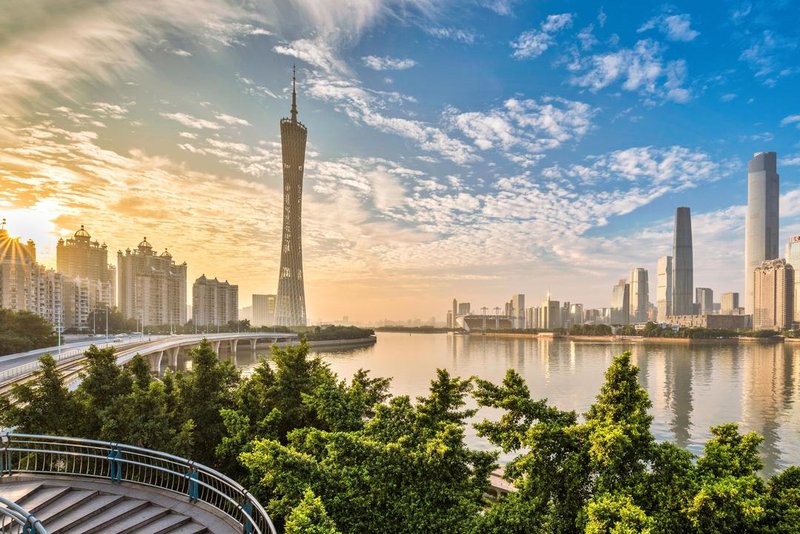
Hotels in Chemnitz
Discover your perfect stay in Chemnitz.
Chemnitz(Germany) Travel 2026: Cheap Flights, Hotels & Top Attractions
Popular Landmarks in Chemnitz
Discover the most iconic attractions in Chemnitz
Recommended Hotels in Chemnitz
Find the perfect place to stay in Chemnitz

Schlosshotel Klaffenbach
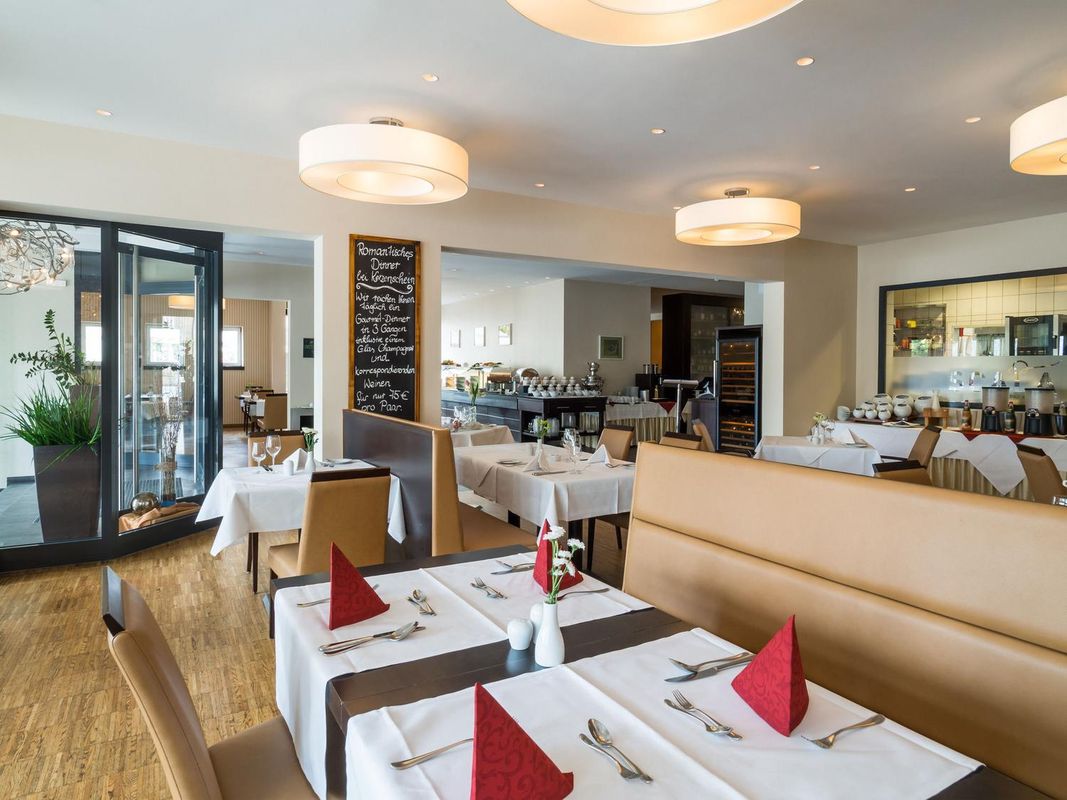
Hotel an der Oper
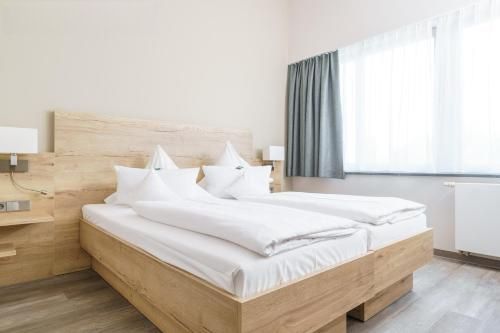
Hotel Forsthaus Grüna Betreibergesellschaft Mbh
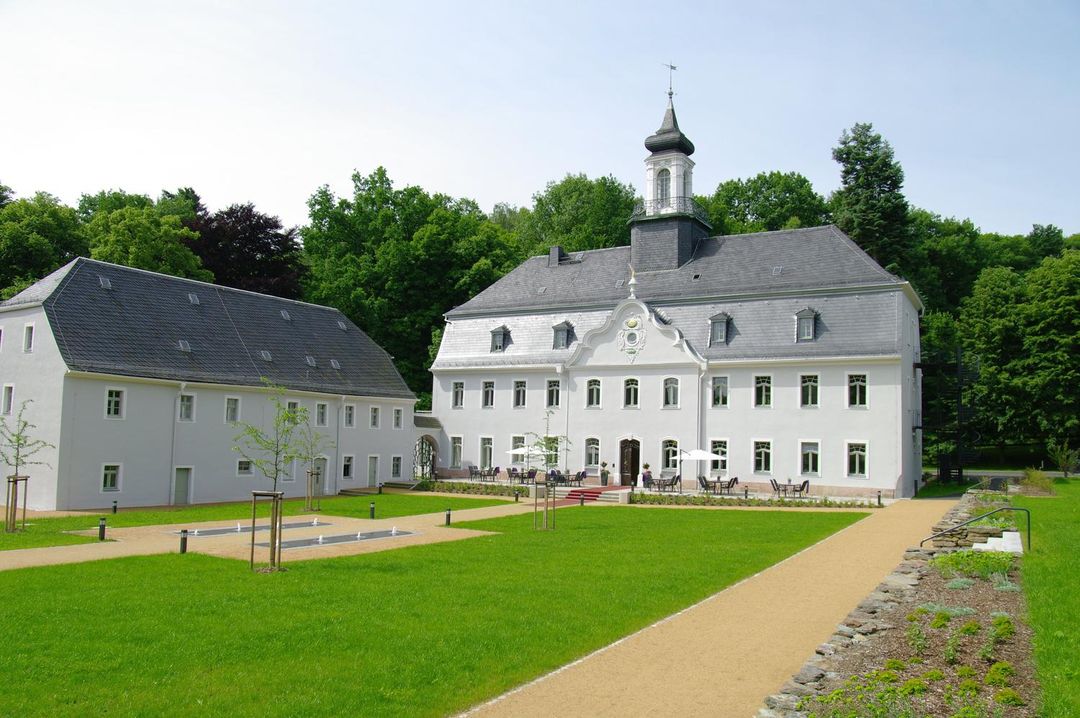
Hotel Schloss Rabenstein
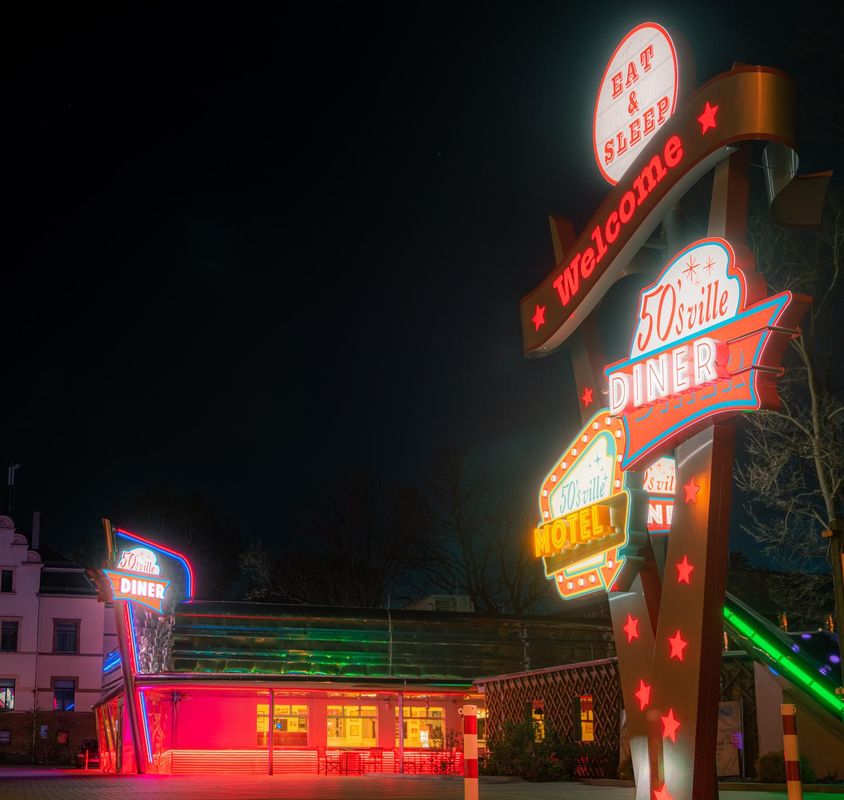
Themenhotel 50's Ville Motel
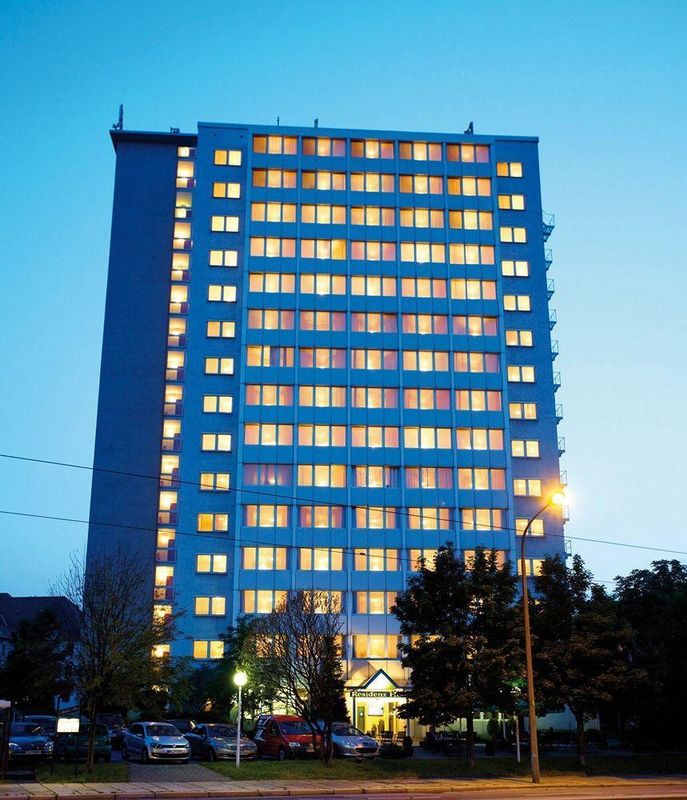
Seaside Residenz Hotel Chemnitz
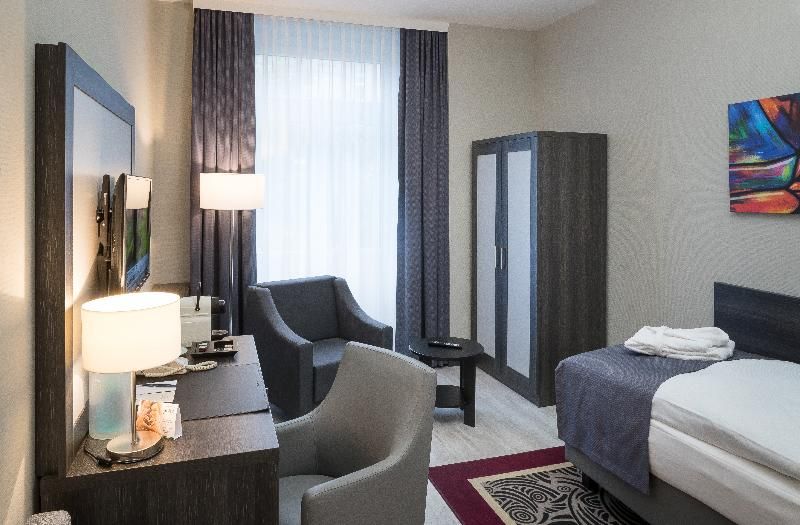
TOP Hotel Chemnitzer Hof
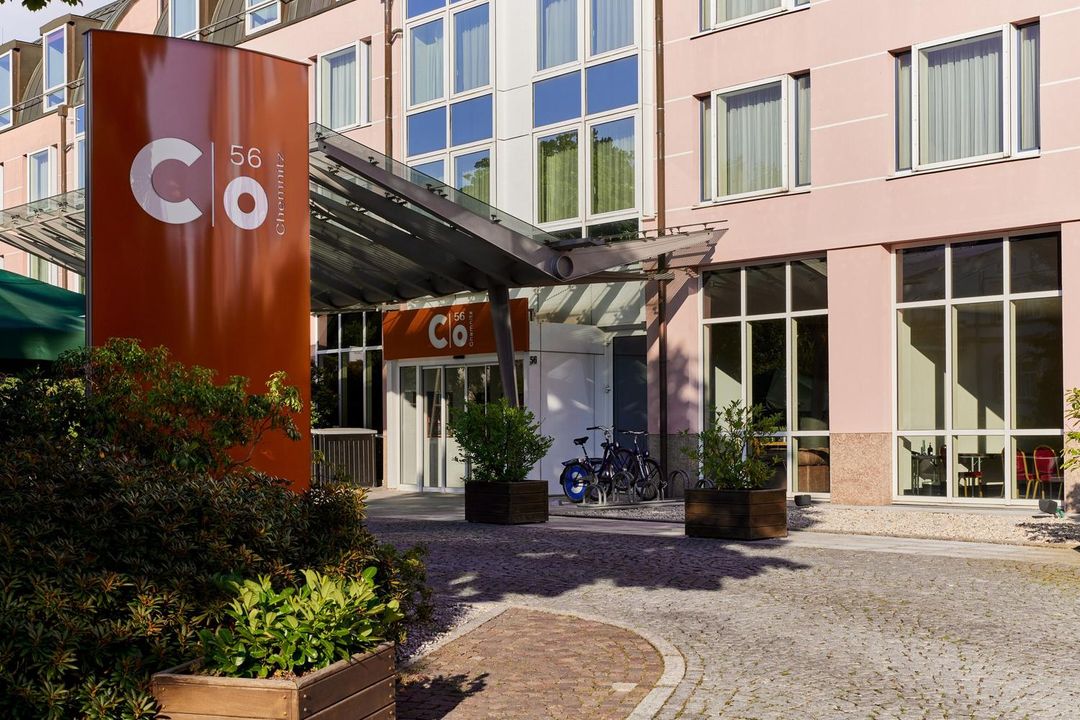
Co56 Hotel Chemnitz
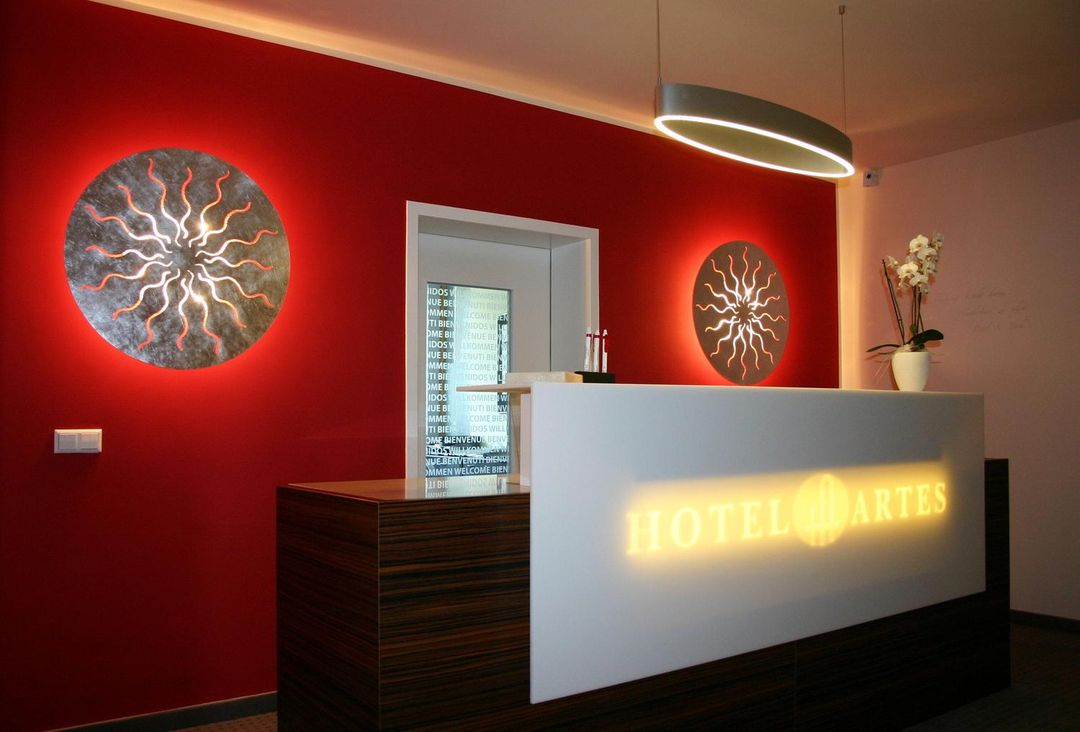
Business-Hotel Artes
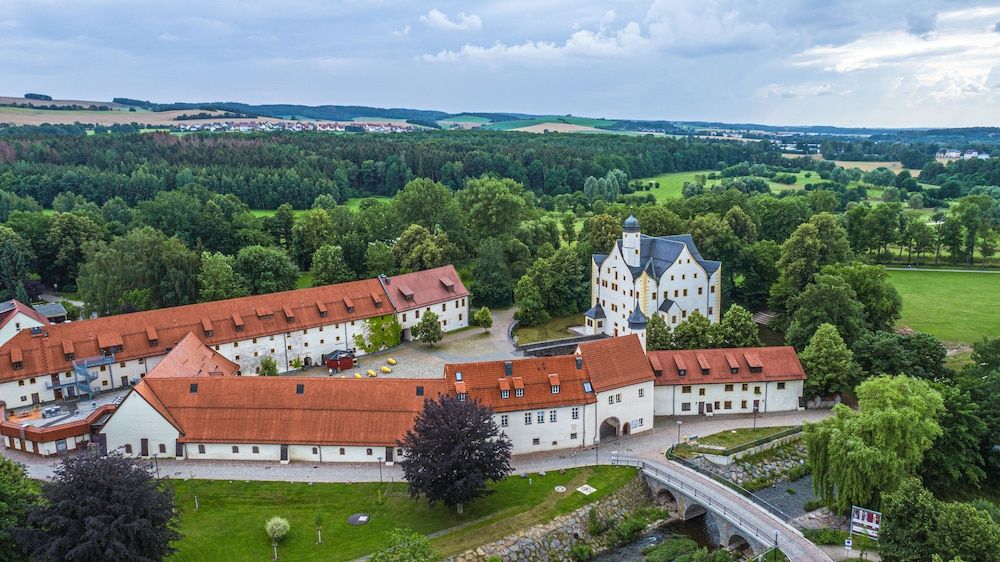
Wasserschloss Klaffenbach Schlosshotel
Best Hotels in Chemnitz
Discover curated hotel collections in Chemnitz
Amenity Hotel & Resort Lipno
Courtyard Wolfsburg
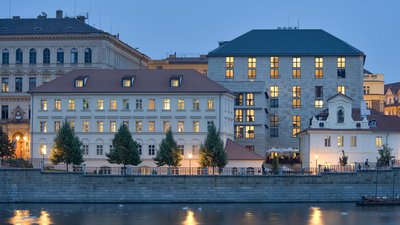
Four Seasons Hotel Prague
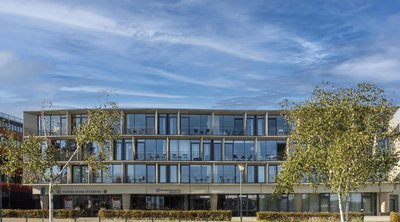
Waveboard Hotel & Boardinghouse
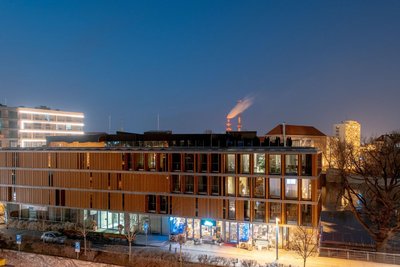
inQse Wroclaw | Marina
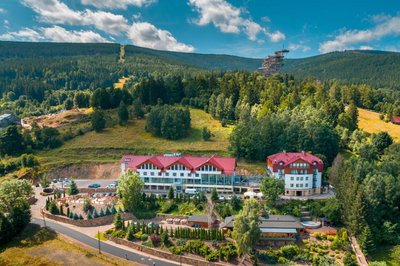
Hotel & Medi-Spa Biały Kamień
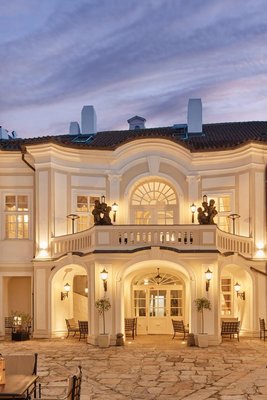
The Mozart Prague
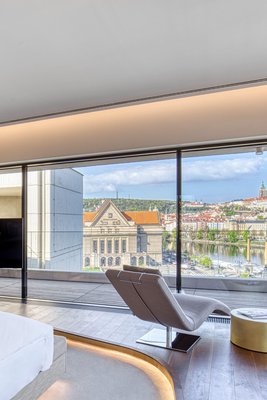
The President
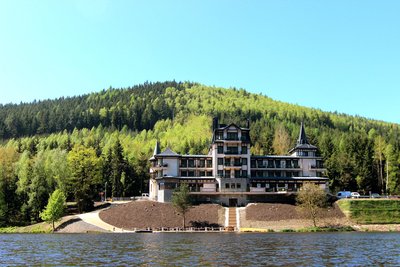
Retro Riverside Wellness Resort
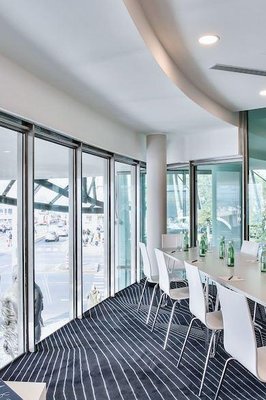
Dancing House - Tančící dům Hotel
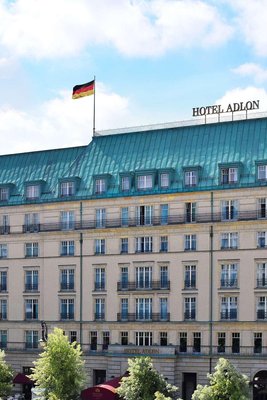
Hotel Adlon Kempinski Berlin
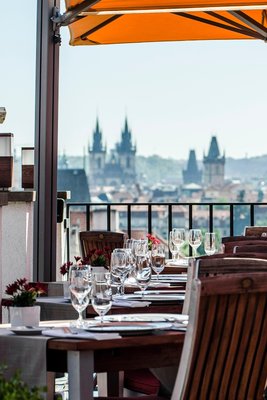
Aria Hotel Prague
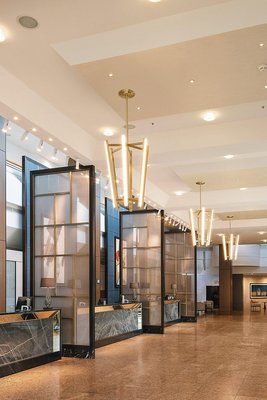
InterContinental Berlin
Four Seasons Hotel Prague

Hotel Zoo Berlin
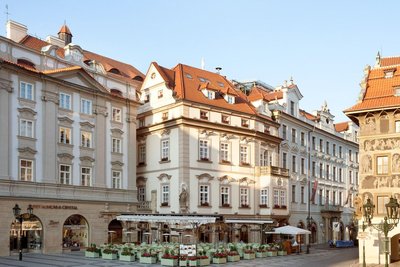
Hotel U Prince Prague by Bhg
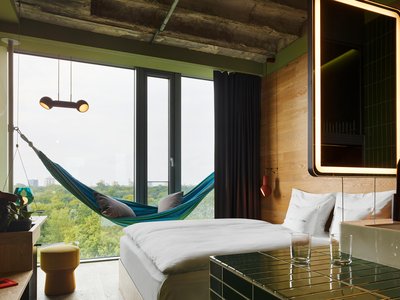
25hours Hotel Bikini Berlin
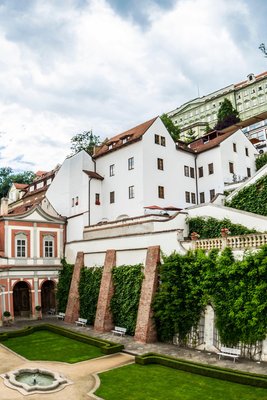
Golden Well
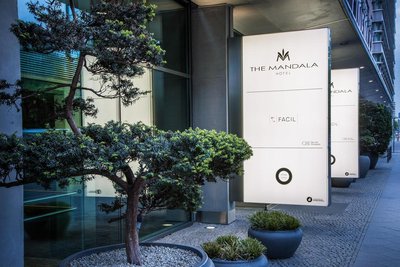
The Mandala Hotel Berlin, a Member of Design Hotels
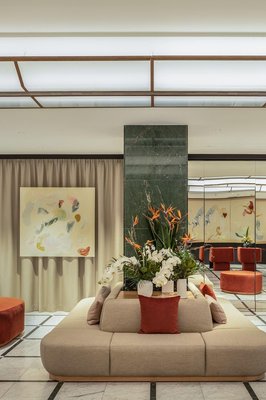
Almanac X Alcron Prague
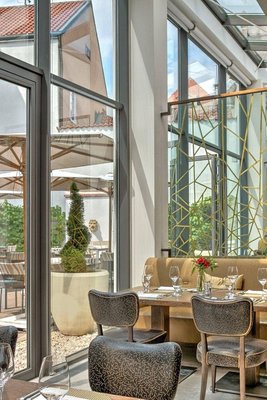
Augustine, a Luxury Collection Hotel, Prague
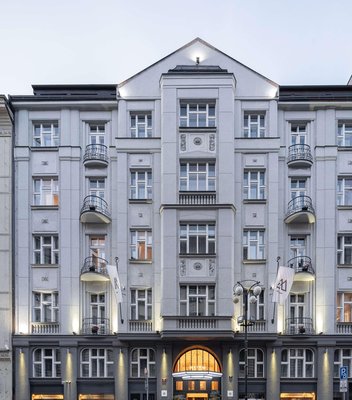
The Emblem Prague Hotel - Preferred Hotels & Resorts
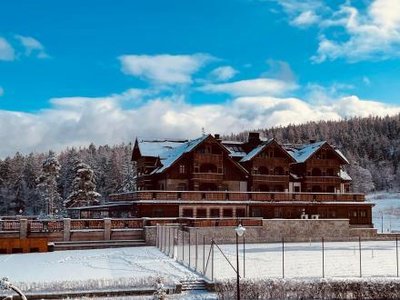
Hotel Seidorf
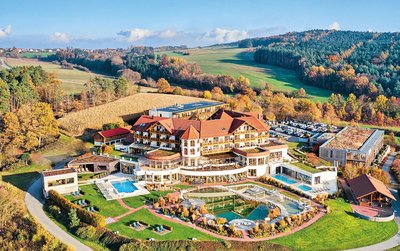
Der Birkenhof Spa & Genuss Resort
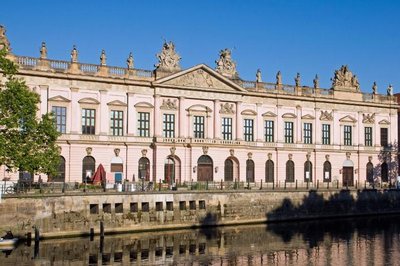
Orania.Berlin
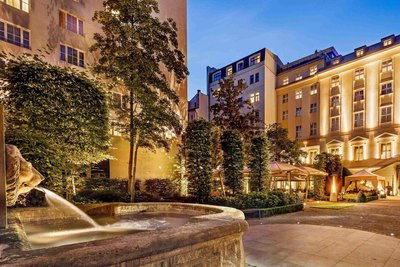
The Grand Mark Prague - the Leading Hotels of the World
Hotel Adlon Kempinski Berlin
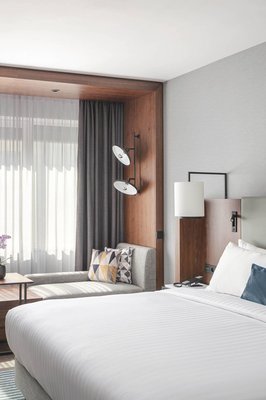
Prague Marriott Hotel
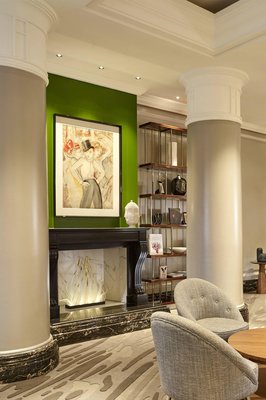
The Ritz-Carlton, Berlin
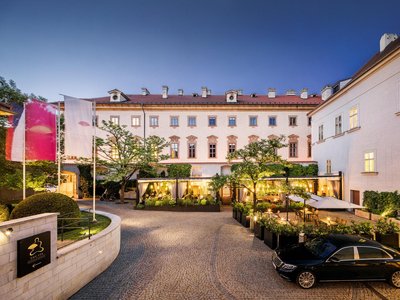
Mandarin Oriental, Prague
Four Seasons Hotel Prague
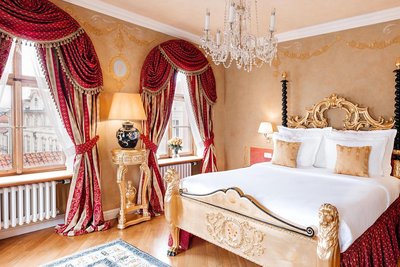
Alchymist Grand Hotel and Spa - Preferred Hotels & Resorts
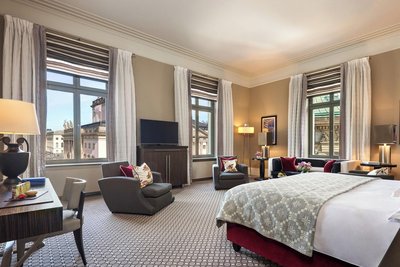
Rocco Forte Hotel de Rome
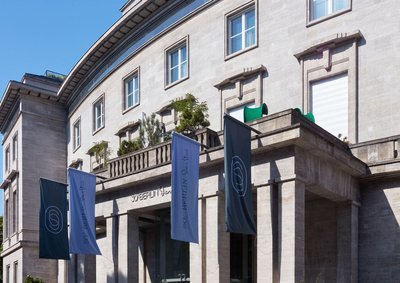
SO/ Berlin Das Stue
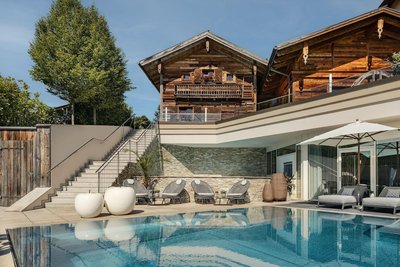
Wellness- & Sporthotel Jagdhof

Hotel Taschenbergpalais Kempinski Dresden
The Mozart Prague
The President
Augustine, a Luxury Collection Hotel, Prague
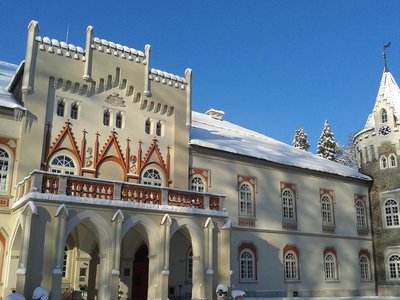
Chateau Herálec Boutique Hotel & Spa by l'Occitane
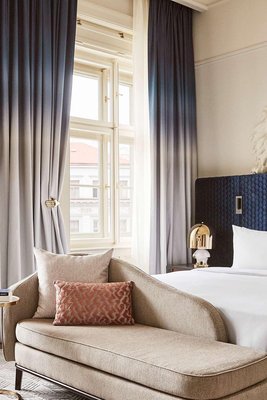
Andaz Prague, by Hyatt
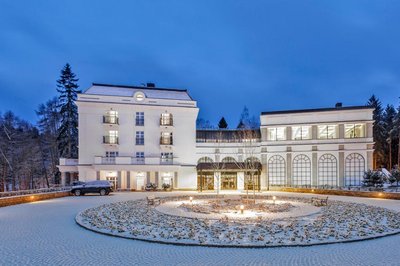
Hotel Spa Dr Irena Eris Polanica Zdrój
Frequently Asked Questions about Traveling to Chemnitz
Questions You Might Need to Know About Traveling to Chemnitz
The best neighborhoods to stay in Chemnitz are Innenstadt and Bahnhofsviertel, both offering excellent access to cultural sites and public transport. In Innenstadt, the Hotel am Dom stands out with its proximity to the Chemnitz Cathedral and Saxon Industrial Museum, blending modern comfort with East German architectural charm. The hotel provides free city tour guides and hosts weekend events like pottery workshops and classical opera performances, perfect for culture enthusiasts.
For a quieter, more scenic option, consider Hotel Alte Mühle, a boutique hotel housed in a restored 19th-century mill. Located along the Weißeritz River, it offers unique timber-framed architecture and river views. The hotel also organizes monthly Industrial Heritage Nights, where guests can explore Chemnitz’s rich industrial past through immersive storytelling and exhibitions.
Chemnitz’s industrial legacy deeply influences its hotel architecture. The Hotel Alte Mühle, originally a 19th-century textile mill, now features exposed brick walls, steel beams, and vintage machinery repurposed as interior décor—exemplifying the industrial revival aesthetic. Rooms incorporate reclaimed metal and factory parts, honoring the city’s manufacturing roots.
Another standout is the Museum Hotel Chemnitz, which transformed an old railway station hall into its lobby. Suspended gears and conveyor belts from local factories adorn the ceiling, creating a striking visual centerpiece. These design choices reflect Chemnitz’s transformation from an industrial hub to a creative urban center, allowing guests to experience the city’s evolution firsthand through their accommodation.
To easily access the Chemnitz International Art Festival (Kunstfest Chemnitz), stay at Hotel am Dom or City Hotel Chemnitz, both located near Stadtplatz—just a 5-minute walk from the main venue, Friedrich Wilhelm Feuerbach Theatre.
Hotel am Dom offers "Artist-Exclusive Rooms" featuring works by local contemporary painters and includes festival passes and guided tours. City Hotel Chemnitz partners with regional galleries to provide "Art Explorer Packages," covering entry tickets, expert-led tours, and coffee meetups with artists. During the September festival, both hotels host "Street Art Nights," featuring live graffiti sessions by renowned muralists, immersing guests in Chemnitz’s vibrant art scene.
The highlight of winter in Chemnitz is the Ice Sculpture Light Festival, held annually from December to January at Weißeritz Park. Local artists carve hundreds of ice sculptures into grand thematic installations, illuminated by neon lights and synchronized with fountain music, creating a dreamlike atmosphere.
Guests staying at Hotel Alte Mühle can join the "Winter Industrial Adventure Tour," visiting preserved factories, tasting warm chocolate and traditional bread, and crafting handmade sled models. The Maximilian Market offers authentic sausages, mulled wine, and handcrafted ornaments—perfect for soaking in Saxon winter charm. Many hotels also feature "Cozy Fire Suites" with real fireplaces and plush blankets, ideal for unwinding in the cold season.
For families, Family Hotel Chemnitz is ideal, located next to Adenauer Park with a children’s playroom, indoor pool, and dedicated family activity zone. The hotel offers free cribs, child-sized cutlery, and customized family tour routes, plus monthly "Family Science Days" where kids explore Chemnitz’s industrial technology through hands-on experiments.
Another great choice is Hotel am Dom, featuring spacious family rooms with separate sleeping areas and safety railings. It provides family breakfast packages and high chairs. Just outside, the KinderMuseum Chemnitz offers interactive exhibits perfect for half-day parent-child outings. All hotels support wheelchair accessibility and offer English-speaking staff, ensuring smooth stays for international families.
Chemnitz’s culinary culture is deeply integrated into its hotels. Hotel Alte Mühle features the Saxon Kitchen, where local chefs prepare daily specialties like pork knuckle soup (Schweinshaxe Suppe) and rye bread platters, using ingredients sourced from nearby farms to promote sustainable dining.
Hotel am Dom offers the "Taste Journey" package, including a chef-led tour of the city’s food markets, sampling local delicacies such as Chemnitzer Wurst and Black Forest cherry cake (Schwarzwälder Kirschtorte). Some hotels also host private cooking classes, where guests learn to prepare traditional Saxon dishes—taking authentic flavors home with them.
Chemnitz Overview
City Summary
Chemnitz is the third-largest city of the Free State of Saxony in Germany, boasting rich industrial history and modern artistic atmosphere. Once an important industrial center in East Germany, the city has transformed into a hub of technology and culture. Its art museums, opera house and historic buildings showcase diverse cultural heritage.
Must-See Attractions
Top attractions in Chemnitz include the Chemnitz Opera House and the Red Tower, the only remaining part of the medieval city wall. The Karl Marx Monument is the city's iconic landmark. Industrial Museum and art collections showcase the city's historical and artistic achievements.
Food Guide
Chemnitz's culinary culture is deeply influenced by German traditions. Recommended local specialties include Saxon-style sausages and potato soup. Many restaurants and snack stalls around the Market Square offer various German dishes.
Transportation Guide
Chemnitz has a well-developed public transport system including trams and buses. The city center is walkable, and bike rental is a popular option. Regional trains and buses connect to suburban attractions.\n\nDaily travel passes are recommended for unlimited rides within the city.
Best Time to Visit
The best time to visit is from May to September when the weather is mild for outdoor activities. Avoiding winter minimizes exposure to cold temperatures.
Travel Tips
- Cash payments are still common, carry small Euro bills\n2. Learning basic German greetings helps with local communication\n3. Most shops are closed on Sundays\n4. Public transport runs on time, plan ahead\n5. Museums usually close on Mondays\n6. Respect Germans' need for personal space
Useful Information
German is the main language but many young people speak English. Free WiFi hotspots are available in city center areas, and local SIM cards are also an option. Most shops and restaurants accept credit cards but small vendors may only take cash. Dial 112 for emergencies. Bring a power adapter as Germany uses 230V electricity.