Hotels in Chia
Discover your perfect stay in Chia.
Chia(Colombia) Travel 2026: Cheap Flights, Hotels & Top Attractions
Popular Landmarks in Chia
Discover the most iconic attractions in Chia
Recommended Hotels in Chia
Find the perfect place to stay in Chia






Best Hotels in Chia
Discover curated hotel collections in Chia

































Frequently Asked Questions about Traveling to Chia
Questions You Might Need to Know About Traveling to Chia
In Chia, the top choice for families is Hotel El Retorno, a boutique mountain resort blending Andean scenery with modern comfort. It offers spacious family suites, a children’s play area, and guided farm tours. Nestled at 2,600 meters above sea level, it provides fresh air ideal for escaping city heat. Nearby attractions include the Chia Nature Reserve and the Virgen Hill Trail, both accessible on foot. The rooftop terrace delivers panoramic views of the town and distant Nevado de Colima Volcano, perfect for sunrise photography. The hotel also features local cuisine experiences, such as tasting traditional cuy (guinea pig) and Colombian coffee workshops, offering authentic Andean cultural immersion.
The most popular hike in Chia leads to Virgen Hill (Cerro de la Virgen), a 1.5-km trail through cloud forest teeming with orchids and native birds. At the summit stands the Virgin Mary statue, a spiritual landmark offering sweeping views of Bogotá. Another must-try is the Valley of Chia Ecological Trail, winding through pine groves and crystal-clear streams—ideal for beginners and photographers. Best visited early morning to avoid afternoon thunderstorms. Interpretive signs along the route provide bilingual (Spanish/English) information, and parts of the trail are maintained by local conservation groups, promoting eco-tourism. Pack water, layers, and trekking poles for safety.
Visitors to Chia should not miss the annual Festival de las Fiestas Andinas in August, celebrating Indigenous music, dance, and crafts. Hands-on activities include learning to make Molina bread and Casara cheese. The Chia Farm Workshop offers a full-day experience planting potatoes, quinoa, or corn, followed by a harvest ceremony. Evening highlights include stargazing tours—thanks to high altitude and minimal light pollution, the night sky here is exceptionally clear. Many programs are community-led, with proceeds supporting local families, ensuring cultural preservation and sustainable tourism.
The best areas for lodging in Chia are Downtown Chia (Centro de Chia) and the Highland Villa Zone (Zona Alta). Downtown offers easy access to restaurants, shops, and churches, while the Highland Zone provides quieter surroundings and breathtaking mountain views. Stay at a mountain-view room at Hotel Las Lomas, whose balconies face the Cordillera Oriental, often wrapped in morning mist. This zone is just 45 minutes from Bogotá, making it ideal for weekend getaways. Avoid holidays, when locals return home, causing temporary congestion.
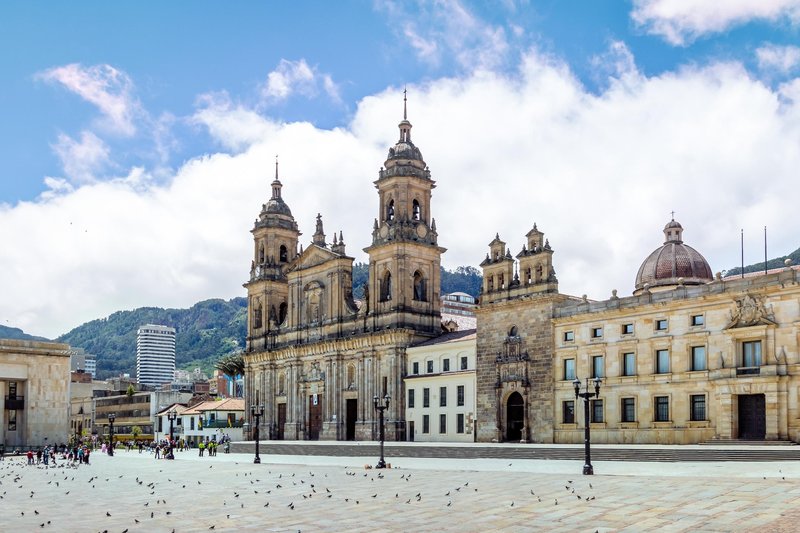
The most iconic photo spot in Chia is the Virgin Mary Statue on Virgen Hill, standing atop a peak with dramatic views of mountains and morning clouds. Ideal times for photos: dawn or golden hour. Next, the Chia Clock Tower (Torre del Reloj) in the central plaza features Baroque architecture and colorful tile roofs—perfect for capturing colonial charm. The Church of Chia (Iglesia de Chia), with its white facade and rose windows, glows in sunlight; interior murals depict Andean saints. Bring a wide-angle lens to capture the layered beauty of mountain towns meeting sky and forest.
Must-try dishes in Chia include Casara cheese, a handcrafted semi-hard cheese with nutty notes, often enjoyed with bread or in stews. Molina bread, made from whole wheat sourdough, has a crispy crust and soft interior—best paired with hot chocolate. Try the Chia Potato Soup (Sopa de Papa de Chia), slow-cooked with local red potatoes, herbs, and onions. For deeper cultural insight, join a Grandmother’s Kitchen (Cocina de Abuela) experience to learn how to prepare Andean tamales and grilled bean stew (Habichuelas Asadas) using ingredients from nearby organic farms. All meals emphasize freshness and sustainability.
Chia has a high-altitude climate with average temperatures between 12–18°C, and significant diurnal temperature swings—nights can drop below 8°C. Pack warm layers, a windproof jacket, and a hat. Rain season runs from April to November, with occasional thunderstorms; check forecasts before hiking. Best times to visit are spring (March–May) and autumn (September–November), when weather is stable and vegetation lush. Summer (December–February) sees strong sun but frequent afternoon fog. Regardless of season, apply sunscreen—UV radiation is intense at this elevation. Acclimate before strenuous activity to prevent altitude sickness.
Traveling from Bogotá to Chia is convenient via several options: drive (~45 minutes via Vía Norte), enjoying scenic views; take a public bus (e.g., TransMilenio Express or Cotransportes) with frequent departures and fares around COP 5,000; or book a private car service like Uber or a local driver, costing ~COP 12,000–18,000. Book ahead during weekends or holidays. Once in Chia, walking covers most of the town center, but rent a bike or electric scooter to reach hillside sites. Be cautious on mountain curves—drive slowly and stay alert.
Couples in Chia should hike together to the Sunset Viewing Deck on Virgen Hill, where they can watch the sun dip behind the Andes amid misty peaks. Spend the night at a mountain-view suite at Hotel Los Pinos, featuring a private terrace with a fireplace and star projector for intimate evenings. Visit Termas de Chia Spa, where couples can enjoy mineral baths and a shared massage. Or book a stargazing dinner under a mountain tent, served with local cuisine and live guitar music. Some hotels offer customized honeymoon packages with rose petals, champagne, and handwritten notes—adding a personal touch to your getaway.
Chia is committed to eco-friendly tourism, with many lodgings and tours certified by Colombia Green Certification. For example, Hotel El Retorno uses solar power, composts food waste, and avoids single-use plastics. Local cooperatives run organic farms using crop rotation and no chemical fertilizers. Trails are cleaned regularly by volunteers, and recycling bins are installed. Visitors can participate in the Plant a Tree Program, donating a sapling per HopeGoo. All guides receive training in cultural respect and environmental protection—no wildlife disturbance or plant harvesting allowed. Tourism revenue is partially reinvested into community education and reforestation projects, turning every trip into a positive impact.