Hotels in Chiang Rai
Discover your perfect stay in Chiang Rai.
Chiang Rai(Thailand) Travel 2026: Cheap Flights, Hotels & Top Attractions

Chiang Rai Overview
City Summary
Chiang Rai, the capital of Chiang Rai Province in northern Thailand, is renowned for its tranquil atmosphere and rich cultural heritage. The city blends Lanna culture with modern Thai lifestyle, surrounded by lush mountains and rice fields. Its most famous landmarks include the White Temple (Wat Rong Khun) and the Blue Temple (Wat Rong Suea Ten), which showcase unique architectural artistry. Chiang Rai also serves as the gateway to the Golden Triangle, offering a mix of ethnic cultures and natural beauty.
Must-See Attractions
Must-see attractions include the stunning White Temple, a modernist temple known for its pure white exterior and intricate details; the Blue Temple captivates visitors with its deep-blue walls and lavish interiors. Additionally, the Black House (Baandam Museum) displays the unique works of Thai artist Thawan Duchanee, exuding a mysterious aura. For history lovers, Chiang Rai Old Town and Wat Phra Kaew provide rich cultural experiences. At night, don’t miss the Chiang Rai Night Bazaar for local food and handicrafts.
Food Guide
Chiang Rai's cuisine combines northern Thai flavors with hill tribe influences. Must-try street foods include Sai Oua, a herbal sausage, and Khao Soi, a coconut curry noodle soup topped with crispy noodles. Also, savor Khao Lam (bamboo sticky rice) and Larb Moo (spicy pork salad). At the night market, you’ll find grilled skewers and fresh fruits like durian and mango.
Transportation Guide
Transportation in Chiang Rai relies mainly on Songthaews, shared taxis with fixed routes at affordable prices. Taxis and motorbike rentals are also available for independent travelers. For long-distance trips, buses connect Chiang Rai to other cities, while Chiang Rai International Airport offers domestic flights. Consider using the Grab app for rides or renting a motorbike with caution.
Best Time to Visit
The best time to visit is from November to February, when the weather is cool and dry, ideal for outdoor activities. March to May is hot, and June to October brings monsoon rains, which may disrupt plans. During peak season (December-January), book accommodations early.
Travel Tips
- Temple etiquette: Dress modestly—no shorts or sleeveless tops in temples.
- Traffic safety: Motorbikes are common; drive carefully and wear helmets.
- Carry cash: Many small shops/markets don’t accept cards; keep Thai Baht handy.
- Drink bottled water: Avoid tap water to prevent stomach issues.
- Learn basic Thai: Simple phrases like "Sawasdee" (hello) help with locals.
- Mosquito protection: Dengue fever is a risk; use repellent and wear long sleeves.
Useful Information
Language: Thai is the main language; English is spoken in tourist areas. Learning basic Thai phrases helps. Internet: 4G coverage is good; buy a local SIM (AIS/TrueMove). Payment: Cash is king; credit cards work in malls/hotels. Emergency care: Hospitals like Overbrook Hospital meet international standards; travel insurance is advised. Voltage: 220V, plug types A/B/C; some hotels provide adapters.
Popular Landmarks in Chiang Rai
Discover the most iconic attractions in Chiang Rai
Recommended Hotels in Chiang Rai
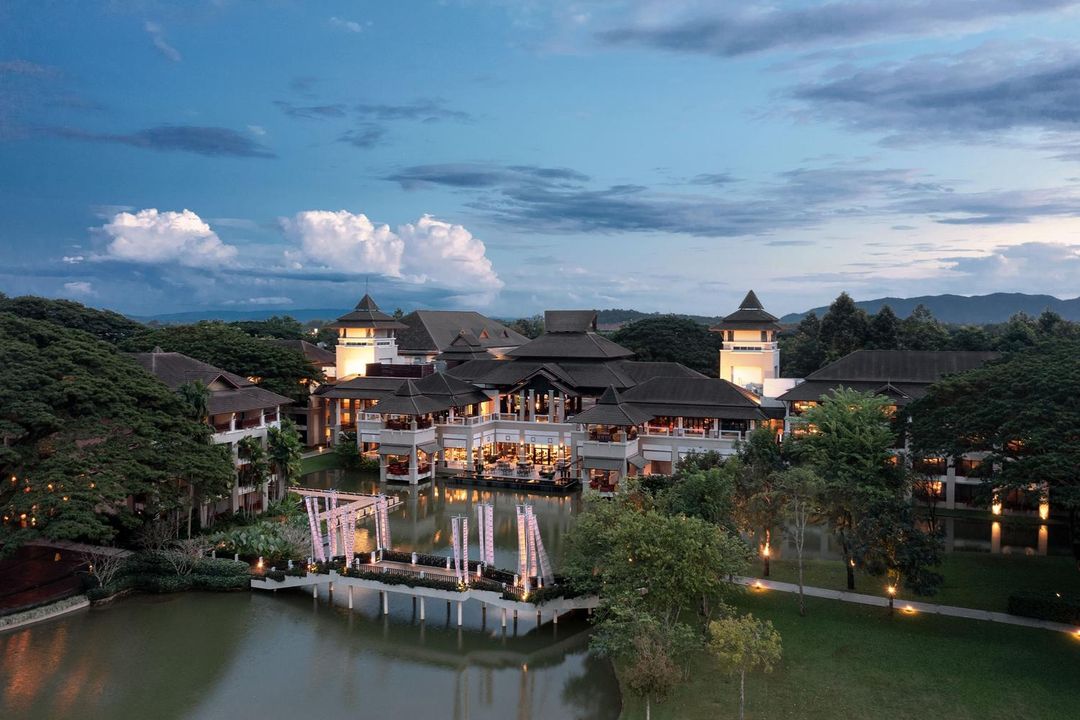
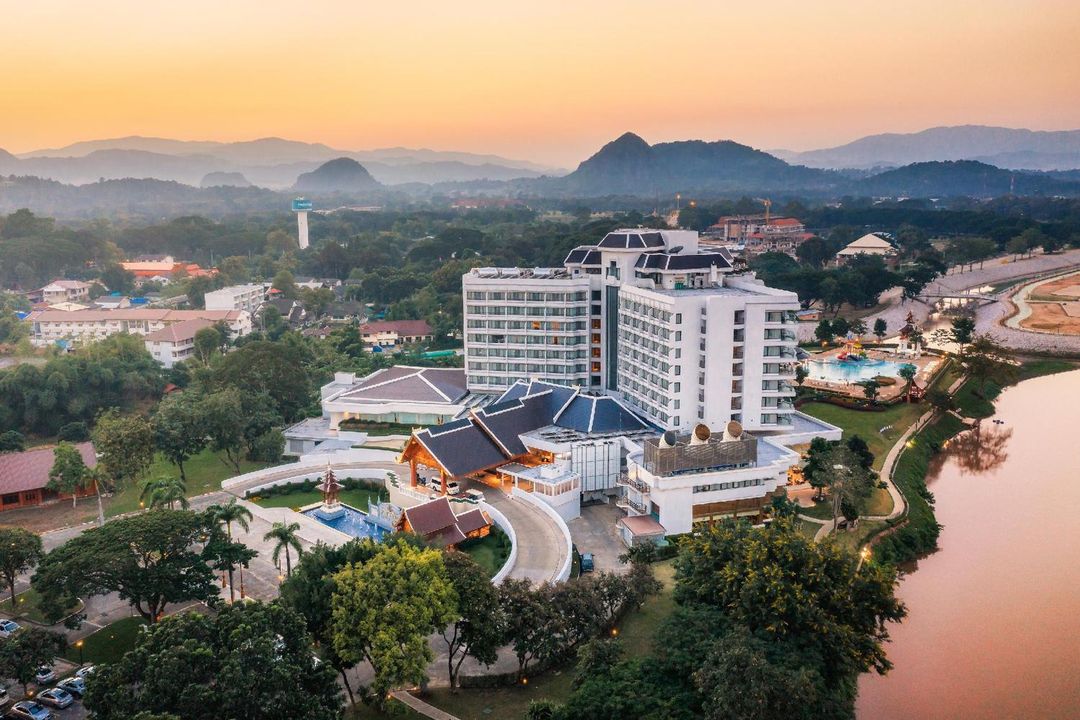
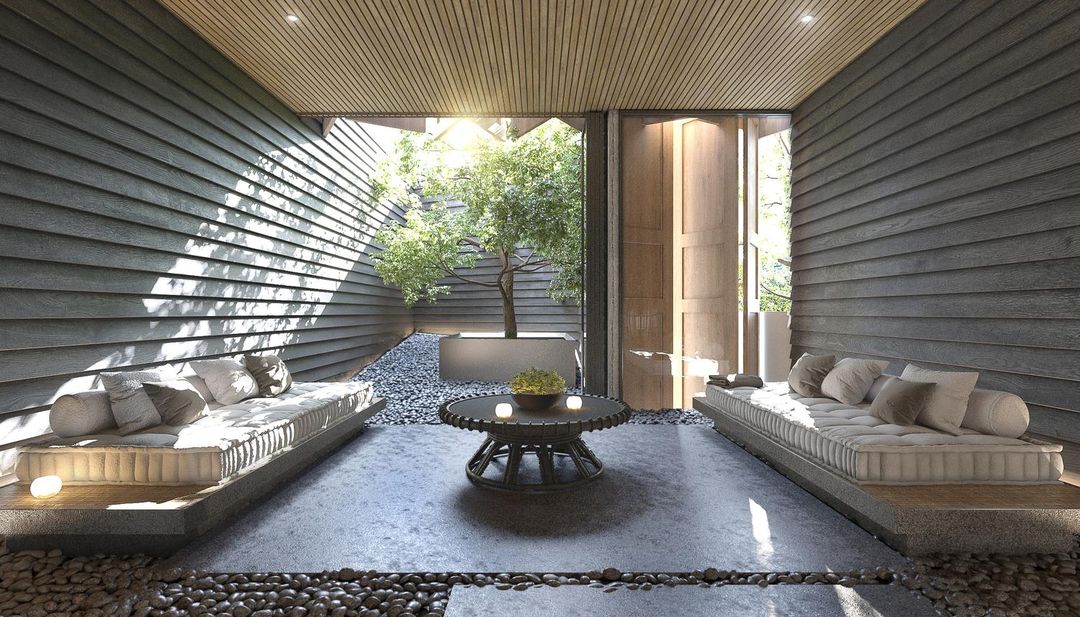
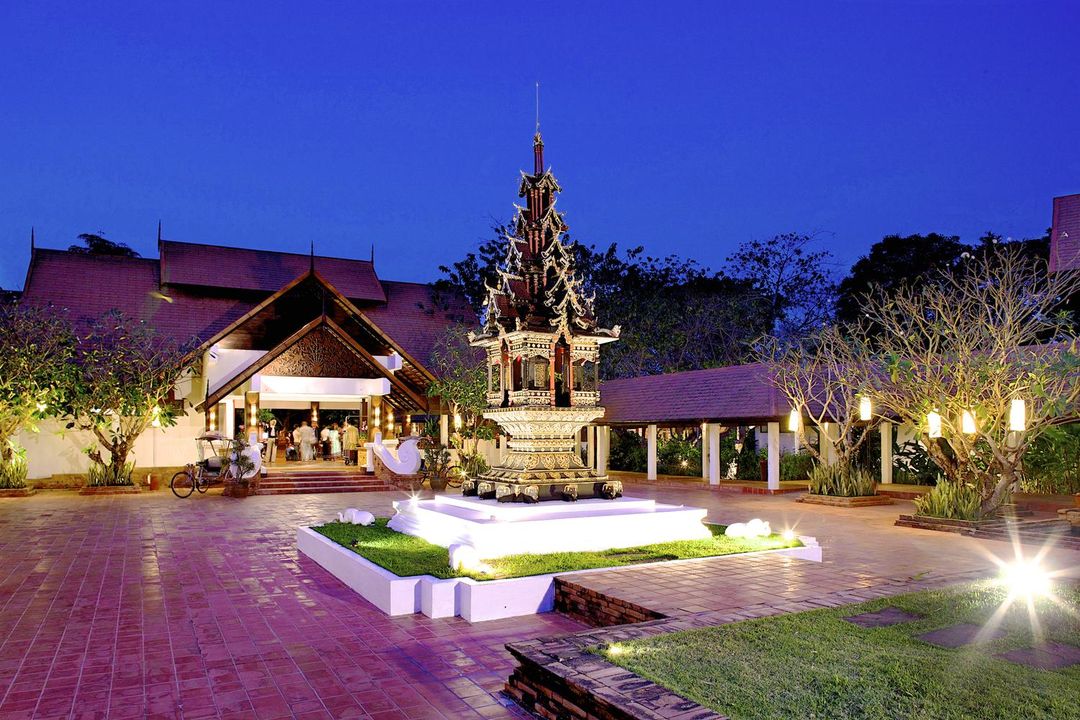
Find the perfect place to stay in Chiang Rai
Chiang Rai Overview
City Summary
Chiang Rai, the capital of Chiang Rai Province in northern Thailand, is renowned for its tranquil atmosphere and rich cultural heritage. The city blends Lanna culture with modern Thai lifestyle, surrounded by lush mountains and rice fields. Its most famous landmarks include the White Temple (Wat Rong Khun) and the Blue Temple (Wat Rong Suea Ten), which showcase unique architectural artistry. Chiang Rai also serves as the gateway to the Golden Triangle, offering a mix of ethnic cultures and natural beauty.
Must-See Attractions
Must-see attractions include the stunning White Temple, a modernist temple known for its pure white exterior and intricate details; the Blue Temple captivates visitors with its deep-blue walls and lavish interiors. Additionally, the Black House (Baandam Museum) displays the unique works of Thai artist Thawan Duchanee, exuding a mysterious aura. For history lovers, Chiang Rai Old Town and Wat Phra Kaew provide rich cultural experiences. At night, don’t miss the Chiang Rai Night Bazaar for local food and handicrafts.
Food Guide
Chiang Rai's cuisine combines northern Thai flavors with hill tribe influences. Must-try street foods include Sai Oua, a herbal sausage, and Khao Soi, a coconut curry noodle soup topped with crispy noodles. Also, savor Khao Lam (bamboo sticky rice) and Larb Moo (spicy pork salad). At the night market, you’ll find grilled skewers and fresh fruits like durian and mango.
Transportation Guide
Transportation in Chiang Rai relies mainly on Songthaews, shared taxis with fixed routes at affordable prices. Taxis and motorbike rentals are also available for independent travelers. For long-distance trips, buses connect Chiang Rai to other cities, while Chiang Rai International Airport offers domestic flights. Consider using the Grab app for rides or renting a motorbike with caution.
Best Time to Visit
The best time to visit is from November to February, when the weather is cool and dry, ideal for outdoor activities. March to May is hot, and June to October brings monsoon rains, which may disrupt plans. During peak season (December-January), book accommodations early.
Travel Tips
- Temple etiquette: Dress modestly—no shorts or sleeveless tops in temples.
- Traffic safety: Motorbikes are common; drive carefully and wear helmets.
- Carry cash: Many small shops/markets don’t accept cards; keep Thai Baht handy.
- Drink bottled water: Avoid tap water to prevent stomach issues.
- Learn basic Thai: Simple phrases like "Sawasdee" (hello) help with locals.
- Mosquito protection: Dengue fever is a risk; use repellent and wear long sleeves.
Useful Information
Language: Thai is the main language; English is spoken in tourist areas. Learning basic Thai phrases helps. Internet: 4G coverage is good; buy a local SIM (AIS/TrueMove). Payment: Cash is king; credit cards work in malls/hotels. Emergency care: Hospitals like Overbrook Hospital meet international standards; travel insurance is advised. Voltage: 220V, plug types A/B/C; some hotels provide adapters.
Airports in Chiang Rai
Information about airports serving Chiang Rai
Popular Flights to Chiang Rai
Book cheap flights to Chiang Rai


Chiang Rai Overview
City Summary
Chiang Rai, the capital of Chiang Rai Province in northern Thailand, is renowned for its tranquil atmosphere and rich cultural heritage. The city blends Lanna culture with modern Thai lifestyle, surrounded by lush mountains and rice fields. Its most famous landmarks include the White Temple (Wat Rong Khun) and the Blue Temple (Wat Rong Suea Ten), which showcase unique architectural artistry. Chiang Rai also serves as the gateway to the Golden Triangle, offering a mix of ethnic cultures and natural beauty.
Must-See Attractions
Must-see attractions include the stunning White Temple, a modernist temple known for its pure white exterior and intricate details; the Blue Temple captivates visitors with its deep-blue walls and lavish interiors. Additionally, the Black House (Baandam Museum) displays the unique works of Thai artist Thawan Duchanee, exuding a mysterious aura. For history lovers, Chiang Rai Old Town and Wat Phra Kaew provide rich cultural experiences. At night, don’t miss the Chiang Rai Night Bazaar for local food and handicrafts.
Food Guide
Chiang Rai's cuisine combines northern Thai flavors with hill tribe influences. Must-try street foods include Sai Oua, a herbal sausage, and Khao Soi, a coconut curry noodle soup topped with crispy noodles. Also, savor Khao Lam (bamboo sticky rice) and Larb Moo (spicy pork salad). At the night market, you’ll find grilled skewers and fresh fruits like durian and mango.
Transportation Guide
Transportation in Chiang Rai relies mainly on Songthaews, shared taxis with fixed routes at affordable prices. Taxis and motorbike rentals are also available for independent travelers. For long-distance trips, buses connect Chiang Rai to other cities, while Chiang Rai International Airport offers domestic flights. Consider using the Grab app for rides or renting a motorbike with caution.
Best Time to Visit
The best time to visit is from November to February, when the weather is cool and dry, ideal for outdoor activities. March to May is hot, and June to October brings monsoon rains, which may disrupt plans. During peak season (December-January), book accommodations early.
Travel Tips
- Temple etiquette: Dress modestly—no shorts or sleeveless tops in temples.
- Traffic safety: Motorbikes are common; drive carefully and wear helmets.
- Carry cash: Many small shops/markets don’t accept cards; keep Thai Baht handy.
- Drink bottled water: Avoid tap water to prevent stomach issues.
- Learn basic Thai: Simple phrases like "Sawasdee" (hello) help with locals.
- Mosquito protection: Dengue fever is a risk; use repellent and wear long sleeves.
Useful Information
Language: Thai is the main language; English is spoken in tourist areas. Learning basic Thai phrases helps. Internet: 4G coverage is good; buy a local SIM (AIS/TrueMove). Payment: Cash is king; credit cards work in malls/hotels. Emergency care: Hospitals like Overbrook Hospital meet international standards; travel insurance is advised. Voltage: 220V, plug types A/B/C; some hotels provide adapters.
Frequently Asked Questions about Traveling to Chiang Rai
Questions You Might Need to Know About Traveling to Chiang Rai