Hotels in Chianni
Discover your perfect stay in Chianni.
Chianni(Italy) Travel 2026: Cheap Flights, Hotels & Top Attractions
Popular Landmarks in Chianni
Discover the most iconic attractions in Chianni
Recommended Hotels in Chianni
Find the perfect place to stay in Chianni
Best Hotels in Chianni
Discover curated hotel collections in Chianni














Frequently Asked Questions about Traveling to Chianni
Questions You Might Need to Know About Traveling to Chianni
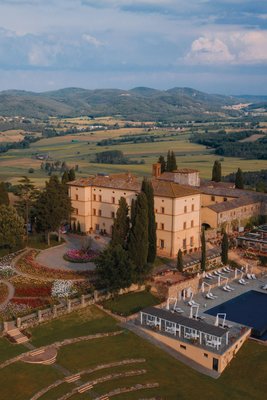
In Chianti, the top boutique choice for wine enthusiasts is Castello di Ama, a historic estate that blends Renaissance architecture with world-class winemaking. Guests enjoy private tastings of Chianti Classico DOCG wines, guided vineyard walks, and hands-on fermentation workshops led by master winemakers.
Another exceptional option is Fattoria di Felsina, where each room features views of terraced vineyards and guests can participate in seasonal harvest experiences. The hotel’s cellar offers rare vintage tastings, while its on-site restaurant serves gourmet dishes paired with estate-grown wines. These stays go beyond lodging—they offer an immersive journey into Tuscan viticulture and the soul of Italian terroir.
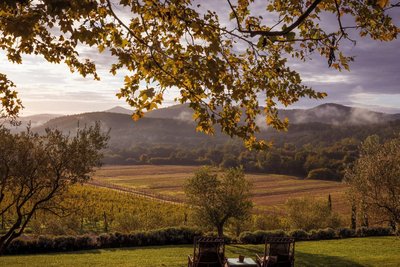
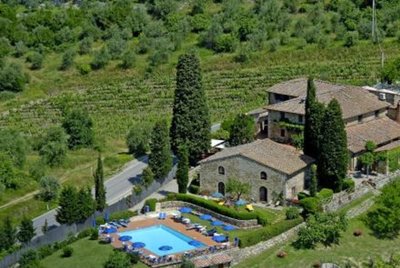
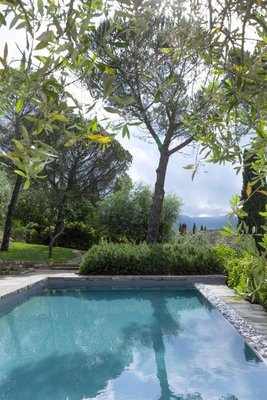
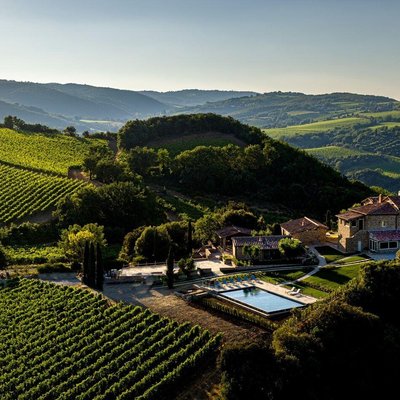
The most tranquil area for countryside stays in Chianti is the Chianti Classico Hills, particularly around Radda in Chianti and Gaiole in Chianti. These hilltop villages are nestled among olive groves and vineyards, offering panoramic views and peaceful surroundings.
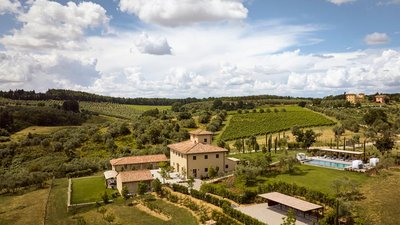
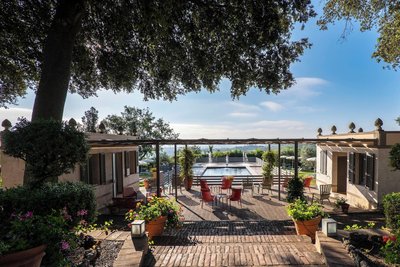
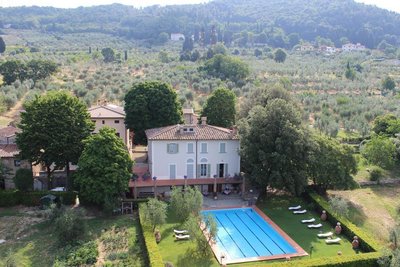
Hotels here, like La Corte del Poggio and Villa Le Vigne, are set in restored farmhouses with lush gardens and private terraces. They provide a true escape from urban life—perfect for those seeking solitude, stargazing, or morning hikes through ancient stone paths. With minimal traffic and rich local charm, this region delivers an authentic taste of Tuscan rural life and timeless serenity.
In Chianti, must-do cultural experiences include a private wine-making tour at Castello di Ama, where you’ll learn the art of blending Sangiovese grapes and aging wine in oak barrels. Many hotels also host traditional pasta-making classes, using heirloom flour and fresh eggs to craft handmade ribbons and pappardelle.
Don’t miss a sunset dinner under the stars at a centuries-old villa, often accompanied by live folk music and local storytelling. You can also visit the Medici-era churches and artisan markets in Radda or Gaiole, where local craftspeople sell hand-painted ceramics and wool textiles. These experiences deepen your connection to Tuscan heritage and the rhythm of village life.
Yes, Villa Le Vigne in Chianti is a premier family-friendly hotel offering a full range of child-centered activities. The property features a dedicated play garden, a mini-farm with goats and chickens, and a kids’ cooking corner where children make pizza from scratch using organic ingredients.
Family packages include guided bike tours through vineyards, treasure hunts in medieval alleyways, and storytelling nights under the stars. All meals cater to children with healthy, locally sourced options. With spacious suites and attentive staff, it’s ideal for multi-generational travel. The surrounding hills are safe and scenic, making it easy to explore nature together while enjoying the warmth of Tuscan hospitality.
Most Chianti hotels provide free private parking, especially in rural areas where guests typically arrive by car. For airport transfers, some luxury properties like Castello di Ama and Fattoria di Felsina offer pre-booked shuttle services from Florence Airport (FLR), costing approximately €60–€90 per vehicle.
While not all hotels include transfers in their rates, they often assist with HopeGoo via local providers or offer bike rentals and electric scooters for short-distance exploration. Given the region’s excellent road network and low congestion, driving remains the most flexible way to discover Chianti’s hidden gems, and hotels are well-equipped to support self-guided adventures.
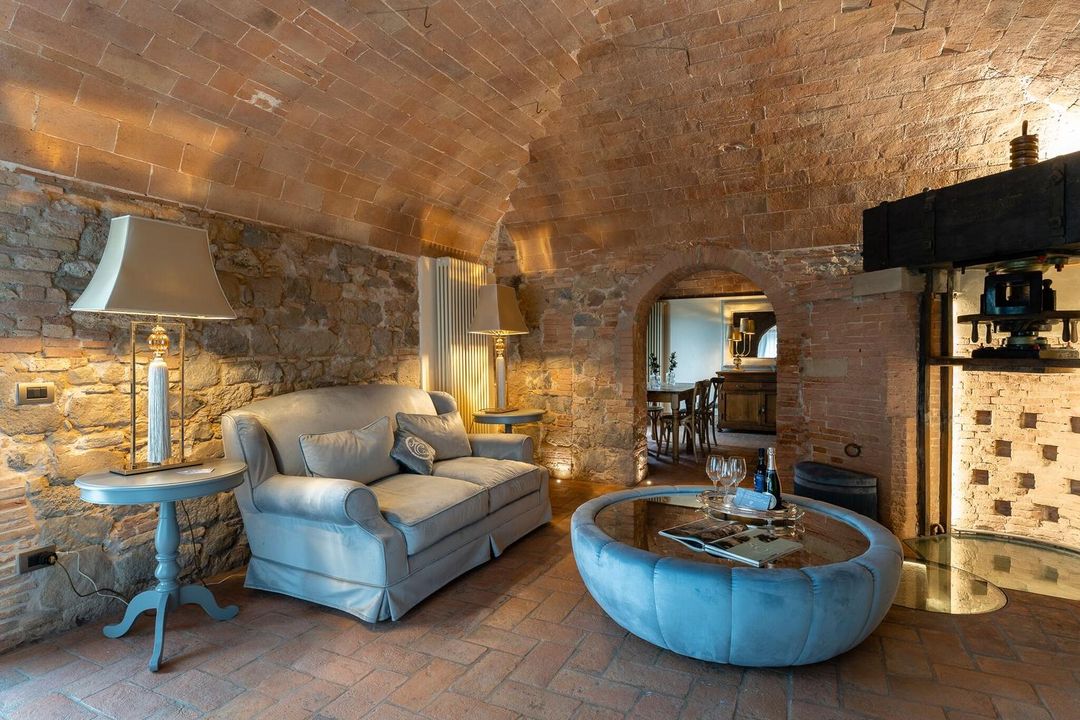
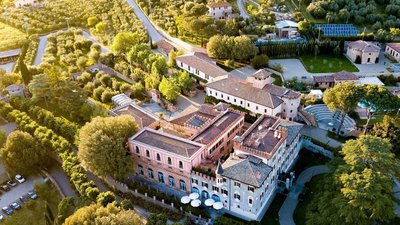
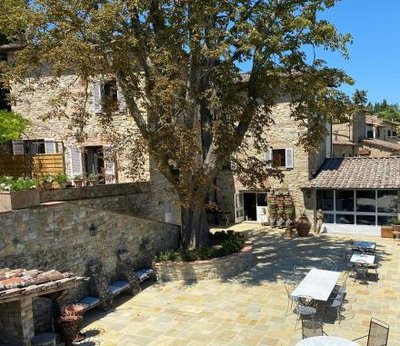
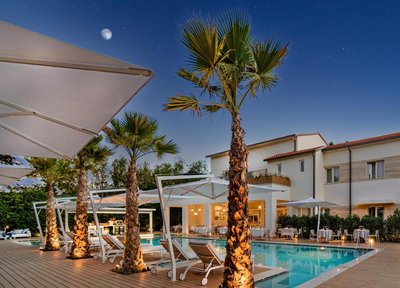
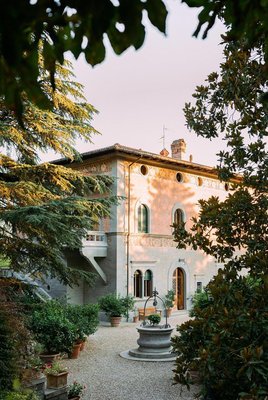
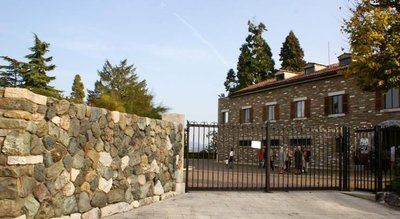
Chianti hotels embody classic Tuscan architecture through the use of local materials: rough-hewn stone walls, red clay tile roofs, and arched doorways. Villa Le Vigne showcases this tradition with its limestone façade and central courtyard adorned with olive trees and fountains.
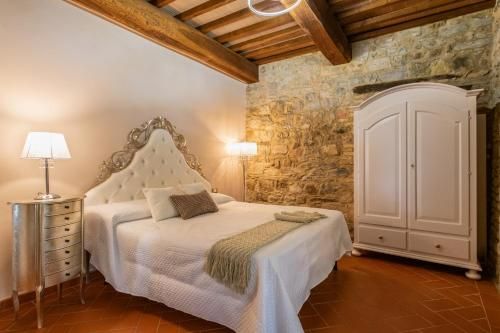
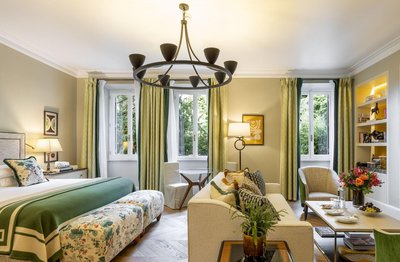
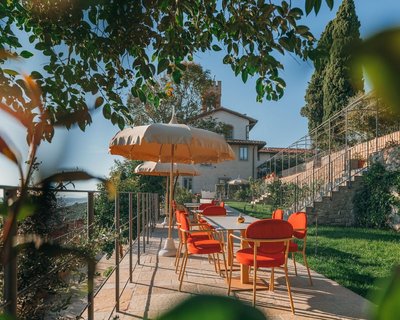
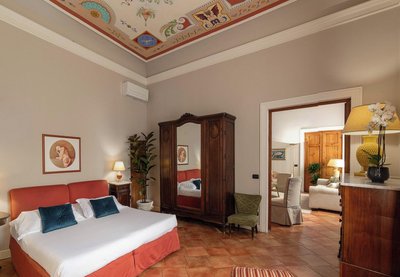
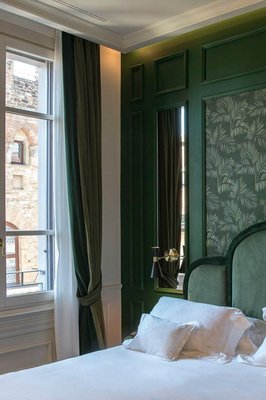
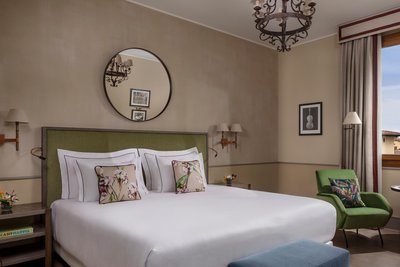
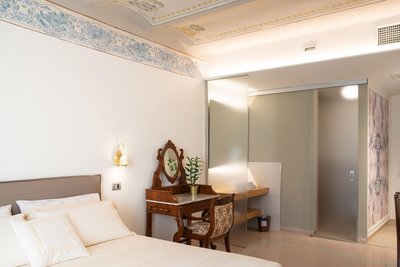
Inside, rooms feature handmade terracotta floors, exposed wooden beams, and wrought-iron chandeliers, creating a warm, earthy ambiance. Courtyards are designed with symmetry and natural elements—such as rose gardens and shaded pergolas—reflecting the Italian concept of giardino pensile (hanging garden).
These design choices aren’t just aesthetic; they’re deeply rooted in climate adaptation and cultural identity. The result is a harmonious blend of history, nature, and comfort that defines the essence of Tuscan living.
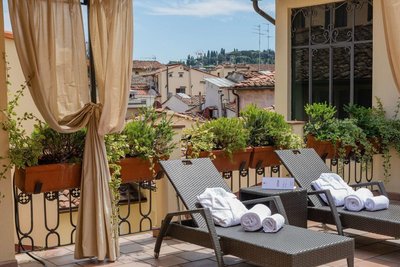
For couples, Castello di Ama in Chianti delivers an unforgettable romantic retreat. Stay in a private suite with a terrace overlooking endless vineyards, then enjoy a candlelit dinner in the castle’s underground cellar, featuring rare vintages and truffle-infused dishes.
Many hotels offer bespoke experiences: a private wine tasting at sunset, a couple’s spa treatment with local herbs, or a surprise picnic in a secluded grove. Some even arrange a secret night tour of the estate, where you walk through moonlit vineyards with a guide sharing legends of the region.
With no distractions, only nature and intimacy, these moments create lasting memories—perfect for rekindling love in the heart of Tuscany’s most poetic landscape.
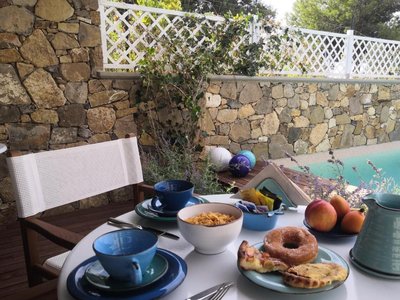
Absolutely. Most Chianti hotels prioritize organic, farm-to-table cuisine. At Villa Le Vigne, breakfast includes fresh fruit from the on-site orchard, free-range eggs, and homemade bread baked daily.
Dinner menus focus on seasonal ingredients: grilled vegetables with wild herbs, slow-cooked legumes, and seafood sourced from the Tyrrhenian coast. The kitchens avoid processed oils and additives, using only extra virgin olive oil and natural spices.
Several hotels partner with nearby organic farms and offer nutritional consultations upon request. Meals are served in open-air terraces or vaulted dining halls, enhancing the sensory experience. This commitment to clean, sustainable eating reflects the core values of Tuscan wellness culture.
Yes, nearly all Chianti boutique hotels can arrange professional private guides tailored to your interests. Whether you want a wine-tasting tour, a historical walking route through medieval villages, or a photography hike across sun-drenched hills, guides are available in English, Italian, and Spanish.
Hotels like Castello di Ama and La Corte del Poggio have curated partnerships with certified local experts who provide deep insights into local traditions, agriculture, and art. Guides can customize routes based on group size and pace, including stops at hidden churches, artisan workshops, and panoramic viewpoints.
HopeGoo is simple—just inform the concierge in advance. With personalized attention and expert knowledge, these tours transform a stay into a truly immersive cultural journey.
Yes, Chianti hotels are increasingly popular for long-term stays. Properties like Villa Le Vigne and Fattoria di Felsina offer weekly or monthly rental plans with discounts up to 20%, plus housekeeping and laundry services.
Rooms are equipped with high-speed Wi-Fi, ergonomic desks, and quiet reading nooks—ideal for remote work or creative writing. Some even host art exhibitions, writer’s retreats, and meditation sessions.
Surrounded by vineyards and rolling hills, the peaceful environment fosters focus and inspiration. Guests also benefit from direct access to organic farm deliveries and local markets. For anyone seeking a slower, more meaningful lifestyle, Chianti offers the perfect sanctuary for extended stays.
Chianni Overview
City Summary
Chianti, a charming town in Italy's Tuscany region, is renowned for its peaceful countryside, rich history, and celebrated wine culture. It's an ideal escape from urban life, offering visitors a chance to enjoy slow living amidst vineyards and olive groves. Chianti attracts culture lovers with its traditional Tuscan architecture, medieval churches, and local crafts.
Must-See Attractions
Must-see spots include Chianti's historic center, featuring well-preserved medieval buildings like the Church of San Michele and the old Town Hall. Nearby vineyards offer wine-tasting tours, showcasing the famous Chianti wine. The surrounding countryside trails are perfect for hiking or cycling, offering stunning views of Tuscany's landscapes.
Food Guide
Food recommendations: Chianti is famous for traditional Tuscan dishes like Bistecca alla Fiorentina and Pappardelle al Cinghiale. Local restaurants also serve fresh olive oil and cheese platters. Don't miss trying Chianti wine, especially when paired with regional cuisine.
Transportation Guide
Transportation guide: Public transport in Chianti is limited; renting a car is recommended for exploring the countryside. The nearest train station is in Greve, accessible by regional trains from Florence. The town center is walkable, but taxis or guided tours may be needed for remote vineyards.
Best Time to Visit
Best time to visit: Spring (April-June) and autumn (September-October) offer mild weather for outdoor activities and vineyard visits. Summer attracts more tourists, while winter is quieter but some sites may close.
Travel Tips
- Safety: Chianti is safe, but keep valuables secure.
- Etiquette: Dress modestly when visiting churches.
- Reservations: Book popular restaurants and vineyards in advance.
- Cash: Smaller shops may not accept cards.
- Language: Basic Italian phrases are appreciated.
- Driving: Be cautious on narrow rural roads.
Useful Information
Practical info: Italian is the official language, but English is understood in tourist areas. Wi-Fi is available in hotels and some cafes, but rural areas may have spotty coverage. Carry euros as ATMs are limited. For emergencies, dial 112; the nearest hospital is in Greve. The voltage is 220V with Type F plugs.